Shearing Machine Applications in Metal Fabrication: Where It Delivers the Most Value


Introduction to Shearing Machine Applications In Metal Fabrication: Where It Delivers Most Value
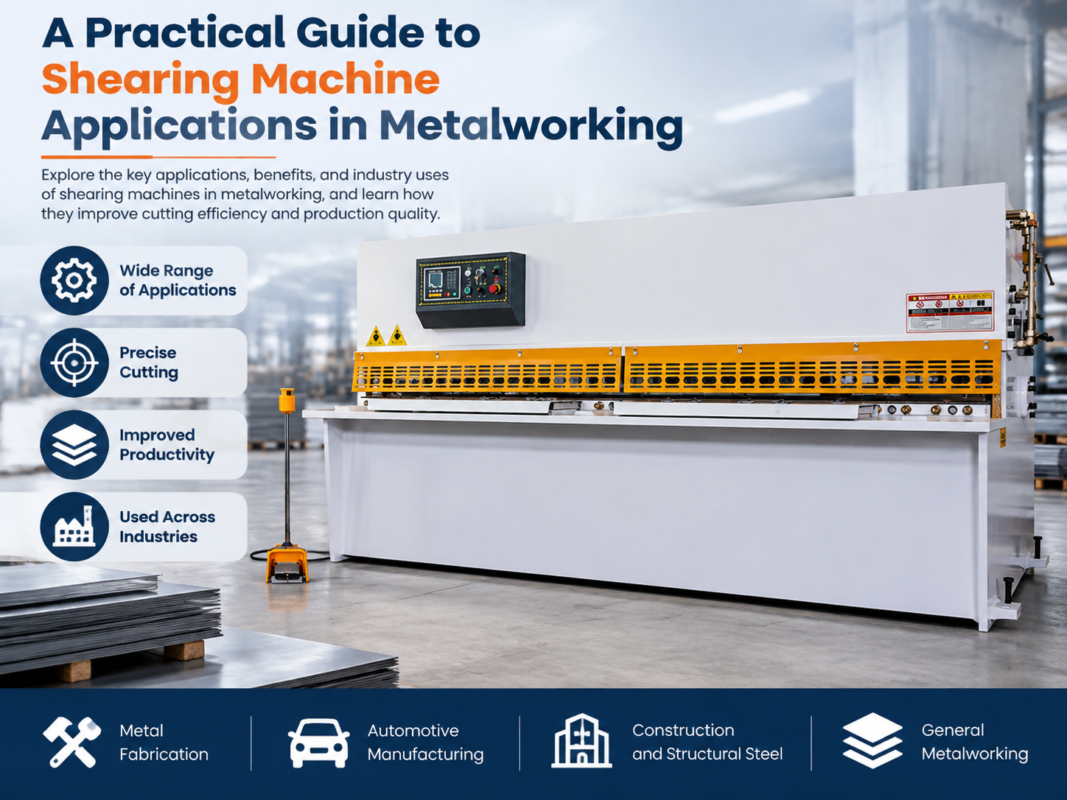
In the vast landscape of metalworking, the shearing machine stands as a foundational pillar of productivity. Often the first piece of equipment to touch a raw metal sheet, its primary function is to cut large sheets into smaller, manageable sizes with precision and speed. While advanced technologies like laser and waterjet cutting have gained popularity, the shearing machine remains indispensable due to its cost-efficiency, high throughput, and ability to handle straight-line cuts with unmatched speed. For manufacturers looking to optimize their workflow, understanding Shearing Machine Applications In Metal Fabrication: Where It Delivers Most Value is essential for maximizing return on investment.
HARSLE has long been at the forefront of developing high-performance shearing solutions that cater to a wide array of industrial needs. Whether it is a hydraulic swing beam shear or a precision guillotine shear, these machines are designed to provide clean edges and accurate dimensions, which are critical for subsequent processes like bending, welding, and assembly. In this comprehensive guide, we will explore the specific industries and scenarios where shearing machines provide the most significant advantages, the technical nuances that drive their performance, and how to select the right machine for your specific fabrication requirements.
The value of a shearing machine is not just in its ability to cut metal, but in its role as a high-volume preparatory tool. By reducing the time spent on initial sizing, fabrication shops can significantly lower their per-part cost. As we delve deeper into the various applications, it becomes clear that the shearing machine is more than just a simple cutter; it is a strategic asset in the modern manufacturing environment.
Key Considerations for Shearing Machine Implementation
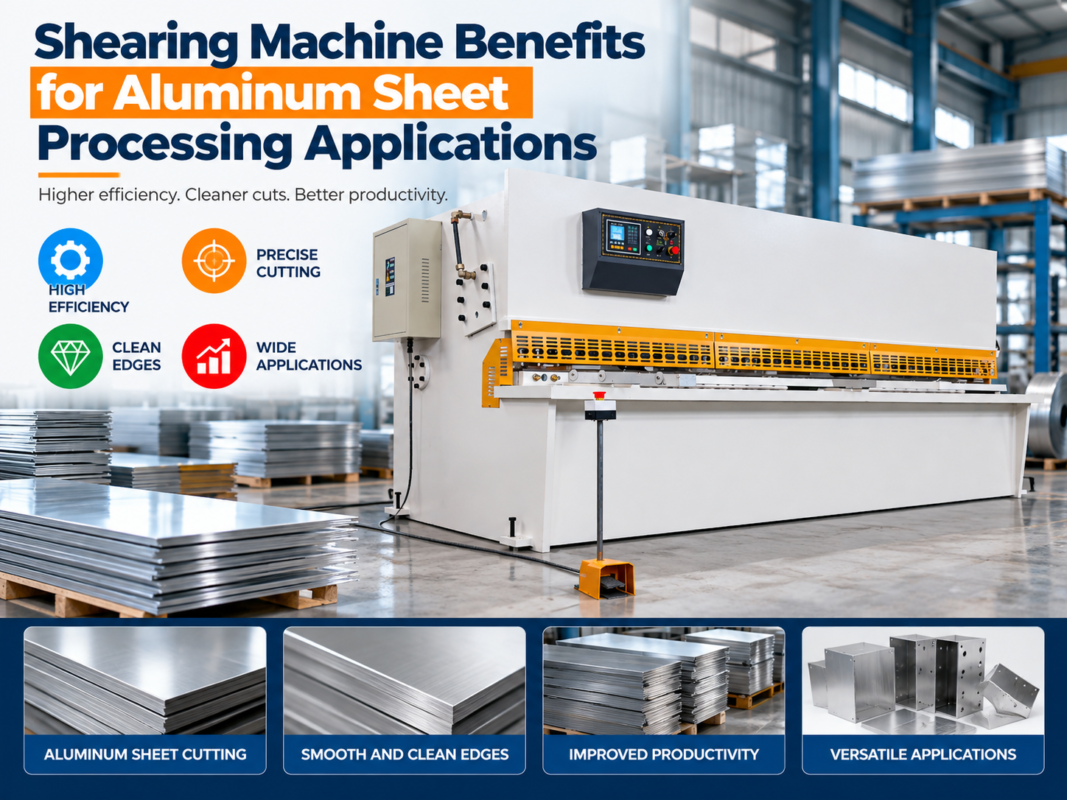
Before integrating a shearing machine into a production line, several key factors must be considered to ensure the equipment delivers its maximum potential value. The first consideration is material compatibility. Not all metals react the same way to the shearing process. While mild steel is the standard, materials like stainless steel, aluminum, and high-tensile alloys require different blade clearances and rake angles to prevent burring or machine strain. Understanding the mechanical properties of your primary materials is the first step in successful shearing.
Accuracy and tolerance requirements are equally important. For industries like aerospace or precision electronics, even a fraction of a millimeter can lead to assembly failures. Modern CNC-controlled shearing machines from HARSLE offer programmable backgauges and automatic blade gap adjustments, ensuring that every cut meets stringent quality standards. If your application involves high-precision components, investing in a machine with advanced control systems is non-negotiable.
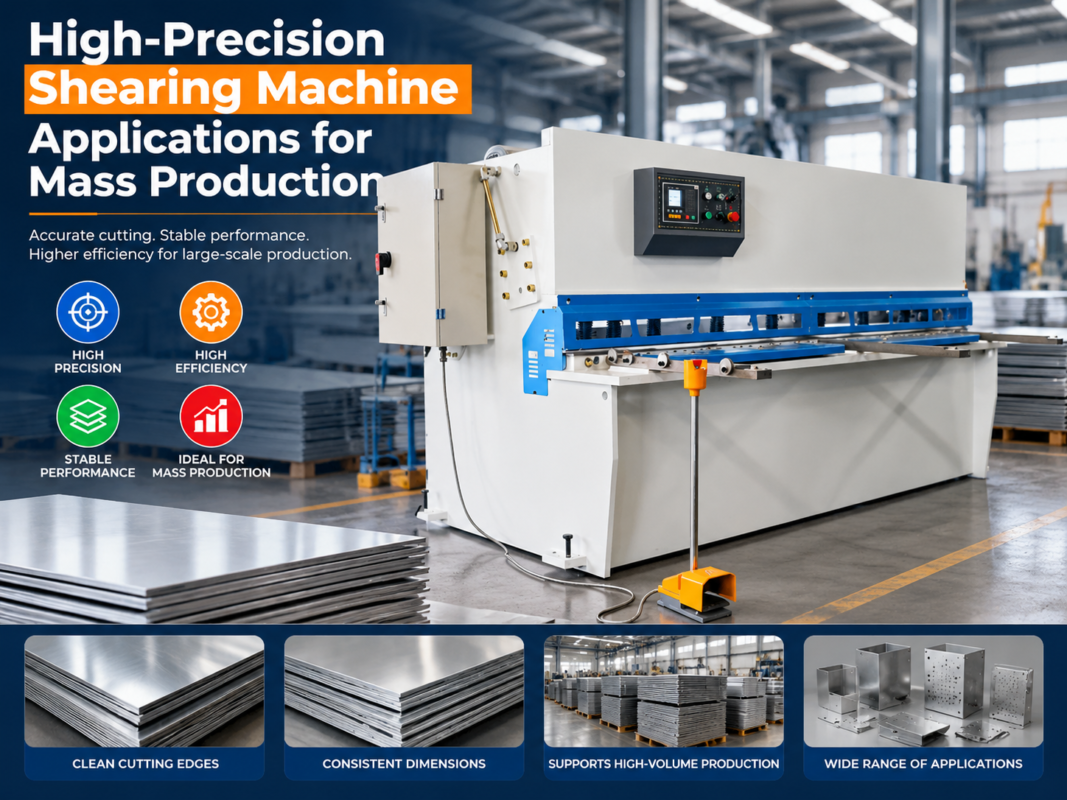
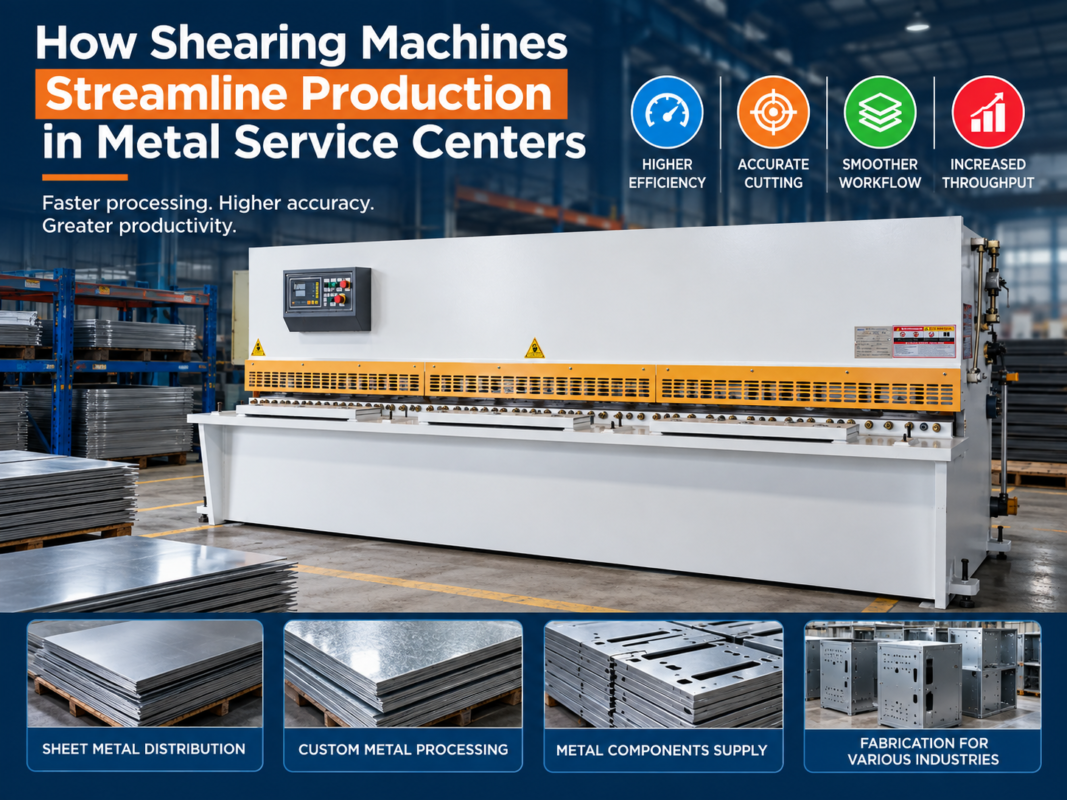
Production volume is the third critical factor. Shearing machines are built for speed. In high-volume environments where thousands of identical strips or blanks are needed daily, the shearing machine outperforms almost every other cutting method in terms of parts per hour. However, for low-volume, highly complex shapes, a laser might be more appropriate. The “value” of the shearing machine is most evident when the goal is to produce straight-edged blanks quickly and economically.
Finally, safety and ergonomics should never be overlooked. Modern shearing machines are equipped with light curtains, emergency stops, and finger guards to protect operators. A machine that is easy to operate and safe to maintain will have higher uptime and lower long-term costs. When evaluating Shearing Machine Applications In Metal Fabrication: Where It Delivers Most Value, the safety of the workforce is a primary component of that value proposition.
Technical Details: How Shearing Machines Work
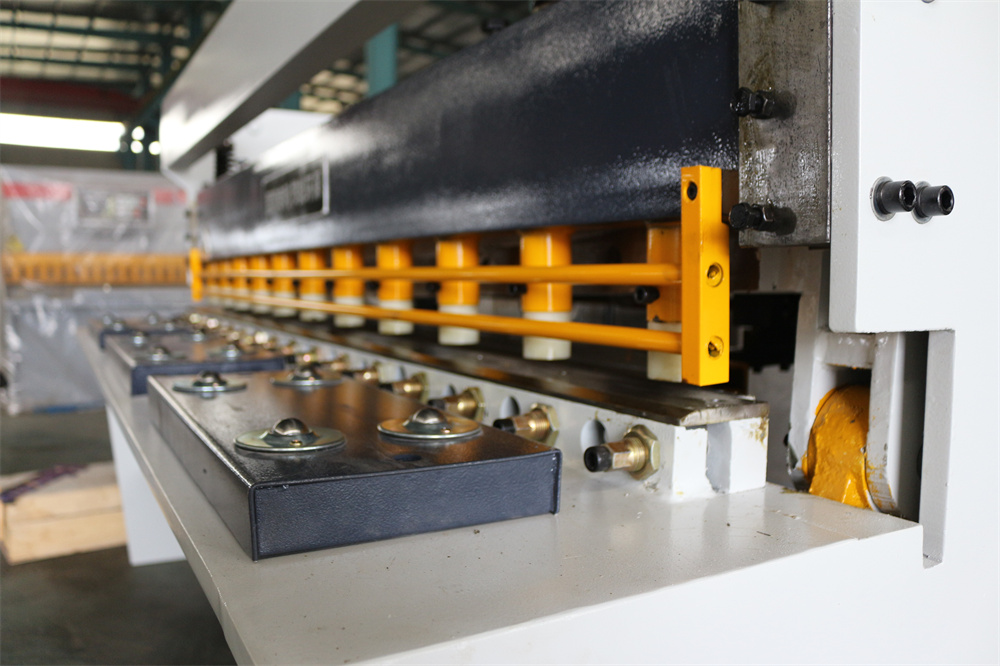
To appreciate where these machines deliver value, one must understand the mechanics behind the cut. Shearing is a process of metal cutting without the formation of chips or the use of burning or melting. It involves the use of two blades—a fixed bottom blade and a moving top blade. As the top blade descends, it exerts pressure on the metal sheet, causing it to deform plastically before eventually fracturing along the cut line.
The Importance of Blade Gap (Clearance)
The distance between the upper and lower blades, known as the blade gap or clearance, is the most critical technical variable in shearing. If the gap is too wide, the metal will bend between the blades, resulting in a heavy burr and a rounded edge. If the gap is too narrow, the blades will experience excessive wear, and the cut will require significantly more force. HARSLE machines often feature rapid blade gap adjustment mechanisms, allowing operators to switch between different material thicknesses in seconds, which is vital for maintaining edge quality across diverse projects.
Rake Angle and Its Impact
The rake angle is the angle of the top blade relative to the bottom blade. A higher rake angle reduces the amount of force required to cut through thick materials because only a small portion of the blade is in contact with the metal at any given time. However, a high rake angle can also cause “twist” or “bow” in the cut piece. Precision shearing machines allow for the adjustment of the rake angle to balance the need for cutting force against the requirement for flat, distortion-free parts.
Hydraulic vs. Mechanical Systems
While mechanical shears were common in the past, modern industrial applications almost exclusively favor hydraulic systems. Hydraulic shearing machines provide consistent pressure throughout the entire stroke and offer better protection against overloading. They are also generally quieter and easier to maintain. HARSLE’s hydraulic systems are engineered for longevity, utilizing high-quality valves and pumps to ensure that the machine can handle the rigors of 24/7 industrial production.
Primary Applications: Where Shearing Delivers Most Value
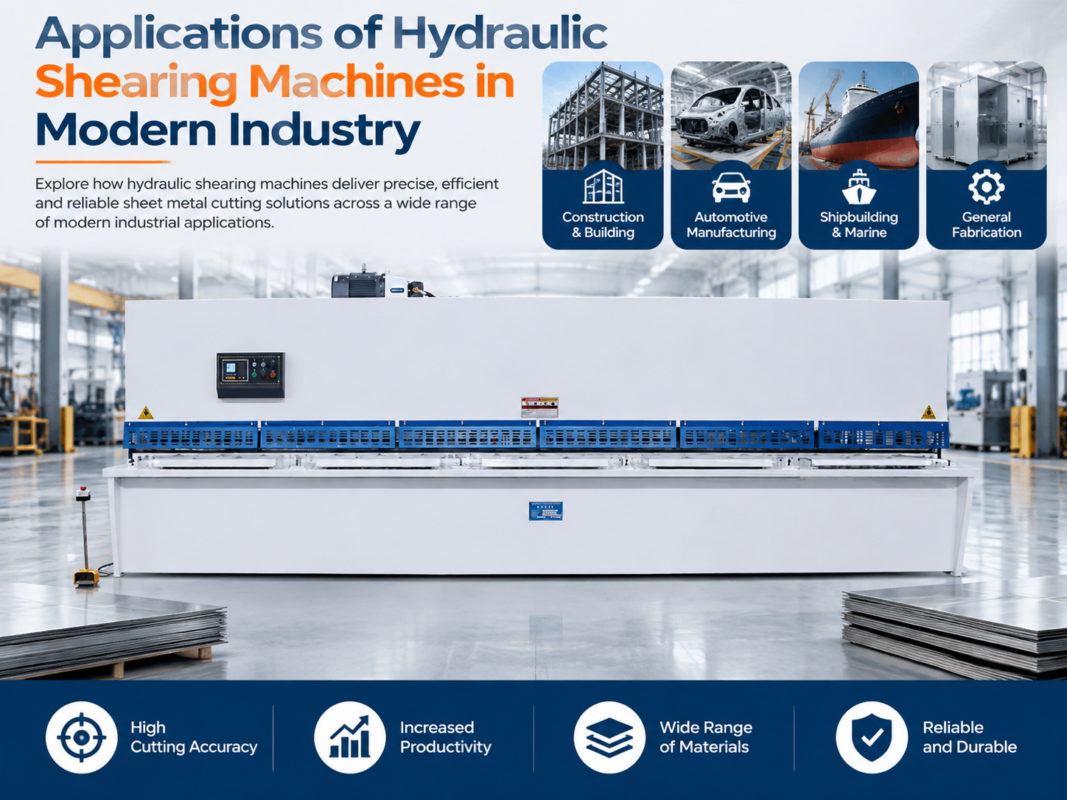
The versatility of the shearing machine allows it to serve a multitude of industries. Below are the sectors where these machines are most frequently utilized and where they provide the highest operational value.
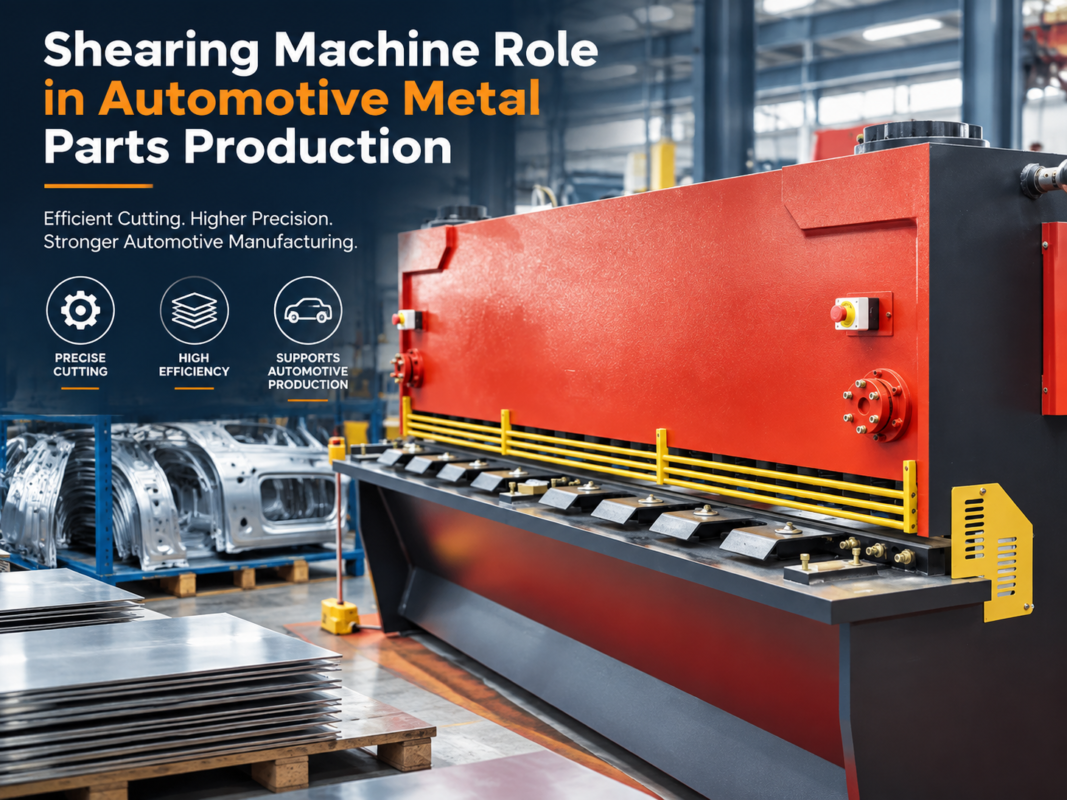
1. Automotive Industry
In automotive manufacturing, speed and repeatability are paramount. Shearing machines are used to create the initial blanks for body panels, chassis components, and internal structural parts. Before these parts are sent to a deep-drawing press or a CNC folding machine, they must be cut to precise dimensions. The ability to process large coils of steel into uniform blanks makes the shearing machine a workhorse in automotive supply chains.
2. Construction and Infrastructure
The construction sector relies heavily on sheared metal for roofing, siding, and structural reinforcements. Large plates of steel or aluminum are often sheared to size on-site or in specialized fabrication shops to create gutters, flashing, and wall panels. Because these applications often involve long, straight cuts, the shearing machine is the most efficient tool for the job. It delivers value by minimizing material waste and providing clean edges that are safe for handling and installation.
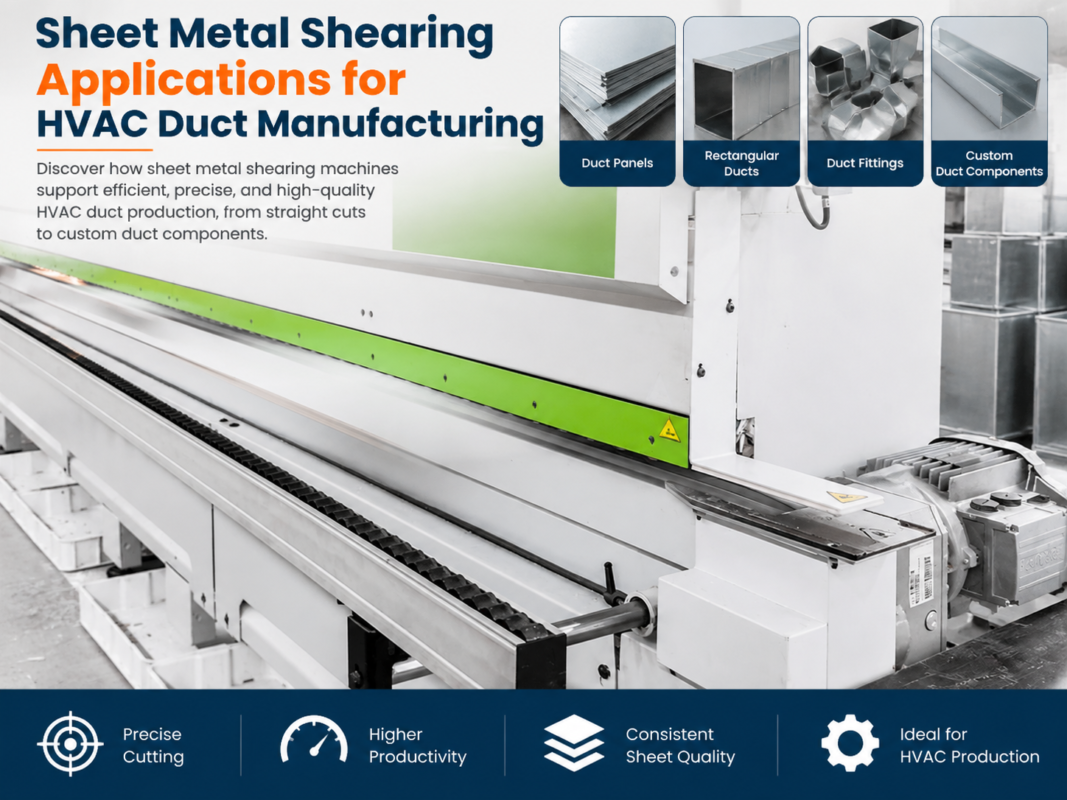
3. HVAC and Ductwork
Heating, Ventilation, and Air Conditioning (HVAC) systems require miles of galvanized steel ducting. These ducts are formed from flat sheets that must be cut to specific widths before being rolled or folded. A shearing machine integrated with a backgauge system allows HVAC fabricators to quickly produce the various sizes needed for complex ventilation layouts. The speed of the shearing process is a major competitive advantage in this high-demand industry.
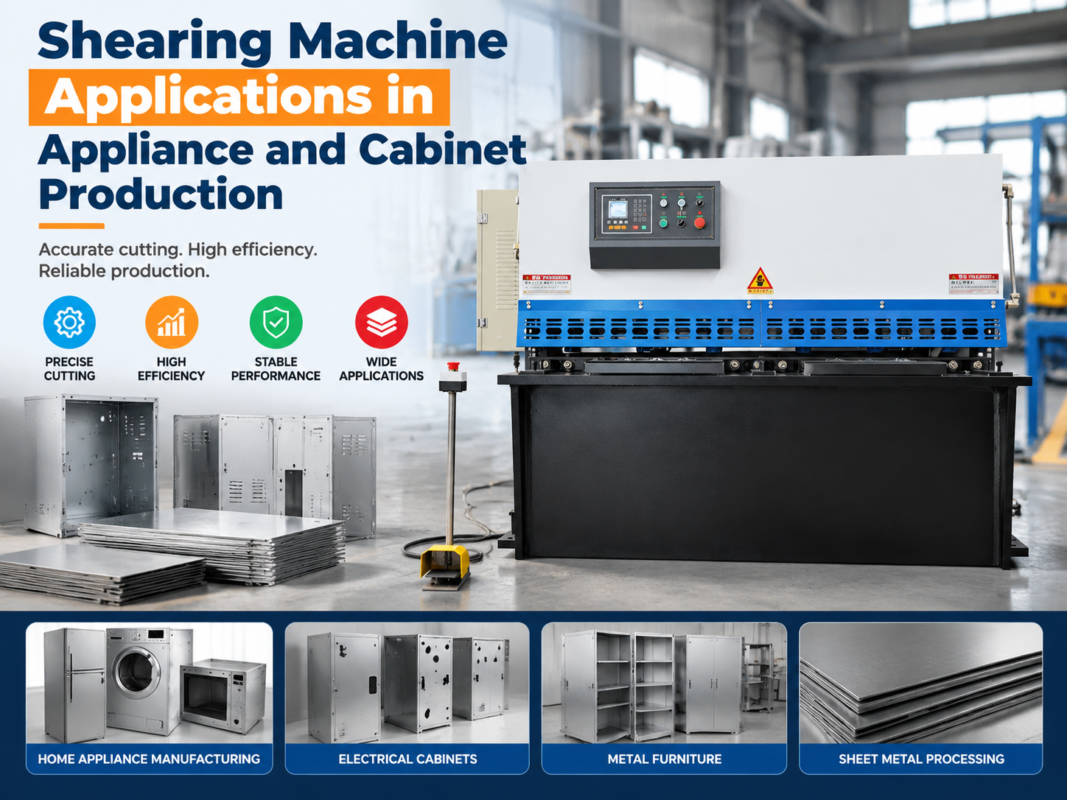
4. Appliance Manufacturing
From refrigerator shells to washing machine drums, the appliance industry uses massive quantities of sheet metal. Shearing machines are used to create the rectangular blanks that will eventually be formed into the exterior cabinets of household appliances. The high precision of HARSLE shears ensures that these panels fit together perfectly during final assembly, reducing the need for manual adjustments or rework.
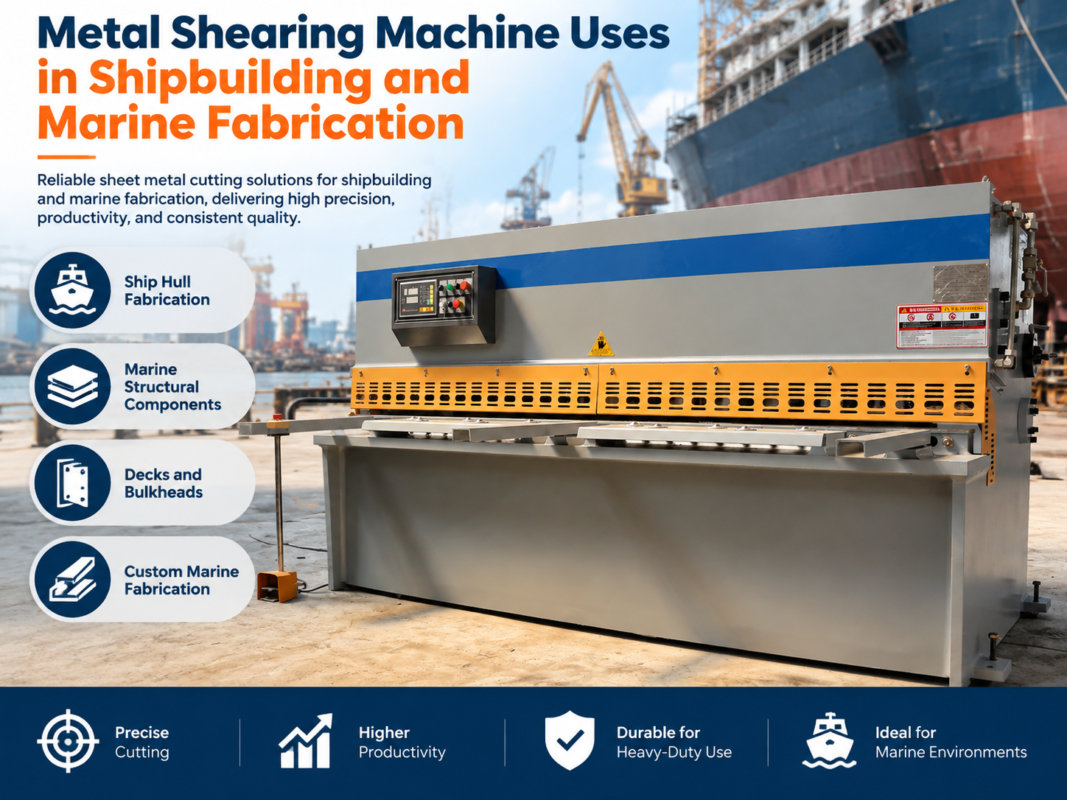
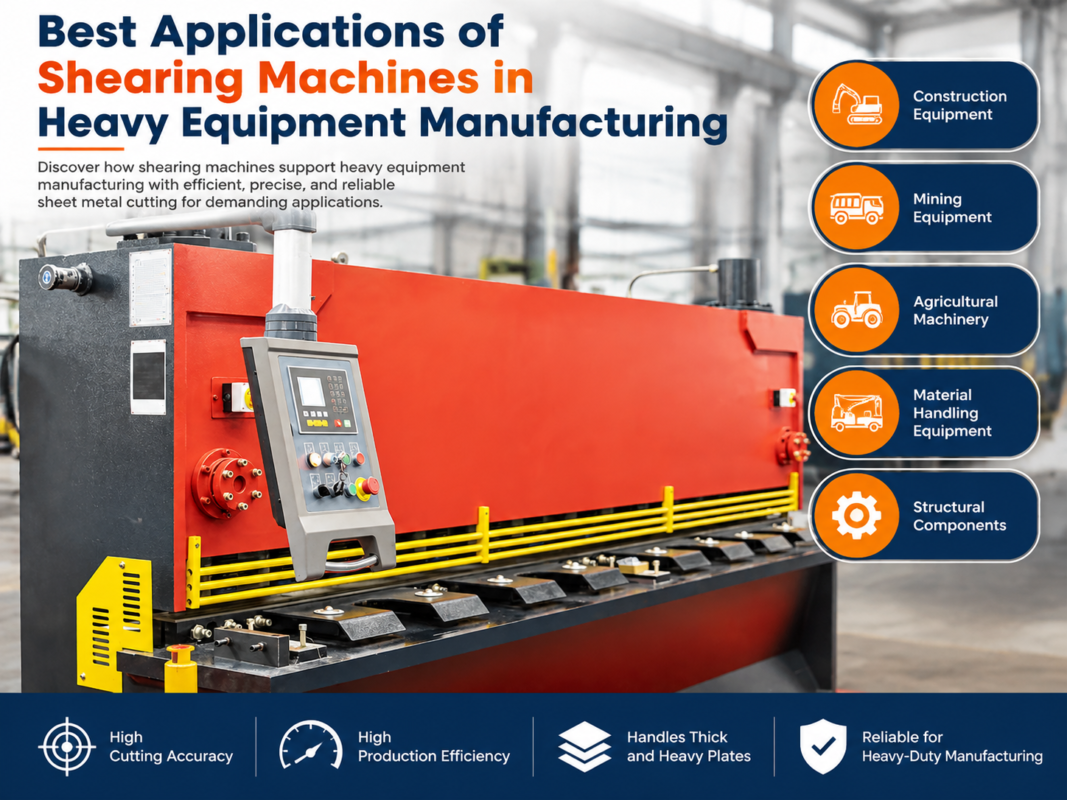
5. Shipbuilding and Heavy Engineering
In shipbuilding, the scale of the materials is much larger. Heavy-duty hydraulic guillotine shears are used to cut thick steel plates that form the hull and internal bulkheads of vessels. Here, the value lies in the machine’s power and its ability to maintain a straight cut over lengths of 6 meters or more. The robustness of the shearing machine is critical in an environment where downtime can delay multi-million dollar projects.
Selection Advice: Choosing the Right Shearing Machine
Selecting the right shearing machine is a strategic decision that impacts your shop’s efficiency for years. To make the best choice, follow this selection framework:
- Assess Your Maximum Thickness: Always choose a machine with a capacity slightly higher than your thickest material. If you regularly cut 6mm mild steel, a 10mm capacity machine will provide a longer lifespan and better cut quality.
- Determine the Maximum Length: Consider the widest sheets you will process. Standard lengths range from 2000mm to 6000mm. Ensure the machine’s throat depth is also sufficient for any “slitting” operations you might perform.
- Swing Beam vs. Guillotine: Swing beam shears are generally more affordable and suitable for thinner materials. Guillotine shears, which move the blade in a vertical line, offer higher precision and are better for thicker plates and applications where rake angle adjustment is necessary.
- Control Systems: For repetitive tasks, an NC (Numerical Control) or CNC system is essential. It allows for the storage of multiple programs and automates the backgauge movement, significantly reducing setup time.
- Blade Quality: Ensure the machine uses high-carbon, high-chrome blades. The quality of the blade directly affects the interval between sharpenings and the overall quality of the sheared edge.
By focusing on these criteria, fabricators can ensure they invest in a machine that not only meets their current needs but also allows for future growth. HARSLE provides expert consultation to help customers navigate these choices, ensuring the selected equipment aligns perfectly with their production goals.
Frequently Asked Questions (FAQ)
What is the difference between a shearing machine and a laser cutter?
A shearing machine is designed for fast, straight-line cuts in sheet metal, making it ideal for high-volume blanking. A laser cutter uses a focused beam of light to cut complex shapes and patterns. While lasers are more versatile for intricate designs, shearing machines are significantly faster and more cost-effective for straight cuts.
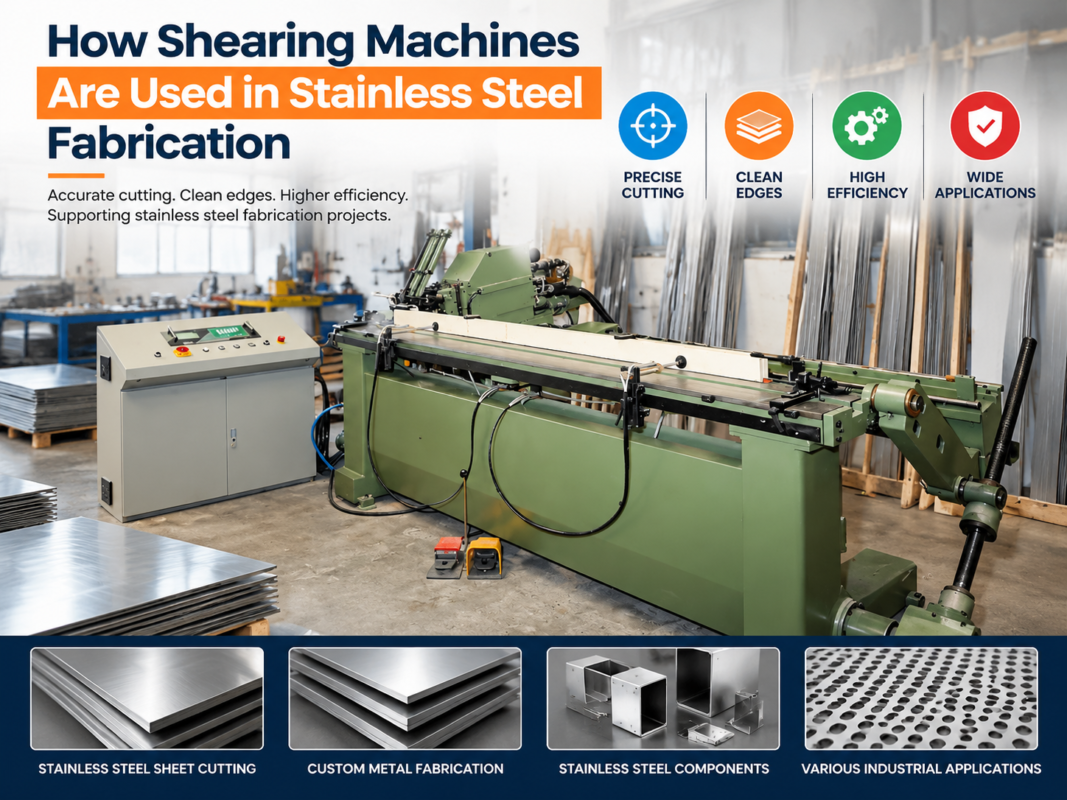
Can a shearing machine cut stainless steel?
Yes, but it requires specific considerations. Stainless steel is harder than mild steel, so the machine’s capacity is usually rated lower for stainless. Additionally, the blade gap must be set tighter, and the blades themselves must be made of a high-grade alloy to withstand the increased wear.
How often should shearing blades be sharpened?
The frequency of sharpening depends on the material type, thickness, and volume of cuts. Generally, if you notice increased burring, a rounded edge on the cut, or the machine requiring more pressure, it is time to inspect and potentially rotate or sharpen the blades. Most HARSLE blades have four cutting edges that can be rotated before needing a full regrind.
What causes the metal to twist during shearing?
Twist is usually caused by a rake angle that is too high for the width of the strip being cut. If you are cutting narrow strips, reducing the rake angle can help keep the part flat. Modern hydraulic shears allow for this adjustment to minimize distortion.
Is a hydraulic shear better than a mechanical one?
For most modern applications, yes. Hydraulic shears offer better control, overload protection, and the ability to adjust the stroke length. Mechanical shears are faster in terms of cycles per minute but lack the versatility and safety features of hydraulic systems.
Conclusion: Maximizing Value with HARSLE Shearing Solutions
The shearing machine remains a cornerstone of the metal fabrication industry because it delivers exactly what manufacturers need: speed, precision, and cost-efficiency. From the initial blanking of automotive parts to the heavy-duty plate processing in shipyards, the Shearing Machine Applications In Metal Fabrication: Where It Delivers Most Value are diverse and vital. By choosing the right machine—whether it’s a versatile swing beam or a high-precision guillotine—fabricators can streamline their operations and ensure a high-quality foundation for all subsequent manufacturing steps.
HARSLE is committed to providing the industry with machinery that embodies these values. Our shearing machines are engineered with the latest hydraulic and electronic components to ensure they stand up to the most demanding environments. When you invest in a HARSLE shearing machine, you are not just buying a tool; you are investing in a legacy of engineering excellence that will drive your business forward. Explore our range of shearing solutions today and discover how we can help you unlock the full potential of your metal fabrication workflow.