How Shearing Machines Are Used in Sheet Metal Cutting for Industrial Production


Introduction to Industrial Shearing Processes
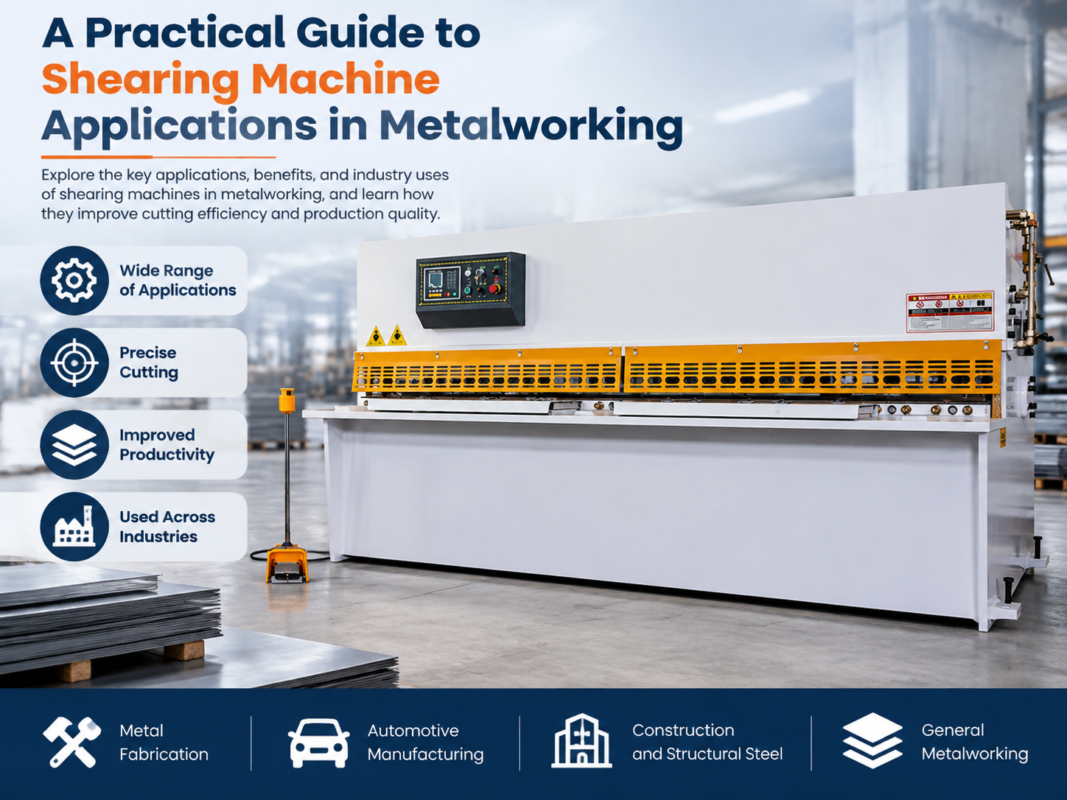
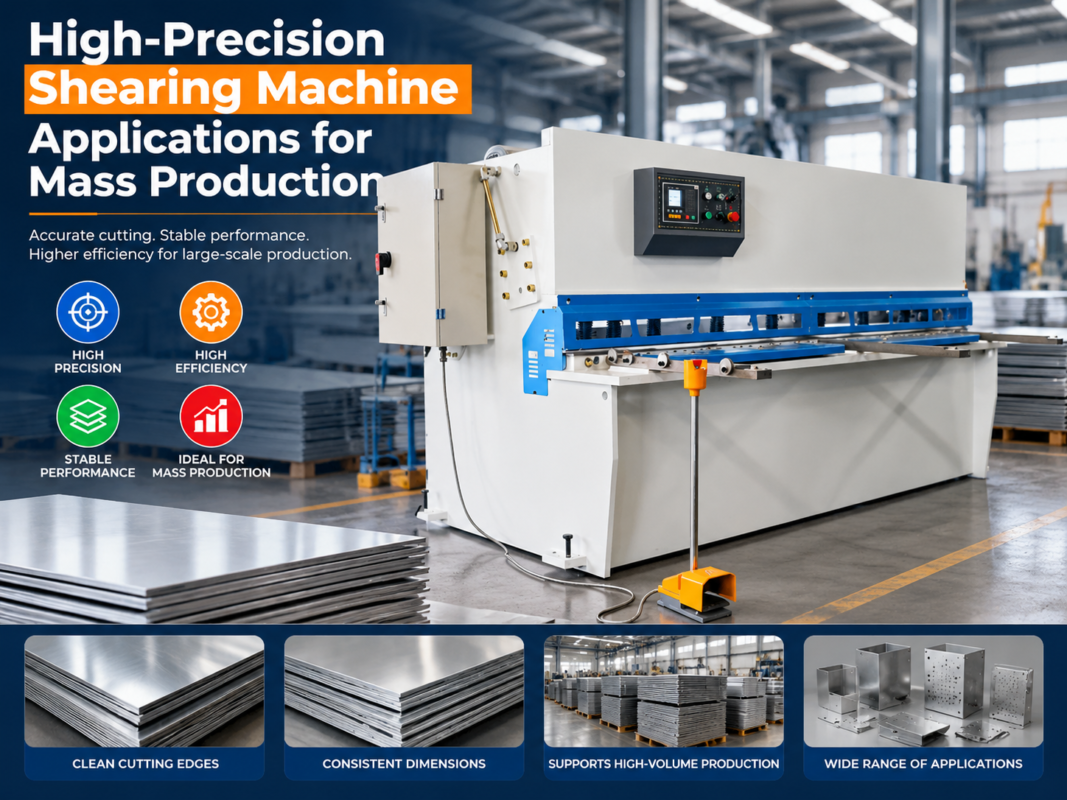
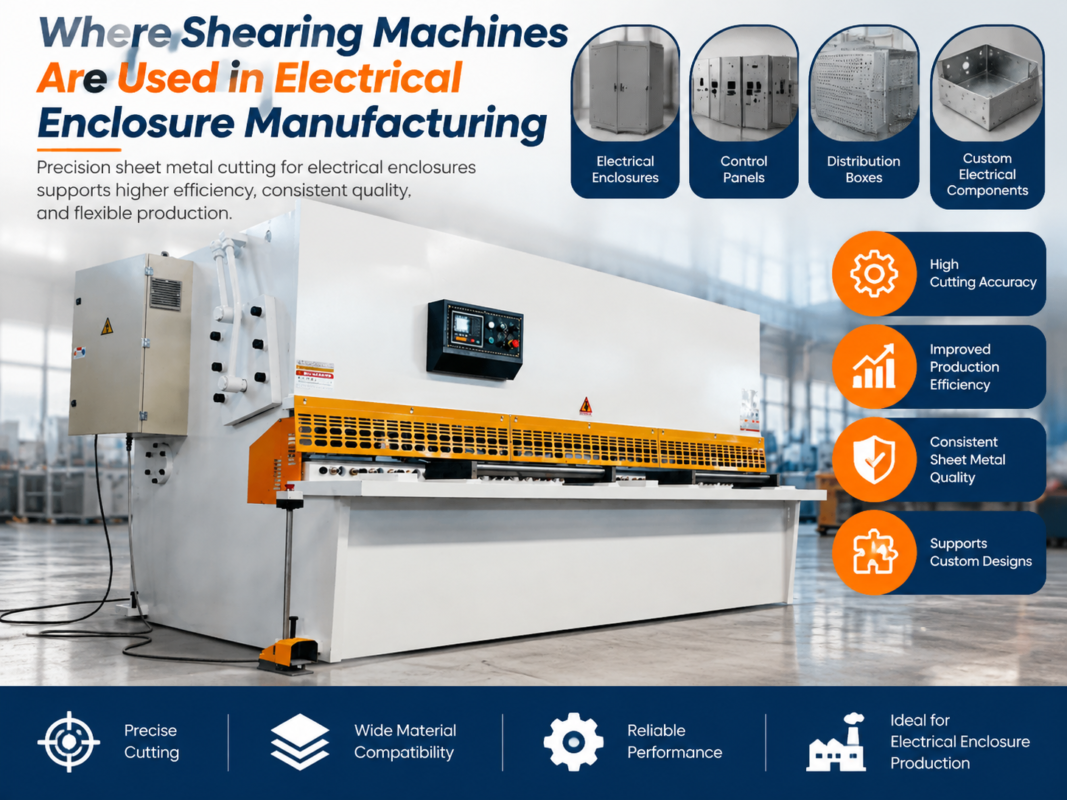
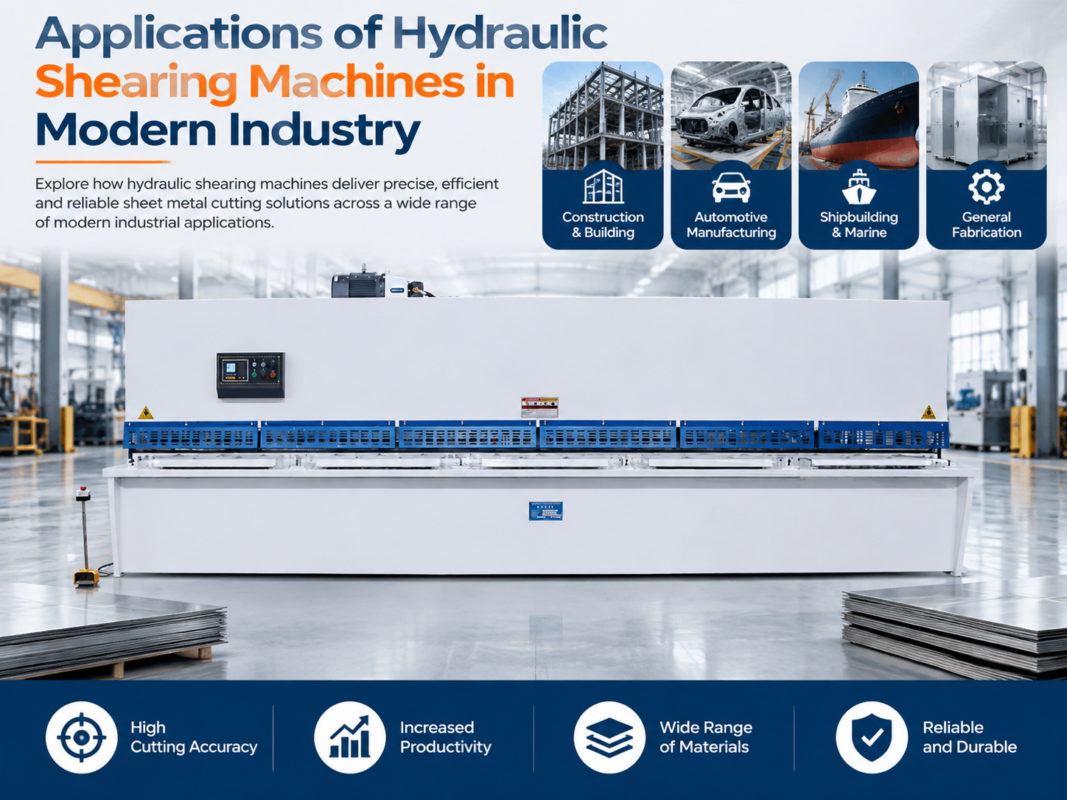
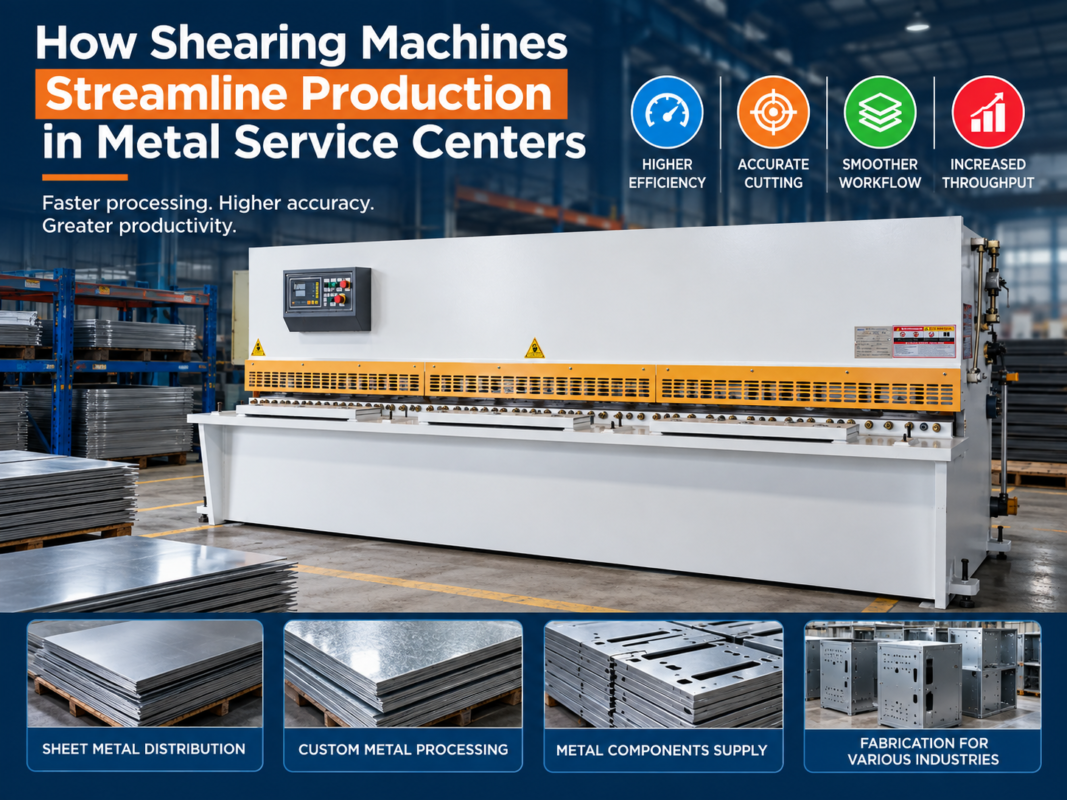
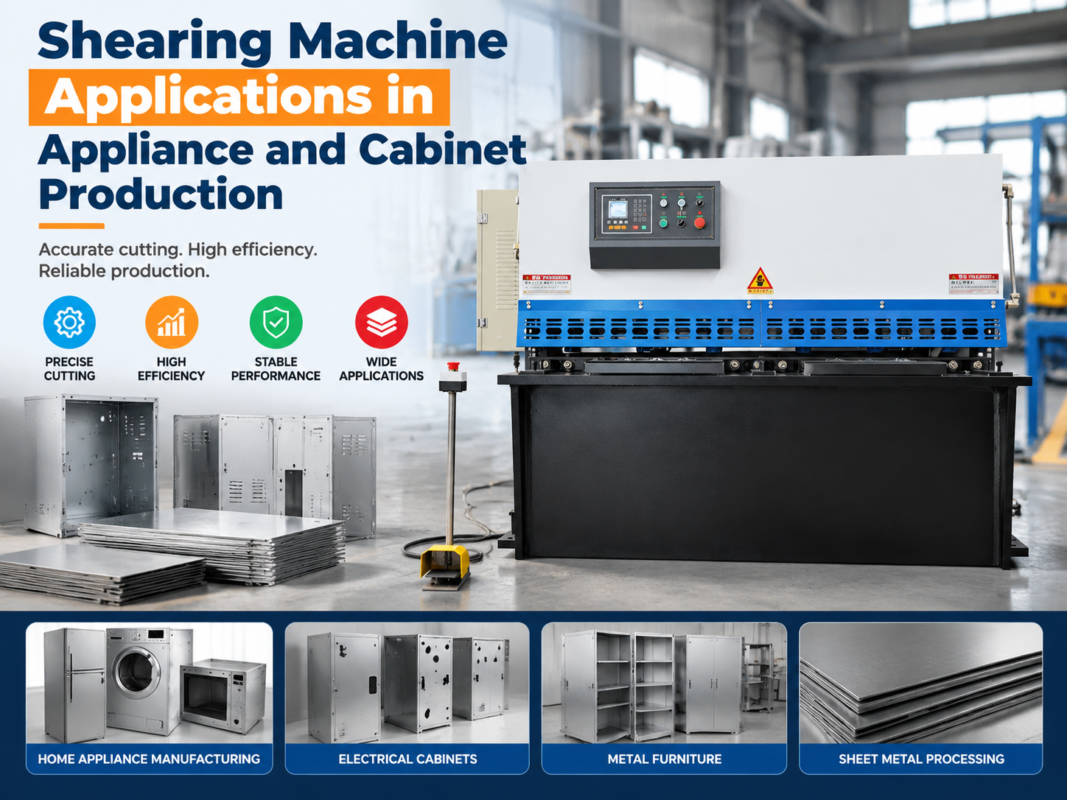
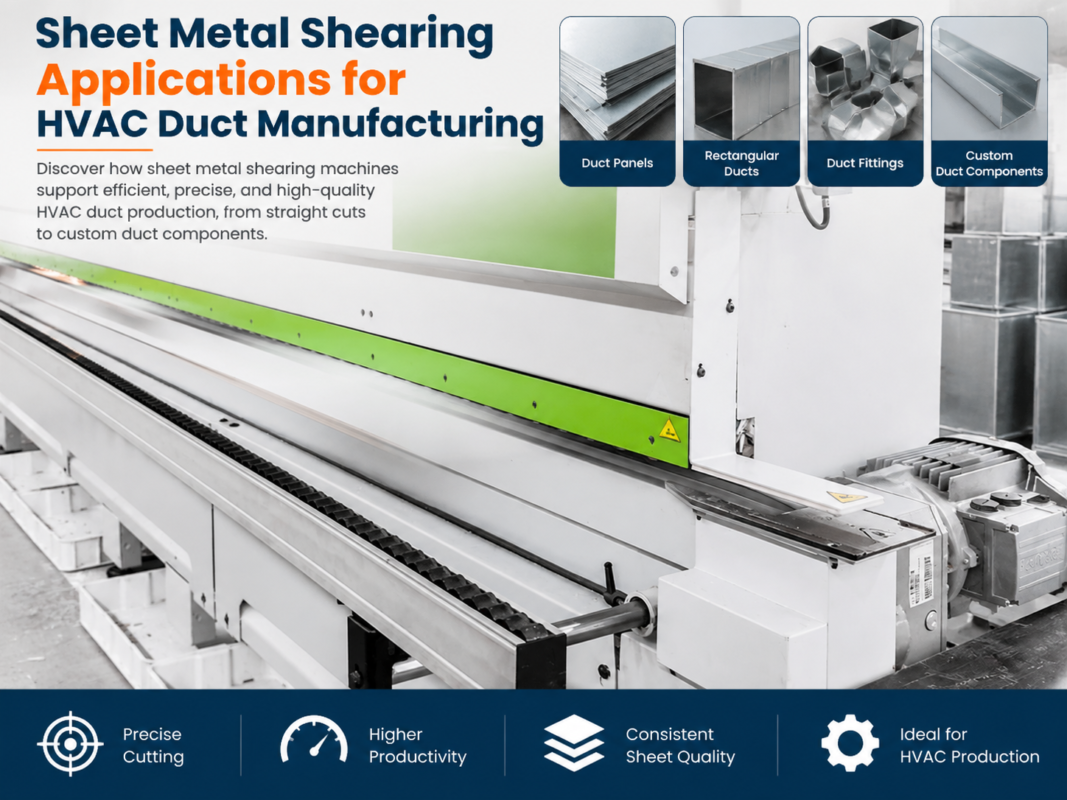
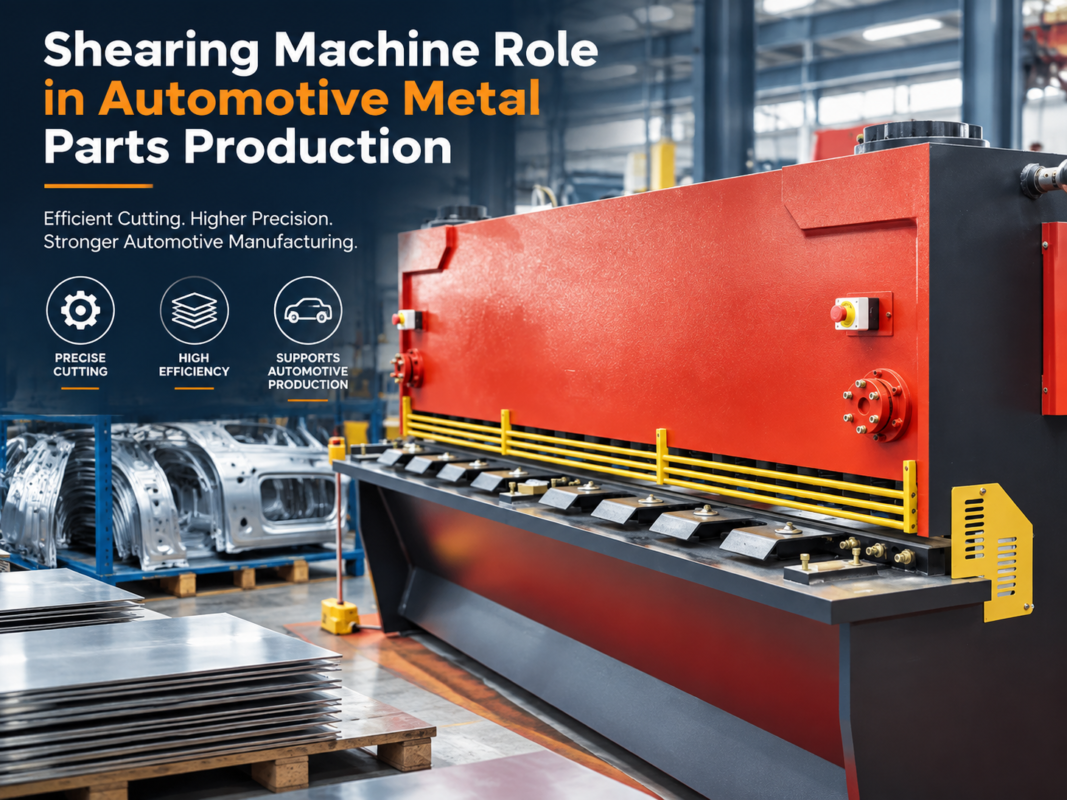
In the realm of modern manufacturing, the efficiency and precision of material preparation dictate the success of the entire production line. Among the most critical processes is the initial sizing of raw materials, where shearing machines are used in sheet metal cutting industrial production to transform large plates into manageable, accurate workpieces. Shearing is a process that involves cutting straight lines on flat metal stock. It is the foundational step for industries ranging from automotive and aerospace to construction and appliance manufacturing. Without the high-speed, high-accuracy capabilities of modern shearing machines, the throughput required for global industrial demands would be impossible to achieve.
HARSLE has long been at the forefront of this technology, developing hydraulic and mechanical shearing solutions that cater to the rigorous demands of heavy-duty fabrication. The process of shearing works by applying a high-pressure force through a moving upper blade and a fixed lower blade. This force exceeds the ultimate shear strength of the metal, causing it to fracture along the desired line. Unlike thermal cutting methods like laser or plasma, shearing is a cold-cutting process, meaning it does not introduce heat-affected zones (HAZ), preserving the metallurgical integrity of the sheet metal edges. This makes it an ideal choice for high-volume industrial production where edge quality and material stability are paramount.
As we delve deeper into how shearing machines are used in sheet metal cutting industrial production, it becomes clear that these machines are more than just simple cutters. They are sophisticated systems integrated with CNC controls, hydraulic precision, and ergonomic safety features. In this guide, we will explore the technical nuances, selection criteria, and operational best practices that define the modern shearing landscape, ensuring that fabricators can maximize their ROI and production quality.
Key Considerations for Industrial Shearing
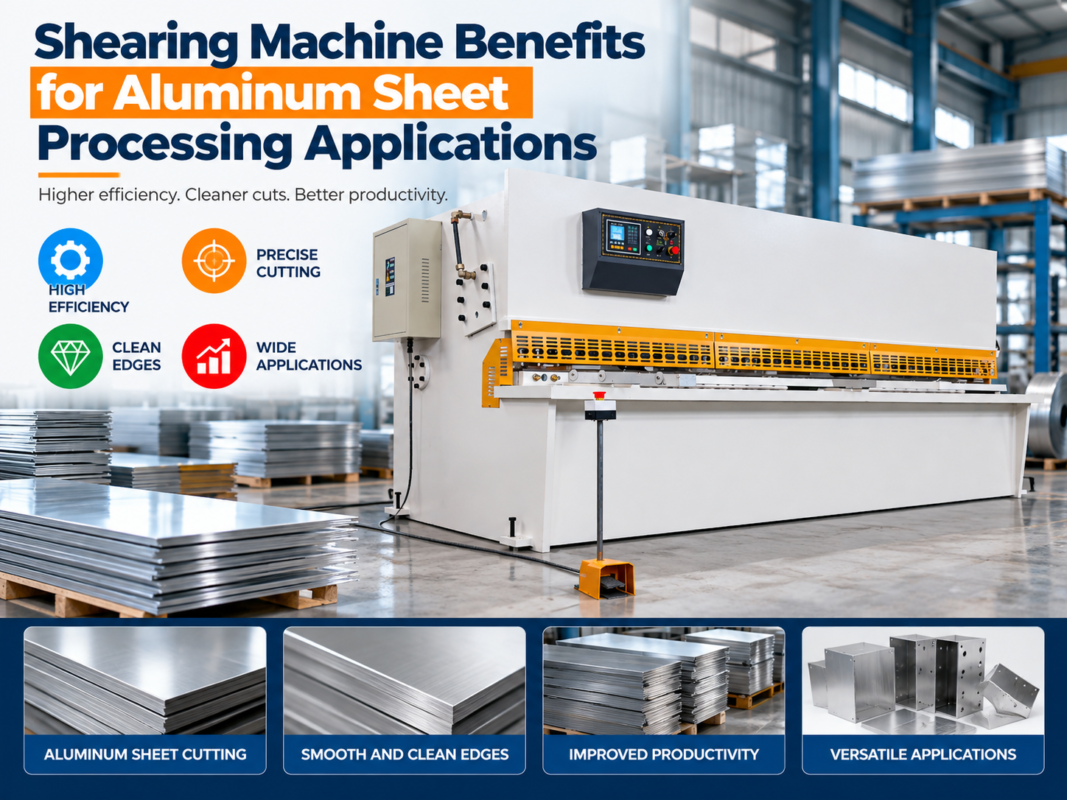
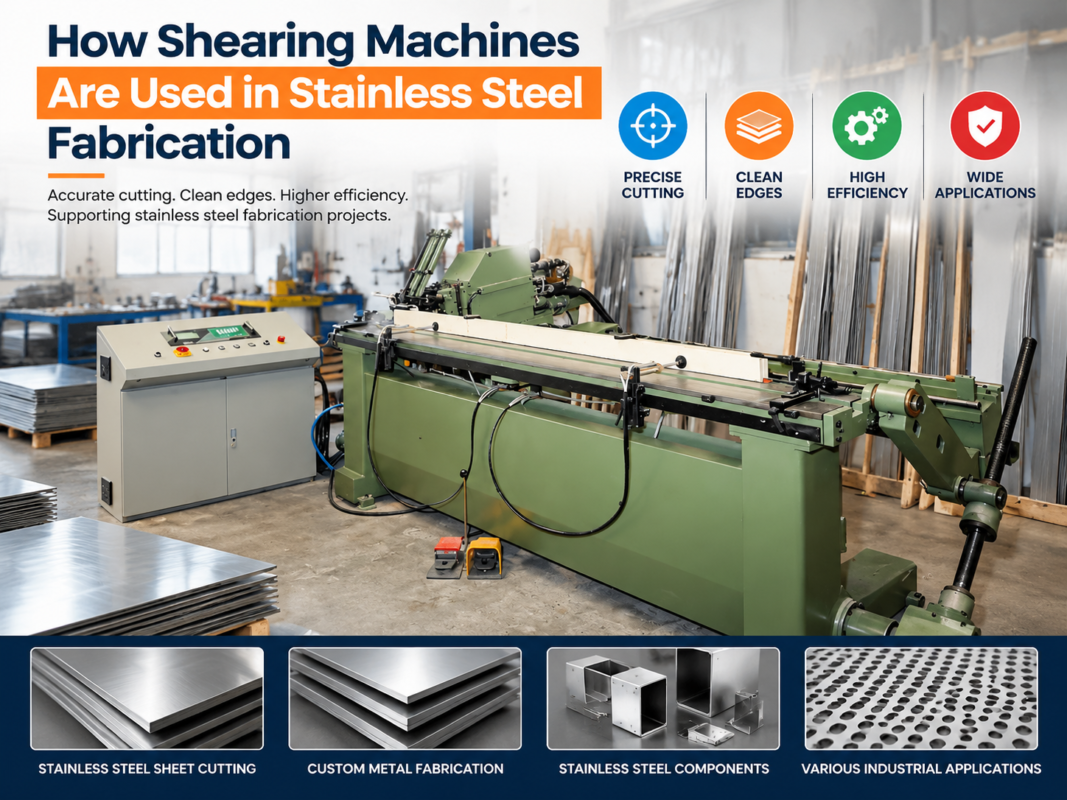
When implementing shearing technology in a production environment, several critical factors must be evaluated to ensure optimal performance. The first consideration is material compatibility. Different metals—such as stainless steel, aluminum, and carbon steel—exhibit varying levels of tensile strength and ductility. A machine designed for mild steel may struggle with the toughness of stainless steel unless the blade material and machine tonnage are appropriately specified. Understanding the physical properties of the workpiece is the first step in determining how shearing machines are used in sheet metal cutting industrial production effectively.
Blade clearance, or the gap between the upper and lower blades, is perhaps the most vital technical consideration. If the clearance is too large, the metal will bend or leave a heavy burr; if it is too tight, the blades may collide or experience excessive wear. Industrial-grade shears often feature manual or motorized blade gap adjustment systems that allow operators to calibrate the machine based on the thickness and type of material being processed. This flexibility is essential for shops that handle a diverse range of projects, from thin-gauge HVAC ducting to heavy structural plates.
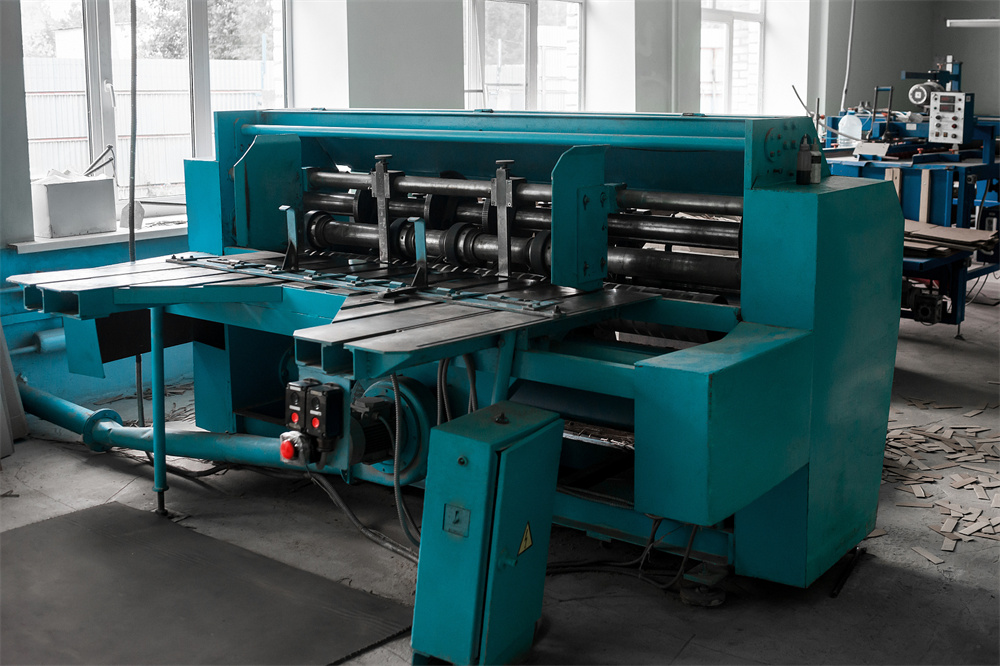
Another key factor is the rake angle—the angle of the upper blade relative to the lower blade. A higher rake angle reduces the force required to cut thicker materials but can increase the risk of twisting or bowing in the cut piece. Conversely, a low rake angle provides a flatter cut but requires significantly more hydraulic pressure. Advanced HARSLE shearing machines often feature adjustable rake angles, allowing the operator to find the perfect balance between cutting power and part flatness, which is a hallmark of how shearing machines are used in sheet metal cutting industrial production to achieve high-quality results.
Safety and ergonomics cannot be overlooked in an industrial setting. Modern shearing machines are equipped with light curtains, emergency stop buttons, and finger guards to protect operators from the immense forces involved. Furthermore, the integration of backgauge systems—often controlled by CNC units like the E21S or DAC360T—allows for rapid, repeatable positioning of the sheet metal. This reduces manual handling, minimizes human error, and significantly boosts the hourly output of the fabrication shop.
Technical Details of Shearing Machinery
To fully understand how shearing machines are used in sheet metal cutting industrial production, one must look at the two primary types of hydraulic shears: the Swing Beam Shear and the Guillotine Shear. The Swing Beam Shear utilizes a pivoting upper blade that moves in an arc. This design is robust, simpler to maintain, and highly effective for materials up to a certain thickness. The arc motion naturally pulls the blade away from the cut, reducing friction and extending blade life. HARSLE’s QC12Y series is a prime example of this technology, offering reliability for general-purpose industrial cutting.
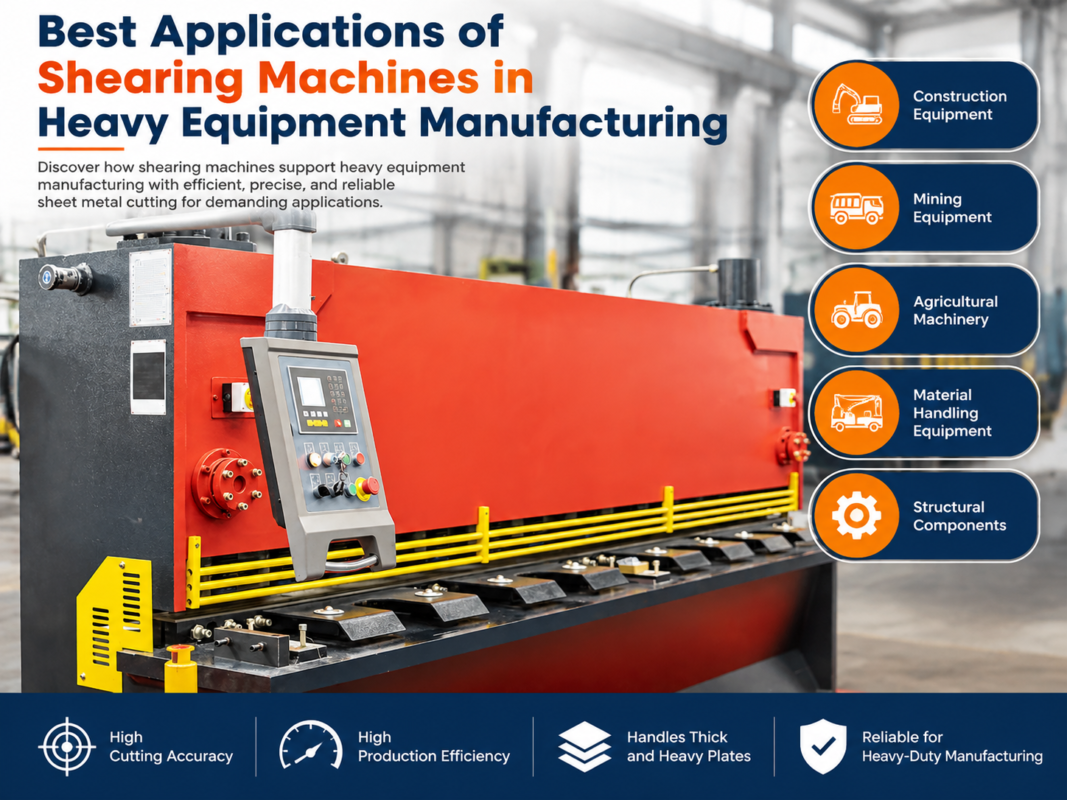
On the other hand, the Hydraulic Guillotine Shear (such as the QC11Y series) moves the upper blade in a strictly vertical path. This design allows for a variable rake angle and much higher precision, especially on thicker plates. Guillotine shears are preferred in high-precision industrial environments where edge squareness is critical. Because the blade moves straight down, the lateral forces on the machine frame are minimized, allowing for a more rigid construction and the ability to cut much heavier gauges of steel without compromising accuracy.
The hydraulic system is the heart of these machines. High-pressure pumps and precision valves ensure that the downward force is consistent across the entire length of the blade. In industrial production, the speed of the return stroke is just as important as the cutting stroke. Many HARSLE machines utilize nitrogen cylinders for the return stroke, which provides a faster, smoother reset than traditional mechanical springs. This hydraulic-nitrogen hybrid system is a key reason why shearing machines are used in sheet metal cutting industrial production for high-speed, repetitive tasks.

Blade material and quality also play a significant role. Industrial shears typically use high-carbon, high-chrome steel blades (often referred to as 9CrSi or Cr12MoV). These blades are heat-treated to withstand the immense pressure of cutting through tough alloys. For shops cutting stainless steel, specialized D2 or high-alloy blades are used to prevent premature dulling. The ability to flip blades (many have four cutting edges) ensures that the machine remains operational for long periods between sharpenings, a critical factor in maintaining the flow of shearing machines are used in sheet metal cutting industrial production.
Selection Advice for Industrial Buyers
Choosing the right shearing machine requires a strategic assessment of your current and future production needs. The first step is to define your maximum cutting capacity. It is a common mistake to buy a machine that exactly matches your thickest material; instead, it is advisable to select a machine with a capacity roughly 20% higher than your standard maximum. This prevents the machine from constantly operating at its limit, which extends the life of the hydraulic components and the frame. When shearing machines are used in sheet metal cutting industrial production, durability is the key to long-term profitability.
Consider the level of automation required. For a shop doing custom, low-volume work, a simple manual backgauge might suffice. However, for industrial production, a CNC-controlled backgauge is non-negotiable. CNC systems allow for the storage of multiple cutting programs, automatic adjustment of the backgauge for different lengths, and even automatic blade gap adjustment. This reduces setup time from minutes to seconds. HARSLE offers various control options, from the user-friendly E21S to the more advanced Delem systems, ensuring that there is a solution for every level of technical expertise.
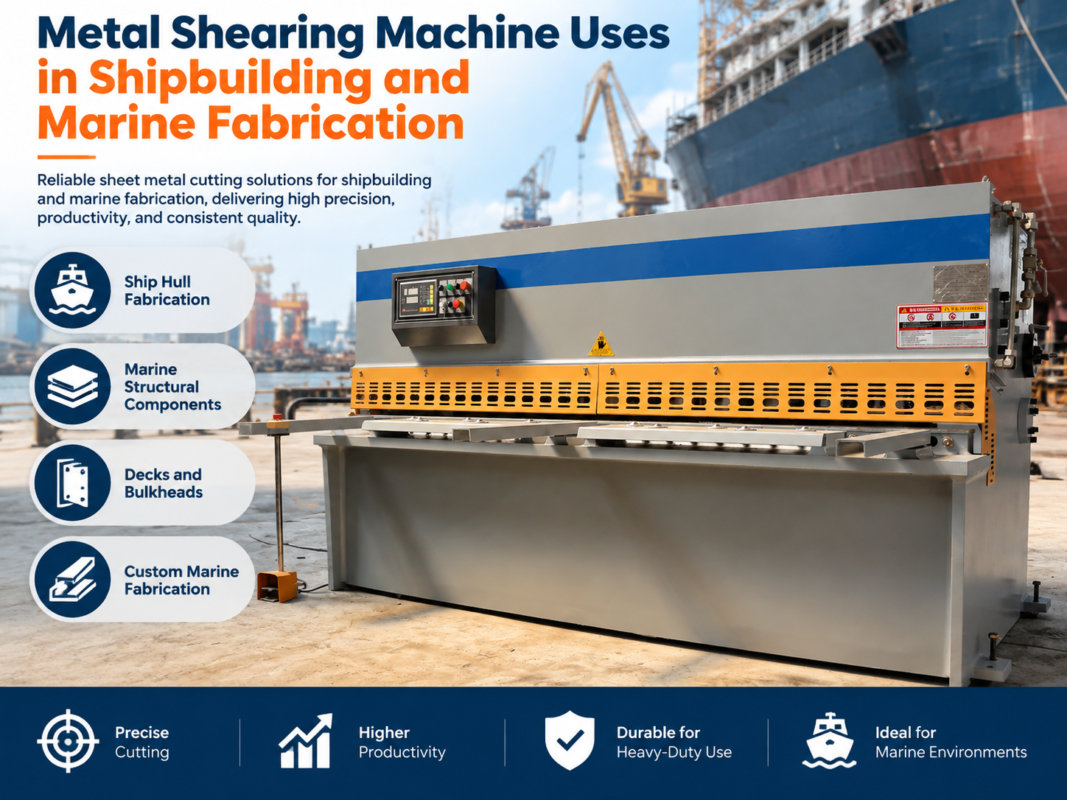
The length of the cutting bed is another vital factor. While 3-meter and 4-meter machines are standard, some industrial applications require 6-meter or even longer beds for processing large architectural panels or ship-building components. Ensure that the machine’s throat depth—the distance from the blade to the back of the frame—is sufficient for any slitting operations you might need to perform. Slitting allows you to cut sheets that are longer than the machine’s blade by feeding them through the side of the frame.
Finally, evaluate the manufacturer’s support and the availability of spare parts. Industrial production cannot afford long periods of downtime. Choosing a reputable brand like HARSLE ensures that you have access to technical documentation, expert advice, and high-quality replacement parts. When shearing machines are used in sheet metal cutting industrial production, the machine is an investment in your company’s future, and the quality of the manufacturer is just as important as the quality of the steel.
Maintenance and Longevity in Production Environments
To ensure that shearing machines are used in sheet metal cutting industrial production for decades, a rigorous maintenance schedule is required. The most frequent task is lubrication. Modern shears have centralized lubrication systems that deliver oil to the sliding guides and pivot points. Neglecting lubrication leads to increased friction, heat, and eventual mechanical failure. Operators should check oil levels daily and ensure that the grease points are clear of metal dust and debris.
Hydraulic fluid management is equally important. The oil must be kept clean and at the correct temperature. Overheated oil loses its viscosity, leading to sluggish performance and damage to the pump seals. Most industrial shears include a cooling system or a large reservoir to manage heat, but the oil should still be filtered and replaced according to the manufacturer’s guidelines. Monitoring the pressure gauges can also provide early warning signs of pump wear or valve leaks before they cause a production stoppage.
Blade maintenance is the final pillar of longevity. Dull blades don’t just produce poor cuts; they also put unnecessary strain on the machine’s frame and hydraulics. Regularly inspecting the blades for chips or rounded edges is essential. When the cut quality begins to degrade—evidenced by a larger burr or a “crushed” edge—it is time to rotate or sharpen the blades. By maintaining sharp edges, you ensure that shearing machines are used in sheet metal cutting industrial production with maximum efficiency and minimum energy consumption.
Frequently Asked Questions (FAQ)
1. What is the difference between a swing beam and a guillotine shear?
A swing beam shear uses a pivoting motion for the upper blade, which is simpler and robust for lighter to medium gauges. A guillotine shear moves the blade vertically, allowing for adjustable rake angles and higher precision on thicker materials. Both are common ways shearing machines are used in sheet metal cutting industrial production, depending on the specific accuracy requirements.
2. How often should shearing blades be sharpened?
This depends entirely on the material being cut and the volume of production. For mild steel in a high-volume shop, blades might need rotation every 6-12 months. Stainless steel will dull blades much faster. Always monitor the edge quality; if the burr becomes excessive, it’s time for maintenance.
3. Can a shearing machine cut material longer than its blade?
Yes, if the machine has a “throat” in the side frames. This allows the operator to perform “slitting” or “notching,” where the sheet is fed through the side and cut in increments. However, this is generally less accurate than a single-stroke cut and is used only when necessary.
4. Why is blade gap adjustment important?
The blade gap must be set according to the material thickness (usually about 5-10% of the thickness). Too small a gap increases blade wear and power consumption; too large a gap causes the metal to bend rather than shear, resulting in a poor-quality edge.
5. What are the benefits of CNC controls on a shear?
CNC controls automate the backgauge positioning, rake angle, and blade gap. This increases speed, ensures repeatability, and allows less experienced operators to produce high-quality parts. It is the primary way shearing machines are used in sheet metal cutting industrial production to maintain high throughput.
6. Is hydraulic or mechanical shearing better for industrial use?
While mechanical shears are very fast, hydraulic shears are much more common today because they offer better control, overload protection, and the ability to handle a wider range of material thicknesses. Hydraulics are generally preferred for modern industrial versatility.
Conclusion
In conclusion, understanding how shearing machines are used in sheet metal cutting industrial production is essential for any fabrication business looking to scale. These machines provide the necessary speed, precision, and reliability to turn raw metal into the building blocks of modern infrastructure. By carefully considering material types, machine design (swing beam vs. guillotine), and the level of CNC automation, manufacturers can select a HARSLE solution that perfectly fits their operational goals.
As technology continues to evolve, we see even greater integration of smart features, energy-efficient hydraulics, and enhanced safety protocols. However, the fundamental principle remains the same: a high-quality shear is the backbone of the metal shop. Investing in a robust machine and committing to a proactive maintenance schedule ensures that your production line remains competitive, efficient, and capable of meeting the highest industry standards. Whether you are producing simple brackets or complex aerospace components, the right shearing machine is the first step toward excellence in metal fabrication.