How a Fabrication Company Boosted ROI After Installing a Shearing Machine


Introduction: The Strategic Impact of Modern Shearing Technology
In the highly competitive world of metal fabrication, efficiency is the primary driver of profitability. Many workshops struggle with aging equipment that leads to inconsistent cuts, high material waste, and excessive labor costs. However, a recent industry shift has shown that upgrading to modern equipment can yield immediate financial benefits. Specifically, we look at how A Fabrication Company Boosted ROI After Installing A Shearing Machine, transforming their production line from a bottleneck into a high-speed profit center. This case study serves as a roadmap for other businesses looking to optimize their capital investments.
Return on Investment (ROI) in the fabrication sector isn’t just about the initial purchase price; it encompasses the total cost of ownership, including energy consumption, maintenance, and the speed of output. When a fabrication company decides to replace manual or outdated mechanical shears with advanced hydraulic or CNC-controlled shearing machines, they are investing in precision. This precision translates directly into fewer errors, less scrap, and faster assembly times downstream. In this article, we will explore the technical and operational factors that allow a modern shearing machine to pay for itself in record time.
The transition to high-performance shearing equipment often marks a turning point for small to medium-sized enterprises (SMEs). By automating the cutting process and ensuring repeatable accuracy, these companies can take on more complex projects and larger volumes that were previously impossible. As we delve into the specifics of how A Fabrication Company Boosted ROI After Installing A Shearing Machine, we will highlight the key considerations, technical specifications, and selection criteria that every shop owner must understand before making a similar leap.
Key Considerations for Maximizing ROI in Metal Shearing
When analyzing how A Fabrication Company Boosted ROI After Installing A Shearing Machine, several critical factors emerge. The first is the reduction of material waste. In traditional shearing, manual measurements and blade deflection often lead to off-cut errors. Modern machines utilize high-precision backgauges and rigid frames to ensure that every cut is within a fraction of a millimeter. Over a year, saving just 2-3% of raw material can equate to tens of thousands of dollars in reclaimed profit, especially when working with expensive alloys or stainless steel.
Labor efficiency is the second pillar of ROI. Older machines often require two operators for large sheets and significant time for manual adjustments between different thicknesses. A modern hydraulic shearing machine equipped with a CNC controller allows a single operator to program the blade gap, rake angle, and backgauge position in seconds. This reduction in setup time means the machine spends more time cutting and less time sitting idle. The fabrication company in our study reported a 40% increase in daily throughput simply by eliminating manual adjustment periods.
Energy efficiency and maintenance costs also play a vital role. Modern hydraulic systems are designed to consume power only when the machine is actively shearing. Integrated cooling systems and high-quality seals reduce the frequency of hydraulic fluid changes and prevent leaks that cause downtime. Furthermore, the use of high-carbon, high-chrome blades ensures that the cutting edge remains sharp for longer periods, reducing the costs associated with blade regrinding and replacement. These cumulative savings are essential components of the ROI calculation.
Finally, the quality of the finished edge cannot be overlooked. A clean, burr-free cut reduces the need for secondary processes like grinding or deburring. If a part can go straight from the shear to the press brake or welding station, the entire production cycle is shortened. This “lean” approach to fabrication is exactly how A Fabrication Company Boosted ROI After Installing A Shearing Machine, as they were able to deliver finished products to customers faster than their competitors, leading to increased contract wins and customer loyalty.
Technical Details: The Engineering Behind the Efficiency
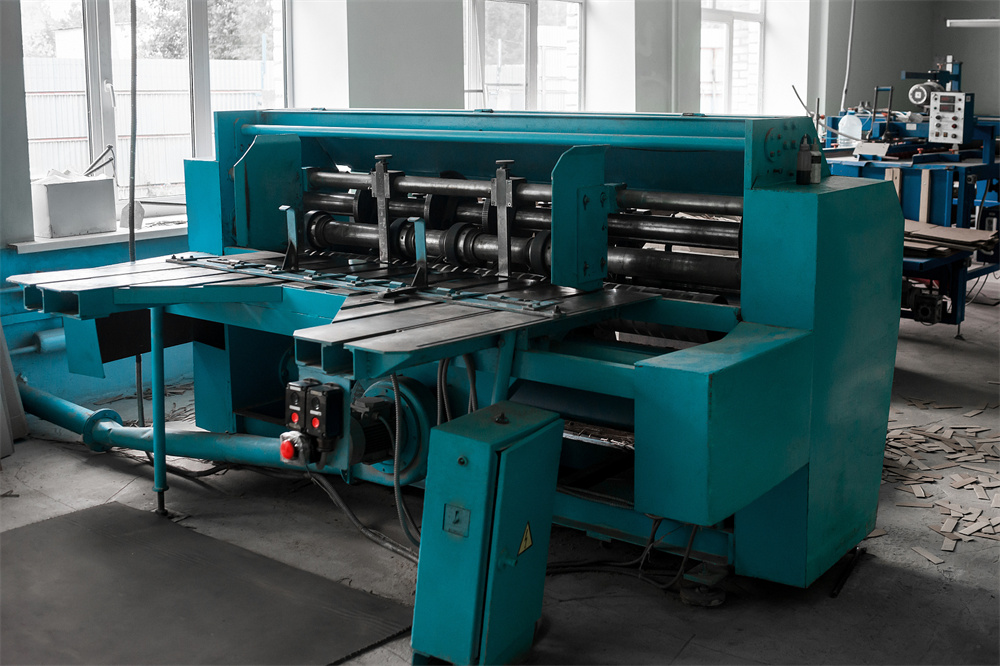
To understand why these machines are so effective, we must look at the technical specifications. Most modern shearing machines fall into two categories: Swing Beam and Guillotine. The swing beam shear uses a circular arc movement for the upper blade, which is ideal for thinner materials and offers high speed. The guillotine shear, however, moves the upper blade in a straight vertical line, allowing for adjustable rake angles. This adjustability is crucial for preventing “twist” or “bow” in thick plates, ensuring that even heavy-duty cuts remain perfectly flat.
The heart of the machine is the hydraulic system. High-pressure pumps and precision valves control the downstroke of the ram. A key feature in HARSLE shearing machines is the nitrogen return cylinder. Unlike older mechanical return systems, nitrogen cylinders provide a faster, smoother return stroke, which significantly increases the number of strokes per minute (SPM). This technical detail is a primary reason why A Fabrication Company Boosted ROI After Installing A Shearing Machine; the sheer speed of the cycle allowed them to process more tons of steel per shift.
| Feature | Technical Specification | ROI Benefit |
|---|---|---|
| Blade Gap Adjustment | Motorized or Manual with Scale | Prevents burrs and extends blade life |
| Rake Angle Control | 0.5° to 3.0° Adjustable | Reduces distortion in narrow strips |
| Backgauge System | Ball Screw with Digital Display | Ensures ±0.1mm positioning accuracy |
| Hydraulic System | Integrated Block (Rexroth/Hoerbiger) | Reduces pipe leakage and maintenance |
| Controller | E21S, DAC310, or DAC360T | Automates repetitive tasks and saves programs |
Another technical advancement is the integration of ball screw backgauges. Traditional lead screws can develop play over time, leading to “creeping” inaccuracies. Ball screws, however, maintain their precision over millions of cycles. When combined with a digital controller like the E21S, the operator can input the desired dimension, and the backgauge moves to the exact position instantly. This level of automation is what allows a fabrication company to maintain high standards of quality control without needing a master craftsman at the helm of every machine.

Selection Advice: Choosing the Right Machine for Your Shop
Selecting the right equipment is the first step toward replicating the success of how A Fabrication Company Boosted ROI After Installing A Shearing Machine. The first question to ask is: What is the maximum thickness and length of the material you process? It is always advisable to choose a machine with a capacity slightly higher than your current needs. For example, if you primarily cut 6mm mild steel, a machine rated for 8mm will operate under less stress, leading to a longer lifespan and better cut quality.
Consider the material type as well. Stainless steel has a much higher tensile strength than mild steel. A shear that can handle 10mm mild steel might only be rated for 5mm or 6mm stainless steel. If your shop handles a variety of materials, look for a machine with an easily adjustable rake angle and blade gap. This versatility ensures that you can switch from thin aluminum to thick carbon steel without compromising the quality of the cut or damaging the blades.
Automation level is another critical choice. For high-volume production, a CNC-controlled shear with a pneumatic rear support system is ideal. The rear support prevents thin sheets from sagging before they hit the backgauge, which is a common cause of inaccurate cuts. For smaller job shops, a simpler NC-controlled machine might offer a faster ROI due to the lower initial investment while still providing a massive upgrade over manual methods. Always evaluate the “cost per cut” when deciding on features.
Finally, do not overlook safety and after-sales support. A machine that is down for two weeks due to a lack of spare parts is a massive drain on ROI. Choose a reputable manufacturer like HARSLE that provides comprehensive manuals, readily available components, and technical support. Safety features like light curtains and emergency stop buttons are not just regulatory requirements; they protect your most valuable asset—your workers—and prevent costly workplace accidents that can derail a company’s financial health.
Frequently Asked Questions (FAQ)
How long does it typically take to see a return on investment?
Most fabrication companies report a full ROI within 12 to 24 months. This depends on the volume of work and the level of inefficiency in their previous process. In the case of A Fabrication Company Boosted ROI After Installing A Shearing Machine, the payback period was shortened by taking on higher-margin precision work that their old equipment couldn’t handle.
What is the difference between a hydraulic and a mechanical shear?
Mechanical shears use a flywheel and clutch system, which is fast but offers less control and can be noisier and more dangerous. Hydraulic shears use fluid power, providing consistent pressure throughout the cut, adjustable stroke lengths, and better safety features. For modern ROI goals, hydraulic systems are generally preferred due to their versatility and lower maintenance.
How often should the blades be sharpened?
Blade longevity depends on the material being cut. For mild steel, blades can often last for 500,000 to 1,000,000 strokes before needing a regrind. Cutting stainless steel will dull blades faster. Most modern blades have four cutting edges; when one edge dulls, you can simply rotate the blade to a new edge, effectively quadrupling the time between professional sharpenings.
Can a shearing machine handle galvanized or coated steels?
Yes, but it requires proper blade gap adjustment to ensure the coating isn’t peeled or damaged at the cut edge. Modern machines make these adjustments easy, allowing shops to process pre-finished materials without the need for secondary touch-ups, which further boosts ROI.
Conclusion: Investing in the Future of Fabrication
The story of how A Fabrication Company Boosted ROI After Installing A Shearing Machine is a testament to the power of modern industrial technology. By focusing on precision, reducing labor costs, and minimizing material waste, the company was able to transform its operational efficiency. The initial capital expenditure was quickly offset by the dramatic increase in throughput and the ability to meet tighter tolerances required by high-end clients. In today’s market, staying stagnant with old equipment is often more expensive than investing in new, high-performance machinery.
For any fabrication business looking to grow, the shearing machine is often the best place to start. It is the first step in the production process, and its accuracy dictates the success of every subsequent stage, from bending to welding to final assembly. By choosing a machine that offers the right balance of power, precision, and automation, you are not just buying a tool; you are securing the financial future of your workshop. As demonstrated, the ROI is not just a possibility—it is a predictable outcome of smart equipment selection and operational excellence.
Ultimately, the success of HARSLE customers worldwide proves that the right machinery is the backbone of a profitable enterprise. Whether you are a small shop looking to scale or a large factory aiming to optimize, the lessons learned from how A Fabrication Company Boosted ROI After Installing A Shearing Machine provide a clear path forward. Evaluate your current bottlenecks, calculate your potential savings, and make the move toward a more efficient, profitable future today.