Case Study: Meeting Precision Requirements with an Advanced Metal Shearing Machine


Introduction to Precision in Modern Metal Fabrication
In the rapidly evolving world of industrial manufacturing, the demand for high-precision components has never been greater. Whether it is for the aerospace, automotive, or electronics industry, the initial cut of a metal sheet sets the standard for the entire production process. This Case Study: Meeting Precision Requirements An Advanced Metal Shearing Machine explores how modern technology has transformed the traditional shearing process into a high-accuracy operation that minimizes waste and maximizes efficiency. For companies like HARSLE, providing the right tools means understanding the intricate balance between power and finesse.
Metal shearing is often perceived as a simple process of cutting sheet metal to size. However, when dealing with tight tolerances and high-grade materials, the complexity increases significantly. Precision requirements are no longer just about the final dimensions; they encompass edge quality, the absence of burrs, and the prevention of material deformation such as bowing or twisting. This case study delves into the specific challenges faced by a mid-sized fabrication shop and how the implementation of an advanced metal shearing machine solved their most pressing production bottlenecks.
The transition from manual or semi-automatic shearing to advanced CNC-controlled systems represents a significant leap in capability. In this Case Study: Meeting Precision Requirements An Advanced Metal Shearing Machine, we examine the technical specifications that make such a leap possible. From hydraulic stability to the integration of sophisticated software, every component plays a vital role in ensuring that the first cut is as perfect as the thousandth. By analyzing real-world applications, we can better understand why investing in high-end machinery is a strategic necessity for competitive businesses.
Furthermore, the role of the manufacturer, such as HARSLE, extends beyond just selling a machine. It involves providing a comprehensive solution that includes training, maintenance support, and technical guidance. This article will guide you through the key considerations, technical nuances, and selection criteria that define the modern shearing landscape, ensuring that your facility is equipped to handle the most demanding precision requirements of the 21st century.
Key Considerations for High-Precision Shearing
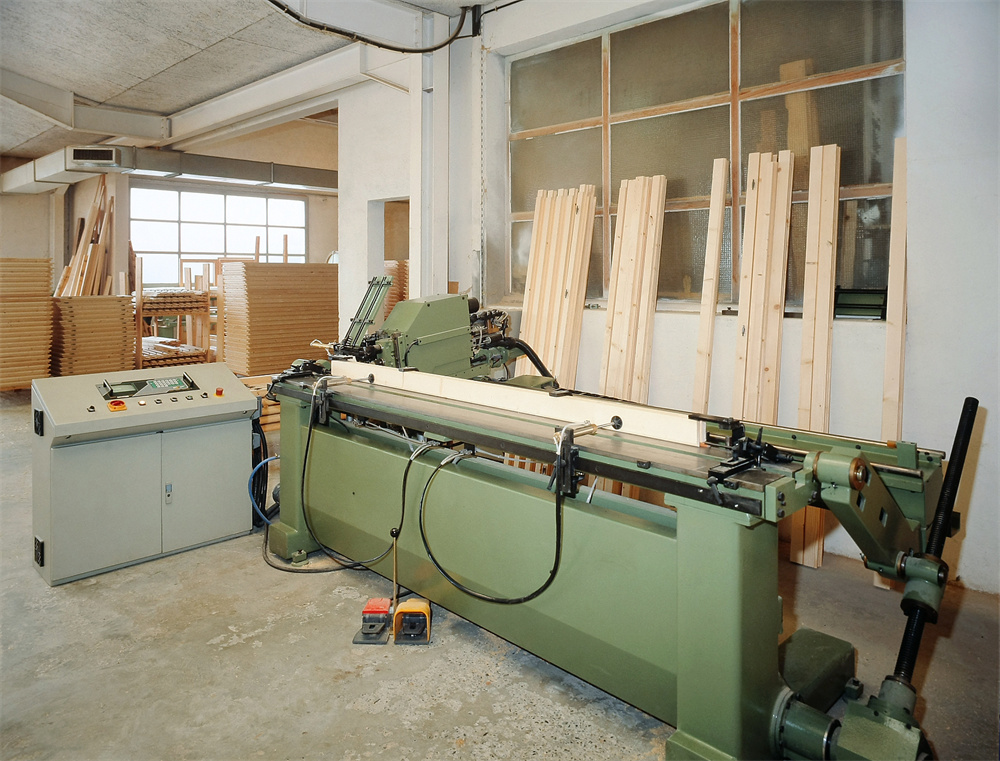
When embarking on a project that requires extreme accuracy, several factors must be considered before a single cut is made. The first and most critical consideration is material compatibility. Different metals—such as stainless steel, aluminum, and carbon steel—react differently to the shearing force. A machine that is perfectly calibrated for mild steel may produce unsatisfactory results when used on high-tensile stainless steel without proper adjustment. This Case Study: Meeting Precision Requirements An Advanced Metal Shearing Machine highlights the importance of versatile blade gap settings and rake angle adjustments to accommodate various material properties.
Another essential factor is the tolerance requirement of the final product. In many industrial applications, tolerances are measured in fractions of a millimeter. Achieving this level of consistency requires a machine with a rigid frame and a highly accurate backgauge system. If the machine frame flexes under pressure, the resulting cut will be uneven, leading to rejected parts and increased material costs. Therefore, the structural integrity of the shearing machine is a non-negotiable factor for precision-focused shops.
Production volume also dictates the type of shearing machine required. For high-volume environments, speed must be balanced with accuracy. Advanced machines utilize high-speed hydraulic systems and rapid backgauge movement to maintain throughput without sacrificing the quality of the cut. In our Case Study: Meeting Precision Requirements An Advanced Metal Shearing Machine, we observed that the integration of CNC controls allowed the operator to switch between different jobs rapidly, significantly reducing setup time and human error.
Safety and ergonomics should not be overlooked. A precision machine is only as effective as its operator. Modern shearing machines are equipped with light curtains, emergency stop buttons, and ergonomic control panels that allow the operator to work safely and comfortably. By reducing operator fatigue and ensuring a safe environment, the likelihood of errors is minimized, further contributing to the overall precision of the fabrication process. These considerations form the foundation of a successful shearing operation.
Technical Details of Advanced Metal Shearing Machines
The technical superiority of an advanced metal shearing machine lies in its components and the synergy between them. One of the primary technical features is the hydraulic system. Unlike mechanical shears, hydraulic shears provide consistent pressure throughout the entire stroke. This is crucial for maintaining a clean cut across the full length of the sheet. Advanced models often feature a “swing beam” design or a “guillotine” design, each offering specific advantages depending on the thickness and type of material being processed.
The backgauge system is the heart of precision in a shearing machine. In this Case Study: Meeting Precision Requirements An Advanced Metal Shearing Machine, the focus is often on CNC-controlled backgauges that utilize ball screws and linear guides. These components ensure that the positioning of the sheet is accurate to within ±0.05mm. Furthermore, the ability to program multiple steps into the CNC controller allows for complex cutting sequences to be executed automatically, ensuring repeatability across large batches of parts.
| Feature | Technical Specification | Benefit for Precision |
|---|---|---|
| Blade Gap Adjustment | Manual or Motorized (CNC) | Prevents burrs and material deformation. |
| Rake Angle Control | Adjustable (0.5° – 3°) | Reduces twisting and bowing in thin or thick sheets. |
| Backgauge Accuracy | ±0.05mm with Ball Screw | Ensures consistent dimensions for every cut. |
| Hydraulic System | Integrated Block Logic | Provides smooth, vibration-free operation. |
| CNC Controller | DAC-360T or similar | Automates complex sequences and stores programs. |
Blade quality is another technical detail that cannot be ignored. High-precision shearing requires blades made from high-carbon, high-chrome steel, which can maintain a sharp edge even after thousands of cuts. The ability to flip the blades (often having four cutting edges) extends the life of the tool and ensures that the machine remains productive for longer periods. In the context of our Case Study: Meeting Precision Requirements An Advanced Metal Shearing Machine, the use of high-quality blades was a decisive factor in achieving the required edge finish for the client’s aerospace components.
Finally, the integration of shadow line lighting and front support arms with rollers helps the operator position the material accurately and easily. The shadow line provides a visual guide for the cutting edge, which is particularly useful for cutting along pre-marked lines or for irregular shapes. These small but significant technical features combine to create a machine that is capable of meeting the most stringent industrial standards.
Selection Advice for Industrial Metal Shears
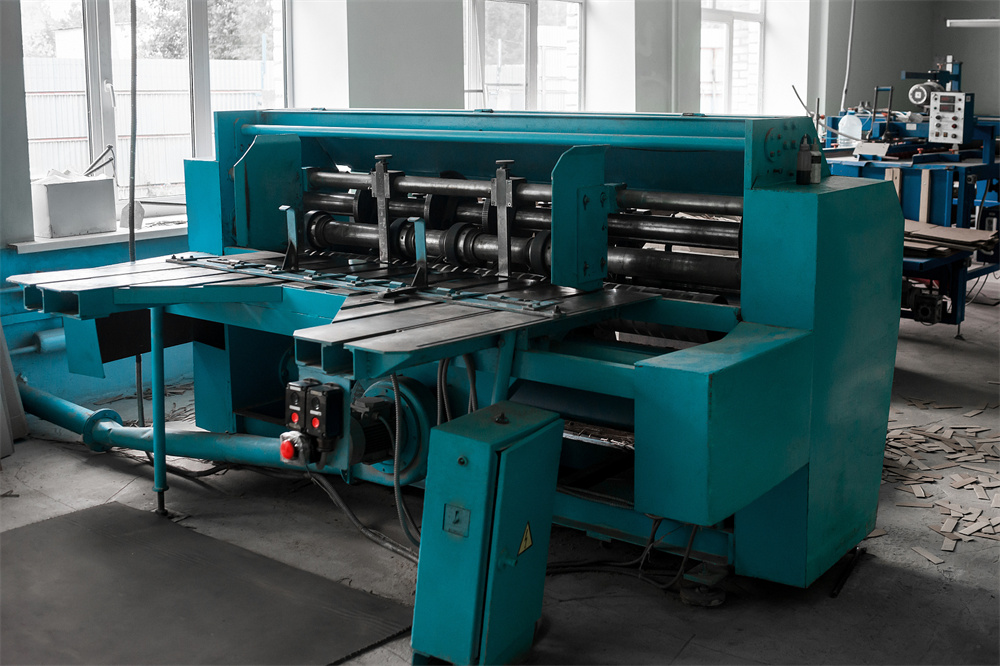
Choosing the right shearing machine for your facility is a critical decision that impacts long-term profitability. The first step in the selection process is to define your maximum material thickness and width. It is always advisable to choose a machine with a capacity slightly higher than your current maximum requirement to allow for future growth and to avoid overworking the machine. As seen in this Case Study: Meeting Precision Requirements An Advanced Metal Shearing Machine, a machine operating at its limit will often show decreased precision over time.
Consider the type of control system that best fits your workflow. For shops with high variability in their projects, a CNC-controlled machine is essential. It allows for the storage of hundreds of programs, meaning that the settings for a specific material and thickness can be recalled instantly. This eliminates the “trial and error” phase of setup, saving both time and material. If your production is more repetitive and less complex, a simpler NC (Numerical Control) system might suffice, but always weigh the initial cost savings against the potential for future flexibility.
Evaluate the manufacturer’s reputation and the availability of after-sales support. A shearing machine is a significant investment, and you need to ensure that parts and service are readily available. HARSLE, for example, provides extensive documentation and technical support to ensure that their machines continue to perform at peak precision. Check for features like automatic lubrication systems, which can significantly reduce maintenance downtime and extend the life of the machine’s moving parts.
Lastly, do not overlook the importance of the machine’s frame construction. A heavy-duty, stress-relieved steel frame is the only way to guarantee that the machine will maintain its accuracy under the immense pressures of hydraulic shearing. During your selection process, ask for detailed information on the frame’s weight and construction methods. A heavier machine is generally more stable and less prone to the vibrations that can compromise a precision cut. By following these guidelines, you can ensure that your investment in an advanced metal shearing machine yields the highest possible return.
Frequently Asked Questions (FAQ)
1. What is the difference between a swing beam and a guillotine shear?
A swing beam shear features a blade that moves in an arc, which is generally simpler and more cost-effective for thinner materials. A guillotine shear moves the blade vertically, allowing for adjustable rake angles and better performance on thicker materials, which is often a focus in a Case Study: Meeting Precision Requirements An Advanced Metal Shearing Machine.
2. How often should the shearing blades be sharpened?
The frequency of sharpening depends on the material being cut and the volume of production. Generally, blades should be inspected every 6 months. High-carbon steel blades can often be rotated to use all four edges before requiring a professional regrind.
3. Can a metal shearing machine cut stainless steel?
Yes, but it requires blades specifically designed for stainless steel (usually with higher chrome content) and the machine must be adjusted for the material’s higher tensile strength. The blade gap must be set tighter than for mild steel to ensure a clean cut.
4. Why is the rake angle important?
The rake angle is the angle of the upper blade relative to the lower blade. A higher rake angle reduces the force required to cut thick material but can increase the distortion (twisting) of the cut piece. Advanced machines allow for rake angle adjustment to balance these factors.
5. What are the benefits of a CNC backgauge?
A CNC backgauge provides high-speed, high-accuracy positioning that is repeatable. It allows the operator to program multiple cuts of different lengths in a single sequence, which is a key highlight in any Case Study: Meeting Precision Requirements An Advanced Metal Shearing Machine.
6. How do I minimize burrs on the cut edge?
Minimizing burrs requires the correct blade gap setting for the material thickness. If the gap is too wide, the material will bend before it shears; if it is too tight, it can damage the blades and create a double-cut edge. Proper maintenance and sharp blades are also essential.
Conclusion: The Future of Precision Shearing
As we have explored in this Case Study: Meeting Precision Requirements An Advanced Metal Shearing Machine, the path to high-quality metal fabrication begins with the right equipment. The integration of advanced hydraulics, precision CNC controls, and robust mechanical design has made it possible for manufacturers to achieve levels of accuracy that were previously unattainable. For businesses looking to stay competitive, the move toward advanced shearing technology is not just an upgrade—it is a fundamental shift in how quality is defined and delivered.
The success of the case study presented here demonstrates that when a company invests in a high-performance machine like those offered by HARSLE, the benefits extend across the entire production chain. Reduced waste, faster cycle times, and superior edge quality all contribute to a healthier bottom line and more satisfied customers. As material science continues to advance, the machinery used to process these materials must also evolve, ensuring that precision remains at the forefront of industrial manufacturing.
In conclusion, meeting precision requirements is a multifaceted challenge that requires a combination of technical knowledge, the right tools, and a commitment to quality. By understanding the key considerations and technical details of advanced metal shearing machines, fabricators can make informed decisions that will serve them for years to come. Whether you are cutting thin aluminum or heavy-duty steel, the principles of precision remain the same: stability, accuracy, and control.