Industrial Punching Machine Price Breakdown: Factors That Affect Your Budget


Introduction to Industrial Punching Machine Budgeting
In the competitive landscape of metal fabrication, acquiring the right machinery is a pivotal decision that balances operational capability with financial sustainability. An industrial punching machine is a cornerstone for many workshops, providing the ability to create holes, notches, and complex forms in sheet metal with high precision and speed. However, when navigating the market, many buyers are met with a wide variance in pricing, ranging from a few thousand dollars to several hundred thousand. Understanding the Industrial Punching Machine Price Breakdown: Factors That Affect Your Budget is essential for any business owner or procurement manager looking to optimize their capital expenditure.
At HARSLE, we recognize that a machine is not just a tool but a long-term investment. The price you pay upfront is influenced by engineering complexity, material quality, and the level of automation integrated into the system. This guide aims to demystify the costs associated with industrial punching machines, providing a granular look at what drives the numbers on a quote and how you can plan your budget effectively to ensure the highest return on investment (ROI).
Price Range Overview: From Manual to CNC Turret
The first step in an Industrial Punching Machine Price Breakdown: Factors That Affect Budget is categorizing the machines by their mechanical nature and level of automation. Generally, the market is divided into three primary tiers: manual/mechanical presses, hydraulic punching machines, and high-end CNC turret punch presses.
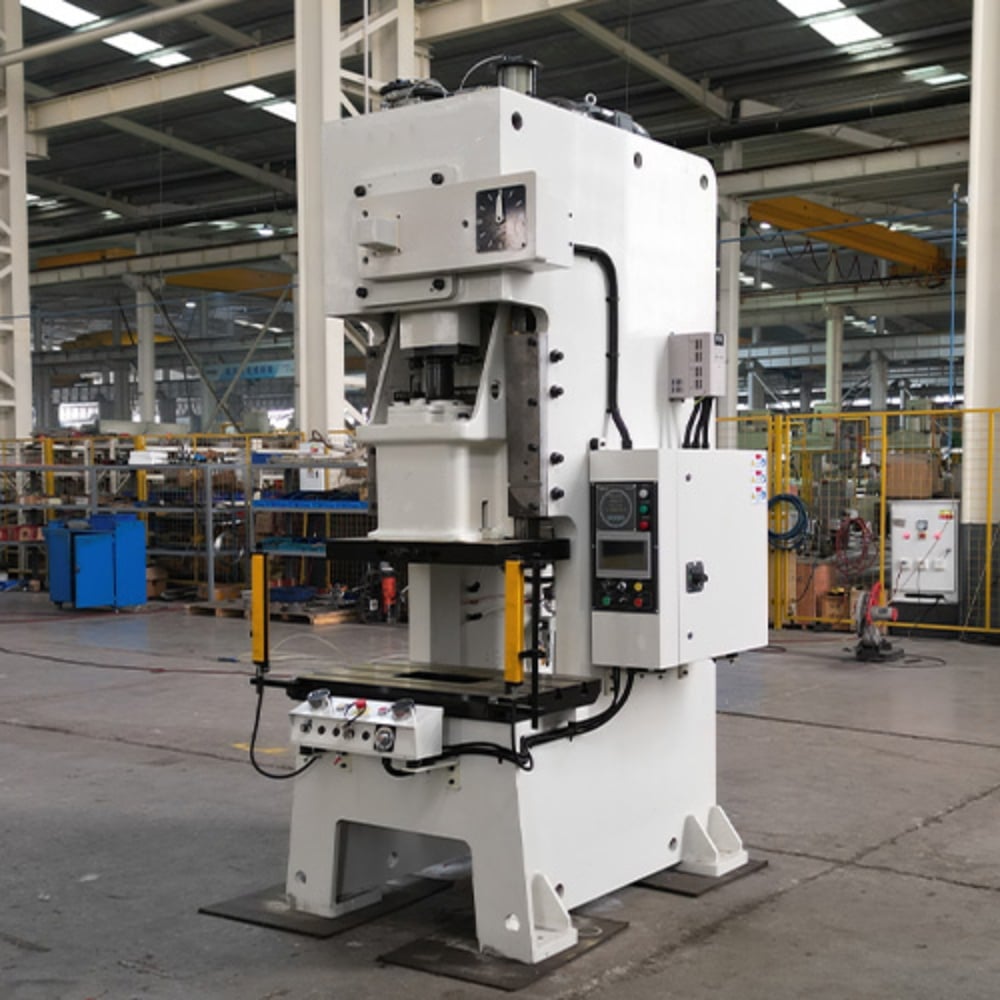
- Entry-Level Mechanical Punching Machines ($2,000 – $12,000): These are typically C-frame machines used for simple, repetitive tasks. They rely on a flywheel mechanism and are often found in smaller shops or used for secondary operations. While affordable, they lack the versatility and safety features of modern hydraulic systems.
- Mid-Range Hydraulic Punching Machines ($15,000 – $55,000): Hydraulic systems offer more control over the stroke and tonnage. This category includes single-station machines and some basic NC (Numerical Control) models. They are ideal for medium-duty fabrication where precision is required but high-speed turret rotation is not necessary.
- High-Performance CNC Turret Punch Presses ($60,000 – $300,000+): These are the workhorses of high-volume production. Equipped with a rotating turret that holds dozens of tools, these machines can perform complex nesting and multiple hole patterns in a single program. The price reflects the advanced electronics, servo-drive systems, and sophisticated software required to run them.
Main Cost Drivers: Tonnage, Speed, and Capacity
When analyzing the Industrial Punching Machine Price Breakdown: Factors That Affect Your Budget, technical specifications are the most significant contributors to the final price tag. Tonnage, or the pressing force, is the primary metric. A 30-ton machine is significantly less expensive than a 50-ton or 100-ton model because higher tonnage requires a more robust frame, larger hydraulic cylinders, and reinforced components to withstand the immense pressure without deforming.
Speed is another critical factor. In the world of punching, speed is measured in Hits Per Minute (HPM). A machine capable of 600 HPM requires high-end servo motors and rapid-response hydraulic valves, which command a premium price compared to a machine that operates at 150 HPM. Furthermore, the “throat depth”—the distance from the center of the punch to the back of the frame—determines the size of the sheet metal the machine can handle. A deeper throat requires a more massive and rigid frame to prevent “yawing” or deflection, which adds to the manufacturing cost.
Material capacity also plays a role. Machines designed to punch through thick stainless steel require different tool hardening and more powerful drive systems than those designed for thin aluminum. When you request a quote, the manufacturer assesses the maximum thickness and material type you intend to process, as this dictates the structural integrity required for the machine’s build.
Configuration Impact: The Role of Technology and Tooling
The configuration of the machine is where the Industrial Punching Machine Price Breakdown: Factors That Affect Budget becomes highly customizable. The choice of the CNC controller is a major variable. Industry-standard controllers like Fanuc or Siemens offer unparalleled reliability and global support but can add $10,000 to $20,000 to the base price compared to proprietary or lesser-known brands. However, the ease of programming and availability of spare parts often justify this cost.
The turret configuration is equally important. A turret with 16 stations is cheaper than one with 32 or 50 stations. Furthermore, the inclusion of “Auto-Index” stations—which allow the tool to rotate to any angle—significantly increases the machine’s versatility but also its price. Auto-indexing requires complex gear systems and additional servo motors for each indexed station.
Beyond the machine itself, the software ecosystem contributes to the budget. Advanced nesting software, which optimizes the layout of parts on a sheet to minimize waste, is often sold as a separate module or a premium add-on. While it increases the initial cost, the material savings it generates over time are substantial. Additionally, safety configurations such as light curtains, interlocked guarding, and emergency braking systems are mandatory in many regions and are factored into the total machine cost.
Hidden Costs: Beyond the Sticker Price
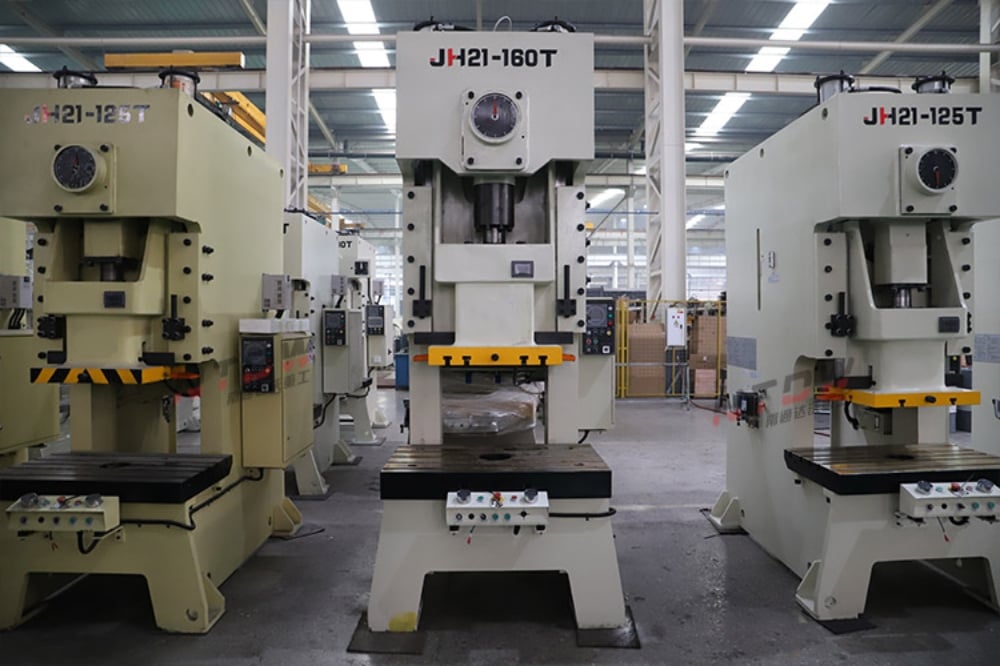
A common mistake in budgeting is focusing solely on the purchase price. A true Industrial Punching Machine Price Breakdown: Factors That Affect Your Budget must include the “hidden” or secondary costs associated with commissioning and operating the equipment. Shipping and logistics can be significant, especially for heavy machinery traveling internationally. Rigging fees—the cost of hiring professional movers with heavy-duty forklifts or cranes to place the machine in your facility—can range from $1,000 to $5,000 depending on the complexity of the move.
Installation and training are also vital components. While some manufacturers include basic installation, comprehensive on-site training for your operators on CNC programming and maintenance is often a paid service. Without proper training, the risk of tool breakage or machine downtime increases, which is far more expensive in the long run. Furthermore, the foundation of your workshop may need reinforcement. High-tonnage punching machines create significant vibration; a dedicated concrete pad may be required to ensure the machine remains level and accurate over time.
Finally, consider the ongoing cost of tooling. A punching machine is useless without high-quality punches and dies. A starter set of tools can cost several thousand dollars, and specialized shapes or heavy-duty coatings will add to this recurring expense. Power consumption is another factor; hydraulic systems require significant electricity, and high-efficiency servo-electric models, while more expensive upfront, can reduce monthly utility bills.
ROI Calculation: Justifying the Investment
Understanding the Industrial Punching Machine Price Breakdown: Factors That Affect Budget allows you to perform a realistic Return on Investment (ROI) calculation. To justify the cost, you must look at the throughput. If a CNC turret punch press can replace three manual machines and reduce labor costs by 60%, the payback period might be less than 24 months.
Consider the following factors in your ROI analysis:
- Labor Savings: Automated machines require fewer operators and less manual handling of sheets.
- Material Utilization: CNC nesting reduces scrap, which is a direct saving on raw material costs.
- Secondary Operations: Modern punching machines can perform forming, countersinking, and tapping, eliminating the need for separate machines and setups.
- Accuracy and Quality: Reducing the rate of rejected parts saves both time and material.
By quantifying these benefits, the “expensive” machine often proves to be the more economical choice over a five-year horizon.
Buying Advice: How to Choose the Right Machine for Your Budget
When you are ready to move forward, keep these tips in mind to ensure your budget is spent wisely. First, define your “80/20” rule: identify the tasks that make up 80% of your work. Don’t overspend on a machine with 100-ton capacity if 80% of your jobs only require 20 tons. You can often outsource the rare heavy-duty jobs and save significantly on your own machine’s purchase price.
Second, evaluate the manufacturer’s reputation and after-sales support. A cheaper machine from a brand with no local service technicians can become a liability the moment a sensor fails. HARSLE emphasizes the importance of a robust warranty and accessible spare parts. Third, consider the resale value. Well-known brands with documented maintenance histories hold their value much better on the used market, providing an exit strategy if your production needs change in the future.
Lastly, always request a detailed breakdown of what is included in the quote. Does it include the first set of oil? Is the software license perpetual or subscription-based? Are the leveling pads included? Clarifying these details upfront prevents budget creep during the final stages of the purchase.
Frequently Asked Questions (FAQ)
1. Why is there such a large price gap between mechanical and hydraulic punching machines?
Mechanical machines use a simpler flywheel and clutch system which is cheaper to manufacture but offers less control. Hydraulic machines use sophisticated pumps, valves, and cylinders to provide constant pressure throughout the stroke, allowing for better precision, quieter operation, and the ability to perform forming operations, which justifies the higher cost.
2. How much should I budget for annual maintenance?
As a rule of thumb, budget 3% to 5% of the machine’s purchase price for annual maintenance. This covers hydraulic oil changes, filter replacements, sensor calibrations, and the occasional replacement of wear parts like bushings or seals. Regular maintenance is the best way to protect your initial investment.
3. Is it better to buy a new machine or a used one to save money?
While a used machine has a lower entry price, it often comes with hidden risks such as worn-out lead screws, outdated controllers that are hard to find parts for, or a lack of safety compliance. For a primary production machine, a new unit with a warranty is usually the safer financial bet. Used machines are better suited for low-volume, non-critical backup roles.
4. Does the type of CNC controller really affect the price that much?
Yes. A high-end controller like a Fanuc 0i-P is a significant portion of the machine’s electronic cost. However, it offers better processing speed for complex patterns, superior diagnostics, and a much higher resale value for the machine. It also ensures that you can find operators who are already trained on the interface.
5. Can I upgrade my machine later to add more stations or automation?
Some features, like software modules or certain tool holders, can be upgraded. However, core structural elements like the turret size, throat depth, or the main drive system (hydraulic vs. servo) cannot be easily changed. It is always more cost-effective to buy the capacity you anticipate needing for the next three years rather than trying to retrofit a smaller machine later.
6. What is the impact of servo-electric technology on the price breakdown?
Servo-electric punching machines are generally more expensive than traditional hydraulic models (often 20-30% more). However, they are much more energy-efficient, require no hydraulic oil, and offer even higher precision and speed. If your electricity costs are high or you have strict environmental regulations, the higher upfront cost is offset by lower operating expenses.