Punching Machine Price Guide: How Much Does a Metal Punching Machine Cost in 2026?


Introduction to Metal Punching Machine Costs in 2026
As we navigate the industrial landscape of 2026, the metal fabrication industry continues to evolve with rapid technological advancements. For business owners and procurement managers, understanding the Punching Machine Price : Much Does A Metal Punching Machine Cost In 2026? is critical for strategic budgeting and operational scaling. Punching machines remain the backbone of sheet metal processing, offering unmatched speed for creating holes, louvers, and complex forms. However, the price of these machines is no longer a static figure; it is influenced by global supply chains, the integration of AI-driven software, and the shift toward energy-efficient servo-electric systems.
In 2026, the market has bifurcated into highly specialized segments. On one hand, we see affordable, robust mechanical and hydraulic punches designed for small-scale workshops. On the other, high-speed CNC turret punching machines integrated into fully automated production cells command premium prices. This guide aims to provide a transparent breakdown of the current market rates, the factors that drive those costs, and how to calculate the true return on investment for your next HARSLE machine purchase.
Investing in a punching machine is not merely about the initial sticker price. It involves evaluating the total cost of ownership (TCO), including maintenance, tooling, and energy consumption. As labor costs rise globally, the value proposition of automated punching solutions has become more compelling, leading many manufacturers to opt for higher-end configurations that promise long-term savings. Let’s dive into the specific price ranges you can expect this year.
Punching Machine Price Range Overview
The cost of a metal punching machine in 2026 varies significantly based on the technology type, tonnage capacity, and level of automation. To provide a clear picture, we have categorized the market into three primary tiers: Entry-Level/Manual, Mid-Range Hydraulic, and High-End CNC Turret systems.
Entry-Level and Manual Punching Machines
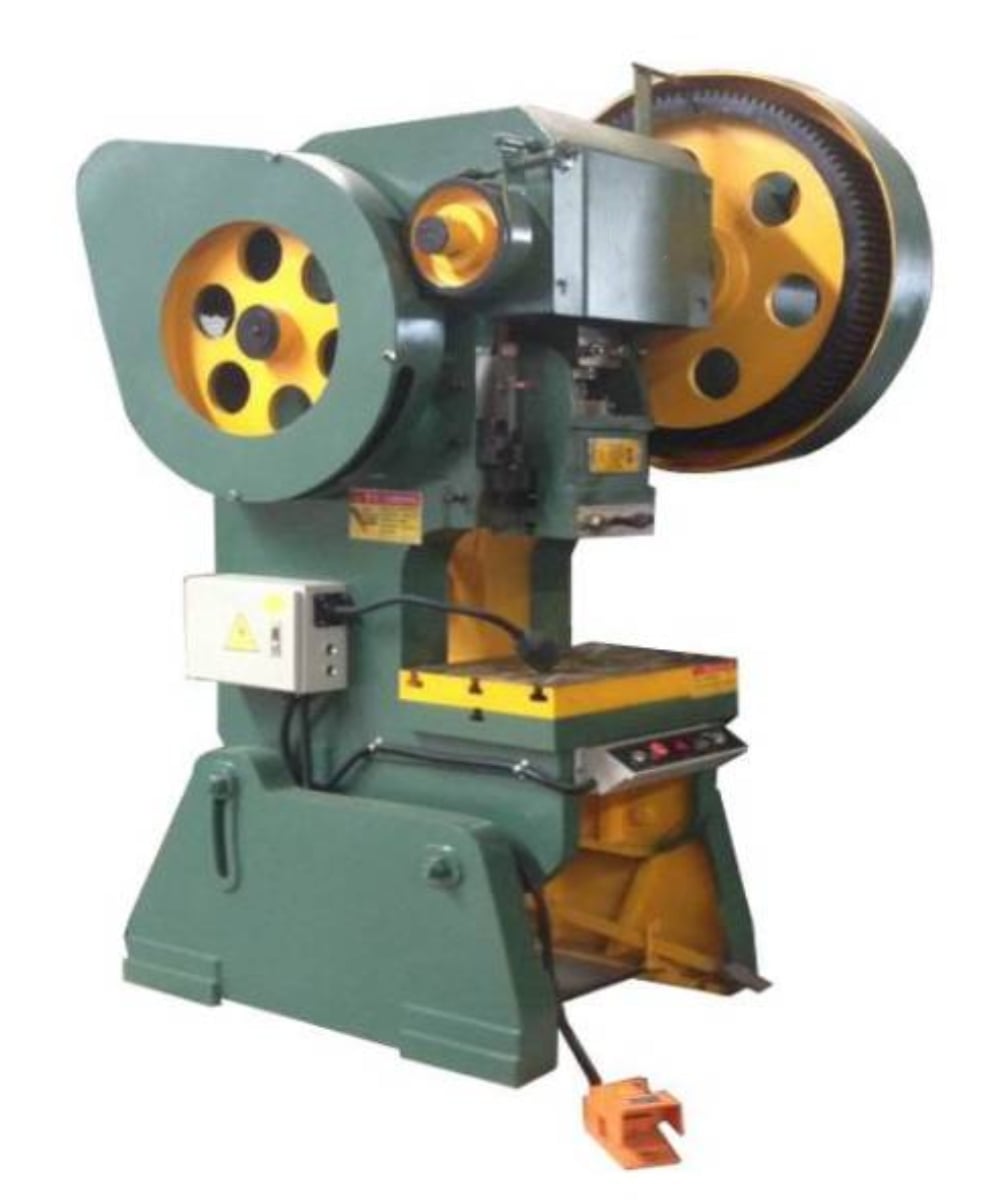
Manual and simple mechanical punching machines are still widely used for low-volume production, prototyping, and maintenance tasks. These machines typically range from $2,500 to $12,000. While they lack the speed of their automated counterparts, their simplicity makes them incredibly durable and easy to maintain. In 2026, even these basic models have seen slight price increases due to the rising cost of high-grade cast iron and steel used in their frames.
Mid-Range Hydraulic Punching Machines
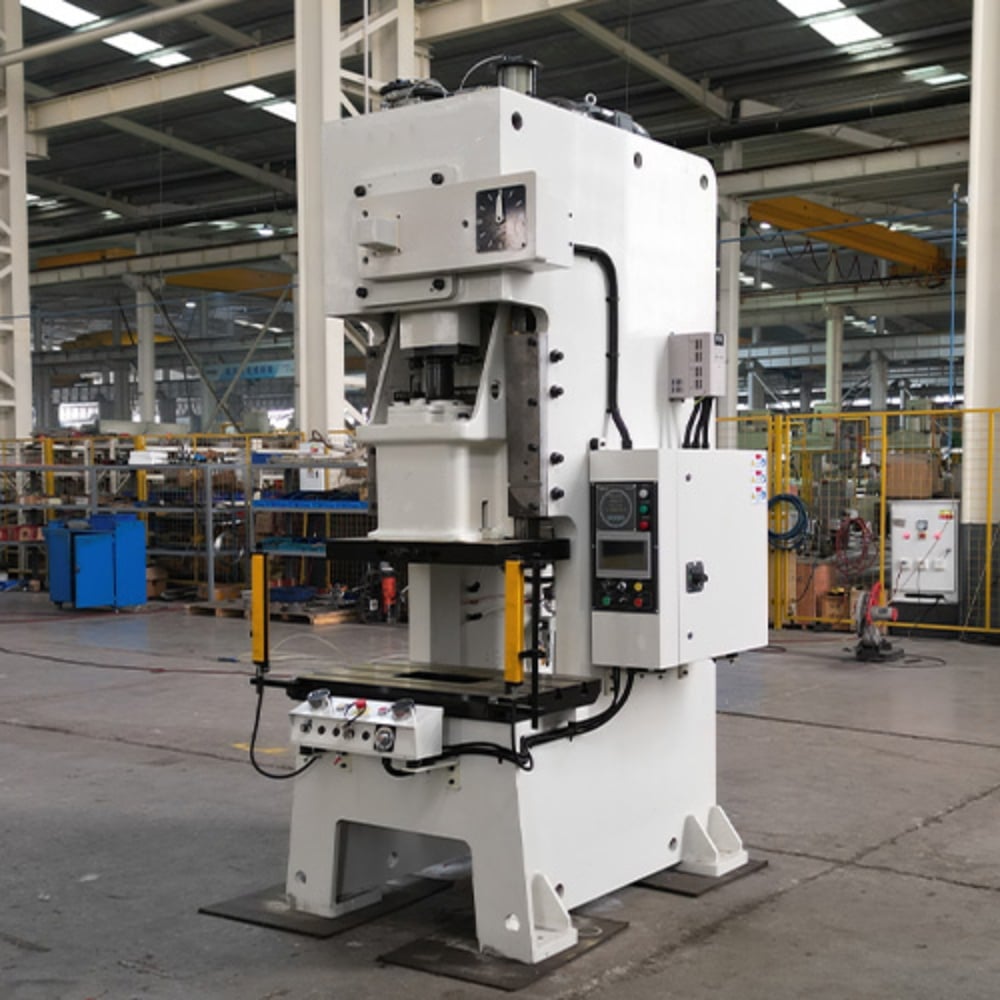
Hydraulic punching machines, often referred to as ironworkers or single-end punches, represent the mid-market segment. These are versatile tools capable of punching, shearing, and notching. For a standard 50-ton to 100-ton hydraulic punch, prices in 2026 generally fall between $8,000 and $35,000. The variance here depends on the throat depth and the inclusion of digital readouts or NC (Numerical Control) positioning tables which enhance accuracy.
High-End CNC Turret Punching Machines
For high-volume manufacturing, CNC turret punching machines are the industry standard. These machines feature a rotating turret that holds multiple tools, allowing for complex part processing without manual tool changes. In 2026, a standard CNC turret punch press starts at approximately $55,000 for entry-level Chinese-manufactured models (like those from HARSLE) and can exceed $450,000 for high-speed, servo-electric models from premium European or Japanese brands. The integration of fiber laser cutting heads into “punch-laser” hybrid machines can push prices well above $600,000.
Main Cost Drivers in 2026
Several critical factors influence the final quote you receive from a machinery supplier. Understanding these drivers helps you negotiate better and choose a machine that fits your specific needs without overpaying for unnecessary features.
1. Drive Technology: Hydraulic vs. Servo-Electric
The most significant shift in 2026 is the dominance of servo-electric drive systems. While traditional hydraulic systems are cheaper upfront, servo-electric machines offer higher hit rates, lower energy consumption (up to 60% less), and reduced maintenance since they eliminate hydraulic oil and cooling systems. A servo-electric punch typically carries a 20-30% price premium over a hydraulic model of the same tonnage, but the operational savings often justify the cost within 24 months.
2. Tonnage and Material Capacity
The force a machine can exert—measured in tons—directly impacts its price. A 30-ton machine is standard for light-gauge sheet metal (up to 3mm or 6mm depending on the material), while 50-ton or 80-ton machines are required for thicker plates. As the tonnage increases, the frame must be significantly reinforced, and the drive components must be more robust, leading to a linear increase in cost.
3. Control Systems and Software
In 2026, the “brain” of the machine is more expensive than ever. Advanced CNC controllers (such as Fanuc, Siemens, or proprietary HARSLE systems) that support 5G connectivity, remote diagnostics, and AI-optimized nesting software add several thousand dollars to the price. However, these systems reduce material waste and downtime, which are crucial for maintaining profitability in a competitive market.
4. Global Logistics and Raw Materials
The cost of shipping a 10-ton machine across the ocean remains a volatile factor. In 2026, freight costs have stabilized somewhat but remain higher than pre-2020 levels. Additionally, the price of the specialized tool steel used in the punching heads and the structural steel for the machine body fluctuates with global commodity markets, directly affecting the manufacturer’s MSRP.
Configuration Impact on Pricing
When you customize a punching machine, the “base price” is often just the starting point. Specific configurations tailored to your production line can significantly alter the final investment amount.
- Turret Station Count: A 16-station turret is standard for basic work, but a 32 or 44-station turret allows for more complex parts without stopping for tool changes. Moving from a 16 to a 32-station turret can add $10,000 to $25,000 to the cost.
- Auto-Index Stations: These allow the tool to rotate to any angle, providing immense flexibility for complex geometries. Each auto-index station adds complexity to the mechanical drive and the software, typically costing $5,000 to $8,000 per station.
- Throat Depth: The distance from the center of the punch to the back frame determines the maximum sheet size you can process. A deep throat (e.g., 1250mm or 1500mm) requires a much larger and stiffer frame, increasing the price by 15-25% compared to standard throat depths.
- Work Table Type: Brush tables are preferred for sensitive materials (like stainless steel or aluminum) to prevent scratching, while ball tables are better for heavy plates. Specialized brush tables with integrated vacuum systems for scrap removal are premium add-ons.
Hidden Costs of Owning a Punching Machine
The purchase price is only the beginning. To accurately answer “How Much Does A Metal Punching Machine Cost In 2026?”, one must look at the hidden or secondary expenses that arise during and after the acquisition.
Tooling Investment
A CNC turret punch is useless without high-quality tooling. A basic starter set of tools (rounds, squares, obrounds) can cost between $3,000 and $7,000. For specialized forms like louvers, countersinks, or ribbing tools, you can easily spend an additional $10,000 within the first year of operation. Tooling is a consumable cost that must be factored into every job’s quote.
Installation and Foundation
High-tonnage punching machines generate significant vibration. You may need to pour a reinforced concrete foundation specifically designed for the machine’s footprint. This, combined with professional rigging services to move the machine into place and electrical hookups, can cost between $2,000 and $10,000 depending on your facility’s current state.
Training and Software Licensing
While HARSLE provides initial training, ongoing education for new operators is essential. Furthermore, the CAD/CAM software used to program the machine often requires an annual subscription or maintenance fee, which can range from $1,000 to $5,000 per year. In 2026, many manufacturers are moving toward “Software as a Service” (SaaS) models for their nesting and simulation suites.
ROI Calculation: Justifying the Investment
To determine if the Punching Machine Price is justifiable, you must calculate the Return on Investment (ROI). In 2026, the primary drivers of ROI are labor reduction and material efficiency.
Consider a scenario where a manual punching process takes 10 minutes per part and requires two operators. A CNC turret punching machine might reduce that time to 45 seconds with only one operator overseeing the machine. If your labor cost is $30/hour, the savings are substantial.
ROI Formula:
ROI = (Net Profit from Machine / Cost of Investment) x 100
Most industrial buyers look for a payback period of 18 to 36 months. With the increased precision of 2026 models, scrap rates are often reduced by 15-20%, further accelerating the ROI. Additionally, the ability to take on more complex, higher-margin work that was previously impossible with manual equipment can significantly boost the “Net Profit” side of the equation.
Buying Advice for 2026
Choosing the right machine requires a balance between current needs and future growth. Here is some expert advice for navigating the 2026 market:
- Don’t Under-Buy Tonnage: It is tempting to save money by buying a 20-ton machine, but if you ever need to punch thicker material, you’ll be forced to trade in the machine. Always buy slightly more capacity than your current heaviest job requires.
- Consider the Resale Value: Brands like HARSLE maintain strong resale value because of their robust construction and global support network. A machine that holds 60% of its value after five years is a much better investment than a cheaper, generic machine that is worth scrap value in the same timeframe.
- Evaluate the After-Sales Support: In 2026, downtime is more expensive than ever. Ensure your supplier offers remote AR (Augmented Reality) support, fast spare parts shipping, and local technicians. A cheaper machine with poor support will eventually become the most expensive machine in your shop.
- Test with Your Own Parts: Before finalizing a purchase, send your most complex CAD files to the manufacturer. Have them perform a time study and send you the finished samples. This proves the machine can handle your specific material and tolerances.
Frequently Asked Questions (FAQ)
How much has the price of punching machines increased since 2024?
On average, prices have seen a 5-8% increase due to inflation and the integration of more advanced electronics and sensors. However, the cost per “hit” has actually decreased because 2026 machines are significantly faster and more energy-efficient.
Is it better to buy a used punching machine in 2026?
While used machines are cheaper, they often lack the connectivity and energy efficiency of 2026 models. Furthermore, finding replacement parts for older CNC controllers can be difficult and expensive. For high-production environments, new is almost always better.
What is the average lifespan of a HARSLE punching machine?
With proper maintenance and tool sharpening, a high-quality punching machine can last 15 to 20 years. The mechanical frame often outlives the electronic controller, which may need an upgrade after 10-12 years.
Can a punching machine replace a laser cutter?
Not entirely. Punching machines are much faster for repetitive holes and can perform forming operations (like louvers) that lasers cannot. However, lasers are better for very complex, irregular shapes. Many shops in 2026 use both or invest in a hybrid punch-laser machine.
What maintenance is required for a CNC punching machine?
Daily tasks include checking lubrication levels and cleaning the turret. Weekly tasks involve inspecting the air filters and hydraulic oil (if applicable). The most critical maintenance is keeping the tools sharp; dull tools put unnecessary stress on the machine’s drive system and reduce part quality.