Hydraulic Punching Machine Price Guide for Sheet Metal Workshops


Understanding the Hydraulic Punching Machine Price for Sheet Metal Workshops
For any growing sheet metal workshop, the transition from manual drilling or basic punching to a dedicated hydraulic punching machine represents a significant milestone. However, navigating the market to find the right Hydraulic Punching Machine Price for Sheet Metal Workshops can be a daunting task. Prices vary wildly based on tonnage, automation levels, and brand reputation. At HARSLE, we understand that a machine is not just a purchase; it is an investment in your workshop’s future throughput and precision.
The modern fabrication landscape demands high speed and repeatable accuracy. Whether you are producing electrical cabinets, ventilation components, or architectural metalwork, the cost of the machine must be balanced against its potential to reduce labor costs and material waste. In this guide, we will break down the financial aspects of acquiring a hydraulic punching machine, helping you move from a state of uncertainty to a confident purchasing decision.
Before diving into specific numbers, it is essential to recognize that the ‘price’ of a machine includes more than just the invoice amount. It encompasses the configuration, the technology integrated into the hydraulic system, and the long-term support provided by the manufacturer. By the end of this article, you will have a comprehensive understanding of what drives these costs and how to calculate the return on investment for your specific business model.
Price Range Overview: From Entry-Level to Industrial Powerhouses
The market for hydraulic punching machines is segmented into three primary categories, each serving different production volumes and complexity levels. Understanding where your workshop fits into this spectrum is the first step in budgeting.
- Entry-Level Manual and Semi-Automatic Machines ($5,000 – $15,000): These are often single-station machines or versatile ‘ironworkers’ that include punching, shearing, and notching capabilities. They are ideal for small maintenance shops or custom fabrication units where high-volume repetition is not the primary goal. While affordable, they require more manual handling of the sheet metal.
- Mid-Range NC and Basic CNC Punching Machines ($20,000 – $55,000): This is the ‘sweet spot’ for many growing sheet metal workshops. These machines often feature Numerical Control (NC) for positioning or basic CNC capabilities. They offer significantly higher precision than manual machines and can handle thicker materials with consistent results.
- High-End CNC Turret Punch Presses ($60,000 – $250,000+): These are the heavy hitters of the industry. Featuring multi-tool turrets, high-speed hydraulic systems, and fully automated sheet positioning, these machines are designed for 24/7 production environments. The high price tag reflects the massive increase in parts-per-hour and the reduction in human intervention.
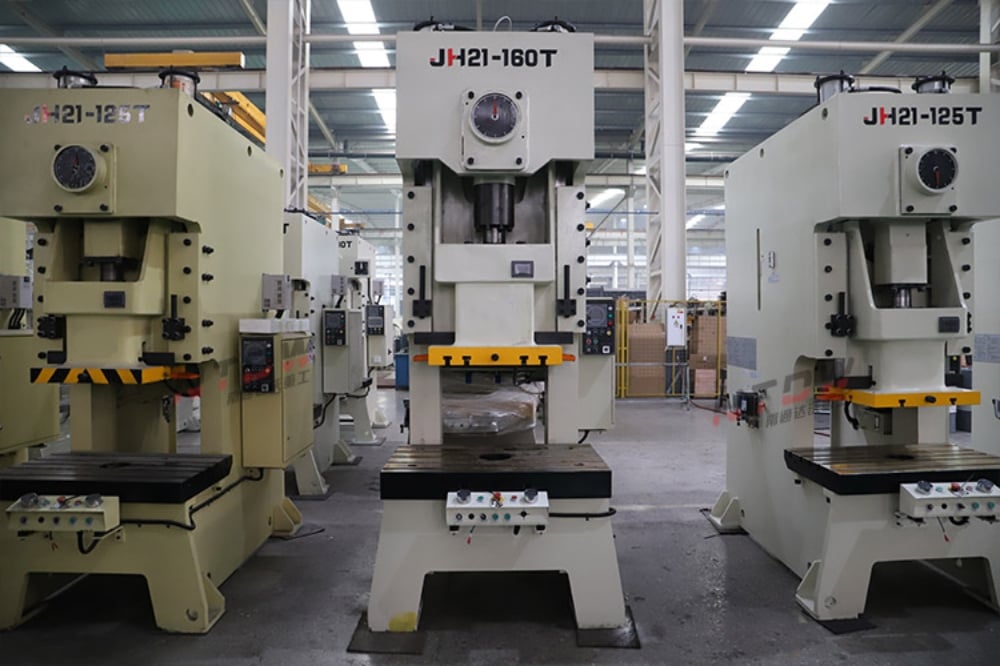
When evaluating these ranges, workshops must consider their current volume versus their projected growth. Buying a machine that only meets today’s needs might lead to a costly upgrade in just two years. Conversely, over-investing in a high-end CNC turret when your production is low-volume can strain your workshop’s cash flow unnecessarily.
Main Cost Drivers: What Dictates the Final Quote?
Several technical factors directly influence the Hydraulic Punching Machine Price for Sheet Metal Workshops. Understanding these drivers allows you to prioritize features that matter most to your production line.
1. Tonnage and Pressing Force
The tonnage of a machine determines the maximum thickness and diameter of the holes it can punch. A 30-ton machine might be sufficient for thin aluminum or light-gauge steel, but if you are working with 10mm stainless steel plate, you will likely need a 100-ton or 200-ton unit. As the tonnage increases, so does the structural integrity of the machine frame and the complexity of the hydraulic cylinders, leading to a higher price.
2. Throat Depth
Throat depth refers to the distance from the center of the punch to the back of the machine frame. This determines the maximum width of the sheet metal you can process. A deeper throat allows for larger sheets but requires a much heavier, more rigid frame to prevent ‘deflection’ or ‘springing’ during the punch cycle. Increasing throat depth from 500mm to 1250mm can add thousands of dollars to the machine’s cost due to the additional steel required for the frame.
3. Stroke Speed and Cycle Time
In high-volume environments, time is money. Advanced hydraulic systems use servo-proportional valves and high-efficiency pumps to increase the number of hits per minute (HPM). A machine capable of 600 HPM will naturally cost more than a standard unit doing 150 HPM. This speed is achieved through sophisticated cooling systems and high-end electronics that ensure the hydraulics don’t overheat during intense operation.
4. Material Quality and Brand Components
The components inside the machine matter. A machine built with Rexroth or Vickers hydraulics, Schneider electronics, and Hiwin linear guides will command a premium price compared to one using generic components. However, the premium is often justified by the availability of spare parts and the overall reliability of the machine over a 10-year lifespan.
Configuration Impact: Customizing Your Machine
The base price of a hydraulic punching machine is rarely the final price. Customization and configuration play a massive role in the final investment. For sheet metal workshops, the choice between a single-station punch and a turret punch is the most significant configuration decision.
A single-station machine is cost-effective but requires the operator to manually change tools for different hole sizes or shapes. This leads to downtime. A turret punch press, however, holds multiple tools (anywhere from 6 to 32 or more) and can switch between them in seconds. While a turret configuration can double the machine’s price, it can triple the output of a workshop that processes complex parts with multiple hole types.
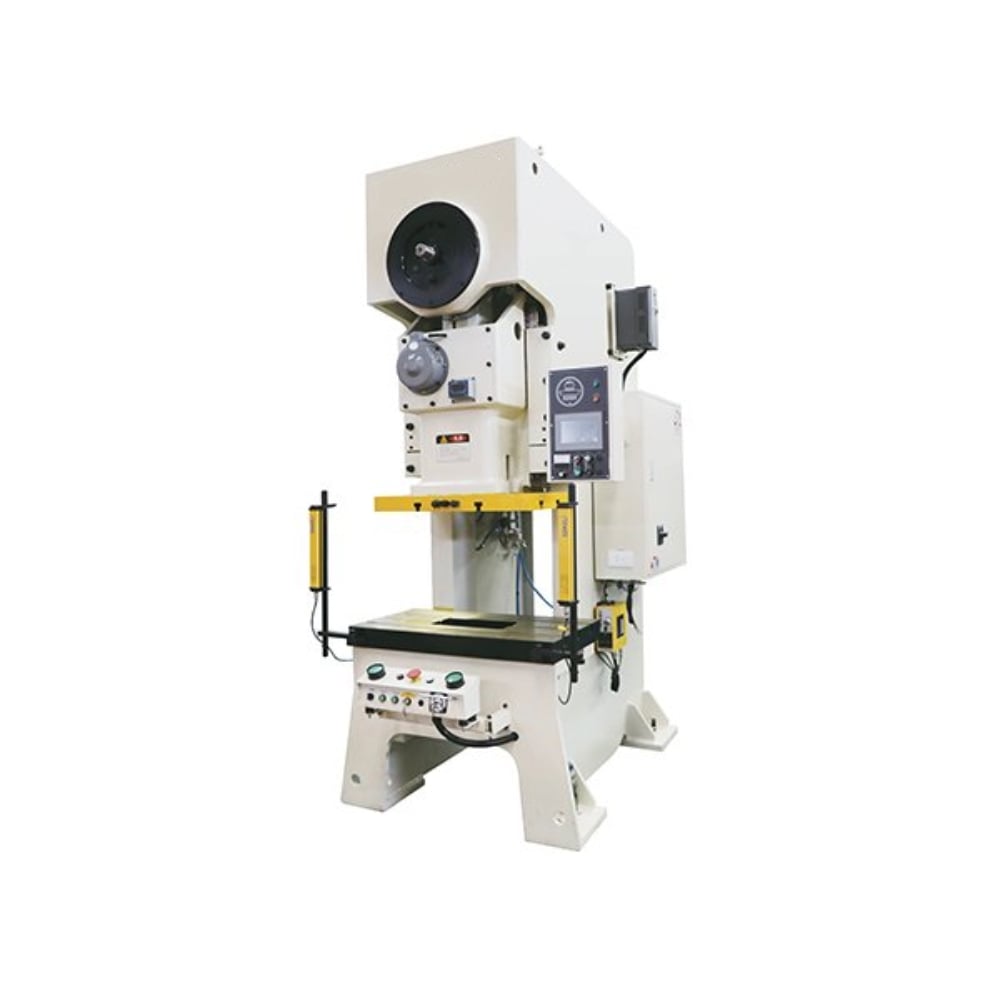
Control systems also vary. A basic NC system might only control the X and Y axis positioning. A full-featured CNC system with a graphical user interface (GUI) allows for CAD/CAM integration, nesting (to save material), and remote diagnostics. Upgrading from a basic controller to a high-end system like Fanuc or Siemens can add $10,000 to $25,000 to the total cost, but it significantly lowers the barrier to entry for operators and reduces programming time.
Hidden Costs: Beyond the Sticker Price
When budgeting for a Hydraulic Punching Machine Price for Sheet Metal Workshops, many owners forget to account for the ‘hidden’ costs associated with commissioning and operating industrial machinery. These can include:
- Shipping and Logistics: These machines are heavy and often require specialized flatbed transport and heavy-duty cranes for offloading. Depending on your location relative to the manufacturer, shipping can cost between $1,000 and $10,000.
- Foundation and Installation: High-tonnage machines generate significant vibration. You may need to reinforce your workshop floor with a dedicated concrete pad. Additionally, professional installation and leveling are required to ensure the machine maintains its accuracy.
- Tooling Sets: A punching machine is useless without punches and dies. A comprehensive starter set of high-quality tool steel punches can cost several thousand dollars. Furthermore, specialized tools for louvers, countersinks, or ribbing will add to this ongoing expense.
- Training: While modern CNC systems are intuitive, your staff will still need training on safety, maintenance, and software operation. Some manufacturers include this in the price, while others charge a daily rate for a technician.
- Power Consumption: Hydraulic systems require significant electrical power. Upgrading your workshop’s electrical panel to handle the peak load of a 30kW motor is a cost that must be factored in before the machine arrives.
ROI Calculation: Justifying the Investment
To determine if the Hydraulic Punching Machine Price for Sheet Metal Workshops is justifiable, you must perform a Return on Investment (ROI) calculation. This involves comparing the total cost of ownership against the projected savings and revenue increases.
Consider a scenario where a workshop currently outsources its punching needs or uses manual methods that take 20 minutes per part. If a new hydraulic CNC punch can reduce that time to 2 minutes, the labor savings alone are massive. If your labor rate is $30/hour, you are saving $9 per part. If you produce 5,000 parts a year, that is a $45,000 annual saving—meaning a $90,000 machine pays for itself in just two years through labor alone.
Furthermore, consider the reduction in scrap. Manual punching is prone to human error. A CNC-controlled hydraulic punch ensures that the first part is identical to the thousandth part. Reducing material waste by even 5% can result in thousands of dollars in savings annually, especially when working with expensive materials like stainless steel or copper.
Buying Advice for Sheet Metal Professionals
When you are ready to move forward, keep these expert tips in mind to ensure you get the best value for your money:
- Define Your Maximums: Don’t buy a machine based on your average job. Buy it based on the maximum thickness and sheet size you expect to handle in the next three years.
- Request a Sample Punch: Before finalizing the purchase, send a sample of your most difficult material to the manufacturer. Ask them to punch a specific pattern and send the piece back. This verifies the machine’s edge quality and accuracy.
- Check After-Sales Support: A machine that is down is a liability. Ensure the manufacturer has a local service presence or a robust remote support system. Ask about the availability of common hydraulic seals and electronic components.
- Consider the Resale Value: Reputable brands like HARSLE tend to hold their value better on the secondary market. If you decide to upgrade in five years, a well-maintained, brand-name machine will be much easier to sell.
Frequently Asked Questions (FAQ)
What is the average lifespan of a hydraulic punching machine?
With proper maintenance—specifically regular oil changes, filter replacements, and lubrication of moving parts—a high-quality hydraulic punching machine can last 15 to 20 years in a production environment. The hydraulic seals and electronic components may need refreshing every 7-10 years.
Can I punch stainless steel with a standard hydraulic machine?
Yes, but you must ensure the machine has sufficient tonnage. Stainless steel has a higher shear strength than mild steel (usually about 50% higher). You will also need specialized punches made from high-grade tool steel (like M2 or D2) with specific clearances to prevent premature tool wear.
Is CNC always better than manual for a small shop?
Not necessarily. If you only punch a few holes a day for custom brackets, a manual ironworker is much more cost-effective. CNC is superior when you have repetitive patterns, complex shapes, or high volumes where the setup time of a manual machine would be prohibitive.
How often does the hydraulic oil need to be changed?
Most manufacturers recommend a full oil change every 2,000 to 4,000 operating hours. However, you should check the oil level weekly and inspect it for clarity. Cloudy or dark oil indicates contamination or overheating and should be addressed immediately to protect the expensive hydraulic valves.
What is the difference between a mechanical and a hydraulic punch?
Mechanical punches use a flywheel and a clutch to deliver a sudden, high-energy impact. They are very fast but offer less control. Hydraulic punches use fluid pressure, allowing for full tonnage at any point in the stroke, adjustable stroke lengths, and quieter operation. For most modern sheet metal workshops, hydraulic is the preferred choice due to its versatility and safety features.