Mechanical Punching Machine Price Guide: Cost, Features, and Buying Tips


Introduction to Mechanical Punching Machine Investment
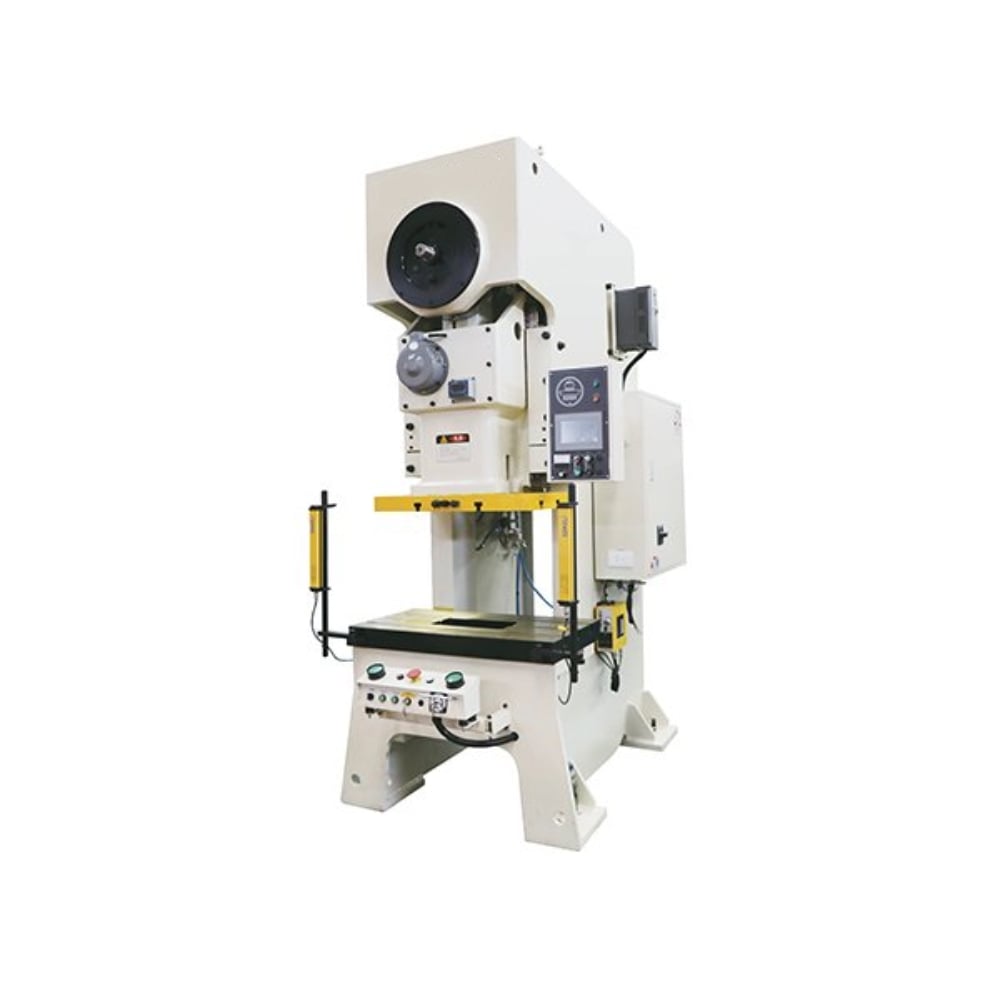
In the world of metal fabrication, the mechanical punching machine, often referred to as a power press, remains a cornerstone of high-volume production. Whether you are manufacturing automotive components, electrical enclosures, or simple hardware, understanding the Mechanical Punching Machine Price : Cost, Features, Buying Tips is essential for making a sound financial decision. These machines utilize a flywheel to store energy, which is then released through a clutch mechanism to drive a ram, providing the force necessary to shear, punch, or form metal sheets.
Investing in a mechanical punching machine is not merely about the sticker price; it is about aligning the machine’s capabilities with your production requirements. A machine that is too small will fail to meet demand or suffer premature wear, while an oversized machine represents wasted capital and floor space. HARSLE, a leader in metalworking machinery, emphasizes that the total cost of ownership includes the initial purchase, maintenance, tooling, and energy consumption over the machine’s lifespan.
As global manufacturing trends shift toward automation and higher precision, the pricing landscape for mechanical presses has evolved. Modern machines now integrate advanced safety features, PLC controls, and high-efficiency motors that were once reserved for premium models. This guide will break down the complexities of pricing, helping you navigate the various tiers of equipment available in today’s market.
By the end of this article, you will have a comprehensive understanding of what drives the cost of a mechanical punching machine, how to evaluate different configurations, and how to calculate the potential return on investment (ROI) for your facility. Whether you are a small workshop or a large-scale industrial plant, this guide serves as your roadmap to a successful acquisition.
Price Range Overview: What to Expect
The price of a mechanical punching machine varies significantly based on its tonnage, frame design, and technological sophistication. Generally, these machines are categorized into small, medium, and large capacities. For entry-level workshops, a small 6.3-ton to 16-ton press might start as low as $1,500 to $3,500. These are typically used for light-duty tasks like jewelry making or small electronic parts.
Mid-range machines, which are the workhorses of the industry, typically fall between 25 tons and 100 tons. These machines are priced between $5,000 and $25,000. The wide price gap in this category is often due to the difference between traditional mechanical clutches and modern pneumatic clutches. Pneumatic models offer better safety and control but come at a premium. High-capacity machines, ranging from 125 tons to over 400 tons, can cost anywhere from $30,000 to well over $150,000, depending on the customization and automation features included.
| Machine Category | Tonnage Range | Estimated Price (USD) | Primary Applications |
|---|---|---|---|
| Light Duty | 6.3T – 16T | $1,500 – $4,000 | Small parts, jewelry, light stamping |
| Medium Duty | 25T – 80T | $5,000 – $18,000 | Hardware, automotive brackets, appliances |
| Heavy Duty | 100T – 250T | $20,000 – $60,000 | Heavy structural parts, deep drawing |
| Industrial Grade | 315T – 500T+ | $80,000+ | Large automotive panels, aerospace |
It is important to note that these prices are estimates for new machinery. Used equipment can be found at 40% to 60% of the cost of new machines, but they often come with higher maintenance risks and lack modern safety certifications. When looking at the Mechanical Punching Machine Price : Cost, Features, Buying Tips, always consider the origin of the manufacturer. Machines from reputable Chinese manufacturers like HARSLE offer a balance of cost-effectiveness and reliability, whereas European or Japanese brands may command a 2x to 3x price premium for similar tonnages.
Main Cost Drivers in Mechanical Punching Machines
1. Tonnage and Pressing Force
The single most significant factor influencing the price is the tonnage. Tonnage refers to the maximum force the press can exert. Increasing the tonnage requires a heavier frame, a larger flywheel, a more powerful motor, and more robust crankshafts. For example, moving from a 63-ton press to an 80-ton press might seem like a small jump, but the structural reinforcement required to handle that extra 17 tons of force adds substantial material and engineering costs.
2. Frame Construction: C-Frame vs. H-Frame
The design of the machine frame also dictates the price. C-frame (or Gap Frame) presses are the most common and affordable. They provide easy access to the die area from three sides, making them ideal for manual feeding. However, they are prone to “angular deflection” under heavy loads. H-frame (or Straight-Side) presses are much more rigid and expensive. They eliminate deflection, ensuring higher precision and longer die life, which justifies their higher price tag for high-precision industries.
3. Clutch and Brake Systems
Traditional mechanical punching machines used a “turn-key” or rigid clutch. These are inexpensive but cannot be stopped mid-stroke, posing a significant safety risk. Modern machines utilize pneumatic friction clutches. These allow the ram to be stopped at any point in the cycle, enabling the use of safety light curtains and emergency stops. A pneumatic clutch system can add $2,000 to $10,000 to the machine’s price but is often mandatory for compliance with modern safety standards like CE or OSHA.
4. Stroke Speed and Adjustability
Standard mechanical presses operate at a fixed number of strokes per minute (SPM). High-speed presses, designed for rapid stamping of thousands of parts per hour, require specialized balancing and cooling systems. Furthermore, machines with adjustable stroke lengths allow for greater versatility in the types of parts produced. These features increase the complexity of the drive mechanism, thereby increasing the overall cost.
Configuration Impact: Features That Add Value
When evaluating the Mechanical Punching Machine Price : Cost, Features, Buying Tips, the base price is often just the starting point. Optional configurations can significantly enhance productivity but will also increase the initial investment. One of the most common additions is an NC (Numerical Control) or CNC feeder. An automatic feeder allows the machine to run continuously from a coil of metal, drastically reducing labor costs and increasing output.
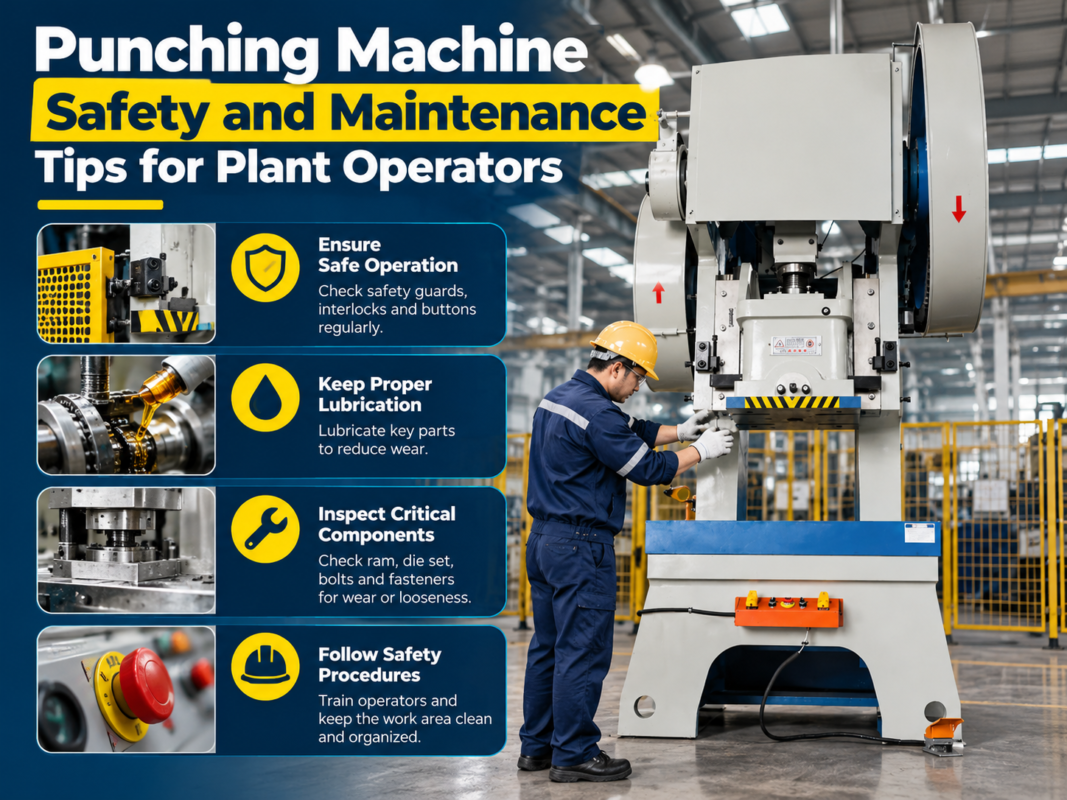
Safety features are another critical configuration. While basic guards are standard, advanced safety light curtains, dual-hand control buttons, and hydraulic overload protection systems are essential for protecting operators. Hydraulic overload protection, in particular, is a valuable feature that instantly releases the pressure if the machine exceeds its tonnage capacity, preventing catastrophic damage to the crankshaft and frame.
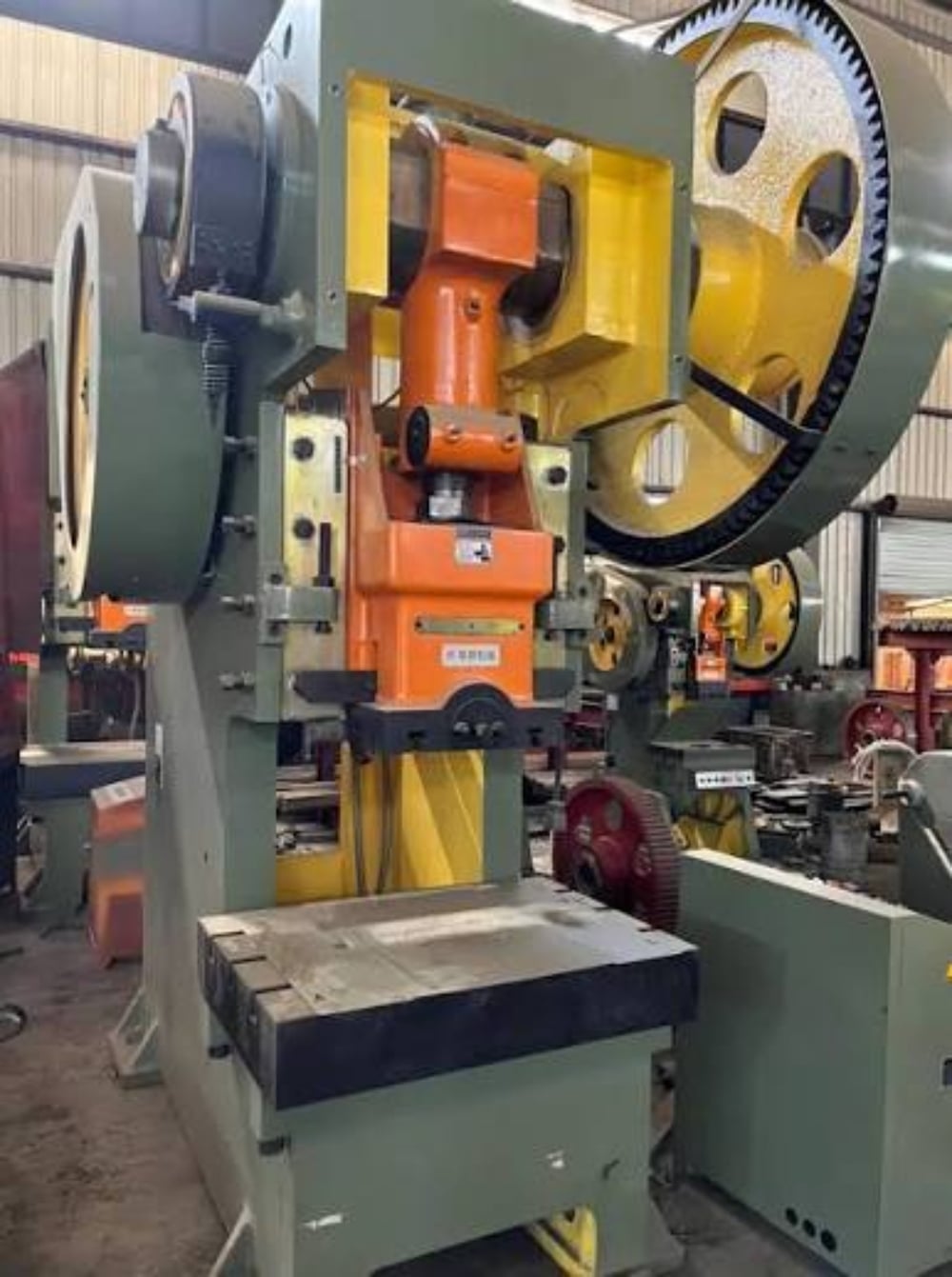
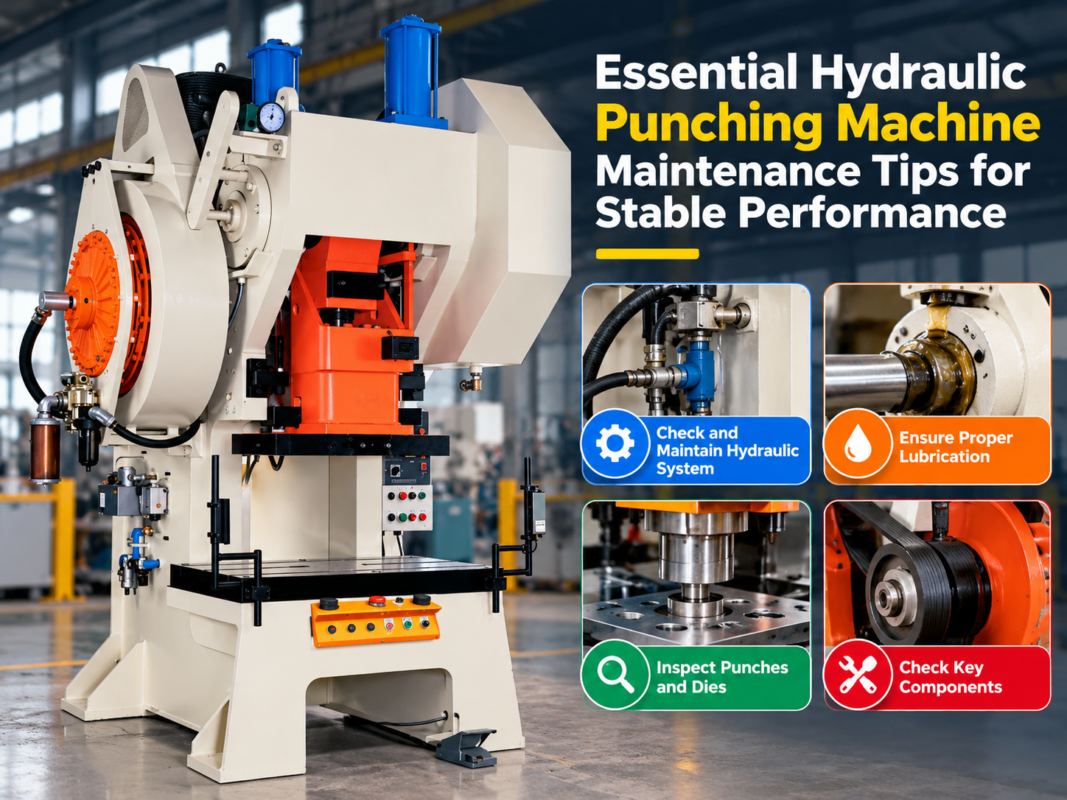
Lubrication systems also vary. Manual lubrication is standard on budget models, requiring the operator to grease points daily. Automatic centralized lubrication systems ensure that all moving parts are consistently oiled, extending the machine’s life and reducing downtime. This feature is highly recommended for machines intended for multi-shift operations. Additionally, the inclusion of a variable frequency drive (VFD) allows the operator to adjust the motor speed, providing flexibility for different material thicknesses and die complexities.
Hidden Costs of Purchasing a Punching Machine
The purchase price is only one part of the financial equation. Buyers must account for several “hidden” costs that can arise during and after the acquisition. Shipping and logistics are often underestimated. A 100-ton press can weigh over 6,000 kg, requiring specialized heavy-lift transport and rigging services to move it into your facility. Depending on the distance and the complexity of the installation, this can cost between $1,000 and $5,000.
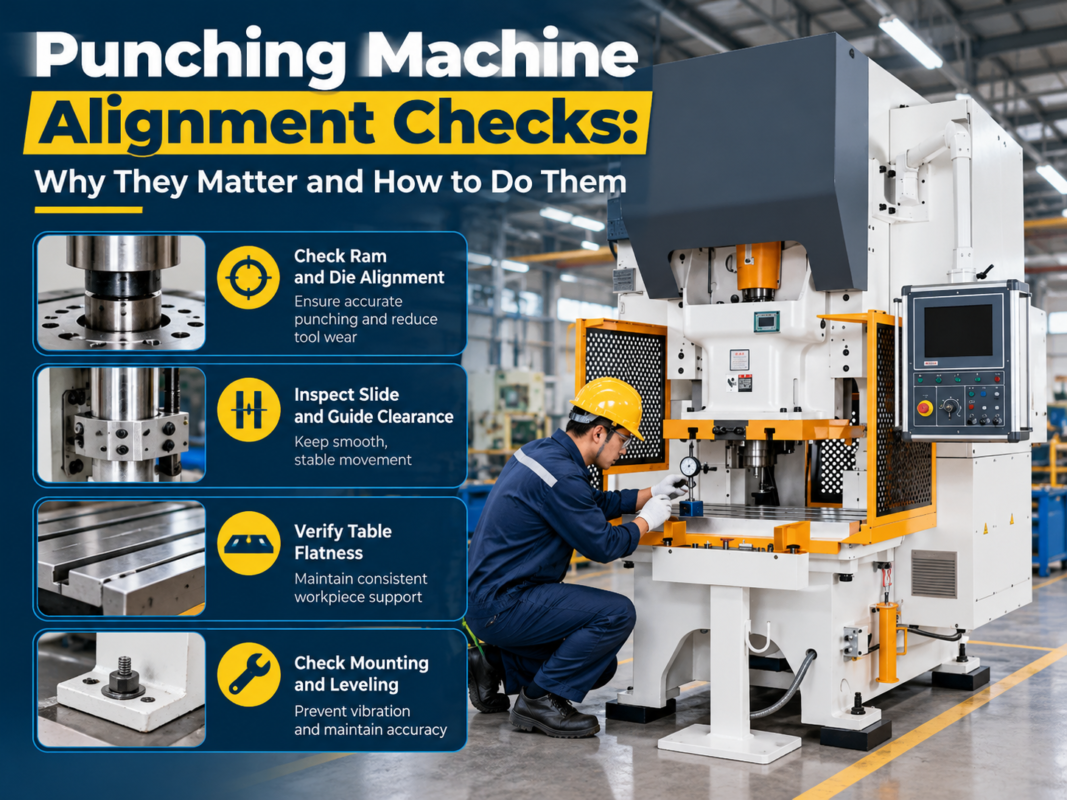
Foundation preparation is another critical factor. Large mechanical presses generate significant vibration. To prevent damage to the factory floor and ensure machine accuracy, a reinforced concrete foundation or specialized anti-vibration mounts may be required. These mounts can cost several hundred dollars each, while a dedicated foundation can run into the thousands.
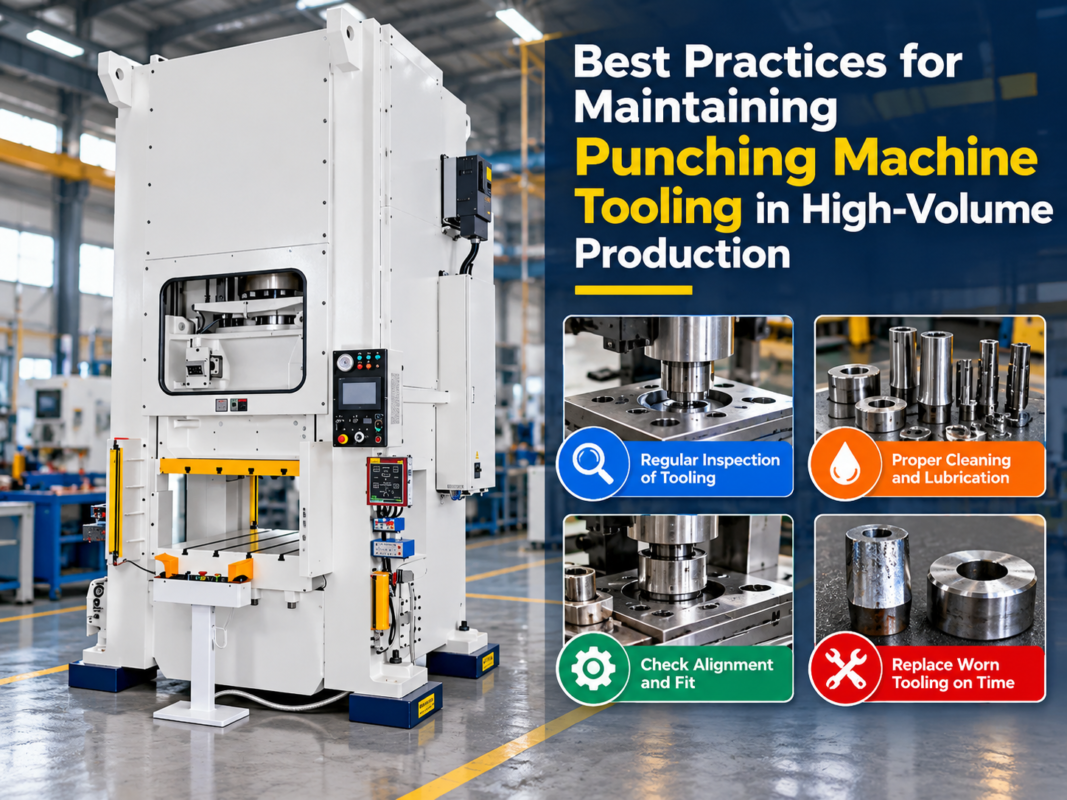
Tooling and dies represent a continuous expense. A mechanical punching machine is useless without the specific dies required for your parts. High-quality progressive dies can sometimes cost as much as the machine itself. Furthermore, you must factor in the cost of electricity. Mechanical presses are energy-intensive, and upgrading your facility’s electrical panel to handle the peak current of a large motor is a common necessity for older shops.
ROI Calculation: Is the Investment Worth It?
To justify the Mechanical Punching Machine Price : Cost, Features, Buying Tips, you must calculate the Return on Investment (ROI). The primary drivers of ROI in punching operations are cycle time reduction and labor savings. If a manual punching process takes 30 seconds per part and a mechanical press reduces that to 2 seconds, the productivity gain is 15-fold. For a shop producing 10,000 parts a month, this translates to hundreds of man-hours saved.
Consider the following formula for a basic ROI calculation:
ROI = (Total Annual Savings – Annual Operating Costs) / Total Investment Cost
Annual savings include reduced labor hours, lower scrap rates due to higher precision, and the ability to take on larger contracts. Operating costs include electricity, maintenance, and tooling wear. Most well-utilized mechanical presses in a production environment achieve a payback period of 12 to 24 months. If you are integrating automation, such as a decoiler and feeder, the initial cost is higher, but the ROI is often faster due to the elimination of manual material handling.
Buying Advice: How to Choose the Right Machine
Choosing the right mechanical punching machine requires a balance between current needs and future growth. Here are some expert tips for your purchase:
- Calculate Your Tonnage Correctly: Always choose a machine with a tonnage rating at least 20-30% higher than your maximum calculated requirement. Running a press at its absolute limit will lead to frame fatigue and frequent breakdowns.
- Prioritize Safety: Never compromise on safety features. A single workplace accident can cost far more than the price of a pneumatic clutch and light curtains. Ensure the machine complies with local safety regulations.
- Check the Bolster Dimensions: Ensure the bed area (bolster plate) is large enough to accommodate your largest dies, including the space needed for die clamps and feeders.
- Evaluate the Manufacturer’s Reputation: Research the manufacturer’s after-sales support. Companies like HARSLE provide extensive documentation, spare parts availability, and technical support, which are crucial when a machine goes down.
- Consider the Resale Value: Brand-name machines or those with standard components (like Siemens electronics or Omron sensors) tend to hold their value better in the used market.
Before finalizing a purchase, request a test punch with your specific material and die if possible. This ensures that the machine’s stroke and shut height are compatible with your tooling. Additionally, verify the warranty terms—most reputable manufacturers offer at least a 12-month warranty on major components.
Frequently Asked Questions (FAQ)
What is the difference between a mechanical and hydraulic punching machine?
Mechanical punching machines use a flywheel and crankshaft to deliver a quick, high-energy burst of force, making them ideal for high-speed stamping. Hydraulic machines use fluid pressure, providing full tonnage throughout the entire stroke, which is better for deep drawing and forming but generally slower than mechanical presses.
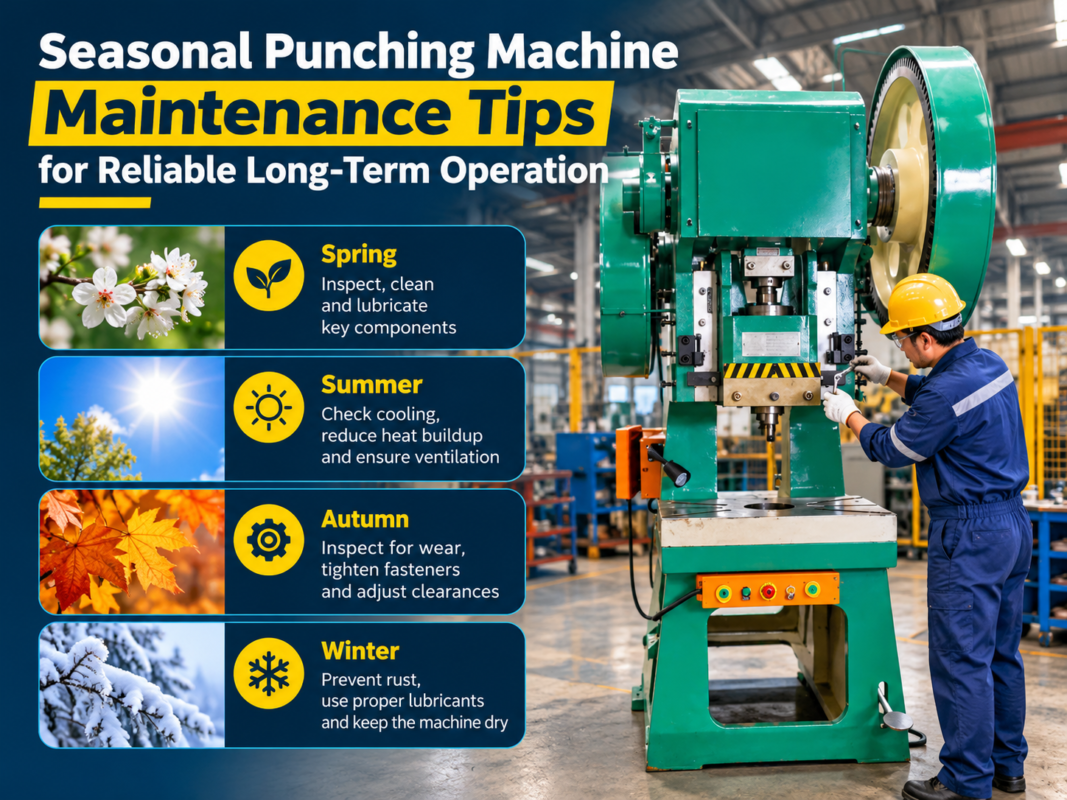
How often does a mechanical punching machine need maintenance?
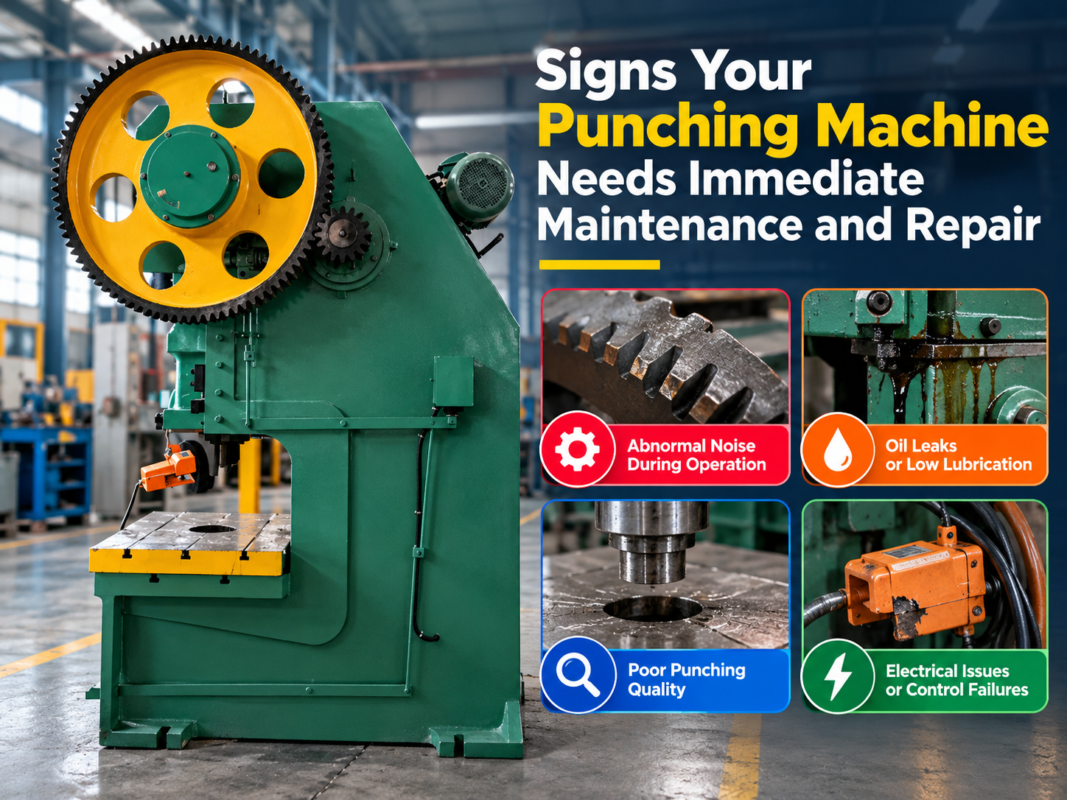
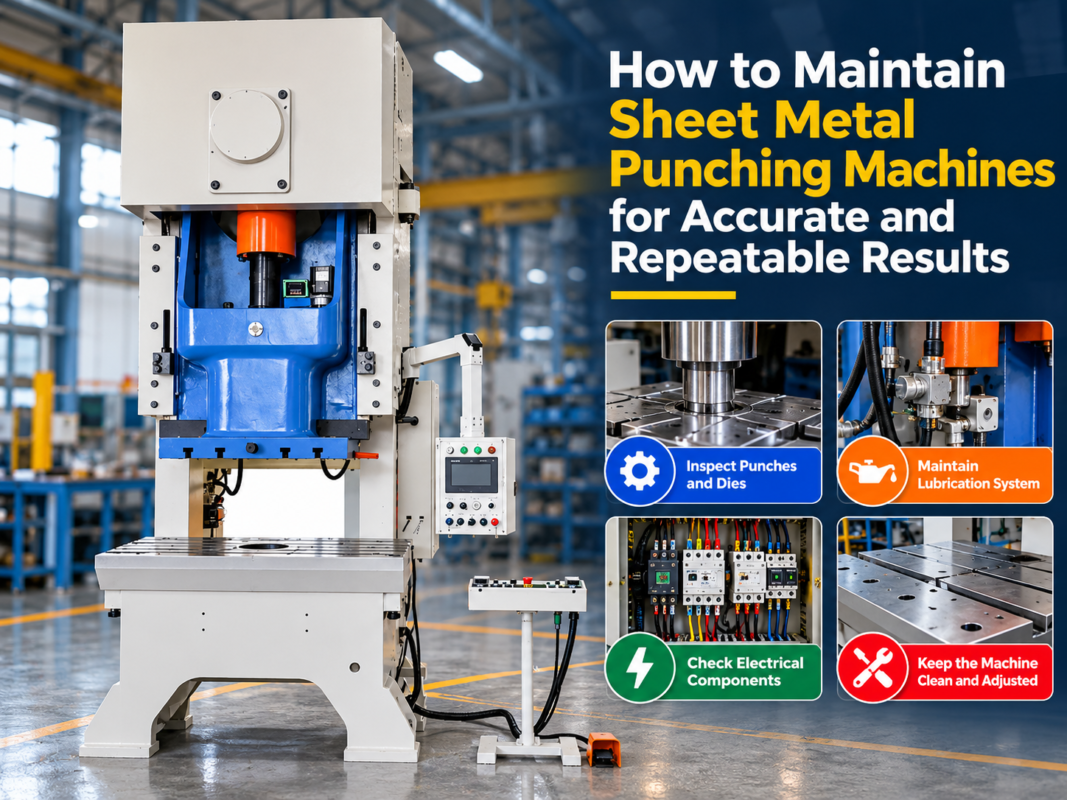
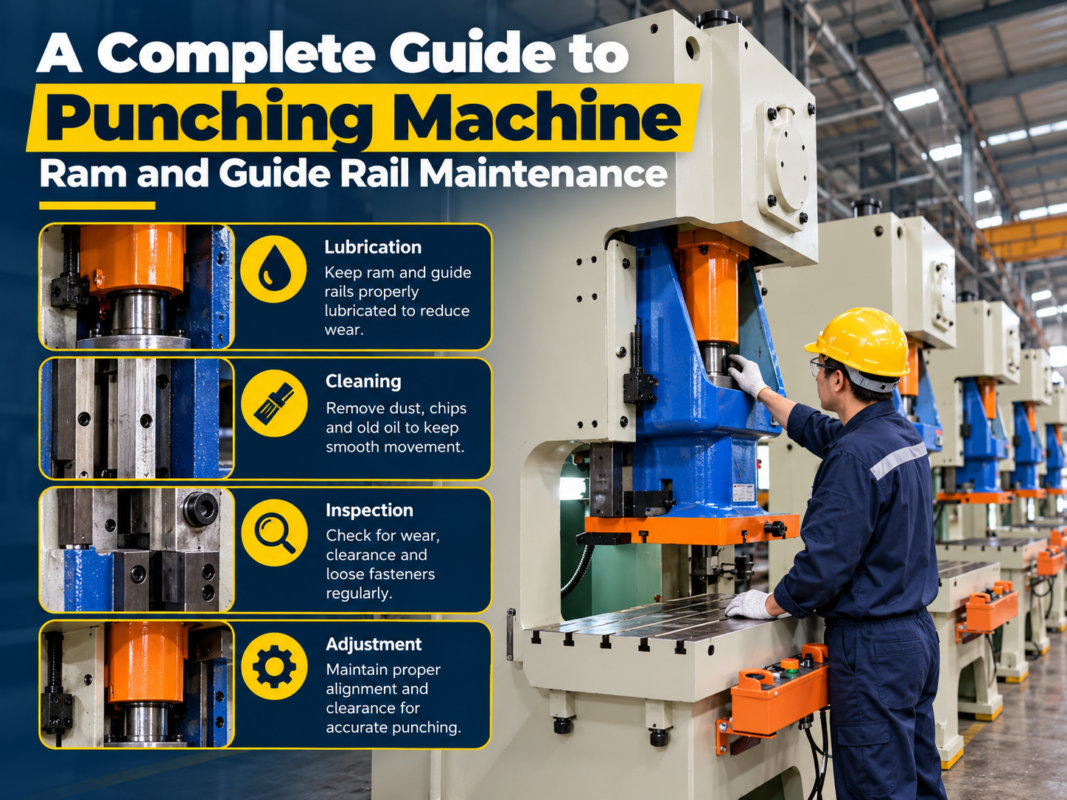
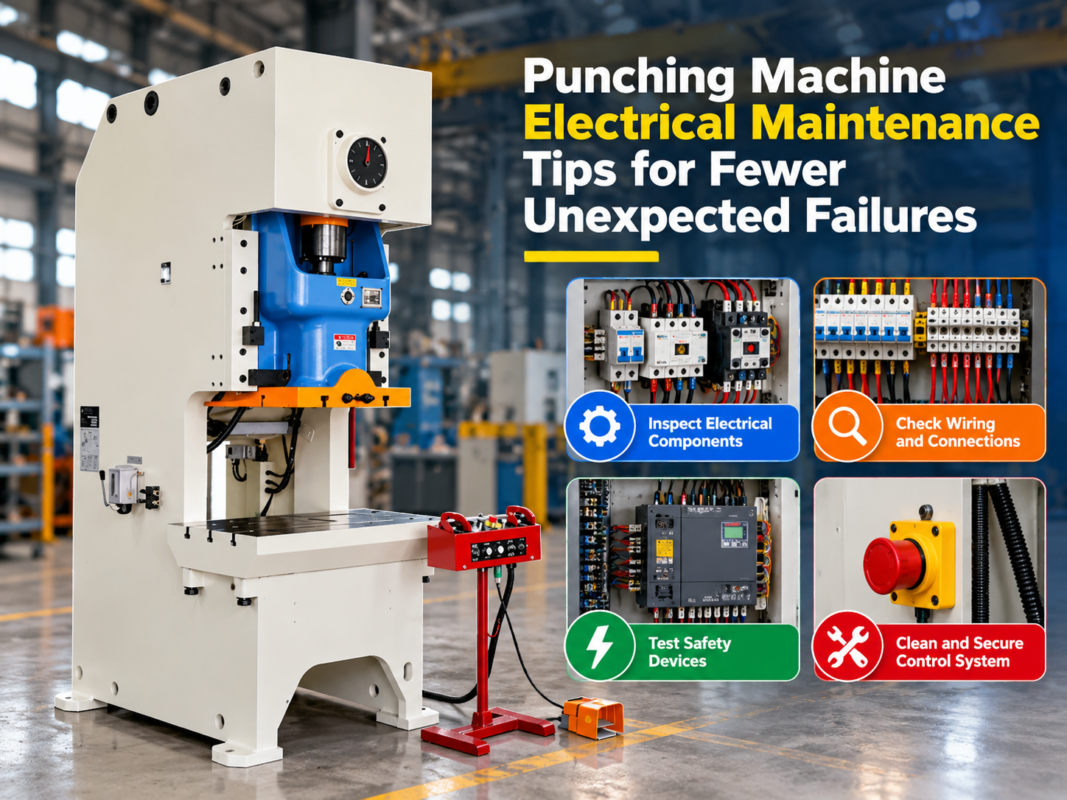
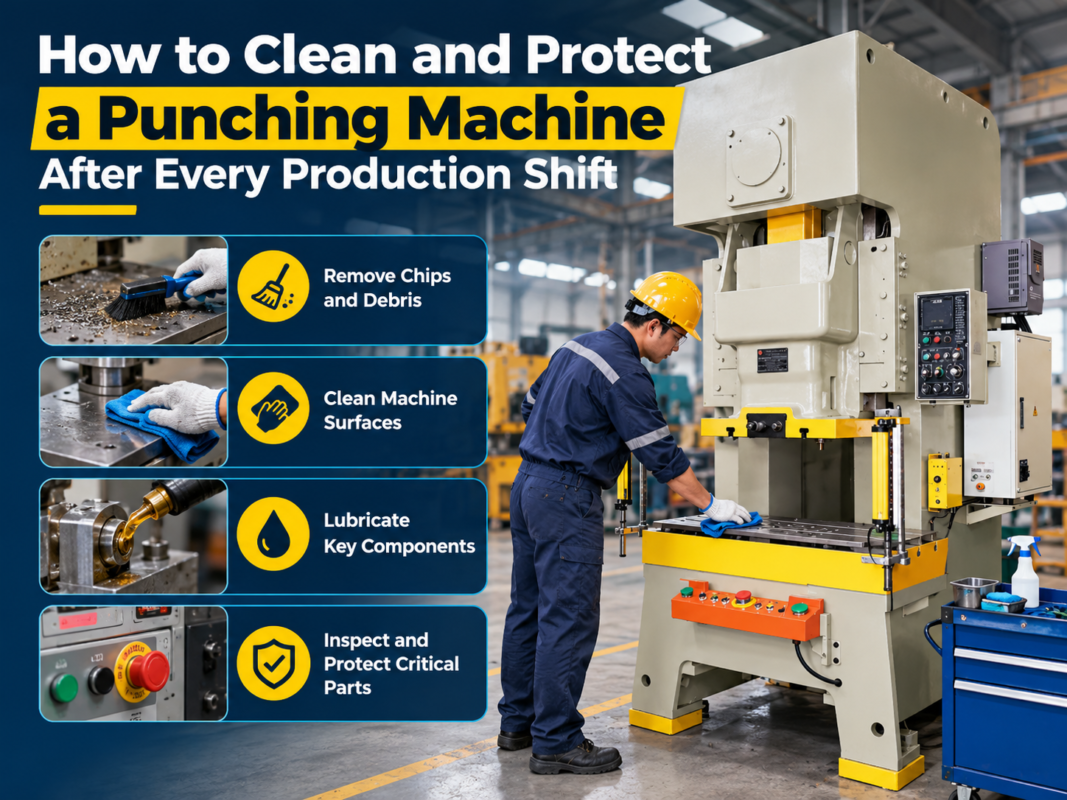
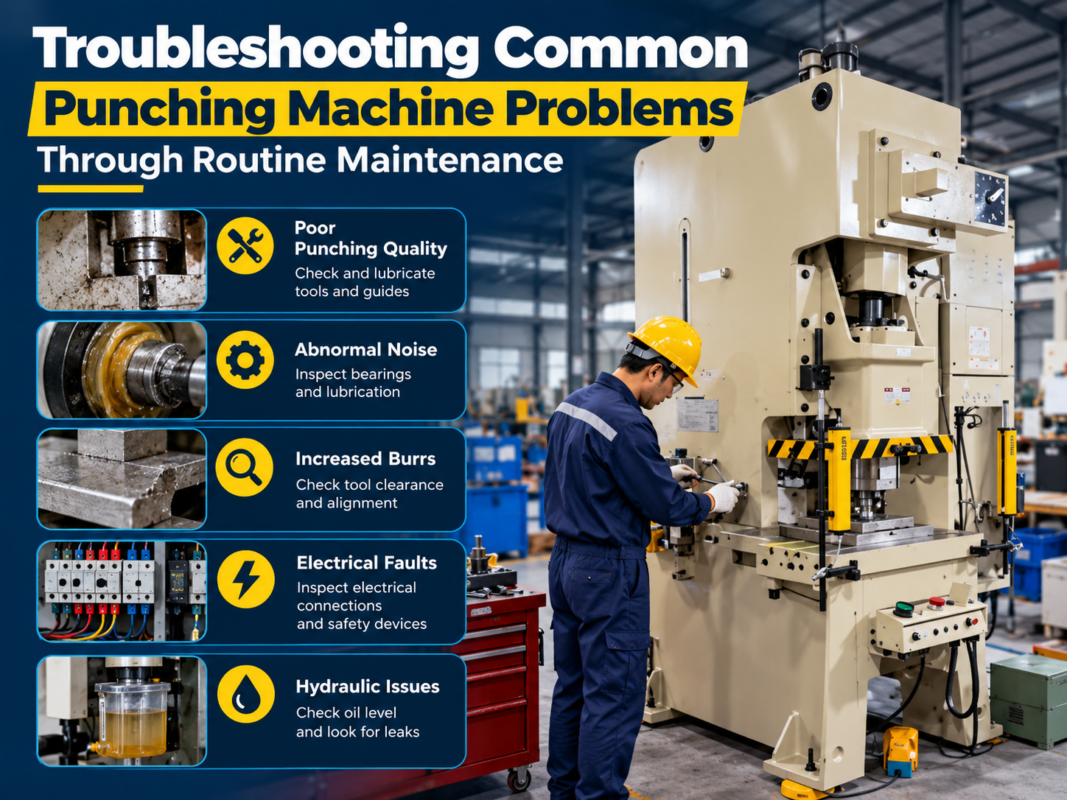
Daily maintenance involves checking lubrication levels and cleaning the work area. Monthly inspections should include checking the clutch/brake gap, tightening bolts, and inspecting the electrical system. A full professional service is recommended annually to ensure the crankshaft and bearings are in good condition.
Can I use a mechanical press for stainless steel?
Yes, but you must account for the higher shear strength of stainless steel. It typically requires 50% more force to punch than mild steel of the same thickness. Ensure your machine’s tonnage is sufficient to handle the increased load without straining the frame.
Is it better to buy a new or used punching machine?
New machines offer the latest safety features, warranties, and higher energy efficiency. Used machines are cheaper but may have hidden structural fatigue or outdated safety systems that are expensive to retrofit. For high-volume production, new is usually the safer investment.
What are the power requirements for a 63-ton press?
A 63-ton mechanical press typically uses a 5.5kW to 7.5kW motor. You will need a 3-phase power supply. It is important to check the voltage requirements (e.g., 220V, 380V, or 480V) to match your facility’s electrical grid.
How do I determine the stroke length I need?
The stroke length depends on the height of your finished part and the clearance needed to remove it from the die. For flat punching, a short stroke is faster and more efficient. For parts with some depth or forming, a longer stroke is necessary.