What Is the Average Punching Machine Price for Small Metal Fabrication Shops?


Introduction to Punching Machine Investments
For small metal fabrication shops, the decision to invest in a punching machine is often a turning point in their growth trajectory. Whether you are transitioning from manual hand tools to a hydraulic station or moving from basic drilling to high-speed CNC turret punching, understanding the financial commitment is crucial. The question, “Is average punching machine price small metal fabrication shops?” is one that many business owners ask when trying to balance their budget with the need for increased productivity and precision.
A punching machine is a versatile asset capable of creating holes, louvers, and complex shapes in sheet metal with remarkable speed. However, the price range is vast, spanning from a few thousand dollars for manual units to several hundred thousand for fully automated CNC systems. For a small shop, the goal is to find the ‘sweet spot’—a machine that offers enough capability to handle current and near-future contracts without overextending the company’s capital. In this comprehensive guide, we will break down the costs associated with various types of punching machines and help you determine which investment makes the most sense for your specific operations.
Price Range Overview: What to Expect
The average punching machine price for small metal fabrication shops varies significantly based on the technology level. To provide a clear picture, we can categorize these machines into three primary tiers: manual/mechanical, hydraulic single-station, and CNC turret punch presses.
Manual and Mechanical Punching Machines
At the entry level, manual or mechanical punching machines are the most affordable. These are typically used for low-volume work or simple hole-punching tasks. Prices for these units generally range from $2,000 to $10,000. While they are cost-effective, they require significant physical labor and lack the precision and speed required for high-volume production. They are best suited for hobbyist shops or very small maintenance departments.
Hydraulic Single-Station Punching Machines
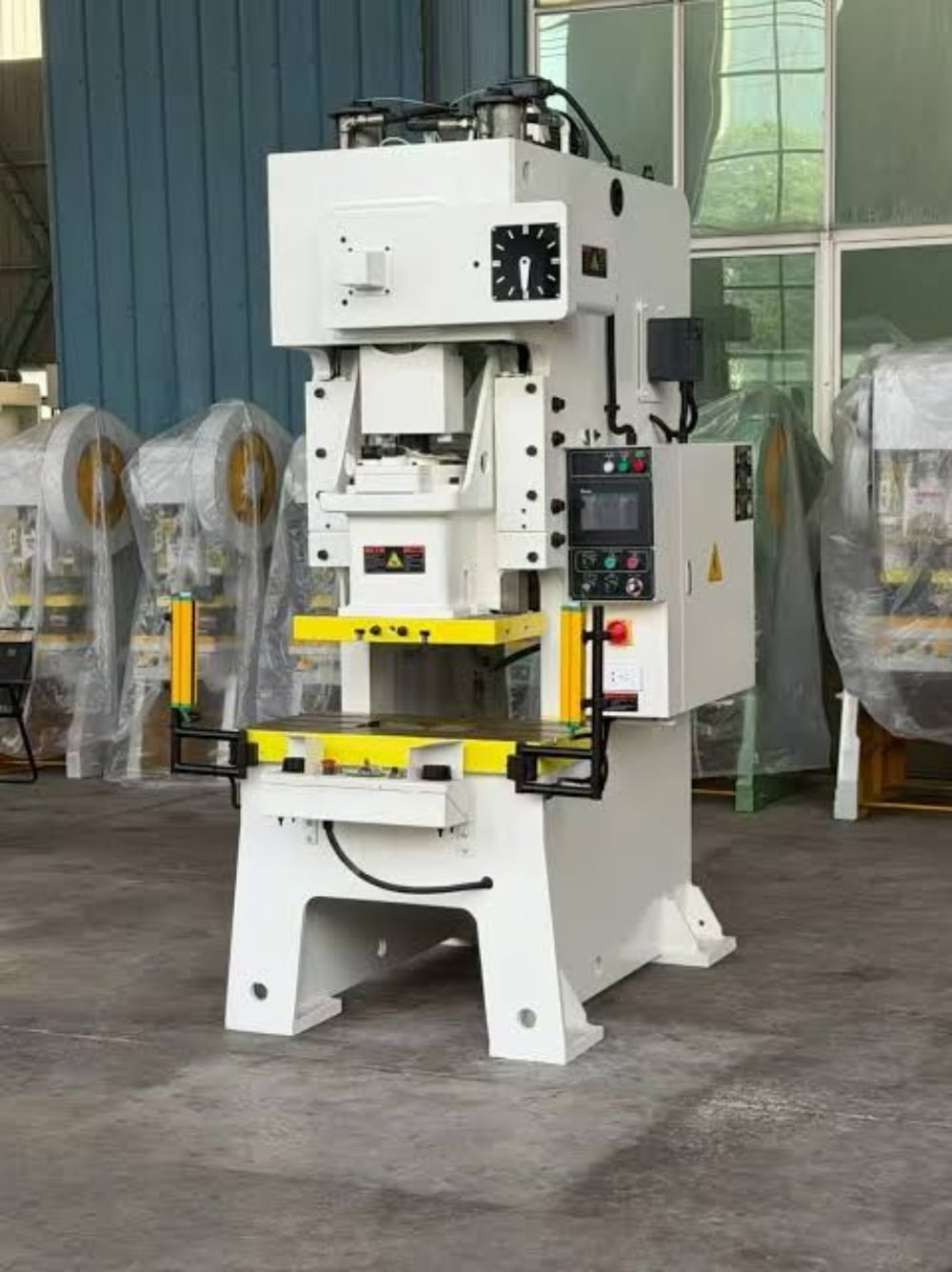
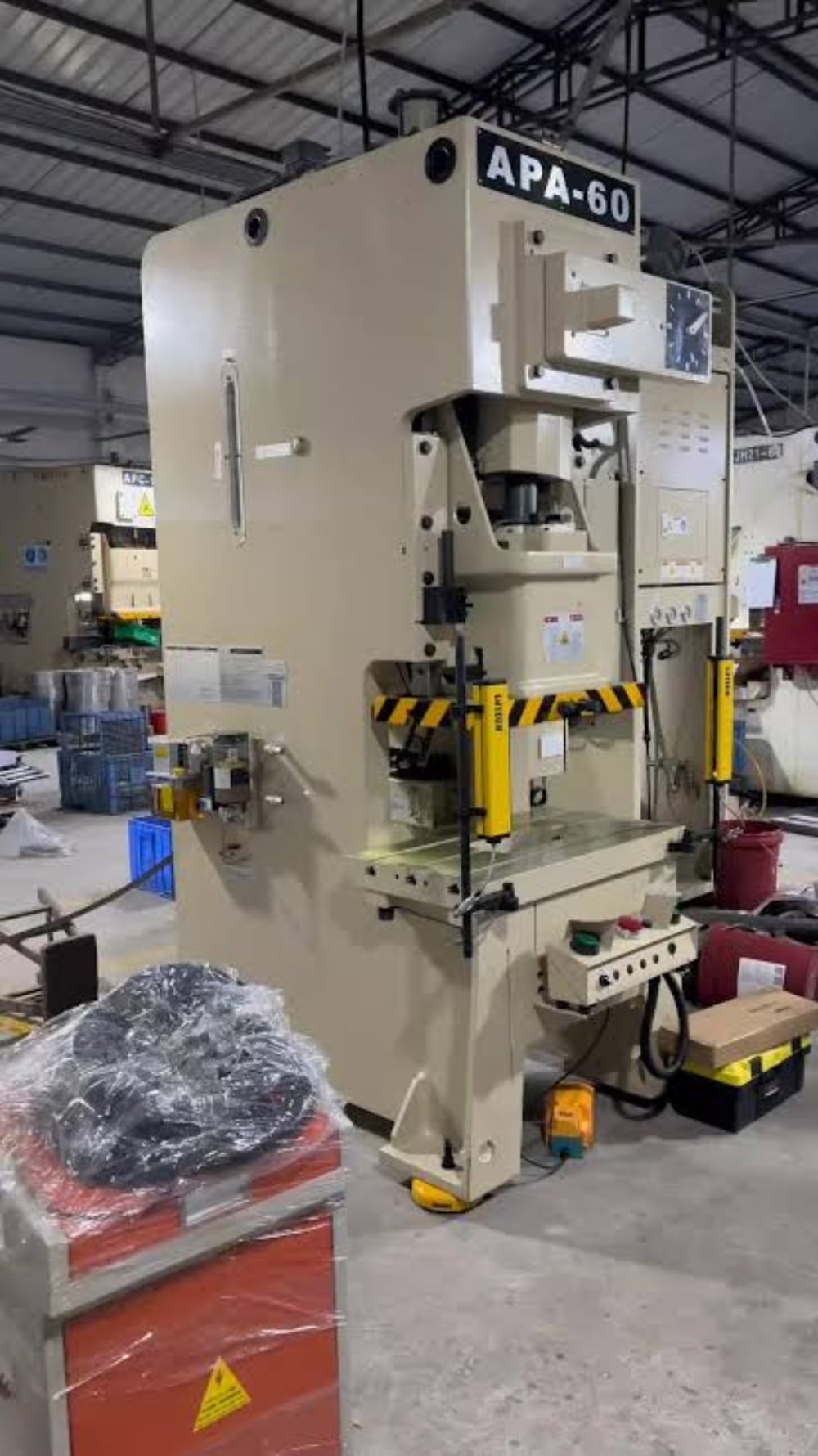
Hydraulic machines offer more power and are a staple in many small-to-medium fabrication shops. A single-station hydraulic punch can handle thicker materials and offers more versatility than manual units. The average price for these machines falls between $8,000 and $25,000. These machines are excellent for structural steel work, such as punching holes in angles, channels, and flat bars. They are often part of an “ironworker” machine, which also shears and notches metal.
CNC Turret Punch Presses
For shops looking to automate their production, a CNC (Computer Numerical Control) turret punch press is the gold standard. These machines feature a rotating turret that holds multiple tools, allowing for complex patterns to be punched without manual tool changes. For a small shop, an entry-level or mid-range CNC turret punch press typically costs between $35,000 and $120,000. High-end models with advanced features or larger bed sizes can easily exceed $200,000. When asking “Is average punching machine price small metal fabrication shops?”, this is the category where most growing businesses find their long-term solutions.
Main Cost Drivers in Punching Machinery
Several technical factors influence the final price tag of a punching machine. Understanding these drivers allows a shop owner to prioritize features that add value while stripping away unnecessary expenses.
1. Tonnage and Press Capacity
Tonnage refers to the amount of force the machine can apply. A 30-ton machine is standard for many light-to-medium sheet metal applications, while 50-ton or 100-ton machines are required for thicker plates. Generally, as the tonnage increases, so does the price. A small shop must analyze the maximum thickness and type of material (e.g., stainless steel vs. aluminum) they intend to process to choose the correct tonnage.
2. Throat Depth and Table Size
The throat depth determines the maximum width of the sheet metal that can be processed. A larger throat depth allows for larger sheets, reducing the need for repositioning and increasing efficiency. However, machines with larger frames and tables require more material to build and more floor space, leading to higher costs. For small shops, a standard 1250mm x 2500mm table is often the most cost-effective balance between capability and price.
3. Tooling Capacity
In CNC turret machines, the number of stations in the turret is a major cost driver. A 16-station turret is cheaper than a 32-station or 50-station turret. More stations mean fewer manual tool changes and the ability to run complex jobs in a single setup. For a small shop, a 24-station turret often provides the best ROI by covering most standard hole sizes and shapes.
Configuration Impact: Technology and Components
The internal components and the technology used to drive the punch significantly impact the “Is average punching machine price small metal fabrication shops?” equation. Modern machines offer different drive systems and control units that affect both the upfront cost and long-term operating expenses.
Servo-Electric vs. Hydraulic Drives
Traditional hydraulic systems are robust and generally have a lower initial purchase price. However, they require more maintenance (oil changes, seal replacements) and consume more power because the hydraulic pump often runs continuously. Servo-electric drives are more expensive upfront but are significantly more energy-efficient, quieter, and offer higher precision. Many small shops are now opting for servo-electric models to save on monthly utility bills, despite the higher initial investment.
CNC Control Systems
The “brain” of the machine—the CNC controller—can vary in price. Industry-standard controllers like Fanuc or Siemens are highly reliable and have widespread support, but they come at a premium. Some manufacturers offer proprietary controllers that may be more affordable but could have a steeper learning curve or limited local service technicians. Choosing a well-known controller often pays off in terms of ease of use and resale value.
| Feature | Impact on Price | Benefit for Small Shops |
|---|---|---|
| Auto-Index Stations | High Increase | Allows tools to rotate, reducing the number of tools needed. |
| Brush Table | Moderate Increase | Prevents scratching on sensitive materials like stainless steel. |
| Automatic Lubrication | Low Increase | Reduces maintenance time and extends tool life. |
| CAD/CAM Software | Variable | Essential for complex designs; often bundled with the machine. |
Hidden Costs of Owning a Punching Machine
The sticker price of the machine is only part of the total investment. Small fabrication shops must account for several “hidden” costs that can add 10% to 20% to the initial budget.
Shipping and Installation
Punching machines are heavy, industrial equipment. Rigging, shipping, and professional installation are mandatory. Depending on the distance from the manufacturer and the complexity of the setup, this can cost anywhere from $2,000 to $7,000. Additionally, some machines require a reinforced concrete foundation to ensure accuracy and dampen vibrations.
Tooling Sets
A turret punch press is useless without its punches and dies. A basic starter set of tooling can cost between $3,000 and $10,000. Specialized tools for forming, louvers, or countersinking will add to this cost over time. It is vital to budget for high-quality tooling, as cheap tools wear out faster and can damage the machine’s turret.
Training and Software
Operating a CNC machine requires specialized knowledge. While many manufacturers, including HARSLE, offer initial training, you may need to invest in advanced CAD/CAM software licenses and ongoing training for your staff. Efficient nesting software can save thousands of dollars in material waste, making it a worthwhile secondary investment.
ROI Calculation: Justifying the Price
To answer “Is average punching machine price small metal fabrication shops?” effectively, one must look at the Return on Investment (ROI). A machine that costs $80,000 might seem expensive, but if it replaces two manual processes and reduces scrap by 15%, it can pay for itself in less than two years.
Consider a scenario where a shop spends 40 hours a week manually drilling and notched parts. If a CNC punching machine can do the same work in 5 hours, the shop gains 35 hours of labor capacity. At a labor rate of $50/hour, that is a savings of $1,750 per week, or roughly $91,000 per year. In this case, even a $100,000 machine is a highly profitable investment. Furthermore, the ability to offer faster turnaround times allows the shop to bid on more lucrative contracts that were previously out of reach.
Buying Advice for Small Fabrication Shops
When you are ready to make a purchase, keep the following tips in mind to ensure you get the best value for your money:
- Assess Your Current and Future Needs: Don’t just buy for the jobs you have today. Consider where you want your shop to be in three years. Buying a machine with slightly more capacity than you currently need is often cheaper than upgrading the entire machine later.
- Consider New vs. Used: Used machines can be significantly cheaper, but they come with risks. Lack of warranty, outdated controllers, and hidden wear and tear can lead to costly repairs. For most small shops, a new machine from a reputable manufacturer like HARSLE offers the best balance of modern technology and peace of mind.
- Check the After-Sales Support: Industrial machinery will eventually need parts or service. Ensure the manufacturer has a solid reputation for support and that spare parts are readily available in your region.
- Request a Live Demo: Before committing, see the machine in action. Provide the manufacturer with your most common part designs and ask them to run a cycle time study. This will give you a realistic idea of the machine’s performance.
HARSLE specializes in providing high-quality, cost-effective punching solutions tailored for small and medium-sized enterprises. By focusing on essential features and robust construction, HARSLE machines provide the precision of high-end brands at a price point that fits the budget of a growing fabrication shop.
Frequently Asked Questions (FAQ)
1. Is a CNC turret punch better than a laser cutter for a small shop?
It depends on the application. Punching machines are generally faster and more cost-effective for repetitive holes, forming (like louvers), and thicker materials where a laser might be slower. However, lasers offer more flexibility for intricate, non-geometric shapes. Many shops find that a punching machine is the more economical first step into automation.
2. How long does a typical punching machine last?
With proper maintenance, a high-quality hydraulic or CNC punching machine can last 15 to 20 years or more. Regular lubrication, tool sharpening, and hydraulic oil changes are key to longevity.
3. Can I punch stainless steel on a standard machine?
Yes, but you must ensure the machine has sufficient tonnage. Stainless steel is much harder than mild steel or aluminum, typically requiring about 50% more force to punch. You will also need specialized, hardened tooling to prevent premature wear.
4. What is the power requirement for these machines?
Most industrial punching machines require three-phase power. Small shops should consult with an electrician to ensure their facility can handle the load, especially if opting for a high-tonnage hydraulic model.
5. Does HARSLE provide training for new operators?
Yes, HARSLE provides comprehensive technical support and training materials to ensure that your team can operate the machine safely and efficiently from day one. This includes guidance on both the hardware and the CNC software interface.
6. How often should I sharpen my punching tools?
Tool sharpening frequency depends on the material being punched and the volume of work. As a rule of thumb, tools should be inspected every few thousand hits. Dull tools increase the load on the machine and produce burrs on the finished parts, so regular maintenance is essential for quality control.