
CNC Punching Machine Price Guide for Manufacturers and Fabricators


Introduction to CNC Punching Machine Investment
In the competitive landscape of modern metal fabrication, the CNC (Computer Numerical Control) punching machine stands as a cornerstone of efficiency. For manufacturers and fabricators, understanding the CNC Punching Machine Price Manufacturers Fabricators need to budget for is not just about the initial sticker price; it is about understanding the total cost of ownership and the value the machine brings to the production floor. Whether you are a small job shop looking to upgrade from manual processes or a large-scale manufacturer seeking to automate high-volume production, the financial commitment is significant. This guide aims to demystify the pricing structures, technical variables, and long-term financial impacts of investing in a CNC turret punch press.
HARSLE has long been a leader in providing high-quality, cost-effective solutions for the metalworking industry. By analyzing the market trends and technical specifications that drive costs, we provide fabricators with the clarity needed to make an informed purchasing decision. A CNC punching machine is a versatile asset, capable of punching, forming, ribbing, and even tapping, making it a multi-functional powerhouse that can replace several standalone machines.
Price Range Overview: What to Expect
The market for CNC punching machines is diverse, with prices ranging from entry-level units to highly sophisticated, fully automated cells. Generally, the CNC Punching Machine Price Manufacturers Fabricators encounter can be categorized into three primary tiers based on capability, speed, and technology.
Entry-Level CNC Punching Machines ($30,000 – $65,000)
Entry-level machines are typically designed for small-to-medium-sized fabricators who require precision but do not necessarily need high-speed throughput. These machines often feature a C-frame design and a smaller turret capacity (e.g., 12 to 20 stations). While they lack the blistering speed of high-end models, they offer a massive leap in accuracy and repeatability over manual punching methods. These units are ideal for prototype work and short-run production cycles where flexibility is more critical than raw volume.
Mid-Range Production Machines ($70,000 – $160,000)
The mid-range segment is where most professional fabricators find their ideal balance of performance and cost. These machines usually feature a closed O-frame design for better stability and higher tonnage (typically 30 tons). They come equipped with more advanced CNC controllers, such as those from Fanuc or Siemens, and offer larger turret capacities with auto-index stations. These stations allow the tool to rotate, significantly reducing the number of tools required and decreasing setup times. This tier is built for multi-shift operations and consistent high-volume output.
High-End and Automated Systems ($180,000 – $450,000+)
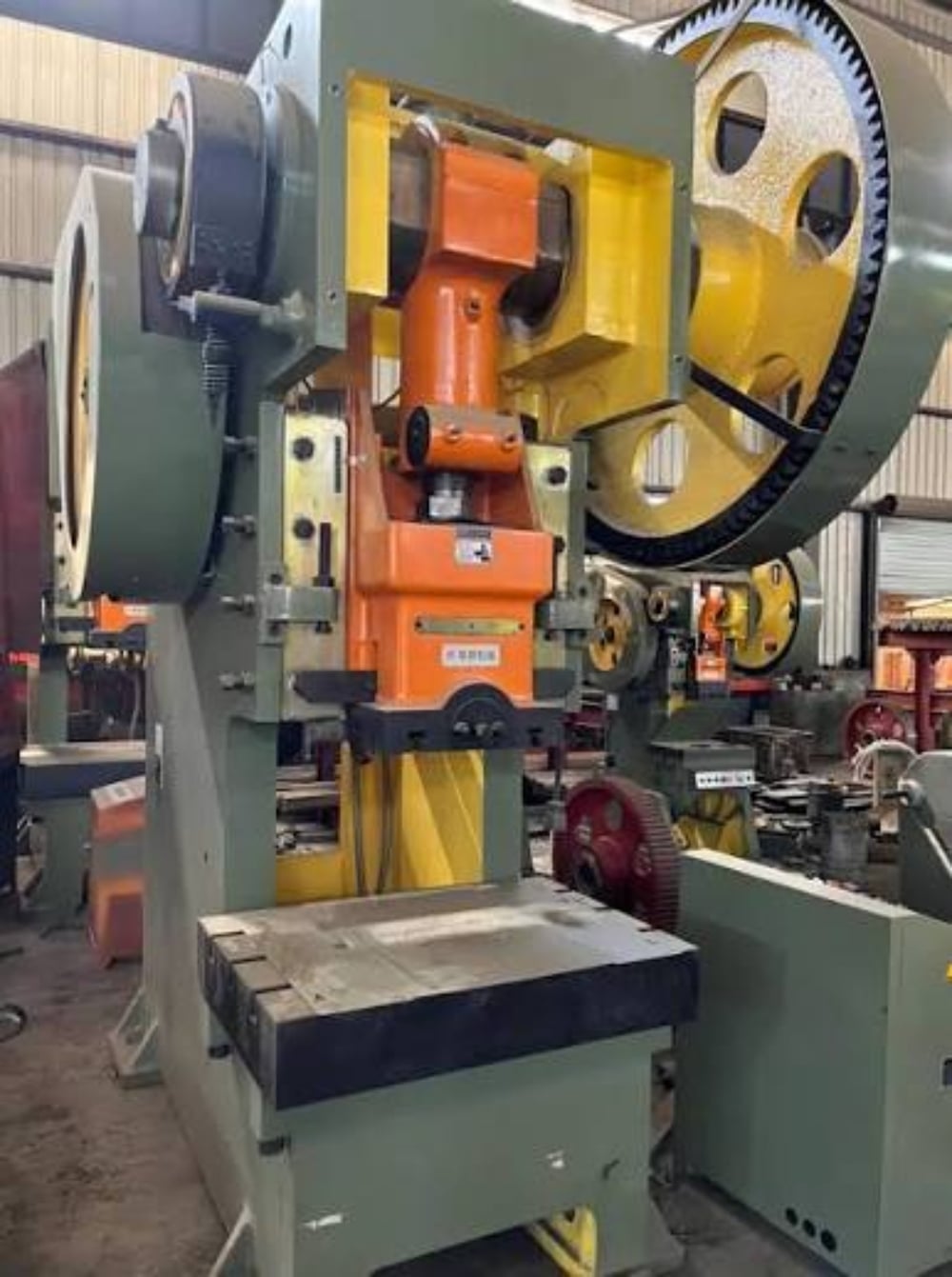
At the top of the spectrum are high-speed, servo-electric punching machines and those integrated with automated loading/unloading systems. These machines are designed for 24/7 operation with minimal human intervention. They feature the highest hit rates (often exceeding 1,000 hits per minute) and advanced features like active die technology, which prevents sheet marking. For large-scale manufacturers, the high initial investment is offset by the massive reduction in labor costs and the ability to run “lights-out” manufacturing.
Main Cost Drivers in CNC Punching Technology
When evaluating the CNC Punching Machine Price Manufacturers Fabricators must look at the specific components and capabilities that drive the price upward. Understanding these drivers helps in selecting a machine that fits the budget without sacrificing essential functionality.
1. Tonnage and Material Capacity
The force the machine can exert, measured in tons, is a primary cost driver. A 20-ton machine is suitable for thinner gauges, while a 30-ton or 50-ton machine is required for thicker materials or larger hole diameters in stainless steel. Higher tonnage requires a more robust frame and more powerful drive systems, which naturally increases the price.
2. Turret Configuration and Auto-Index Stations
The turret is the heart of the machine. A larger turret allows for more tools to be loaded simultaneously, reducing the need for manual tool changes between jobs. Furthermore, the inclusion of “Auto-Index” stations—stations that can rotate the tool to any angle via the CNC program—adds significant cost but provides immense flexibility. A machine with four auto-index stations will be considerably more expensive than one with only fixed stations.
3. CNC Control System
The “brain” of the machine, the CNC controller, varies in price based on its processing power, user interface, and compatibility with industry-standard software. High-end controllers like Fanuc 0i-PB or Siemens 840D offer better reliability, easier programming, and superior diagnostic capabilities, adding several thousand dollars to the base price compared to proprietary or lower-end controllers.
Configuration Impact: Hydraulic vs. Servo-Electric
One of the most significant technological shifts in recent years is the move from hydraulic to servo-electric punching. This choice has a profound impact on both the initial CNC Punching Machine Price Manufacturers Fabricators pay and the long-term operating costs.
Hydraulic Punching Systems
Hydraulic machines have been the industry standard for decades. They are reliable, powerful, and generally have a lower upfront cost. However, they require hydraulic oil, filters, and cooling systems, which add to maintenance requirements. They are also less energy-efficient, as the hydraulic pump often runs continuously even when the machine is not actively punching.
Servo-Electric Punching Systems
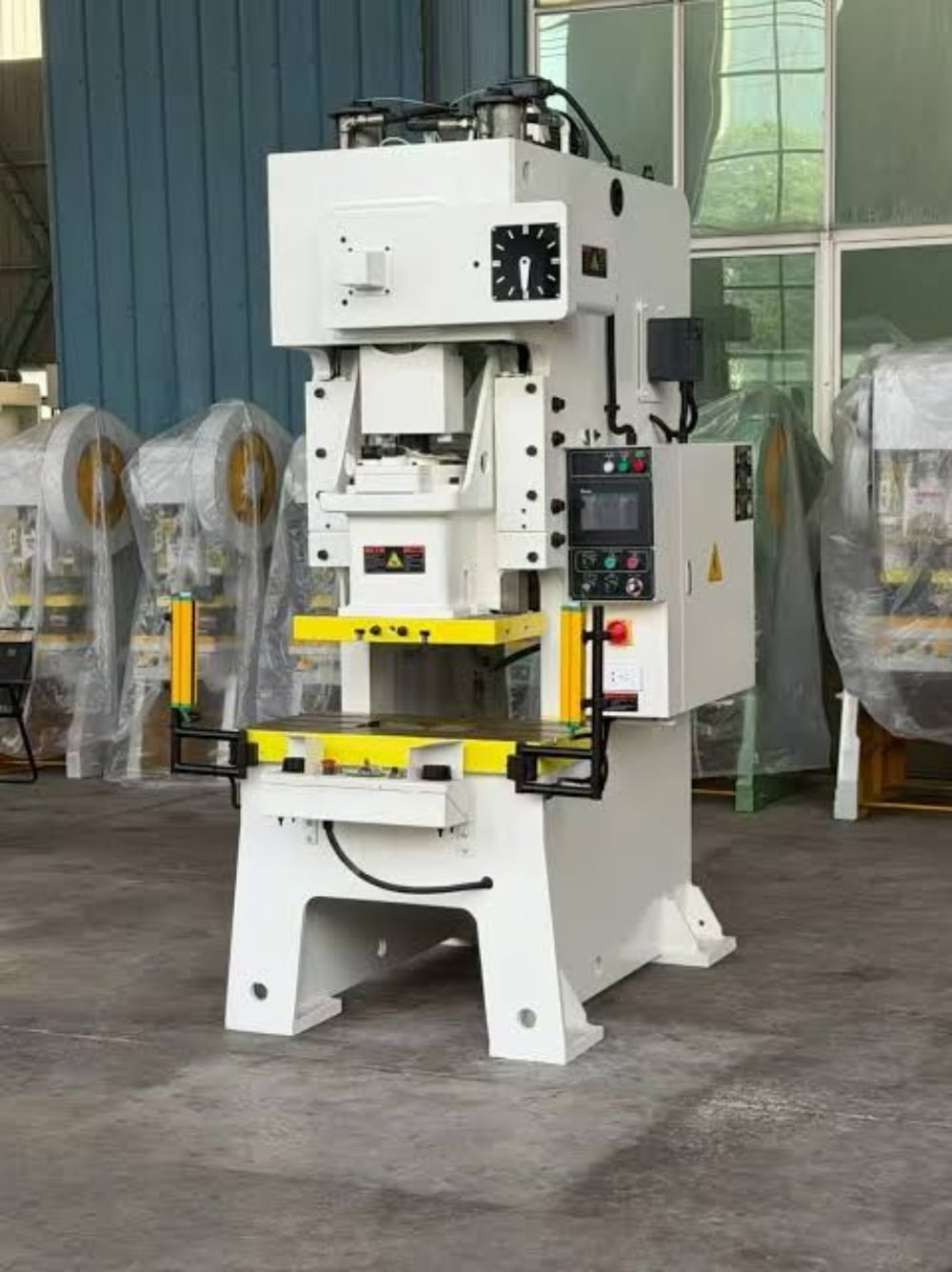
Servo-electric machines use a high-torque servo motor to drive the ram. While the initial purchase price is typically 15% to 25% higher than hydraulic equivalents, they offer several advantages. They are much more energy-efficient, consuming power only during the punch stroke. They also offer higher precision in ram positioning, allowing for complex forming operations with extreme accuracy. For fabricators focused on “green” manufacturing and lower utility bills, the servo-electric option is often the better long-term investment.
Hidden Costs of Purchasing a CNC Punching Machine
The invoice price of the machine is only part of the story. Manufacturers must account for several “hidden” costs that are essential for getting the machine operational and maintaining its productivity.
- Tooling Sets: A CNC punching machine is useless without high-quality tooling. A basic starter set of punches and dies can cost between $5,000 and $15,000. Specialized tools for louvers, countersinks, or ribbing will add to this cost.
- CAD/CAM Software: To program the machine efficiently, you need specialized nesting software (like Metalix, Lantek, or CNCKAD). Licenses for these programs can range from $3,000 to $10,000, plus annual maintenance fees.
- Installation and Training: While some manufacturers include this in the price, others charge separately. Proper installation ensures the machine is leveled and calibrated, while operator training is crucial for safety and maximizing throughput.
- Foundation and Site Prep: High-tonnage machines generate significant vibration. You may need to pour a reinforced concrete pad or install vibration-dampening mounts, which can cost several thousand dollars.
- Shipping and Rigging: Moving a 10-ton to 20-ton machine from the port or factory to your floor requires specialized logistics and heavy-duty rigging services.
ROI Calculation: Justifying the Investment
To justify the CNC Punching Machine Price Manufacturers Fabricators must perform a Return on Investment (ROI) calculation. This involves comparing the cost of the machine against the projected savings and increased revenue.
Consider a scenario where a fabricator currently outsources punching work or uses manual methods. By bringing CNC punching in-house, the fabricator saves on the markup of the subcontractor and eliminates lead times. If the machine saves $4,000 per month in outsourcing costs and labor, a $100,000 machine could pay for itself in roughly 25 months. Furthermore, the ability to nest parts more efficiently reduces material waste, often by 10-15%, which directly impacts the bottom line. When you factor in the ability to take on more complex jobs and faster turnaround times, the ROI often becomes even more compelling.
Buying Advice for Manufacturers and Fabricators
Choosing the right machine requires a deep dive into your current and future production needs. Here is a checklist for buyers:
- Analyze Your Material: What is the maximum thickness and sheet size you work with? Ensure the machine’s tonnage and throat depth can handle your largest parts.
- Evaluate Production Volume: If you run small batches, prioritize a machine with a large turret and easy setup. If you run high volumes of the same part, look for speed and automation options.
- Check Service and Support: A machine is only an asset if it’s running. Ensure the manufacturer (like HARSLE) provides robust technical support, readily available spare parts, and local service technicians.
- Consider Future Growth: Don’t just buy for the work you have today. Buy for the work you want to have in three years. An extra auto-index station or a slightly larger table size can prevent the machine from becoming a bottleneck as your business grows.
- Test the Software: The ease of programming is just as important as the mechanical speed of the machine. Request a demo of the CAD/CAM software to ensure it integrates well with your existing design workflow.
Frequently Asked Questions (FAQ)
What is the average lifespan of a CNC punching machine?
With proper maintenance, a high-quality CNC punching machine can last 15 to 20 years or more. Many HARSLE machines from a decade ago are still in active production. The key to longevity is regular lubrication, maintaining the cooling system, and using high-quality tooling that doesn’t strain the ram mechanism.
Can a CNC punching machine replace a laser cutting machine?
While there is overlap, they are different tools. A CNC punch is significantly faster and cheaper for creating standard holes and forms (like louvers or ribs). However, a laser is better for complex, organic shapes and very thick materials. Many modern shops use both to maximize their capabilities.
How much does maintenance typically cost per year?
Annual maintenance costs usually range from 2% to 5% of the machine’s purchase price. This includes replacement filters, hydraulic oil (if applicable), sensor calibrations, and occasional mechanical adjustments. Budgeting for preventative maintenance is much cheaper than dealing with unplanned downtime.
Is it better to buy new or used?
While used machines have a lower entry price, they often come with hidden risks like worn-out ball screws, outdated controllers that are hard to find parts for, or hidden frame fatigue. A new machine from a reputable manufacturer like HARSLE comes with a warranty, modern software, and the latest safety features, which usually provides better long-term value.
What power requirements do these machines have?
Most industrial CNC punching machines require a 3-phase power supply (typically 220V, 380V, or 480V). It is essential to check the KVA rating of the machine and ensure your facility’s electrical infrastructure can handle the load, especially the peak surges during the punch stroke.
Conclusion
Investing in a CNC punching machine is a transformative step for any fabrication business. While the CNC Punching Machine Price Manufacturers Fabricators face can be daunting, the increase in precision, speed, and capability provides a clear path to business growth. By carefully considering the cost drivers—from tonnage and turret configuration to the choice between hydraulic and servo systems—you can select a machine that offers the best ROI for your specific needs. HARSLE remains committed to providing the industry with the technical expertise and high-performance machinery required to succeed in today’s demanding market.












