How to Compare Punching Machine Prices Before Buying for Your Factory: A Comprehensive Guide


Introduction to Punching Machine Procurement
Investing in a punching machine is a pivotal decision for any metal fabrication factory. Whether you are upgrading an existing line or setting up a new facility, the ability to compare punching machine prices before buying for your factory is essential to ensuring long-term profitability. The market is flooded with options ranging from simple manual presses to highly sophisticated CNC turret punching machines. Navigating these options requires more than just looking at the bottom-line figure; it requires a deep understanding of technical specifications, operational costs, and the value of brand reliability.
At HARSLE, we understand that price is often the primary concern for factory managers. However, a low initial purchase price can often mask high maintenance costs or poor efficiency. Conversely, a high-end machine might offer features your specific production line doesn’t actually need. This guide is designed to help you dissect the various factors that influence pricing, allowing you to make an informed comparison that aligns with your production goals and budget constraints.
Price Range Overview: From Manual to CNC
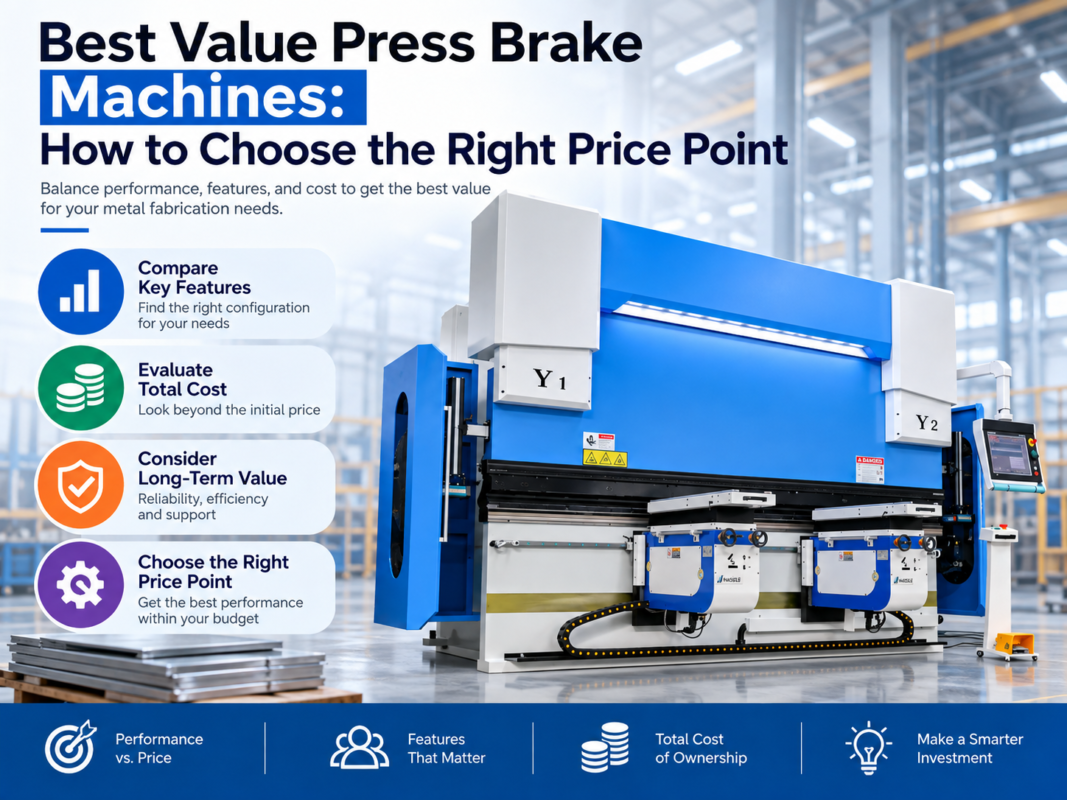
When you begin to compare punching machine prices before buying for your factory, you will notice a massive variance in quotes. This is primarily due to the technology level of the machine. Generally, punching machines are categorized into three main price brackets: entry-level mechanical presses, mid-range hydraulic/pneumatic machines, and high-end CNC turret punching machines.
- Entry-Level (Mechanical/Manual): These machines typically range from $2,000 to $15,000. They are suitable for small-scale operations, simple hole-punching tasks, and thin materials. While affordable, they lack the speed and precision required for high-volume industrial manufacturing.
- Mid-Range (Hydraulic/Pneumatic): Prices here usually fall between $20,000 and $60,000. These machines offer better control over the punching force and are capable of handling thicker materials with higher consistency. They are the workhorses of many medium-sized fabrication shops.
- High-End (CNC Turret Punching Machines): These are the most expensive, ranging from $80,000 to over $350,000. They feature automated tool changers, high-speed processing, and advanced software integration. For a factory looking for high-volume, complex part production, this is the standard investment.
Main Cost Drivers in Punching Machinery
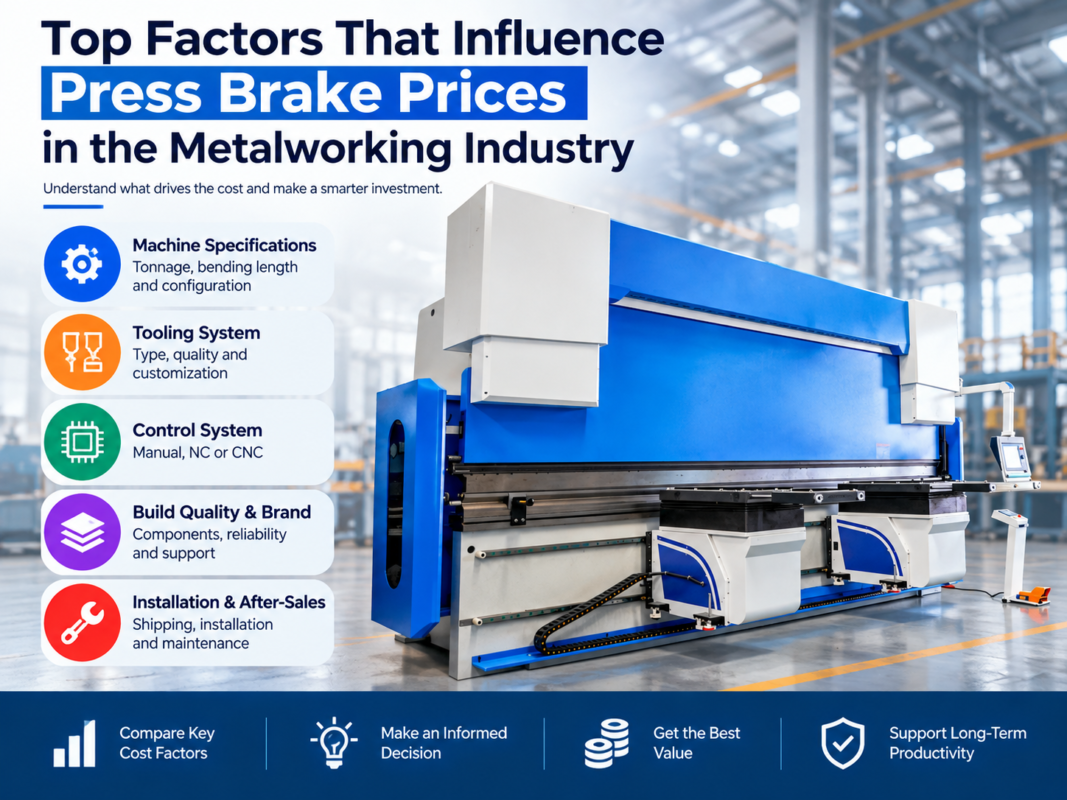
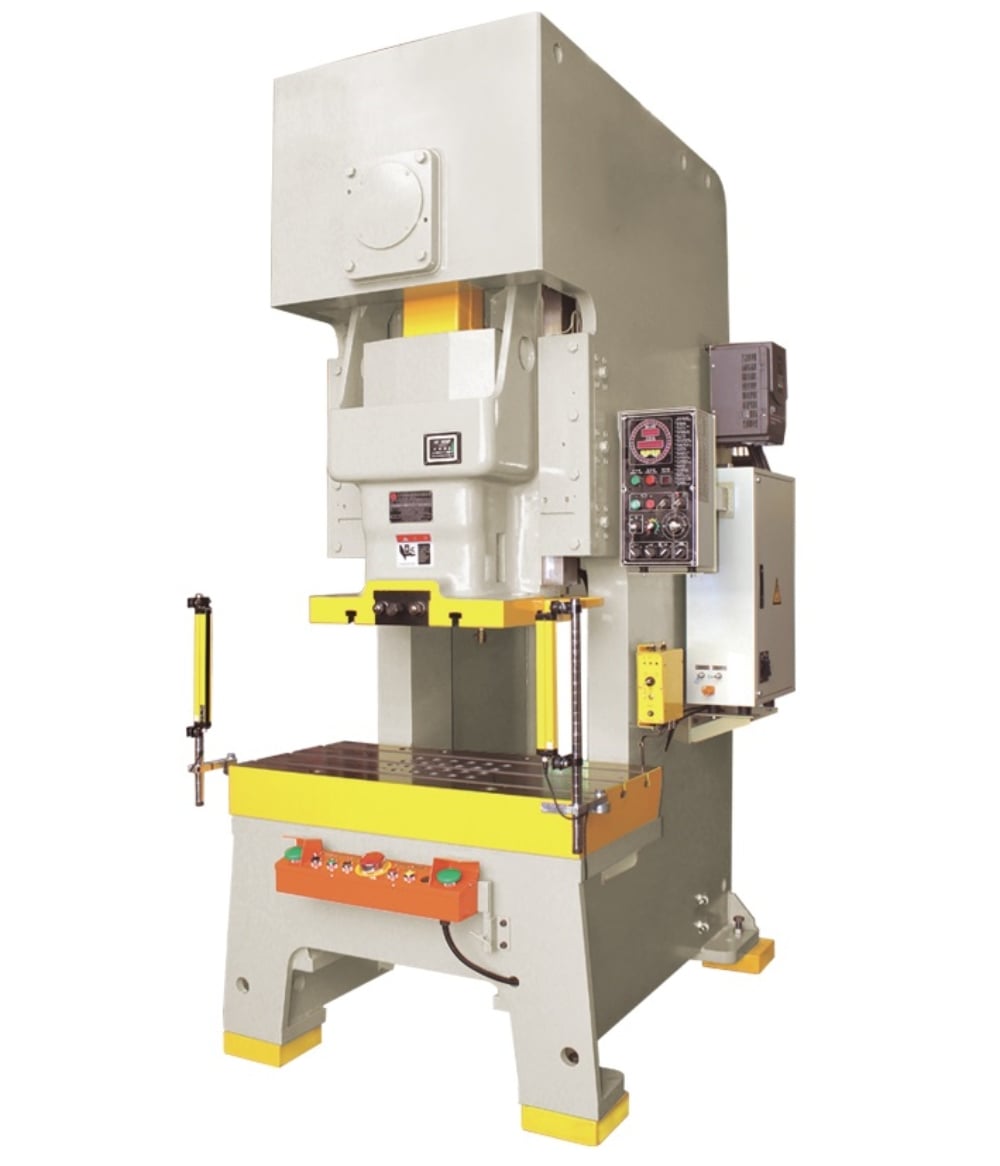
To effectively compare punching machine prices before buying for your factory, you must understand what actually drives the cost. It isn’t just the size of the machine; it is the engineering and components inside. The following factors are the primary contributors to the final quote you receive from a manufacturer.
1. Tonnage and Capacity
The tonnage (punching force) is perhaps the most significant cost driver. A 10-ton machine is significantly cheaper than a 100-ton machine. The tonnage determines the maximum thickness and the type of material (aluminum vs. stainless steel) the machine can process. If your factory works with heavy-duty plates, you cannot compromise on tonnage, which will naturally push the price higher.
2. Frame Construction
The physical build of the machine—specifically whether it uses a C-frame or an H-frame (Bridge frame)—impacts the price. C-frames are more common and accessible but can suffer from “yawing” or deflection under high pressure. H-frames are more rigid, providing better precision and tool life, but they come at a premium price due to the increased amount of steel and complex engineering required for their construction.
3. Speed and Hit Rate
In a factory setting, time is money. Machines with higher hit rates (strokes per minute) command higher prices. A machine capable of 600 hits per minute will be priced much higher than one that does 150 hits per minute. This speed is achieved through advanced servo-hydraulic systems and high-speed controllers, both of which are expensive components.
Configuration Impact: Customizing for Performance
The base price of a machine is rarely what you end up paying. Configuration options can swing the price by 20% to 50%. When you compare punching machine prices before buying for your factory, pay close attention to the following configuration details.
Control Systems (CNC)
The “brain” of the machine is a major cost factor. High-end controllers like Fanuc or Siemens offer unparalleled reliability and ease of use but add thousands of dollars to the cost. Cheaper, proprietary controllers might save money upfront but can be difficult to service or find replacement parts for in the future. Always ask which control system is included in the quote.
Tooling and Turret Stations
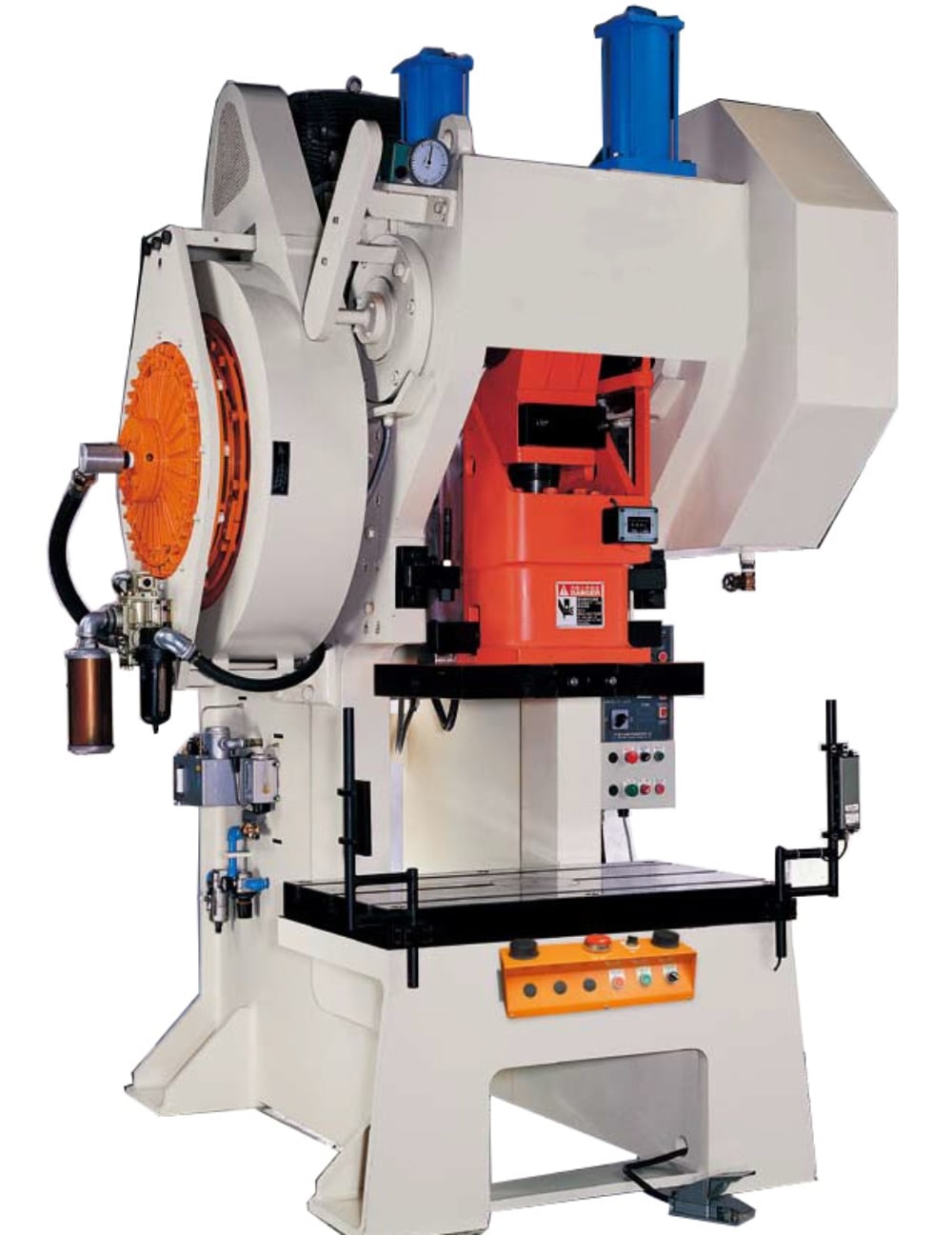
For turret punching machines, the number of stations in the turret directly affects the price. A 32-station turret is more expensive than a 16-station turret. Furthermore, the inclusion of “Auto-Index” stations—which allow the tool to rotate 360 degrees—adds significant cost but also adds immense flexibility, reducing the number of tools you need to buy and change manually.
Automation and Material Handling
Modern factories are moving toward Industry 4.0. Features like automatic loading and unloading systems, sheet positioning sensors, and scrap conveyors can double the price of a standard machine. While expensive, these configurations drastically reduce labor costs and increase safety.
Hidden Costs: Beyond the Sticker Price
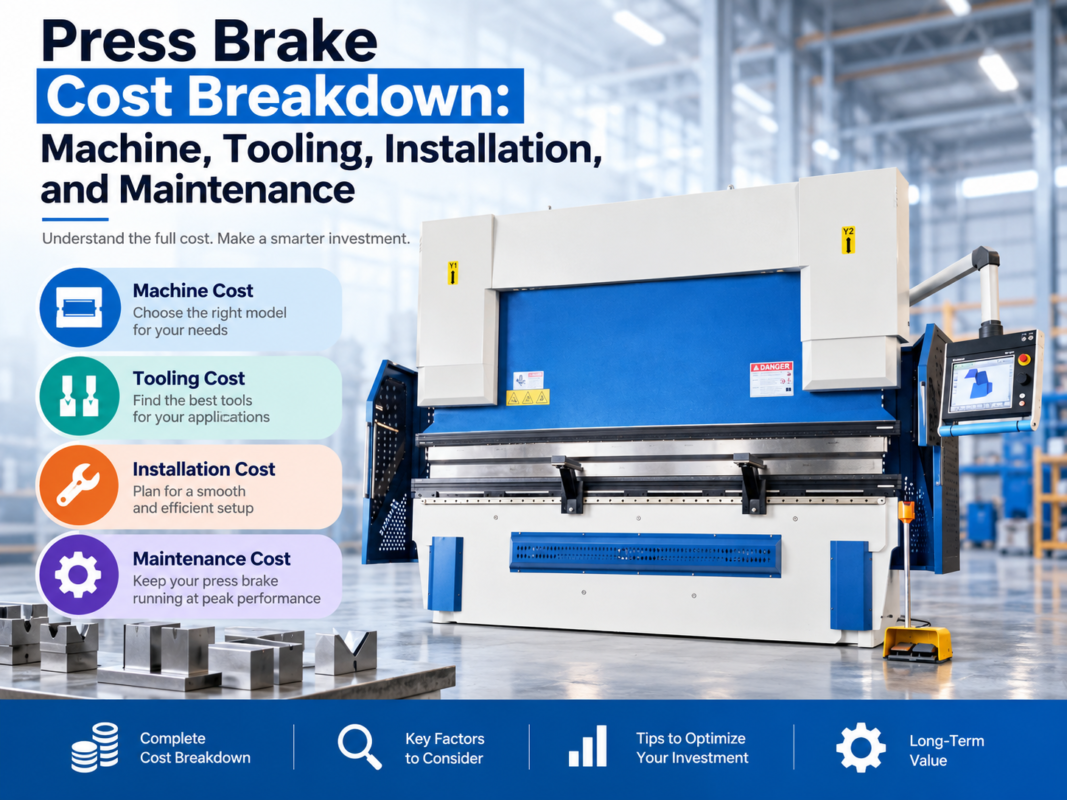
One of the biggest mistakes buyers make when they compare punching machine prices before buying for your factory is ignoring the “hidden” or secondary costs. These can often add up to 15-25% of the total investment in the first year alone.
- Shipping and Logistics: Industrial machinery is heavy and often requires specialized transport. If you are importing from a manufacturer like HARSLE, you need to account for ocean freight, port fees, and inland trucking.
- Installation and Commissioning: Most high-end machines require a technician from the manufacturer to oversee the installation. This usually involves daily rates, travel expenses, and accommodation for the engineer.
- Foundation Requirements: High-tonnage machines cannot simply sit on a standard factory floor. You may need to excavate and pour a reinforced concrete foundation to handle the vibrations and weight, which is a significant construction expense.
- Tooling Sets: The machine usually comes with a basic set of tools, but for specific projects, you will need to purchase custom punches and dies. High-quality tooling is an ongoing operational expense.
- Software Licenses: CNC machines require CAD/CAM software to generate the punching patterns. Some manufacturers include this, while others charge a recurring annual license fee.
ROI Calculation: Justifying the Investment
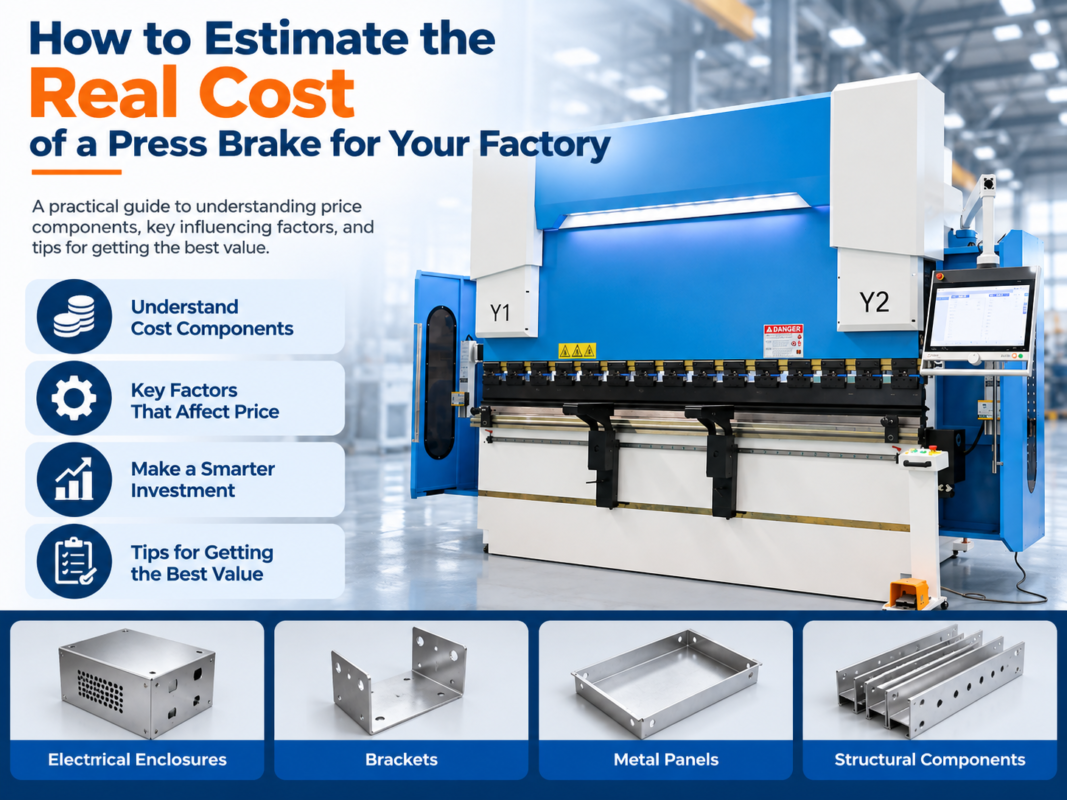
The goal of comparing prices is not just to find the cheapest machine, but to find the one that offers the best Return on Investment (ROI). To calculate this, you must look at the machine’s output capacity versus its total cost of ownership.
Consider a scenario where Machine A costs $50,000 and produces 100 parts per hour, while Machine B costs $80,000 but produces 250 parts per hour. While Machine B is 60% more expensive, its productivity is 150% higher. In a high-volume factory, Machine B will pay for itself much faster through lower labor costs per part and higher throughput. Additionally, consider the scrap rate; a more precise (and expensive) machine will reduce material waste, which directly impacts your bottom line over thousands of production cycles.
| Feature | Low-Cost Machine | High-Performance Machine (HARSLE) |
|---|---|---|
| Initial Price | $15,000 – $30,000 | $60,000 – $150,000+ |
| Hit Rate | 100-200 SPM | 600-1000 SPM |
| Accuracy | +/- 0.5mm | +/- 0.1mm |
| Maintenance | High (Frequent) | Low (Scheduled) |
| Lifespan | 5-7 Years | 12-15+ Years |
Buying Advice: How to Compare Quotes Effectively
When you are ready to compare punching machine prices before buying for your factory, follow this checklist to ensure you are comparing “apples to apples”:
- Request a Detailed Component List: Ensure the quote specifies the brand of the motor, the hydraulic valves, and the CNC controller.
- Verify the Warranty Terms: A cheaper machine with a 6-month warranty is often a worse deal than a more expensive machine with a 2-year comprehensive warranty.
- Check for Local Support: Does the manufacturer have a service center or partner in your region? Downtime is the most expensive part of owning a machine.
- Ask for a Video Trial: Before finalizing, ask the supplier to record a video of the machine punching a sample part that matches your factory’s typical output.
- Evaluate the Software: Is the nesting software user-friendly? Does it require a high level of training for your staff?
At HARSLE, we pride ourselves on transparency. We provide detailed breakdowns of our machinery costs, ensuring that factory owners know exactly what they are paying for—from the high-grade steel in the frame to the precision of the servo motors.
Frequently Asked Questions (FAQ)
How much does a CNC turret punching machine cost on average?
On average, a reliable industrial CNC turret punching machine costs between $80,000 and $150,000. Prices can exceed $300,000 for fully automated systems with high-speed capabilities and large tool capacities.
Why is there such a big price difference between Chinese and European machines?
The price difference usually stems from labor costs, brand heritage, and the source of internal components. However, top-tier Chinese manufacturers like HARSLE now use the same global components (like Fanuc or Rexroth) as European brands, offering similar performance at a more competitive price point.
Should I buy a used punching machine to save money?
Buying used can save 40-60% upfront, but it comes with risks. Older machines lack modern safety features, are less energy-efficient, and may have worn-out mechanical parts that are expensive to replace. For a primary production line, a new machine with a warranty is usually the safer investment.
How does tonnage affect the price of the machine?
Tonnage is a direct reflection of the machine’s structural strength and hydraulic power. Increasing tonnage requires thicker steel frames and larger hydraulic cylinders, which increases material and manufacturing costs significantly.
What is the most important factor when comparing quotes?
The most important factor is the “Total Cost of Ownership,” which includes the purchase price, energy consumption, maintenance costs, and the expected lifespan of the machine. Always look beyond the initial sticker price.
Conclusion
To compare punching machine prices before buying for your factory is a multi-faceted process that requires balancing technical needs with financial reality. By focusing on tonnage, configuration, hidden costs, and long-term ROI, you can select a machine that not only fits your budget but also drives your factory’s growth. HARSLE remains committed to providing high-quality, cost-effective solutions for the metal fabrication industry, ensuring that every dollar you invest translates into precision and productivity.