Sheet Metal Punching Machine Price Guide for B2B Buyers: A Comprehensive Investment Analysis


Introduction to Sheet Metal Punching Machine Procurement
In the competitive landscape of modern metal fabrication, the acquisition of a sheet metal punching machine represents a significant capital expenditure for B2B buyers. Whether you are expanding a job shop or upgrading an industrial production line, understanding the nuances of the Sheet Metal Punching Machine Price B2b Buyers must navigate is crucial for long-term profitability. A punching machine is not merely a tool; it is the heartbeat of high-speed perforation, forming, and cutting operations. However, the price tag on the quote is often just the tip of the iceberg.
For B2B buyers, the decision-making process involves balancing initial costs against throughput, precision, and versatility. The market offers a vast spectrum of machinery, ranging from simple manual hole punchers to sophisticated, fully automated CNC turret punch presses. This guide aims to deconstruct the pricing structures of these machines, providing a transparent look at what drives costs and how to calculate the true value of your investment. By the end of this article, procurement managers and business owners will have a clear roadmap for evaluating quotes and selecting the right HARSLE equipment for their specific needs.
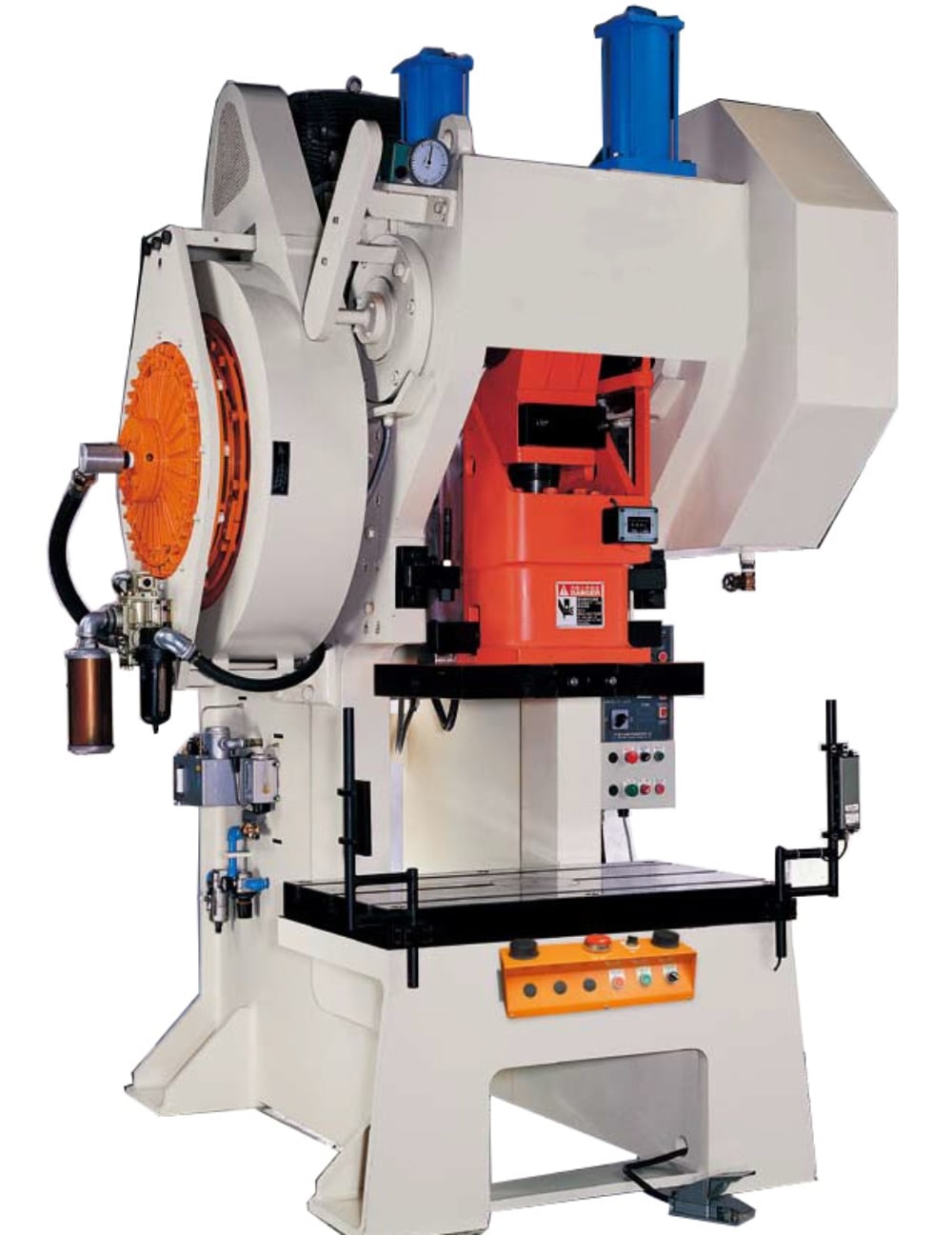
Price Range Overview: From Entry-Level to High-End Systems
The price of a sheet metal punching machine varies drastically based on its technology and capacity. To provide a clear picture for B2B buyers, we can categorize these machines into four primary price brackets. Understanding where your requirements fall within these brackets is the first step in budgeting.
1. Manual and Mechanical Punching Machines ($2,000 – $15,000)
At the entry level, manual or simple mechanical flywheel-driven punching machines are common. These are typically used for low-volume production, prototyping, or simple hole-punching tasks. While affordable, they lack the automation and precision required for complex geometries. B2B buyers in this segment are often small workshops or specialized manufacturers who do not require high-speed repetition.
2. Hydraulic Punching Machines ($10,000 – $45,000)
Hydraulic models offer more power and control than mechanical ones. They are excellent for thicker materials and provide a consistent force throughout the stroke. Prices in this range depend heavily on the tonnage (e.g., 30-ton vs. 100-ton) and the throat depth. These machines are workhorses in structural steel fabrication and heavy-duty sheet metal work.
3. Standard CNC Turret Punch Presses ($50,000 – $120,000)
This is the most common category for medium-sized B2B buyers. A CNC turret punch press allows for multiple tools to be housed in a rotating turret, enabling complex patterns to be punched without manual tool changes. Machines in this price range typically feature 16 to 32 tool stations and mid-range hit rates. They offer a significant jump in productivity and are the standard for electronics enclosures and HVAC components.
4. High-Performance and Automated Systems ($150,000 – $500,000+)
At the top of the market are high-speed servo-electric turret punches and machines integrated with automated loading/unloading systems. These machines are designed for 24/7 operation and offer the highest hit rates (up to 1,000+ hits per minute). The price reflects the advanced motion control, energy efficiency, and the reduction in labor costs through automation.
Main Cost Drivers for B2B Buyers
When reviewing a quote for a Sheet Metal Punching Machine Price B2b Buyers should look beyond the base model number. Several technical factors significantly influence the final invoice. Understanding these drivers allows for better negotiation and more accurate comparisons between brands like HARSLE and other competitors.
Tonnage and Material Capacity
The tonnage refers to the maximum force the machine can apply. A 30-ton machine is standard for most sheet metal applications (up to 6mm thick), but if you are working with thicker plates or high-strength alloys, you may need a 50-ton or even an 80-ton machine. Higher tonnage requires more robust frames and more powerful hydraulic or servo systems, directly increasing the price.
Throat Depth and Sheet Size
The throat depth determines the maximum width of the sheet the machine can handle without repositioning. A larger throat depth (e.g., 1250mm or 1500mm) allows for larger workpieces, which reduces the need for manual handling but increases the machine’s footprint and structural cost. Buyers must match the throat depth to their most common sheet sizes to avoid overpaying for capacity they won’t use.
Hit Rate and Positioning Speed
In high-volume manufacturing, time is money. The hit rate (measured in hits per minute or HPM) and the axis positioning speed (meters per minute) are critical. A machine that can punch at 600 HPM will naturally cost more than one limited to 300 HPM. For B2B buyers, the choice depends on the complexity of the parts; highly perforated sheets require high HPM, while simple parts may not justify the premium.
Drive Technology: Hydraulic vs. Servo-Electric
Traditional hydraulic systems are powerful and reliable but can be noisy and energy-intensive. Modern servo-electric drives offer higher precision, lower energy consumption, and quieter operation. While the initial purchase price of a servo-electric machine is higher, the lower operating costs and higher speeds often result in a lower total cost of ownership (TCO).
Configuration Impact: Customizing for Efficiency
The base price of a machine rarely includes the specific configurations needed for a particular industry. B2B buyers must consider how these add-ons affect the Sheet Metal Punching Machine Price B2b Buyers are quoted.
- Turret Station Count: A turret with 32 stations costs more than one with 16, but it allows for more complex parts to be finished in a single setup, reducing downtime.
- Auto-Index Stations: These stations allow the tool to rotate 360 degrees, enabling the machine to punch at any angle. This reduces the total number of tools needed but adds significant cost to the turret assembly.
- Multi-Tool Capability: Some machines support multi-tool holders, which can hold up to 8 smaller tools in a single turret station. This expands the machine’s versatility without increasing the turret size.
- CNC Control System: High-end controllers like Fanuc or Siemens offer better reliability and easier integration with CAD/CAM software but come at a premium compared to proprietary or entry-level controllers.
Hidden Costs in Punching Machine Acquisition
The sticker price is only one part of the financial equation. B2B buyers often overlook the secondary costs associated with bringing a new punching machine into production. To avoid budget overruns, consider the following:
Shipping and Logistics
Punching machines are heavy, often weighing between 10 and 20 tons. International shipping, customs duties, and local rigging (moving the machine from the truck to its final position) can add $5,000 to $20,000 to the total cost. Always clarify if the quote is EXW (Ex Works), FOB (Free on Board), or DDP (Delivered Duty Paid).
Foundation and Installation
High-speed punching creates significant vibration. Many machines require a reinforced concrete foundation to maintain accuracy and prevent damage to the building. Additionally, professional installation by factory-trained technicians is essential to ensure the machine is leveled and calibrated correctly.
Tooling Packages
A turret punch press is useless without tooling. A basic set of punches and dies can cost $5,000, while a comprehensive library for complex fabrication can easily exceed $20,000. Buyers should also factor in the cost of sharpening equipment to maintain tool life.
Software and Training
Modern CNC machines require CAD/CAM software to generate nesting patterns and G-code. Licensing fees for software like Lantek or Metalix can be substantial. Furthermore, your operators will need training to maximize the machine’s potential, which may involve travel costs or daily rates for trainers.
ROI Calculation: Justifying the Investment
For B2B buyers, the most important metric isn’t the price, but the Return on Investment (ROI). A more expensive machine that doubles production speed can pay for itself much faster than a budget model. To calculate ROI, use the following framework:
| Factor | Impact on ROI | Calculation Note |
|---|---|---|
| Labor Savings | High | Compare man-hours per 1000 parts on old vs. new machine. |
| Material Utilization | Medium | Advanced nesting software reduces scrap waste. |
| Energy Efficiency | Low-Medium | Servo-electric drives can save 30-50% on power bills. |
| Secondary Operations | High | Can the machine deburr or form? Eliminating extra steps saves money. |
| Maintenance Costs | Variable | Newer machines have longer service intervals and warranties. |
Example: If a $100,000 CNC turret punch reduces labor costs by $30,000 per year and material waste by $10,000 per year, the simple payback period is 2.5 years. For most industrial B2B buyers, a payback period of under 3 years is considered an excellent investment.
Buying Advice for Different Industry Segments
Not every buyer needs the most expensive machine. Here is how to tailor your search based on your industry:
HVAC and Ductwork
Focus on large sheet capacity and high-speed nibbling. Since tolerances are generally looser than in electronics, you might prioritize speed and sheet size over the absolute highest precision. A mid-range hydraulic CNC turret punch is often the best value here.
Electronics and Enclosures
Precision is paramount. Look for machines with high-quality ball screws and stable frames. Auto-index stations are vital for creating the various cutouts and knockouts required for connectors and fans. Servo-electric models are preferred for their accuracy and clean operation.
Job Shops and Contract Manufacturing
Versatility is key. You never know what the next contract will require. A machine with a large turret (32+ stations) and the ability to handle various material thicknesses will allow you to bid on a wider range of projects. In this case, investing more upfront in a flexible configuration is a smart strategic move.
Frequently Asked Questions (FAQ)
What is the average lifespan of a CNC punching machine?
With proper maintenance, a high-quality machine from a reputable manufacturer like HARSLE can last 15 to 20 years. However, the CNC controller may become obsolete after 10-12 years, requiring an electronic upgrade.
Is it better to buy new or used?
New machines come with warranties, modern software compatibility, and higher energy efficiency. Used machines are cheaper but carry the risk of hidden wear and lack of technical support. For critical production lines, new is almost always the safer B2B choice.
How much should I budget for annual maintenance?
A good rule of thumb is to budget 2-3% of the machine’s purchase price annually for preventative maintenance, filters, hydraulic oil, and minor wear parts.
Can a punching machine replace a laser cutter?
For certain tasks, yes. Punching is significantly faster and cheaper for creating repetitive holes and forms (like louvers or ribs) that a laser cannot do. However, lasers are better for complex, organic shapes and very thick materials. Many shops use both in tandem.
What are the power requirements for these machines?
Most industrial punching machines require 3-phase power (220V, 380V, or 480V). Servo-electric machines have lower peak power demands than hydraulic ones, which can lead to lower infrastructure costs during installation.
Conclusion
Navigating the Sheet Metal Punching Machine Price B2b Buyers market requires a deep dive into technical specifications, operational goals, and long-term costs. While the initial investment can be daunting, selecting a machine that aligns with your production volume and complexity will yield significant dividends. By considering tonnage, drive technology, and hidden costs like tooling and software, B2B buyers can make an informed decision that secures their competitive edge in the metal fabrication industry. HARSLE remains committed to providing high-value solutions that balance performance with affordability, ensuring that your investment today drives your success tomorrow.