China Punching Machine Price Guide: What Buyers Should Expect to Pay


Introduction to the China Punching Machine Market
In the global landscape of metal fabrication, the China Punching Machine Price : Buyers Should Expect Pay is a critical metric for business owners looking to balance capital expenditure with high-performance output. China has evolved from a producer of entry-level machinery to a global hub for sophisticated, high-precision punching technology. Whether you are a small workshop looking for a simple mechanical press or a large-scale industrial facility requiring a fully automated CNC turret punch press, understanding the pricing landscape is essential for making an informed investment.
The market for punching machines in China is diverse, offering everything from traditional flywheel-driven mechanical presses to advanced servo-driven CNC systems. This variety means that price points can fluctuate wildly based on tonnage, technology, and brand reputation. For international buyers, the challenge lies in navigating these price variations to find a machine that offers the best value for money without compromising on safety or durability. This guide aims to demystify the costs associated with sourcing from China and provide a clear roadmap for what you should expect to pay in the current market.
HARSLE, as a leader in the metalworking machinery industry, understands that price is often the deciding factor, but it should never be the only factor. A lower upfront cost can sometimes lead to higher long-term expenses if the machine lacks reliability or support. Conversely, overpaying for features your production line doesn’t require can stifle your ROI. In the following sections, we will break down the specific price ranges and the technical factors that drive them.
Price Range Overview: Categorizing the Investment
When discussing the China Punching Machine Price : Buyers Should Expect Pay, it is helpful to categorize machines by their mechanical operation and level of automation. Generally, the market is divided into mechanical power presses, pneumatic punching machines, and CNC turret punch presses. Each category serves a different production volume and precision requirement.
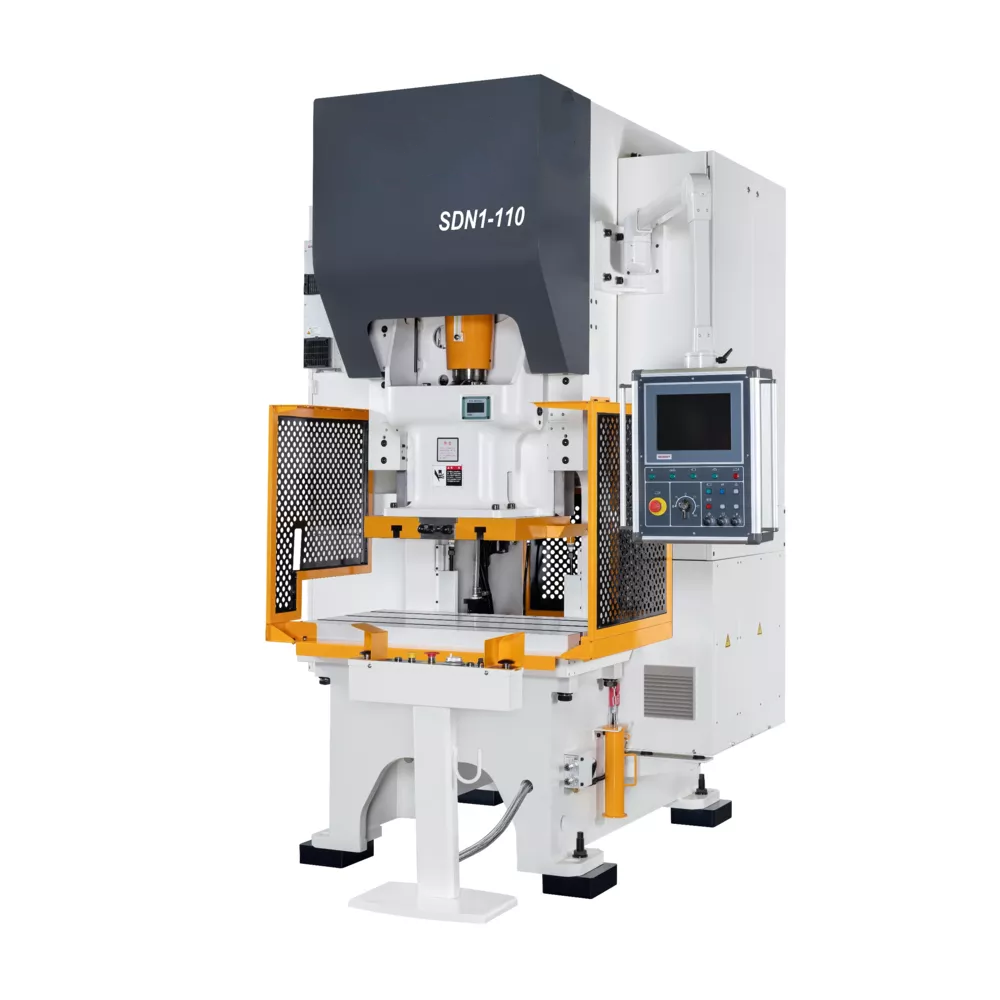
1. Mechanical Power Presses (Entry-Level to Mid-Range)
Mechanical power presses are the workhorses of the industry. They use a flywheel to store energy and a crankshaft to deliver the punch. For basic 16-ton to 25-ton models, prices typically start as low as $2,500 to $5,000. As you move into the 60-ton to 100-ton range, which is common for general metal stamping, prices range from $8,000 to $18,000. High-tonnage mechanical presses (200T+) can exceed $40,000 depending on the frame construction (C-frame vs. H-frame).
2. Pneumatic Punching Machines
Pneumatic machines offer cleaner operation and better safety features compared to traditional mechanical presses. They are often preferred for precision electronics or light metal work. A standard 10-ton to 35-ton pneumatic punch press usually costs between $4,500 and $12,000. These machines are valued for their lower maintenance requirements and ease of integration into automated lines.
3. CNC Turret Punch Presses (High-End)
For high-volume production with complex hole patterns, a CNC turret punch press is the gold standard. These machines feature a rotating turret that holds multiple tools, allowing for rapid switching between different punch shapes. Entry-level CNC turret punch presses from reputable Chinese manufacturers start around $35,000. High-speed, high-precision models with 32 or more tool stations and advanced servo-drive systems can range from $65,000 to $150,000.
| Machine Type | Tonnage Range | Estimated Price (USD) | Best For |
|---|---|---|---|
| Mechanical Press | 16T – 100T | $2,500 – $18,000 | Simple stamping, low budget |
| Pneumatic Press | 25T – 80T | $5,000 – $22,000 | Precision parts, safety-conscious shops |
| CNC Turret Punch | 20T – 50T | $35,000 – $150,000 | Complex patterns, high volume |
| High-Speed Press | 30T – 125T | $45,000 – $90,000 | Mass production of small parts |
Main Cost Drivers: What Influences the Price?
Several technical and structural factors influence the China Punching Machine Price : Buyers Should Expect Pay. Understanding these drivers allows you to prioritize features that matter most to your production while cutting out unnecessary costs.
Tonnage and Frame Rigidity
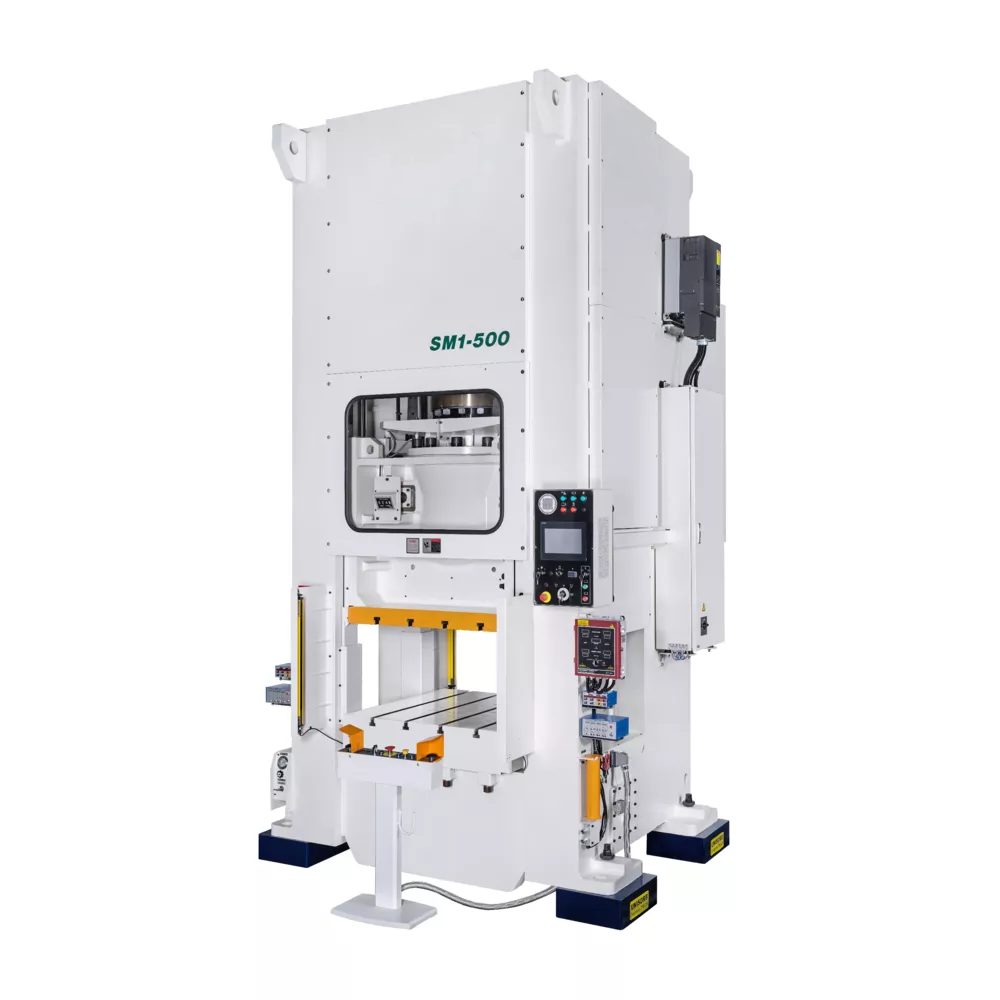
The primary cost driver is the tonnage, or the amount of force the machine can apply. Higher tonnage requires thicker steel plates, larger motors, and more robust internal components. However, the frame design is equally important. A “C-frame” (open-back) is generally more affordable and allows for easier material handling but can suffer from “deflection” under high loads. An “H-frame” (closed-type) is significantly more expensive but offers superior rigidity, which is essential for maintaining precision over long production runs. Choosing an H-frame can add 20-40% to the base price of a mechanical press.
Clutch and Brake Systems
In mechanical presses, the type of clutch used is a major price differentiator. Traditional “rigid clutches” are cheap but lack safety features and cannot be stopped mid-stroke. Modern “pneumatic friction clutches” (wet or dry) allow for much safer operation and better control. Upgrading from a rigid clutch to a pneumatic friction clutch can increase the price by $2,000 to $5,000, but it is often a legal requirement in many Western markets due to safety standards.
Motor Technology: Induction vs. Servo
Standard machines use induction motors with flywheels. While effective, they are less energy-efficient. The industry is shifting toward servo-driven punching machines. Servo motors allow for precise control of the ram’s position and speed, enabling “silent punching” and reducing energy consumption by up to 50%. Because servo motors and their associated drives are expensive components, a servo-driven punch press will typically cost 30-50% more than its mechanical counterpart.
Configuration Impact: Customizing Your Machine
The base price of a machine is just the starting point. The final China Punching Machine Price : Buyers Should Expect Pay is heavily influenced by the specific configuration and optional components you choose. This is where buyers can either save money or significantly improve their machine’s capabilities.
Control Systems (CNC)
For CNC machines, the brand of the controller is a major cost factor. Local Chinese controllers (like Adtech or GSK) are cost-effective and reliable for standard tasks. However, if your operators are trained on Fanuc, Siemens, or Rexroth systems, you may want to specify these brands. Opting for a Siemens or Fanuc control system can add $5,000 to $15,000 to the machine’s price due to licensing and the higher cost of compatible servo drives and motors.
Tooling and Turret Stations
In a CNC turret punch, the number of stations in the turret directly impacts the price. A 16-station turret is standard for entry-level machines, while a 32-station turret with “auto-index” stations (which can rotate the tool to any angle) is much more expensive. Each auto-index station adds complexity to the mechanical and software design, increasing the price. Furthermore, the quality of the tooling itself (thick turret vs. thin turret) and whether the tools are included in the quote will affect your initial outlay.
Automation and Material Handling
Adding an automatic loading and unloading system can double the price of a CNC punching machine. While expensive, these systems allow for “lights-out” manufacturing, where the machine operates unattended. For many buyers, the high initial cost of automation is offset by the massive reduction in labor costs and the increase in total output hours per day.
Hidden Costs: Beyond the Sticker Price
When calculating the China Punching Machine Price : Buyers Should Expect Pay, many first-time importers forget to account for the “landed cost.” The price quoted by the factory (FOB or EXW) is only part of the equation.
- Shipping and Logistics: Punching machines are heavy and often require specialized containers (like Flat Racks) or break-bulk shipping. Depending on your location, ocean freight can range from $2,000 to $10,000.
- Import Duties and Taxes: Depending on your country’s trade agreements with China, import duties can range from 0% to 25%. Always check your local HS code tariffs for “Machine Tools for Punching or Notching.”
- Installation and Commissioning: While many Chinese machines are designed for plug-and-play, CNC models often require a technician to fly out for setup and calibration. Expect to pay for the technician’s travel, housing, and a daily service fee.
- Consumables and Spare Parts: It is wise to purchase a “two-year spare parts kit” along with the machine. This includes seals, switches, and common wear items. Budgeting an extra $1,000 to $3,000 for this can prevent weeks of downtime later.
ROI Calculation: Justifying the Expense
To determine if the China Punching Machine Price : Buyers Should Expect Pay is worth it, you must calculate the Return on Investment (ROI). A machine that costs $50,000 but produces 5,000 parts a day is often a better investment than a $10,000 machine that produces only 500 parts with higher scrap rates.
Consider the “Cost Per Hole.” A CNC turret punch press can perform hundreds of hits per minute with extreme accuracy. If you are currently outsourcing your punching or using manual methods, calculate the labor hours saved. In many cases, a mid-range CNC machine from HARSLE pays for itself within 12 to 18 months through labor savings and reduced material waste. Additionally, the ability to take on more complex projects allows you to charge a premium for your services, further accelerating the ROI.
Buying Advice: How to Choose the Right Supplier
Finding the right price is about finding the right partner. Here is a checklist for buyers looking to source a punching machine from China:
- Verify the Factory: Don’t just buy from a trading company. Ensure the supplier has their own manufacturing facility. HARSLE, for example, welcomes factory audits and video inspections to show our production standards.
- Check Component Brands: Ask for a detailed component list. High-quality machines should use recognizable brands for critical parts, such as Schneider electrics, Yuken hydraulics, and HIWIN linear guides.
- Request a Test Cut: Send your CAD drawings to the manufacturer and ask them to perform a test punch on your specific material. This proves the machine’s capability before you pay the deposit.
- Evaluate After-Sales Support: Price is irrelevant if the machine breaks and you can’t get support. Ask about the warranty terms and whether they provide remote video support or have local service partners.
Frequently Asked Questions (FAQ)
What is the average lead time for a punching machine from China?
For standard mechanical presses, lead times are usually 20-30 days. For custom CNC turret punch presses or high-tonnage machines, expect 45-60 days for manufacturing plus shipping time.
Can I use my existing tooling with a Chinese CNC punch press?
Most Chinese CNC turret punch presses are designed to be compatible with “Amada-style” thick turret tooling, which is the industry standard. However, always confirm the tooling specifications with the manufacturer before purchasing.
Is a hydraulic or mechanical punching machine better?
Mechanical machines are faster for simple, high-volume stamping. Hydraulic machines offer more control over the stroke and are generally better for deep drawing or when you need full tonnage throughout the entire stroke. Hydraulic systems are usually slightly more expensive to maintain but offer more versatility.
How do I ensure the machine meets my country’s safety standards?
When discussing the China Punching Machine Price : Buyers Should Expect Pay, specify that you need CE (Europe) or CSA/UL (North America) compliance. This may involve adding light curtains, dual-hand start buttons, and specific electrical shielding, which will add to the cost but ensure legal operation in your region.
Why is there such a large price gap between different Chinese brands?
The gap usually comes down to the quality of the steel used in the frame, the precision of the machining of internal components (like the crankshaft), and the brand of the electronics. Cheaper machines often use recycled steel and lower-grade bearings, which lead to a shorter lifespan and lower precision over time.