
How A Metal Workshop Increased Output Using A Hydraulic Punching Machine


Introduction: The Evolution of Metal Fabrication Efficiency
In the competitive landscape of modern manufacturing, efficiency is not just a goal; it is a necessity for survival. For many years, small to medium-sized metal workshops relied heavily on manual drilling, mechanical punching, or outsourced laser cutting for hole-making processes. However, as demand for precision and volume increased, these traditional methods became significant bottlenecks. This article explores a real-world scenario where a metal workshop increased output using a hydraulic punching machine, specifically focusing on the transition from outdated methods to high-performance HARSLE hydraulic systems.
The transition began when the workshop faced a 30% increase in orders for structural steel components. Their existing mechanical presses were prone to frequent breakdowns, and the manual layout process was leading to high scrap rates. By integrating a modern hydraulic punching machine, the facility was able to streamline its workflow, reduce labor costs, and achieve a level of consistency that was previously impossible. The shift was not merely about replacing one machine with another; it was about reimagining the entire production line around the capabilities of hydraulic power.
Hydraulic punching machines utilize fluid pressure to generate immense force, allowing them to pierce through thick metal plates with ease. Unlike mechanical punches that rely on a flywheel and clutch system, hydraulic machines offer controlled, consistent pressure throughout the entire stroke. This fundamental difference in technology is what allowed the workshop to handle a wider variety of materials, from thin aluminum sheets to heavy-duty carbon steel plates, without compromising on edge quality or tool longevity.
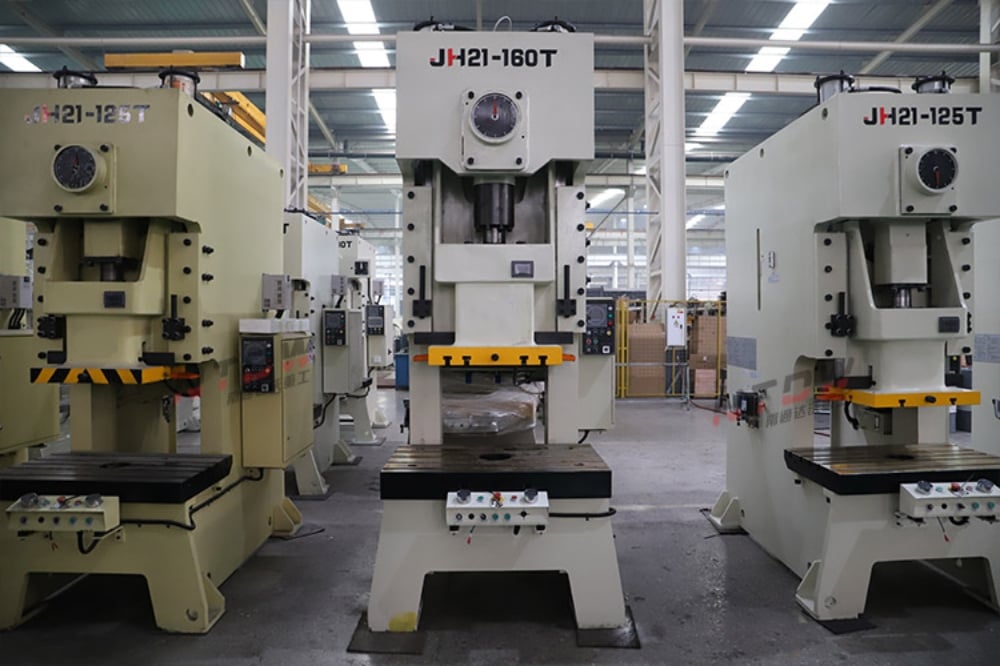
As we delve deeper into this case study, we will examine the specific technical advantages, the selection criteria used by the workshop management, and the long-term ROI of investing in HARSLE industrial machinery. Whether you are a workshop owner looking to scale or an engineer seeking to optimize production, understanding how a metal workshop increased output using a hydraulic punching machine provides valuable insights into the future of metalworking.
Key Considerations: Why A Metal Workshop Increased Output Using A Hydraulic Punching Machine
When analyzing why a metal workshop increased output using a hydraulic punching machine, several key factors come into play. The first and most prominent factor is the reduction in setup time. Traditional mechanical presses often require complex adjustments and manual alignment, which can take hours for each new job. In contrast, modern hydraulic machines feature quick-change tooling systems and digital controls that allow operators to switch between different hole sizes and shapes in a matter of minutes.
Another critical consideration is the versatility of the hydraulic system. A single hydraulic punching machine can often perform multiple functions, such as punching, shearing, and notching. For the workshop in our case study, this meant they could replace three separate, aging machines with one multi-functional hydraulic ironworker. This consolidation not only saved floor space but also reduced the time spent moving workpieces between different stations, significantly lowering the risk of material damage and operator fatigue.
Safety and noise reduction also played a pivotal role in the workshop’s decision. Mechanical punches are notoriously loud and can create significant vibration, leading to a stressful work environment and potential long-term health issues for employees. Hydraulic machines operate much more quietly and smoothly. Furthermore, the ability to stop the stroke at any point provides an added layer of safety that mechanical systems lack. By improving the working environment, the workshop saw a decrease in employee turnover and an increase in overall morale, which indirectly contributed to higher output.
Finally, the precision offered by hydraulic systems cannot be overstated. With the integration of CNC (Computer Numerical Control) technology, the workshop was able to automate the positioning of the workpiece. This eliminated the need for manual marking and measuring, which are often the primary sources of error in metal fabrication. The result was a near-zero rejection rate, ensuring that every part produced met the client’s exact specifications on the first attempt.
Technical Details: The Mechanics of Hydraulic Punching
To understand how a metal workshop increased output using a hydraulic punching machine, one must look at the underlying engineering. At the heart of the machine is the hydraulic power unit (HPU), which consists of a motor, a pump, and a reservoir of hydraulic oil. When the operator activates the machine, the pump forces oil into the cylinder, moving the piston and the attached punch tool downward with controlled force. This process is governed by Pascal’s Law, which states that pressure applied to a confined fluid is transmitted undiminished in every direction.
Hydraulic Circuitry and Pressure Control
Modern HARSLE hydraulic punching machines utilize advanced proportional valves to control the flow and pressure of the oil. This allows for “inching” capabilities, where the operator can move the punch down slowly to verify alignment before committing to the full stroke. This level of control is essential for high-precision tasks and prevents damage to expensive die sets. Additionally, the hydraulic system includes cooling mechanisms to maintain the oil at an optimal temperature, ensuring consistent performance even during 24/7 high-volume production cycles.
Tooling and Die Clearance
The relationship between the punch and the die is critical for achieving a clean cut. The “die clearance”—the space between the punch and the die—must be precisely calculated based on the material thickness and type. If the clearance is too small, it increases the force required and causes excessive tool wear. If it is too large, it results in heavy burrs on the underside of the workpiece. The workshop in our study utilized a variety of HARSLE-compatible die sets, allowing them to optimize clearance for everything from 2mm stainless steel to 20mm structural plate.
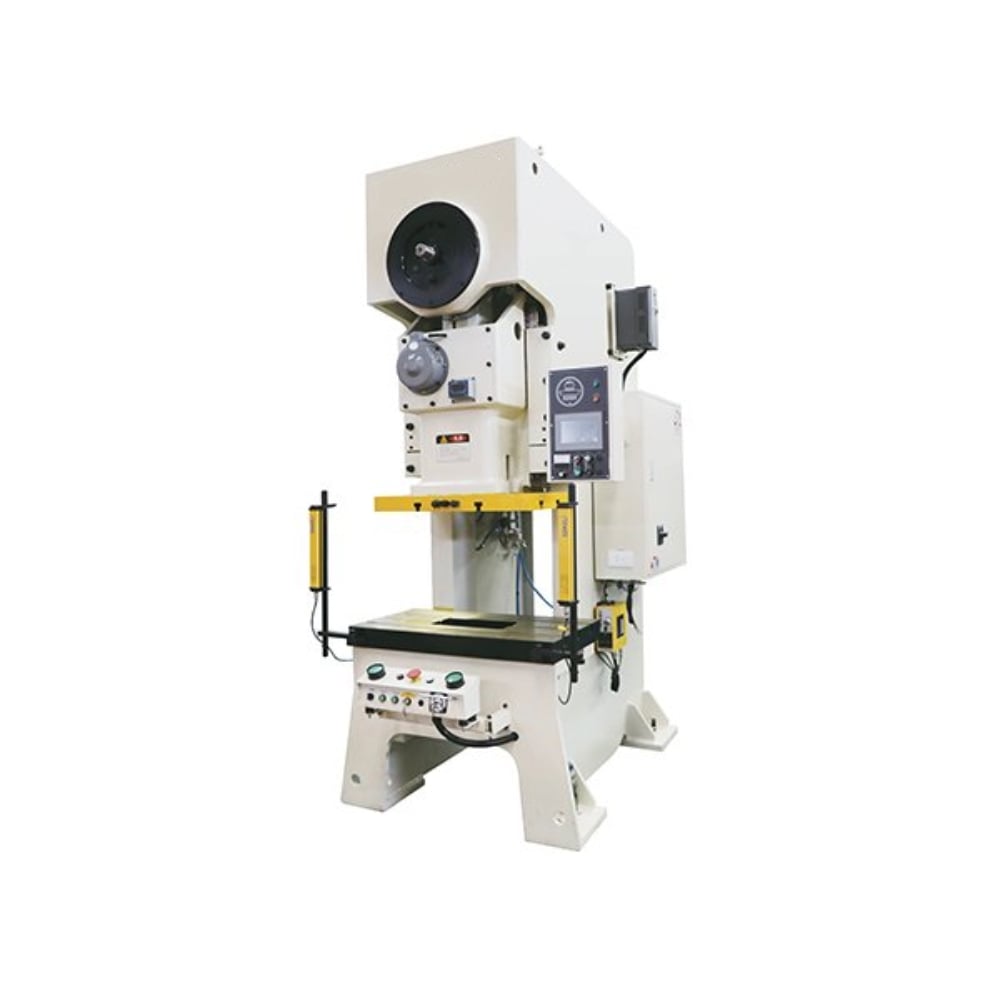
Tonnage Calculations
Calculating the required tonnage is a fundamental step in the punching process. The formula used by the workshop’s engineers was: Tonnage = (Perimeter of Hole x Material Thickness x Shear Strength) / 2000. By having a machine with a 100-ton capacity, the workshop ensured they had a significant safety margin, preventing the hydraulic system from running at its absolute limit, which extends the lifespan of the seals and valves.
Selection Advice: Choosing the Right Machine for Your Workshop
Selecting the right hydraulic punching machine requires a deep understanding of your current production needs and future growth projections. The workshop in our case study didn’t just buy the largest machine available; they chose a model that balanced power, speed, and versatility. Here are the primary factors to consider when making your selection:
- Tonnage Capacity: Determine the maximum thickness and hole diameter you need to punch. It is always advisable to choose a machine with 20-30% more capacity than your maximum requirement to ensure longevity.
- Throat Depth: This is the distance from the center of the punch to the back of the machine frame. A deeper throat allows you to punch holes in the center of larger sheets, which is vital for panel work and large structural components.
- Stroke Length and Speed: For high-volume output, look for machines with adjustable stroke lengths. Shortening the stroke for thinner materials can significantly increase the number of hits per minute.
- Automation Compatibility: Does the machine support CNC backgauges or automatic feeding systems? If you plan to scale, choosing a machine that can be upgraded with automation is a wise investment.
Furthermore, consider the reputation of the manufacturer. HARSLE has established itself as a leader in the industry by providing robust machines with excellent after-sales support. When a metal workshop increased output using a hydraulic punching machine, they often cited the reliability of the equipment and the availability of spare parts as key factors in their sustained success. A machine that is down for weeks due to a lack of parts is a liability, no matter how fast it is when running.
Finally, evaluate the ease of maintenance. Look for machines with accessible hydraulic filters, clear oil level indicators, and centralized lubrication systems. A well-maintained machine will provide consistent output for decades, whereas a neglected one will quickly become a source of frustration and lost revenue.
FAQ: Common Questions on Hydraulic Punching Machines
1. How does a hydraulic punching machine compare to a laser cutter?
While laser cutters offer extreme precision and the ability to cut complex shapes, hydraulic punching machines are significantly faster and more cost-effective for standard hole-making and simple shapes. For a workshop focused on structural steel or repetitive parts, the lower operating cost per hole makes the punching machine the superior choice for high-volume output.
2. What maintenance is required for a hydraulic punching machine?
Regular maintenance includes checking hydraulic oil levels, replacing filters every 1000-2000 hours of operation, and lubricating moving parts daily. It is also crucial to inspect the punch and die for wear and sharpen or replace them as needed to maintain cut quality and prevent machine strain.
3. Can a hydraulic punching machine handle stainless steel?
Yes, but it requires high-quality, hardened tooling and a machine with sufficient tonnage. Stainless steel has a higher shear strength than mild steel, so you must adjust your tonnage calculations accordingly. Using specialized lubricants can also help extend tool life when working with stainless materials.
4. Is training difficult for operators?
Modern hydraulic punching machines are designed with user-friendly interfaces. Most operators can become proficient in basic operation within a few days. However, understanding die clearance and tonnage calculations requires more in-depth training, which HARSLE often provides through comprehensive manuals and technical support.
5. What is the typical ROI for this investment?
Most workshops report a full return on investment within 12 to 24 months. This is achieved through a combination of increased production speed, reduced labor costs, lower scrap rates, and the ability to take on more complex, higher-paying projects.
Conclusion: The Long-Term Impact on Workshop Productivity
The story of how a metal workshop increased output using a hydraulic punching machine is a testament to the power of strategic technological investment. By moving away from manual and mechanical processes, the workshop was able to transform its production capabilities, turning a bottleneck into a competitive advantage. The increased throughput allowed them to meet tighter deadlines, while the improved precision opened doors to new industries, such as aerospace and high-end architectural metalwork.
In the long run, the adoption of hydraulic technology is about more than just speed. It is about creating a sustainable, scalable business model. The reliability of HARSLE machinery ensures that the workshop can maintain its high output year after year, with minimal downtime. As the metal fabrication industry continues to evolve, those who embrace these advanced tools will be best positioned to lead the market.
If your workshop is struggling with inconsistent quality or slow production times, it may be time to consider the benefits of a hydraulic punching machine. By focusing on the technical details, selecting the right equipment, and committing to proper maintenance, you too can achieve the remarkable results seen in this case study. The path to increased output and higher profitability starts with the right machinery, and for many, that path leads directly to HARSLE.












