
How a Fabrication Plant Solved Repetitive Hole Punching Bottlenecks with Automation


Introduction: The Crisis of Manual Repetition in Metal Fabrication
In the competitive world of metal fabrication, efficiency is the thin line between profitability and stagnation. For many years, a mid-sized fabrication plant specializing in electrical enclosures and HVAC ducting faced a mounting crisis. Their primary challenge wasn’t a lack of orders; it was the inability to fulfill them. The culprit? A massive bottleneck in their hole-punching department. Every day, thousands of repetitive holes needed to be punched into galvanized steel and aluminum sheets. Using manual punching presses and traditional layout methods, the plant was struggling to keep up with the precision and speed required by modern industry standards.
The manual process was fraught with issues. Operators had to manually mark each hole location, align the sheet under a single-station punch, and execute the stroke. This process was not only slow but also prone to human error. A single misplaced hole meant a scrapped sheet, leading to significant material waste. Furthermore, the physical toll on workers led to high turnover and frequent safety incidents. It became clear that to survive and grow, the facility needed a radical change. This is the story of how a fabrication plant solved repetitive hole punching bottlenecks with automation, transforming their production floor into a high-tech hub of efficiency.
By integrating HARSLE’s advanced CNC turret punching technology, the plant transitioned from a labor-intensive manual workflow to a streamlined, automated system. This shift didn’t just increase their output; it redefined their entire manufacturing philosophy. In this article, we will explore the key considerations that led to this decision, the technical specifications of the machinery involved, and how other fabrication businesses can identify and solve their own production bottlenecks through automation.
Key Considerations for Transitioning to Automated Punching
Before making the leap to automation, the plant’s management had to evaluate several critical factors. Automation is a significant investment, and it requires a strategic approach to ensure a positive return on investment (ROI). The first consideration was the volume and variety of parts. While manual punching is flexible for one-off prototypes, it fails miserably at high-volume repetitive tasks. The plant analyzed their order history and realized that 80% of their work involved standard hole patterns that could be easily programmed into a CNC system.
Another major factor was labor costs and availability. The manufacturing sector is currently facing a skilled labor shortage. Finding operators who can accurately perform manual layouts for eight hours a day is increasingly difficult. Automation allows a single skilled technician to oversee multiple machines, significantly reducing the reliance on a large, unskilled workforce. This shift also improves workplace safety, as the operator is no longer in direct contact with the punching mechanism during the cycle.
Precision and Repeatability were also at the top of the list. In the assembly of complex electrical cabinets, a deviation of even half a millimeter can prevent components from fitting correctly. Manual punching simply cannot guarantee the +/- 0.1mm accuracy that a CNC turret punch press offers. By eliminating the “human element” from the measurement and alignment process, the plant could guarantee perfect parts every single time, drastically reducing their scrap rate.
Finally, the plant had to consider floor space and workflow integration. A CNC turret punch press replaces multiple manual stations, potentially freeing up valuable floor space. However, it also requires a different logistical flow for material handling. The management had to plan for how raw sheets would be loaded and how finished parts would be sorted. This holistic view of the production line is essential for any facility looking to solve repetitive hole punching bottlenecks with automation.
Technical Details: The Mechanics of Efficiency
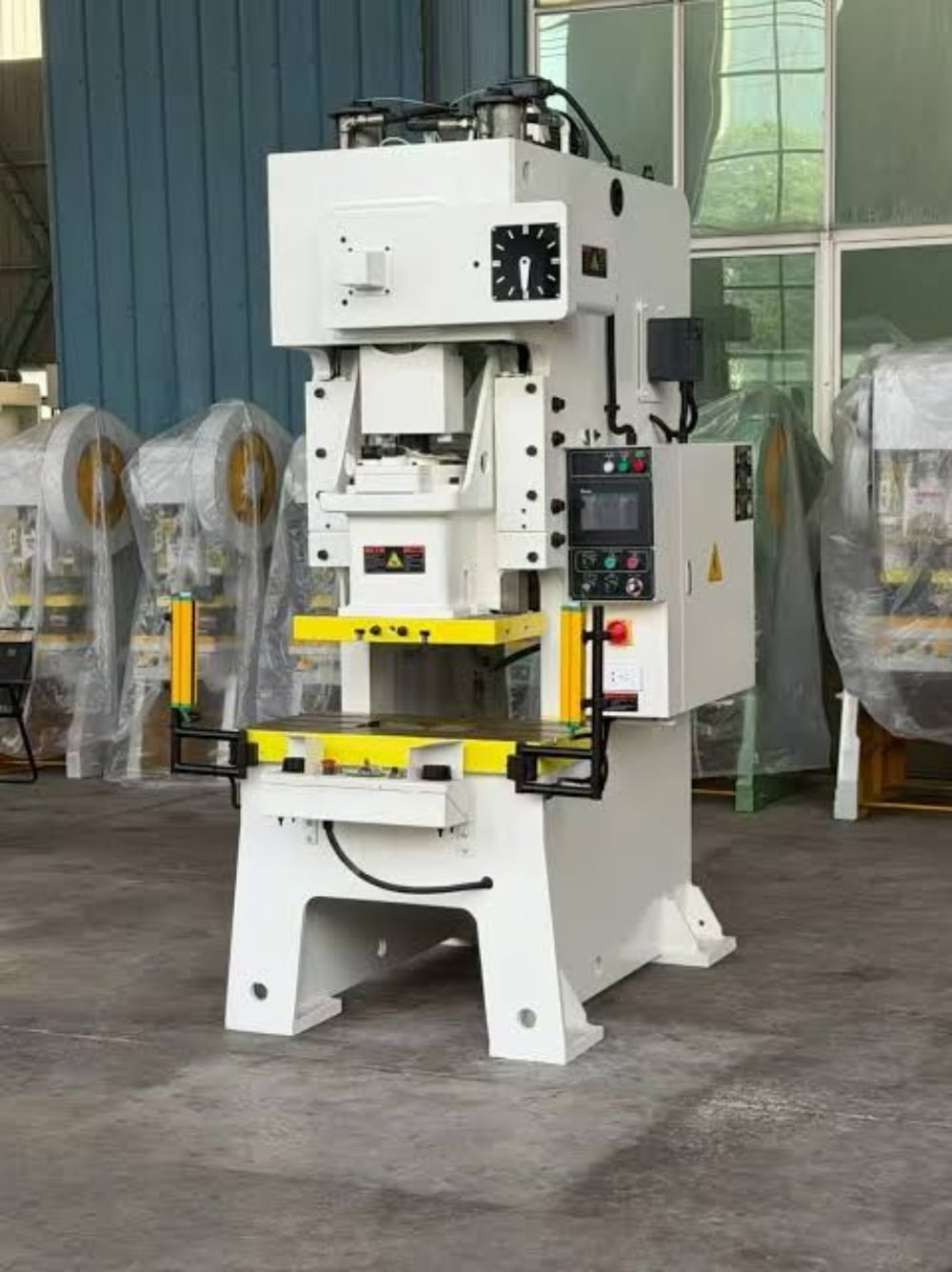
The solution implemented was a HARSLE CNC Turret Punch Press, a machine designed specifically for high-speed, high-precision sheet metal processing. To understand how this machine solves bottlenecks, one must look at its core technical components. At the heart of the system is the Turret Configuration. Unlike a single-station punch, a turret punch holds dozens of different tools simultaneously. The machine can automatically rotate the turret to select the required tool in a fraction of a second. This eliminates the downtime associated with manual tool changes, which was the primary cause of the plant’s previous bottlenecks.
The machine utilizes a High-Performance Servo-Hydraulic System. This system provides the necessary force (typically 300kN or 500kN) to punch through various material thicknesses while maintaining extreme control over the stroke. Unlike older mechanical flywheels, the servo-hydraulic drive allows for adjustable stroke lengths and speeds. This means the machine can perform “nibbling” operations for large cutouts or high-speed marking without changing tools. The energy efficiency of the servo system also reduced the plant’s operational costs compared to traditional hydraulic systems that run a pump constantly.
The CNC Control System (often powered by Fanuc or Siemens) acts as the brain of the operation. It processes G-code instructions generated by CAD/CAM software. The software includes “Nesting” capabilities, which optimize the layout of parts on a single sheet of metal to minimize waste. For the fabrication plant, this meant they could squeeze 15% more parts out of every sheet of steel, directly impacting their bottom line. The controller also manages the Auto-Index Stations, which allow tools to rotate to any angle, providing the flexibility to create complex shapes without needing specialized custom tooling.
| Feature | Manual Punching | HARSLE CNC Automation |
|---|---|---|
| Holes Per Minute | 5 – 10 | 600 – 1000 (Nibbling) |
| Accuracy | +/- 0.5mm to 1.0mm | +/- 0.1mm |
| Tool Change Time | 2 – 5 Minutes | 1 – 3 Seconds |
| Labor Requirement | High (1 person per punch) | Low (1 person per 2-3 machines) |
Selection Advice: Choosing the Right Automation Solution
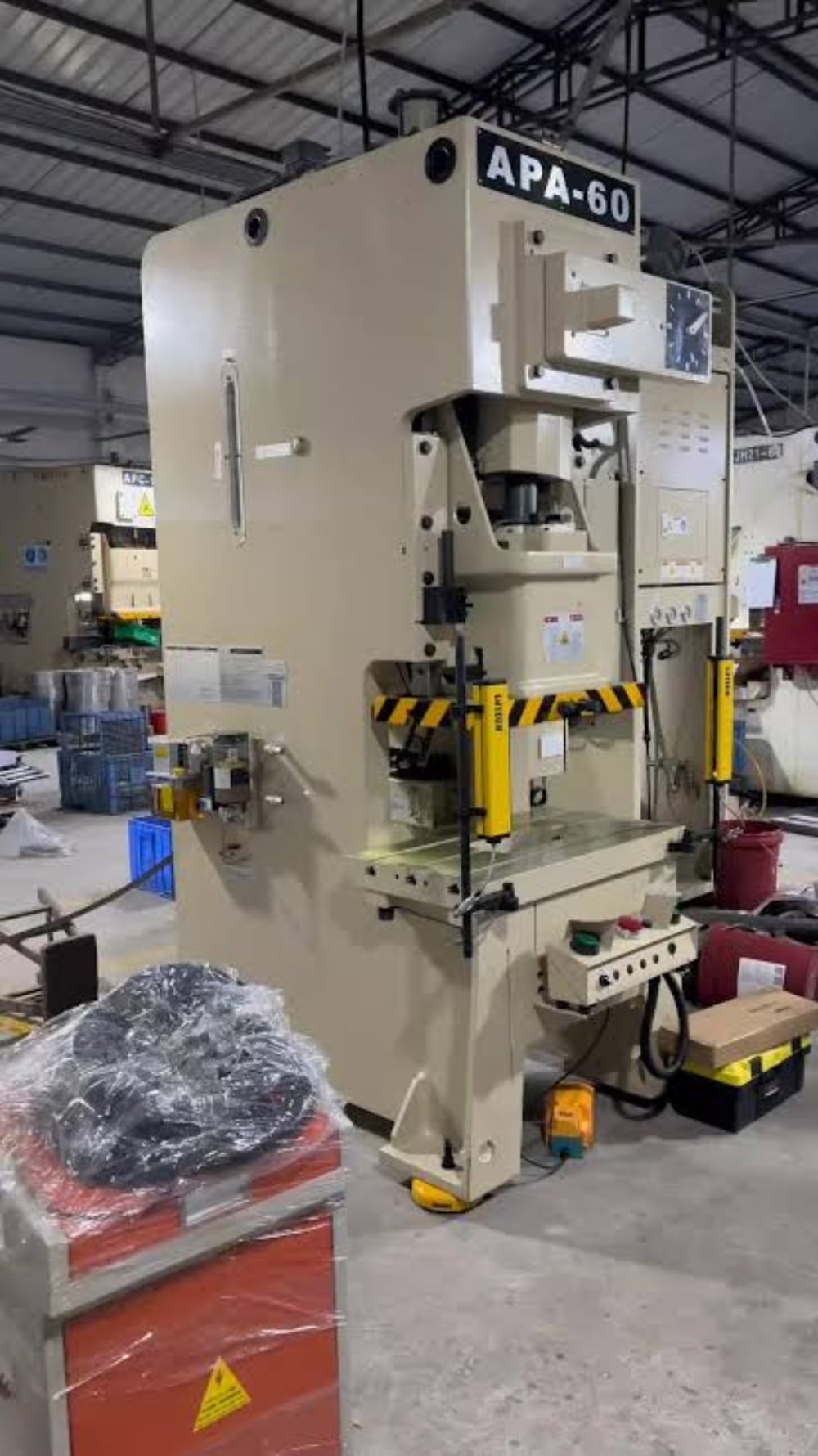
If your facility is looking to follow in the footsteps of this plant, selecting the right machine is paramount. Not all automation is created equal, and the wrong choice can lead to new bottlenecks. First, evaluate your Tonnage Requirements. If you primarily work with thin-gauge aluminum, a 30-ton machine is likely sufficient. However, if you are punching thick stainless steel or heavy carbon steel plates, you will need a 50-ton or higher capacity machine to ensure clean cuts and long tool life.
Second, consider the Sheet Size and Throat Depth. You want a machine that can handle your largest standard sheets without needing to reposition the material constantly. Repositioning takes time and can introduce small alignment errors. A machine with a large work table and a deep throat allows for processing full-sized 1250mm x 2500mm sheets in a single setup. Additionally, look for machines with Brush Tables rather than ball-transfer tables if you are working with sensitive materials like polished stainless or pre-painted aluminum, as brushes prevent scratching during high-speed movement.
Third, the Software Ecosystem is just as important as the hardware. Ensure the machine you choose is compatible with industry-standard CAD/CAM software. The ability to import DXF or DWG files directly and have the software automatically assign tools and nesting patterns is a massive time-saver. HARSLE machines are designed to integrate seamlessly with modern software, allowing for a “design-to-part” workflow that takes minutes rather than hours.
Finally, don’t overlook After-Sales Support and Training. Transitioning to automation requires a shift in the skill set of your team. Choose a manufacturer that provides comprehensive training for your operators and maintenance staff. A machine is only an asset if it is running; having access to quick spare parts and expert technical support ensures that any downtime is kept to an absolute minimum. When a fabrication plant solved repetitive hole punching bottlenecks with automation, it was because they chose a partner, not just a vendor.
Frequently Asked Questions (FAQ)
1. How long does it take to see a return on investment (ROI) after automating?
Most fabrication plants see a full ROI within 12 to 24 months. This is calculated based on the reduction in labor costs, the decrease in material waste (scrap), and the significant increase in production capacity. In the case study mentioned, the plant was able to take on 40% more work without hiring additional staff, which accelerated their ROI to just 14 months.
2. Can a CNC turret punch replace a laser cutting machine?
While they overlap in some areas, they serve different purposes. A CNC punch is significantly faster and more cost-effective for repetitive holes, louvers, and forming operations (like ribs or knockouts). A laser is better for complex, organic shapes and very thick materials. Many high-efficiency plants use both, but for repetitive hole punching, the turret punch is the undisputed champion of speed and cost-per-part.
3. Is the programming for these machines difficult to learn?
Modern CNC controllers and CAD/CAM software are very user-friendly. An operator with basic computer skills and a background in metalworking can typically learn the basics of programming and operation within a week. HARSLE provides detailed manuals and training sessions to ensure a smooth transition from manual to automated processes.
4. What kind of maintenance does an automated punching machine require?
Regular maintenance is key to longevity. This includes daily lubrication of the turret and moving parts, checking hydraulic oil levels and filters, and inspecting tools for sharpness. Dull tools are the leading cause of poor part quality and excessive machine wear. Most modern machines have automated lubrication systems and diagnostic sensors that alert the operator to maintenance needs.
5. Can automation handle small batch sizes effectively?
Yes. Because the turret holds many tools at once, switching from one part program to another is as simple as loading a new file and changing the sheet of metal. This makes CNC punching highly effective for “Just-In-Time” (JIT) manufacturing, where batch sizes might be small but the variety of parts is high.
Conclusion: The Future of Your Fabrication Floor
The journey of how a fabrication plant solved repetitive hole punching bottlenecks with automation serves as a blueprint for the modern manufacturing industry. The transition from manual, error-prone processes to a high-speed, CNC-driven environment is no longer a luxury—it is a necessity for those who wish to remain competitive in a global market. By addressing the core issues of labor, precision, and throughput, the plant was able to transform its biggest weakness into its greatest strength.
Implementing a HARSLE CNC turret punch press provides more than just holes in metal; it provides the data, consistency, and speed required to scale a business. As we move further into the era of Industry 4.0, the integration of smart machinery and automated workflows will continue to define the leaders in metal fabrication. If your production line is currently held back by repetitive tasks and manual bottlenecks, now is the time to explore the possibilities of automation. The investment you make today in high-quality machinery will pay dividends in the form of higher quality, lower costs, and a much more resilient business model for the years to come.


