
Case Study: Precision Punching for Electrical Cabinets Using a Sheet Metal Punching Machine


Introduction to Precision Punching in Electrical Cabinet Manufacturing
The manufacturing of electrical cabinets and enclosures is a cornerstone of the modern industrial landscape. From housing sensitive telecommunications equipment to protecting high-voltage power distribution systems, the integrity of an electrical cabinet is paramount. Achieving this integrity requires a level of precision that only advanced machinery can provide. In this comprehensive case study, we explore the application of a sheet metal punching machine in the production of high-quality electrical cabinets, focusing on the technical nuances that ensure durability, safety, and aesthetic appeal.
Electrical cabinets are not merely metal boxes; they are complex structures requiring numerous cutouts for cable entries, cooling vents (louvers), mounting holes for internal components, and precise outer dimensions for seamless assembly. Traditionally, these features were created using manual methods or basic mechanical presses, which often led to inconsistencies, high scrap rates, and labor-intensive finishing processes. The advent of the CNC (Computer Numerical Control) sheet metal punching machine has revolutionized this sector, allowing manufacturers to achieve micron-level accuracy at high speeds.
HARSLE, a leader in metal fabrication technology, has observed a significant shift in how manufacturers approach enclosure production. By integrating high-speed punching capabilities with intelligent software, companies can now transition from design to finished part in a fraction of the time previously required. This case study examines the workflow, the technical challenges overcome, and the strategic advantages gained by utilizing a dedicated sheet metal punching machine for electrical cabinet fabrication.
The Evolution of Enclosure Fabrication
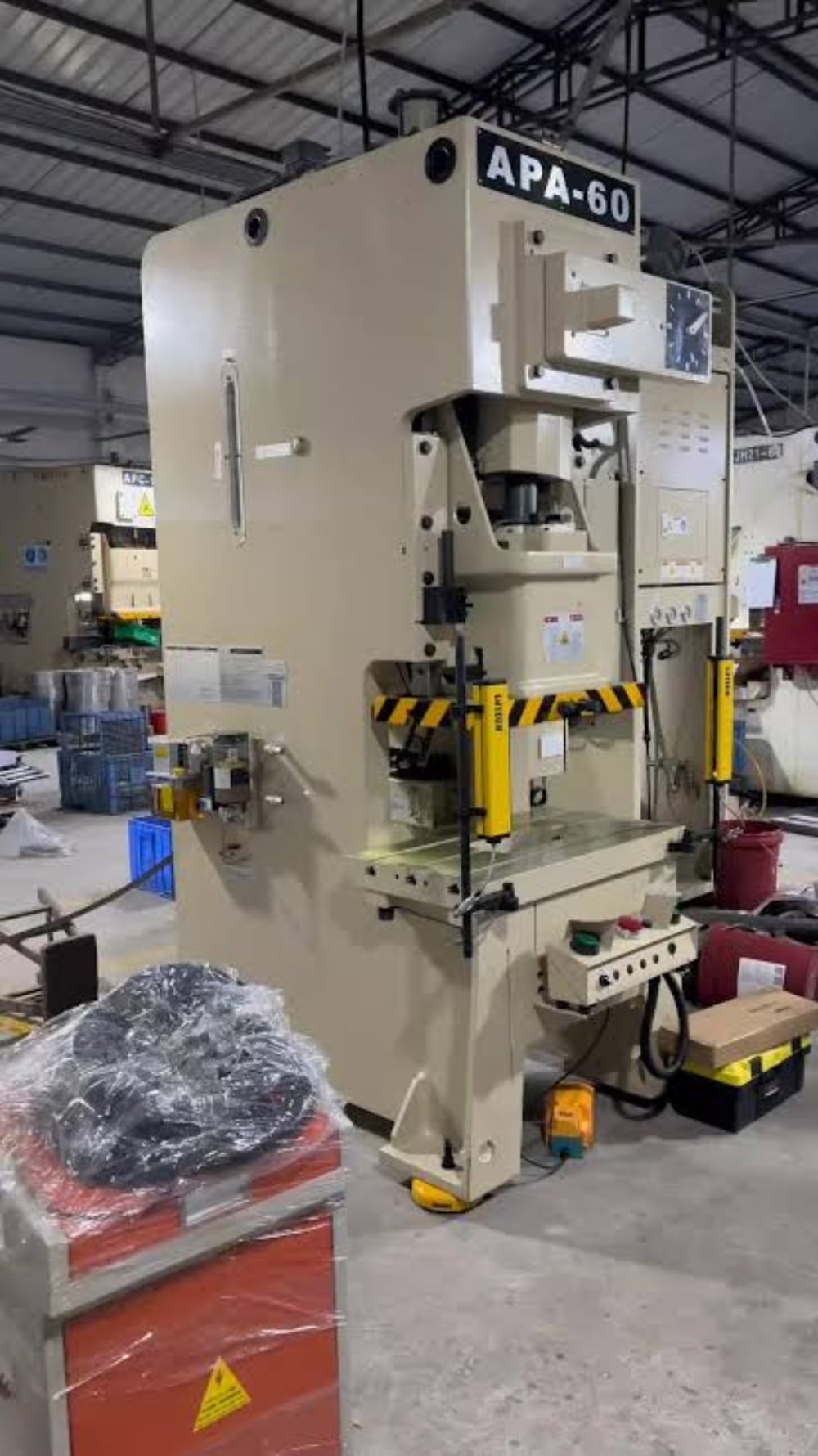
Historically, the fabrication of electrical cabinets involved multiple standalone processes. A sheet would be sheared to size, then moved to a manual press for hole punching, and perhaps to another station for louver forming. Each move introduced the potential for error and increased the lead time. Today, a modern sheet metal punching machine acts as a multi-functional workstation. It can punch, form, emboss, and even tap holes in a single setup. This consolidation of tasks is the primary driver behind the increased efficiency seen in modern fabrication shops.
Key Considerations for Electrical Cabinet Punching
When embarking on a project involving precision punching for electrical cabinets, several critical factors must be considered to ensure the final product meets industry standards such as NEMA (National Electrical Manufacturers Association) or IP (Ingress Protection) ratings. These standards dictate how well a cabinet must protect against dust, water, and physical impact, all of which are influenced by the quality of the punching process.
Material Selection and Thickness
Electrical cabinets are typically fabricated from cold-rolled steel, galvanized steel, or stainless steel. Aluminum is also used for lightweight or highly corrosive environments. The thickness usually ranges from 1.2mm to 3.0mm. A sheet metal punching machine must be capable of handling these materials without causing excessive burrs or material deformation. For instance, punching stainless steel requires higher tonnage and specialized tool coatings to prevent premature wear and ensure clean edges that won’t compromise the cabinet’s seal.
Complex Geometry and Tooling Requirements
The design of an electrical cabinet often includes a variety of hole shapes: circular holes for connectors, rectangular cutouts for HMI screens, and specialized shapes for fan mounts. Furthermore, functional features like louvers for ventilation and knockouts for field-installed wiring are essential. A turret punching machine with a diverse tool library is necessary to handle these requirements without frequent manual tool changes. The ability to use “auto-index” stations—where the tool can rotate 360 degrees—is vital for creating angled cutouts and complex geometries efficiently.
Tolerance and Repeatability
In large-scale production, repeatability is king. If the mounting holes on a cabinet door are off by even half a millimeter, the hinges may not align, leading to a failed seal or a door that won’t close. Precision punching machines utilize high-precision ball screws and linear guides, often coupled with sophisticated feedback loops in the CNC controller, to maintain tolerances within +/- 0.1mm across the entire sheet. This level of precision ensures that every cabinet in a production run is identical and fits perfectly with its internal components.
Surface Protection
Electrical cabinets are often powder-coated or painted for aesthetic and protective reasons. Any scratches or indentations caused during the punching process can show through the final finish. To mitigate this, modern punching machines utilize brush tables rather than ball tables. The soft bristles support the sheet metal, allowing it to glide over the work surface without the risk of scratching the underside of the material. This is particularly important when working with pre-painted or polished stainless steel sheets.
Technical Details: The Mechanics of a Sheet Metal Punching Machine
To understand why a sheet metal punching machine is the ideal tool for this case study, we must delve into its mechanical and electronic components. The synergy between the hydraulic or electric drive system and the CNC software determines the machine’s overall performance.
CNC Turret vs. Single Station Punching
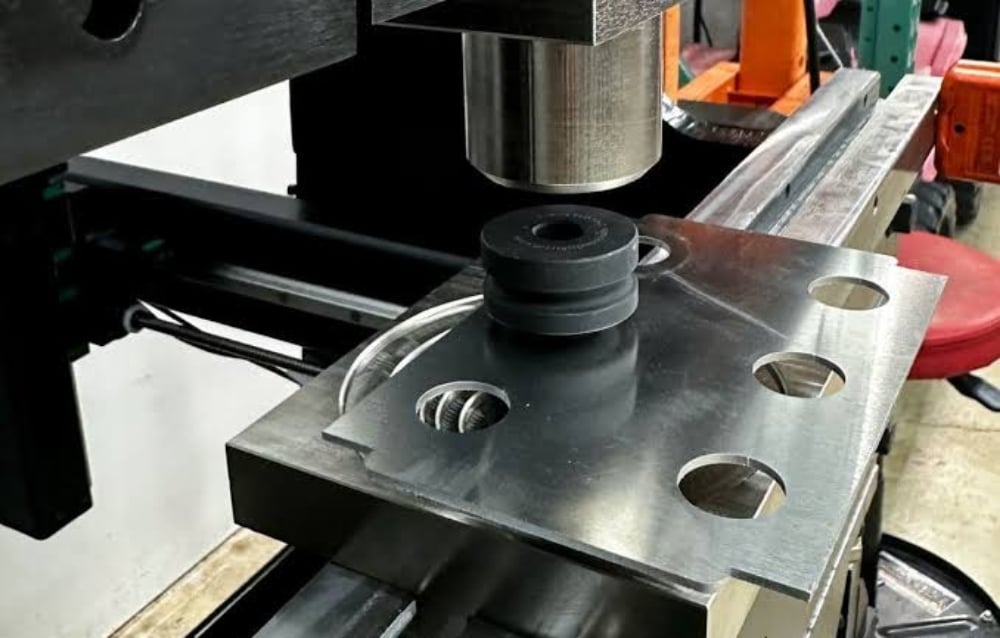
For electrical cabinet production, the turret punch press is the industry standard. A turret typically holds between 20 and 50 tools of various sizes and shapes. When the CNC program calls for a specific hole, the turret rotates the required tool into the punching position in milliseconds. This is significantly faster than a single-station machine where tools must be changed manually or via a slower linear tool changer. The speed of the turret rotation and the hit rate (punches per minute) are key metrics that define the machine’s throughput.
Hydraulic vs. Servo-Electric Drive Systems
The method used to drive the punch ram has evolved. Traditional hydraulic systems offer high tonnage and reliability, making them suitable for thick materials. However, modern servo-electric systems are gaining popularity due to their energy efficiency and precise control over the ram’s stroke. In cabinet manufacturing, where forming operations like louvers or offsets are common, a servo-electric drive allows the operator to program the exact depth of the stroke with extreme accuracy, ensuring consistent form heights across the entire part.
| Feature | Hydraulic Punching Machine | Servo-Electric Punching Machine |
|---|---|---|
| Energy Consumption | Higher (constant pump operation) | Lower (only uses power during the hit) |
| Precision Control | Good (via valves) | Excellent (via digital encoders) |
| Maintenance | Requires oil changes and seal checks | Lower maintenance (fewer fluid components) |
| Noise Level | Moderate to High | Low |
| Forming Capability | Standard | Advanced (precise stroke control) |
Software Integration and Nesting
The efficiency of a sheet metal punching machine is heavily dependent on the CAD/CAM software used to program it. For electrical cabinets, nesting software is used to arrange multiple parts on a single large sheet of metal to minimize waste. The software also calculates the optimal path for the turret to take, reducing travel time and maximizing the hits per minute. Advanced software can also automatically select the best tools from the turret and suggest “micro-joints” to keep parts attached to the skeleton until the entire sheet is processed, preventing parts from tipping and causing machine crashes.
Selection Advice: Choosing the Right Punching Machine
Selecting a sheet metal punching machine for electrical cabinet production is a significant investment. Manufacturers must balance their current production needs with future growth. Here is a guide on what to look for when evaluating machinery.
- Tonnage Requirements: Most electrical cabinets are made from 1.2mm to 2.5mm steel. A 20-ton or 30-ton machine is usually sufficient. However, if you plan to punch thicker materials or large louvers, a 30-ton machine provides more versatility and less strain on the frame.
- Throat Depth and Sheet Size: Consider the largest panel you need to produce. A machine with a large throat depth (e.g., 1250mm or 1500mm) allows you to process large sheets without repositioning, which saves time and maintains accuracy.
- Auto-Index Stations: Ensure the machine has at least two auto-index stations. This allows for the rotation of tools, which is essential for nesting parts at different angles and creating complex cutouts without needing a custom tool for every angle.
- Tooling Compatibility: Check if the machine uses standard “Thick Turret” tooling. This is the most common tooling style worldwide, making it easy and cost-effective to source replacement punches and dies from various vendors.
- Control System: Look for a reputable CNC controller like Fanuc, Siemens, or a high-end proprietary system. A user-friendly interface with graphical simulation helps operators catch errors before they waste material.
Buyer’s Checklist for Cabinet Fabrication
- Does the machine support brush tables to protect the material finish?
- What is the maximum hit rate for 25mm centers? (Higher is better for production speed).
- Does the software include automatic nesting and louver forming cycles?
- Is there a “slug suction” system to prevent slugs from pulling back up and damaging the sheet?
- What is the manufacturer’s reputation for after-sales support and spare parts availability?
Frequently Asked Questions (FAQ)
1. Can a punching machine replace a laser cutting machine for electrical cabinets?
While laser cutting machines are excellent for complex contours, a punching machine is often superior for electrical cabinets because it can perform forming operations like louvers, knockouts, and countersinks in a single process. Laser machines cannot form metal. For high-volume production of parts with many holes and forms, the punching machine is generally faster and more cost-effective.
2. How do I maintain precision over years of use?
Regular maintenance is key. This includes lubricating the linear guides and ball screws, checking the alignment of the turret, and ensuring the hydraulic oil (if applicable) is clean. Additionally, keeping your tools sharp is critical; dull tools increase the punching force required and can lead to material deformation and machine wear.
3. What is the advantage of a “Bridge Frame” design?
Most high-precision punching machines use a closed “O-frame” or bridge frame design. This is more rigid than an open “C-frame,” meaning the frame deflects less under high tonnage. Less deflection results in better alignment between the punch and die, leading to longer tool life and higher part accuracy.
4. Is it possible to punch pre-painted material?
Yes, it is possible. Using a brush table and ensuring the tools are polished and well-lubricated will prevent damage to the paint. Some manufacturers also use a protective plastic film on the sheet metal, which the machine punches through and is removed after fabrication.
5. How long does it take to set up a new job?
With modern CNC controls and pre-loaded turrets, setup time for a new job can be as short as 5 to 15 minutes. If the required tools are already in the turret, the operator simply loads the program and the material. This makes the sheet metal punching machine ideal for both small batches and large production runs.
Conclusion
This case study highlights the indispensable role of the sheet metal punching machine in the precision fabrication of electrical cabinets. By integrating high-speed punching, versatile forming capabilities, and advanced CNC control, manufacturers can produce enclosures that meet the highest standards of quality and durability. The ability to perform multiple operations in a single setup not only reduces lead times but also significantly lowers the cost per part by minimizing labor and material waste.
As the demand for smart infrastructure and renewable energy grows, the need for high-quality electrical cabinets will only increase. Investing in a robust, high-precision punching machine—like those offered by HARSLE—positions manufacturers to meet this demand efficiently. Whether you are producing small junction boxes or massive industrial control panels, the right punching technology is the foundation of a successful fabrication strategy. By focusing on material integrity, tooling versatility, and software optimization, companies can achieve a competitive edge in the demanding world of metal fabrication.


