
Case Study: Streamlining Angle Steel Processing with an Industrial Punching Machine


Introduction: The Evolution of Angle Steel Fabrication
In the modern industrial landscape, efficiency is not just a goal; it is a prerequisite for survival. Angle steel, a fundamental component in construction, power transmission towers, and bridge building, requires precise processing to ensure structural integrity. Traditionally, fabricators relied on manual marking, drilling, or basic mechanical punching, which often led to bottlenecks, high labor costs, and inconsistent quality. This case study examines how the implementation of a high-performance industrial punching machine revolutionized the production workflow for a leading structural steel manufacturer.
The transition from manual methods to automated industrial punching represents a significant leap in manufacturing technology. For years, the industry struggled with the inherent limitations of manual labor, where human error could lead to misaligned holes or wasted material. By integrating advanced hydraulic and CNC systems, companies like HARSLE have enabled fabricators to achieve tolerances that were previously unthinkable. This article delves into the specifics of how an industrial punching machine can streamline operations, focusing on a real-world application where throughput was increased by over 40% while reducing scrap rates significantly.
Angle steel processing involves several critical steps: cutting to length, punching holes of varying diameters, and sometimes marking or notching. When these tasks are handled by separate, disconnected machines, the ‘work-in-progress’ (WIP) inventory builds up, and the risk of handling damage increases. An integrated industrial punching machine, particularly a CNC-controlled angle line, combines these processes into a single, fluid operation. This case study highlights the technical and economic benefits of such an investment, providing a roadmap for other fabrication shops looking to modernize their facilities.
As we explore the nuances of this technology, it is essential to understand that the ‘Case Study: Streamlining Angle Steel Processing An Industrial Punching Machine’ is not just about the hardware. It is about the synergy between robust mechanical design, sophisticated software, and strategic operational planning. Whether you are a small workshop or a large-scale industrial plant, the principles of precision and automation discussed here remain the cornerstone of competitive metal fabrication.
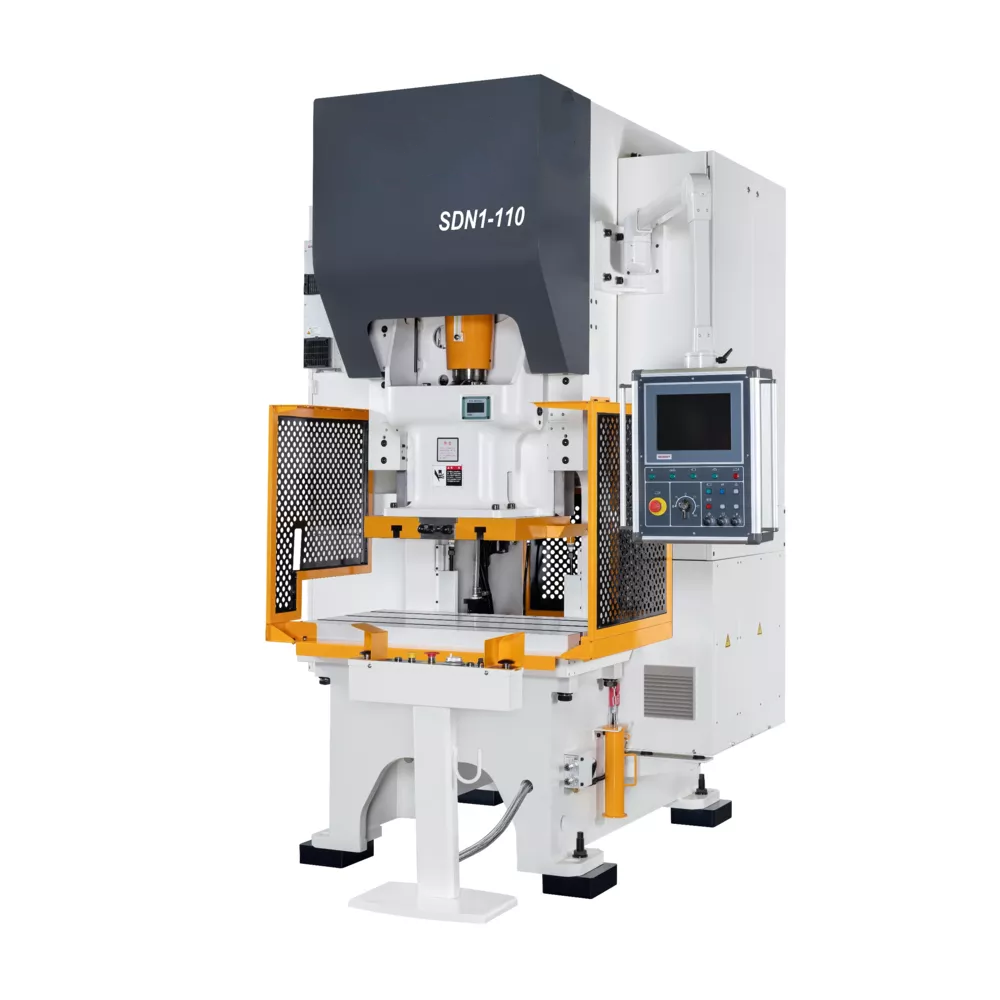
Key Considerations for Angle Steel Processing
When evaluating the needs of an angle steel processing line, several factors must be prioritized to ensure the selected industrial punching machine meets the specific demands of the project. The first consideration is material specification. Angle steel comes in various grades, such as ASTM A36 or S235JR, and different dimensions. The machine must possess the necessary tonnage to punch through the maximum thickness of the material without causing structural deformation or excessive wear on the tooling. A machine that is underpowered will lead to frequent breakdowns and poor hole quality.
Precision and repeatability are the next critical factors. In structural applications, holes must align perfectly with mating components. Even a deviation of a few millimeters can render a large steel beam useless or, worse, compromise the safety of a structure. Industrial punching machines equipped with CNC positioning systems use high-precision ball screws and servo motors to ensure that every hole is placed exactly where the CAD model specifies. This level of accuracy eliminates the need for manual layout and significantly reduces the time spent on quality control inspections.
Production volume and cycle time are also paramount. For a business to remain profitable, the machine must be able to handle high volumes of work with minimal downtime. This involves looking at the ‘hit rate’ or the number of punches the machine can perform per minute. Furthermore, the speed of the material feeding system is just as important as the punching speed itself. An efficient industrial punching machine will have a rapid-traverse feeding mechanism that minimizes the time between punches, ensuring that the machine is constantly working rather than waiting for material to move.
Safety and ergonomics cannot be overlooked in a modern factory setting. Older punching machines were often loud, vibration-heavy, and lacked adequate guarding. Modern industrial punching machines are designed with enclosed work areas, light curtains, and emergency stop systems to protect operators. Additionally, noise reduction technologies and vibration-dampening mounts make the work environment more sustainable for long shifts. Reducing the physical strain on operators through automated loading and unloading systems also contributes to a more efficient and safer workplace.
Finally, the versatility of the tooling system is a major consideration. Angle steel processing often requires different hole shapes—round, square, or slotted—and different sizes. A machine with a multi-station turret or a quick-change tool system allows the operator to switch between tasks without lengthy setup times. This flexibility is crucial for job shops that handle a wide variety of projects with varying specifications. The ability to perform punching, marking, and shearing in one setup is the ultimate goal for streamlining the production process.
Technical Details of Industrial Punching Machines
The heart of an industrial punching machine lies in its hydraulic system. High-pressure hydraulic pumps deliver the force necessary to drive the punch through thick steel. In high-end models, proportional valves are used to control the speed and pressure of the ram with extreme precision. This allows for ‘soft-touch’ punching, where the punch approaches the material quickly but slows down just before impact to reduce noise and tool wear. The hydraulic system must also be equipped with efficient cooling mechanisms to maintain consistent performance during continuous operation.
The CNC control system acts as the brain of the machine. Modern units typically feature a user-friendly interface, often based on Windows or a dedicated industrial OS, which allows operators to import DXF or DSTV files directly from structural design software like Tekla or AutoCAD. This direct integration eliminates manual data entry errors. The software calculates the most efficient punching sequence to minimize material travel and tool changes. Advanced features might include ‘nesting’ capabilities, which optimize the layout of parts on a single length of angle steel to minimize scrap.
Comparison of Punching Technologies
| Feature | Manual Punching | Mechanical Punching | CNC Hydraulic Punching |
|---|---|---|---|
| Accuracy | Low (Manual Layout) | Moderate | High (+/- 0.1mm) |
| Speed | Slow | Fast (Fixed Cycle) | Variable/High Speed |
| Flexibility | High (Operator Dependent) | Low | Very High (Programmable) |
| Labor Intensity | Very High | High | Low |
| Tooling Life | Moderate | Low (High Impact) | High (Controlled Force) |
The mechanical structure of the machine, often referred to as the ‘C-frame’ or ‘H-frame,’ must be exceptionally rigid. During the punching process, the frame is subjected to immense stress. Any deflection in the frame will result in misaligned holes and premature tool failure. High-quality industrial punching machines use stress-relieved, welded steel frames or heavy-duty castings to ensure long-term stability. The guiding system for the ram is also critical; high-precision linear guides ensure that the punch enters the die perfectly centered every time.
Tooling is another technical area where quality makes a massive difference. Punches and dies are typically made from high-grade tool steels like D2 or M2, which are heat-treated to achieve the perfect balance of hardness and toughness. Some applications benefit from specialized coatings like TiAlN (Titanium Aluminum Nitride) to reduce friction and heat buildup. The clearance between the punch and the die must be carefully calculated based on the thickness and type of material being processed; incorrect clearance leads to excessive burrs or even tool breakage.
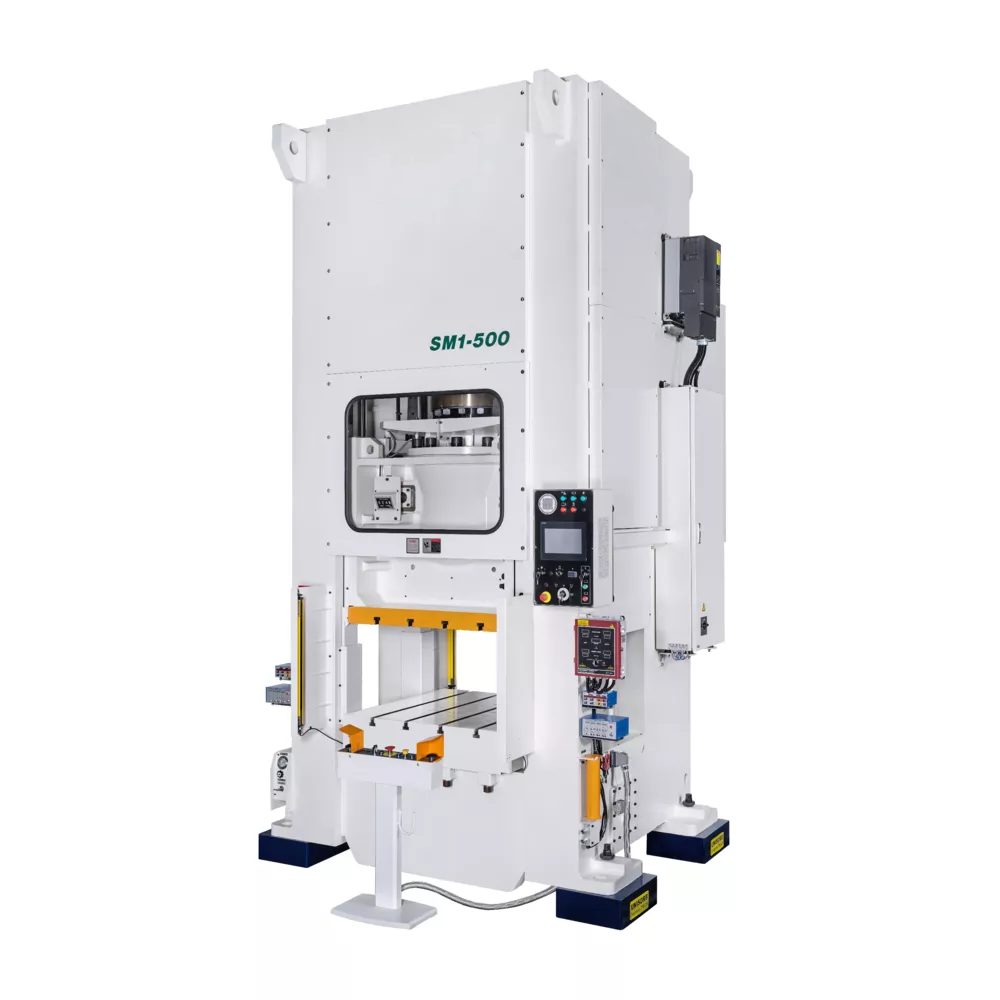
Selection Advice: Choosing the Right Machine for Your Shop
Selecting the right industrial punching machine requires a deep dive into your current production data and future growth projections. Start by analyzing the maximum and minimum sizes of angle steel you process. If your work primarily involves light-duty frames, a 60-ton machine might suffice. However, if you are working on heavy infrastructure or power pylons, you may need a machine capable of 100 to 200 tons of force. Always choose a machine with a capacity slightly higher than your maximum requirement to avoid running the equipment at its absolute limit, which extends its lifespan.
Consider the level of automation that fits your budget and skill level. A fully automated CNC angle line with infeed and outfeed conveyors is a significant investment but offers the highest ROI for high-volume shops. For smaller operations, a semi-automatic machine where the operator manually positions the material against CNC-controlled stops might be a more cost-effective middle ground. Evaluate the ‘total cost of ownership,’ which includes not just the purchase price, but also maintenance costs, power consumption, and the availability of spare parts in your region.
The software ecosystem is just as important as the hardware. Ensure that the machine’s control system is compatible with the design software your engineering team uses. Look for features like remote diagnostics, which allow the manufacturer’s technicians to troubleshoot issues over the internet, potentially saving days of downtime. Additionally, check if the software supports multi-user licenses or if it requires a proprietary format that might lock you into a single vendor’s ecosystem.
Don’t overlook the importance of the manufacturer’s reputation and support network. A machine is only as good as the service behind it. Ask for references from other companies in your industry. Does the manufacturer provide comprehensive training for your operators? How quickly can they ship replacement punches and dies? Companies like HARSLE have built their reputation on providing not just the machinery, but the technical expertise required to keep that machinery running at peak efficiency for decades.
Finally, think about the physical layout of your shop. Industrial punching machines, especially those with long feeding tables, require a significant amount of floor space. Ensure you have the necessary electrical and pneumatic infrastructure to support the machine. Consider the workflow: where does the raw material enter, and where do the finished parts go? A well-placed machine can reduce material handling time by 20% or more, further streamlining your angle steel processing.
Frequently Asked Questions (FAQ)
1. What is the maximum thickness an industrial punching machine can handle?
The maximum thickness depends on the machine’s tonnage and the material’s shear strength. Generally, a 100-ton machine can punch holes up to 25mm in diameter through 20mm thick mild steel. Always consult the manufacturer’s capacity chart for specific limits.
2. How often should I replace the punches and dies?
Tool life varies based on material type, thickness, and lubrication. On average, a high-quality punch can last for 5,000 to 10,000 hits before needing sharpening or replacement. Using proper tool lubricants and maintaining correct clearances can significantly extend this lifespan.
3. Can these machines punch materials other than angle steel?
Yes, most industrial punching machines are versatile. With the right tooling and fixtures, they can process flat bars, U-channels, and even square tubing. However, machines specifically designed as ‘angle lines’ are optimized for the geometry of L-shaped steel.
4. Is CNC training difficult for traditional operators?
Modern CNC interfaces are designed to be intuitive. Most operators with a basic understanding of metal fabrication can learn to operate a CNC punching machine within a few days of training. The software often uses graphical representations that make programming straightforward.
5. What maintenance is required for a hydraulic punching machine?
Regular maintenance includes checking hydraulic oil levels and quality, inspecting hoses for leaks, lubricating moving parts (like the ram and feeding system), and ensuring the cooling fans are clear of dust. A daily inspection of the punch and die for chips or wear is also essential.
6. How does an industrial punching machine improve safety?
By automating the feeding and punching process, the operator’s hands are kept away from the point of operation. Furthermore, features like light curtains and interlocked guards prevent the machine from cycling if a person or object is in the danger zone.
7. What is the typical ROI for a CNC angle punching line?
While the initial investment is high, many shops see a return on investment within 12 to 24 months. This is achieved through reduced labor costs, significantly lower scrap rates, and the ability to take on more complex, higher-volume projects that were previously impossible.
8. Can the machine perform marking for part identification?
Yes, many advanced industrial punching machines include a marking station. This can use character wheels or inkjet systems to stamp part numbers, heat numbers, or assembly marks directly onto the steel during the punching cycle.
9. How do I choose between a mechanical and a hydraulic punching machine?
Mechanical machines are generally faster for thin materials but offer less control. Hydraulic machines provide full tonnage throughout the entire stroke, are quieter, and allow for adjustable stroke lengths, making them the preferred choice for heavy-duty industrial applications.
10. Does the machine require a special foundation?
Heavy-duty industrial punching machines often require a reinforced concrete pad to handle the vibrations and the weight of the machine. The manufacturer will provide a foundation plan specifying the depth and reinforcement required for your specific model.
Conclusion: The Future of Angle Steel Fabrication
The case study of streamlining angle steel processing with an industrial punching machine reveals a clear trend: automation and precision are the primary drivers of success in the metal fabrication industry. By moving away from manual, error-prone methods, manufacturers can achieve a level of consistency and speed that opens up new market opportunities. The integration of CNC technology, robust hydraulic systems, and intelligent software transforms a simple punching task into a highly optimized production cell.
As we have seen, the benefits extend far beyond just making holes. The reduction in material waste, the improvement in worker safety, and the ability to integrate directly with modern design software create a more resilient and profitable business model. For companies looking to stay ahead of the curve, investing in high-quality equipment from trusted manufacturers like HARSLE is not just an expense—it is a strategic move toward long-term industrial excellence.
In conclusion, whether you are looking to upgrade a single machine or overhaul an entire production line, the principles of the ‘Case Study: Streamlining Angle Steel Processing An Industrial Punching Machine’ serve as a vital guide. The future of fabrication is faster, smarter, and more precise. By embracing these technological advancements today, you ensure that your operations are ready for the challenges of tomorrow’s infrastructure demands. Efficiency is the bridge to profitability, and the right industrial punching machine is the tool that builds it.


