How a Fabrication Business Reduced Rework with a High-Precision Punching Machine


Introduction: The Challenge of Precision in Modern Fabrication
In the competitive landscape of metal manufacturing, precision is not just a luxury—it is the foundation of profitability. For many years, mid-sized workshops have struggled with the mounting costs of material waste and labor hours lost to correcting errors. Recently, a notable case study emerged where a fabrication business reduced rework a high-precision punching machine, specifically by upgrading their aging mechanical presses to advanced CNC technology. This transition highlights a critical shift in the industry: the move from “good enough” manual processes to the absolute accuracy of automated systems.
Rework is the silent killer of margins. When a hole is punched even a fraction of a millimeter off-center, or when a sheet is deformed during the process, the entire component often becomes scrap. For the business in our case study, their rework rate hovered around 12%, a figure that was eating into their annual revenue and delaying delivery schedules. By integrating a HARSLE high-precision punching machine, they were able to bring that figure down to less than 1%, fundamentally transforming their production floor.
This article explores the journey of how a fabrication business reduced rework a high-precision punching machine, detailing the technical advantages of modern punching equipment, the key considerations for selecting such machinery, and the long-term impact on operational efficiency. Whether you are a shop owner or a production manager, understanding these dynamics is essential for staying relevant in today’s market.
The Hidden Costs of Rework in Metal Fabrication
Before we dive into the solution, we must understand the problem. Rework involves more than just the cost of the raw material. It includes the energy consumed by the machine, the wear and tear on the tooling, the labor cost of the operator, and the opportunity cost of the time that could have been spent on a new, profitable job. When a fabrication business reduced rework a high-precision punching machine, they weren’t just saving metal; they were reclaiming their schedule.
In many traditional shops, rework is caused by several factors. First is the lack of repeatability in older machines. Mechanical linkages wear down over time, leading to “slop” in the punch head. Second is the human element; manual positioning of sheets is prone to error, especially during long shifts where fatigue sets in. Third is the thermal expansion of the machine components, which can shift the zero-point of the equipment during heavy use.
By addressing these issues with high-precision technology, a business can ensure that the first part is identical to the thousandth part. This level of consistency is what allows for “lights-out” manufacturing and just-in-time delivery models. The reduction in rework also has a psychological benefit: it boosts shop morale. Workers are no longer frustrated by fixing mistakes and can instead focus on optimizing the production flow.
Key Considerations for High-Precision Punching
When evaluating how a fabrication business reduced rework a high-precision punching machine, several key considerations come to the forefront. It is not enough to simply buy a new machine; one must select a machine that aligns with the specific material types and thicknesses handled by the shop.
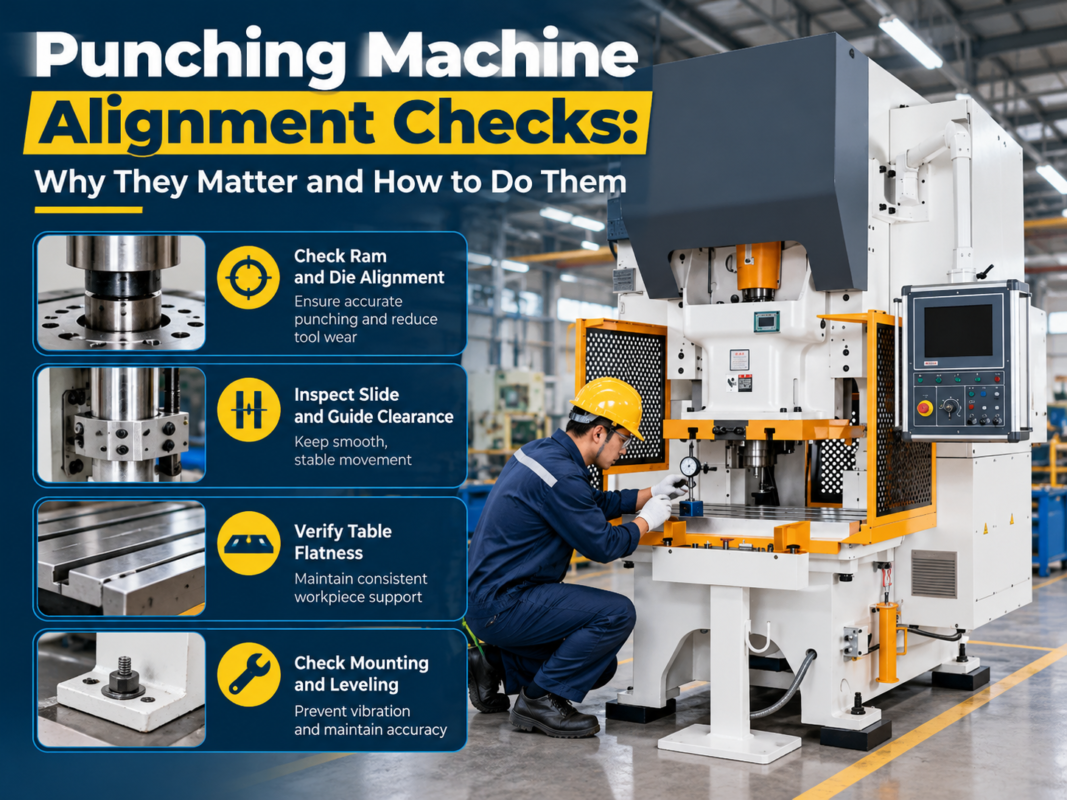
- Frame Rigidity: A high-precision machine must have a robust frame, typically an O-frame or a heavy-duty C-frame, to minimize deflection under high tonnage. Deflection is a primary cause of misalignment between the punch and the die.
- CNC Control Sophistication: The brain of the machine determines its accuracy. Modern controllers can compensate for material thickness variations and provide real-time feedback on the punching force.
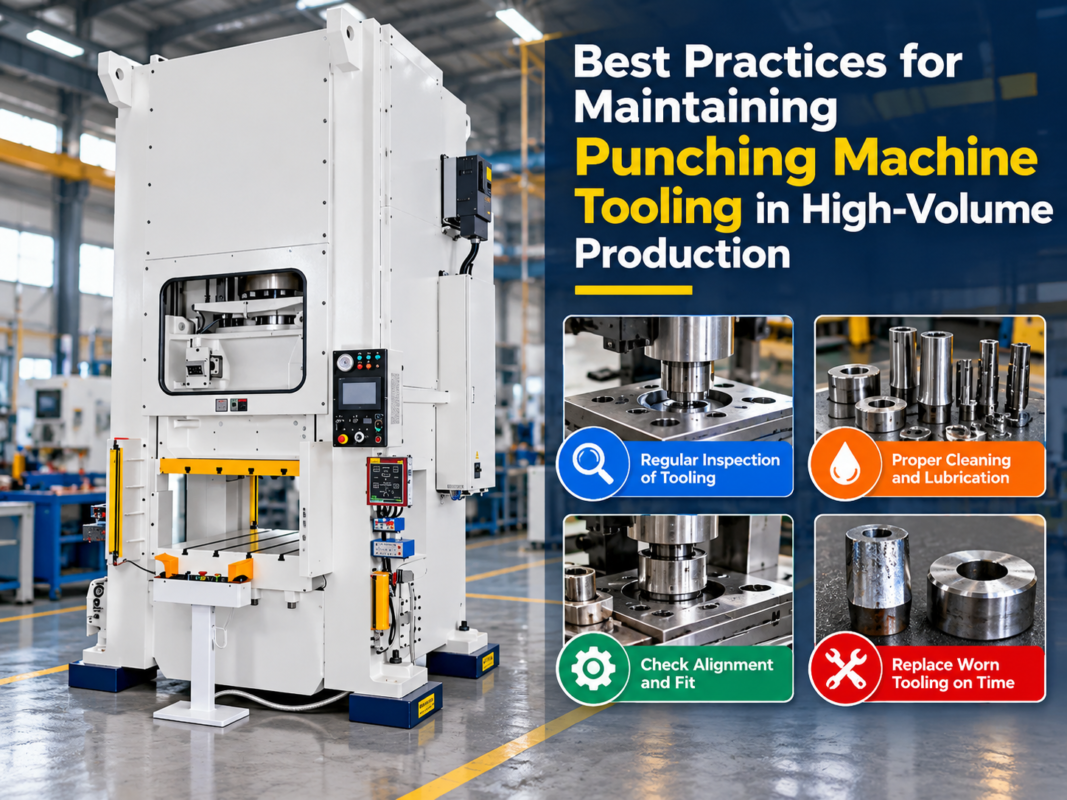
- Tooling Quality: Even the best machine cannot compensate for poor-quality tools. Precision-ground tooling ensures clean shears and prevents burrs that would otherwise require manual grinding.
- Servo-Electric vs. Hydraulic: While both have their merits, servo-electric punching machines offer superior control over the stroke profile, allowing for quieter operation and finer precision in delicate materials.
Furthermore, the integration of software is a vital consideration. CAD/CAM software that communicates seamlessly with the punching machine allows for optimized nesting. This reduces the skeleton waste and ensures that the clamps are positioned correctly to avoid “dead zones” where the machine cannot reach, further reducing the risk of errors.
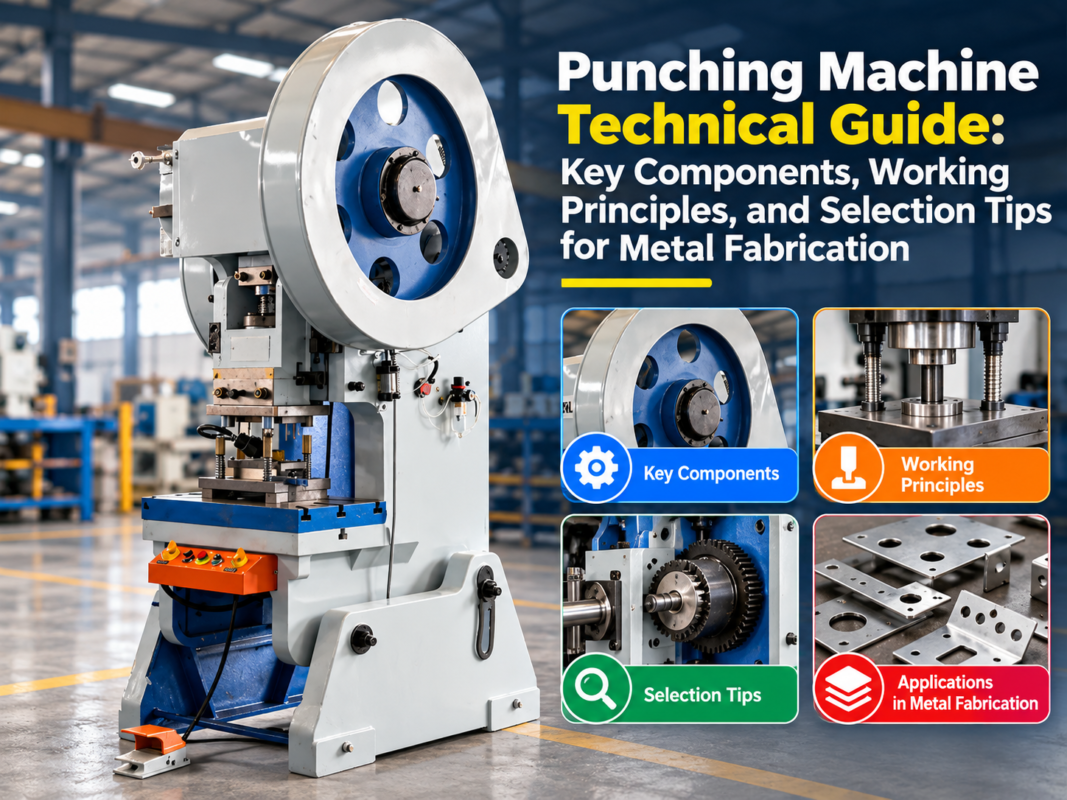
Technical Details: Inside the HARSLE High-Precision Punching Machine
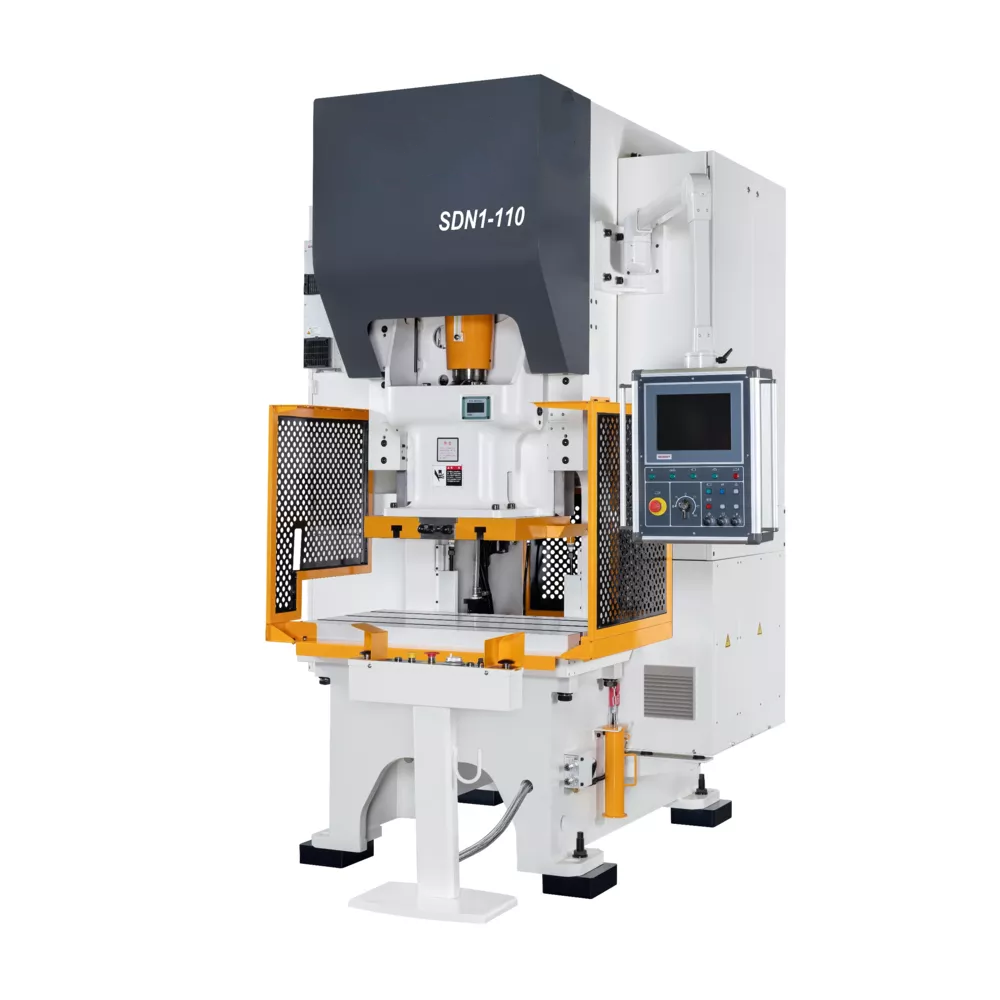
To understand how a fabrication business reduced rework a high-precision punching machine, we must look at the technical specifications that make such a feat possible. HARSLE machines are engineered with a focus on the synergy between mechanical stability and electronic precision.
1. Advanced Servo Drive Systems
Unlike traditional mechanical flywheels that deliver a fixed blow, HARSLE’s servo-driven systems allow the operator to program the speed and depth of the punch. This is crucial when working with materials like aluminum, which can crack if hit too hard, or stainless steel, which requires a steady, powerful force. The ability to control the “hover” height of the punch also speeds up the cycle time without sacrificing accuracy.
2. Auto-Index Stations
One of the biggest time-wasters and sources of error in punching is the need to manually rotate tools or move the workpiece to achieve different angles. High-precision machines feature auto-index stations that can rotate the tool 360 degrees. This allows for complex geometries to be punched with a single tool set, reducing the number of tool changes and the potential for misalignment during those changes.
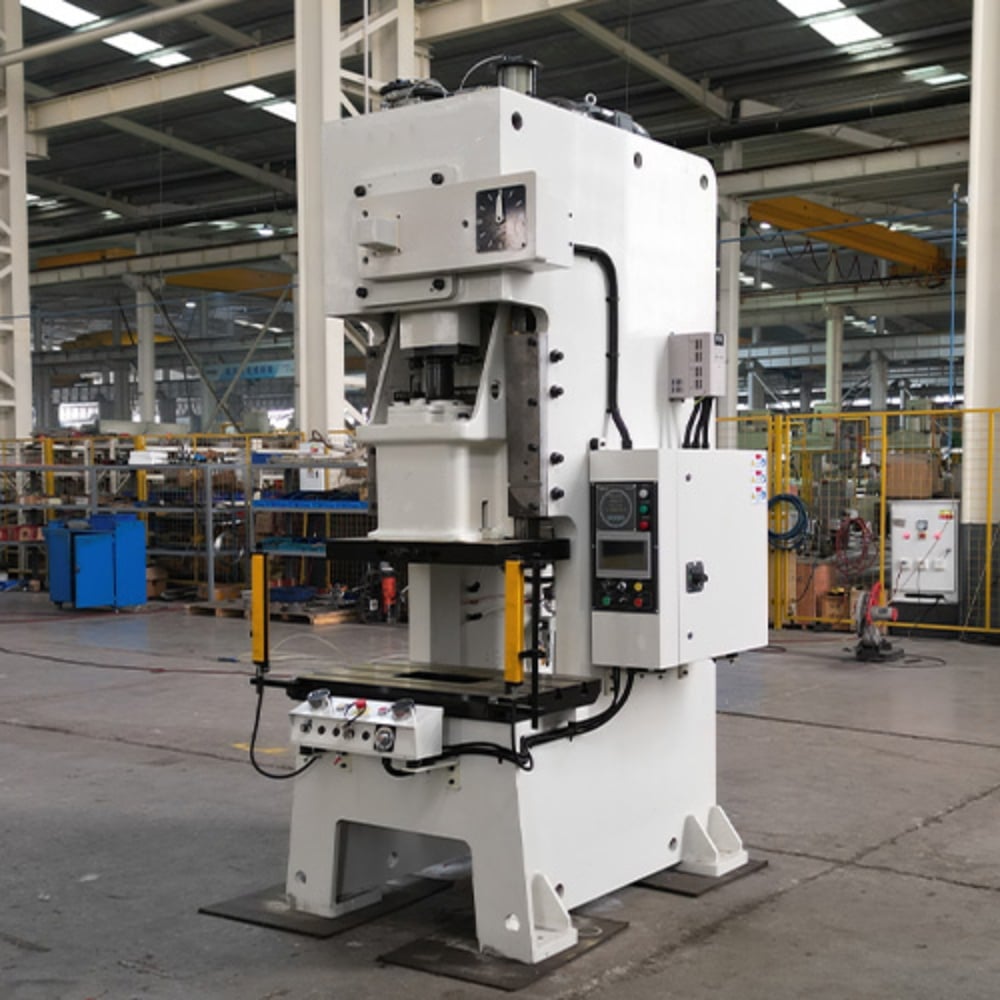
3. Precision Ball Screws and Linear Guides
The movement of the sheet metal is handled by high-precision ball screws and linear guides. In the case of the business that reduced rework, their new machine utilized oversized, pre-loaded ball screws that eliminated backlash. This ensures that the positioning of the sheet is accurate to within ±0.1mm across the entire working area.
4. Intelligent Sensing Technology
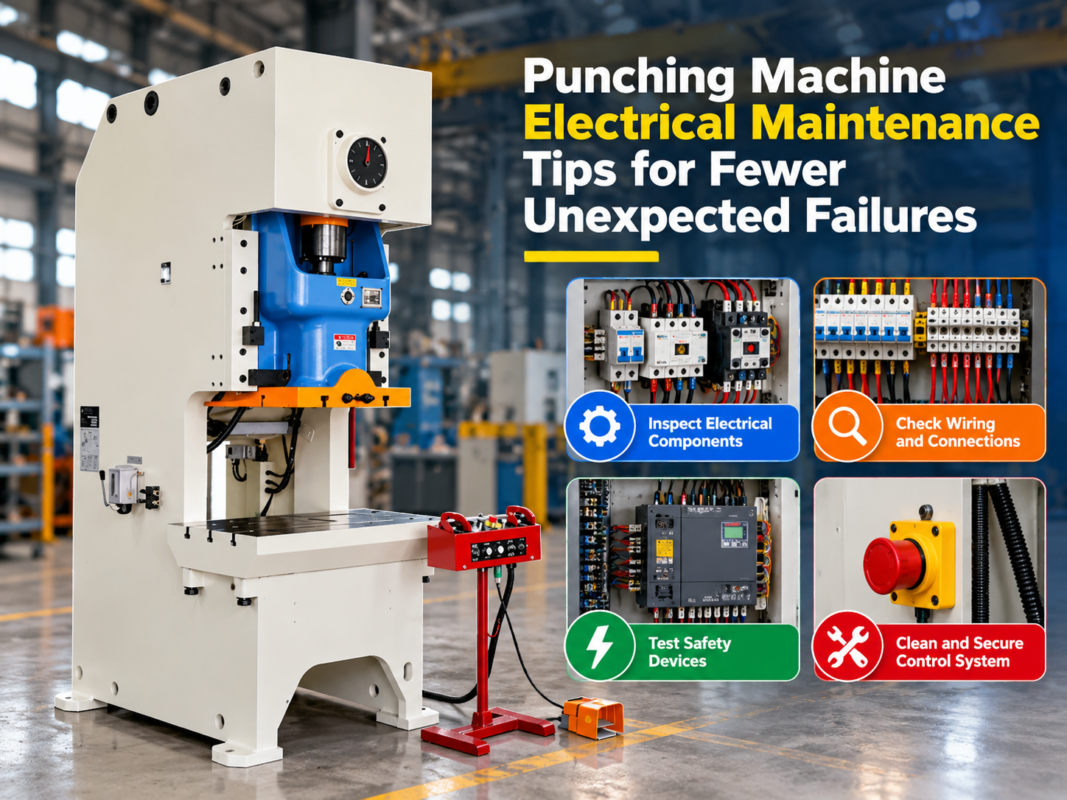
Modern HARSLE machines are equipped with sensors that detect sheet slippage or tool breakage instantly. If a clamp loses its grip or a punch shatters, the machine stops immediately. This prevents the machine from continuing to punch a ruined sheet, effectively capping the rework at a single part rather than a whole batch.
| Feature | Traditional Mechanical Punch | HARSLE High-Precision CNC |
|---|---|---|
| Positioning Accuracy | ±0.5 mm | ±0.1 mm |
| Stroke Control | Fixed | Fully Programmable Servo |
| Tool Rotation | Manual / Fixed | 360° Auto-Index |
| Energy Efficiency | Low (Constant Motor Run) | High (Power only on demand) |
| Rework Rate (Avg) | 8-15% | <1% |
Selection Advice: Choosing the Right Machine for Your Shop
If you are looking to replicate the success where a fabrication business reduced rework a high-precision punching machine, the selection process must be rigorous. It is not just about the highest tonnage; it is about the smartest application of force.
First, analyze your most common material thickness. If you primarily work with 1mm to 3mm sheets, a 20-ton or 30-ton high-speed servo punch is often more effective than a 50-ton monster. The lighter machine will have faster cycle times and more delicate control, which is essential for preventing the “oil-canning” effect (warping) in thin sheets.
Second, consider the turret capacity. A larger turret allows you to keep more tools loaded simultaneously. This reduces the downtime associated with setup. For a business focused on reducing rework, having the right tool always available means less temptation for operators to “make do” with a sub-optimal tool, which is a common cause of poor part quality.
Third, evaluate the software ecosystem. Does the machine’s controller support the file formats your design team uses? Can it simulate the punching process before the first hit? Simulation is a powerful tool for reducing rework because it identifies potential collisions or nesting errors in a virtual environment before any metal is cut.
Finally, look at the manufacturer’s support and training. A high-precision machine is a sophisticated piece of equipment. Ensuring your operators are fully trained on the CNC interface and maintenance protocols is the only way to sustain the precision over the long term. HARSLE provides comprehensive training to ensure that the transition to high-precision equipment is seamless and that the reduction in rework is immediate.
Maintenance Strategies to Sustain Precision
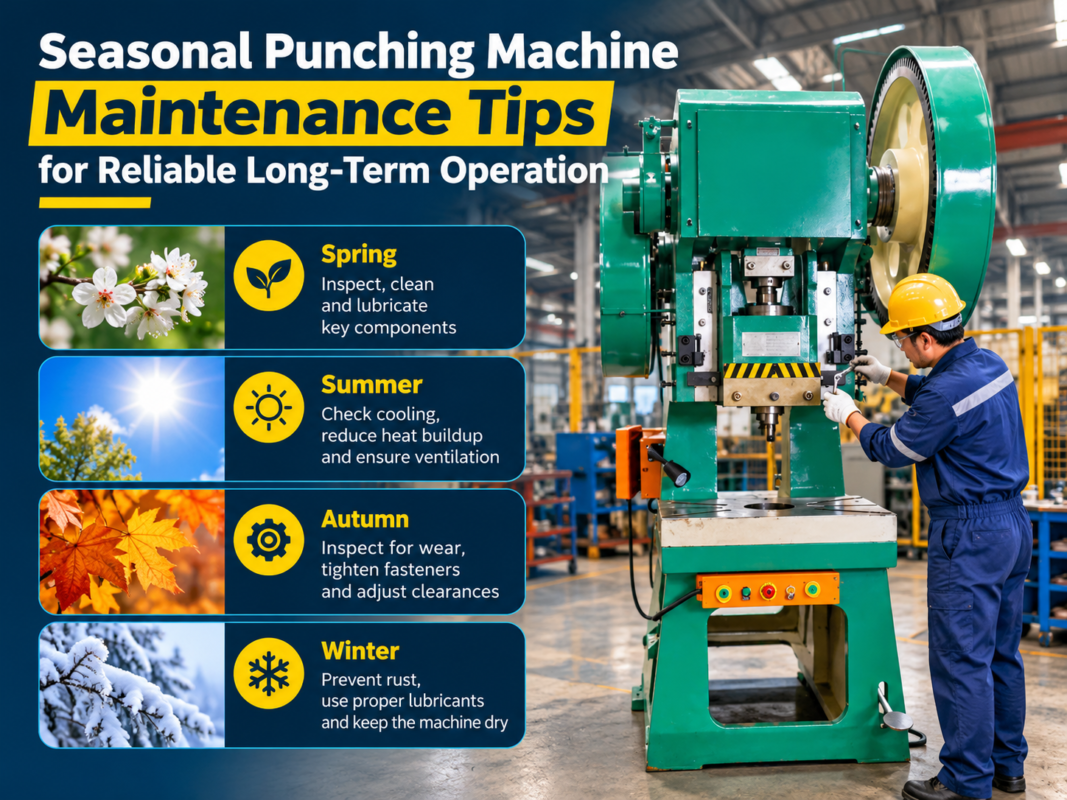
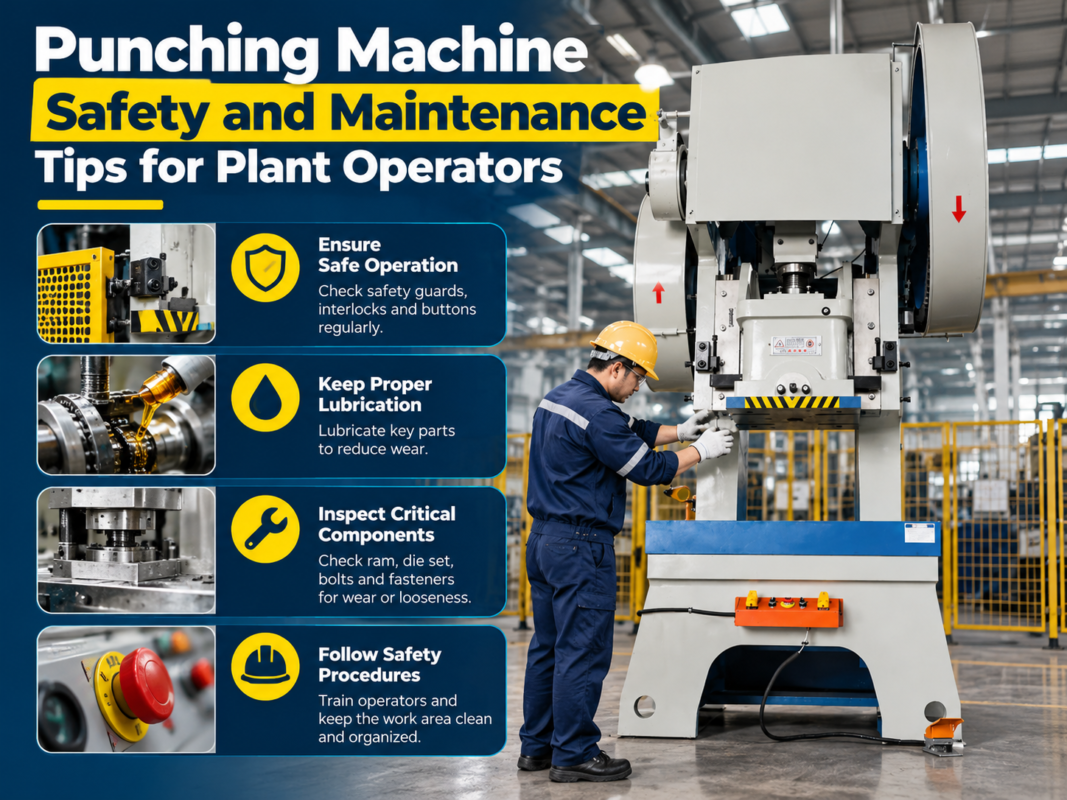
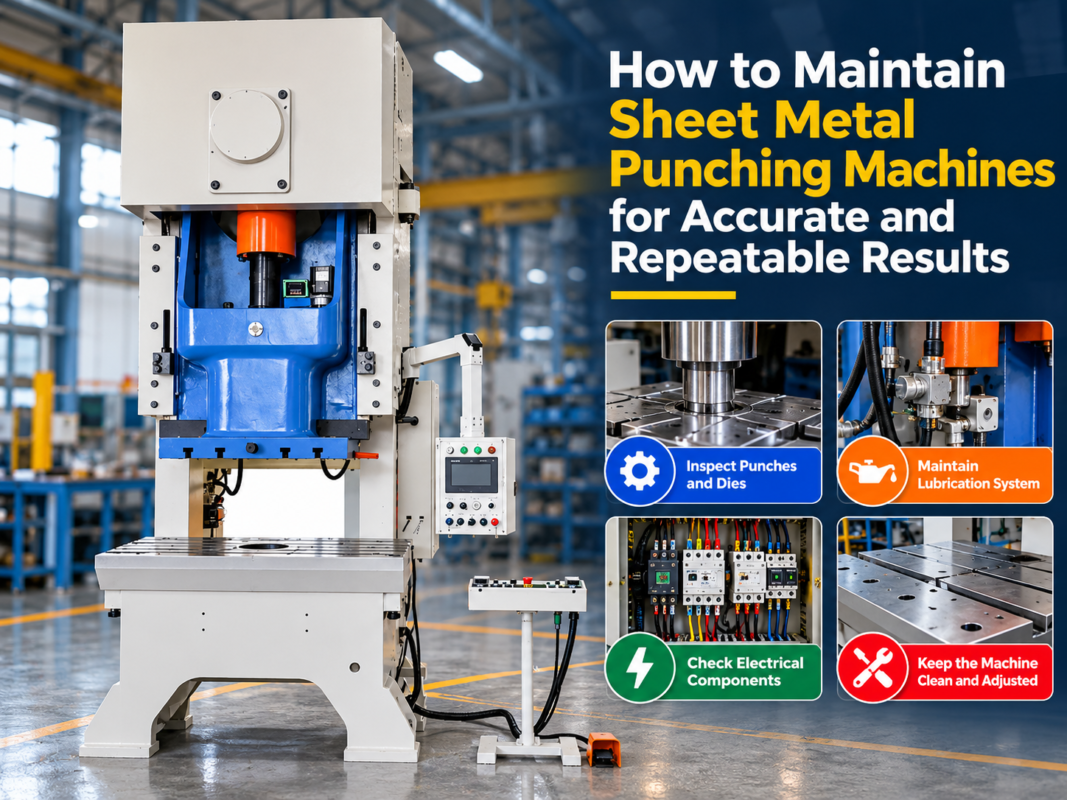
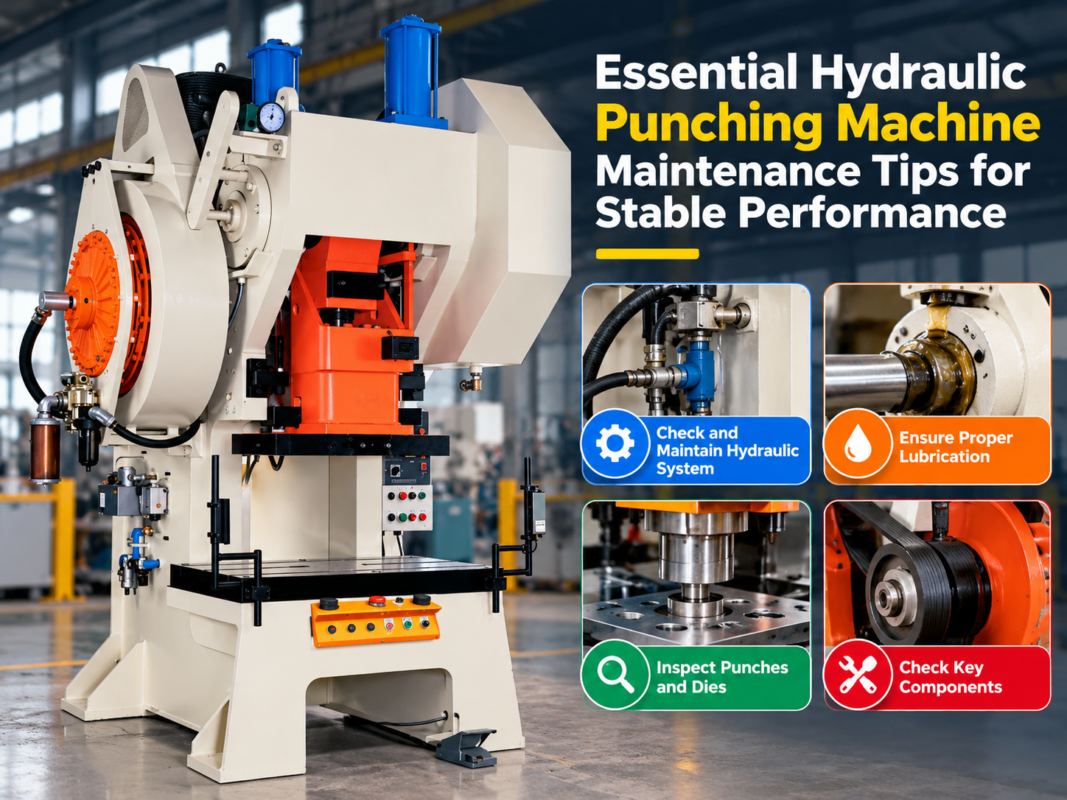
Even the best machine will lose its edge without proper care. To maintain the status where a fabrication business reduced rework a high-precision punching machine, a strict maintenance schedule is required. Precision is a result of the harmony between moving parts, and any friction or debris can disrupt that harmony.
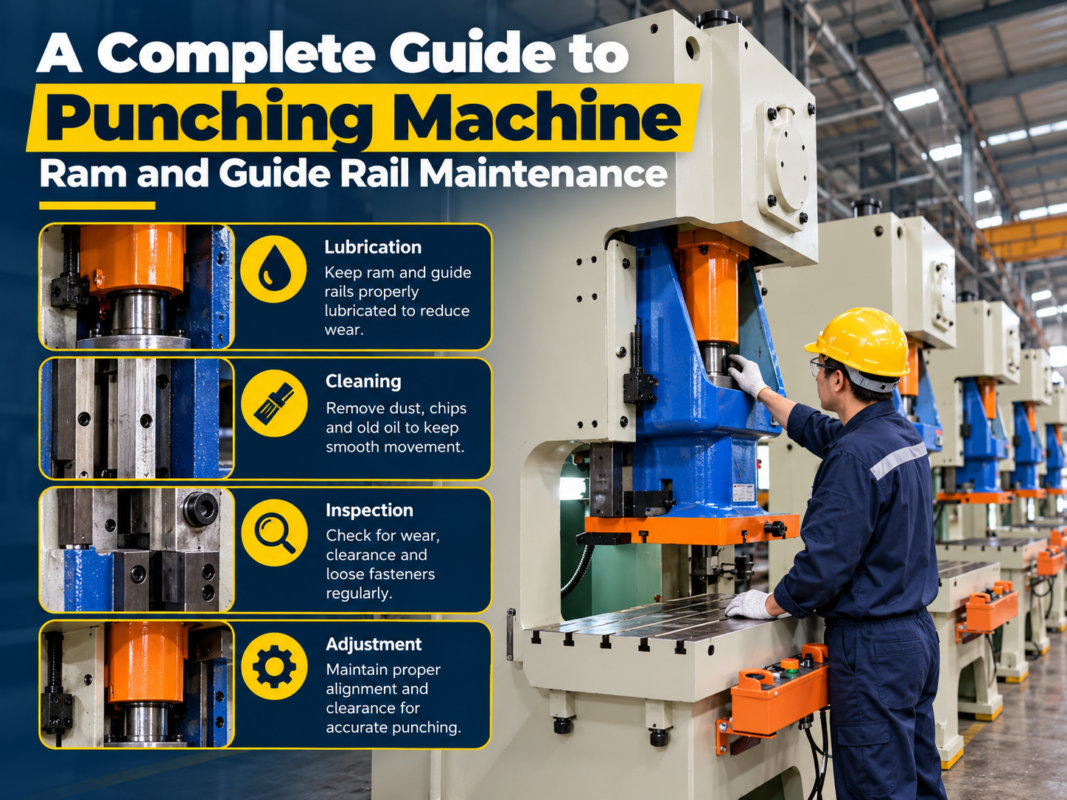
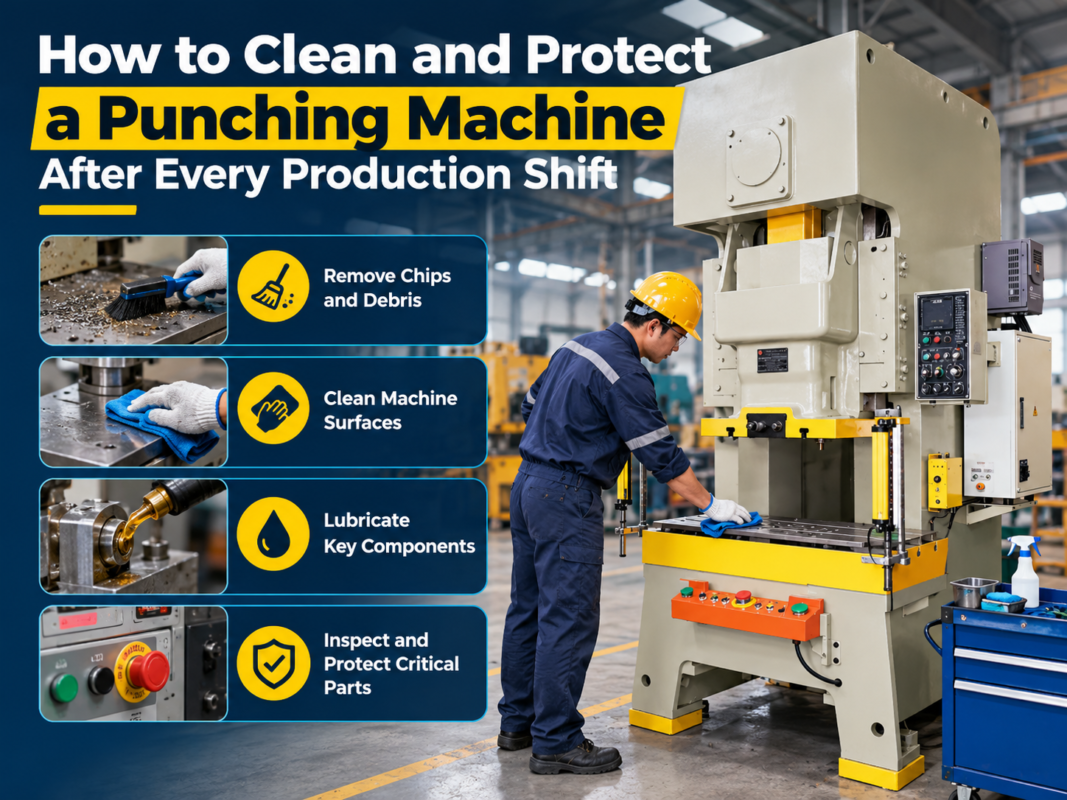
Daily maintenance should include cleaning the table surface and the turret. Metal shavings (slugs) can sometimes bounce back and mar the surface of the sheet or get lodged in the die. Ensuring the vacuum slug removal system is functioning correctly is a simple way to prevent surface defects. Lubrication is also paramount; the linear guides and ball screws must be kept clean and well-greased to prevent the microscopic wear that leads to positioning errors.
Tool sharpening is another critical factor. Dull tools require more force to penetrate the metal, which increases the stress on the machine frame and leads to larger burrs on the part. By implementing a regular tool-sharpening routine using a dedicated grinder, the business in our case study was able to extend the life of their tools by 40% while maintaining a “mirror finish” on their punched holes.
FAQ: Common Questions About High-Precision Punching
How does a CNC punching machine reduce material waste?
CNC punching machines use advanced nesting software to fit as many parts as possible onto a single sheet. Because the machine is highly accurate, the “web” or space between parts can be minimized without the risk of the punch overlapping, significantly increasing material utilization.
Is a high-precision machine harder to operate?
While the technology is more advanced, the user interfaces of modern HARSLE machines are designed to be intuitive. Graphical displays and touchscreens make it easier for operators to load programs and monitor the process compared to the manual adjustments required on older machines.
What is the typical ROI for upgrading to a high-precision punch?
Most businesses see a return on investment within 18 to 24 months. This is calculated based on the savings from reduced scrap, lower labor costs per part, and the ability to take on higher-precision contracts that command a premium price.
Can high-precision punching replace laser cutting?
In many cases, yes. While lasers are better for extremely complex, irregular contours, a punching machine is significantly faster for holes, louvers, and forming operations (like ribs or offsets). For many sheet metal parts, a punching machine is the more cost-effective solution.
Conclusion: The Future of Your Fabrication Business
The story of how a fabrication business reduced rework a high-precision punching machine is a roadmap for any manufacturer looking to thrive in the modern era. The transition from manual, error-prone processes to high-precision CNC technology is no longer an option—it is a necessity. By eliminating the hidden costs of rework, businesses can improve their bottom line, satisfy their customers with perfect parts, and create a more sustainable production environment.
Investing in a HARSLE high-precision punching machine is an investment in the future of your craftsmanship. With the right equipment, technical knowledge, and maintenance strategy, your shop can achieve a level of excellence that sets you apart from the competition. Don’t let rework hold your business back; embrace the precision that modern engineering offers and watch your productivity soar.