
Case Study: Optimizing Stainless Steel Part Production A Punching Machine


Introduction to Stainless Steel Punching Optimization
In the modern landscape of metal fabrication, the demand for high-precision stainless steel components has reached unprecedented levels. Industries ranging from food processing and medical equipment to aerospace and automotive manufacturing rely heavily on the durability and corrosion resistance of stainless steel. However, working with this material presents unique challenges that can hinder production efficiency if not managed correctly. This Case Study: Optimizing Stainless Steel Part Production A Punching Machine explores how advanced CNC punching technology can transform manufacturing bottlenecks into streamlined, high-output processes.
Stainless steel is notorious for its high tensile strength and rapid work-hardening properties. Unlike mild steel, which is relatively forgiving, stainless steel requires a more robust approach to punching. Traditional methods often result in excessive tool wear, burr formation, and material deformation. By implementing a high-performance punching machine, manufacturers can achieve tighter tolerances and cleaner edges, which are critical for high-end applications. This article delves into the technical nuances of this transition, highlighting the strategic advantages of upgrading to modern industrial machinery.
The primary objective of this case study is to demonstrate how a systematic approach to machine selection, tooling configuration, and process parameters can lead to a significant reduction in cycle times and scrap rates. We will examine the mechanical requirements of the punching machine, the importance of software integration, and the long-term economic benefits of investing in high-quality equipment like those offered by HARSLE. Through detailed analysis, we aim to provide a roadmap for fabricators looking to optimize their stainless steel production lines.
As we navigate through the complexities of metal fabrication, it becomes clear that the machine is only one part of the equation. The synergy between the operator, the software, and the mechanical hardware determines the ultimate success of the production run. This guide serves as a comprehensive resource for understanding these dynamics and making informed decisions in an increasingly competitive market.
Key Considerations for Stainless Steel Part Production
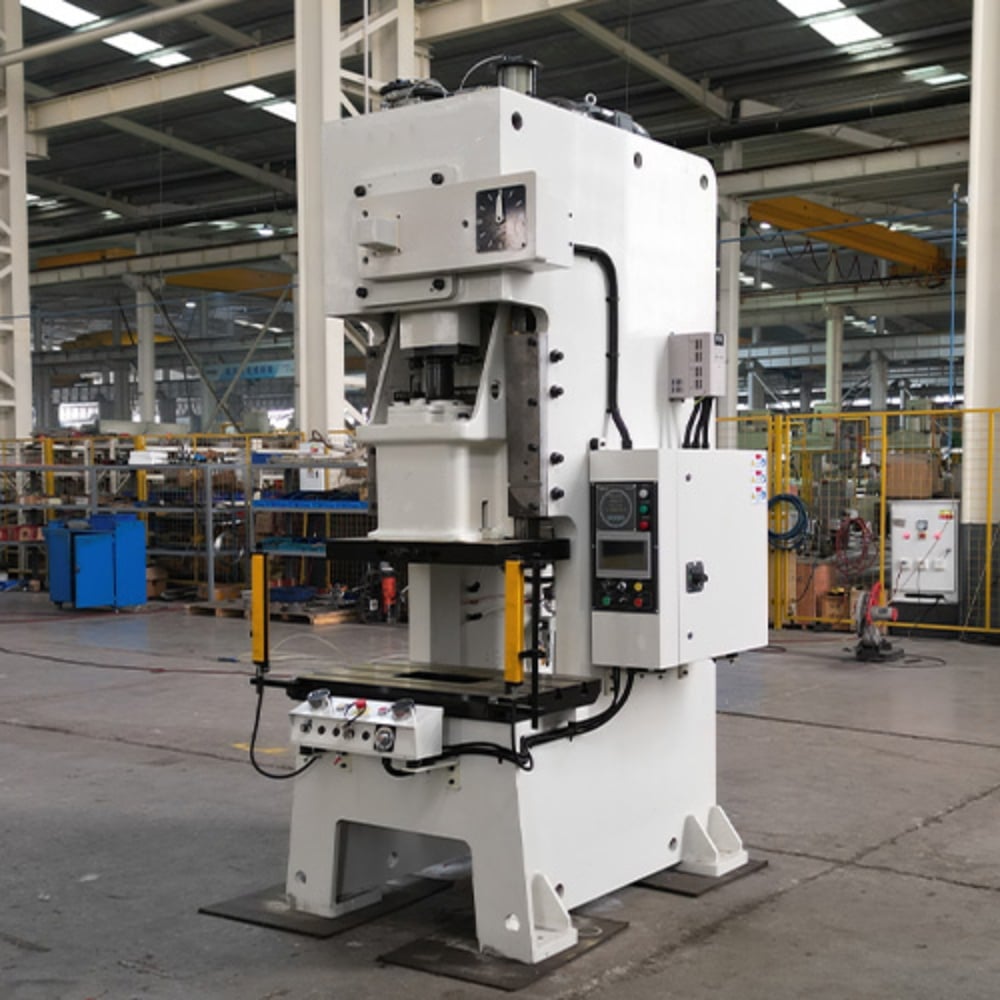
When optimizing stainless steel production, the first step is understanding the material’s inherent characteristics. Stainless steel, particularly the 300 series (such as 304 and 316), possesses a high nickel and chromium content, which contributes to its toughness. This toughness means that the punching machine must exert significantly more force compared to punching aluminum or carbon steel. Failure to account for this can lead to machine strain and premature failure of the punching head.
Another critical factor is the phenomenon of work hardening. As the punch penetrates the material, the area surrounding the hole becomes harder and more brittle. If the machine’s stroke speed and pressure are not finely tuned, this can lead to cracking or excessive tool dulling. In our Case Study: Optimizing Stainless Steel Part Production A Punching Machine, we emphasize the need for a machine that offers variable stroke control, allowing the operator to adjust the impact velocity based on the material thickness and grade.
Tooling and Die Clearance
Die clearance is perhaps the most misunderstood aspect of stainless steel punching. For most materials, a standard clearance of 15-20% of the material thickness is sufficient. However, for stainless steel, this clearance often needs to be tighter to ensure a clean shear and minimize the rollover of the edge. A tight clearance reduces the burr but increases the friction on the punch, necessitating high-quality coatings like TiCN (Titanium Carbonitride) to extend tool life.
Furthermore, the geometry of the punch itself plays a vital role. Using a “whisper” or roof-top shear punch can significantly reduce the initial impact force and noise levels. This is particularly beneficial when working with thicker gauges of stainless steel, as it spreads the load over a longer duration of the stroke, protecting both the machine’s frame and the internal hydraulic or servo components.
Lubrication and Cooling
Heat is the enemy of precision in metal punching. The friction generated during the high-speed punching of stainless steel can cause the material to expand slightly, leading to dimensional inaccuracies. Moreover, excessive heat can cause the material to gall or weld itself to the punch tip. Implementing an automated lubrication system that delivers a precise mist of high-performance oil to the punch and die is essential for maintaining consistency over long production runs.
In high-volume environments, cooling the sheet itself may also be necessary. Some advanced punching machines incorporate air-cooling systems or specialized tables that dissipate heat more effectively. By managing the thermal profile of the operation, manufacturers can ensure that every part, from the first to the thousandth, meets the required specifications without the need for secondary finishing processes.
Technical Details of the Punching Process
The technical heart of the optimization process lies in the machine’s ability to handle high-tonnage loads with repeatable accuracy. A typical CNC turret punch press used for stainless steel should have a capacity of at least 30 tons, though 50 tons is preferred for thicker materials. The frame of the machine must be exceptionally rigid—usually a closed O-frame design—to prevent “yawing” or deflection during the punching cycle. Deflection is a major cause of tool misalignment, which leads to uneven wear and poor part quality.
Modern machines utilize either hydraulic or servo-electric drive systems. Hydraulic systems are known for their raw power and ability to maintain constant pressure throughout the stroke, making them ideal for heavy-duty stainless steel applications. On the other hand, servo-electric systems offer superior energy efficiency and incredibly precise control over the punch position, which is advantageous for forming operations like louvers or offsets within the same setup.
CNC Control and Nesting Efficiency
The software controlling the punching machine is just as important as the hardware. Advanced CNC controllers allow for real-time monitoring of the punching force and stroke depth. In the context of our Case Study: Optimizing Stainless Steel Part Production A Punching Machine, the integration of sophisticated nesting software proved to be a game-changer. Nesting optimizes the layout of parts on a single sheet of stainless steel, minimizing waste and reducing the number of tool changes required.
Effective nesting also considers the grain of the stainless steel. For certain applications, the orientation of the part relative to the rolling direction of the sheet can affect the strength and appearance of the final product. High-end software can automatically adjust the nesting pattern to account for these variables while ensuring that the machine’s turret path is as efficient as possible, thereby reducing the overall cycle time.
Table 1: Recommended Die Clearances for Stainless Steel
| Material Thickness (mm) | Recommended Clearance (%) | Punch Force (Estimated Tons/Hole) | Tool Coating Recommendation |
|---|---|---|---|
| 1.0 mm | 12% – 15% | 2.5 – 3.0 | Standard / TiN |
| 2.0 mm | 15% – 18% | 5.0 – 6.5 | TiCN / Optima |
| 3.0 mm | 18% – 22% | 8.0 – 10.0 | Heavy Duty TiCN |
| 4.0 mm+ | 20% – 25% | 12.0+ | Specialized Carbide |
The table above illustrates the relationship between material thickness and the technical parameters required for successful punching. As the thickness increases, the clearance must be adjusted to prevent excessive tool pressure, while the force requirements scale linearly. Understanding these technical details allows operators to pre-configure their machines for maximum efficiency before the first sheet is even loaded.
Selection Advice for Industrial Punching Machines
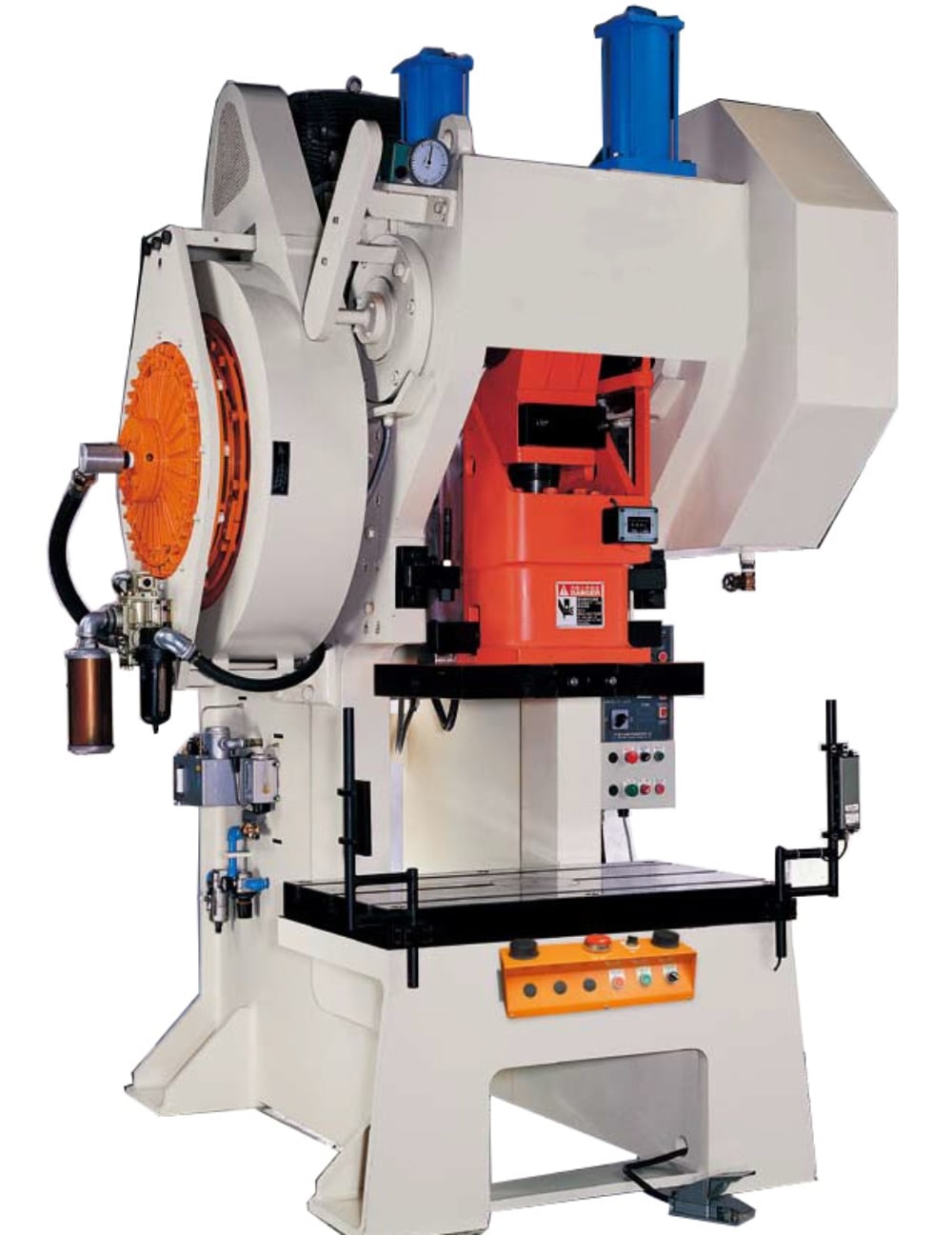
Choosing the right punching machine for stainless steel production requires a balance between power, precision, and versatility. For businesses focusing on high-volume part production, a CNC turret punch press is often the best choice. These machines feature a rotating turret that holds dozens of different tools, allowing for complex geometries to be punched in a single pass without manual intervention. When selecting a turret press, consider the number of “auto-index” stations, which allow tools to rotate to any angle, further increasing the machine’s flexibility.
Another critical factor is the throat depth of the machine. This determines the maximum width of the sheet that can be processed. For large-scale industrial applications, a throat depth of 1250mm to 1500mm is standard. However, if you are producing smaller, intricate parts, a more compact machine might offer higher speeds and lower operating costs. Always evaluate your current product portfolio and future growth plans before settling on a specific machine size.
Hydraulic vs. Servo-Electric: Which is Better?
The debate between hydraulic and servo-electric systems is ongoing. Hydraulic machines are generally more robust and can handle the high-impact nature of stainless steel punching with ease. They are also typically more cost-effective upfront. However, they require more maintenance due to the hydraulic oil, filters, and potential leaks. Servo-electric machines, while more expensive initially, offer significant savings in electricity and provide a quieter working environment. For stainless steel, the choice often comes down to the specific gauge of material; for very thick sheets, hydraulics still hold a slight edge in terms of pure punching power.
Furthermore, look for machines that offer “Multi-Tool” compatibility. This allows a single station in the turret to hold multiple smaller punches, effectively increasing the tool capacity of the machine without increasing its footprint. This is particularly useful for stainless steel parts that require many small holes or intricate patterns, as it reduces the need for frequent turret reconfigurations.
Buyer’s Checklist for Stainless Steel Punching Machines
- Tonnage Capacity: Ensure the machine can handle at least 20% more than your maximum calculated force requirement.
- Frame Rigidity: Opt for a heavy-duty O-frame to minimize deflection and tool wear.
- Control System: Look for user-friendly CNC interfaces (like Fanuc or Siemens) with built-in diagnostic tools.
- Tooling Compatibility: Check if the machine uses standard thick-turret or thin-turret tooling for easier sourcing.
- After-Sales Support: Ensure the manufacturer (like HARSLE) provides comprehensive training and readily available spare parts.
- Automation Options: Consider if the machine can be upgraded with automatic loading and unloading systems in the future.
Maintenance and Longevity of Punching Equipment
To maintain the gains achieved in our Case Study: Optimizing Stainless Steel Part Production A Punching Machine, a rigorous maintenance schedule is non-negotiable. Stainless steel punching puts immense stress on the machine’s mechanical components. Regular inspection of the turret alignment is crucial; even a fraction of a millimeter of misalignment can cause the punch to hit the die off-center, leading to catastrophic tool failure and potential damage to the turret itself.
Lubrication systems must be checked daily. Since stainless steel requires consistent lubrication to prevent galling, any failure in the oil delivery system will immediately result in poor part quality and increased tool wear. Additionally, the hydraulic oil in hydraulic machines should be analyzed periodically for contaminants and replaced according to the manufacturer’s recommendations to ensure the valves and cylinders operate smoothly.
Tool sharpening is another vital aspect of maintenance. Many fabricators wait until they see a large burr on the part before sharpening their punches. However, a proactive approach—sharpening tools after a set number of hits—will actually extend the total life of the tool and ensure consistent part quality. Investing in an automated tool grinder can pay for itself by reducing the downtime associated with manual sharpening and ensuring that every tool is ground to the correct angle and finish.
Frequently Asked Questions (FAQ)
1. Why is stainless steel harder to punch than mild steel?
Stainless steel contains alloying elements like chromium and nickel, which increase its tensile strength and cause it to work-harden rapidly. This means the material becomes tougher as it is being deformed, requiring more force and specialized tooling to achieve a clean punch.
2. What is the ideal die clearance for 2mm stainless steel?
For 2mm stainless steel, a die clearance of approximately 15% to 18% of the material thickness (0.30mm to 0.36mm total clearance) is generally recommended. This helps balance the need for a clean edge with the desire to minimize tool wear.
3. Can I use standard tools for stainless steel?
While standard tools can be used, they will dull very quickly. It is highly recommended to use high-speed steel (HSS) tools with specialized coatings like TiCN or Optima, which are designed to withstand the high heat and friction associated with stainless steel fabrication.
4. How does CNC nesting improve production?
CNC nesting software calculates the most efficient way to place parts on a sheet of metal. This reduces material waste (scrap), minimizes the distance the sheet travels between punches, and optimizes tool change sequences, all of which contribute to faster production times.
5. Is a servo-electric punching machine powerful enough for stainless steel?
Yes, modern servo-electric machines are incredibly powerful and can handle stainless steel up to certain thicknesses (usually up to 6mm depending on the model). They offer the added benefit of precise stroke control, which is excellent for maintaining part quality in tough materials.
Conclusion: The Future of Stainless Steel Fabrication
As demonstrated in this Case Study: Optimizing Stainless Steel Part Production A Punching Machine, the path to efficiency lies in the integration of high-quality hardware, smart software, and disciplined maintenance. Stainless steel will continue to be a staple material in high-end manufacturing, and the ability to process it quickly and accurately will remain a significant competitive advantage. By upgrading to advanced CNC punching machines, fabricators can not only meet current demands but also position themselves to take on more complex and lucrative projects in the future.
The transition from traditional methods to an optimized punching process involves a learning curve, but the rewards—reduced waste, lower tool costs, and faster turnaround times—are well worth the investment. Companies like HARSLE are at the forefront of this technological evolution, providing the tools and expertise necessary for modern workshops to thrive. Whether you are a small job shop or a large-scale manufacturer, the principles of optimization discussed here will help you unlock the full potential of your stainless steel production line.
In conclusion, the key to success in stainless steel part production is not just about having the strongest machine, but the smartest process. By paying attention to die clearances, tool coatings, and CNC optimization, you can turn the challenges of stainless steel into a streamlined and profitable operation. As technology continues to advance, we can expect even greater levels of automation and precision, further pushing the boundaries of what is possible in metal fabrication.


