
How an OEM Improved Sheet Metal Workflow with an Automatic CNC Punching Machine


Introduction to Modern Sheet Metal Fabrication Challenges
In the competitive landscape of Original Equipment Manufacturing (OEM), the ability to produce high-quality sheet metal components rapidly and cost-effectively is a primary differentiator. For many years, traditional methods of sheet metal fabrication relied heavily on manual layout, mechanical power presses, and labor-intensive secondary operations. However, as market demands for precision and customization increased, these legacy systems began to show their limitations. This article explores a comprehensive case study of how an OEM improved sheet metal workflow with an automatic CNC punching machine, specifically focusing on the transition from manual processes to high-speed, automated solutions provided by HARSLE.
The primary challenge faced by many OEMs is the ‘bottleneck’ created by outdated punching equipment. Manual punching requires skilled operators to position sheets accurately, which is not only slow but also prone to human error. When an OEM decides to upgrade, they aren’t just buying a machine; they are investing in a fundamental shift in their production philosophy. By integrating an automatic CNC punching machine, the workflow transforms from a series of disconnected manual steps into a streamlined, software-driven process. This shift allows for tighter tolerances, reduced scrap rates, and the ability to handle complex geometries that were previously impossible or too expensive to produce.
HARSLE has been at the forefront of this industrial evolution, providing CNC turret punch presses that combine robust mechanical engineering with sophisticated control systems. The transition for the OEM in this study involved moving away from a multi-machine setup—where parts were punched on one machine and notched on another—to a single-platform solution. This consolidation is a key factor in how an OEM improved sheet metal workflow with an automatic CNC punching machine. The result was a significant reduction in material handling time and a drastic improvement in part-to-part consistency.
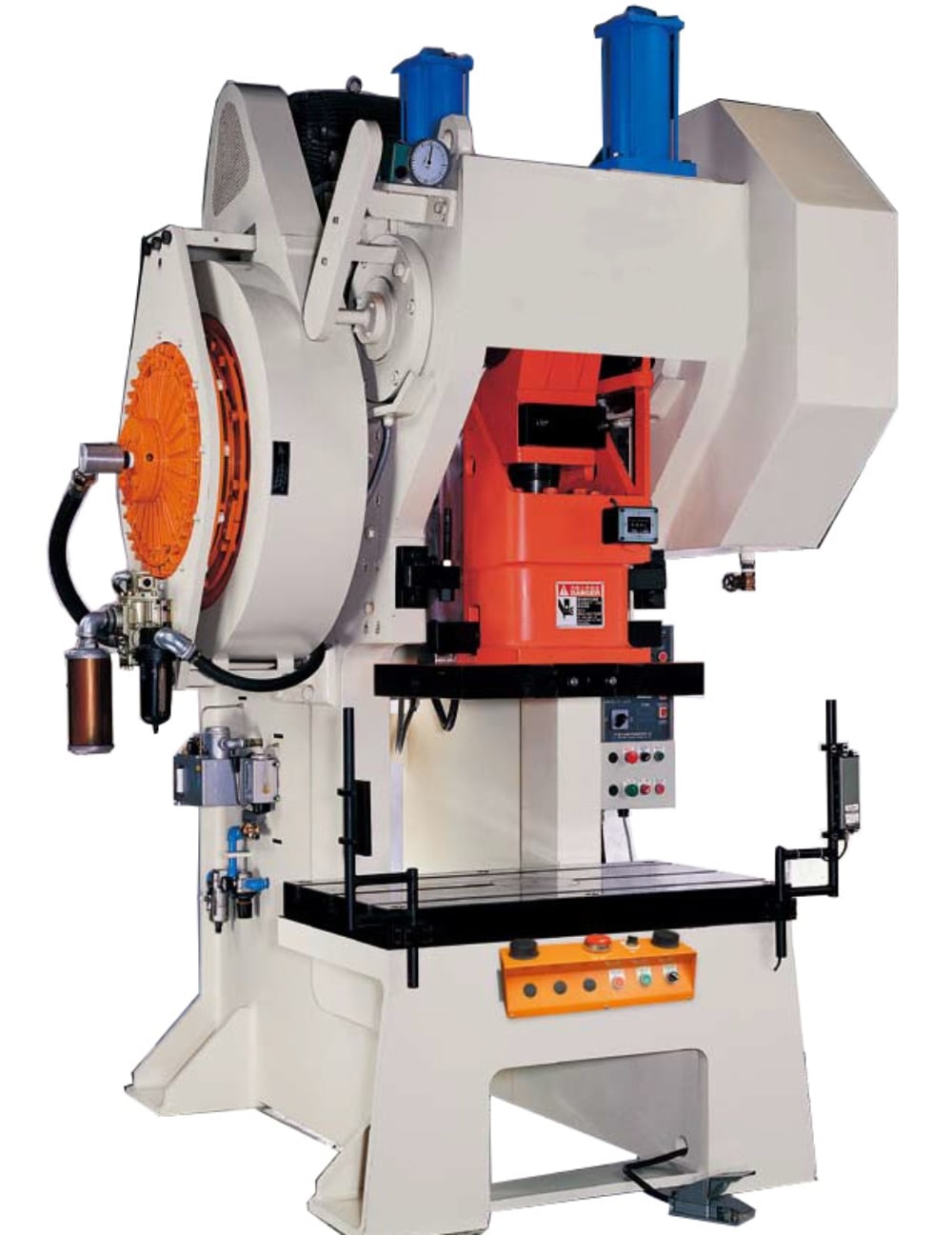
Key Considerations for Workflow Optimization
When analyzing how an OEM improved sheet metal workflow with an automatic CNC punching machine, several critical factors must be considered. The first is the integration of CAD/CAM software. In a modern workflow, the design phase is directly linked to the manufacturing phase. Engineers create 3D models of parts, which are then processed through nesting software to optimize material usage. This digital thread ensures that the machine executes the exact design intent without the need for manual interpretation on the shop floor.
Another consideration is the reduction of setup times. Traditional presses require significant downtime for tool changes. In contrast, an automatic CNC punching machine features a turret that can hold dozens of tools simultaneously. This allows the machine to switch between different hole sizes, shapes, and forming operations in milliseconds. For the OEM, this meant they could run small batches of diverse parts just as efficiently as large runs of a single part, enabling a ‘Just-In-Time’ (JIT) manufacturing approach that reduced inventory costs.
Labor allocation is also a major factor. By automating the punching process, the OEM was able to reassign skilled workers from repetitive manual punching tasks to higher-value roles, such as quality assurance and complex assembly. The automatic CNC punching machine operates with minimal supervision, often featuring auto-loading and unloading systems that allow for ‘lights-out’ manufacturing. This increase in productivity per square foot of factory space is a hallmark of modern industrial efficiency.
The Impact of Precision and Repeatability
Precision is not just about meeting a specification; it’s about ensuring that every subsequent step in the assembly process goes smoothly. When an OEM improved sheet metal workflow with an automatic CNC punching machine, they noticed that downstream processes like bending and welding became much faster. Because the punched holes and notches were perfectly aligned every time, the parts fit into jigs and fixtures without the need for manual adjustment or ‘forcing’ the metal. This ripple effect of quality significantly lowered the total cost of goods sold (COGS).
Technical Details of Automatic CNC Punching Machines
To understand the technical superiority of these machines, we must look at the core components that drive their performance. A HARSLE CNC punching machine typically utilizes a high-rigidity O-type or C-type frame, designed to withstand the immense tonnages required for thick-plate punching while maintaining perfect alignment between the punch and die. The heart of the machine is the CNC controller—often a Fanuc or Siemens system—which manages the high-speed movement of the X and Y axes via precision ball screws and linear guides.
Turret Configuration and Tooling
The turret is the ‘magazine’ of the punching machine. Modern machines offer various turret configurations, such as the 24-station or 32-station layouts. Within these turrets, ‘Auto-index’ stations are crucial. These stations allow the tool to rotate to any angle commanded by the CNC program, which greatly increases the flexibility of the machine and reduces the total number of tools required. For example, a single rectangular tool can be used to punch slots at any orientation, rather than needing a separate tool for horizontal and vertical slots.
| Feature | Technical Specification | Benefit to OEM Workflow |
|---|---|---|
| Punching Force | 300 kN (30 Tons) | Ability to process thick materials up to 6.35mm. |
| Axis Speed | Up to 100 m/min | Reduces cycle time for high-density hole patterns. |
| Turret Stations | 32 Stations (2 Auto-index) | Minimizes tool changes and increases part complexity. |
| Positioning Accuracy | ±0.1 mm | Ensures perfect fitment for downstream assembly. |
| Hit Rate | 600 – 1000 hpm | High-volume throughput for mass production. |
Furthermore, the drive system of the punch head has evolved. While traditional hydraulic systems are still common for their power and reliability, many OEMs are moving toward servo-electric punching heads. These systems offer even greater control over the punch stroke, allowing for delicate forming operations like louvers, countersinks, and ribbing to be performed on the same machine that does the heavy punching. This multi-functionality is a core reason why an OEM improved sheet metal workflow with an automatic CNC punching machine.
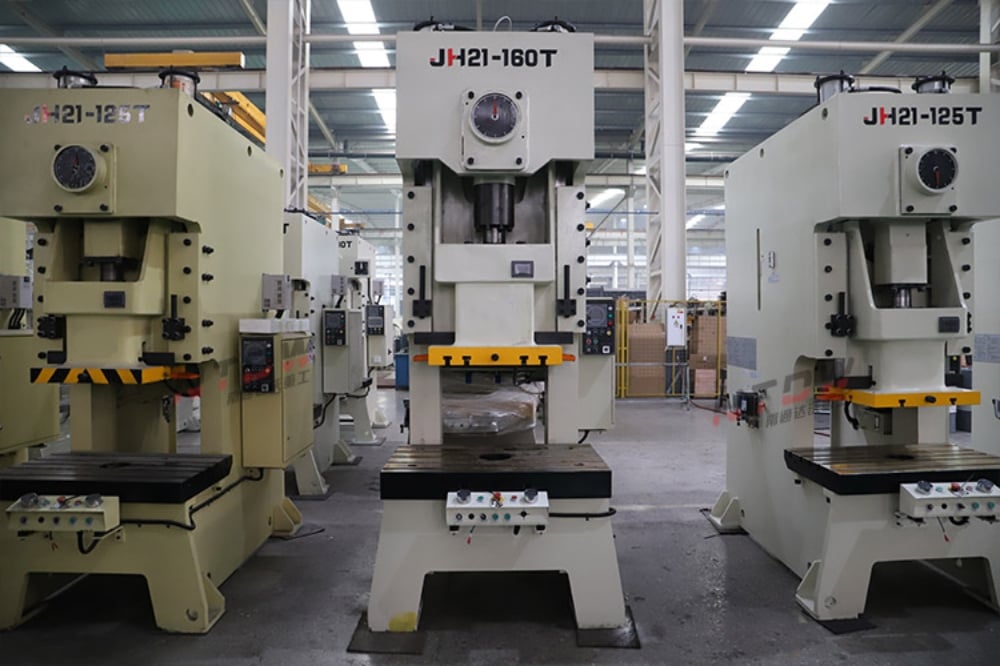
Selection Advice for Industrial OEMs
Choosing the right CNC punching machine requires a deep dive into your current and future production needs. It is not simply about buying the most expensive model; it is about finding the machine that fits your specific material types, thicknesses, and part complexities. When considering how an OEM improved sheet metal workflow with an automatic CNC punching machine, the selection process usually follows a structured evaluation of several key metrics.
Assessing Tonnage and Sheet Size
The first step is determining the maximum thickness and type of material you will process. A 30-ton machine is the industry standard for most HVAC and electrical enclosure applications, capable of handling mild steel up to 6mm. However, if you are working primarily with stainless steel, you may need to consider the increased wear on tools and the necessity of a more robust frame. Additionally, the ‘throat depth’ or the maximum sheet size the machine can handle without repositioning is vital. A larger table reduces the need for ‘re-gripping’ the sheet, which saves time and maintains higher accuracy over the entire workpiece.
Software and Control Compatibility
The machine is only as good as the instructions it receives. Ensure the CNC controller is compatible with your existing CAD/CAM ecosystem. HARSLE machines often integrate seamlessly with industry-standard software like Metalix or CNCCAD. These programs offer advanced nesting algorithms that can save 10-15% in material costs alone by fitting more parts onto a single sheet. For an OEM, these material savings can pay for the machine over its operational lifespan.
- Evaluate Tooling Compatibility: Check if the machine uses standard ‘thick turret’ tooling, which is widely available and interchangeable.
- Consider Automation Add-ons: Look for machines that can be upgraded with automatic loaders/unloaders or part sorting systems in the future.
- Maintenance and Support: Choose a manufacturer like HARSLE that provides comprehensive training and readily available spare parts to minimize downtime.
- Energy Efficiency: Servo-electric models consume significantly less power than hydraulic models, which is a growing concern for sustainable manufacturing.
Maintenance and Longevity of CNC Punching Equipment
To maintain the improvements in workflow, a strict maintenance schedule is essential. An automatic CNC punching machine is a high-precision instrument that operates under extreme forces. Regular lubrication of the linear guides and ball screws is mandatory to prevent premature wear. Furthermore, the hydraulic oil (in hydraulic models) must be kept clean and at the correct temperature to ensure consistent punching force.
Tooling maintenance is perhaps the most overlooked aspect of workflow optimization. Dull tools require more force to penetrate the metal, leading to burrs on the parts and increased stress on the machine frame. Implementing a tool-sharpening regimen ensures that the ‘OEM improved sheet metal workflow’ remains consistent over years of operation. Many modern machines include ‘tool life management’ software that tracks the number of hits each tool has made and alerts the operator when it is time for sharpening or replacement.
FAQ: Common Questions About CNC Punching Machines
How does a CNC punching machine differ from a laser cutting machine?
While both machines cut sheet metal, a CNC punching machine is significantly faster for repetitive patterns and can perform forming operations like louvers, embossing, and threading. Laser machines are better for complex, irregular contours and very thick materials where a physical punch would struggle. Many OEMs use both in tandem to maximize their capabilities.
What is the typical ROI for an automatic CNC punching machine?
Most OEMs see a Return on Investment (ROI) within 18 to 24 months. This is calculated based on labor savings, reduced material waste through better nesting, and the elimination of secondary deburring or forming processes. The ability to take on more complex projects also opens new revenue streams.
Can these machines handle stainless steel and aluminum?
Yes, CNC punching machines are highly versatile. However, stainless steel requires specialized ‘coated’ tooling to handle the material’s hardness and prevent galling. Aluminum is easy to punch but requires careful handling to avoid scratching the surface, often necessitating the use of brush tables instead of ball tables.
Is specialized training required to operate a HARSLE CNC punching machine?
While the CNC interface is user-friendly, operators do require training in G-code (or the machine’s specific conversational programming), tool setup, and safety protocols. HARSLE provides comprehensive training packages to ensure that your team can maximize the machine’s potential from day one.
Conclusion: The Future of OEM Sheet Metal Workflow
The transition to automation is no longer an option but a necessity for OEMs looking to survive and thrive in the modern industrial era. As we have seen, an OEM improved sheet metal workflow with an automatic CNC punching machine by addressing the core issues of speed, precision, and labor efficiency. By consolidating multiple operations into a single, high-speed platform, manufacturers can reduce lead times and improve the overall quality of their products.
HARSLE continues to innovate in this space, integrating IoT (Internet of Things) capabilities into their machines to allow for real-time monitoring of production metrics and machine health. This data-driven approach further optimizes the workflow, allowing for predictive maintenance and even more precise production scheduling. Whether you are a small shop looking to scale or a large OEM aiming to refine your processes, the adoption of automatic CNC punching technology is a proven path to industrial excellence. The investment in high-quality machinery, combined with smart software and a commitment to maintenance, ensures that your sheet metal workflow remains a competitive advantage for years to come.


