How a Metal Parts Supplier Expanded Orders with a Reliable Punching Machine


Introduction to Scaling Metal Fabrication Operations
In the highly competitive landscape of industrial manufacturing, the ability to scale production while maintaining rigorous quality standards is the hallmark of a successful enterprise. For many small to medium-sized enterprises (SMEs), the transition from small-batch prototyping to high-volume production is often hindered by aging or inefficient machinery. This article explores a transformative journey: how a metal parts supplier expanded orders a reliable punching machine to redefine their market position and operational efficiency.
The metal fabrication industry demands precision, speed, and repeatability. When a supplier relies on manual processes or outdated mechanical presses, they face significant bottlenecks. These bottlenecks lead to longer lead times, higher labor costs, and a higher rate of material waste. To overcome these challenges, investing in modern punching technology is not just an upgrade—it is a strategic necessity. By integrating advanced pneumatic or CNC punching machines, suppliers can handle complex geometries and high-volume orders that were previously out of reach.
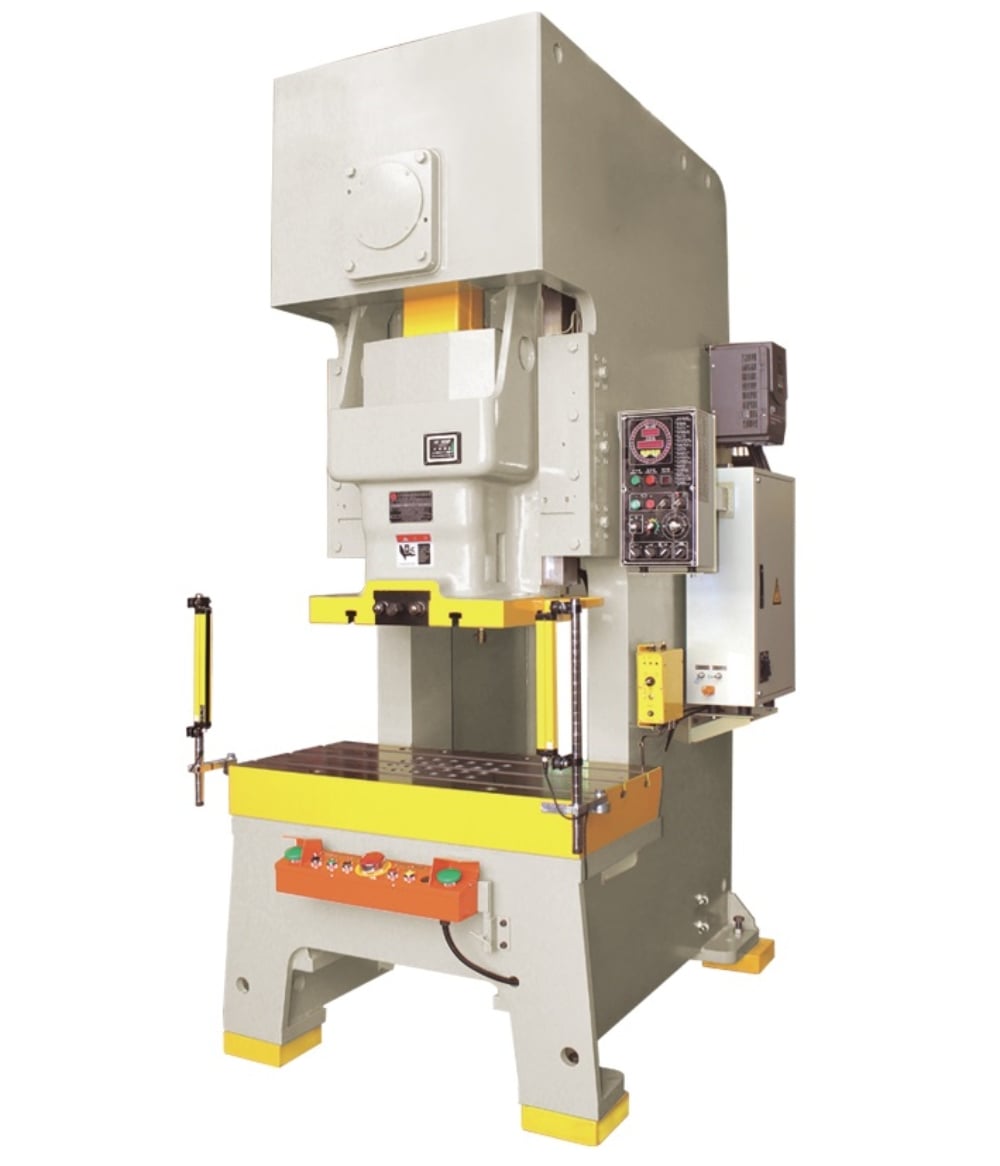
Reliability in a punching machine translates directly to uptime. In a sector where profit margins are often thin, every hour of downtime represents lost revenue. A reliable machine ensures that the supplier can commit to tight deadlines with confidence, knowing that the equipment will perform consistently across multiple shifts. This reliability is the foundation upon which a metal parts supplier expanded orders a reliable punching machine, ultimately securing long-term contracts with major automotive and electronics manufacturers.
Key Considerations for High-Volume Punching Operations
When a supplier decides to upgrade their facility, several critical factors must be evaluated to ensure the investment yields the desired ROI. The first consideration is the tonnage requirement. Tonnage refers to the amount of force the machine can apply to the workpiece. Underestimating tonnage leads to machine strain and poor cut quality, while overestimating can lead to unnecessary energy consumption and higher capital expenditure. A thorough analysis of the material types (e.g., stainless steel, aluminum, carbon steel) and thicknesses is essential.
Secondly, the stroke rate and cycle time are paramount for high-volume orders. Modern pneumatic punching machines offer significantly higher speeds compared to traditional mechanical presses. This speed allows for rapid-fire punching of holes, slots, and notches, which is vital for components used in the construction and appliance industries. Furthermore, the precision of the stroke—ensuring that every punch is identical to the last—minimizes the need for secondary finishing processes, thereby reducing the total cost per part.
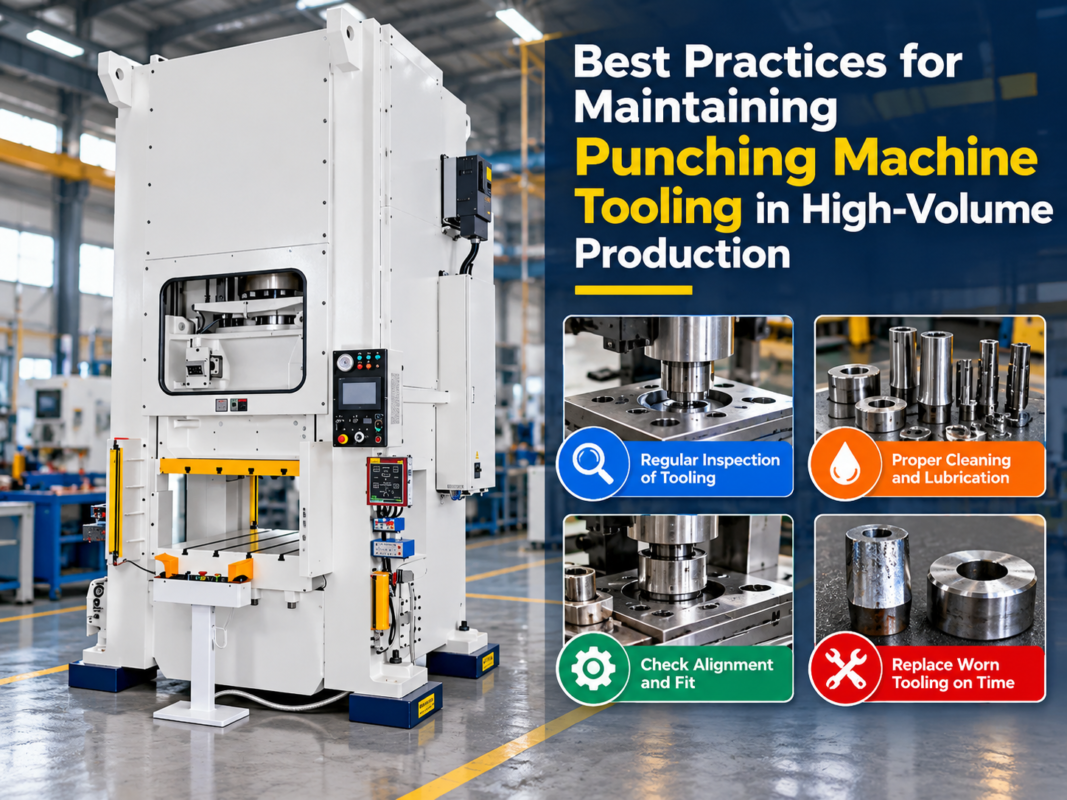
Another key consideration is the versatility of the tooling system. A reliable punching machine should support quick tool changes to accommodate different part designs without extensive downtime. Suppliers who handle a diverse range of orders benefit from machines equipped with turret systems or modular die sets. This flexibility allows the supplier to pivot between different client requirements rapidly, a core reason why a metal parts supplier expanded orders a reliable punching machine from a versatile manufacturer like HARSLE.
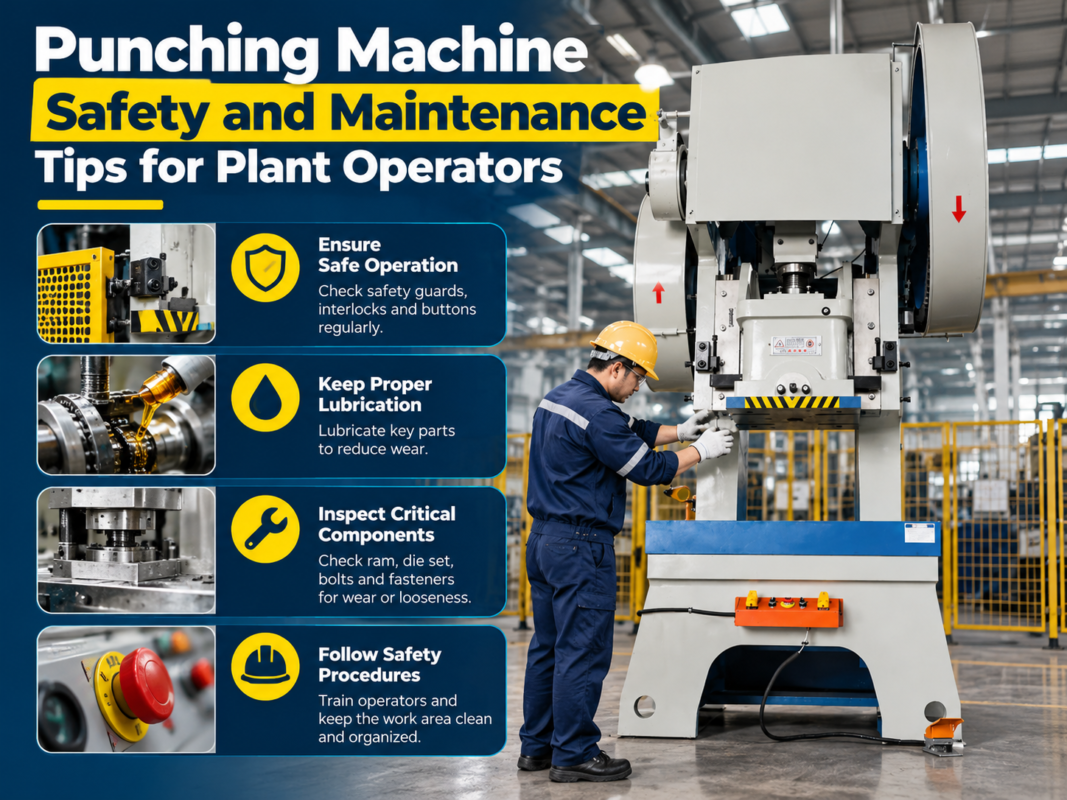
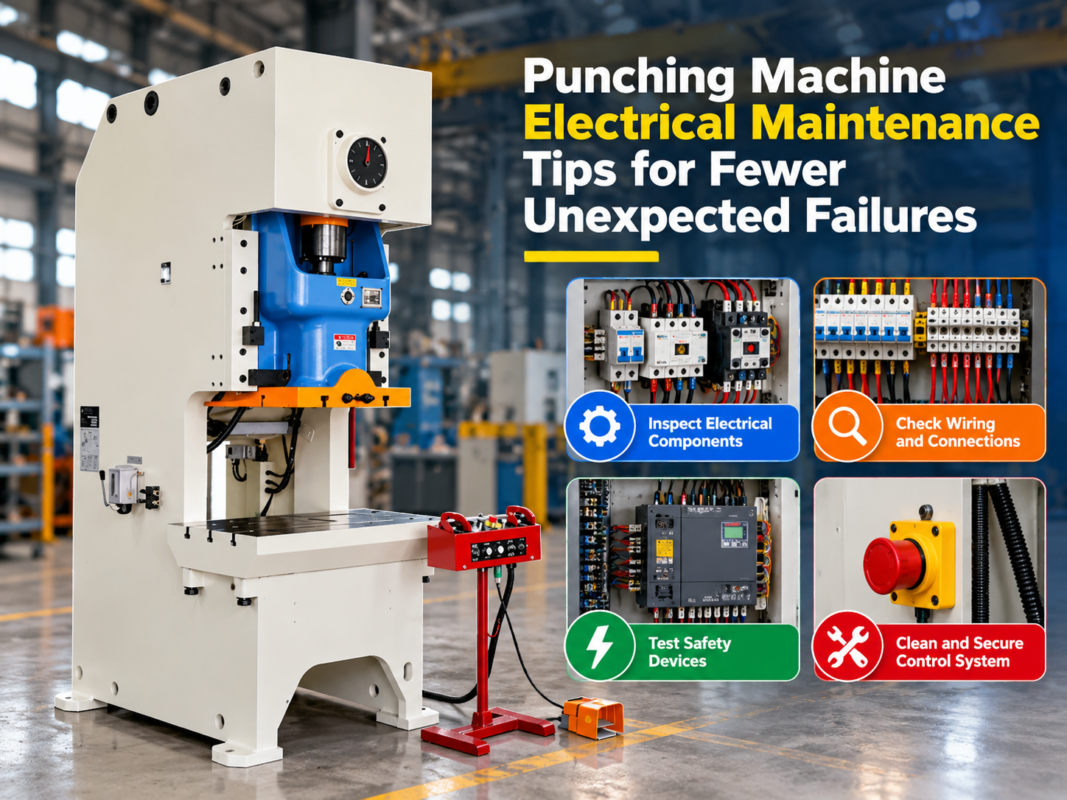
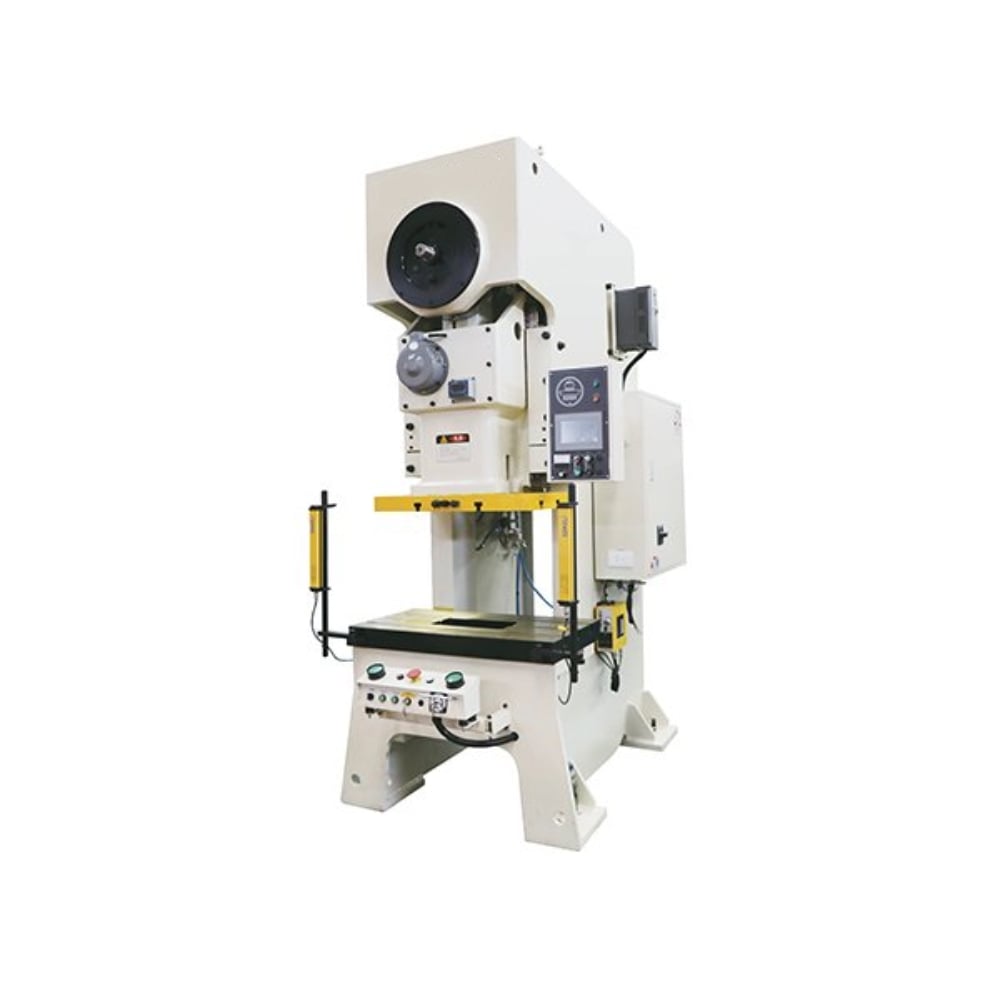
Finally, safety and ergonomics cannot be overlooked. Modern machines are equipped with light curtains, emergency stop buttons, and dual-hand control systems to protect operators. An ergonomic design reduces operator fatigue, which indirectly improves productivity and reduces the likelihood of errors. When workers feel safe and comfortable, the overall efficiency of the fabrication floor increases, supporting the supplier’s goal of expansion.
Technical Details of Modern Punching Machines
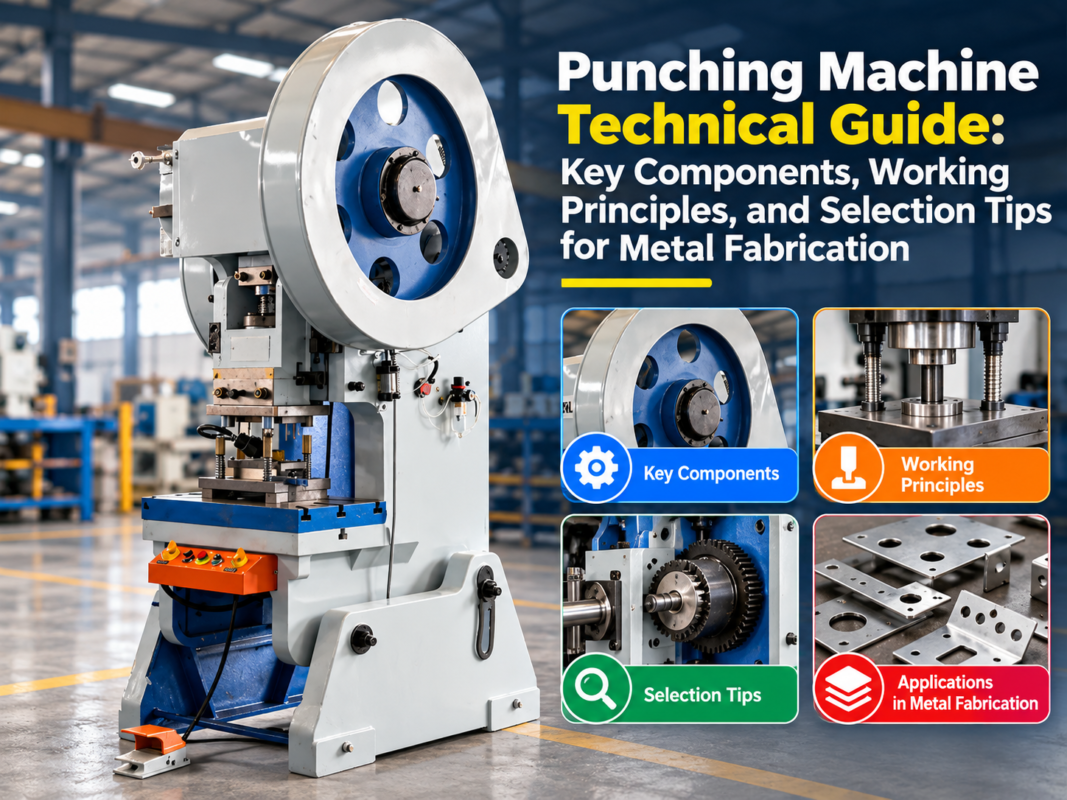
To understand how a metal parts supplier expanded orders a reliable punching machine, one must delve into the technical specifications that differentiate high-end equipment from entry-level models. Modern punching presses, such as the JH21 series, utilize a pneumatic friction clutch and brake system. This design provides smoother engagement, lower noise levels, and a longer service life compared to older mechanical clutches. The use of a combined pneumatic clutch-brake unit ensures that the machine can stop instantly, enhancing both safety and precision.
Frame Construction and Stability
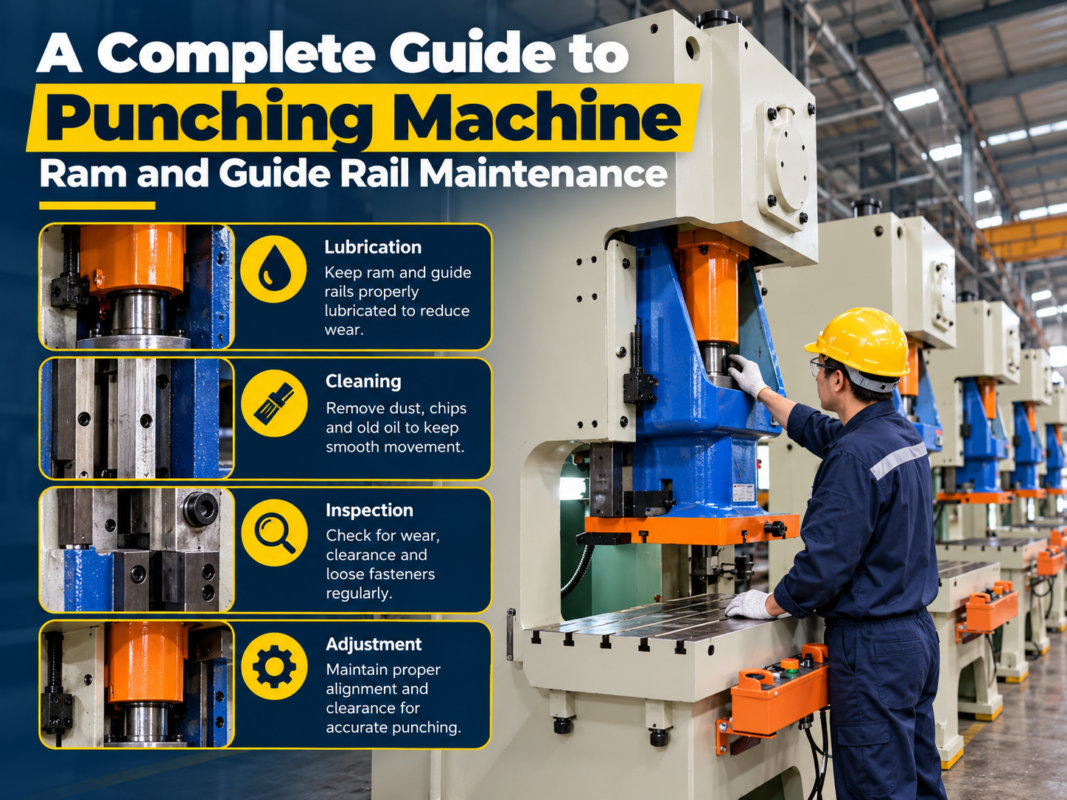
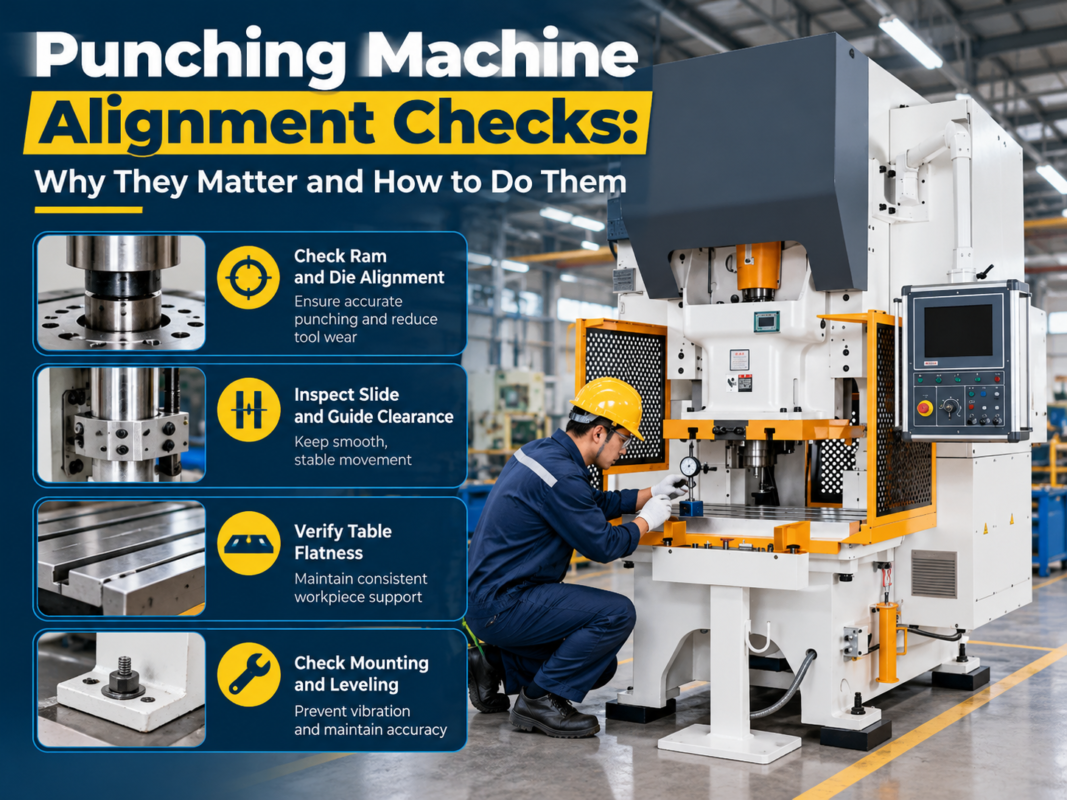
The frame of the punching machine is its backbone. Most high-quality machines feature a C-frame or H-frame design made from high-tensile cast iron or welded steel plates. These frames undergo stress-relieving heat treatments to ensure long-term dimensional stability. A rigid frame minimizes deflection during the punching process, which is critical for maintaining tool alignment and extending the life of the dies. For high-precision work, a box-type frame is often preferred for its superior resistance to vibration.
Drive Systems and Control
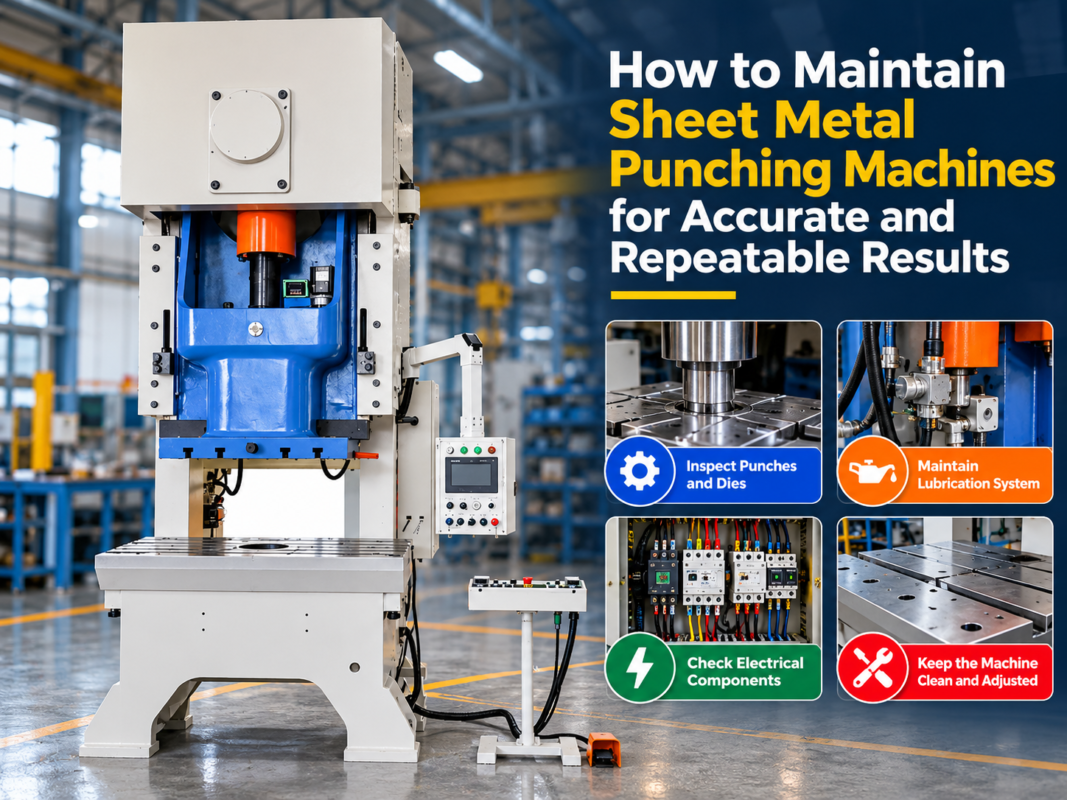
The drive system typically involves a high-torque motor connected to a flywheel, which transfers energy through a crankshaft to the slide. In CNC-controlled models, the integration of servo motors allows for precise control over the slide position and speed. This level of control is essential for specialized operations like embossing, forming, or drawing. The PLC (Programmable Logic Controller) acts as the brain of the machine, monitoring various sensors for lubrication, air pressure, and overload protection.
Lubrication and Cooling
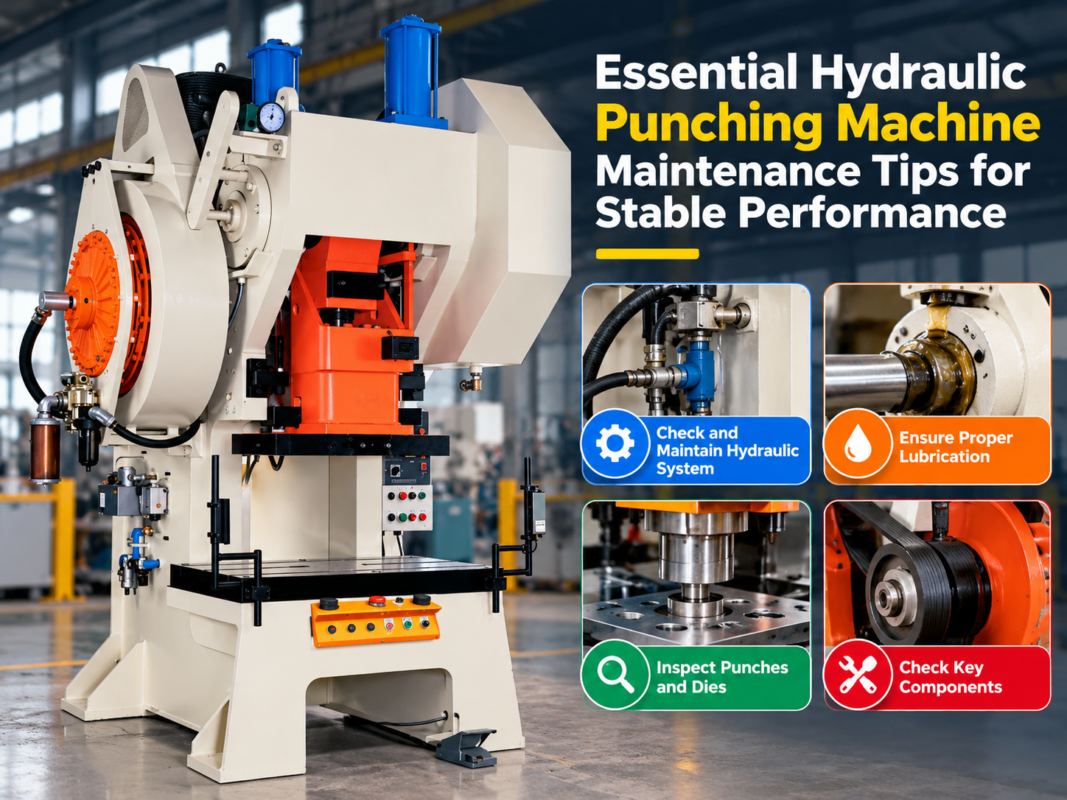
Continuous operation at high speeds generates significant heat and friction. Therefore, an automatic lubrication system is a standard feature on reliable punching machines. These systems deliver precise amounts of oil to the crankshaft bearings, slide ways, and other moving parts at set intervals. Proper lubrication not only prevents premature wear but also ensures that the machine operates quietly. Some advanced models also feature oil cooling systems to maintain a stable operating temperature during 24/7 production cycles.
How A Metal Parts Supplier Expanded Orders A Reliable Punching Machine: A Strategic Move
The expansion of a metal parts supplier is rarely accidental; it is the result of calculated investments in technology. By adopting a reliable punching machine, the supplier in our case study was able to increase their production capacity by over 40% within the first six months. This increase was not just about quantity; it was about the ability to take on more complex projects that required tighter tolerances. High-precision punching allowed them to serve the aerospace and medical device sectors, where accuracy is non-negotiable.
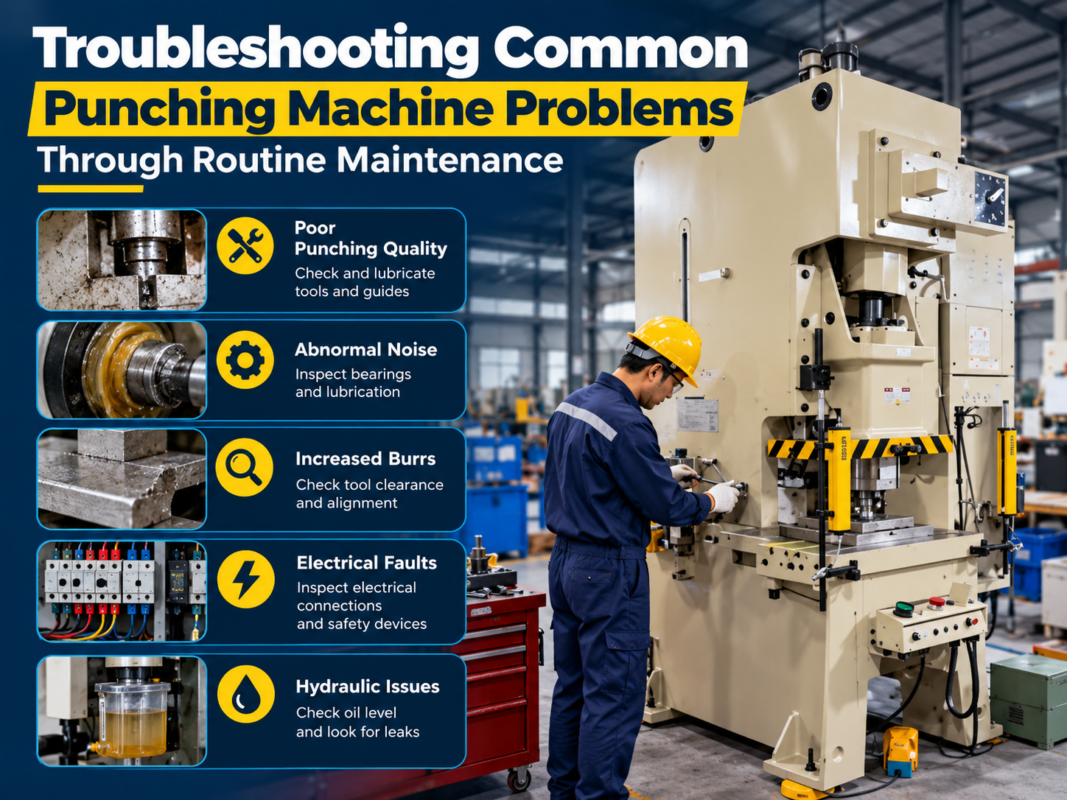
Furthermore, the reliability of the new equipment reduced the “rejection rate” of finished parts. In the past, inconsistent pressure from older machines resulted in burrs or deformed edges, leading to wasted material and unhappy clients. The new machine’s consistent force delivery ensured that every part met the client’s specifications on the first pass. This reputation for quality spread through word-of-mouth and industry referrals, leading to a surge in new inquiries and larger contract bids.
The supplier also utilized the machine’s automation capabilities. By integrating an automatic feeder and decoiler, they transformed a semi-manual process into a fully automated production line. This allowed a single operator to oversee multiple machines, significantly lowering labor costs per unit. The savings were then reinvested into marketing and R&D, creating a virtuous cycle of growth. This is the essence of how a metal parts supplier expanded orders a reliable punching machine—by leveraging technology to create a competitive advantage in both cost and quality.
Selection Advice for Industrial Punching Equipment
Choosing the right punching machine requires a balance between current needs and future growth. For suppliers looking to replicate the success of expanding their orders, the following selection criteria are recommended:
- Determine Tonnage Requirements: Use the formula: Force (tons) = Perimeter of Hole (mm) × Thickness (mm) × Shear Strength (kg/mm²) / 1000. Always add a 20-30% safety margin to prevent overloading the machine.
- Evaluate the Material: Different materials react differently to punching. Stainless steel requires more force and specialized tool coatings compared to mild steel or aluminum. Ensure the machine’s stroke and speed are adjustable to suit the material properties.
- Assess Automation Potential: Even if you don’t need automation today, choose a machine that is “automation-ready.” This means it should have the necessary PLC ports and physical space to add feeders, robots, or stackers later.
- Check the Manufacturer’s Reputation: Reliability is as much about the brand as it is about the specs. Look for manufacturers like HARSLE that provide comprehensive after-sales support, readily available spare parts, and clear technical documentation.
- Consider the Total Cost of Ownership (TCO): Don’t just look at the purchase price. Factor in energy consumption, maintenance costs, and the expected lifespan of the machine. A cheaper machine that breaks down frequently will cost far more in the long run.
Comparison Table: Mechanical vs. Pneumatic Punching Machines
| Feature | Mechanical Punching Machine | Pneumatic Punching Machine |
|---|---|---|
| Drive Mechanism | Rigid Crankshaft/Clutch | Compressed Air/Pneumatic Clutch |
| Noise Level | High | Low to Moderate |
| Precision | Standard | High |
| Maintenance | Frequent (Mechanical Wear) | Low (Fewer Moving Parts) |
| Safety | Basic | Advanced (Instant Stop) |
| Best For | Simple, High-Force Tasks | Precision Stamping, High Speed |
Frequently Asked Questions (FAQ)
1. What is the difference between a punching machine and a stamping press?
While the terms are often used interchangeably, a punching machine specifically refers to the process of creating holes or shapes by removing material. A stamping press is a broader category that includes punching, blanking, embossing, bending, and coining. Most modern industrial presses can perform all these functions depending on the tooling used.
2. How often should a punching machine be maintained?
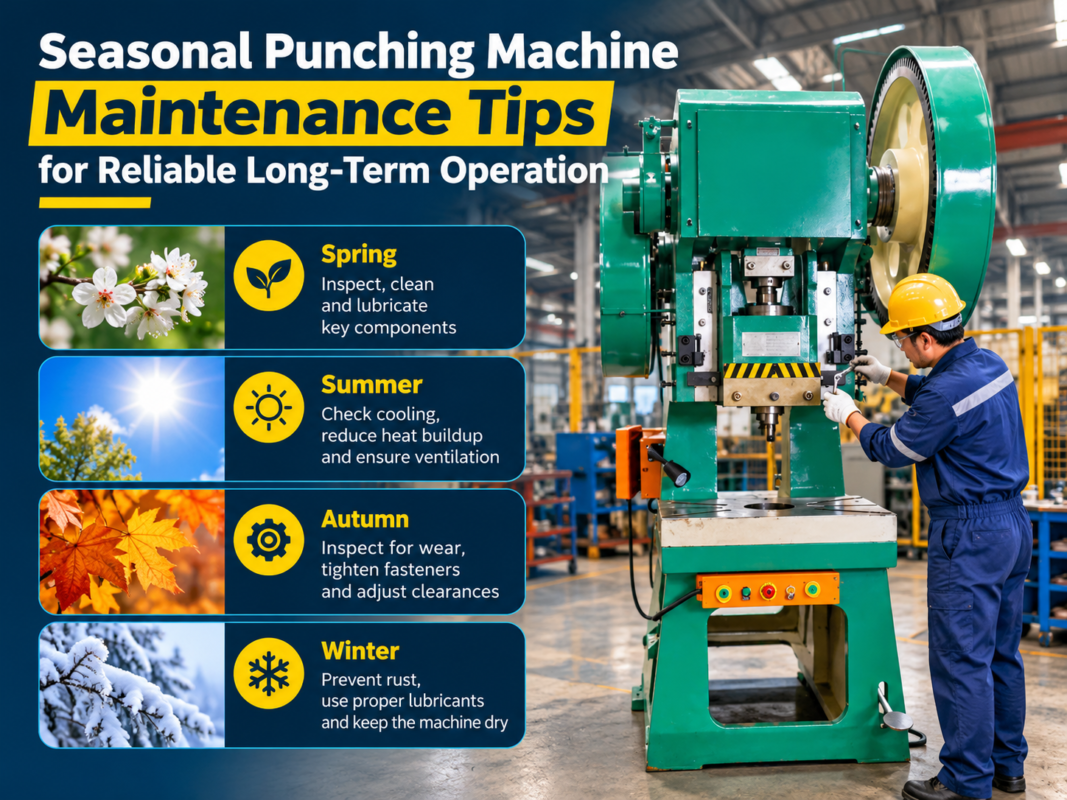
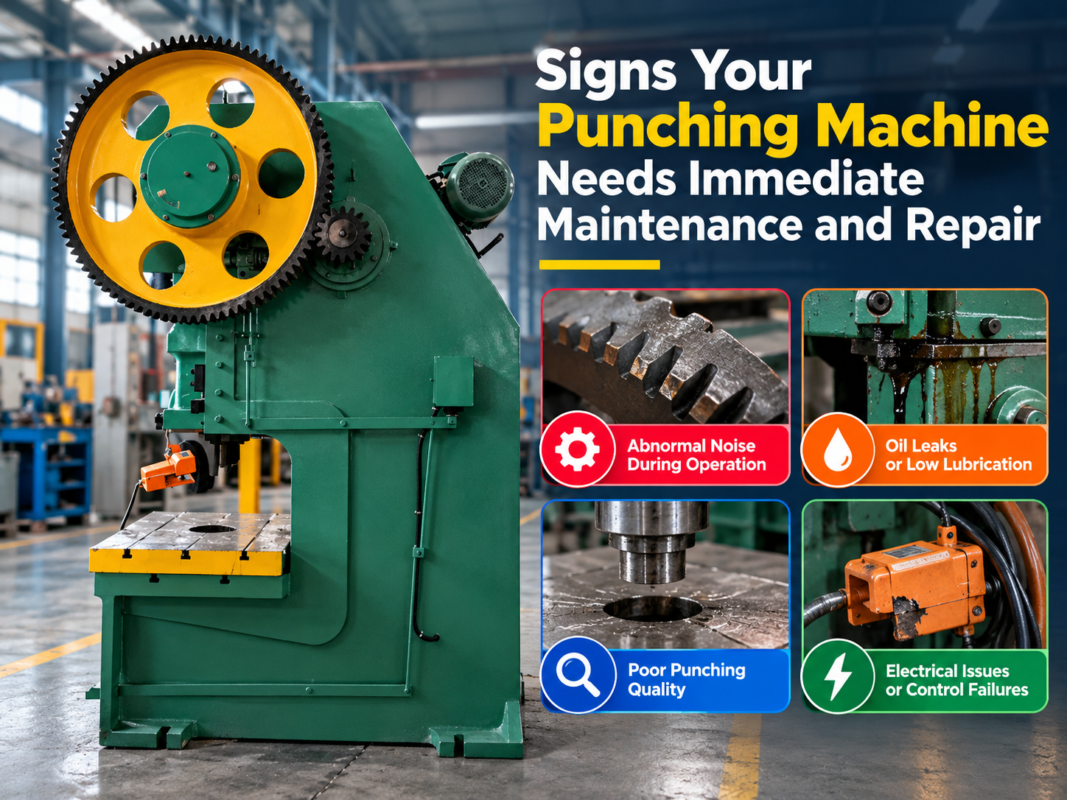
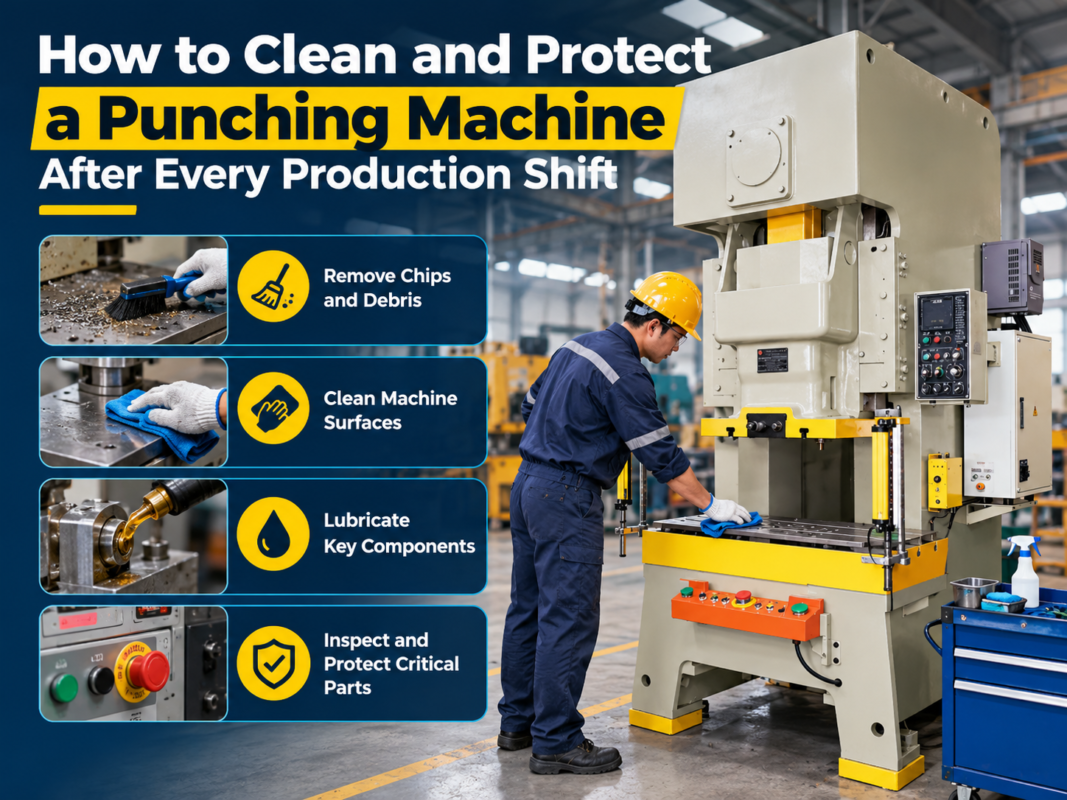
Daily maintenance should include checking oil levels and cleaning the work area. Weekly tasks involve inspecting the pneumatic system for leaks and checking the tightness of bolts. A comprehensive professional inspection should be conducted every 2,000 operating hours to ensure the alignment of the slide and the integrity of the clutch system.
3. Can a punching machine handle different thicknesses of metal?
Yes, but it depends on the machine’s tonnage and the tooling. You must ensure that the die clearance (the gap between the punch and the die) is adjusted for different thicknesses. Using the wrong clearance can result in poor cut quality and excessive tool wear.
4. Why is a pneumatic clutch better than a traditional mechanical clutch?
A pneumatic clutch offers much faster engagement and disengagement. It also allows for “inching” and “emergency stop” functions that are not possible with many older mechanical designs. This results in higher safety for the operator and better precision for the workpiece.
5. How does a reliable punching machine help in expanding orders?
Reliability ensures that you can meet delivery deadlines consistently. When a supplier can guarantee high-quality parts and on-time delivery, they build trust with clients, which leads to repeat business and the ability to win larger, more lucrative contracts.
Conclusion: The Path to Industrial Growth
The story of how a metal parts supplier expanded orders a reliable punching machine serves as a blueprint for growth in the fabrication industry. By moving away from inefficient processes and embracing modern, high-precision equipment, businesses can unlock new levels of productivity. The transition involves more than just buying a new machine; it requires a commitment to understanding technical specifications, prioritizing safety, and planning for future automation.
In conclusion, the right punching machine is a force multiplier. It allows a supplier to produce more parts, at a higher quality, with less waste and lower labor costs. For any metal parts supplier looking to scale their operations, the message is clear: invest in reliability, and the orders will follow. As the industry continues to evolve with Industry 4.0 and smart manufacturing, those who possess the most reliable and versatile machinery will be the ones leading the market into the next decade.