How a Fabrication Line Achieved Stable Production with a Hydraulic CNC Punching Machine


Introduction to Stable Production in Metal Fabrication
In the competitive world of metalworking, consistency is the foundation of profitability. For many years, manufacturers struggled with the limitations of mechanical punching presses, which often suffered from heat-related expansion, inconsistent stroke depths, and high noise levels. However, the landscape changed significantly when a fabrication line achieved stable production a hydraulic CNC punching machine. This transition represents a shift from traditional, high-maintenance methods to a streamlined, automated, and highly reliable process that meets the rigorous demands of modern industry.
Stability in a production environment means more than just a machine that runs; it refers to the ability to produce thousands of identical parts with minimal deviation, zero unplanned downtime, and optimized material usage. When we analyze how a fabrication line achieved stable production a hydraulic CNC punching machine, we see a combination of advanced fluid power dynamics and sophisticated computer numerical control. This synergy allows for precise control over every hit, whether the machine is performing high-speed nibbling or heavy-duty embossing.
The adoption of hydraulic CNC technology has allowed shops to move away from the ‘guesswork’ associated with older equipment. By utilizing programmable stroke lengths and pressure settings, operators can fine-tune the machine for specific materials, ranging from thin aluminum to thick stainless steel. This versatility is a key reason why the industry has seen such a massive uptick in the implementation of these machines across sectors like telecommunications, automotive, and HVAC manufacturing.
In this comprehensive guide, we will explore the technical nuances, the strategic considerations, and the practical advice that explains how a fabrication line achieved stable production a hydraulic CNC punching machine. We will delve into the mechanics of hydraulic systems, the importance of CNC integration, and how businesses can select the right equipment to mirror these successful results in their own facilities.
Key Considerations for Achieving Stability in Fabrication
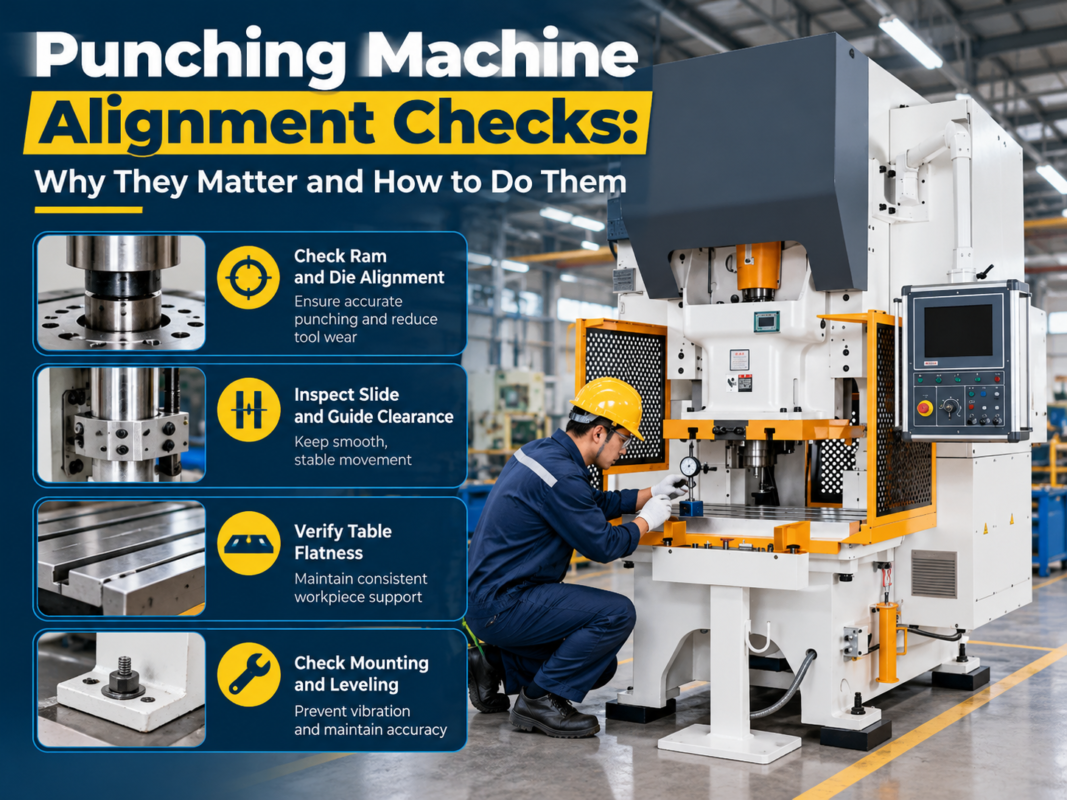
When evaluating how a fabrication line achieved stable production a hydraulic CNC punching machine, several critical factors come into play. The first is the structural integrity of the machine itself. A stable production line requires a machine frame that can withstand the immense forces of repetitive punching without deforming. Most high-quality hydraulic CNC punching machines utilize an O-type or C-type frame made of high-tensile steel that has been stress-relieved through heat treatment. This ensures that the alignment between the punch and the die remains perfect over millions of cycles.
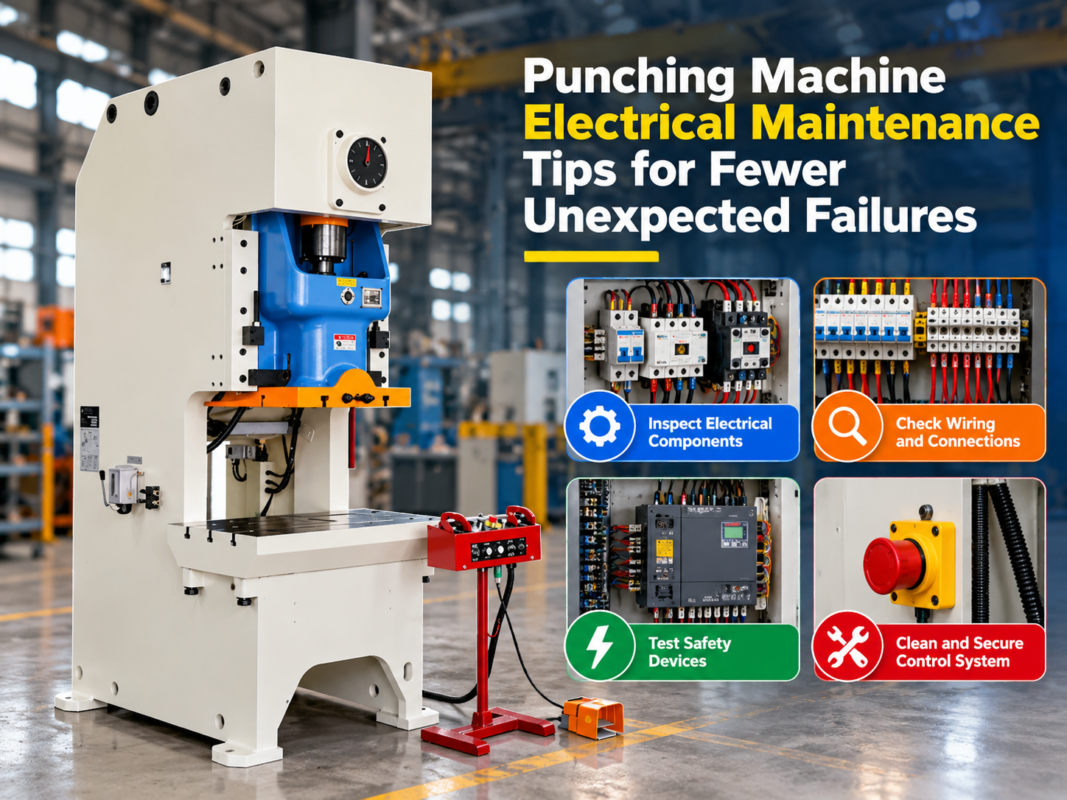
Another major consideration is the cooling and filtration system of the hydraulic unit. Hydraulic oil is the lifeblood of the machine, and its temperature directly affects the viscosity and, consequently, the precision of the punch. To achieve stable production, the machine must be equipped with an efficient oil cooling system that maintains a constant operating temperature. This prevents the ‘drift’ in punching depth that often plagues lower-quality machines during long shifts. Furthermore, high-grade filtration ensures that contaminants do not damage the sensitive servo-valves that control the ram’s movement.
The integration of the CNC system with the hydraulic unit is perhaps the most vital consideration. A fabrication line achieved stable production a hydraulic CNC punching machine because the software could communicate in real-time with the hydraulic actuators. This allows for features like ‘Auto-Index’ stations, where tools can be rotated to any angle, reducing the number of tools needed and the time spent on tool changes. The ability of the software to optimize the punching path—minimizing the travel distance of the sheet—also contributes significantly to the overall stability and speed of the line.
Material handling is the final piece of the stability puzzle. Even the fastest punching machine is useless if the sheet metal is not positioned accurately. Stable production lines utilize high-speed servo motors and precision ball screws to move the worktable. These components must be shielded from dust and debris to maintain their accuracy. When these elements—frame rigidity, thermal management, software intelligence, and precise motion control—work in harmony, the result is a production environment that can run 24/7 with minimal intervention.
Technical Details of the Hydraulic CNC Punching Machine
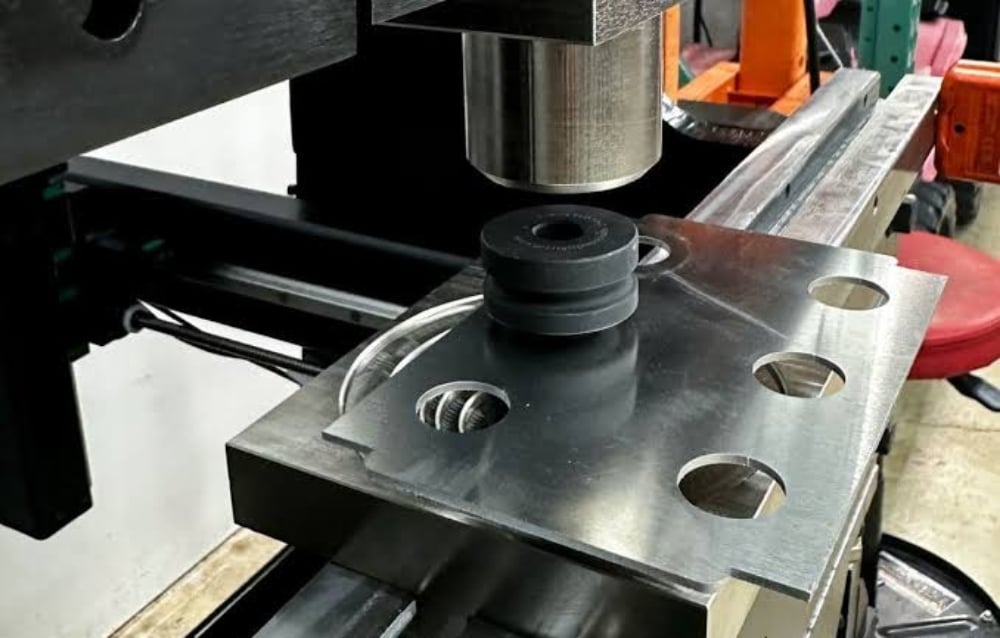
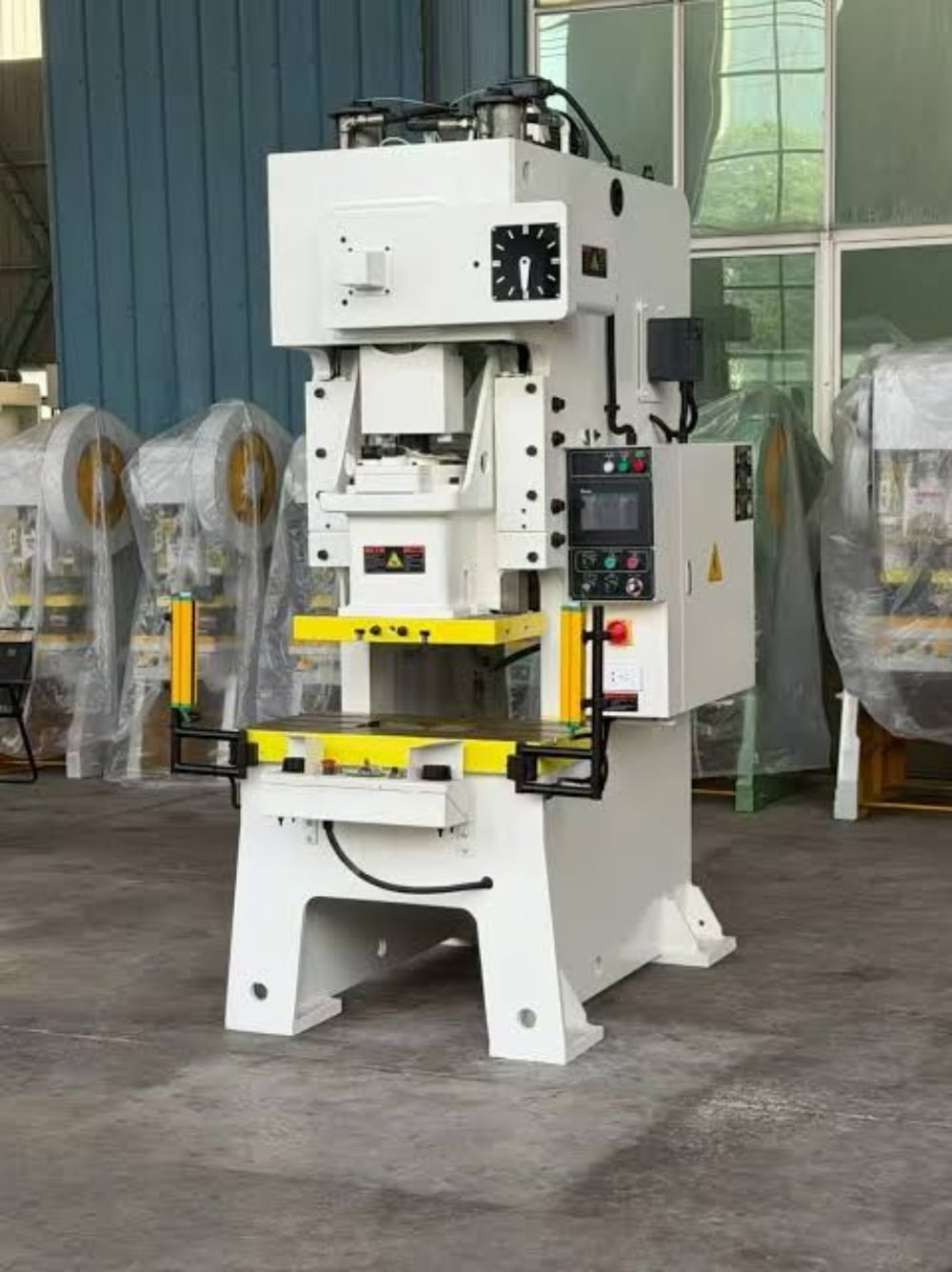
To truly understand how a fabrication line achieved stable production a hydraulic CNC punching machine, one must look under the hood at the technical specifications that drive these industrial workhorses. Unlike mechanical presses that rely on a flywheel and crankshaft, a hydraulic CNC punching machine uses a hydraulic cylinder to drive the ram. This allows for a ‘full tonnage’ strike at any point in the stroke, providing much greater flexibility for forming operations like louvers, knockouts, and ribs.
The Hydraulic Power Unit (HPU)
The heart of the machine is the Hydraulic Power Unit. Modern systems often use a servo-hydraulic drive, which combines the power of hydraulics with the precision of servo motors. This setup only consumes energy when the machine is actually punching, leading to energy savings of up to 50% compared to older hydraulic systems. The HPU is responsible for delivering consistent pressure to the ram, ensuring that every hole is punched with the exact same force, which is essential for maintaining part quality across a large batch.
CNC Control and Software Integration
The ‘CNC’ in Hydraulic CNC Punching Machine stands for Computer Numerical Control. Most industry-leading machines, such as those from HARSLE, utilize controllers from Fanuc, Siemens, or proprietary high-end systems. These controllers manage the X and Y axis movement of the sheet, the rotation of the turret, and the stroke of the ram. Advanced nesting software allows the fabrication line to arrange parts on a sheet to minimize waste. This software also calculates the optimal sequence of hits to prevent sheet warping, which is a common cause of instability in high-speed production.
Turret and Tooling Configuration
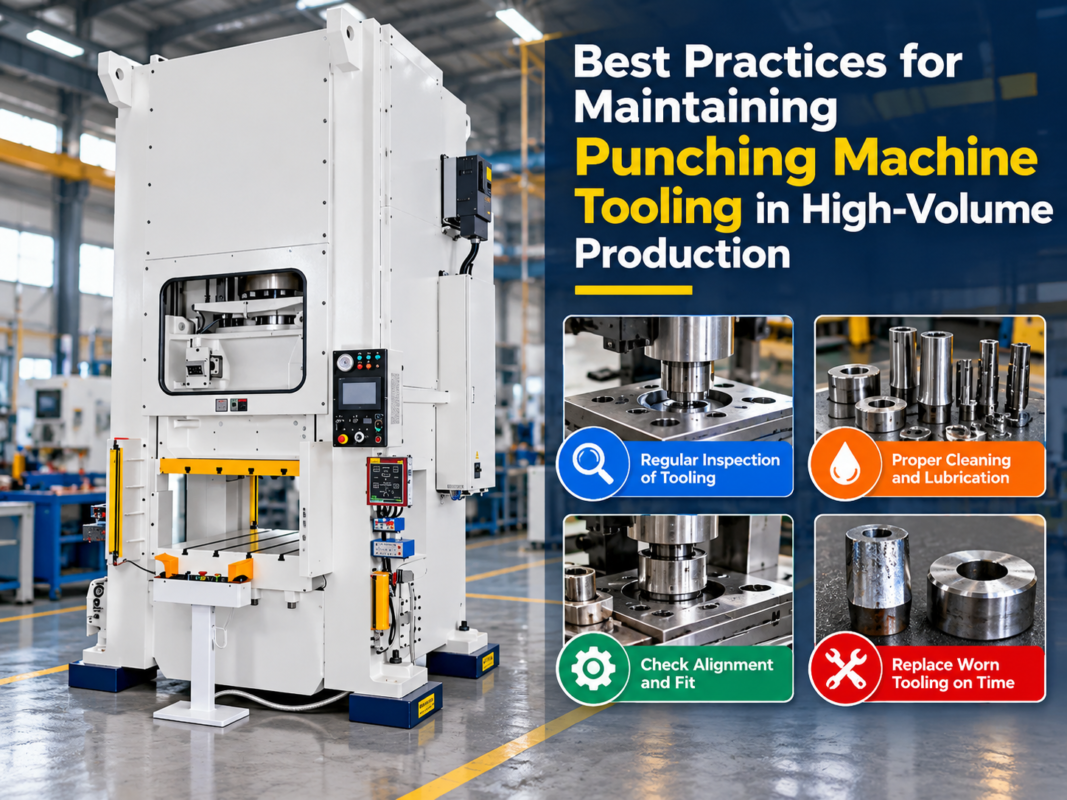
The turret is where the tools are housed. A standard configuration might include 24, 32, or even 50 stations. Within these stations, ‘Auto-Index’ stations allow the tool to be rotated 360 degrees. This technical feature is a game-changer for stability because it allows complex shapes to be cut with standard tools, reducing the need for custom, expensive tooling. The use of high-speed tool steel (HSS) and specialized coatings on the punches and dies further extends the life of the equipment, ensuring that the fabrication line does not have to stop frequently for tool sharpening.
Selection Advice for Industrial Fabrication Lines
Choosing the right equipment is the first step toward replicating the success of how a fabrication line achieved stable production a hydraulic CNC punching machine. The selection process should begin with a thorough analysis of your production needs. What is the maximum sheet thickness you will be working with? What are the most common hole diameters? For most general fabrication, a 30-ton machine is the industry standard, but for heavy-duty applications involving thick stainless steel, a 50-ton model may be required.
When selecting a machine, pay close attention to the ‘hit rate.’ This is the number of punches the machine can perform per minute. For high-volume production, a machine capable of 600 to 1000 hits per minute (HPM) in nibbling mode is ideal. However, speed should not come at the expense of accuracy. Look for machines that specify a positioning accuracy of +/- 0.1mm or better. This level of precision is what allows a fabrication line to achieve stable production without the need for secondary grinding or deburring operations.
Another critical factor is the ‘throat depth.’ This determines the maximum width of the sheet the machine can handle without repositioning. A larger throat depth (e.g., 1250mm or 1500mm) allows for larger parts to be processed in a single setup, which reduces the chance of errors introduced during sheet repositioning. Additionally, consider the ease of maintenance. A machine with a centralized lubrication system and easy access to the hydraulic filters will experience much less downtime over its lifespan.
Finally, consider the manufacturer’s reputation and after-sales support. A fabrication line achieved stable production a hydraulic CNC punching machine not just because of the hardware, but because of the technical support that helped optimize the machine’s performance. Ensure that the supplier provides comprehensive training for your operators and has a ready supply of spare parts and tooling. Investing in a brand like HARSLE ensures that you have access to the latest technological advancements and a global support network.
Frequently Asked Questions
What are the main advantages of hydraulic over mechanical punching?
Hydraulic punching machines offer several advantages, including the ability to deliver full tonnage at any point in the stroke, quieter operation, and greater control over the ram’s speed and position. This makes them much more versatile for forming operations and reduces the mechanical shock to the machine frame, leading to a longer service life and more stable production.
How does CNC technology improve the stability of a fabrication line?
CNC technology removes the human error factor from the punching process. It ensures that every movement is executed with mathematical precision. By automating the positioning of the sheet and the selection of tools, CNC systems allow for continuous, high-speed operation that is impossible to achieve with manual or semi-automatic machines. This consistency is the definition of stable production.
What maintenance is required for a hydraulic CNC punching machine?
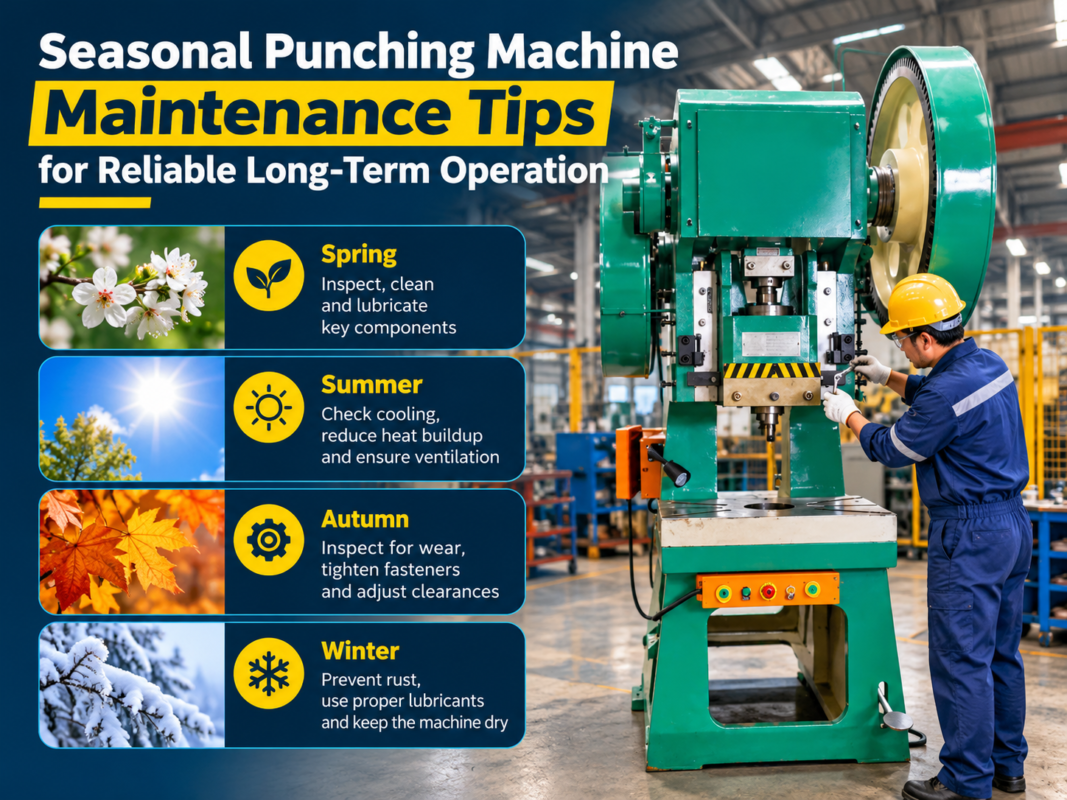
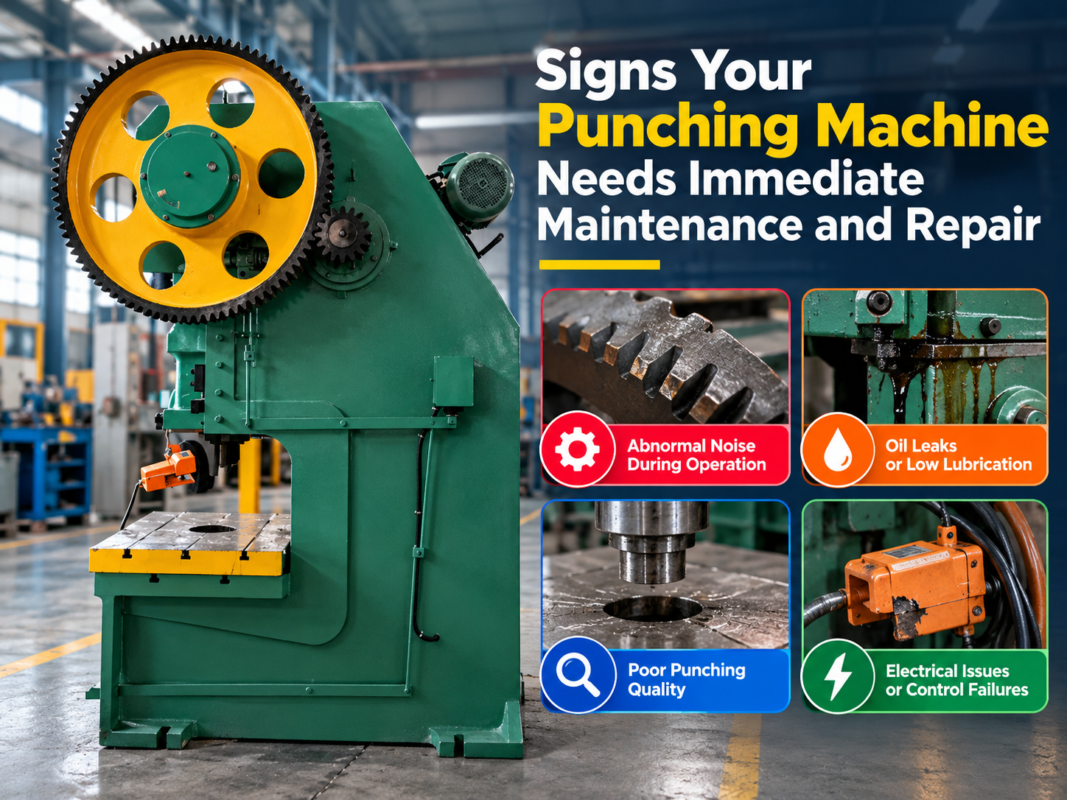
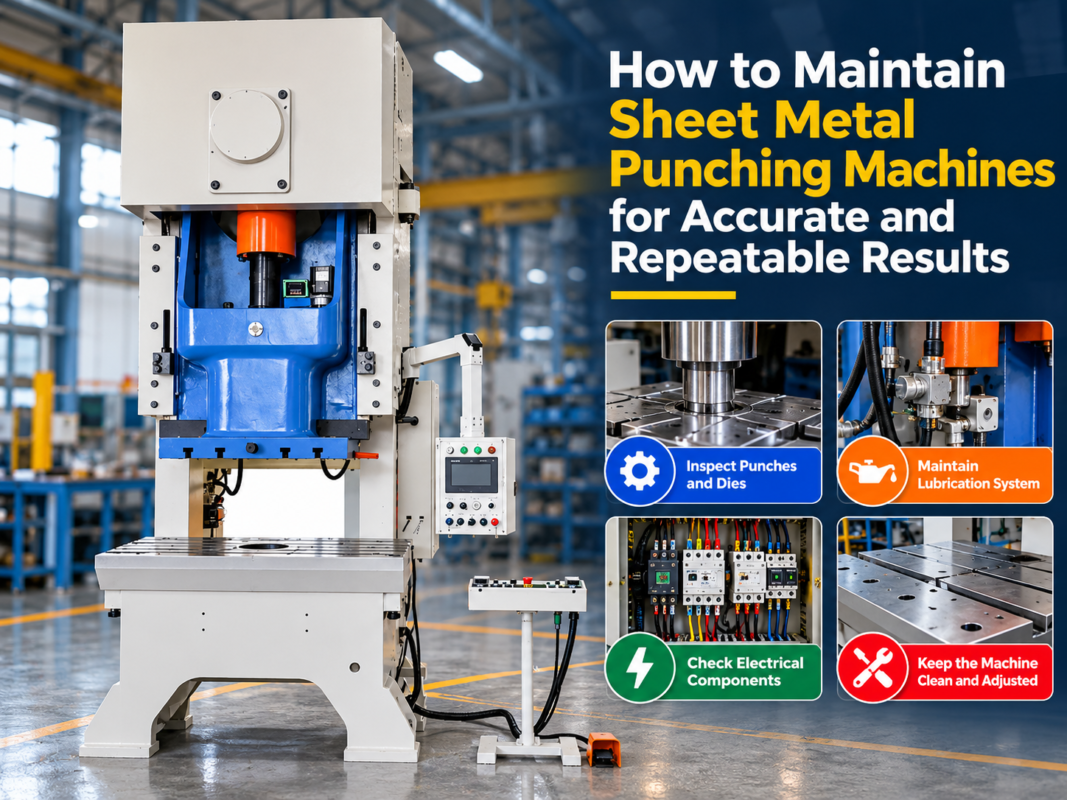
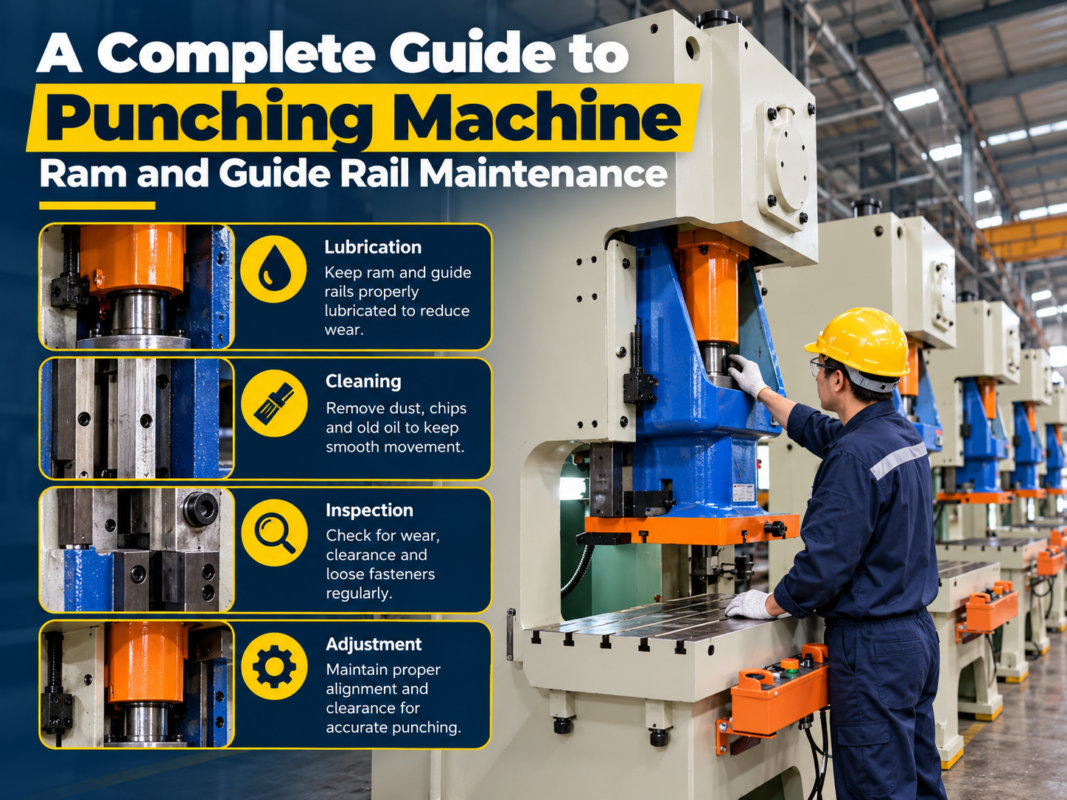
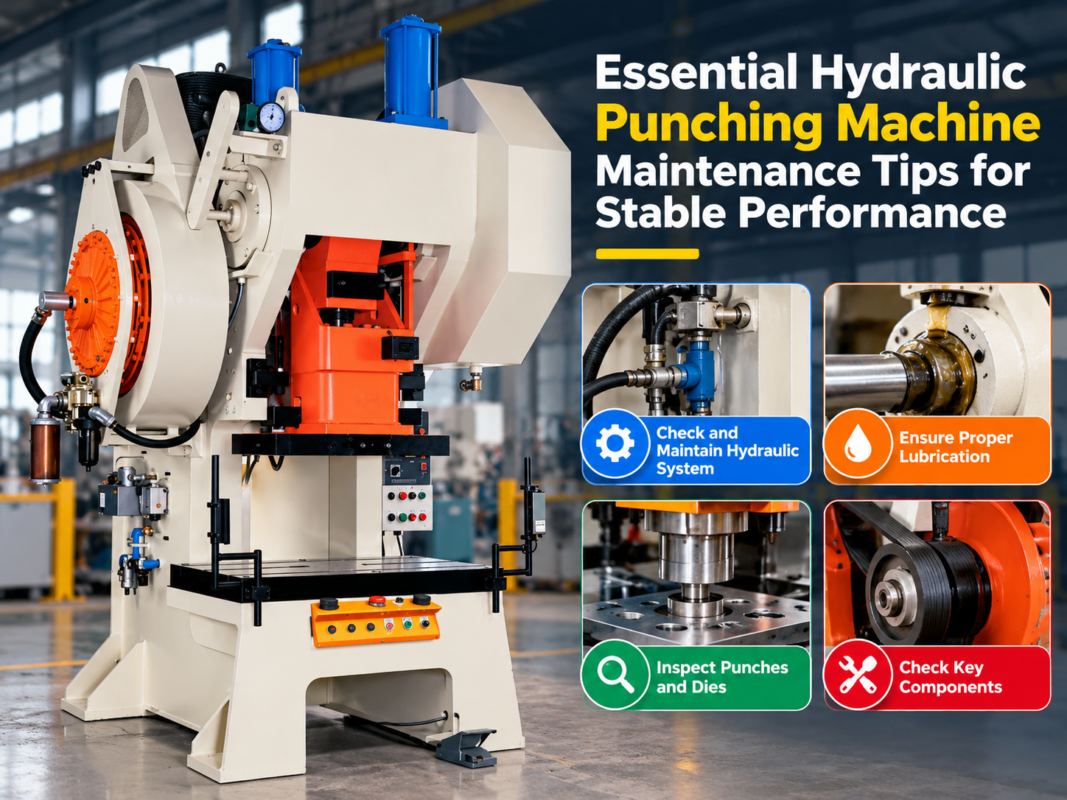
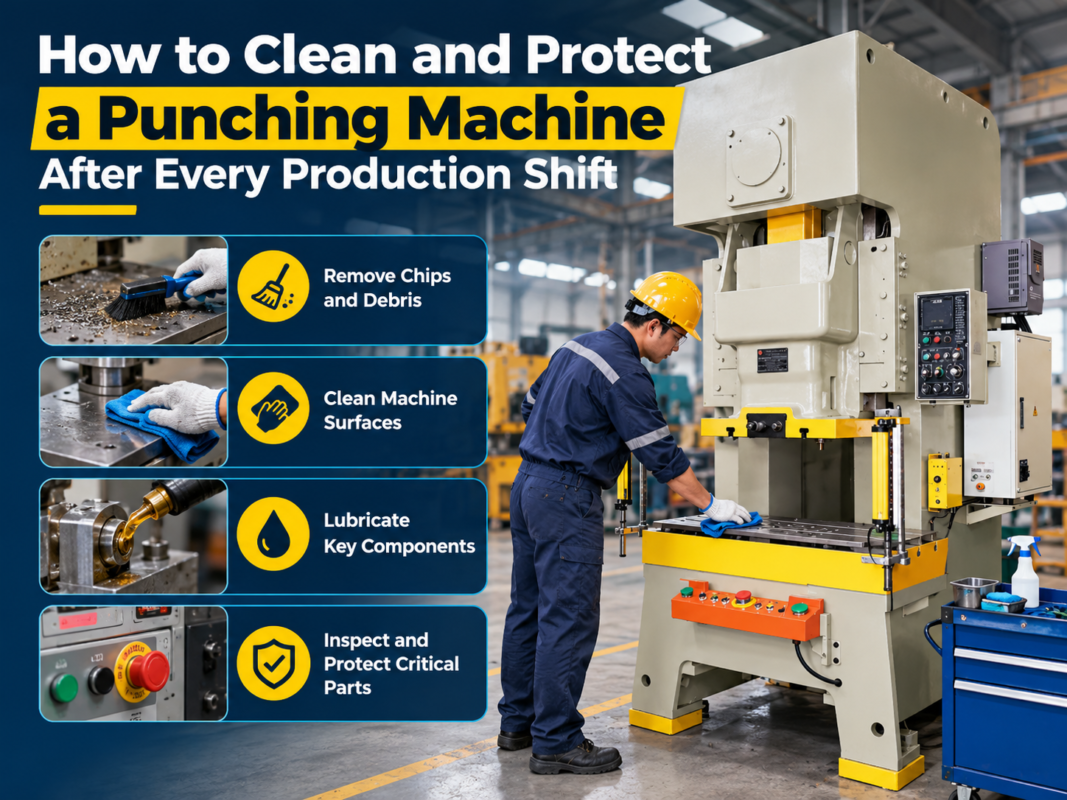
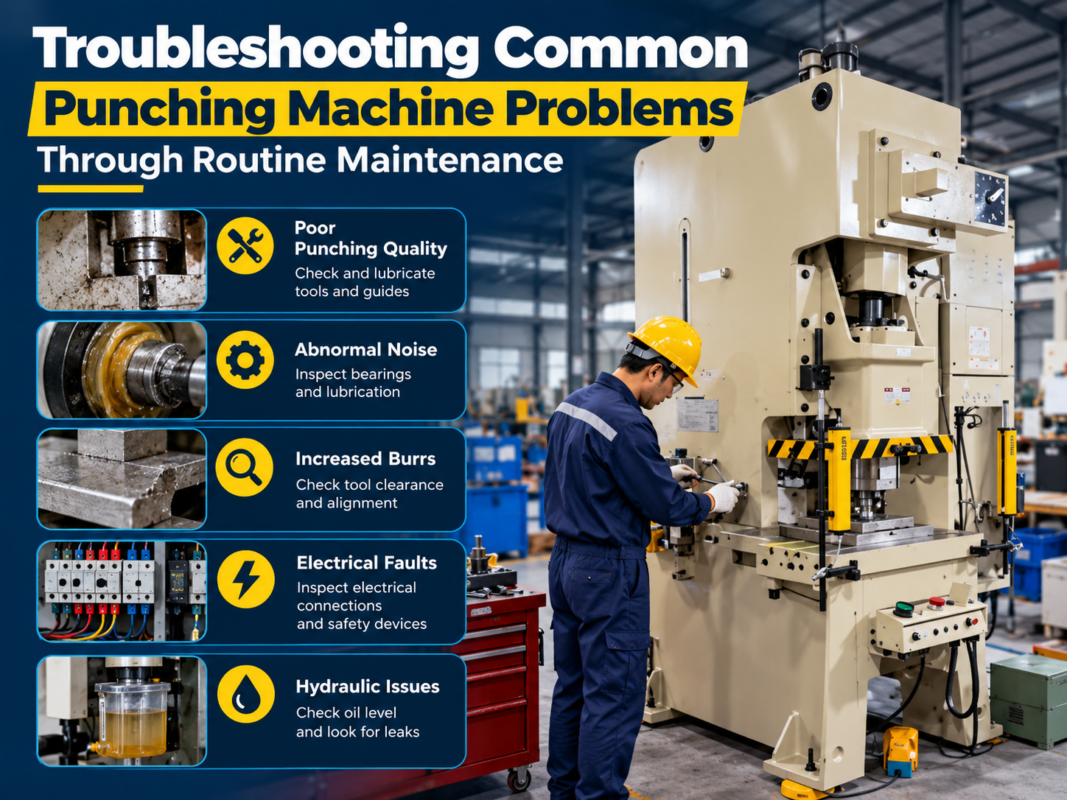
Regular maintenance is essential for stability. This includes daily checks of oil levels and air pressure, weekly cleaning of the turret and tool holders, and monthly inspections of the hydraulic filters and cooling system. It is also important to keep the ball screws and linear guides lubricated and free of metal chips. A well-maintained machine can provide decades of reliable service.
Can a hydraulic CNC punching machine handle different materials?
Yes, one of the reasons a fabrication line achieved stable production a hydraulic CNC punching machine is its ability to handle a wide range of materials. By adjusting the hydraulic pressure and the clearance between the punch and die, these machines can process aluminum, carbon steel, stainless steel, and even certain plastics and copper alloys with high efficiency.
Is nesting software necessary for stable production?
While not strictly ‘necessary’ for the machine to function, nesting software is crucial for ‘stable’ and ‘profitable’ production. It optimizes the layout of parts on a sheet to reduce scrap and calculates the most efficient punching path. This reduces the wear and tear on the machine’s motors and ensures that the sheet remains stable during high-speed operations.
What is the typical lifespan of a CNC punching machine?
With proper maintenance and a high-quality build (like those from HARSLE), a hydraulic CNC punching machine can last 15 to 20 years or more in a production environment. Many machines are eventually replaced not because they have failed, but because newer technology offers even higher speeds and better energy efficiency.
Conclusion: The Future of Stable Fabrication
The story of how a fabrication line achieved stable production a hydraulic CNC punching machine is a testament to the power of modern engineering. By combining the raw force of hydraulics with the intelligent control of CNC systems, manufacturers have unlocked new levels of productivity and precision. This stability is not just a luxury; it is a necessity in an era where customers demand faster turnaround times and higher quality standards than ever before.
As we look to the future, we can expect even further integration of AI and IoT (Internet of Things) into these machines. Imagine a punching machine that can predict its own maintenance needs or automatically adjust its parameters based on the specific batch of material being processed. These advancements will only further solidify the role of the hydraulic CNC punching machine as the cornerstone of the modern fabrication shop.
For businesses looking to upgrade their capabilities, the path is clear. By focusing on high-quality components, robust software, and a commitment to regular maintenance, any fabrication line can achieve the same level of stable production. Whether you are a small job shop or a large-scale industrial manufacturer, the investment in a hydraulic CNC punching machine is an investment in the long-term success and stability of your operations. Choose a partner like HARSLE to ensure you are equipped with the best tools for the job, and watch your production stability reach new heights.