Single-Head vs Multi-Station Punching Machine: How to Choose the Right Model for Your Workshop


Comparison Summary: Navigating the Punching Machine Landscape
In the modern metal fabrication industry, selecting the right punching machine is a pivotal decision that directly impacts production efficiency, part accuracy, and overall return on investment. The debate between Single-Head Vs Multi-Station Punching Machine: Choose Model Workshop requirements often boils down to the specific needs of the production line. A single-head machine offers simplicity and a lower entry cost, making it a favorite for custom shops and low-volume production. Conversely, multi-station machines, often referred to as turret punch presses, are designed for high-speed, high-volume environments where tool changes must happen in seconds to maintain throughput.
HARSLE has observed that workshops often struggle with this choice because the technical specifications can overlap. However, the operational philosophy of each machine is distinct. Single-head machines require more manual intervention or sequential programming for tool changes, whereas multi-station machines utilize a rotating turret or a linear tool changer to house multiple dies simultaneously. This fundamental difference affects everything from the footprint of the machine on the shop floor to the complexity of the CAD/CAM software required to run it.
When evaluating these two categories, fabricators must consider their typical batch sizes, the complexity of the parts being produced, and the skill level of their operators. A workshop focusing on heavy-duty, thick-plate punching for structural steel might find a robust single-head hydraulic punch more effective. Meanwhile, a facility producing intricate electrical enclosures with dozens of different hole sizes and shapes will almost certainly require the versatility of a multi-station CNC system. This guide provides a deep dive into both technologies to help you make an informed capital investment.
Single-Head Punching Machine Overview: Simplicity and Power
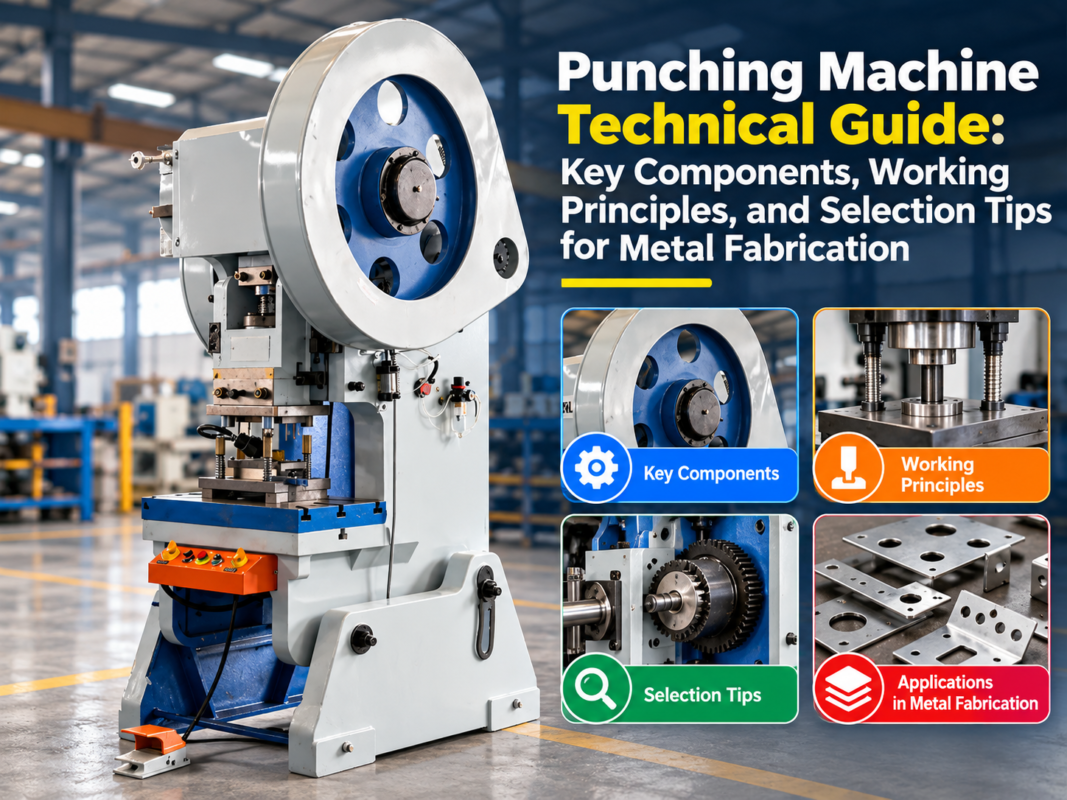
The single-head punching machine is the workhorse of many traditional fabrication shops. Its design is straightforward: a single ram equipped with one set of punch and die at a time. While this might seem limiting in a world of automation, the single-head machine offers unparalleled rigidity and force. Because the machine frame is built to support a single concentrated point of pressure, these machines are often capable of punching through much thicker materials than their multi-station counterparts of a similar price bracket.
One of the primary advantages of the single-head model is its ease of setup for simple jobs. If a workshop needs to punch a hundred identical holes in a series of angle irons, the single-head machine can be set up in minutes. There is no complex turret logic to program, and the mechanical alignment is often more transparent to the operator. HARSLE’s single-head models are engineered with high-quality hydraulic systems that provide consistent pressure, ensuring that every hit is as clean as the first.
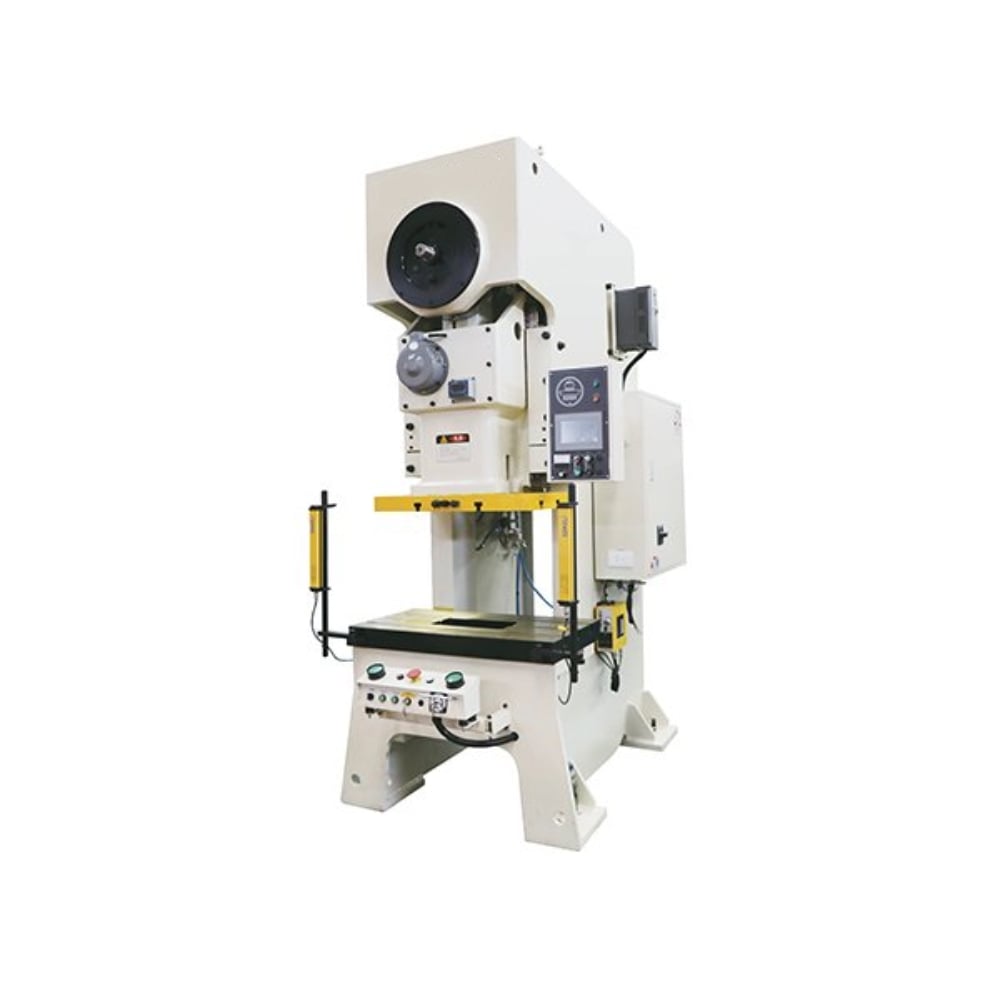
However, the limitation of the single-head machine lies in part complexity. If a part requires five different hole diameters, the operator must either change the tool five times for every single part or run the entire batch through the machine five times, changing the tool between each run. This introduces significant labor costs and increases the risk of positioning errors. Despite this, for workshops that handle structural steel, base plates, or simple brackets, the single-head machine remains an essential, cost-effective tool that occupies minimal floor space.
Furthermore, maintenance on single-head machines is generally less intensive. With fewer moving parts in the tool-changing mechanism, there are fewer points of failure. The hydraulic seals and the ram alignment are the primary areas of concern, making these machines ideal for environments where dedicated maintenance teams might be small. They are the “entry-level” powerhouse that provides the foundation for many growing fabrication businesses.
Multi-Station Punching Machine Overview: The Pinnacle of Efficiency
The multi-station punching machine, or CNC Turret Punch Press, represents the evolution of sheet metal fabrication. These machines feature a turret that can hold anywhere from 6 to over 50 different tools at once. The machine’s controller automatically rotates the turret to the required tool, allowing for the completion of complex parts in a single setup. This capability is a game-changer for workshops looking to minimize lead times and maximize precision across diverse product lines.
In a multi-station environment, the “Single-Head Vs Multi-Station Punching Machine: Choose Model Workshop” decision is driven by the need for automation. These machines are almost always paired with sophisticated CNC software that optimizes the punching path, nests parts to save material, and manages tool life. The ability to perform nibbling (creating large holes or contours using a small punch), forming (louvers, countersinks), and even marking in one cycle makes the multi-station machine a complete fabrication center.
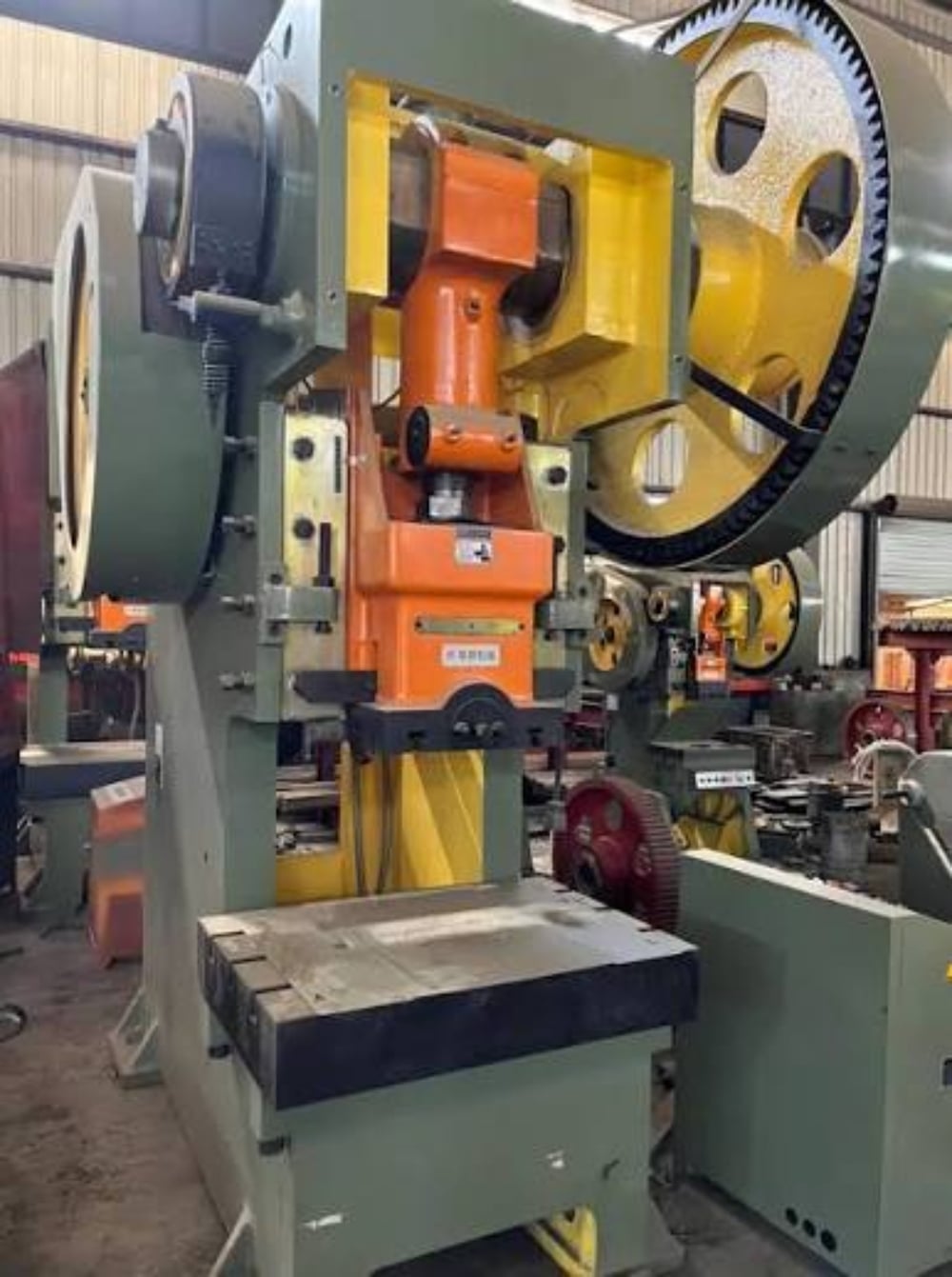
HARSLE’s multi-station machines are built with high-speed servo-hydraulic systems or full electric drives. These systems allow for hundreds of hits per minute, which is essential for high-volume production. The precision of the turret indexing ensures that even after thousands of rotations, the alignment between the punch and die remains perfect. This level of accuracy is difficult to achieve with manual tool changes on a single-head machine over a long production run.
The trade-off for this efficiency is a higher initial investment and a steeper learning curve. Operators need to be trained in CNC programming and turret management. Additionally, the tooling cost for a multi-station machine can be significant, as a workshop will often want to keep a full library of tools ready in the turret to minimize downtime. However, for any shop producing cabinets, panels, or complex automotive components, the reduction in labor costs and the increase in part consistency usually result in a rapid return on investment.
Specification Comparison Table
To better understand the technical differences, the following table compares the typical attributes of HARSLE’s single-head and multi-station models.
| Feature | Single-Head Punching Machine | Multi-Station Punching Machine |
|---|---|---|
| Tool Capacity | 1 Tool at a time | 12 to 50+ Tools |
| Operation Mode | Manual or Semi-Automatic | Fully Automatic CNC |
| Punching Speed | 20-60 Hits per minute | 300-1000+ Hits per minute |
| Material Thickness | Up to 25mm+ (Heavy Duty) | Typically up to 6.35mm (Sheet Metal) |
| Setup Time | Low (per tool) | High (initial setup), Zero (during run) |
| Accuracy | +/- 0.1mm to 0.2mm | +/- 0.05mm to 0.1mm |
| Footprint | Compact | Large |
| Best For | Simple parts, thick plates, low volume | Complex parts, thin sheets, high volume |
Best-fit Applications: Where Each Machine Shines
Choosing between these machines requires a deep analysis of your product portfolio. Single-head punching machines are the undisputed kings of the structural steel and heavy equipment industries. When you are working with 12mm or 20mm thick steel plates for bridge components or heavy machinery frames, the sheer tonnage and focused power of a single-head hydraulic press are required. These machines are also ideal for “job shops” that take on a wide variety of small, simple tasks where the time spent programming a CNC turret would exceed the time spent just punching the holes manually.
On the other hand, the multi-station machine is designed for the sheet metal industry. Industries such as HVAC, telecommunications (server racks), and appliance manufacturing rely on the multi-station’s ability to handle large sheets of thin material (0.5mm to 3mm) with extreme speed. If your part requires a mix of round holes, square cutouts, and specialized forming like louvers for ventilation, the multi-station machine is the only logical choice. It eliminates the need for multiple machines and reduces the handling of the workpiece, which is often where scratches and damage occur.
Another critical application for multi-station machines is in prototyping for mass production. While a laser cutter might be used for very low volumes, the speed of a turret punch for repetitive features like perforated grilles is unmatched. If your workshop is moving toward Industry 4.0, the multi-station machine integrates much more easily into automated loading and unloading systems, creating a “lights-out” manufacturing environment that a single-head machine simply cannot support.
Cost and Maintenance Comparison
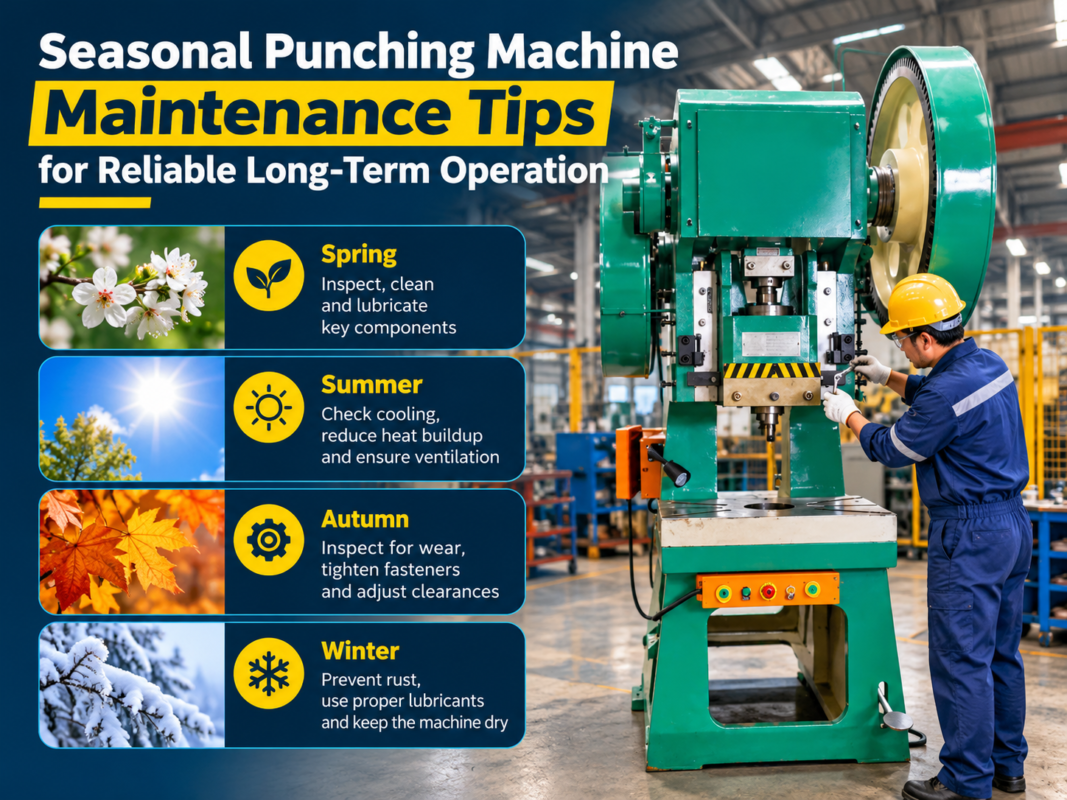
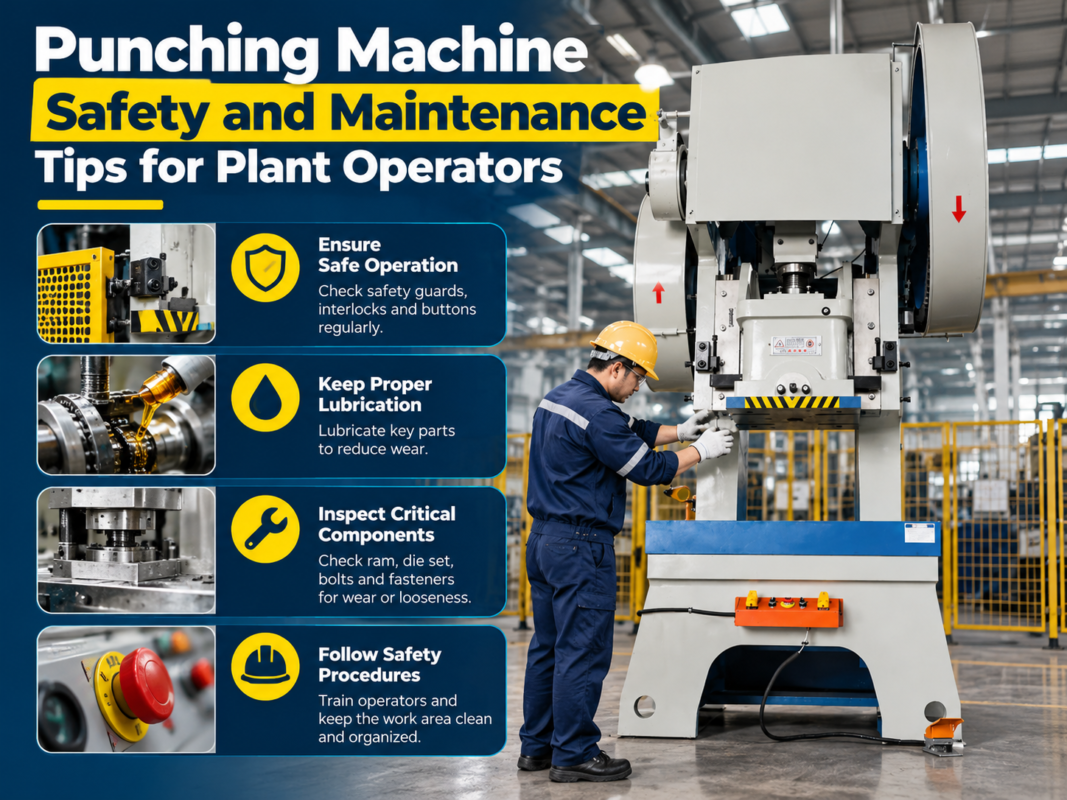
The financial implications of the Single-Head Vs Multi-Station Punching Machine: Choose Model Workshop dilemma extend far beyond the purchase price. A single-head machine is significantly cheaper upfront, often costing a fraction of a high-end CNC turret press. This makes it accessible for startups or small maintenance departments. Maintenance is also straightforward: regular oil changes, checking hydraulic hoses, and sharpening the punches. Because the mechanics are simple, many repairs can be handled in-house without the need for specialized factory technicians.
Multi-station machines involve a higher Total Cost of Ownership (TCO). Beyond the machine price, you must factor in the cost of a full set of turret tooling, specialized software licenses, and higher electricity consumption. Maintenance is more complex, involving the calibration of the turret indexing mechanism, the maintenance of the X and Y-axis ball screws, and the cooling systems for the electronics. However, the cost *per part* is significantly lower on a multi-station machine when producing at scale. The reduction in manual labor and the elimination of secondary operations (like deburring or manual forming) often offset the higher maintenance and capital costs within the first 18-24 months of operation.
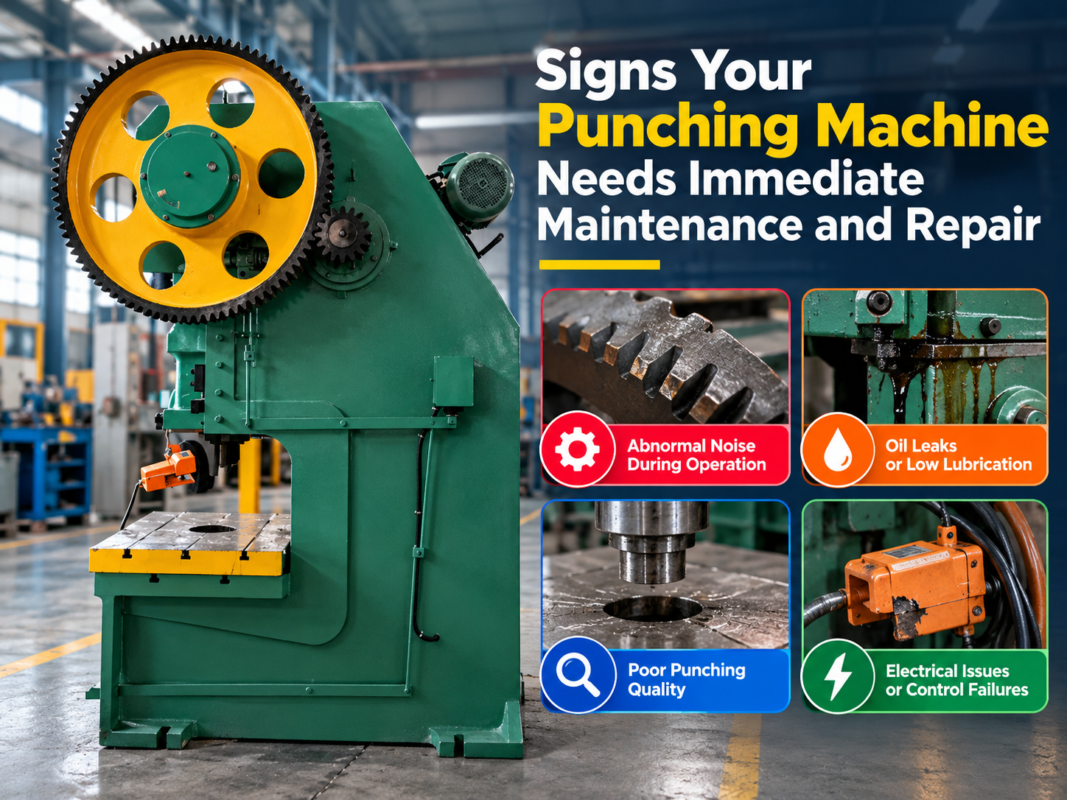
It is also worth noting that tool wear is managed differently. In a single-head machine, a dull tool is immediately obvious. In a multi-station machine, the software often tracks the number of hits per tool and alerts the operator when sharpening is required. This proactive approach to maintenance helps maintain part quality but requires a more disciplined shop floor management style. HARSLE provides comprehensive training and maintenance packages for both types of machines to ensure long-term reliability.
Recommendation: Making the Final Decision
So, which model should you choose for your workshop? The recommendation depends on your growth trajectory. If you are a small shop primarily doing custom structural work or simple repairs, the Single-Head Punching Machine is the most logical and fiscally responsible choice. It provides the power you need without the complexity you don’t. It is a reliable tool that will last for decades with minimal fuss.
However, if you aim to compete in the high-precision sheet metal market, or if you find that your current manual punching process is a bottleneck in your production line, the Multi-Station Punching Machine is a necessary investment. The jump in productivity is not just incremental; it is exponential. By consolidating multiple operations into a single CNC program, you free up your skilled labor for other tasks and significantly reduce your lead times.
Before purchasing, HARSLE recommends performing a “Part Audit.” Take your five most common parts and calculate the total number of hits and tool changes required for each. If the average part requires more than three tool changes or has more than 20 hits, the multi-station machine will likely pay for itself very quickly. If your parts are mostly single-hole or double-hole configurations in heavy plate, stick with the single-head model and invest the savings into high-quality specialized tooling.
Frequently Asked Questions (FAQ)
1. Can a single-head machine be upgraded to a multi-station later?
Generally, no. The frame design and control systems are fundamentally different. While some single-head machines offer “quick-change” tool holders, they cannot be converted into an automated turret system. It is better to buy the machine that fits your 3-year growth plan today.
2. What is the maximum thickness a multi-station machine can punch?
Most standard CNC turret punch presses are optimized for sheet metal up to 6.35mm (1/4 inch). While some heavy-duty models can go thicker, punching very thick plate in a turret can lead to increased wear on the indexing mechanism. For anything over 8mm consistently, a single-head machine is usually preferred.
3. How long does it take to learn the CNC software for a multi-station machine?
For an operator familiar with basic CAD, basic proficiency can be achieved in 3-5 days of intensive training. However, mastering nesting optimization and complex forming sequences may take several weeks of hands-on experience. HARSLE provides initial training with every installation.
4. Is hydraulic or electric better for a punching machine?
Hydraulic systems are generally more robust and better for thick materials (common in single-head machines). Electric servo drives are faster, quieter, and more energy-efficient, making them ideal for the high-speed requirements of multi-station machines. HARSLE offers both technologies depending on the specific model and application.
5. How often should I sharpen the punching tools?
This depends on the material being punched. Stainless steel will dull tools much faster than aluminum. A general rule of thumb is to check tools every 10,000 to 50,000 hits. Using dull tools increases the load on the machine and results in poor edge quality (burrs).