Fiber Laser Cutting Machine Vs Fiber Laser Engraving Machine: Functions Applications Compared

Introduction to Fiber Laser Technology in Modern Manufacturing
In the rapidly evolving landscape of industrial manufacturing, fiber laser technology has emerged as a cornerstone for precision, efficiency, and versatility. Whether you are running a large-scale automotive production line or a specialized jewelry workshop, understanding the nuances of laser equipment is critical for operational success. Two of the most common yet frequently confused pieces of equipment are the fiber laser cutting machine and the fiber laser engraving machine. While both utilize fiber optics to deliver high-energy beams, their mechanical structures, power outputs, and intended applications differ significantly.
The fundamental difference lies in the interaction between the laser beam and the material. A fiber laser cutting machine is designed to penetrate through thick materials, effectively ‘separating’ parts from a larger sheet. Conversely, a fiber laser engraving machine is engineered to alter the surface of a material, creating permanent marks, textures, or shallow recesses without compromising the structural integrity of the workpiece. This article provides an in-depth comparison of these two powerhouses, helping manufacturers make informed investment decisions based on their specific production requirements.
Comparison Summary: At a Glance
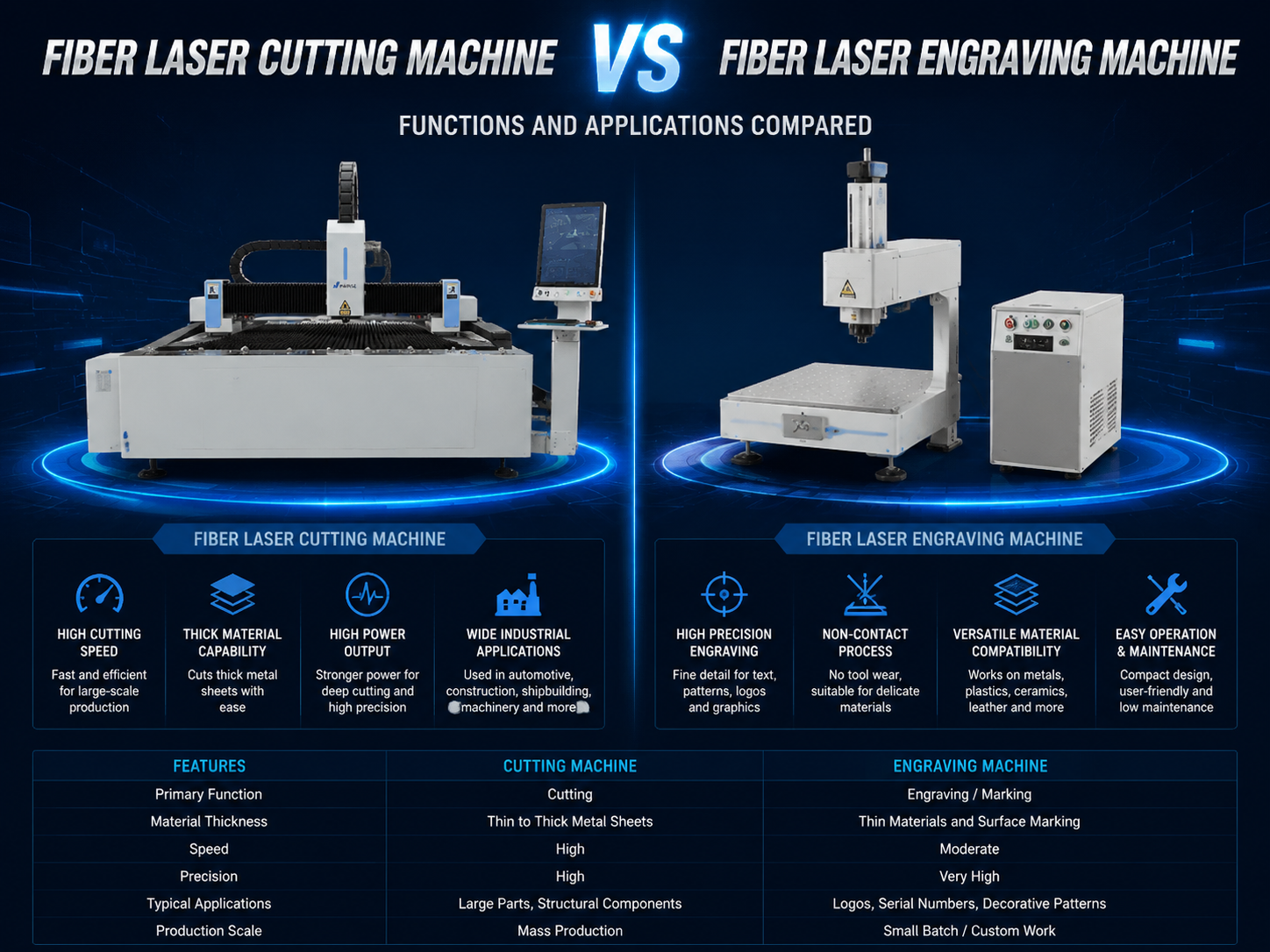
Before diving into the technical specifics, it is helpful to summarize the core differences between these two technologies. Fiber laser cutting machines are high-power systems, typically ranging from 1,000W to over 30,000W, designed for heavy-duty metal fabrication. They utilize a moving gantry system to navigate large work areas. Fiber laser engraving machines, often referred to as laser markers, operate at much lower power levels, usually between 20W and 100W. They utilize high-speed galvanometers (mirrors) to direct the beam, allowing for incredible speed and precision on a smaller scale.
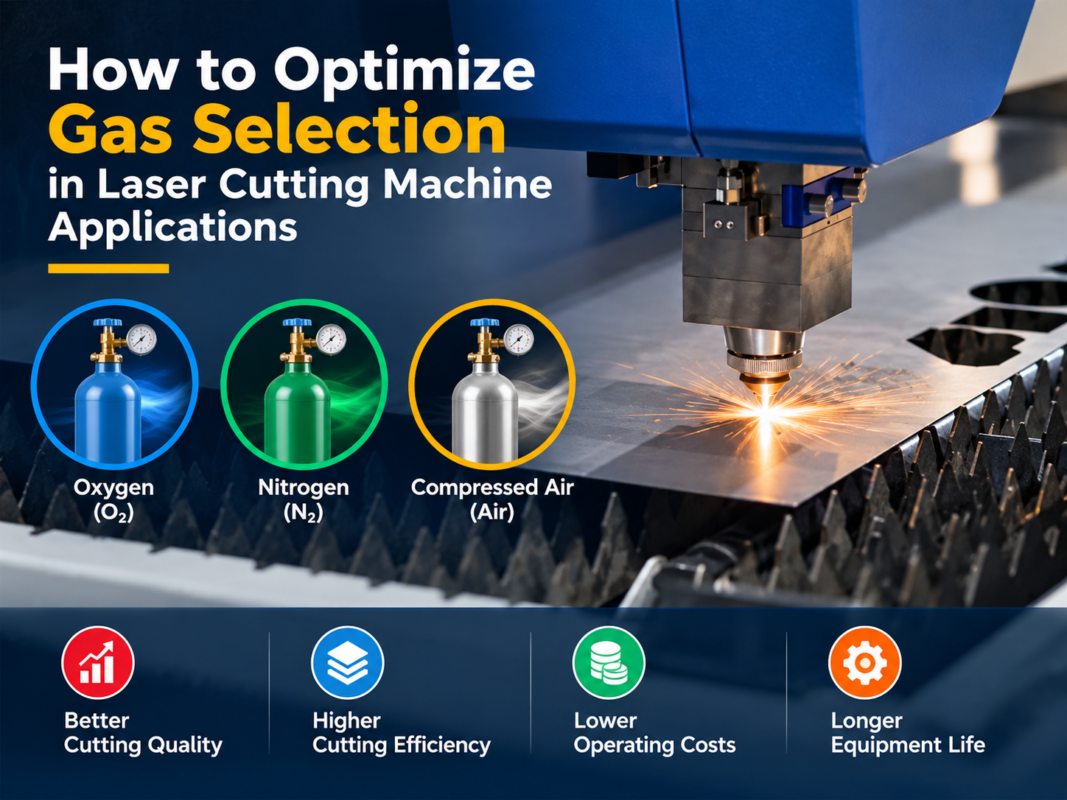
Key differentiators include the focal length of the lens, the use of assist gases, and the overall footprint of the machine. Cutting machines require high-pressure gas (Oxygen, Nitrogen, or Air) to blow away molten metal, whereas engraving machines typically rely on the vaporization of the surface material without the need for high-pressure gas delivery systems. Understanding these distinctions is the first step in optimizing your workshop’s workflow.
Fiber Laser Cutting Machine Overview
The Mechanics of High-Power Cutting
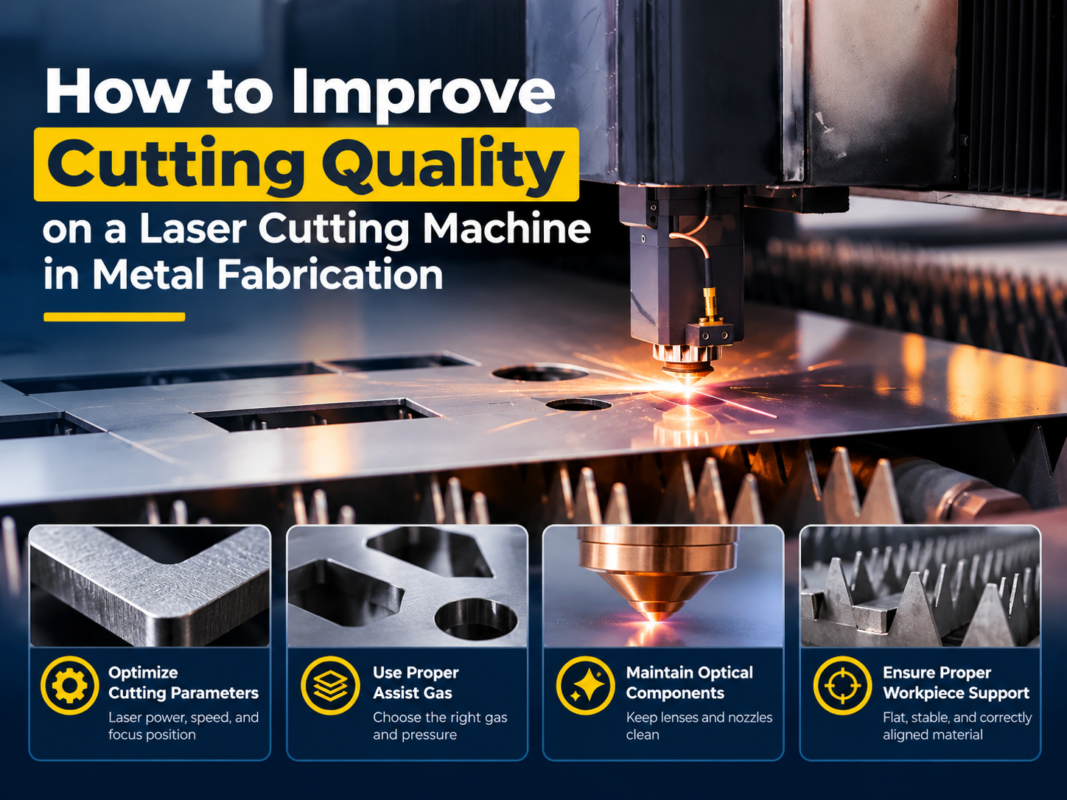
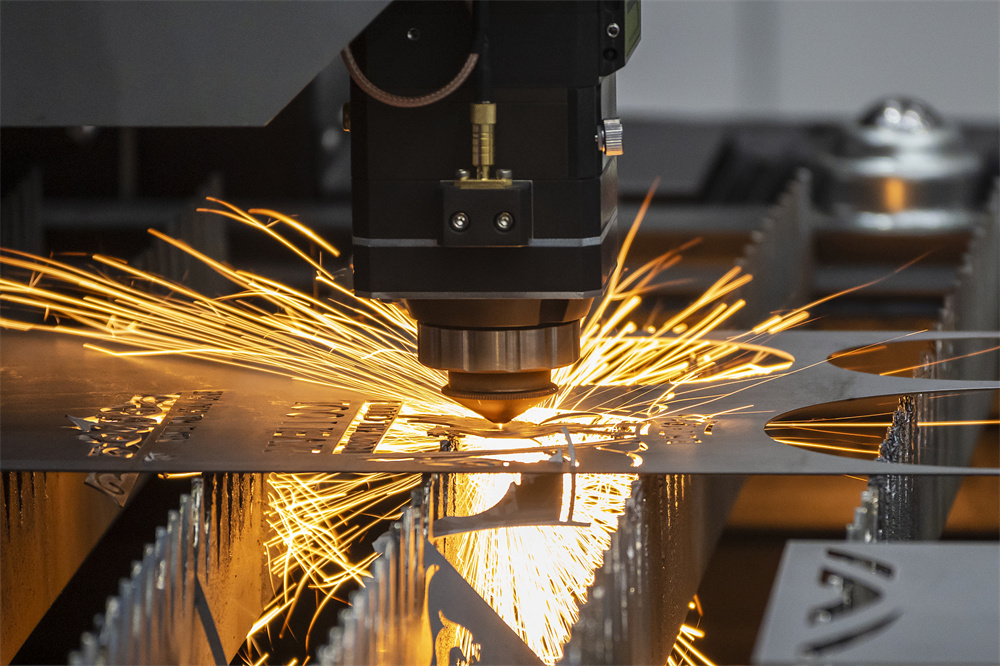
A fiber laser cutting machine is a sophisticated piece of industrial equipment designed to slice through metals with extreme precision. The core of the machine is the fiber laser source, which generates a beam that is then transmitted through a flexible fiber optic cable to the cutting head. Unlike CO2 lasers that use mirrors, fiber lasers are more efficient and require less maintenance. The cutting head contains a focusing lens that concentrates the beam into a tiny spot, creating enough heat to melt or vaporize metal instantly.
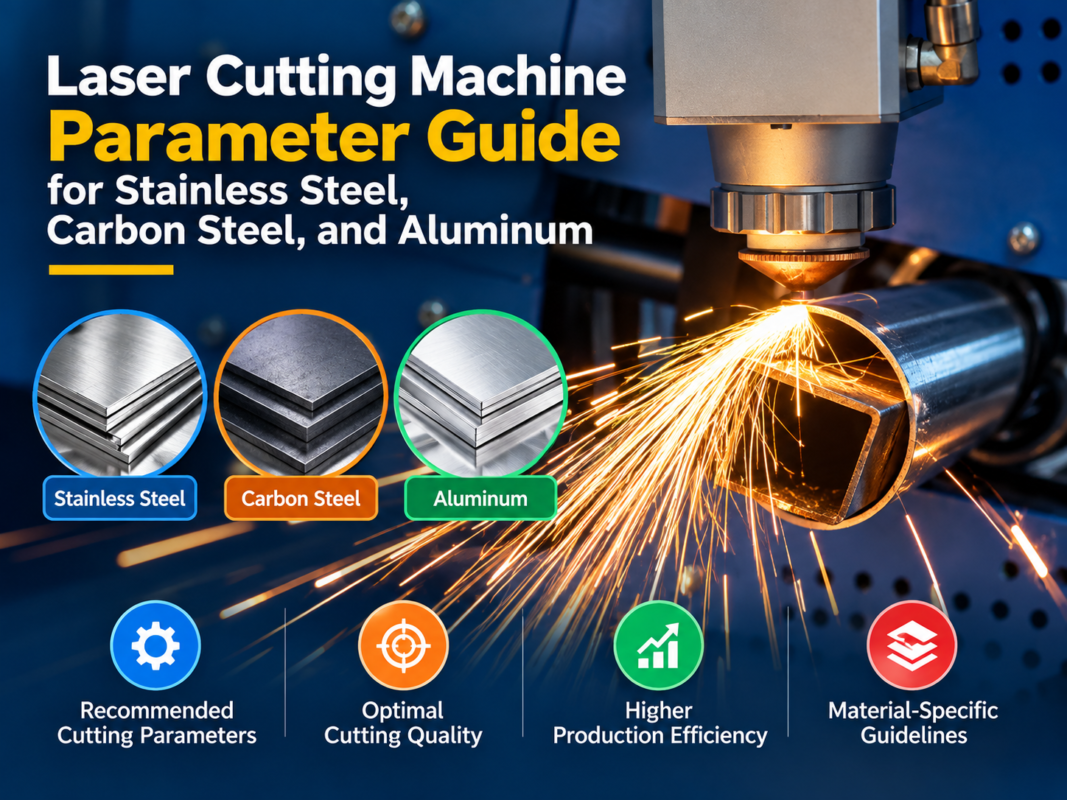
To achieve a clean cut, the machine employs a CNC (Computer Numerical Control) system that moves the cutting head along the X, Y, and sometimes Z axes. This allows for the creation of complex geometries and intricate patterns in materials like carbon steel, stainless steel, aluminum, and brass. The inclusion of a shuttle table or an exchange platform in many HARSLE models further enhances productivity by allowing operators to load and unload sheets while the machine is actively cutting.
Key Components and Features
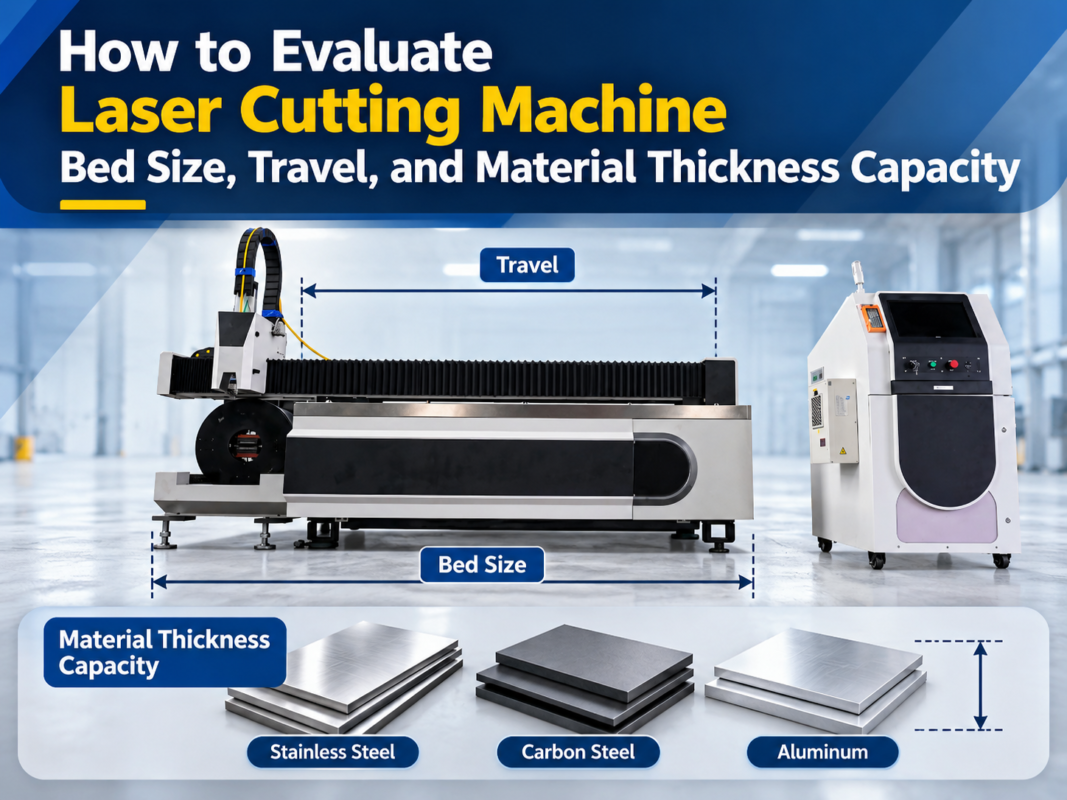
The performance of a fiber laser cutting machine depends on several critical components. The laser source (often from brands like IPG, Raycus, or Max) determines the maximum thickness the machine can handle. The cutting head, equipped with auto-focus sensors, ensures that the beam remains perfectly positioned even if the metal sheet is slightly uneven. Furthermore, the heavy-duty bed—often made of high-strength welded steel or cast iron—provides the stability necessary to prevent vibrations during high-speed movements.
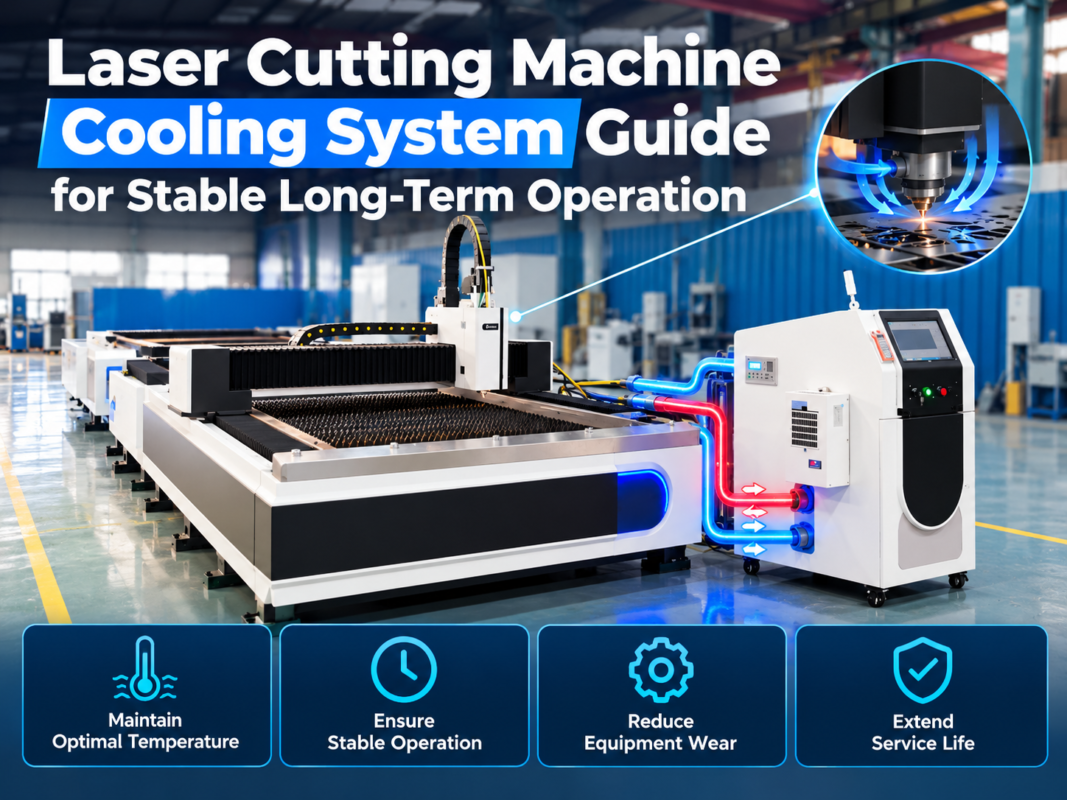
Another vital aspect is the cooling system. High-power lasers generate significant heat, requiring a dual-circuit industrial chiller to maintain the temperature of both the laser source and the cutting head. This ensures long-term stability and prevents component failure during continuous 24/7 operations. For manufacturers, these machines represent a significant investment that pays off through high throughput and minimal material waste.
Fiber Laser Engraving Machine Overview
Precision Marking and Surface Alteration
Fiber laser engraving machines, also known as fiber laser markers, are the masters of detail. These machines are designed to create permanent, high-contrast marks on various materials. The process involves a low-power laser beam that interacts with the surface of the material to cause a color change, a shallow etch, or a deep engraving. Because the beam is steered by high-speed oscillating mirrors (galvanometers), the marking speed is incredibly fast—often reaching several thousand millimeters per second.
These machines are highly valued in industries where traceability and branding are paramount. From QR codes on electronic components to decorative patterns on jewelry, the fiber laser engraver provides a level of detail that mechanical engraving or ink printing cannot match. The ‘cold’ nature of the fiber laser (in terms of heat-affected zone) ensures that delicate components are not damaged during the marking process.
Versatility and Compact Design
One of the primary advantages of a fiber laser engraving machine is its compact, often desktop-friendly size. Unlike the massive footprint of a cutting machine, an engraver can fit into small workshops or integrated production lines. They are also remarkably low-maintenance, as they do not require consumable gases or complex nozzle replacements. The laser source in an engraver typically has a lifespan of up to 100,000 hours, making it one of the most reliable tools in a fabricator’s arsenal.
Furthermore, advanced fiber engravers, such as MOPA (Master Oscillator Power Amplifier) lasers, allow for color marking on stainless steel and high-contrast marking on plastics. This versatility expands the machine’s utility beyond simple metal marking, allowing businesses to offer a wider range of customized products and industrial solutions.
Specification Comparison Table
| Feature | Fiber Laser Cutting Machine | Fiber Laser Engraving Machine |
|---|---|---|
| Power Range | 1,000W to 30,000W+ | 20W to 100W (typically) |
| Primary Function | Cutting through thick materials | Surface marking and shallow etching |
| Movement System | Gantry-style (X, Y, Z axes) | Galvanometer (High-speed mirrors) |
| Material Thickness | Up to 50mm+ (depending on power) | Surface level to ~1mm depth |
| Assist Gas | Required (O2, N2, or Air) | Not required |
| Processing Speed | Moderate (depends on thickness) | Extremely fast (marking speed) |
| Cooling System | Large industrial water chiller | Air-cooled or small water chiller |
| Initial Cost | High ($20,000 – $200,000+) | Low to Moderate ($2,000 – $10,000) |
Best-fit Applications for Each Machine
Industrial Applications for Cutting Machines
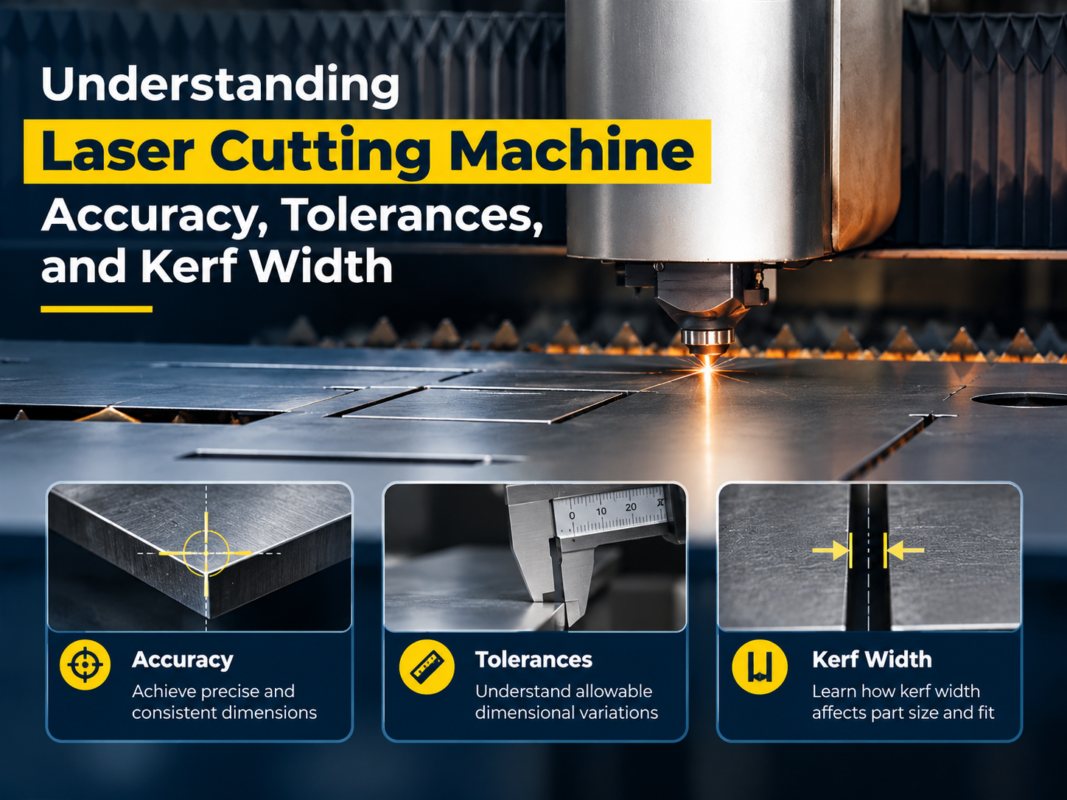
Fiber laser cutting machines are the workhorses of heavy industry. In the automotive sector, they are used to cut high-strength steel frames and intricate engine components. The aerospace industry relies on them for cutting titanium and aluminum alloys with tight tolerances. In the construction and agricultural machinery sectors, these machines produce the heavy plates and structural elements required for large-scale equipment. Additionally, the signage industry uses them to create large metal letters and architectural facades.
For a business focused on fabrication, the ability to cut various thicknesses of metal with a single machine is a game-changer. It eliminates the need for secondary finishing processes because the laser leaves a smooth, burr-free edge. This efficiency is why fiber laser cutting has largely replaced traditional methods like plasma cutting or waterjet cutting for many thin-to-medium metal applications.

Commercial and Industrial Applications for Engraving Machines
The applications for fiber laser engraving machines are equally diverse but focus on the ‘micro’ rather than the ‘macro.’ In the medical field, these machines are used to mark surgical instruments with serial numbers and tracking codes that must withstand repeated sterilization. In the electronics industry, they mark microchips, circuit boards, and phone casings. The jewelry industry uses them for intricate hallmarking and personalized engravings on rings and watches.
Beyond marking, these machines are used for ‘laser cleaning’ or surface preparation, where the laser removes rust or paint from a small area before welding. They are also essential for the production of nameplates, control panels, and promotional items. The ability to mark on the fly (marking moving objects on a conveyor belt) makes them ideal for high-volume packaging and bottling lines.
Cost and Maintenance Comparison
Investment and Operational Costs
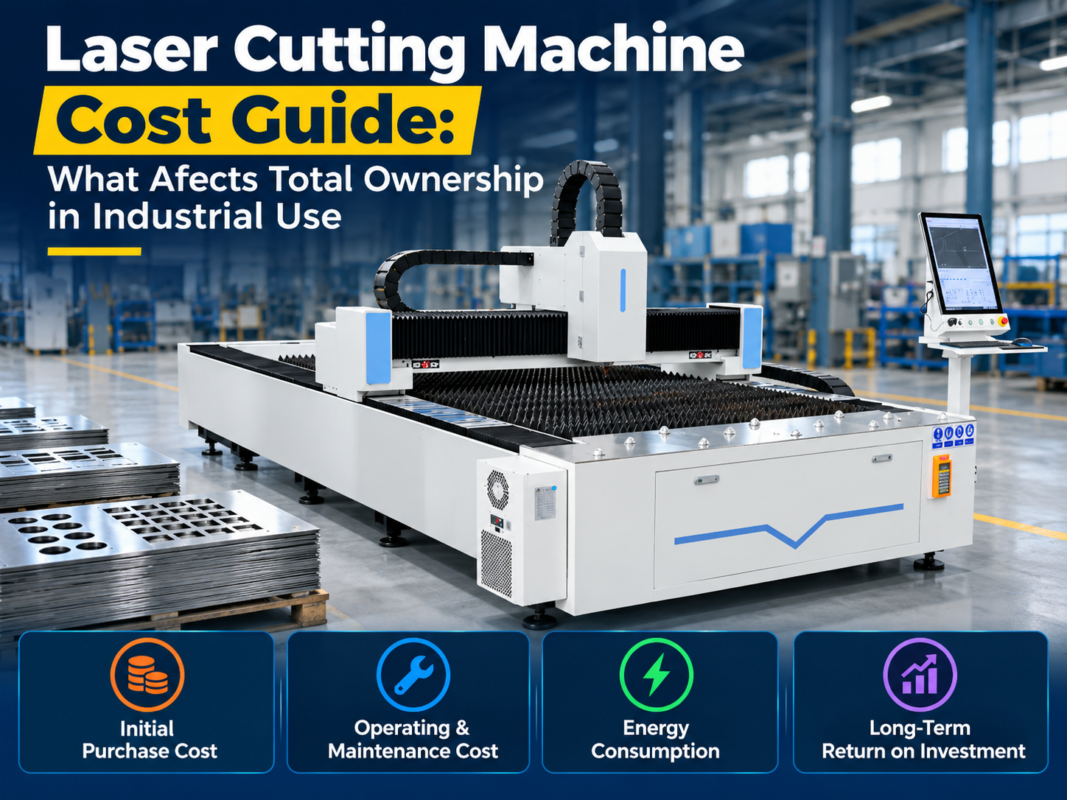
The financial commitment for a fiber laser cutting machine is substantial. Beyond the initial purchase price, owners must account for the cost of high-pressure gases, electricity consumption (which can be significant for high-power units), and consumables like copper nozzles and protective windows. However, the high production rate and the ability to take on large-scale contracts often result in a rapid Return on Investment (ROI) for busy shops.
In contrast, a fiber laser engraving machine has a much lower barrier to entry. The operational costs are minimal, primarily consisting of the electricity needed to run the laser and the computer. There are no gases to buy and very few parts that wear out over time. For small businesses or as an add-on service for existing fabrication shops, the engraving machine offers a low-risk way to expand capabilities.
Maintenance Requirements
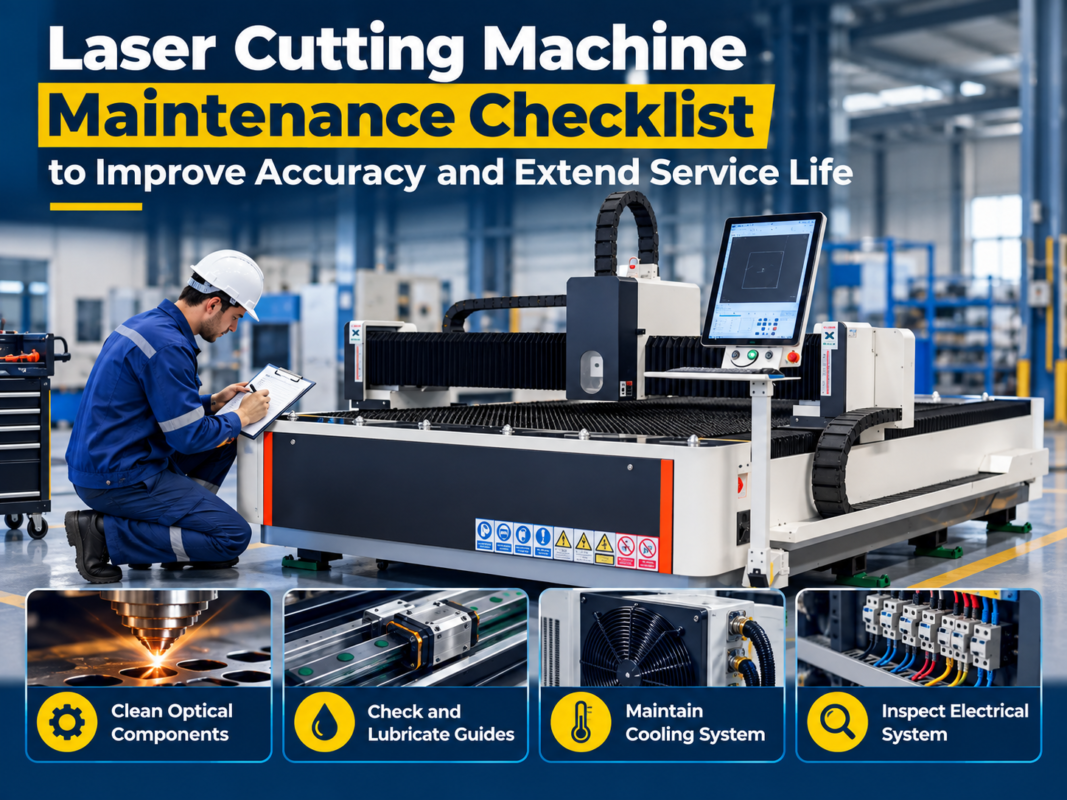
Maintenance for a cutting machine involves regular cleaning of the guide rails, checking the lubrication system, and ensuring the water chiller is functioning correctly. The optical path must be kept pristine, as even a small speck of dust on a high-power lens can cause it to crack under the heat of the laser. Regular calibration of the CNC system is also necessary to maintain accuracy over large distances.
Engraving machines are relatively ‘set and forget.’ Because they have fewer moving parts (the mirrors are the only high-speed components), there is less mechanical wear. The main maintenance task is keeping the F-theta lens clean and ensuring the cooling fans are free of dust. This makes them ideal for environments where dedicated maintenance staff might not be available.
Recommendation: Which One Do You Need?
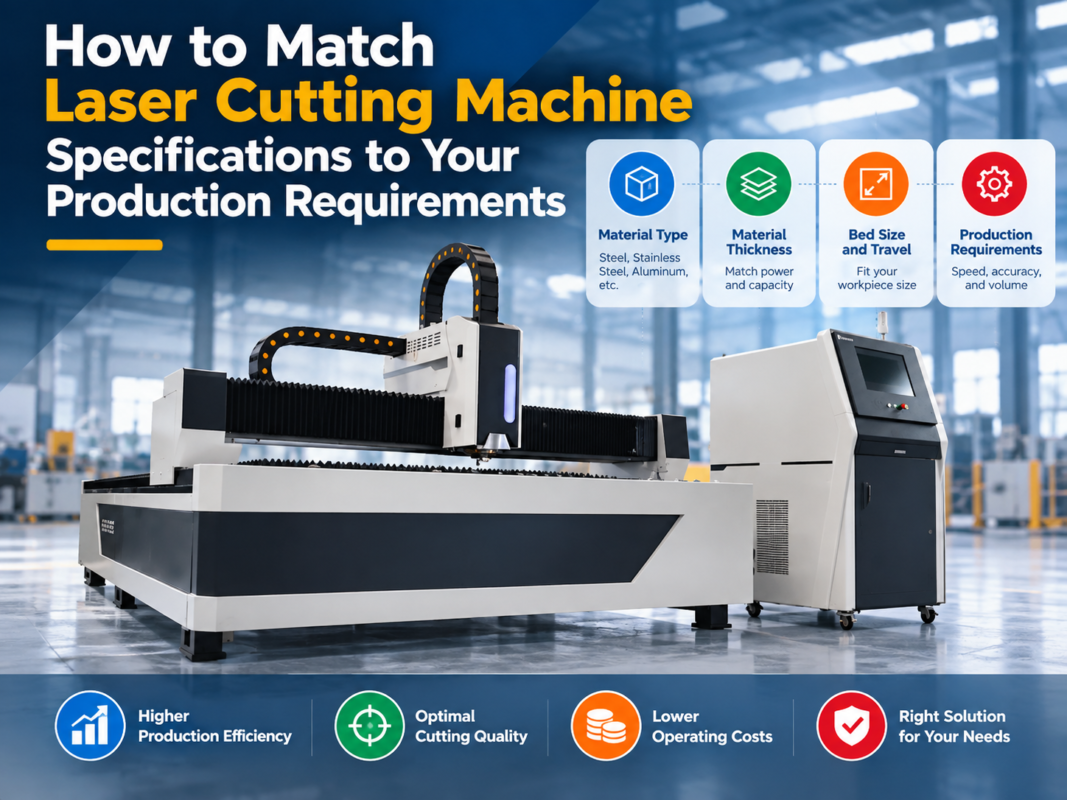
Choosing between a fiber laser cutting machine and a fiber laser engraving machine depends entirely on your production goals. If your primary objective is to manufacture parts, components, or structures from metal sheets, a Fiber Laser Cutting Machine is the only choice. It provides the power and structural capacity to handle raw materials and turn them into finished shapes. When selecting a cutting machine, consider the maximum thickness you plan to cut and choose a power level that allows you to cut that material at a productive speed.
If your goal is to add value to existing products through branding, identification, or decoration, a Fiber Laser Engraving Machine is the correct tool. It is faster, more precise for small details, and significantly more cost-effective for surface work. Many successful fabrication shops actually utilize both: the cutting machine to create the part and the engraving machine to add the serial number or company logo. By integrating both technologies, a manufacturer can control the entire production process from start to finish.
Frequently Asked Questions (FAQ)
1. Can a fiber laser engraving machine cut through metal?
Technically, a fiber laser engraver can ‘cut’ very thin foils (under 0.2mm) by performing multiple passes over the same line. However, it is not designed for this and is extremely inefficient for cutting. For any functional metal cutting, a dedicated cutting machine is required.
2. Can a fiber laser cutting machine be used for engraving?
Yes, most CNC laser cutting software allows for a ‘marking’ or ‘etching’ mode where the laser power is reduced and the speed is increased. While it can mark the surface of the metal, it will never match the speed or fine detail of a dedicated galvanometer-based engraving machine.
3. What materials can these machines process?
Both machines are primarily designed for metals, including carbon steel, stainless steel, aluminum, brass, copper, and titanium. Fiber lasers are generally not suitable for organic materials like wood or acrylic; for those, a CO2 laser is typically used.
4. How long do fiber laser sources last?
Most high-quality fiber laser sources are rated for approximately 100,000 hours of operation. This equates to over 10 years of 24/7 use, making them one of the most durable technologies in the manufacturing world.
5. Is special training required to operate these machines?
Yes, especially for fiber laser cutting machines. Operators need to understand CNC programming, gas pressure settings, and safety protocols regarding high-power lasers. Engraving machines are generally easier to learn, with user-friendly software similar to graphic design programs.
6. What are the safety requirements?
Both machines require the use of specialized laser safety glasses that filter out the specific wavelength of the fiber laser (usually 1064nm). Cutting machines should ideally be fully enclosed to prevent reflections and contain the fumes generated during the cutting process.