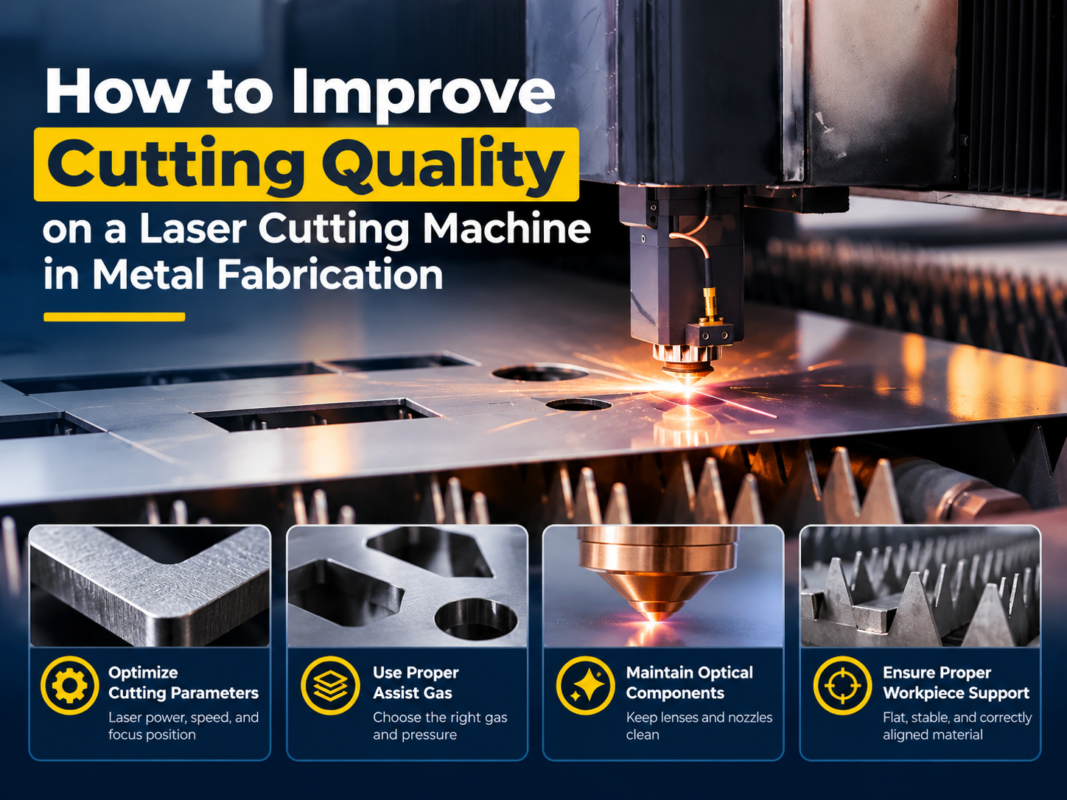
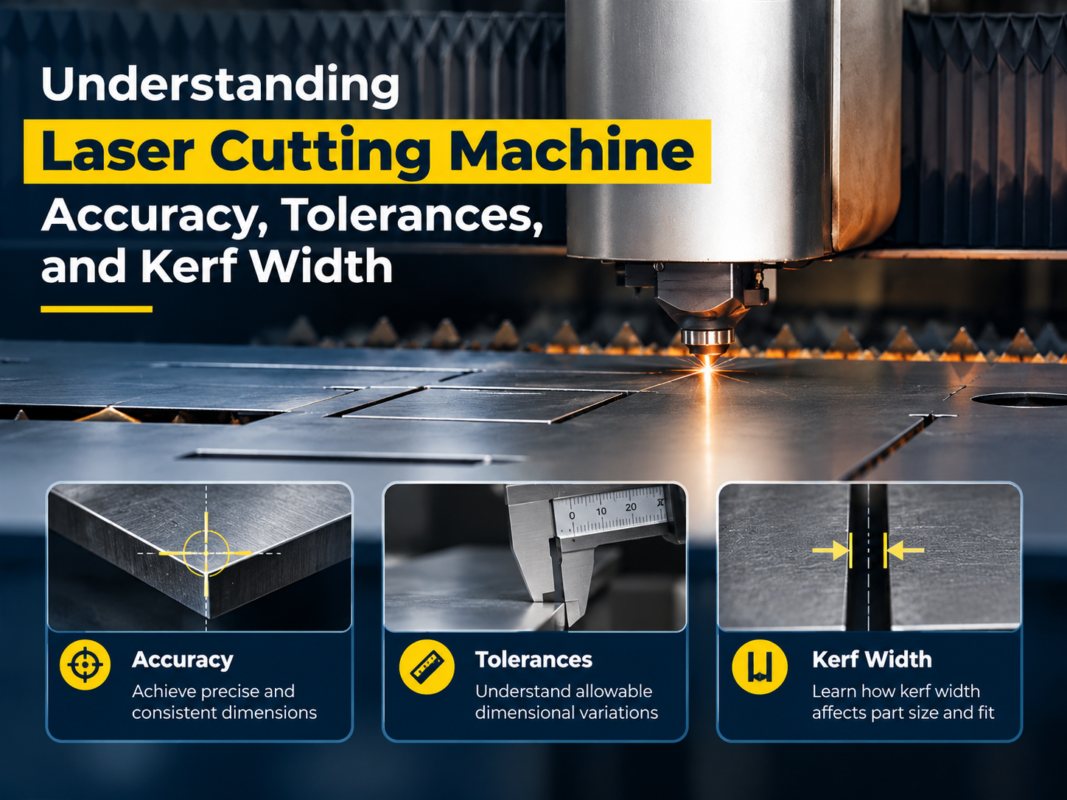
Industrial Laser Cutting Machine Brands Compared: What Buyers Should Look For


Introduction to the Industrial Laser Landscape
The global metal fabrication industry has undergone a seismic shift over the last decade, primarily driven by the rapid evolution of fiber laser technology. As manufacturers seek higher throughput, better precision, and lower operational costs, the demand for high-performance laser systems has skyrocketed. However, for a business owner or procurement manager, the market can feel overwhelming. With dozens of manufacturers claiming to offer the ‘best’ solution, understanding the nuances between Industrial Laser Cutting Machine Brands Compared: Buyers Should Look for specific technical benchmarks is essential for a successful investment.
Choosing a laser cutting machine is not merely about purchasing a piece of equipment; it is about selecting a long-term production partner. The machine you choose will dictate your production capacity, the range of materials you can process, and ultimately, your profit margins. In this guide, we will dissect the critical differences between market leaders and emerging powerhouses like HARSLE, providing a roadmap for what buyers should look for when comparing industrial laser cutting machine brands.
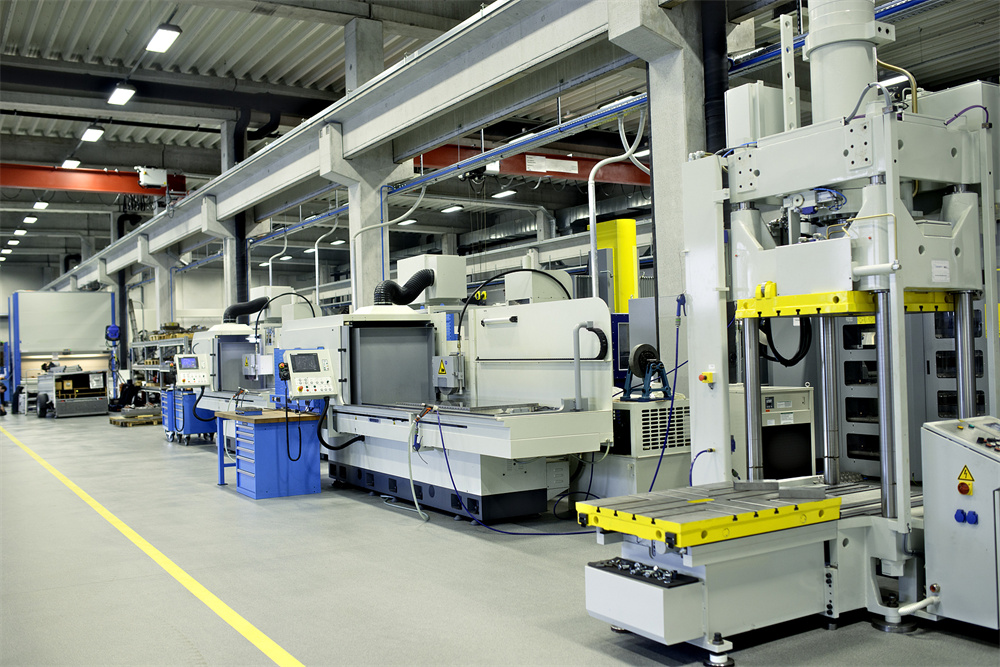
The transition from CO2 lasers to fiber lasers has redefined efficiency. Fiber lasers offer significantly higher electrical efficiency, lower maintenance requirements, and faster cutting speeds on thin to medium-thickness materials. As we compare brands, we will focus on how different manufacturers implement this technology, the quality of their components, and the software ecosystems that drive their hardware.
Comparison Summary: Navigating the Global Market
When we look at the current landscape of industrial laser cutting machine brands, we generally see three tiers of manufacturers. The first tier consists of legacy European and Japanese brands such as Trumpf, Bystronic, and Amada. These companies are known for their high-end engineering, integrated automation, and premium price points. They are often the choice for massive aerospace or automotive plants where 24/7 uptime and extreme precision are non-negotiable.
The second tier includes high-growth manufacturers like HARSLE, which have bridged the gap between affordability and high-end performance. These brands focus on utilizing world-class components—such as IPG or Raycus laser sources and Precitec or Raytools cutting heads—while maintaining a more accessible price structure. For the majority of job shops and medium-sized manufacturing enterprises, this tier offers the most compelling Return on Investment (ROI).
The third tier consists of entry-level manufacturers that compete almost exclusively on price. While tempting for startups, these machines often lack the structural rigidity and long-term support necessary for industrial-scale production. When Industrial Laser Cutting Machine Brands Compared: Buyers Should Look at the ‘Total Cost of Ownership’ rather than just the initial sticker price, the value of Tier 1 and Tier 2 brands becomes much clearer.
Machine A Overview: HARSLE Fiber Laser Solutions
HARSLE has established itself as a dominant force in the industrial machinery sector by focusing on the ‘Value-Performance’ sweet spot. Their fiber laser cutting machines, particularly the G-series and high-power large-format models, are designed to handle the rigors of heavy-duty metal fabrication. HARSLE machines are characterized by their robust mechanical structures, often featuring heavy-duty plate-welded frames that undergo stress-relief annealing to ensure long-term accuracy.
One of the standout features of HARSLE’s approach is the integration of industry-standard control systems like CypCut. This software is widely regarded as one of the most user-friendly and powerful platforms in the industry, allowing operators to move from CAD design to finished part with minimal friction. Furthermore, HARSLE offers a wide range of power options, from 3kW for precision sheet metal to 30kW+ for heavy plate processing, ensuring that they have a solution for every application.
HARSLE also emphasizes the importance of the ‘Laser Source,’ the heart of the machine. By partnering with global leaders like IPG Photonics and top-tier domestic brands like Raycus, they provide buyers with flexibility in terms of budget and performance requirements. Their machines often include features that are considered ‘add-ons’ by other brands, such as automatic nozzle cleaning, exchange tables for continuous production, and advanced dust extraction systems.
Machine B Overview: High-End European and Japanese Standards
Brands like Trumpf and Amada represent the pinnacle of laser engineering. These machines are often built with a focus on ‘Total System Integration.’ This means that almost every component—from the laser resonator to the motion controllers and the software—is developed in-house. This level of integration allows for extreme synchronization between the laser pulse and the machine’s movement, resulting in superior edge quality on very thick or complex geometries.
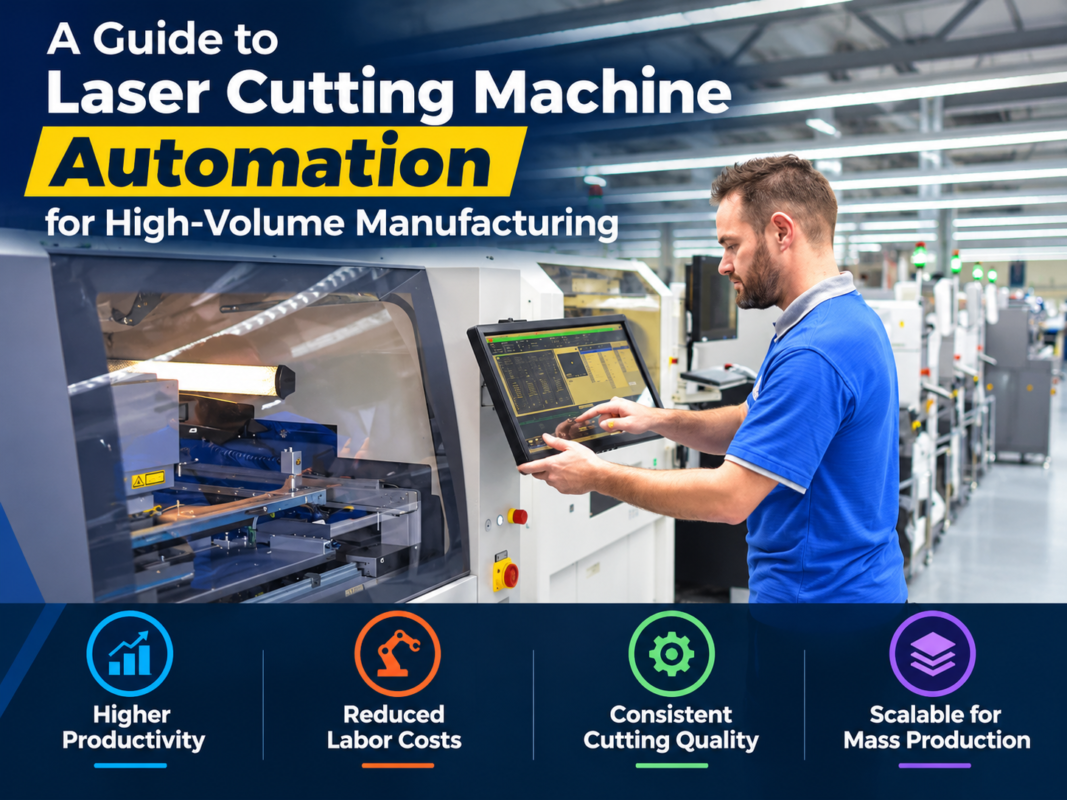
These premium brands often lead the way in automation. Their systems are frequently sold as part of a larger ‘Smart Factory’ ecosystem, featuring automated sheet loading, part sorting, and even integrated bending cells. For a buyer, the primary draw of these brands is the peace of mind that comes with a global service network and a legacy of precision. However, this comes at a significant premium, often costing 2-3 times more than a comparable Tier 2 machine.
While the performance is undeniable, the ‘Buyers Should Look’ aspect here involves assessing whether your specific production needs justify the massive capital expenditure. If your shop processes standard carbon steel and stainless steel in the 1mm to 20mm range, the performance delta between a high-end European machine and a well-built HARSLE machine may not be large enough to offset the price difference in a competitive market.
Specification Comparison Table
| Feature | HARSLE (Value-Performance Tier) | Premium Tier (Trumpf/Bystronic) |
|---|---|---|
| Laser Source | IPG / Raycus / Max (Flexible) | In-house Proprietary / IPG |
| Control Software | CypCut / HypCut (Industry Standard) | Proprietary (e.g., TruTops) |
| Frame Construction | Heavy-duty Welded Plate (Annealed) | Cast Iron or Mineral Casting |
| Acceleration | 1.2G – 2.0G | 2.0G – 3.0G+ |
| Max Power Available | Up to 40kW+ | Up to 24kW – 30kW |
| Maintenance Cost | Moderate (Standardized Parts) | High (Proprietary Parts) |
| Initial Investment | $$ – $$$ | $$$$$ |
Best-fit Applications: Matching Machine to Material
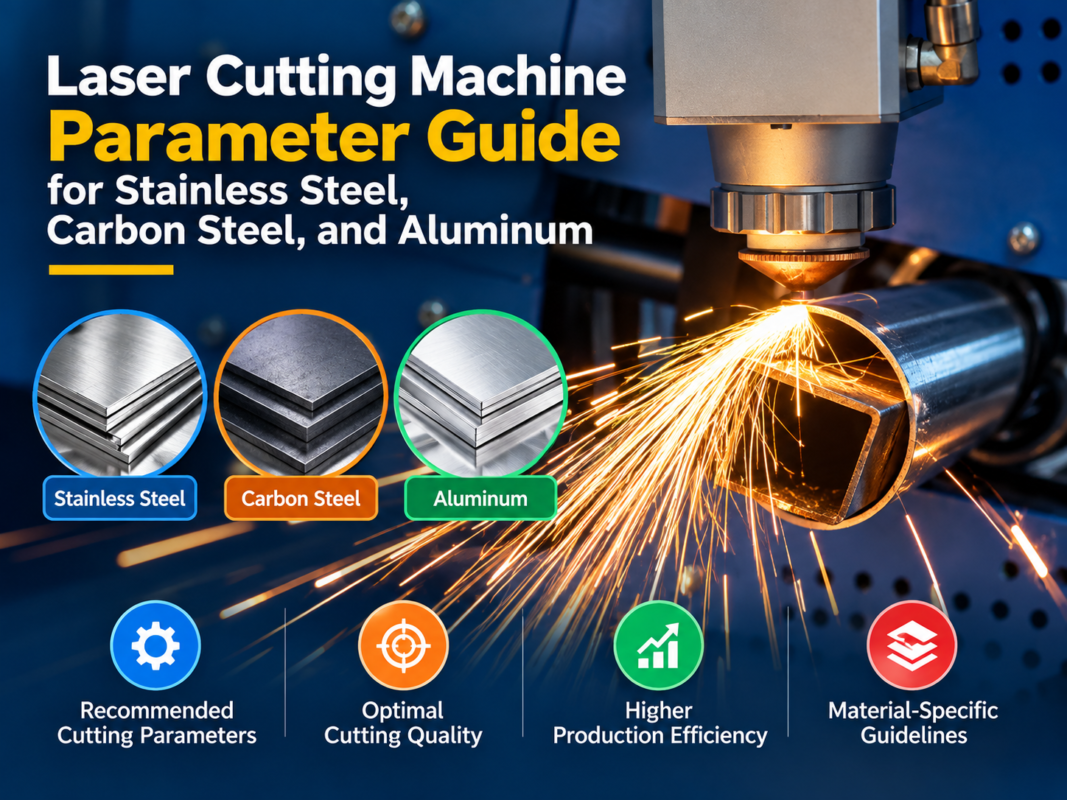
When Industrial Laser Cutting Machine Brands Compared: Buyers Should Look at their specific material mix. Not all lasers are created equal when it comes to different metals. For example, if your primary business is cutting highly reflective materials like brass, copper, or aluminum, you need a fiber laser with back-reflection protection. Both HARSLE and premium brands offer this, but the implementation varies.
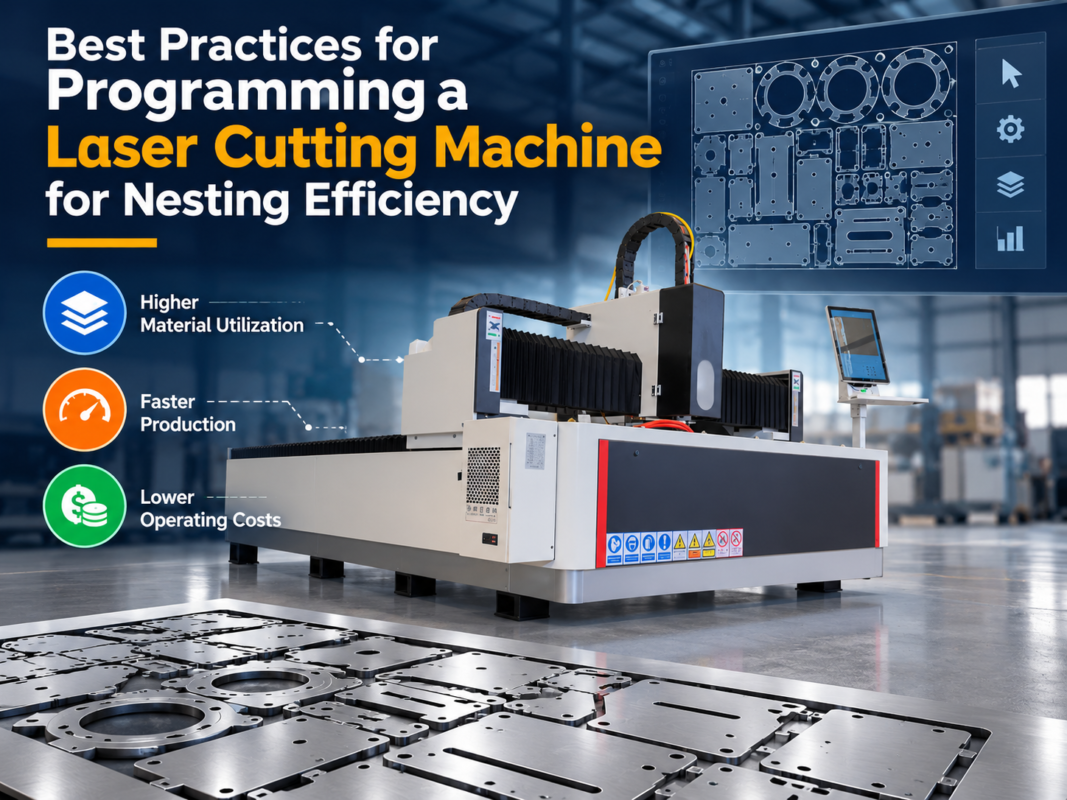
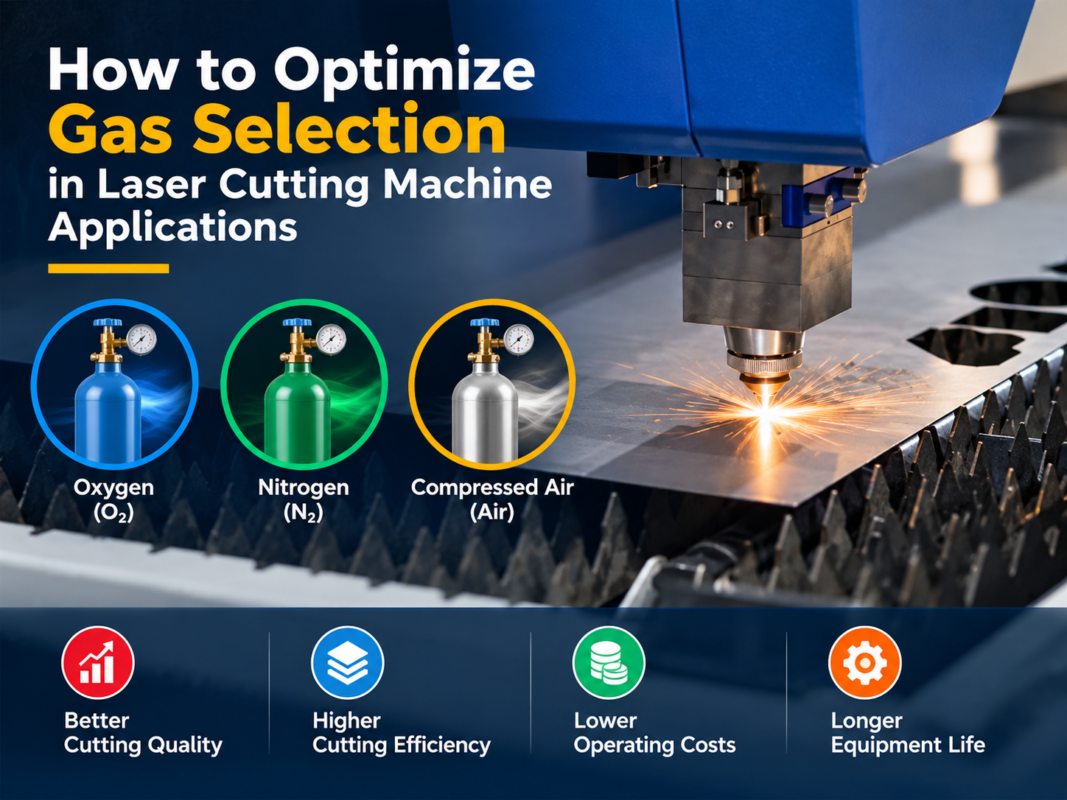
Job Shops and General Fabrication: For businesses that handle a variety of contracts—ranging from thin decorative panels to structural brackets—a versatile machine like the HARSLE G-series is ideal. Its ability to switch between different gas types (Oxygen, Nitrogen, Air) and its compatibility with various nesting softwares make it a workhorse for the diverse needs of a job shop.
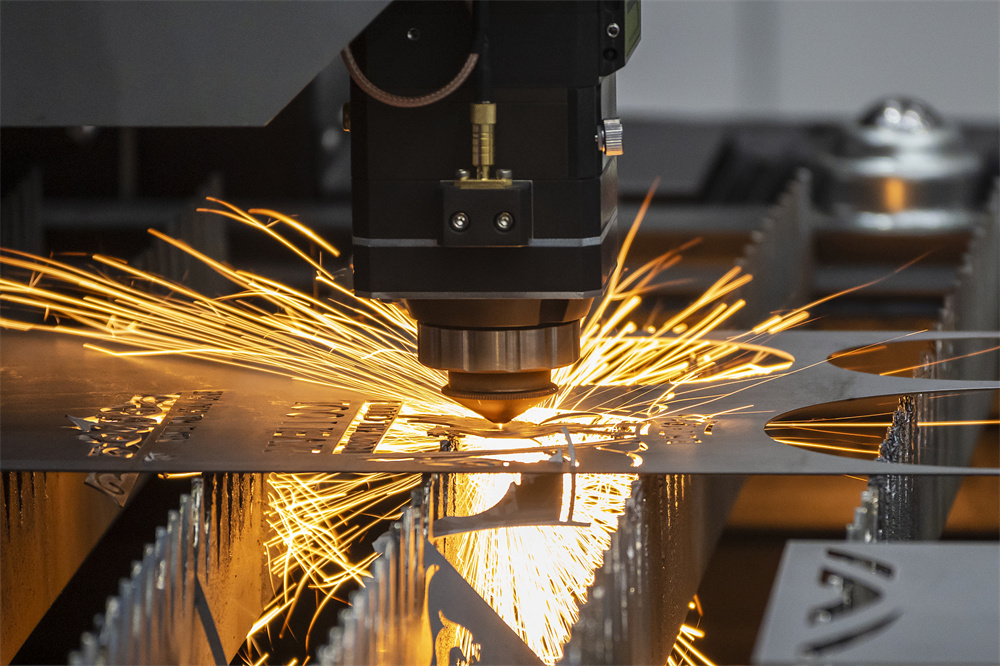
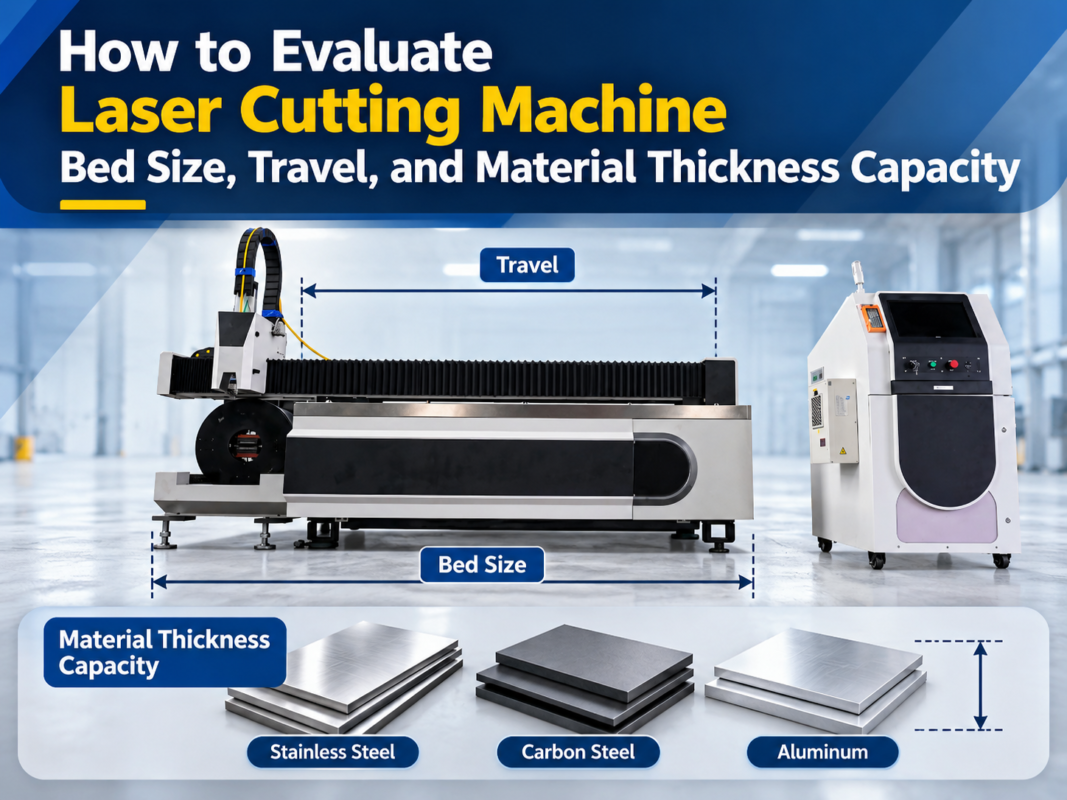
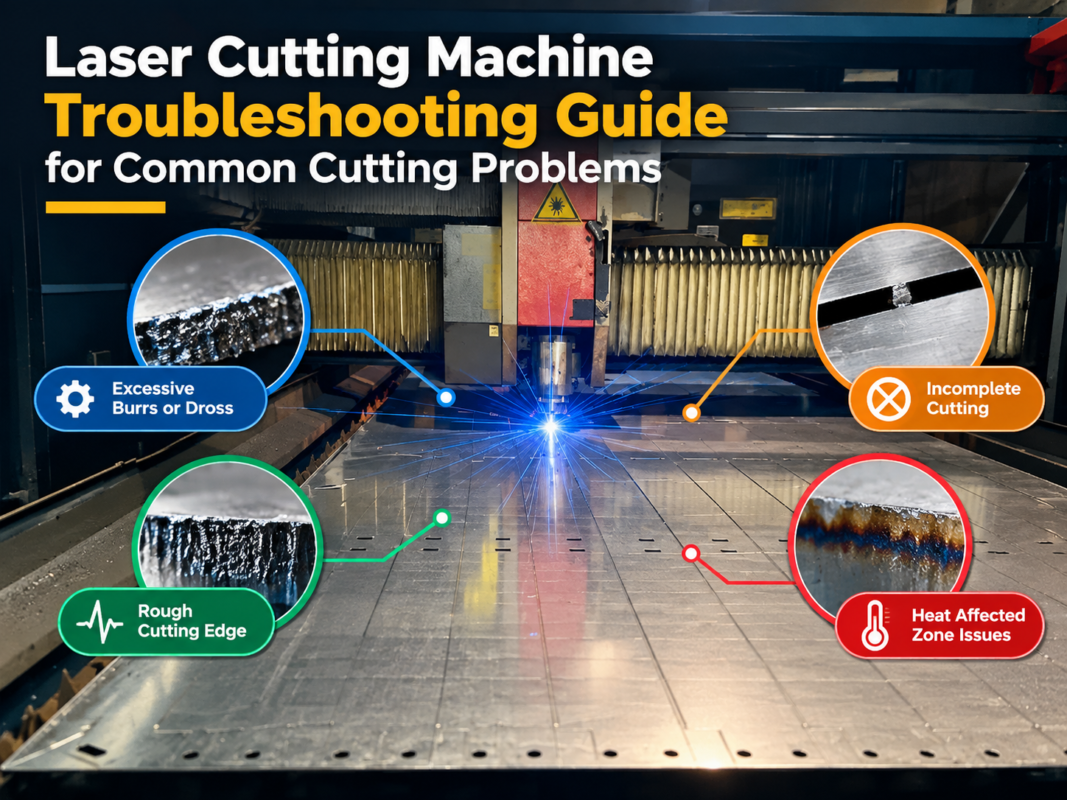
Heavy Industry and Shipbuilding: In sectors where 20mm to 50mm carbon steel is the norm, high-power fiber lasers (12kW and above) are required. Here, the structural stability of the machine bed is paramount. Buyers should look for machines with reinforced frames that can handle the weight of heavy plates without vibrating, as vibration is the enemy of cut quality at high power.
Automotive and Aerospace: These industries often require 3D laser cutting or extreme precision on thin-gauge exotic alloys. In these cases, the ultra-high acceleration and proprietary beam shaping technologies of premium brands might be necessary. However, for 90% of standard industrial applications, the precision offered by standard fiber laser configurations is more than sufficient to meet ISO standards.
Cost and Maintenance Comparison: The Long-Term View
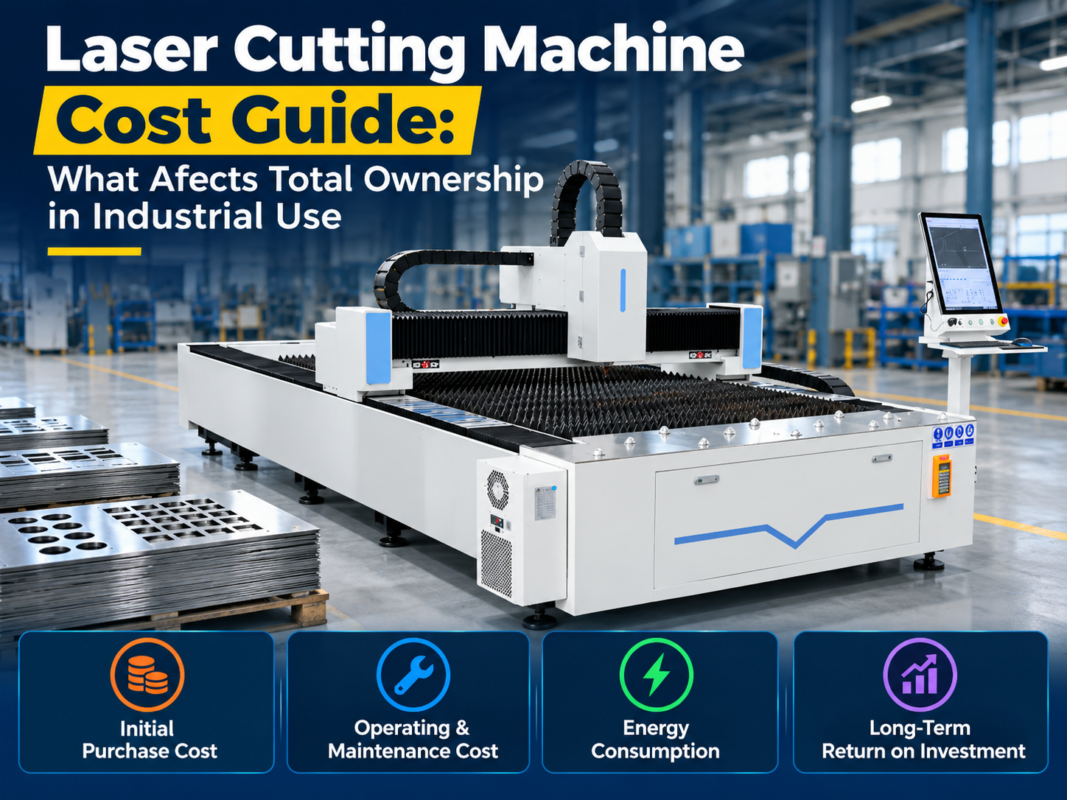
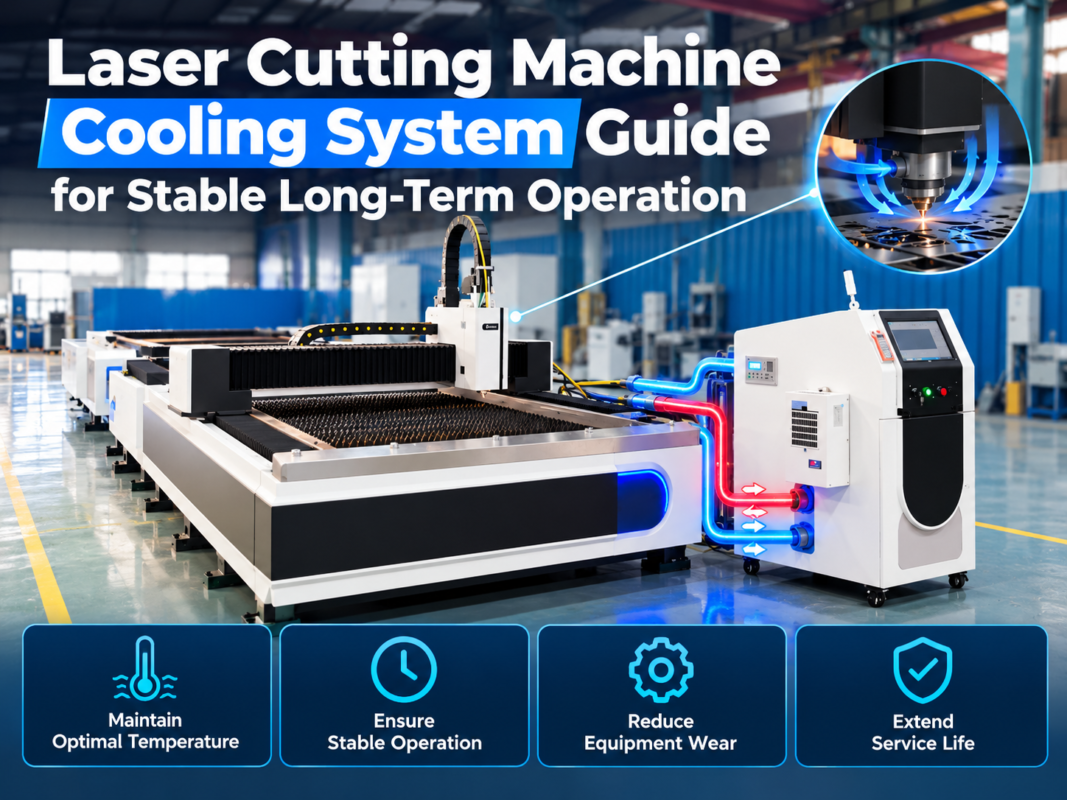
The purchase price of an industrial laser cutting machine is just the tip of the iceberg. To truly understand what buyers should look for, one must examine the operational costs. Fiber lasers are inherently more efficient than CO2 lasers, but there are still significant differences between brands. Power consumption is a major factor; high-efficiency chillers and servo motors can save thousands of dollars in electricity bills annually.
Maintenance is where the ‘Brand Comparison’ becomes very practical. Premium brands often require specialized technicians from the manufacturer to perform even routine service, and their proprietary spare parts can be incredibly expensive. Conversely, brands like HARSLE utilize many standardized components. This means that consumables like nozzles, protective windows, and ceramic rings are readily available from multiple suppliers at competitive prices. Furthermore, the widespread use of the CypCut system means there is a large global community of technicians who know how to service and optimize these machines.
Gas consumption is another critical cost. Buyers should look for machines with advanced gas control systems. Modern HARSLE machines, for instance, feature high-pressure solenoid valves and precise gas pressure sensors that minimize waste during the piercing and cutting cycles. Over a year of multi-shift operation, these gas savings can significantly impact the bottom line.
Recommendation: What Buyers Should Look For
After comparing various industrial laser cutting machine brands, our recommendation for most buyers is to focus on the ‘Golden Triangle’ of laser procurement: Component Quality, Structural Integrity, and Local Support.
- Component Quality: Do not compromise on the laser source or the cutting head. Ensure the brand uses reputable names like IPG, Raycus, or Precitec. These components are the most critical for cut quality and longevity.
- Structural Integrity: Look at the weight of the machine. A lighter machine might be cheaper to ship, but it will struggle with vibration at high speeds, leading to poor accuracy and shorter tool life. HARSLE’s emphasis on heavy, annealed frames is a benchmark buyers should look for.
- Software and Ease of Use: A machine is only as good as its operator. Choose a brand that uses intuitive software. If your team can’t learn the system quickly, your productivity will suffer.
- Serviceability: Ask about the availability of spare parts. Can you buy a replacement lens or nozzle locally, or are you locked into a single, expensive supplier?
For businesses looking to maximize their ROI without sacrificing the ability to compete on high-precision jobs, HARSLE offers an exceptional balance. Their machines provide the power and reliability needed for industrial environments while maintaining a cost structure that allows for faster business scaling.
Frequently Asked Questions (FAQ)
1. What is the main difference between IPG and Raycus laser sources?
IPG is a German-American brand known as the global leader in fiber laser technology, offering extreme stability and a premium price. Raycus is a leading Chinese brand that offers excellent performance and reliability at a more competitive price point. For most standard industrial applications, Raycus provides incredible value, while IPG is often preferred for ultra-high-power or mission-critical aerospace applications.
2. How much power (kW) do I actually need?
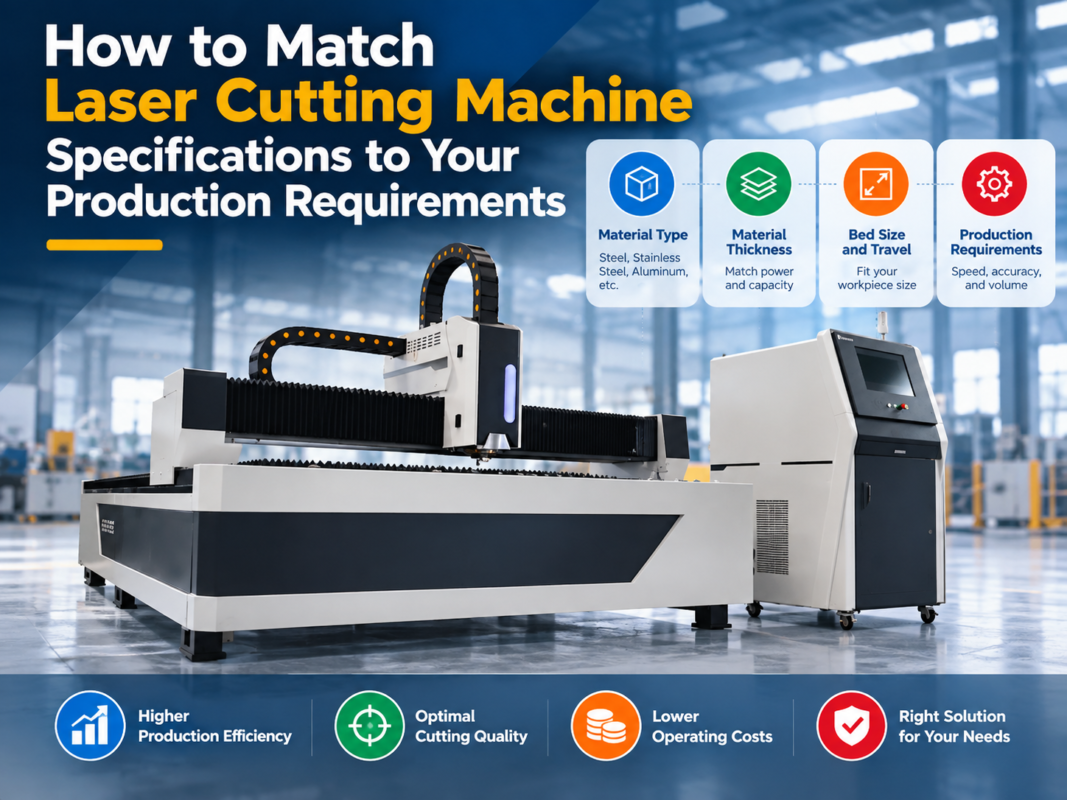
This depends on your maximum material thickness. As a rule of thumb: 3kW is great for up to 20mm carbon steel (though 12-16mm is the ‘sweet spot’); 6kW handles up to 25mm; and 12kW+ is used for high-speed cutting of thick plates up to 40mm or more. Always buy slightly more power than your current maximum need to allow for future growth and faster cutting speeds on thinner materials.
3. Is an exchange table necessary?
If you are running production for more than 4 hours a day, an exchange table is highly recommended. It allows the operator to load a new sheet and unload finished parts while the machine is cutting, effectively doubling your throughput compared to a single-table machine.
4. What is the lifespan of a fiber laser cutting machine?
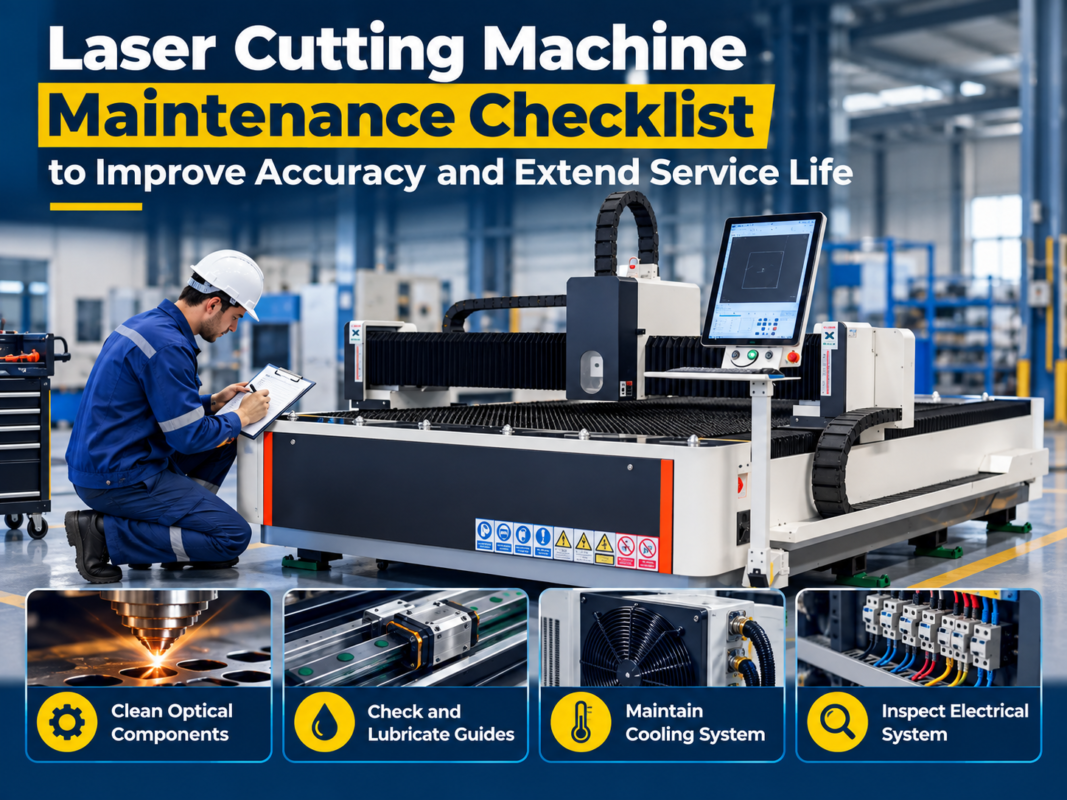
A well-maintained industrial fiber laser machine from a reputable brand like HARSLE can last 10 to 15 years or more. The laser source itself typically has a rated life of 100,000 hours. The key to longevity is regular maintenance of the cooling system and keeping the optical path clean.
5. Can I cut copper and brass with any fiber laser?
Most modern fiber lasers can cut reflective materials, but you must ensure the machine has ‘back-reflection’ protection to prevent the reflected laser light from damaging the resonator. Always confirm this feature with the manufacturer if you plan to process non-ferrous metals regularly.