How to Compare Laser Cutting Machine Accuracy, Speed, and Cutting Quality


Comparison Summary: The Holy Trinity of Laser Cutting Performance
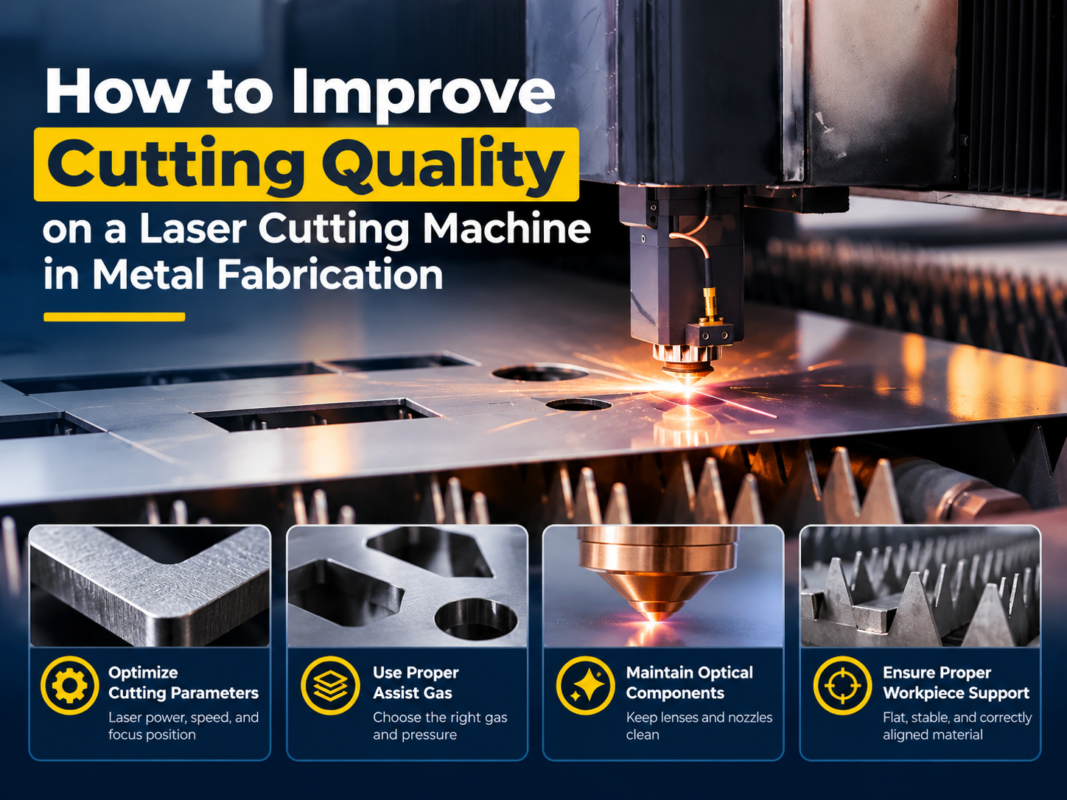
In the competitive landscape of metal fabrication, selecting the right equipment requires a deep understanding of how to compare laser cutting machine accuracy, speed, and cutting quality. These three pillars—often referred to as the ‘holy trinity’ of laser performance—are inextricably linked. Improving one often necessitates a trade-off in another, and the most successful fabrication shops are those that find the optimal balance for their specific production needs. Accuracy ensures that parts fit together perfectly in downstream assembly; speed dictates the throughput and profitability of the shop; and cutting quality determines the amount of post-processing required, such as grinding or deburring.
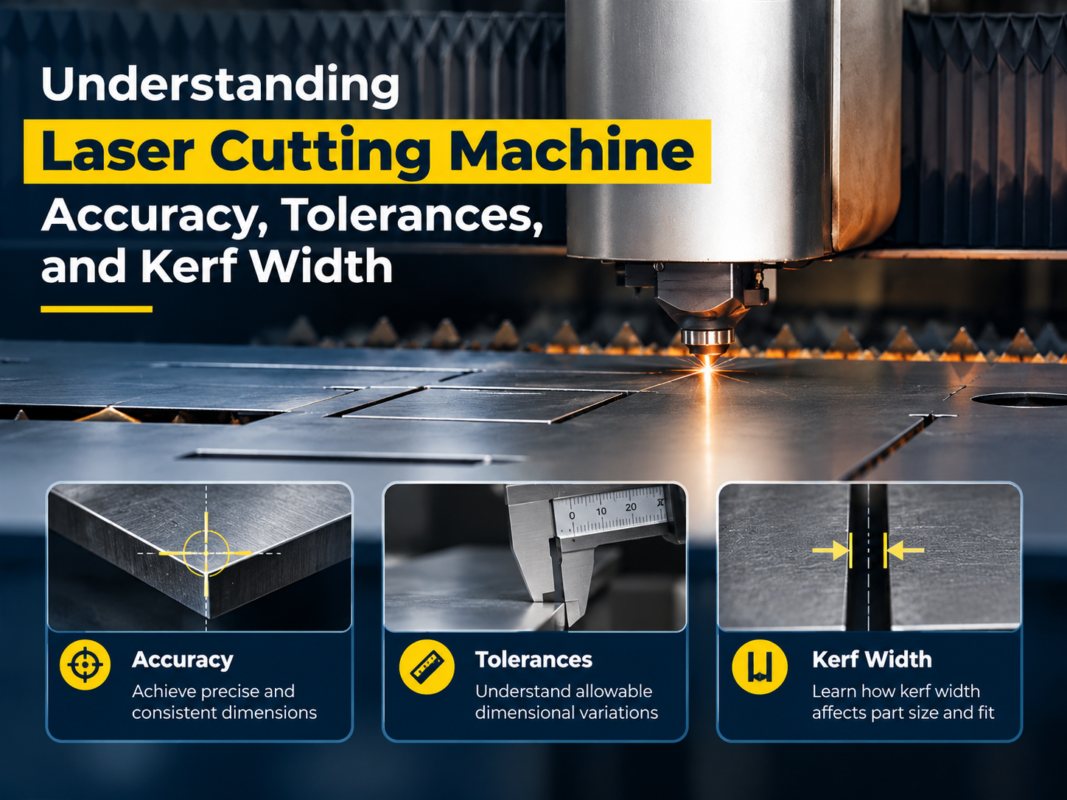
When we talk about accuracy, we are looking at the machine’s ability to follow a programmed path within a microscopic margin of error. This is influenced by the mechanical rigidity of the frame, the precision of the drive system (linear motors vs. rack and pinion), and the sophistication of the CNC controller. Speed, on the other hand, is not just about the maximum traverse rate but the ‘cutting speed’—the velocity at which the laser can effectively melt and blow away material while maintaining a stable kerf. Finally, cutting quality is measured by the smoothness of the edge (surface roughness), the presence of dross (slag), and the perpendicularity of the cut.
For a modern manufacturer, comparing these metrics involves looking past the marketing brochures and into the technical specifications of the laser source, the motion system, and the software algorithms. A machine that boasts high speed but lacks the structural damping to maintain accuracy at those speeds will ultimately produce scrap. Conversely, a machine that is ultra-accurate but painfully slow may not provide the return on investment (ROI) needed to stay competitive. This guide provides a detailed framework for evaluating these critical factors to ensure your next investment in HARSLE technology or any industrial laser system is well-informed.
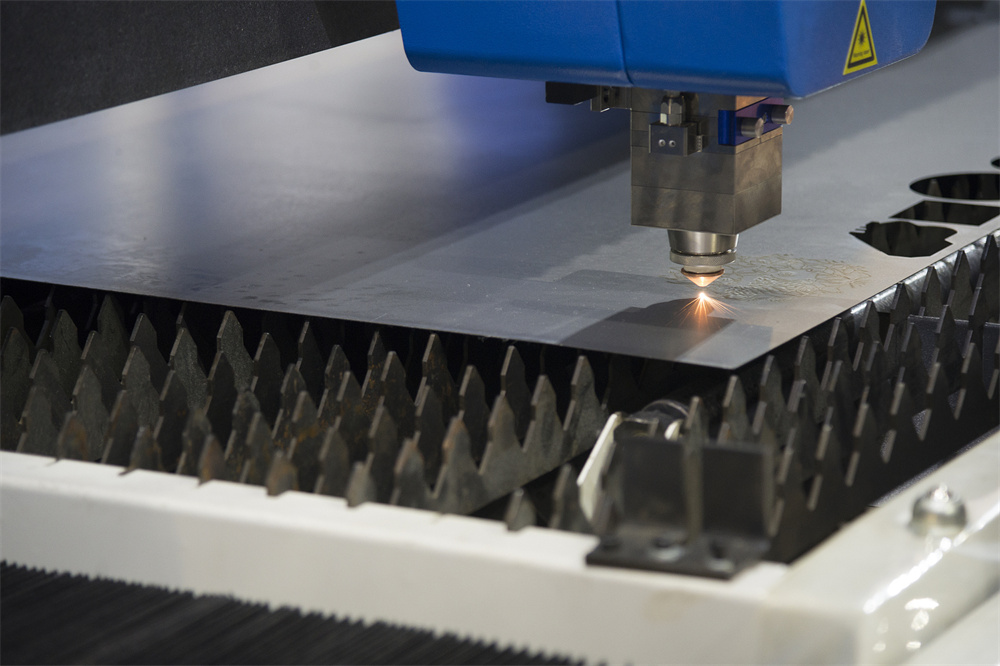
Machine A Overview: High-Efficiency Fiber Laser Systems
Machine A represents the modern standard in the industry: the high-efficiency Fiber Laser Cutting Machine. Fiber lasers have revolutionized metal fabrication by utilizing a solid-state laser source that delivers the beam through a flexible fiber optic cable. This design eliminates the need for complex mirrors and bellows, which are common in older CO2 systems. When you compare laser cutting machine accuracy, speed, and cutting quality, fiber lasers typically lead the pack in speed for thin to medium-thickness materials (up to 12mm for most standard units, and much higher for high-power variants).
The accuracy of a high-end fiber laser, such as those produced by HARSLE, is often attributed to the integration of high-precision Japanese Yaskawa or Delta servo motors and heavy-duty gantry structures. These machines are designed to handle rapid accelerations—often exceeding 1.5G—without vibrating. This stability is crucial for maintaining a positioning accuracy of ±0.03mm and a repeatability of ±0.02mm. For industries like electronics or medical device manufacturing, where tolerances are razor-thin, the fiber laser’s ability to maintain a small spot size (due to its shorter wavelength of 1.06 microns) is a significant advantage.
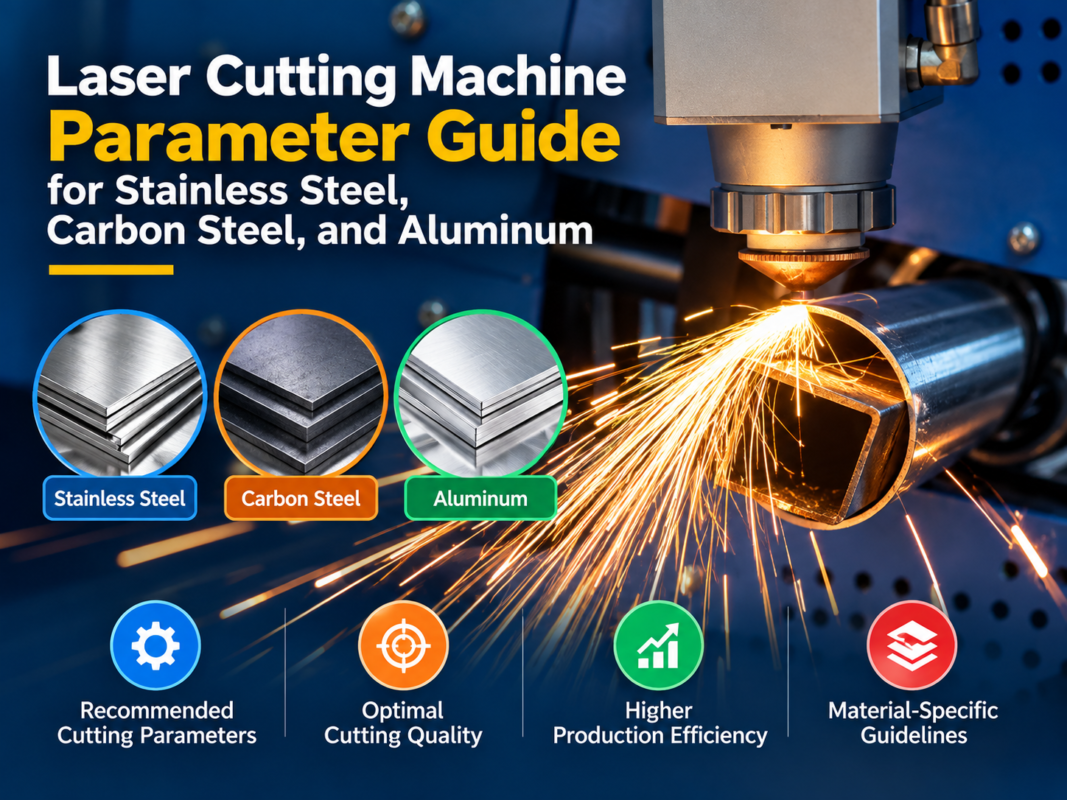
In terms of cutting quality, fiber lasers excel at producing clean, burr-free edges on stainless steel and aluminum when using nitrogen as an assist gas. The high energy density of the fiber beam allows for a very narrow kerf, which minimizes the heat-affected zone (HAZ). This means the material properties near the cut edge remain largely unchanged, which is vital for parts that require subsequent welding or heat treatment. However, as material thickness increases, the fiber laser’s edge quality can sometimes show more striations compared to CO2 lasers, unless high-power sources (12kW and above) are utilized.
Machine B Overview: High-Power Industrial & CO2 Hybrid Systems
Machine B refers to the heavy-duty, high-power fiber lasers (20kW to 60kW) or the traditional CO2 laser systems that are still favored in specific niche applications. While fiber lasers have largely taken over the market, high-power systems are a different beast entirely. When evaluating these machines, the focus shifts from pure speed on thin sheets to the ability to maintain cutting quality and accuracy on extremely thick plates (25mm to 100mm). These machines are the workhorses of the shipbuilding, heavy machinery, and structural steel industries.
The accuracy of these large-format machines is challenged by the sheer mass of the components they move. To compensate, manufacturers use reinforced, heat-treated beds that can support several tons of material without deforming. The motion systems often utilize helical rack and pinion sets to ensure smooth power delivery over long distances. While they might not match the ‘twitchy’ speed of a 2kW fiber laser on 1mm sheet, their accuracy over a 6-meter or 12-meter bed is what defines their value. Maintaining a straight cut over a long distance is a technical feat that requires advanced thermal compensation software.
Cutting quality in high-power applications is often measured by the ‘taper’ of the cut. A high-quality machine will produce a cut that is perfectly perpendicular to the surface, even at the bottom of a 40mm plate. This is achieved through sophisticated beam shaping technology and zoom heads that can adjust the focal spot size and shape in real-time. For thick carbon steel, these machines often use oxygen as an assist gas, which creates a chemical reaction to help melt the metal. The challenge here is to control the heat to prevent ‘self-burning’ at corners, a task handled by the machine’s advanced CNC pulsing capabilities.
Specification Comparison Table
To effectively compare laser cutting machine accuracy, speed, and cutting quality, it is helpful to look at the raw data. The following table compares a standard 3kW Fiber Laser (Machine A) against a 12kW High-Power Fiber Laser (Machine B).
| Feature / Specification | Machine A (3kW Fiber) | Machine B (12kW Fiber) |
|---|---|---|
| Positioning Accuracy | ±0.03 mm/m | ±0.05 mm/m |
| Repositioning Accuracy | ±0.02 mm | ±0.03 mm |
| Max Cutting Speed (1mm MS) | 35-45 m/min | 60-100 m/min |
| Max Cutting Thickness (CS) | 20 mm | 50 mm+ |
| Acceleration | 1.2G – 1.5G | 2.0G+ |
| Edge Roughness (Ra) | Low (on thin sheets) | Ultra-low (on thick sheets) |
| Kerf Width | 0.1 mm – 0.15 mm | 0.2 mm – 0.4 mm |
| Drive System | Dual Rack & Pinion | Linear Motors or High-End Rack |
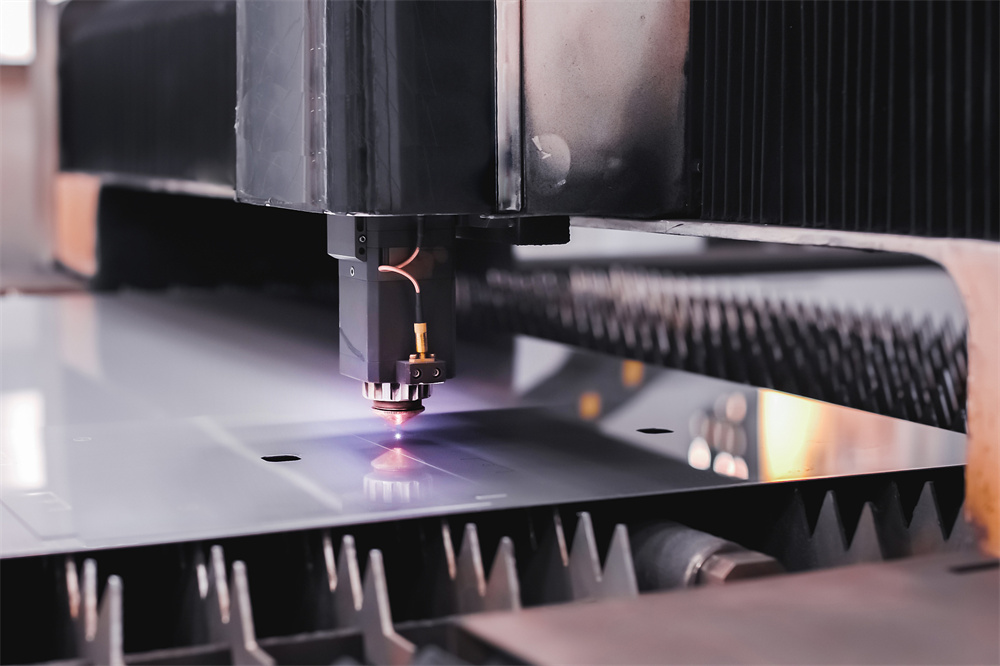
Best-fit Applications for Different Machine Profiles
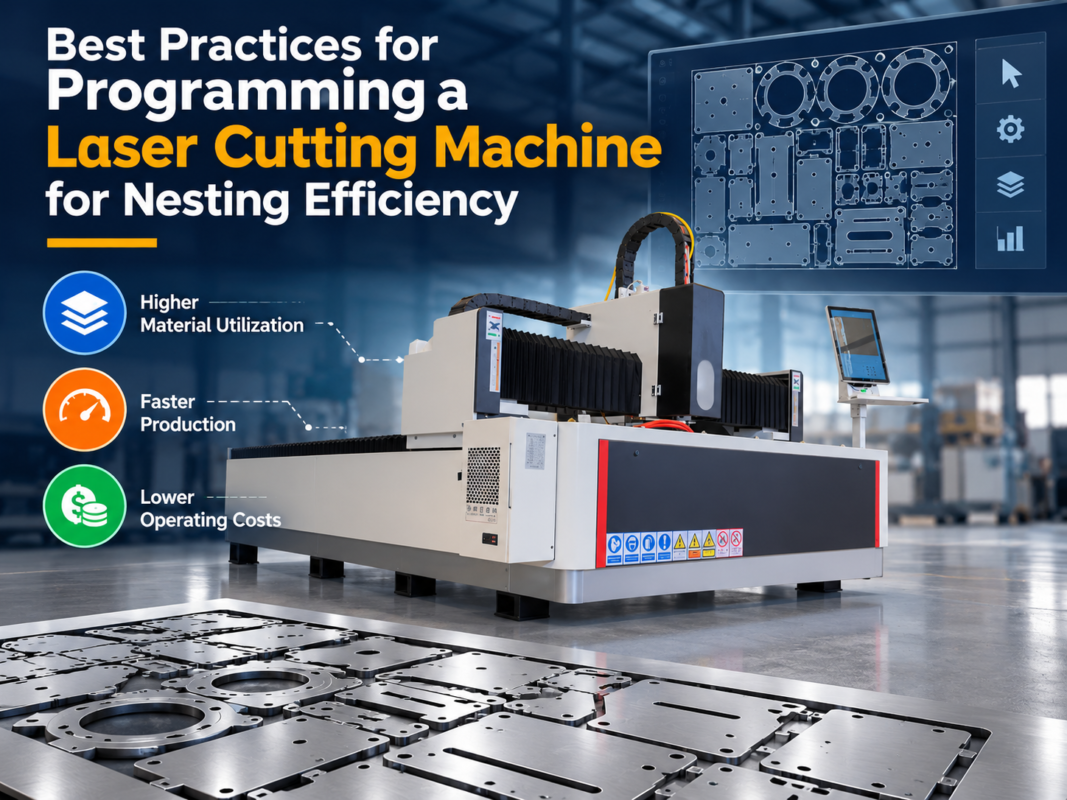
Choosing between different machine profiles depends heavily on your primary application. If your shop focuses on high-volume production of small, intricate parts—such as brackets for the automotive industry or decorative panels—Machine A (the standard fiber laser) is the clear winner. Its ability to rapidly navigate complex geometries with high accuracy and speed ensures a low cost-per-part. The narrow kerf also allows for tighter nesting, which maximizes material utilization and reduces waste.
For heavy industrial applications, Machine B is indispensable. In sectors like agricultural equipment manufacturing or construction, where parts are often made from thick plate steel, the priority is cutting quality and the ability to cut through scale and rust. These machines are designed to run for 24/7 cycles, often integrated with automated loading and unloading systems. The high power allows for ‘fly cutting’ on thicker materials, a technique that significantly boosts productivity by not stopping the laser head between cuts.
Furthermore, specialized applications like aerospace require a unique blend of both. Aerospace components often use exotic alloys like Inconel or Titanium, which are sensitive to heat. In these cases, the compare laser cutting machine accuracy, speed, and cutting quality process must prioritize the heat-affected zone and the precision of the hole diameters. A machine with superior gas pressure control and a highly stable laser source is required to meet the stringent AS9100 quality standards.
Cost and Maintenance Comparison
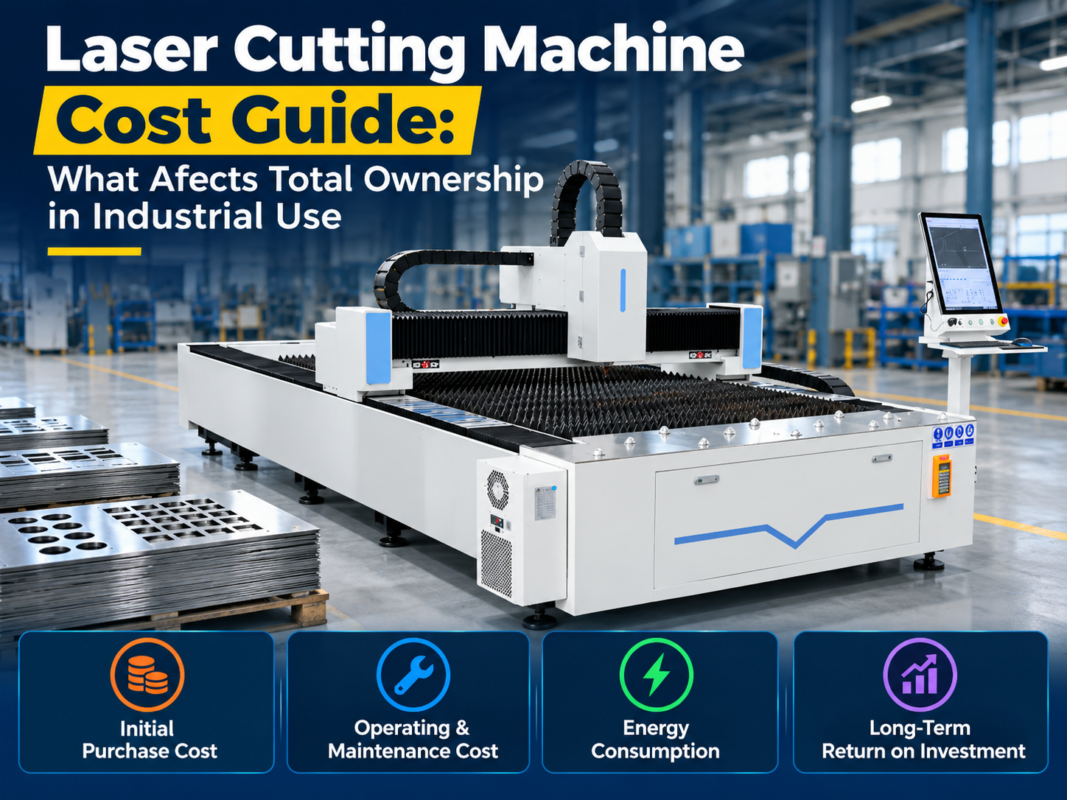
The total cost of ownership (TCO) is a critical factor when you compare laser cutting machine accuracy, speed, and cutting quality. Fiber lasers are generally more cost-effective than older CO2 technology because they have no moving parts in the laser source and no mirrors to align. This leads to a significantly lower maintenance burden. However, high-power fiber lasers (Machine B) come with higher initial capital expenditure and higher consumption of assist gases and electricity.
- Consumables: Both machines require nozzles, protective windows, and ceramic rings. High-power machines tend to go through nozzles faster due to the intense heat and potential for back-reflection when piercing thick materials.
- Electricity: Fiber lasers are highly energy-efficient, with wall-plug efficiencies of around 30-40%. A 3kW machine will consume significantly less power than a 12kW machine, which is a major consideration for shops with limited power infrastructure.
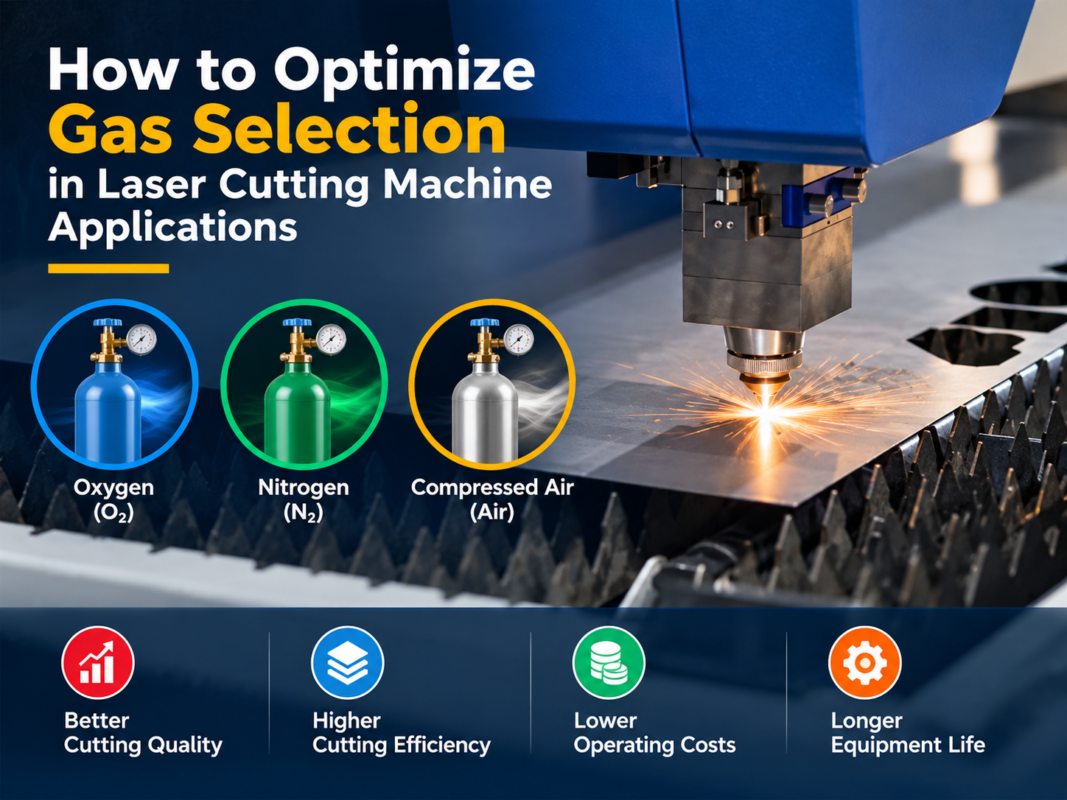
- Assist Gases: This is often the largest operating cost. Cutting with Nitrogen at high pressure for a clean edge is expensive. Some modern machines now offer ‘Air Cutting’ capabilities, which use high-pressure compressed air to significantly reduce costs while maintaining acceptable cutting quality on thin materials.
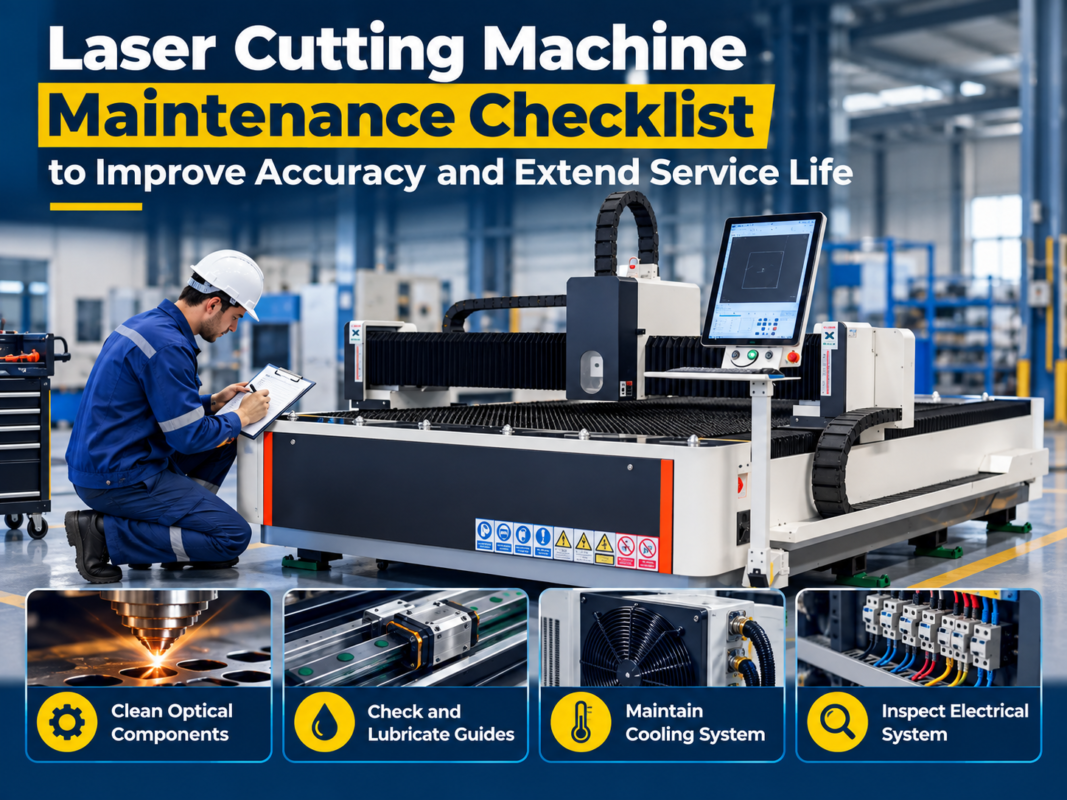
- Maintenance Schedule: Regular maintenance involves cleaning the chiller filters, lubricating the guide rails, and checking the dust extraction system. Fiber lasers require very little maintenance on the laser source itself, often rated for 100,000 hours of operation.
Recommendation: How to Choose the Right Machine
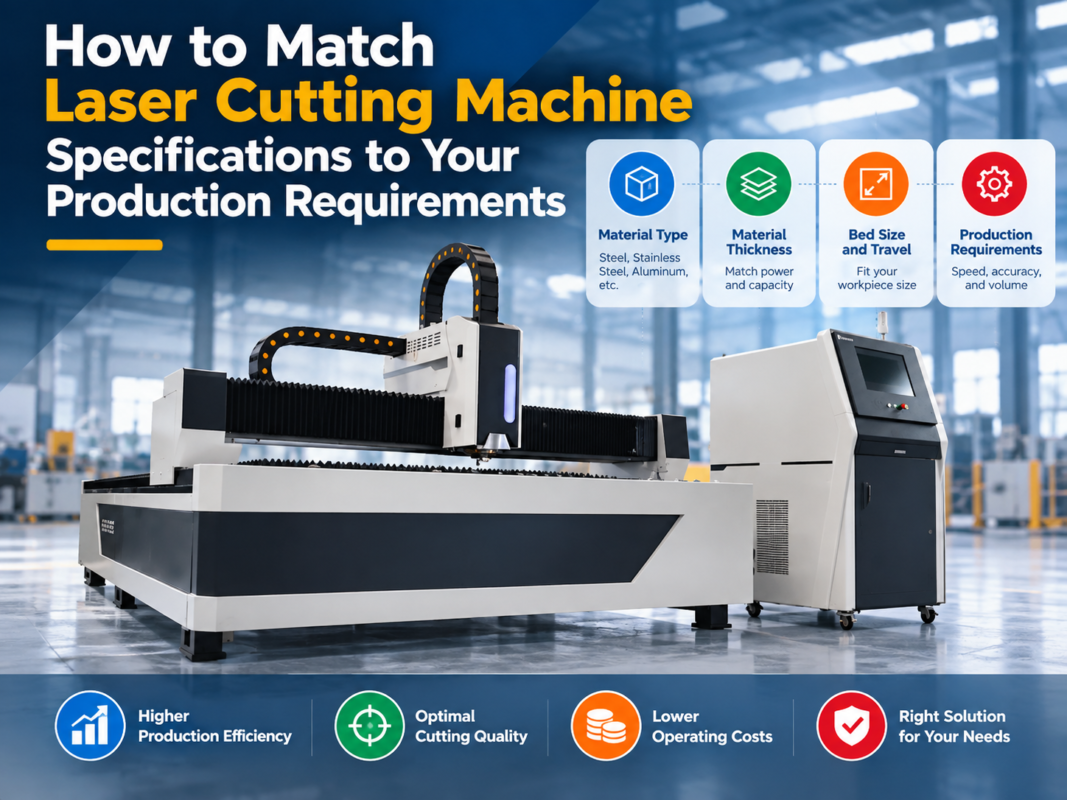
To make the final decision, you must conduct a thorough audit of your current and future production needs. Start by analyzing your most common material types and thicknesses. If 80% of your work is under 6mm, a 3kW to 6kW fiber laser offers the best balance of speed and accuracy. If you frequently handle plate over 15mm, investing in a 12kW+ system is necessary to maintain cutting quality and avoid excessive dross.
Secondly, consider the complexity of your parts. High-speed machines with high acceleration are only beneficial if the parts have long straight lines or smooth curves. For very intricate, small parts, the machine rarely reaches its maximum programmed speed, so the focus should be on the CNC controller’s ability to handle small-segment processing and the precision of the servo motors. HARSLE recommends requesting a ‘time study’ and sample cuts on your specific materials before purchasing. This allows you to see the real-world cutting quality and verify if the machine meets your tolerance requirements.
Finally, don’t overlook the importance of local support and software. A machine is only as good as the operator’s ability to use it and the technician’s ability to fix it. Ensure the machine comes with intuitive nesting software that can optimize the cutting path for both speed and material savings. A machine that is easy to calibrate will maintain its accuracy over years of heavy use, providing a much better long-term ROI.
Frequently Asked Questions (FAQ)
1. How does laser power affect cutting accuracy?
Laser power itself doesn’t directly determine mechanical accuracy, but it does affect the ‘thermal’ accuracy. Higher power allows for faster cutting, which reduces the time heat is conducted into the surrounding material. This results in a smaller heat-affected zone and less thermal distortion, leading to better dimensional accuracy on the finished part.
2. What is the difference between positioning accuracy and repeatability?
Positioning accuracy is the machine’s ability to move to a specific coordinate. Repeatability is the machine’s ability to return to that same coordinate multiple times. For high-volume production, repeatability is often more important as it ensures every part in a batch is identical.
3. Why is nitrogen used for cutting stainless steel?
Nitrogen is an inert gas, meaning it doesn’t react with the molten metal. It acts purely as a mechanical force to blow the melt out of the kerf. This prevents oxidation, resulting in a shiny, silver edge that is ready for welding or painting without further cleaning.
4. Can a fiber laser cut reflective materials like copper and brass?
Yes, modern fiber lasers are designed to handle reflective materials. Unlike CO2 lasers, where back-reflection could damage the resonator, fiber lasers use optical isolators and specific wavelengths that are better absorbed by non-ferrous metals. However, cutting these materials requires careful adjustment of speed and focus to maintain cutting quality.
5. How often should I calibrate my laser cutting machine?
For industrial environments, a quick daily check of the beam centering and nozzle condition is recommended. A full mechanical calibration of the axes and a check of the laser power stability should be performed every 6 to 12 months, or whenever a significant collision occurs.
6. Does the thickness of the material affect the cutting speed linearly?
No, the relationship is non-linear. As material thickness increases, the speed drops significantly. For example, a machine might cut 1mm steel at 40 m/min but cut 10mm steel at only 1.5 m/min. This is why choosing the correct wattage for your thickest common material is so vital for productivity.