Gantry-Type Laser Cutting Machine vs Table-Type Machine: Which Suits Heavy Plate Processing?


Comparison Summary: Navigating the Heavy Plate Processing Landscape
In the rapidly evolving world of metal fabrication, the demand for processing heavy plates—typically defined as materials exceeding 16mm in thickness—has surged. Industries such as shipbuilding, construction machinery, and large-scale structural engineering require precision, speed, and, most importantly, the structural integrity to handle massive workpieces. When selecting a fiber laser cutting system, the primary architectural choice falls between a Gantry-Type Laser Cutting Machine and a Table-Type Machine. While both utilize fiber laser technology, their structural designs dictate their suitability for specific workloads.
The Gantry-Type Laser Cutting Machine, often referred to as a large-format or floor-type machine, features a design where the motion rails are mounted directly onto a dedicated foundation on the floor. This separates the motion system from the material support bed, allowing for virtually unlimited length and extreme weight capacities. Conversely, the Table-Type Machine (or Integrated Bed Machine) features a unified frame where the cutting table and the motion rails are part of the same structure. This design is the industry standard for high-speed, high-precision cutting of thin to medium-thickness plates but faces physical limitations when the scale tips toward ultra-heavy industrial applications.
Choosing between these two is not merely a matter of budget; it is a strategic decision involving floor space, material handling logistics, and long-term thermal stability. For heavy plate processing, the weight of the raw material can reach several tons, creating significant static and dynamic loads. A machine that cannot isolate these loads from its precision motion components will inevitably suffer from premature wear and loss of accuracy. In this guide, we will dissect the technical nuances of both architectures to help you determine which HARSLE solution aligns with your production goals.
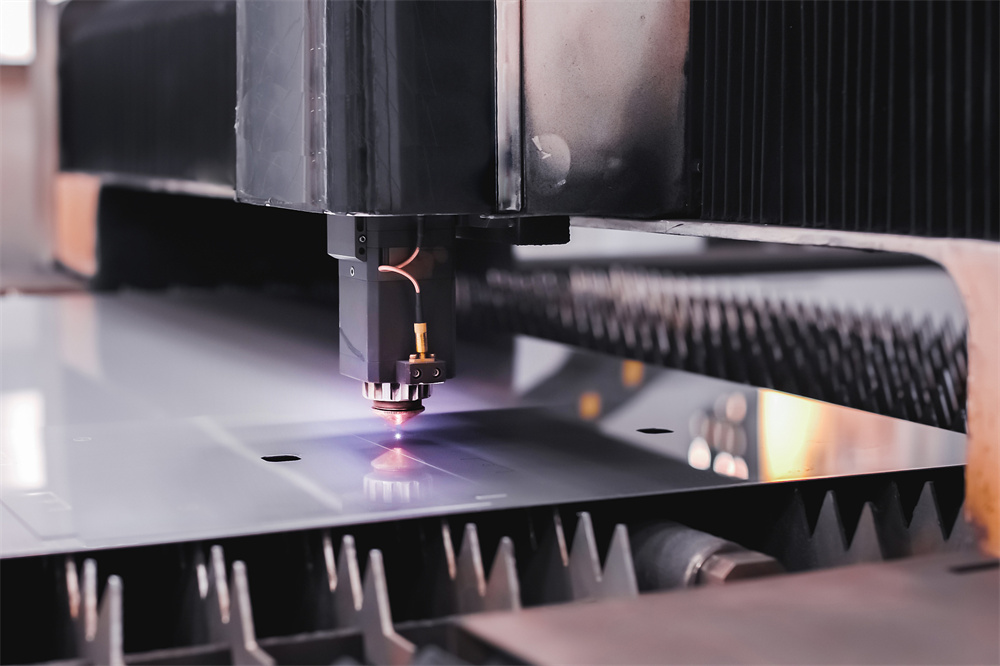
Gantry-Type Laser Cutting Machine Overview: The Heavyweight Champion
The Gantry-Type Laser Cutting Machine is engineered specifically for the “macro” side of metal fabrication. Its defining characteristic is the separation of the machine’s “skeleton” (the rails and gantry) from the “work surface” (the pallet or bed). In a typical HARSLE gantry setup, the longitudinal rails are anchored to a reinforced concrete foundation. This ensures that the vibrations and weight of a 20-ton steel plate do not affect the alignment of the laser head’s travel path. This architectural decoupling is the secret to its success in heavy-duty sectors.
One of the primary advantages of the gantry-type system is its scalability. Because the rails are floor-mounted, manufacturers can extend the cutting length to 12 meters, 24 meters, or even longer, simply by adding rail segments. This is essential for industries like wind tower manufacturing or bridge construction, where single-piece long-format cutting reduces the need for secondary welding. Furthermore, the open-access nature of the gantry design allows for easier loading of massive plates via overhead cranes, which is the standard logistics method for heavy plate shops.
From a technical standpoint, gantry machines are often paired with ultra-high-power fiber lasers, ranging from 12kW to 60kW. To maintain precision over such long distances, these machines utilize sophisticated dual-drive rack and pinion systems and high-resolution encoders. HARSLE’s gantry models also incorporate advanced beam compensation technology to ensure that the laser focus remains consistent, whether the cutting head is at the near end or the far end of the 20-meter rail. This stability is critical when piercing 50mm carbon steel, where any slight deviation can lead to a failed cut or damage to the nozzle.
Maintenance on a gantry-type machine is also more localized. Since the bed is independent, if a heavy plate is dropped and damages the support slats, the structural integrity of the motion system remains untouched. The modularity of the design means that the exhaust systems can be divided into zones, only activating the suction in the area where the laser is currently cutting. This significantly reduces the energy requirements for dust extraction in large-format environments.
Table-Type Laser Cutting Machine Overview: Precision and Integration
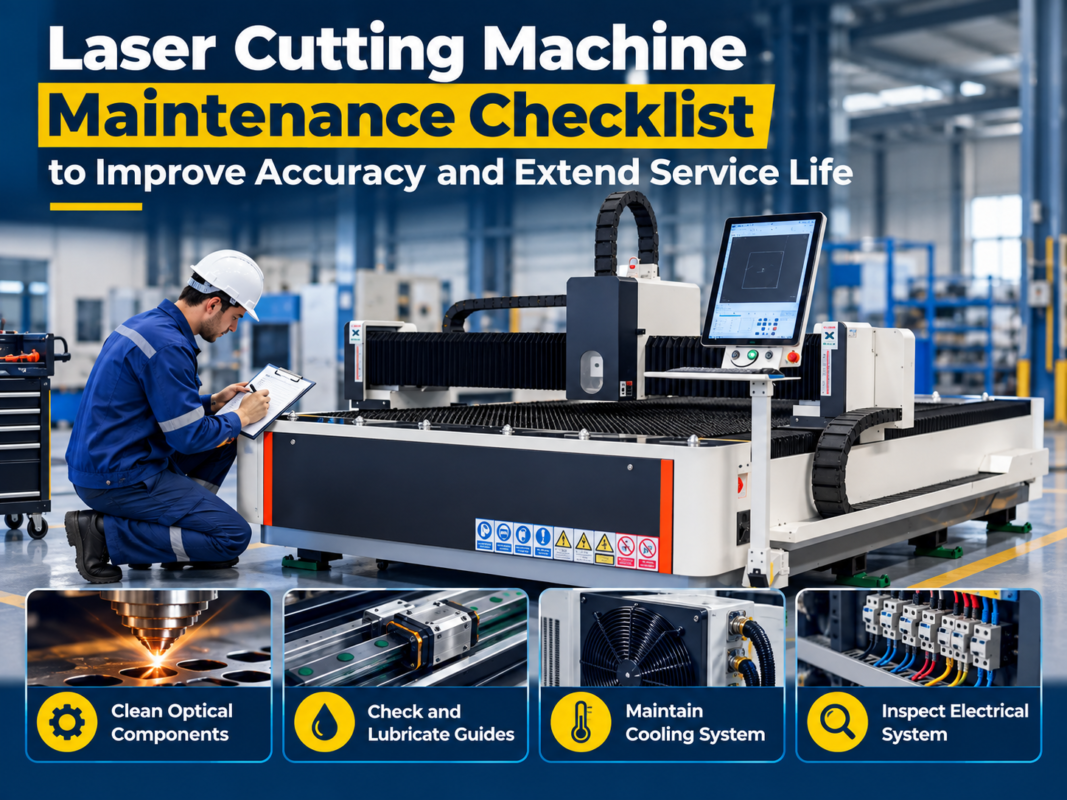
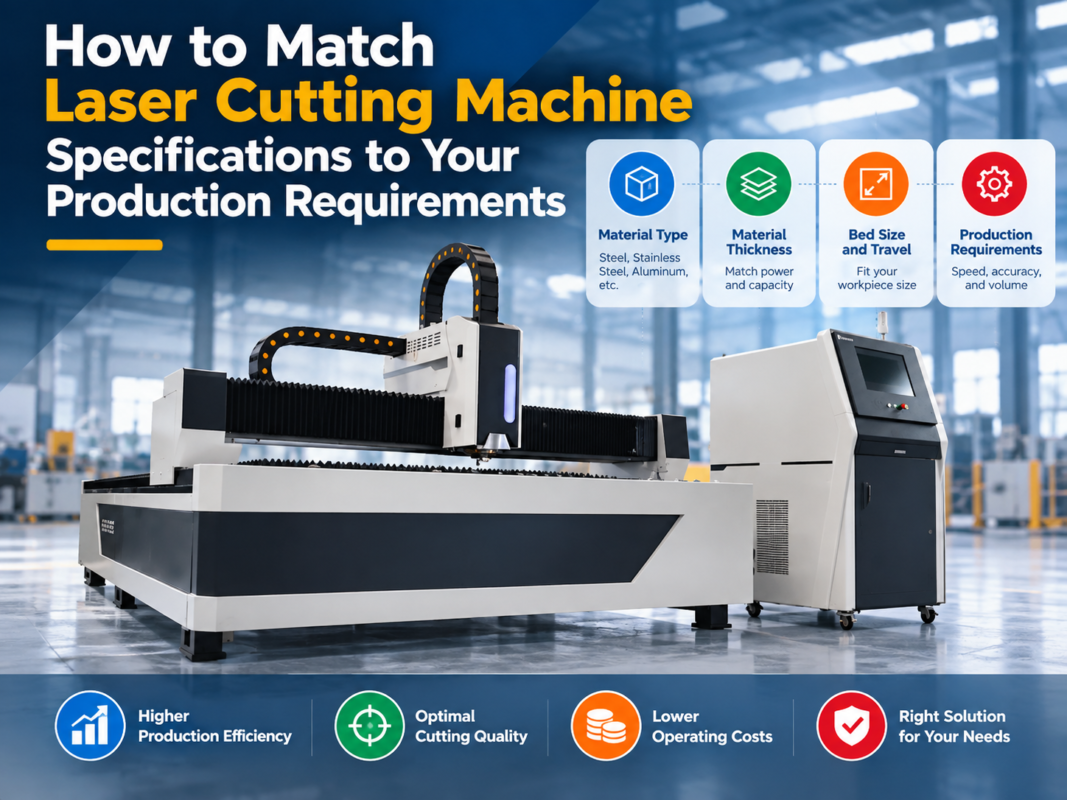
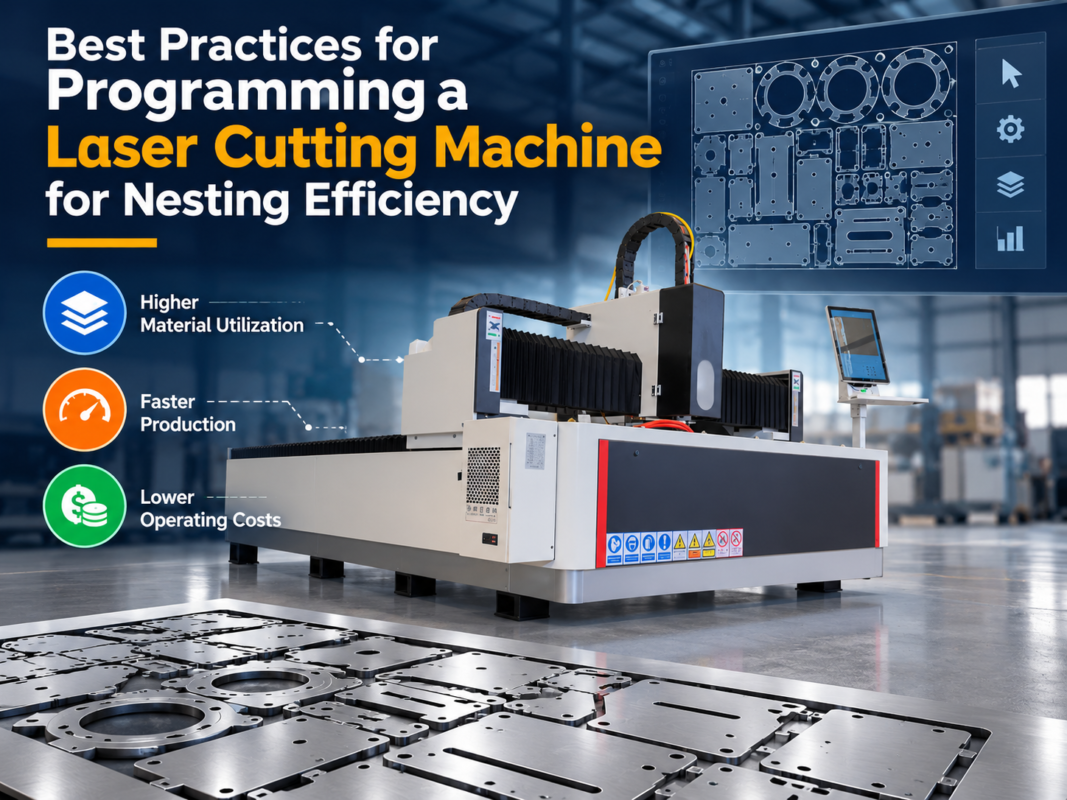
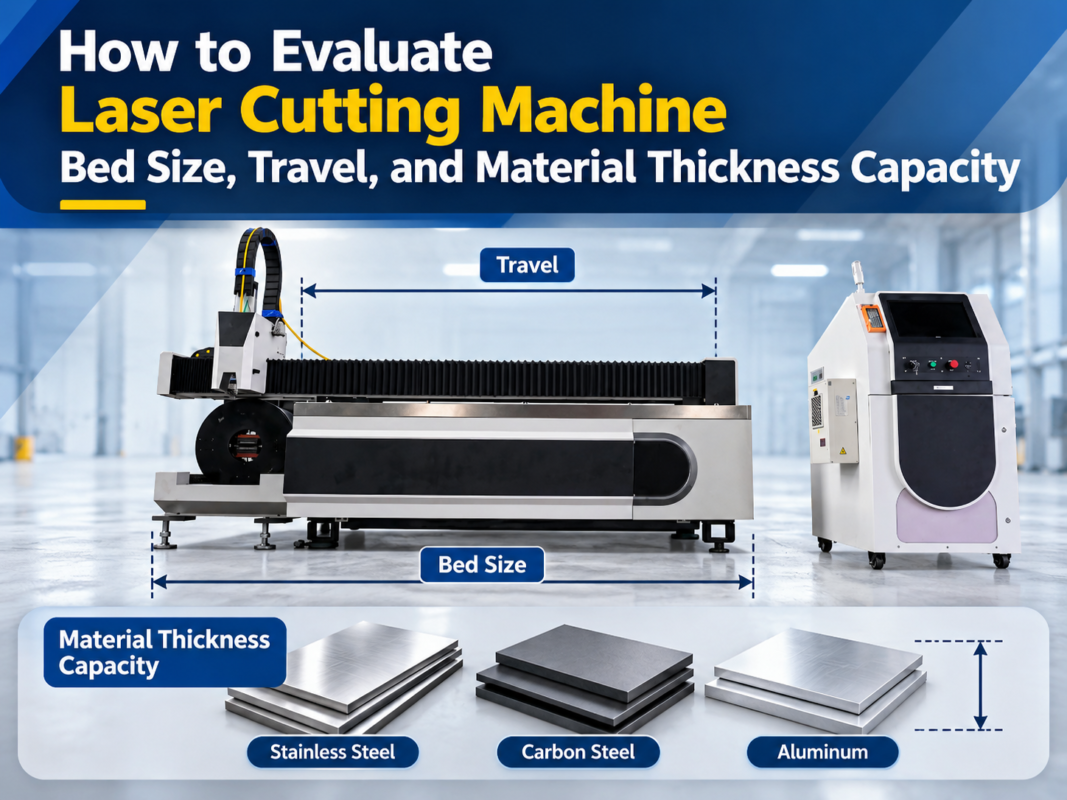
The Table-Type Laser Cutting Machine is the workhorse of the general fabrication industry. It is characterized by an integrated, often monoblock or modular welded frame that houses the cutting bed, the motion system, and the electronics. Most table-type machines come with a dual-shuttle table system, allowing one table to be loaded/unloaded while the other is inside the cutting enclosure. This maximizes “beam-on” time and is highly efficient for high-volume production of smaller to medium-sized parts.
In terms of performance, table-type machines are generally faster in terms of acceleration and jerk rates. Because the frame is a compact, rigid unit, it can handle the high-speed directional changes required for intricate geometries in thinner materials. For plates up to 16mm or 20mm, a table-type machine offers exceptional precision and a smaller footprint, making it ideal for job shops where floor space is at a premium. HARSLE’s integrated bed designs utilize high-strength stress-relieved steel frames to ensure that the machine remains level and accurate over years of operation.
However, when it comes to heavy plate processing, the table-type machine faces structural hurdles. The weight of a thick plate (e.g., 30mm or 40mm) over a standard 3015 (3m x 1.5m) or 4020 (4m x 2m) area puts immense pressure on the machine’s frame. Over time, this can lead to microscopic structural shifts or “settling,” which affects the perpendicularity of the laser cut. Additionally, the shuttle table mechanism—while great for speed—has a maximum weight capacity. Exceeding this capacity can strain the hydraulic or motor-driven exchange system, leading to mechanical failure.
Another consideration is the enclosure. Most modern table-type fiber lasers are fully enclosed for safety (Class 1 laser safety rating). While this is excellent for operator protection, it limits the accessibility for loading oversized or irregularly shaped heavy plates. If your workflow involves plates that are consistently 25mm+ and require crane loading of 6-meter lengths, the physical constraints of a table-type machine’s enclosure and frame can become a significant production bottleneck.
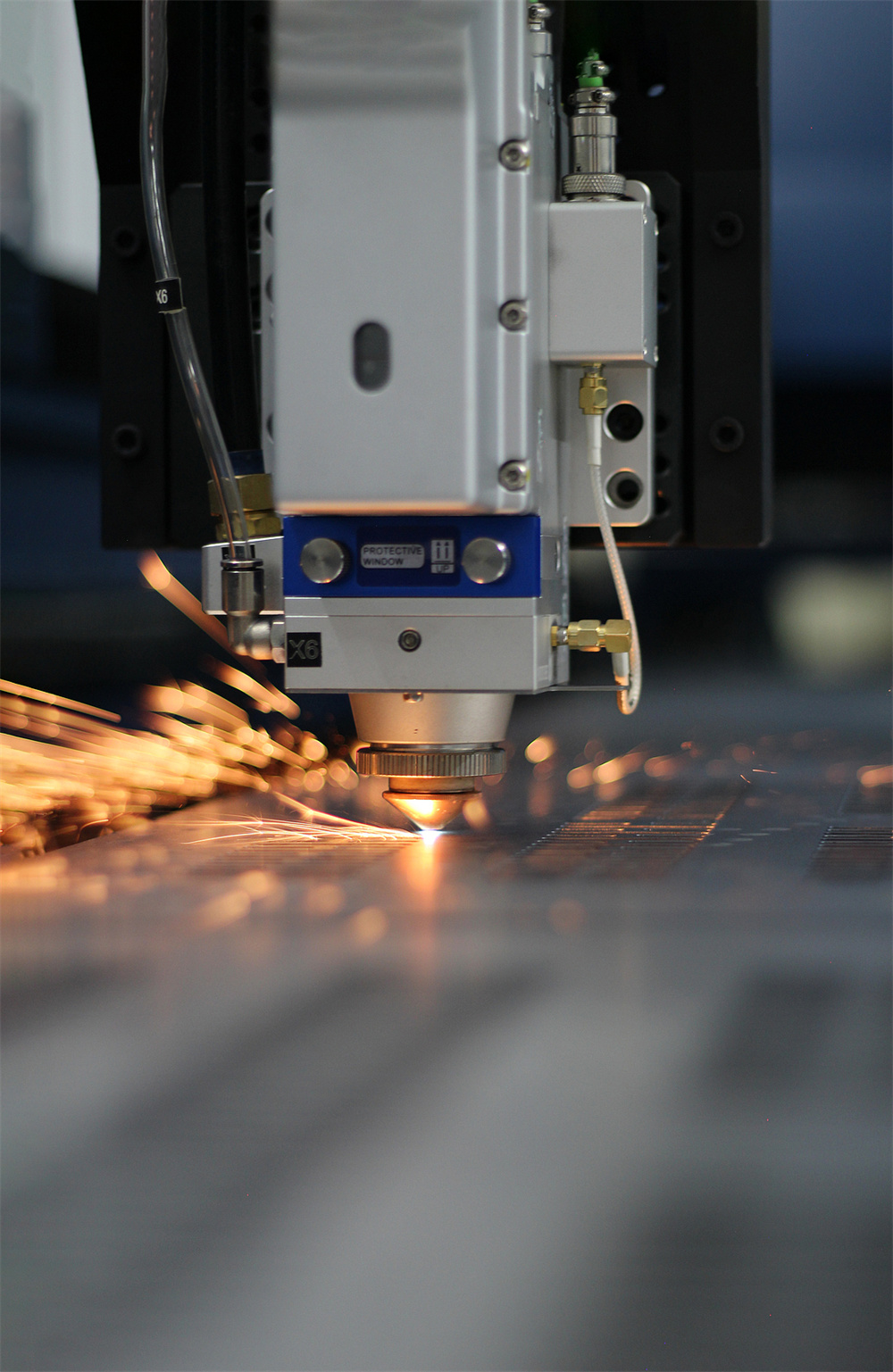
Specification Comparison Table
| Feature | Gantry-Type Machine | Table-Type Machine |
|---|---|---|
| Structural Design | Floor-mounted rails, independent bed | Integrated frame and bed |
| Max Plate Length | Virtually unlimited (up to 30m+) | Typically limited to 6m – 8m |
| Load Capacity | Extremely high (Floor-supported) | Limited by frame/shuttle capacity |
| Loading Method | Overhead crane (Open access) | Shuttle table / Forklift / Crane |
| Laser Power Range | 12kW to 60kW+ | 1kW to 30kW |
| Footprint Efficiency | Requires large dedicated area | Compact, all-in-one design |
| Acceleration | Moderate (High mass gantry) | High (Lightweight gantry) |
Best-fit Applications: Where Each Machine Shines
Gantry-Type: The Industrial Powerhouse
The Gantry-Type Laser Cutting Machine is the undisputed choice for heavy industrial sectors. In shipbuilding, where steel plates can be 12 meters long and 40mm thick, the gantry’s ability to traverse long distances without repositioning the material is vital. It ensures perfectly straight long cuts and precise beveling for weld preparation. Similarly, in the construction machinery sector—manufacturing components for excavators, cranes, and bulldozers—the ability to handle high-tensile, thick steel plates with high-power lasers (30kW+) is a requirement that only the gantry architecture can reliably meet.
Another niche for the gantry machine is large-scale steel structures for bridges and buildings. These projects often require custom-shaped gusset plates and beams that are too large for a standard 4020 table. The open-floor design also allows for “tandem” processing, where multiple gantries can operate on the same set of rails, or one side of the long bed is being loaded while the other is being cut, effectively creating a continuous production line for massive parts.
Table-Type: The Versatile Precision Tool
The Table-Type Machine is best suited for general contract manufacturing and automotive component fabrication. If your business processes a high volume of parts from 1mm to 20mm thick, the speed and automation of a shuttle table system are unbeatable. The integrated design allows for faster installation and commissioning, often being “plug-and-play” compared to the extensive foundation work required for a gantry system.
Industries like HVAC, agricultural equipment, and electrical enclosures benefit from the table-type machine’s high acceleration. When cutting hundreds of small holes or intricate patterns in medium-thickness plates, the lower mass of the table-type gantry allows for snappier movements and shorter cycle times. It is the ideal solution for shops that prioritize versatility and need to switch between different material types and thicknesses multiple times a day.
Cost and Maintenance Comparison
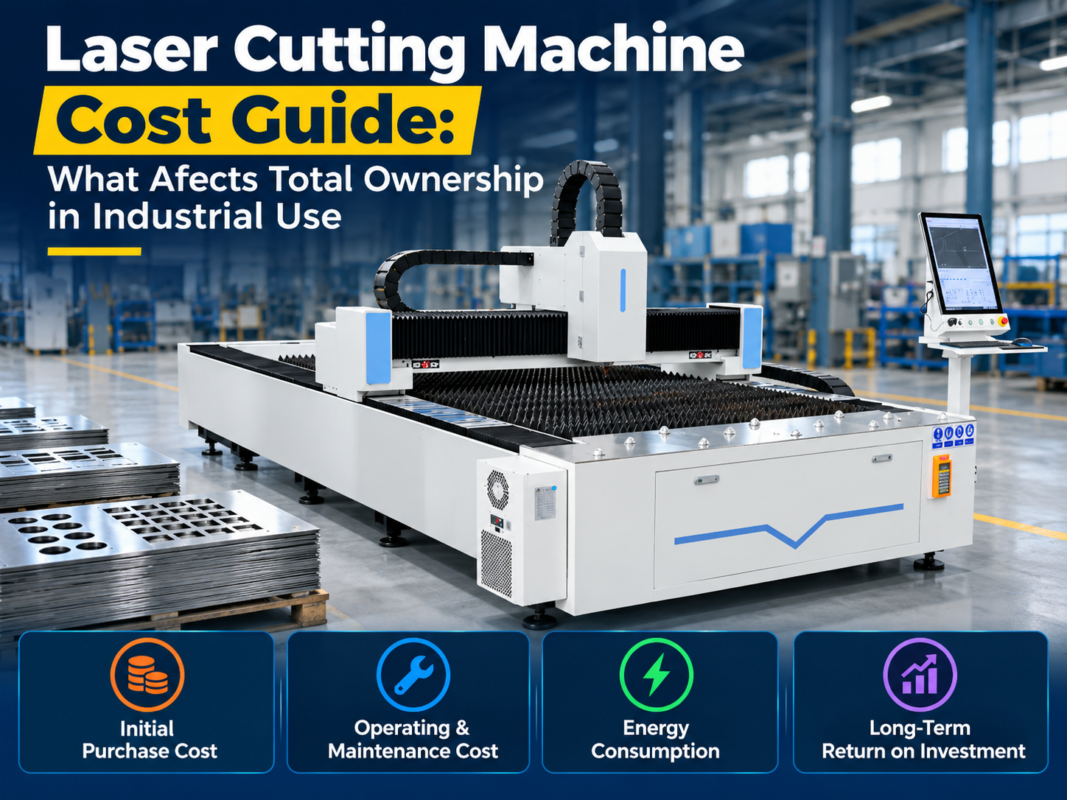
When evaluating the total cost of ownership (TCO), the two designs present different profiles. A Gantry-Type Machine typically has a higher initial setup cost, not just for the machine itself, but for the civil engineering required. A reinforced concrete floor with specific vibration-dampening properties is essential to maintain the accuracy of the floor-mounted rails. However, the long-term maintenance can be more cost-effective for heavy plate users. Because the motion system is isolated from the heat and weight of the cutting bed, the mechanical components (rails, racks, bearings) tend to have a longer service life under heavy loads.
The Table-Type Machine has a lower barrier to entry in terms of installation. It can often be placed on a standard industrial concrete floor. However, for heavy plate processing, the maintenance costs can escalate. The constant loading and unloading of 25mm+ plates can wear out the shuttle table chains, motors, and pallet supports faster. Furthermore, the internal components of an enclosed machine are exposed to higher concentrations of heat and dust if the extraction system isn’t perfectly maintained, potentially affecting the lifespan of the optics and electronics.
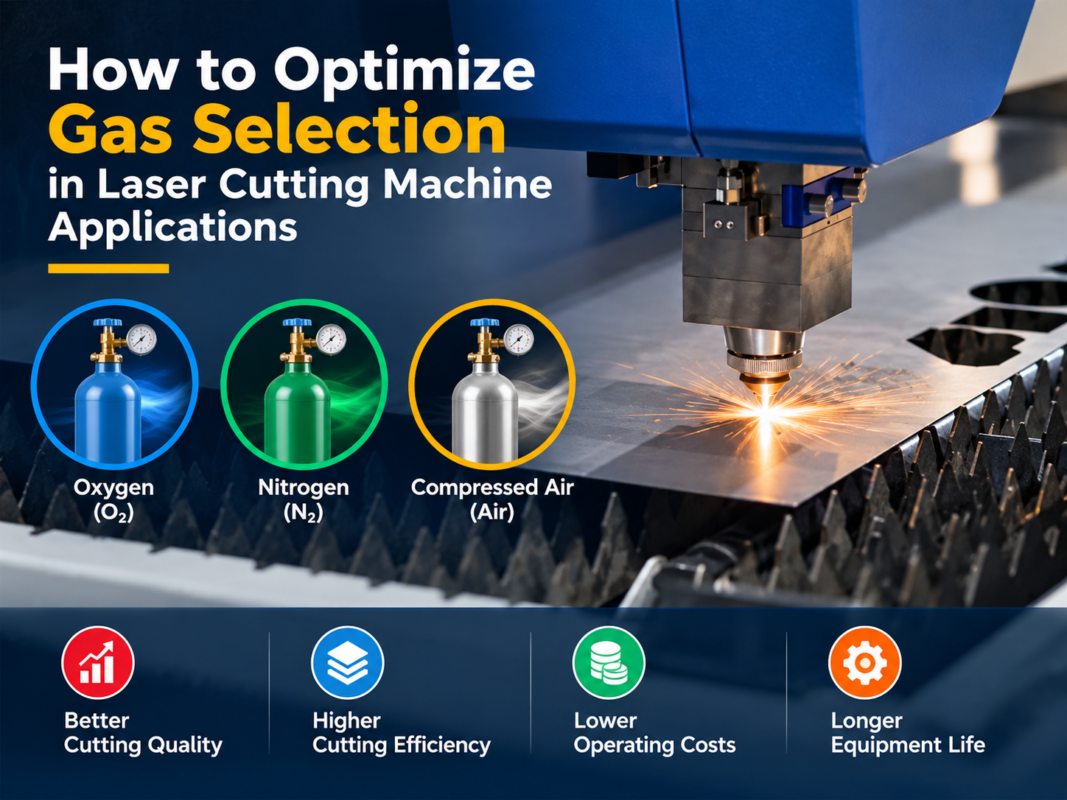
Gas consumption is another factor. High-power cutting of thick plates requires significant amounts of Oxygen or Nitrogen (or high-pressure Air). While both machines use the same laser sources, the gantry-type machine’s zoned dust extraction is often more efficient at capturing the heavy fumes generated by 40mm carbon steel cutting, leading to a cleaner work environment and less secondary cleaning of the machine components.
Recommendation: Which One Should You Choose?
The decision ultimately hinges on your primary material thickness and workpiece dimensions. If your production consists of more than 60% heavy plate (20mm and above) or if you regularly handle plates longer than 6 meters, the Gantry-Type Laser Cutting Machine is the superior investment. Its structural stability, ease of crane loading, and scalability provide the necessary foundation for high-power, heavy-duty fabrication. It is a machine built for the rigors of heavy industry, offering the thermal and mechanical resilience that integrated tables lack.
On the other hand, if your shop handles a diverse mix of materials and thicknesses, with heavy plate being only an occasional requirement (less than 20% of the workload), a high-power Table-Type Machine (e.g., 12kW to 20kW) with a reinforced frame may suffice. This allows you to retain the high-speed advantages for thinner materials while still having the capability to cut thicker plates when needed. However, be mindful of the weight limits of the shuttle table and the accessibility challenges of the enclosure.
At HARSLE, we recommend a thorough analysis of your current and future production needs. Consider not just the “can it cut it” question, but the “how efficiently can I load, cut, and unload it” question. For true heavy plate processing, the gantry-type’s ability to integrate into a heavy-duty logistics workflow usually provides the fastest return on investment through increased throughput and reduced mechanical downtime.
Frequently Asked Questions (FAQ)
1. Can a table-type machine cut 50mm steel?
Technically, yes, if equipped with a high-enough power laser (30kW+). However, the challenge is not the laser’s ability to pierce the metal, but the table’s ability to support the weight of a 50mm plate and the long-term impact of that weight on the machine’s precision and frame alignment.
2. Is the gantry-type machine less accurate because it is larger?
No. While the gantry is larger, it uses sophisticated synchronization and compensation software. Because the rails are mounted on a stable floor foundation rather than a vibrating machine frame, gantry machines can maintain extremely high precision over very large areas.
3. How long does it take to install a gantry-type laser?
Installation for a gantry-type machine is more complex due to the rail alignment and foundation requirements. It typically takes 2-4 weeks, whereas a table-type machine can often be commissioned within 1 week.
4. Which machine is safer for the operator?
Table-type machines are usually fully enclosed (Class 1), providing the highest level of safety. Gantry-type machines are often open or semi-enclosed due to their size, requiring operators to follow strict safety protocols and wear protective eyewear (Class 4 environment).
5. Does HARSLE provide custom sizes for gantry machines?
Yes, one of the main benefits of the HARSLE gantry series is modularity. We can customize the rail length and bed width to suit specific industrial requirements, such as extra-wide plates for the aerospace or maritime industries.