
Servo Press Brake vs Hydraulic Press Brake: Performance Comparison for Sheet Metal Bending


Comparison Summary: The Evolution of Sheet Metal Bending
In the modern landscape of metal fabrication, the choice between a Servo Press Brake vs Hydraulic Press Brake is one of the most critical decisions a facility manager or business owner can make. For decades, the hydraulic press brake has been the workhorse of the industry, providing the raw power necessary to bend thick plates and complex profiles. However, as the demand for higher precision, faster cycle times, and sustainable manufacturing grows, the servo-electric press brake has emerged as a formidable challenger. This performance comparison for sheet metal bending aims to dissect the technical nuances, operational costs, and long-term value of both technologies to help you make an informed investment.
At its core, the debate centers on how force is generated and controlled. Hydraulic systems rely on fluid dynamics, pumps, and valves to move the ram, whereas servo systems utilize high-torque electric motors and precision ball screws or belt drives. While both machines achieve the same end goal—bending sheet metal—the path they take to get there differs significantly in terms of energy consumption, thermal stability, and maintenance requirements. HARSLE, a leader in metalworking machinery, offers both solutions, recognizing that the “best” machine depends entirely on the specific application, material thickness, and production volume of the user.
This guide will provide an exhaustive look at the Servo Press Brake Vs Hydraulic Press Brake Performance Comparison Sheet Metal Bending metrics. We will explore why high-precision electronics are replacing traditional fluid power in some sectors, while hydraulics remain irreplaceable in others. By the end of this article, you will understand the total cost of ownership (TCO) for both systems and which machine aligns with your shop’s strategic goals.
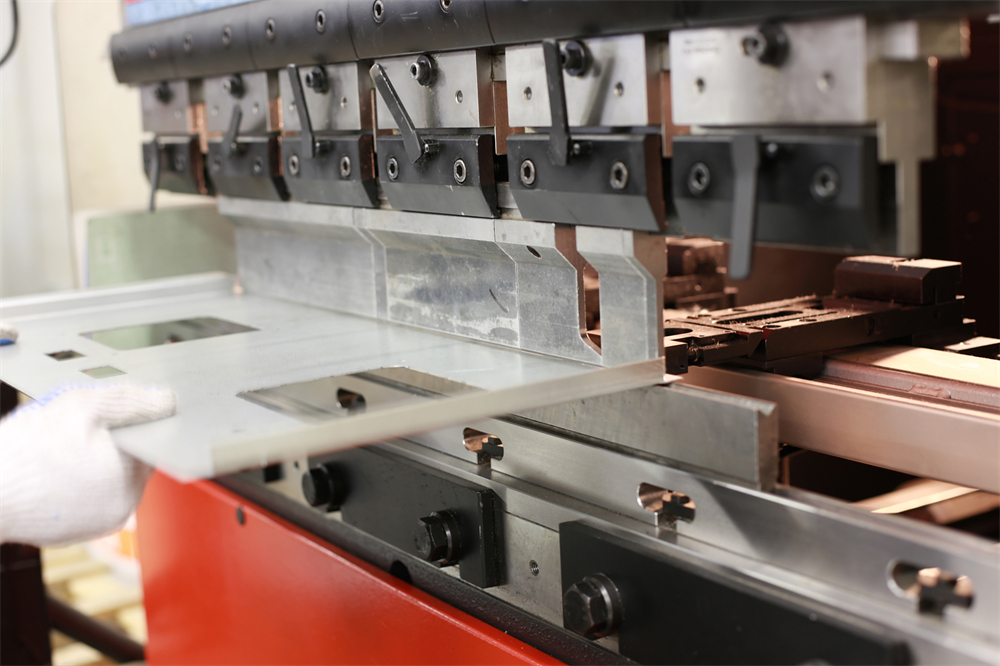
Hydraulic Press Brake Overview: The Powerhouse of Industry
The hydraulic press brake is the traditional standard in metal fabrication. It operates using a pair of synchronized hydraulic cylinders that drive the upper ram downward. These machines are categorized into two main types: the older torsion bar (mechanical synchronization) and the modern electro-hydraulic synchronized press brake. The latter uses proportional valves and linear encoders to ensure the ram stays level, providing significantly better accuracy than its predecessors. Hydraulic machines are renowned for their ability to generate massive amounts of force, often exceeding 1,000 tons, making them the only viable option for heavy-duty plate fabrication.
One of the primary advantages of the hydraulic system is its versatility. Because hydraulic pressure can be maintained throughout the entire stroke, these machines are excellent for deep-drawing applications or bending materials that require consistent pressure over a long distance. Furthermore, the initial purchase price of a hydraulic press brake is generally lower than that of a servo-electric model of the same capacity. For shops that handle a wide variety of material thicknesses—from thin gauge to 1-inch plate—the hydraulic press brake offers a flexible, cost-effective solution that can handle almost any task thrown at it.
However, hydraulic systems are not without their drawbacks. They are inherently less energy-efficient because the hydraulic pump often runs continuously, even when the machine is idling. Additionally, hydraulic oil is sensitive to temperature changes. As the oil heats up during a long shift, its viscosity changes, which can lead to slight variations in bending accuracy. Maintenance is also more intensive, requiring regular oil changes, filter replacements, and monitoring for leaks in seals and hoses. Despite these challenges, the hydraulic press brake remains the backbone of heavy industry due to its unmatched power-to-cost ratio.
Servo Press Brake Overview: The Precision Specialist
The servo-electric press brake represents the next generation of bending technology. Instead of using hydraulic fluid to move the ram, these machines use high-torque servo motors coupled with heavy-duty ball screws or a pulley-and-belt system. This direct-drive or belt-drive mechanism allows for incredibly precise control over the ram’s position, often down to microns. Because there is no hydraulic oil involved, the machine is not subject to thermal expansion issues, meaning the first bend of the morning is exactly the same as the last bend of the day.
Energy efficiency is perhaps the most significant selling point of the servo press brake. In a Servo Press Brake Vs Hydraulic Press Brake Performance Comparison, the servo model wins on power savings every time. The motors only consume electricity when the ram is actually moving. During standby or tool setup, energy consumption is near zero. Studies have shown that servo-electric brakes can reduce energy costs by up to 50% to 70% compared to traditional hydraulic systems. Furthermore, because there are no pumps or cooling fans running constantly, these machines operate almost silently, significantly improving the factory floor environment.
The main limitation of servo-electric technology is its tonnage capacity. While the technology is advancing, most servo press brakes are capped at around 100 to 200 tons. This makes them ideal for high-speed, high-precision work on thinner materials (typically under 6mm), but less suitable for heavy structural steel. However, for industries like electronics, medical devices, and aerospace, where precision and speed are paramount, the servo press brake is the undisputed leader. The lack of hydraulic components also means fewer wear parts and no risk of oil contamination on the workpieces.

Specification Comparison Table
To better understand the Servo Press Brake Vs Hydraulic Press Brake Performance Comparison Sheet Metal Bending, let’s look at the technical specifications side-by-side.
| Feature | Hydraulic Press Brake (Electro-Hydraulic) | Servo-Electric Press Brake |
|---|---|---|
| Drive System | Hydraulic Cylinders & Proportional Valves | Servo Motors & Ball Screws/Belts |
| Energy Efficiency | Moderate (Pump runs continuously) | High (Power used only during movement) |
| Bending Precision | +/- 0.01mm | +/- 0.001mm to 0.005mm |
| Working Speed | Standard (Limited by fluid flow) | Very High (Fast acceleration/deceleration) |
| Maintenance | High (Oil changes, seals, filters) | Low (Lubrication of mechanical parts) |
| Noise Level | 70-85 dB | < 60 dB |
| Tonnage Range | 30 tons to 3000+ tons | Typically 20 tons to 200 tons |
| Environmental Impact | Oil disposal and potential leaks | Eco-friendly, no oil used |
Detailed Performance Comparison: Speed, Accuracy, and Efficiency
1. Bending Accuracy and Repeatability
In the realm of Servo Press Brake Vs Hydraulic Press Brake Performance Comparison For Sheet Metal Bending, accuracy is often the deciding factor. Hydraulic machines are susceptible to “drift” caused by oil temperature fluctuations. As the machine works, the oil warms up, changing its flow characteristics through the valves. While modern CNC controllers compensate for this, it remains a variable. Servo-electric brakes eliminate this variable entirely. The mechanical connection between the motor and the ram ensures absolute repeatability, making them the preferred choice for complex, multi-bend parts where cumulative errors can ruin a workpiece.
2. Production Speed and Cycle Times
Servo press brakes generally offer faster approach and retraction speeds. Because the servo motor can reach its maximum RPM almost instantaneously, the non-productive time (when the ram is moving but not bending) is minimized. For high-volume production of small parts, a servo-electric machine can often outpace a hydraulic machine by 20-30%. However, for very long bends or thick materials where the actual bending speed is limited by the physics of the metal, the speed advantage of the servo motor becomes less pronounced.
3. Energy Consumption and Sustainability
The environmental impact of manufacturing is under increasing scrutiny. A hydraulic press brake is like a car idling at a red light; it consumes energy even when it isn’t moving. In contrast, a servo press brake is like an electric vehicle with regenerative braking. It only draws significant power when performing work. For a shop running two shifts, the annual electricity savings can amount to thousands of dollars, effectively paying back the higher initial cost of the servo machine over a few years. Additionally, the absence of hydraulic oil means no hazardous waste disposal costs.
Best-fit Applications for Each Technology
When to Choose a Hydraulic Press Brake
Hydraulic press brakes are the “heavy lifters.” They are best suited for:
- Heavy Plate Fabrication: If you are bending material thicker than 10mm or require more than 250 tons of pressure, hydraulic is the only practical choice.
- Large Workpieces: Hydraulic machines are easily scaled to long bed lengths (6 meters or more) for bending large structural components.
- General Job Shops: For shops that don’t know what material will come through the door tomorrow, the versatility and lower entry price of a hydraulic machine are highly attractive.
- Deep Box Bending: The long stroke lengths available on hydraulic cylinders are often superior for deep-draw or high-box applications.
When to Choose a Servo Press Brake
Servo-electric press brakes are the “surgeons” of the shop. They excel in:
- High-Precision Electronics: Bending small, intricate parts for enclosures, chassis, and brackets where tolerances are tight.
- Cleanroom Environments: Since there is no oil, these machines are perfect for medical, food-grade, or aerospace applications where contamination is a risk.
- High-Volume Small Parts: The rapid cycle times make them incredibly efficient for producing thousands of identical small components.
- Green Manufacturing Initiatives: Companies looking to reduce their carbon footprint and energy overhead will find servo technology aligns with their goals.
Cost and Maintenance Comparison
The Servo Press Brake Vs Hydraulic Press Brake Performance Comparison Sheet Metal Bending must include a look at the Total Cost of Ownership (TCO). While the initial investment for a servo-electric machine is typically 20% to 40% higher than a comparable hydraulic machine, the operational costs tell a different story.
Maintenance Costs: Hydraulic machines require periodic oil changes (often hundreds of liters), new filters, and eventually, new seals for the cylinders. There is also the risk of valve failure or pump wear. Servo machines require very little maintenance—mostly just regular greasing of the ball screws or checking the tension on the drive belts. Over a 10-year lifespan, the maintenance savings on a servo machine can be substantial.
Tooling Wear: Because servo machines provide more consistent and controlled pressure, they can actually extend the life of your precision-ground tooling. Sudden shocks or pressure spikes common in older hydraulic systems are absent in the smooth, controlled movement of a servo drive.
Recommendation: Which One Should You Buy?
Choosing between a Servo Press Brake vs Hydraulic Press Brake depends on your specific production profile. If your business focuses on heavy structural steel, large-scale infrastructure components, or if you are on a tight initial budget, a high-quality CNC hydraulic press brake from HARSLE is the most logical choice. It provides the power and flexibility needed for a wide range of industrial tasks.
However, if your shop specializes in thin-gauge materials, high-precision components, or if you are facing high electricity costs, the servo-electric press brake is the superior long-term investment. The gains in accuracy, speed, and energy efficiency, combined with the reduction in maintenance and environmental impact, make it the modern choice for competitive fabrication shops.
At HARSLE, we recommend conducting a thorough analysis of your most common workpieces. Calculate the average material thickness, the required tolerances, and your daily duty cycle. If 80% of your work is under 6mm and requires high precision, the servo-electric route is likely your best path forward. For everything else, the reliable hydraulic press brake remains a world-class solution.
Frequently Asked Questions (FAQ)
1. Is a servo press brake really that much quieter?
Yes. A hydraulic press brake has a constant hum from the pump, which can reach 75-85 decibels. A servo press brake is nearly silent when not in motion and only produces a low whirring sound during the bend, usually staying below 60 decibels. This significantly reduces operator fatigue.
2. Can a hydraulic press brake be as accurate as a servo one?
Modern electro-hydraulic synchronized press brakes are incredibly accurate, often within +/- 0.01mm. However, they require more calibration and are sensitive to oil temperature. A servo press brake is inherently more consistent because it removes the fluid variable entirely.
3. What is the lifespan of a servo motor vs. a hydraulic cylinder?
Both are designed for long industrial lives. Hydraulic cylinders may need repacking or honing after 10-15 years. Servo motors and ball screws are rated for millions of cycles, but if a servo motor fails, it is usually a more expensive single component to replace than a set of hydraulic seals.
4. Does HARSLE provide training for both types of machines?
Absolutely. HARSLE provides comprehensive training and support for both hydraulic and servo-electric systems, ensuring your operators can maximize the performance and safety features of whichever technology you choose.
5. Which machine is better for stainless steel?
Stainless steel requires more pressure to bend than mild steel and has more “springback.” While both machines can handle it, the precise control of the servo press brake is often better for managing springback in thin stainless, while the raw power of the hydraulic brake is better for thick stainless plates.