Swing Beam Shearing Machine vs Guillotine Shearing Machine: Which Offers Better Cutting Accuracy?

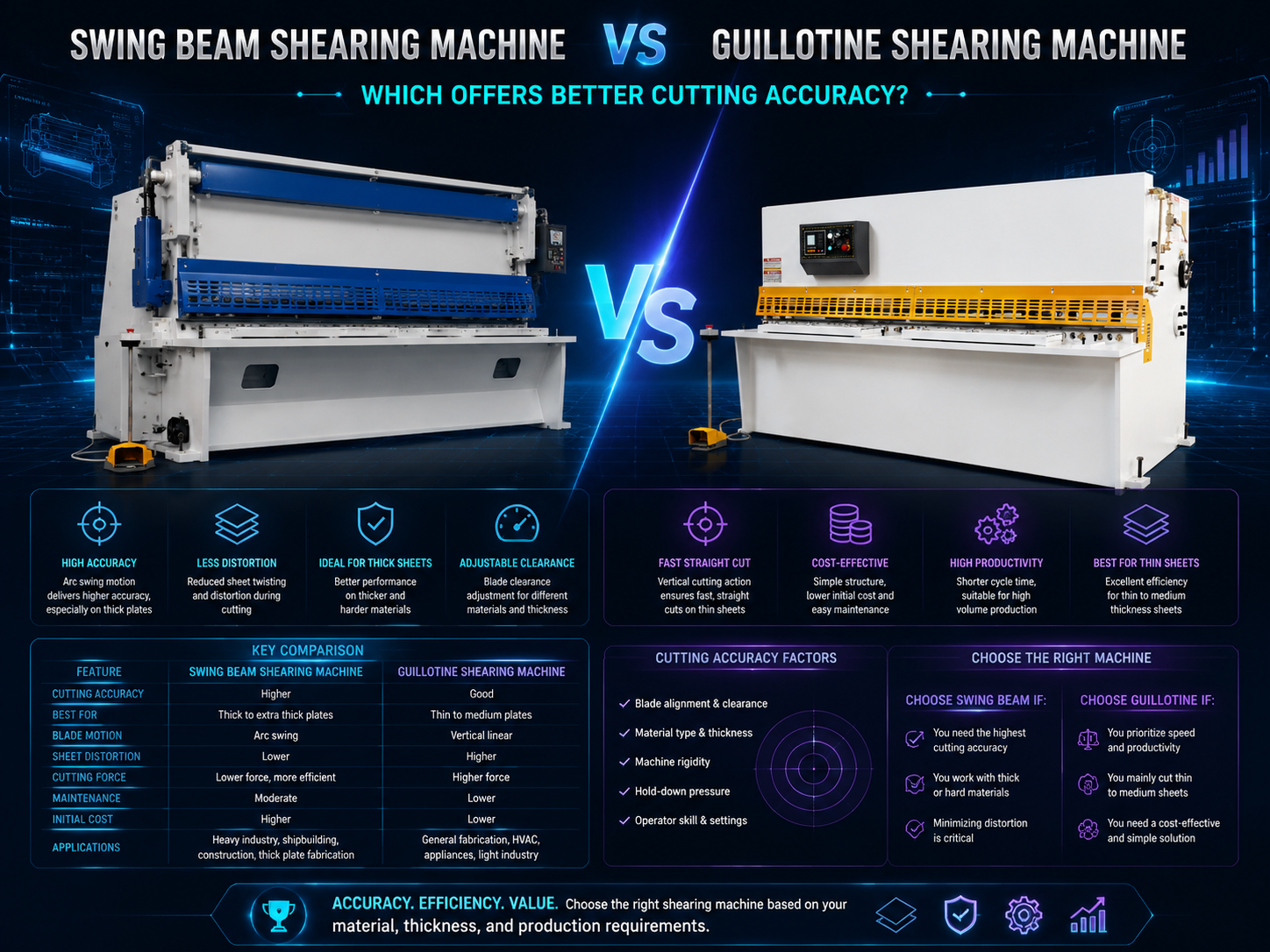
Comparison Summary: Understanding the Shearing Landscape
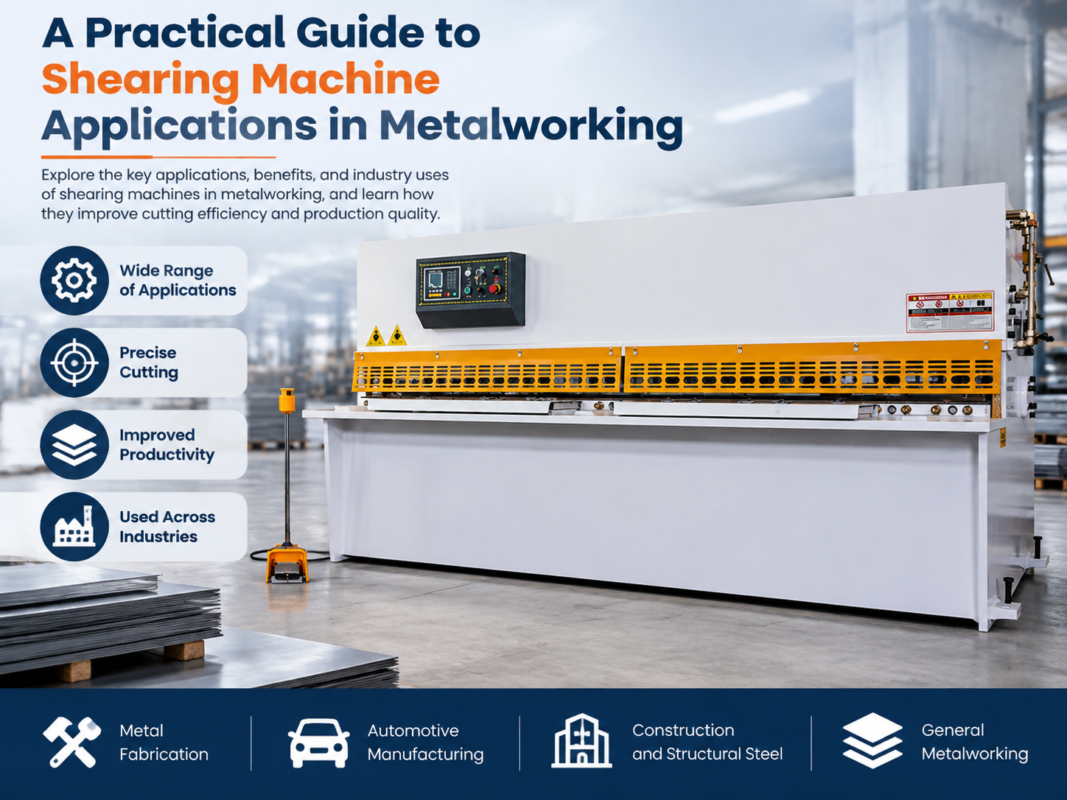
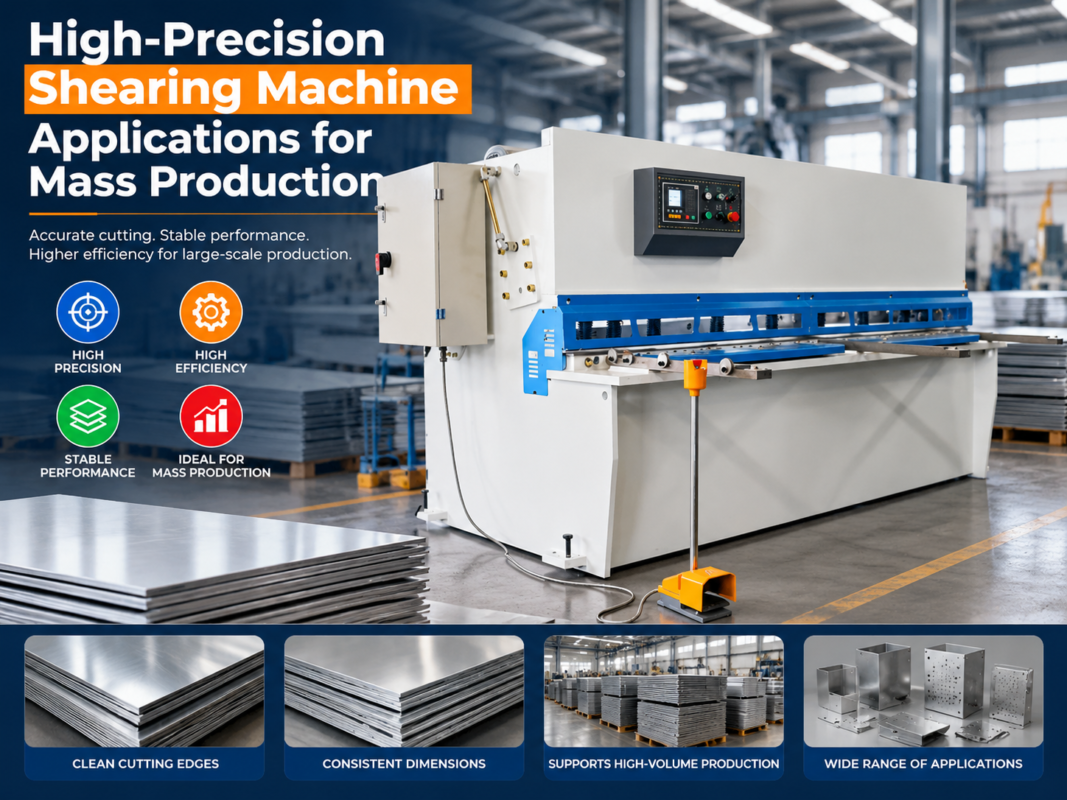
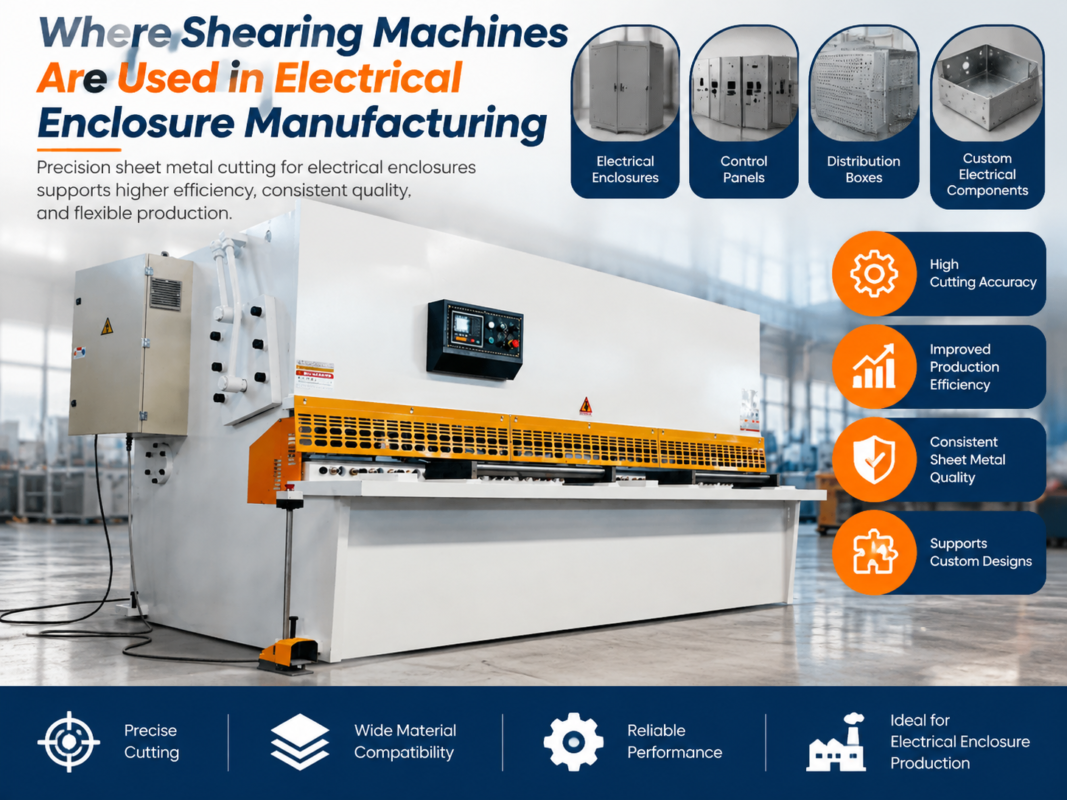
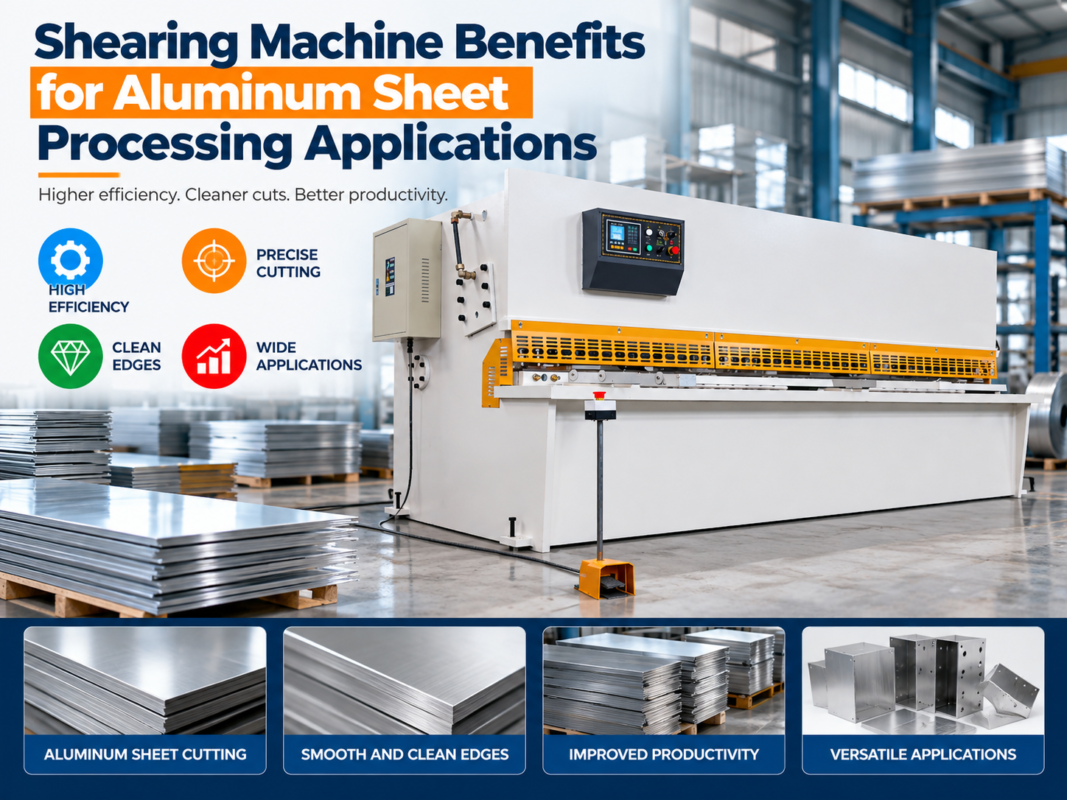
In the world of metal fabrication, the quest for the perfect cut is a constant challenge. When selecting a hydraulic shearing machine, fabricators are often faced with a fundamental choice: the Swing Beam Shearing Machine or the Guillotine Shearing Machine. Both machines are designed to cut sheet metal and plate with speed and efficiency, but they utilize significantly different mechanical principles to achieve their goals. The core of the debate—Swing Beam Shearing Machine Vs Guillotine Shearing Machine: Which Offers Better Cutting Accuracy?—lies in how the upper blade interacts with the material and how the machine handles the stresses of the cutting process.
A Swing Beam Shearing Machine, often categorized under the QC12Y series, operates on a circular arc movement. The upper blade is fixed to a pivoting beam that swings down to meet the lower blade. This design is prized for its simplicity, durability, and lower maintenance requirements. On the other hand, the Guillotine Shearing Machine, or QC11Y series, utilizes a vertical sliding motion. The upper blade moves straight up and down in a precision-guided track. This fundamental difference in motion dictates not only the accuracy of the cut but also the quality of the finished edge, the degree of material distortion, and the machine’s overall versatility across different material thicknesses.
While both machines have their place in a modern workshop, the Guillotine shear is generally regarded as the superior choice for high-precision applications and heavy-duty plate processing. However, the Swing Beam shear remains a formidable contender for general-purpose fabrication where cost-effectiveness and reliability are prioritized over extreme tolerances. In this comprehensive guide, we will dissect the technical nuances of both systems to help you determine which machine will provide the best return on investment for your specific production requirements.

Swing Beam Shearing Machine Overview: Simplicity and Reliability
The Swing Beam Shearing Machine is the workhorse of many small to medium-sized fabrication shops. Its design is based on a pivoting mechanism where the upper blade carrier rotates around a fixed point. This “swinging” motion means that as the blade descends, it moves in a slight arc. One of the primary advantages of this design is the inherent clearance it creates. As the upper blade completes its cut, it naturally moves away from the lower blade, reducing friction and wear on the cutting edges. This makes the Swing Beam shear exceptionally durable and less prone to blade jamming compared to older mechanical designs.
From a structural standpoint, Swing Beam shears are built with a robust frame that houses the hydraulic cylinders and the pivoting beam. Because the motion is rotational rather than purely vertical, the machine requires fewer guiding components. This simplicity translates to lower manufacturing costs and, subsequently, a more affordable purchase price for the end-user. For businesses that primarily work with thinner gauges of mild steel or stainless steel (typically up to 12mm or 16mm), the Swing Beam shear offers a reliable solution that is easy to operate and maintain.
However, the circular arc motion does introduce certain limitations regarding accuracy. Because the blade enters the material at a slight angle that changes throughout the stroke, there is a tendency for the material to experience a small amount of “twist” or “bow,” especially on narrower strips. Furthermore, the rake angle (the angle of the upper blade relative to the lower blade) is usually fixed on Swing Beam machines. While this simplifies operation, it limits the machine’s ability to optimize the cut for different material thicknesses, which can lead to increased deformation on thicker plates.
Key Features of HARSLE Swing Beam Shears
- Integrated Hydraulic System: Reduces pipe connections and improves system reliability.
- E21S Controller: Provides simple yet effective control over the backgauge and cutting stroke.
- Blade Gap Adjustment: Manual or motorized adjustment allows for quick setup based on material thickness.
- Shadow Line Lighting: Ensures accurate positioning of the workpiece for manual cutting tasks.
Guillotine Shearing Machine Overview: Precision and Power
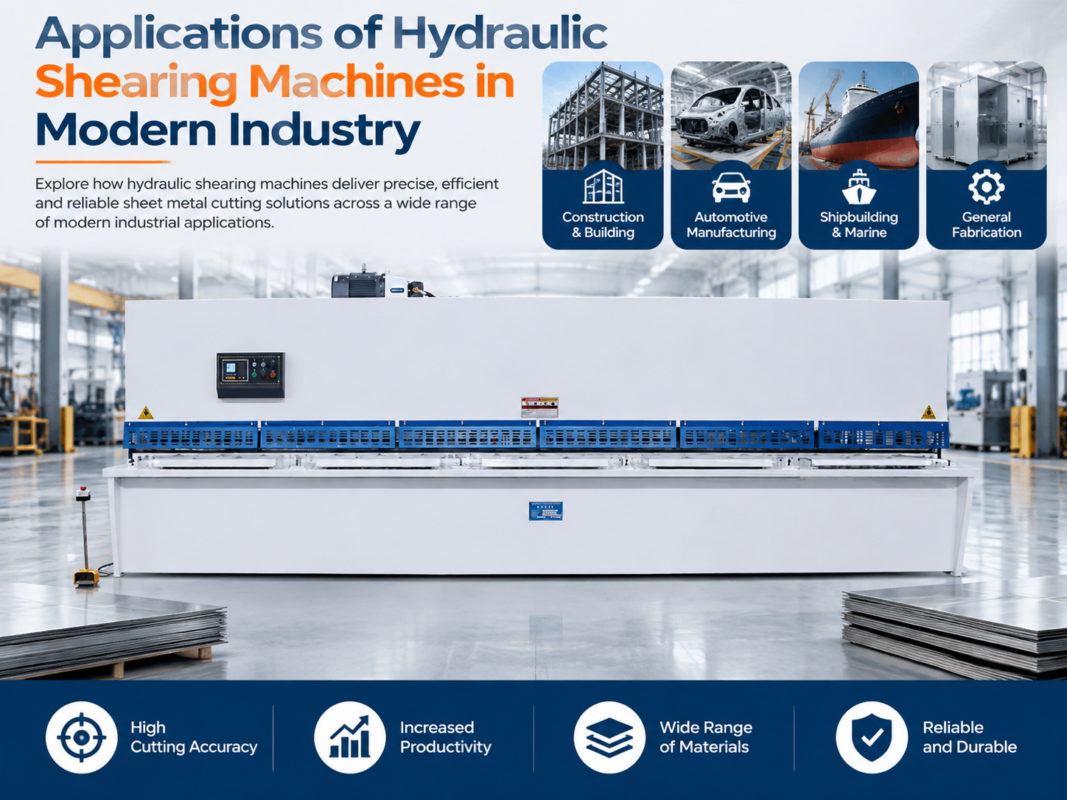
The Guillotine Shearing Machine represents the pinnacle of hydraulic shearing technology. Unlike the swing beam, the guillotine’s upper blade moves in a strictly vertical path, guided by precision-machined tracks or rollers. This linear motion ensures that the blade maintains a consistent relationship with the material throughout the entire cutting cycle. The primary benefit of this design is the significant reduction in material distortion. Because the force is applied vertically, the “twist” and “camber” effects common in swing beam shears are minimized, resulting in much flatter and straighter workpieces.
One of the most critical advantages of the Guillotine Shearing Machine is the adjustable rake angle. On a guillotine shear, the operator (or the CNC controller) can change the angle of the upper blade. A lower rake angle is used for thinner materials to ensure maximum precision and minimum distortion, while a higher rake angle is used for thicker plates to reduce the required shearing force. This versatility allows a single machine to handle a vast range of material thicknesses with high accuracy. For example, a HARSLE QC11Y series machine can be adjusted to cut 1mm sheet with the same level of edge quality as 20mm plate.
Furthermore, the vertical guide system of a guillotine shear allows for a more rigid construction. This rigidity is essential when cutting high-tensile materials or very thick plates where the lateral forces can be immense. The precision guides ensure that the blade gap remains perfectly consistent across the entire length of the bed, which is vital for achieving a clean, burr-free edge. While the initial investment for a guillotine shear is higher due to its complex engineering, the long-term benefits in terms of part quality and material savings often justify the cost for high-volume or high-precision manufacturers.
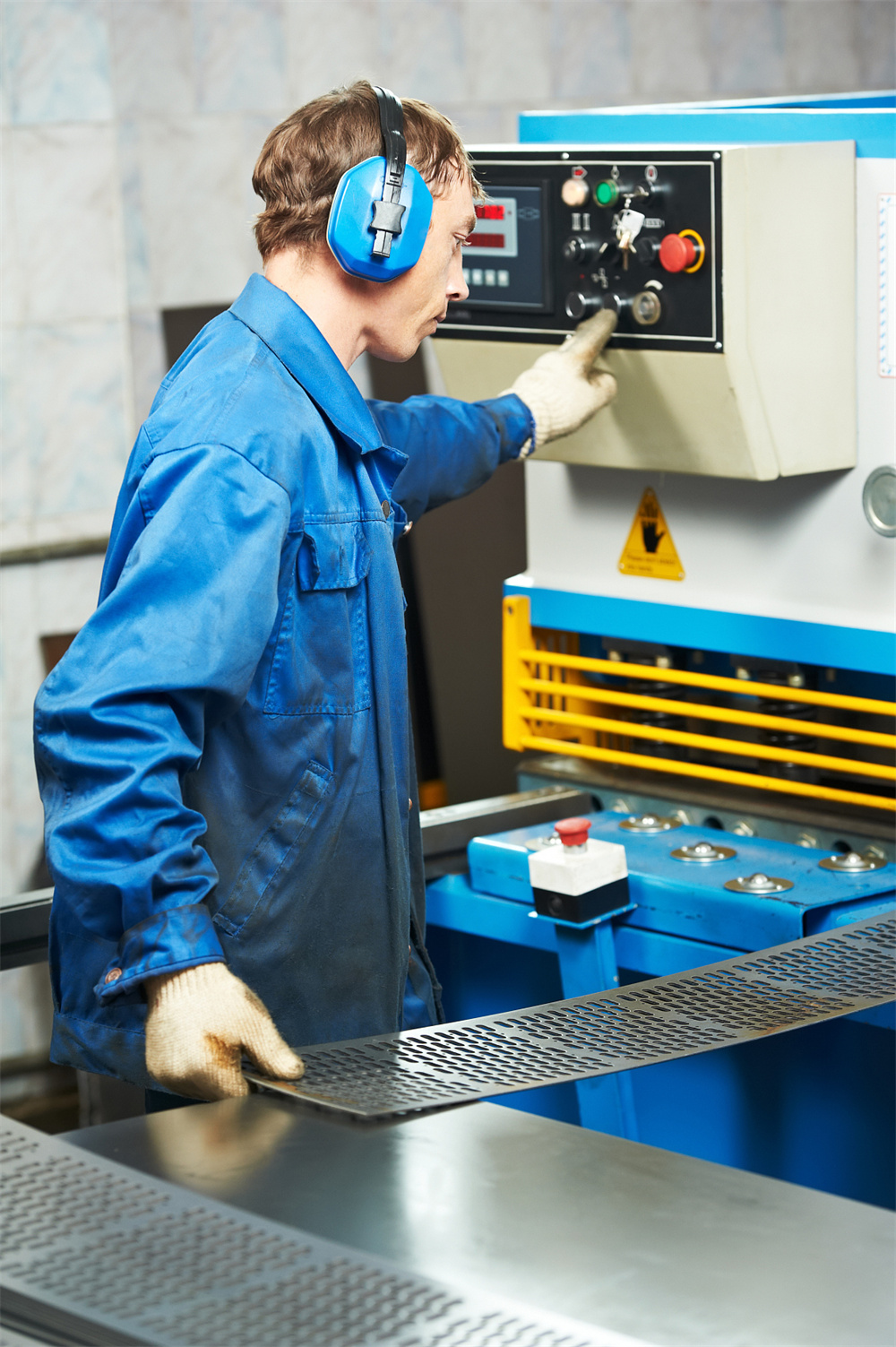
Specification Comparison Table
To better understand the technical differences between these two types of machinery, the following table compares the standard specifications and performance characteristics of typical Swing Beam and Guillotine shearing machines.
| Feature | Swing Beam Shearing Machine (QC12Y) | Guillotine Shearing Machine (QC11Y) |
|---|---|---|
| Cutting Motion | Circular Arc (Pivoting) | Vertical Linear (Sliding) |
| Rake Angle | Fixed (Usually 1.5° – 2°) | Adjustable (0.5° – 3° or more) |
| Cutting Accuracy | Standard (±0.10mm – 0.15mm) | High (±0.03mm – 0.05mm) |
| Material Distortion | Moderate (Twist/Bow on thin strips) | Minimal (Very flat cuts) |
| Blade Life | Excellent (Arc motion reduces friction) | Good (Requires precise gap setting) |
| Maintenance | Low (Fewer moving parts) | Moderate (Requires guide lubrication) |
| Price Point | Economical | Premium |
| Max Thickness | Typically up to 16mm – 20mm | Up to 40mm or more |
Best-fit Applications: Choosing the Right Tool for the Job
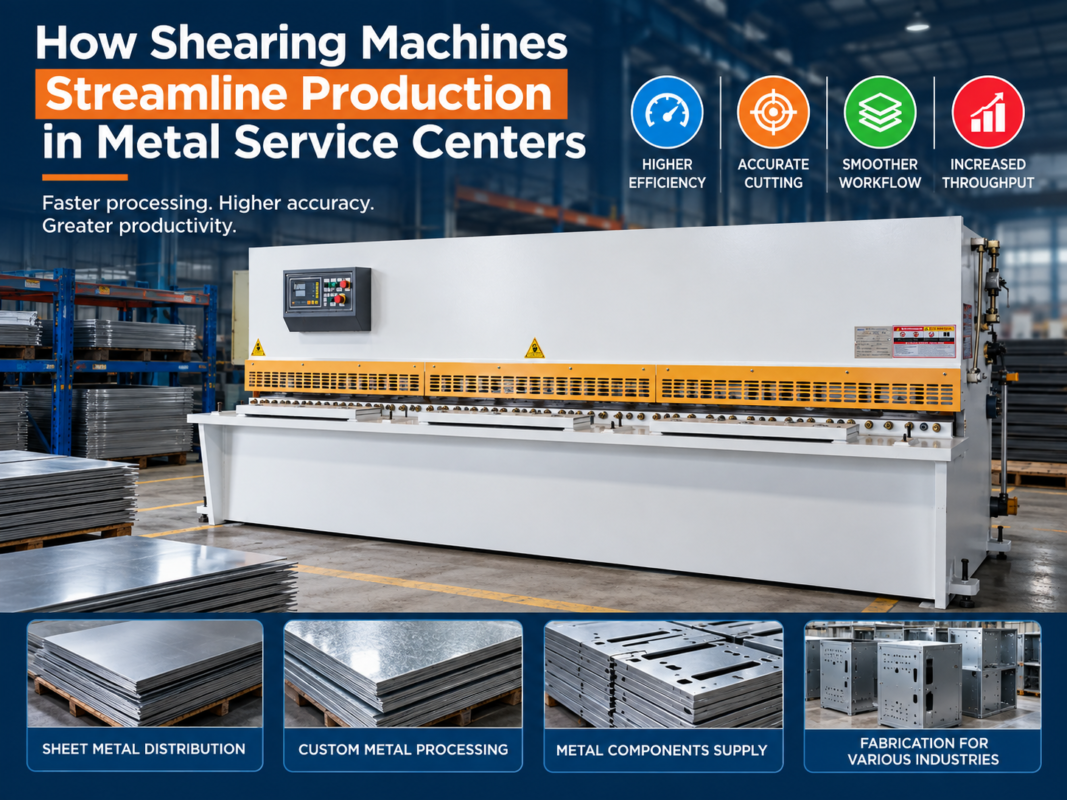
Determining which machine is “better” depends entirely on your production goals. The Swing Beam Shearing Machine is the ideal choice for general sheet metal shops, HVAC ductwork manufacturers, and maintenance departments. If your primary work involves cutting mild steel under 10mm and you are not producing parts that require extreme precision for subsequent robotic welding or high-end CNC bending, the swing beam offers the best value. Its rugged design can withstand years of heavy use with minimal downtime, making it a favorite for environments where the machine might be operated by multiple users with varying skill levels.
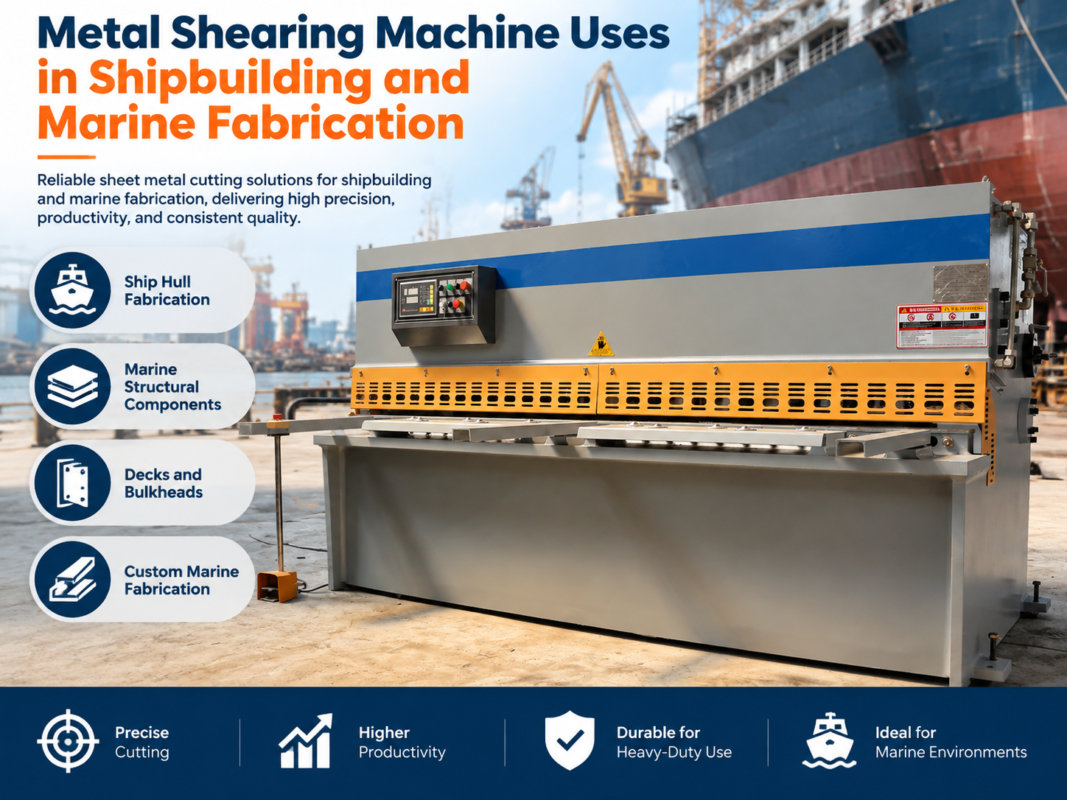
Conversely, the Guillotine Shearing Machine is indispensable for heavy engineering, shipbuilding, pressure vessel manufacturing, and high-precision job shops. If you frequently work with stainless steel, high-strength alloys, or plates thicker than 16mm, the guillotine’s adjustable rake angle and vertical cutting path are essential. The ability to produce perfectly flat strips is also a major advantage for shops that feed their sheared parts into CNC press brakes or laser welding cells, where even a slight twist in the material can cause significant fit-up issues.
Additionally, for shops that require high automation, the Guillotine shear is more easily integrated with advanced CNC controllers like the Delem DAC360T. these controllers can automatically calculate the optimal rake angle and blade gap based on the material type and thickness entered by the operator. This “smart” shearing capability reduces human error and ensures that every cut is optimized for both speed and accuracy, regardless of the operator’s experience level.
When to Choose a Swing Beam Shear:
- Budget is a primary concern.
- Material thickness is consistently under 12mm.
- High-precision edge quality is not the top priority.
- Low maintenance and simplicity are preferred.
When to Choose a Guillotine Shear:
- Cutting a wide variety of thicknesses (from thin sheet to heavy plate).
- Requirement for perfectly flat parts with no twist or bow.
- High-precision requirements for downstream processes.
- Processing high-tensile or specialized alloys.
Cost and Maintenance Comparison: Long-term ROI
When evaluating the cost of a shearing machine, it is important to look beyond the initial purchase price. The Swing Beam Shearing Machine is undeniably cheaper to buy. Its simpler construction requires less specialized machining during the manufacturing process, and the hydraulic system is often less complex. Maintenance is also straightforward; because the beam pivots on large bearings, there are fewer sliding surfaces to lubricate or adjust. For a small shop, this means lower overhead and a faster path to profitability.
However, the Guillotine Shearing Machine offers a different kind of ROI. While the upfront cost can be 20% to 40% higher than a comparable swing beam model, the savings in material waste and secondary operations can be substantial. Because the guillotine produces a cleaner, flatter cut, there is less need for grinding or straightening parts before they can be used. Furthermore, the adjustable rake angle reduces the stress on the machine when cutting thick materials, which can extend the overall lifespan of the hydraulic components and the frame itself.
Maintenance for a guillotine shear involves regular inspection and lubrication of the vertical guides. Modern HARSLE guillotine shears utilize high-quality wear-resistant materials for these guides, but they still require more attention than the pivot points of a swing beam. However, the blades on a guillotine shear are often rectangular with four cutting edges, whereas some swing beam blades may only have two usable edges due to their specific geometry. This means that while the machine is more complex, the consumable costs (blades) can actually be lower over the long term.
Recommendation: HARSLE’s Expert Verdict
At HARSLE, we believe that the “best” machine is the one that aligns with your specific business strategy. If you are looking for a reliable, cost-effective solution for everyday shearing tasks, our QC12Y Swing Beam Shearing Machine is an excellent investment. It provides the durability and ease of use that has made it a staple in the industry for decades. It is particularly well-suited for businesses starting their journey in metal fabrication or those with consistent, medium-duty production needs.
However, if your goal is to compete at the highest level of precision and versatility, we strongly recommend the QC11Y Guillotine Shearing Machine. The superior accuracy, adjustable rake angle, and minimal material distortion make it the professional’s choice for high-quality fabrication. In an era where precision is often the difference between winning and losing a contract, the guillotine shear provides the technical edge necessary to produce world-class components.
Before making a final decision, we encourage you to consider your future growth. A machine that meets your needs today might be a bottleneck in two years. If you anticipate moving into thicker materials or more complex projects, investing in the precision of a guillotine shear now may save you from needing to upgrade sooner than expected. Our team of experts is always available to discuss your specific applications and provide a tailored recommendation based on your material types, production volumes, and budget.
Frequently Asked Questions (FAQ)
1. Which machine is better for cutting thin stainless steel?
The Guillotine Shearing Machine is generally better for thin stainless steel. Because you can set a very low rake angle, it prevents the thin material from twisting or deforming during the cut, resulting in a much cleaner edge.
2. Can I adjust the blade gap on both machines?
Yes, both Swing Beam and Guillotine machines allow for blade gap adjustment. On HARSLE machines, this can be done manually via a handwheel or automatically through the CNC controller, depending on the model and options selected.
3. Why does the Swing Beam shear have a fixed rake angle?
The fixed rake angle is a result of the pivoting design. To change the rake angle, the entire geometry of the pivot would need to change, which would add significant complexity and cost. The fixed angle is chosen as a compromise to handle the machine’s rated capacity effectively.
4. Is the maintenance significantly higher on a Guillotine shear?
It is slightly higher because of the vertical guides that require regular lubrication and occasional adjustment to maintain precision. However, for a professional shop, this is a routine task that takes very little time compared to the benefits of the machine’s accuracy.
5. Which machine has a longer lifespan?
Both machines are built for industrial use and can last 20+ years with proper maintenance. The Swing Beam is often considered more “indestructible” due to its simplicity, but the Guillotine is more robustly built to handle the stresses of heavy plate cutting.
6. Does the cutting length affect the choice?
For very long cuts (e.g., 6 meters or more), the Guillotine design is often preferred because the vertical guides provide better support across the entire length, ensuring the blade gap remains consistent even in the middle of the machine.