How to Compare Shearing Machine Safety Features for Better Workshop Protection


Comparison Summary: Prioritizing Safety in Metal Shearing
In the high-stakes environment of metal fabrication, the ability to Compare Shearing Machine Safety Features Better Workshop Protection is not just a technical requirement—it is a moral and financial imperative. Shearing machines, by their very nature, involve high-pressure hydraulic systems and razor-sharp blades capable of exerting hundreds of tons of force. Without robust safety protocols and advanced hardware, the risk of catastrophic injury or equipment damage is significantly elevated. This guide focuses on helping workshop managers and business owners evaluate the safety mechanisms of modern shearing equipment, specifically focusing on the industry-leading designs provided by HARSLE.
When we talk about workshop protection, we are looking at a multi-layered approach. This includes primary guarding (physical barriers), secondary guarding (light curtains and sensors), and tertiary systems (emergency stops and software-based limits). A comprehensive comparison requires looking beyond the basic ‘CE’ mark and diving into the specifics of how a machine handles emergency scenarios, operator errors, and mechanical failures. By the end of this analysis, you will understand why certain features are non-negotiable for a modern, safe production line.
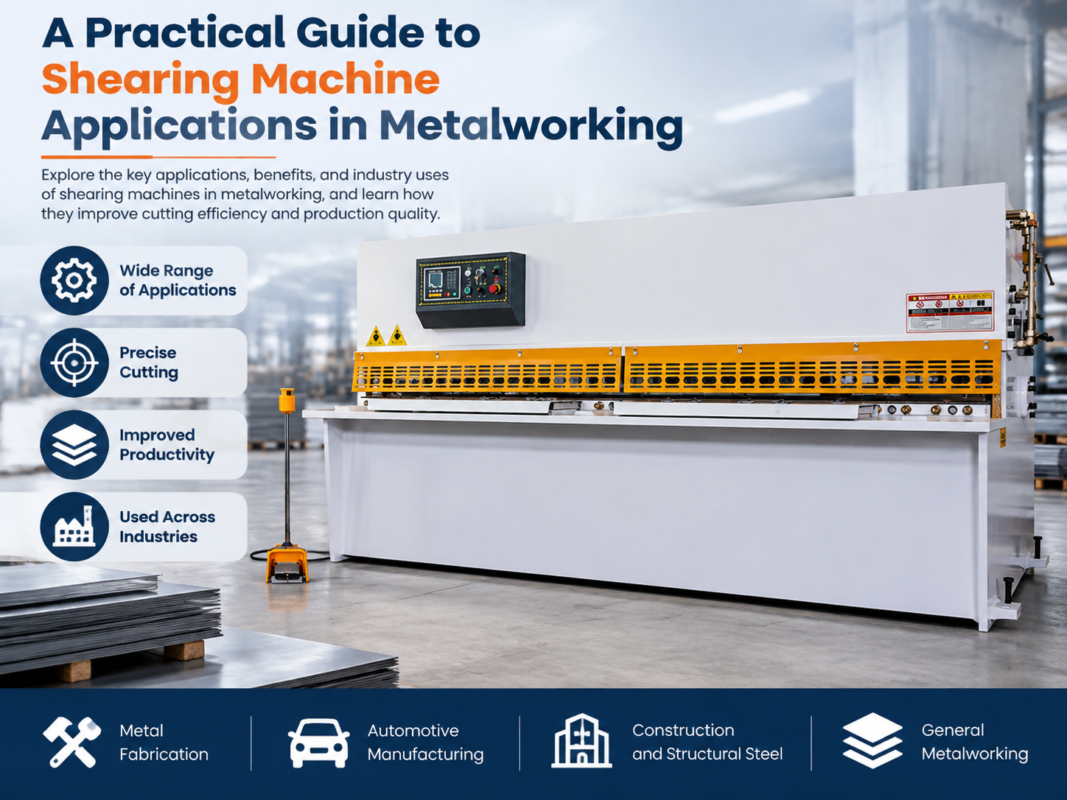
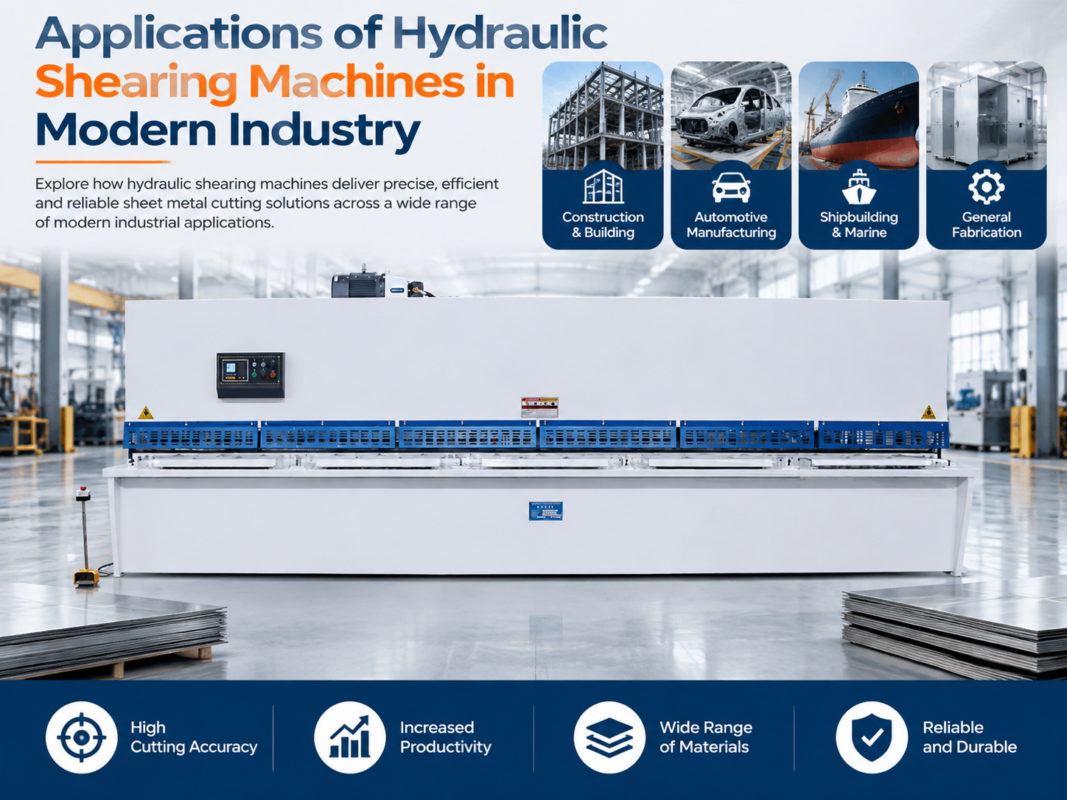
The two primary types of hydraulic shears—the Swing Beam Shear and the Guillotine Shear—offer different safety profiles. While both are designed to cut metal efficiently, their mechanical movements dictate different guarding requirements. For instance, a swing beam shear has a curved cutting path that requires specific finger guard clearances, whereas a guillotine shear moves vertically, allowing for more integrated shadow lighting and closer-proximity guarding. Understanding these nuances is the first step toward better workshop protection.
Finally, safety is inextricably linked to machine longevity and maintenance. A machine that is safe to operate is often a machine that is well-maintained. Safety features like hydraulic overload protection not only protect the operator but also prevent the frame from cracking and the blades from chipping. Therefore, when you compare shearing machine safety features, you are also comparing the long-term ROI and reliability of your investment.
Machine A Overview: HARSLE QC12K Hydraulic Swing Beam Shear
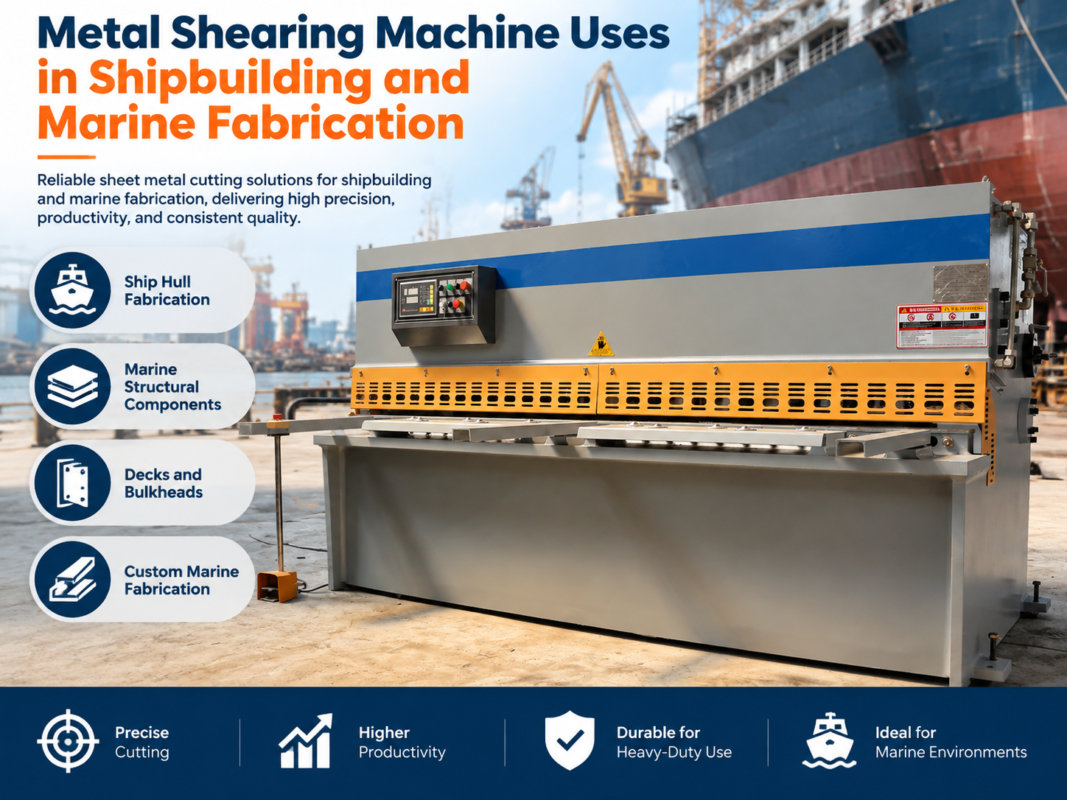
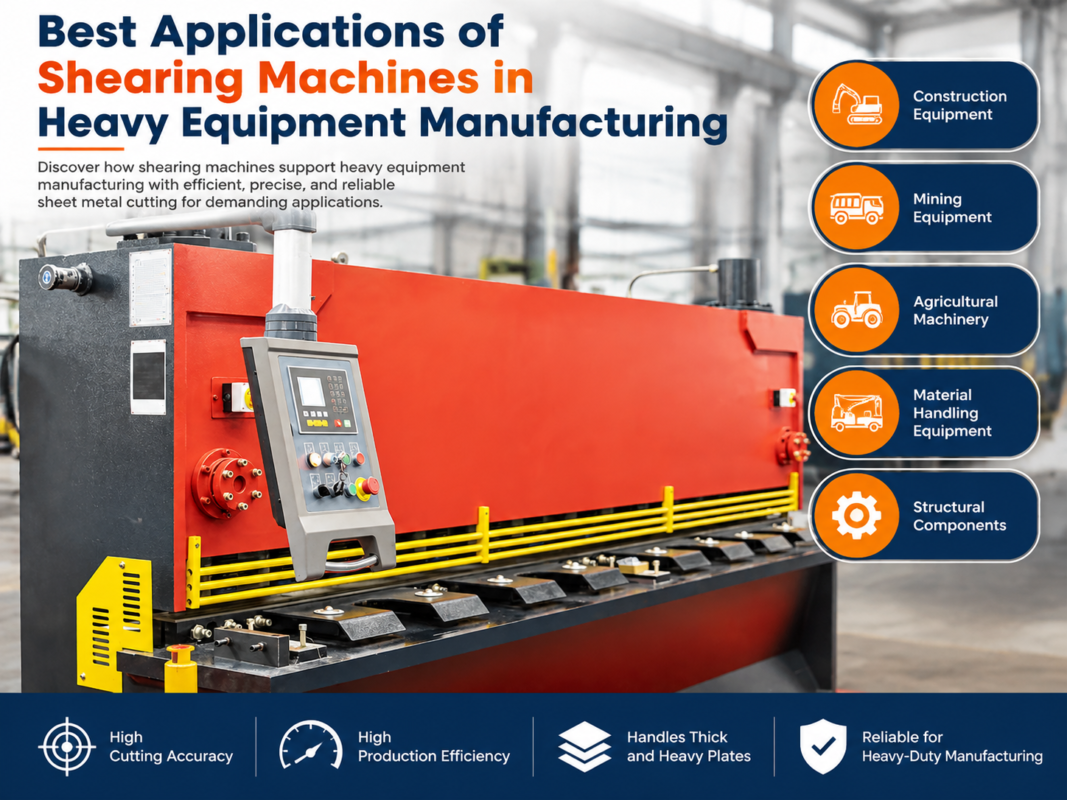
The HARSLE QC12K series represents the standard in versatile, reliable swing beam shearing. In the context of safety, the QC12K is designed with a focus on simplicity and mechanical robustness. The ‘swing’ action means the upper blade moves in an arc, which inherently reduces the friction on the blade but requires the operator to be mindful of the changing gap. To mitigate risks, HARSLE integrates a series of physical and electronic safeguards that make it a top contender for workshops looking to improve their safety ratings.
One of the standout safety features of the QC12K is the front-mounted finger guard. This is a physical barrier that prevents the operator’s hands from reaching the cutting zone while still allowing the sheet metal to pass through. In many older models, these guards were cumbersome and often removed by operators to improve visibility. However, HARSLE utilizes a slotted design that maintains high visibility without compromising protection. This is a critical point when you Compare Shearing Machine Safety Features Better Workshop Protection, as user-friendly safety is the only safety that actually gets used.
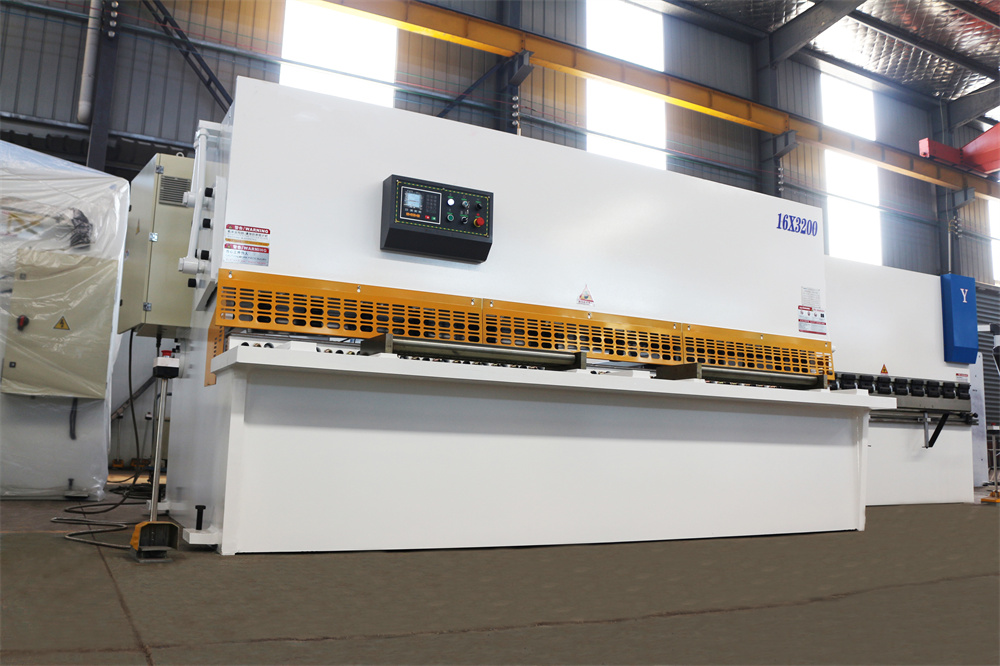
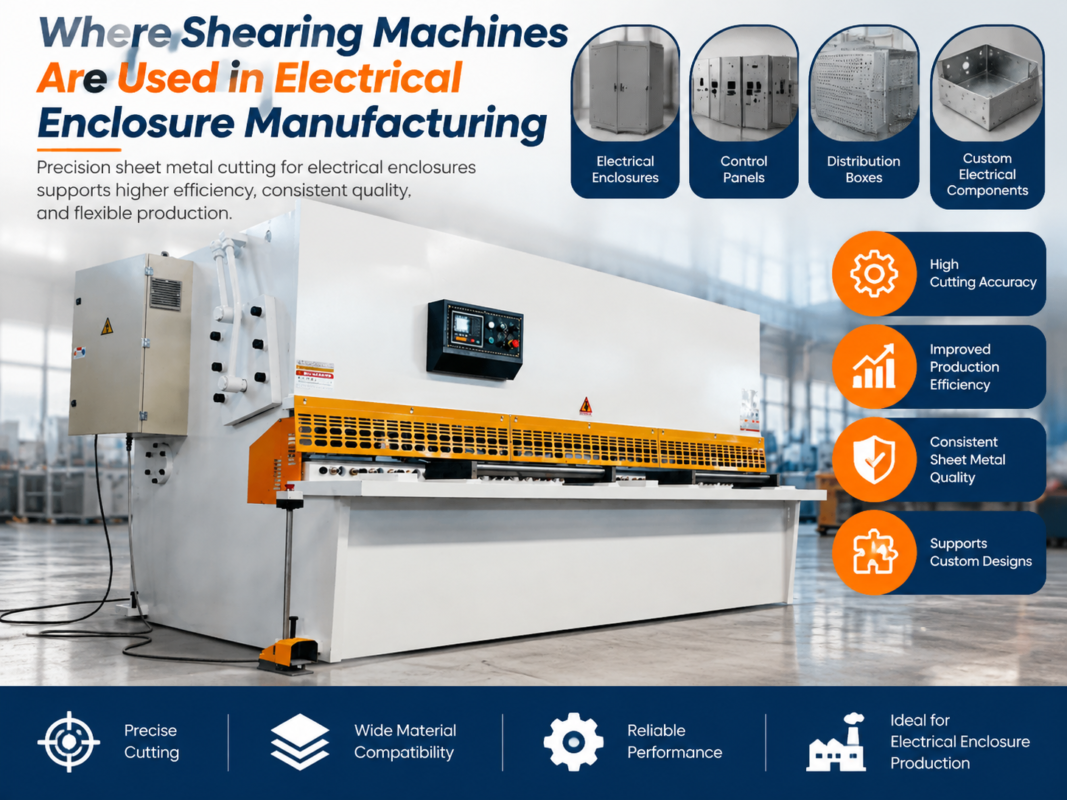
Furthermore, the QC12K is equipped with a rear safety fence and photoelectric sensors. If an individual enters the rear area of the machine while it is in operation—perhaps to retrieve a cut piece—the sensors immediately trigger an emergency stop. This dual-zone protection (front and back) ensures that the machine is safe from all angles. The hydraulic system also includes a pressure relief valve, which prevents the machine from attempting a cut that exceeds its rated capacity, thereby protecting the structural integrity of the shear and the safety of nearby personnel.
The control system, typically an E21S or similar CNC unit, includes software-defined limits for the backgauge. This prevents the backgauge from crashing into the blades or the frame, a common cause of mechanical failure and flying debris. By integrating safety into the logic of the machine, HARSLE ensures that even less experienced operators can work with a high degree of confidence and security.
Machine B Overview: HARSLE QC11K Hydraulic Guillotine Shear
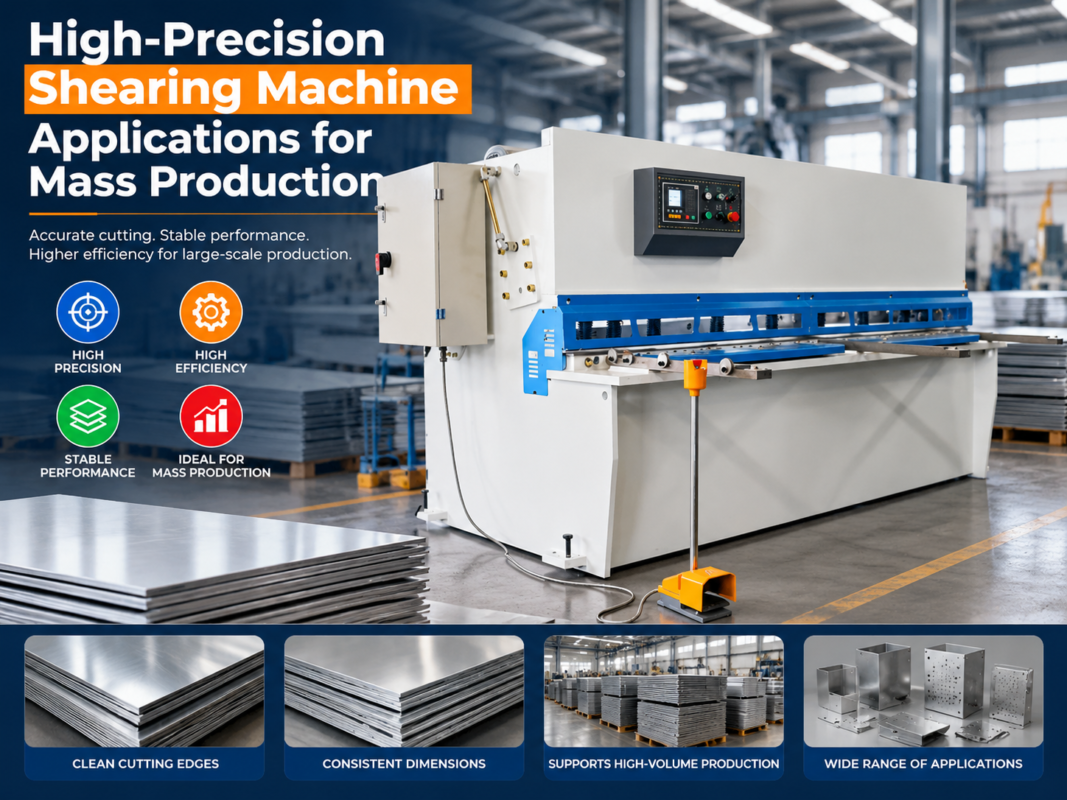
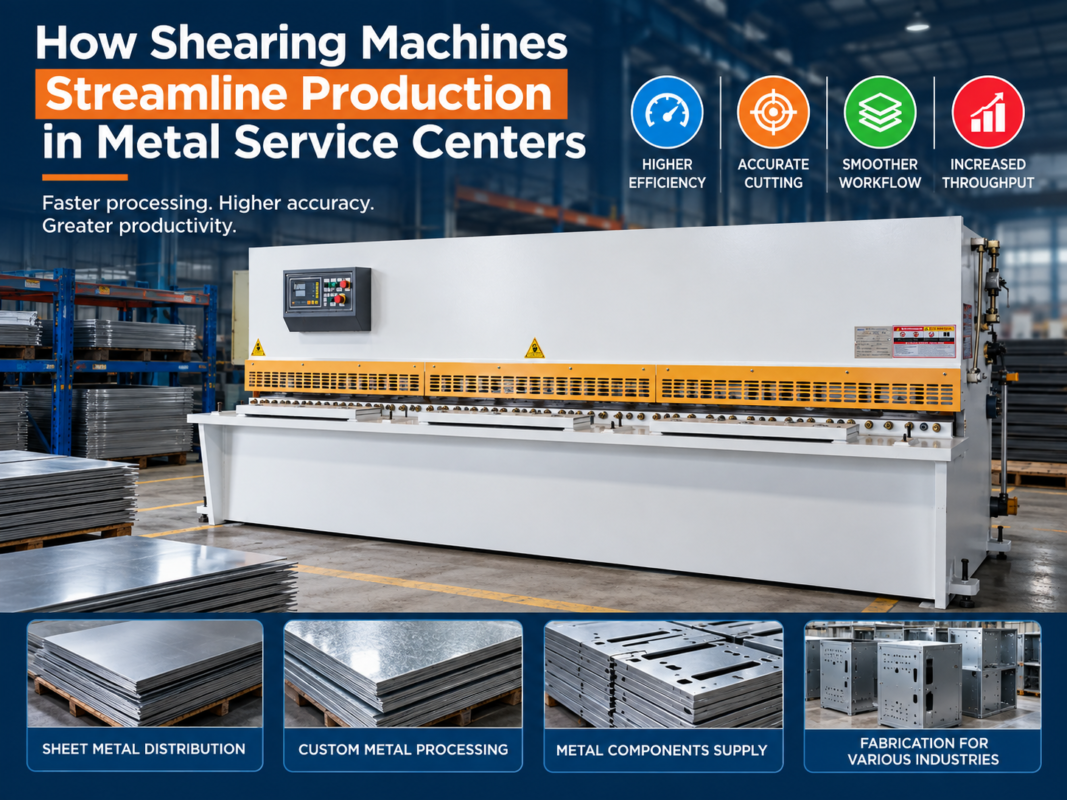
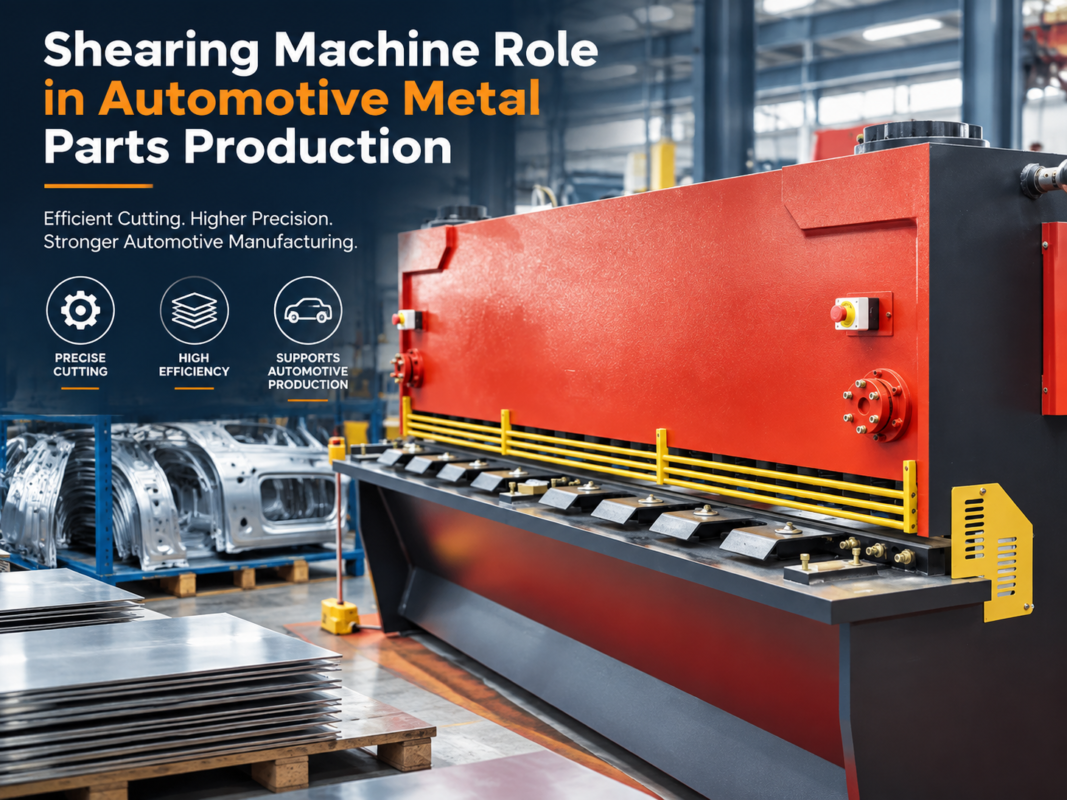
The HARSLE QC11K Hydraulic Guillotine Shear is the precision-oriented sibling of the swing beam shear. Because the blade moves in a perfectly vertical line, it allows for more precise blade gap adjustments and higher cutting accuracy. From a safety perspective, the guillotine design offers unique advantages. The vertical movement is more predictable, and the machine frame is typically more enclosed, providing a natural barrier between the operator and the internal moving parts.
A key safety feature of the QC11K is the advanced hydraulic hold-down system. Before the blade begins its descent, a series of hydraulic cylinders clamp the metal sheet firmly against the table. This prevents the material from ‘kicking up’ or shifting during the cut, which is a major cause of hand injuries and material wastage. In the QC11K, these hold-downs are fitted with protective pads to prevent marking the material, but more importantly, they are sequenced to ensure the material is fully secured before the shearing force is applied.
The QC11K also frequently features a ‘Shadow Line’ lighting system. This projects a sharp line of light exactly where the blade will fall. While this is often seen as a productivity feature, it is a vital safety component. It allows the operator to position the material accurately without having to lean in too close to the blade or ‘guess’ the cutting point. Better visibility directly correlates to better workshop protection, as it reduces the need for operators to bypass guards to see their work.
For high-end configurations, the QC11K can be equipped with a laser curtain system. Unlike a physical guard, a laser curtain uses beams of light to create an invisible wall. If a finger or tool breaks the beam, the machine stops in milliseconds. This is the gold standard when you Compare Shearing Machine Safety Features Better Workshop Protection, as it provides maximum safety with zero impact on operator speed or visibility. The QC11K’s rigid frame and high-speed hydraulics are perfectly suited for this type of advanced electronic integration.
Specification Comparison Table: Safety and Technical Data
To effectively Compare Shearing Machine Safety Features Better Workshop Protection, we must look at the technical specifications that support these safety claims. Below is a comparison between the QC12K (Swing Beam) and the QC11K (Guillotine) models.
| Safety Feature / Spec | HARSLE QC12K (Swing Beam) | HARSLE QC11K (Guillotine) |
|---|---|---|
| Cutting Action | Arc/Swing Movement | Vertical/Linear Movement |
| Primary Guarding | Slotted Fixed Finger Guard | Adjustable Vertical Guard |
| Secondary Guarding | Rear Photoelectric Sensors | Laser Curtain (Optional/Standard) |
| Hold-down Mechanism | Hydraulic Independent | Hydraulic Integrated w/ Sequence |
| Overload Protection | Hydraulic Relief Valve | Full System Pressure Monitoring |
| Emergency Stops | Dual (Console & Foot Pedal) | Multi-point (Console, Pedal, Frame) |
| Blade Gap Adjustment | Manual or Motorized | CNC Controlled (High Precision) |
| Visibility | Shadow Line (Optional) | Shadow Line (Standard) |
This table highlights that while both machines offer excellent protection, the QC11K generally provides more advanced, integrated safety technologies suitable for high-precision and high-volume environments. The QC12K remains a robust choice for general fabrication where mechanical simplicity is preferred.
Best-fit Applications for Enhanced Safety
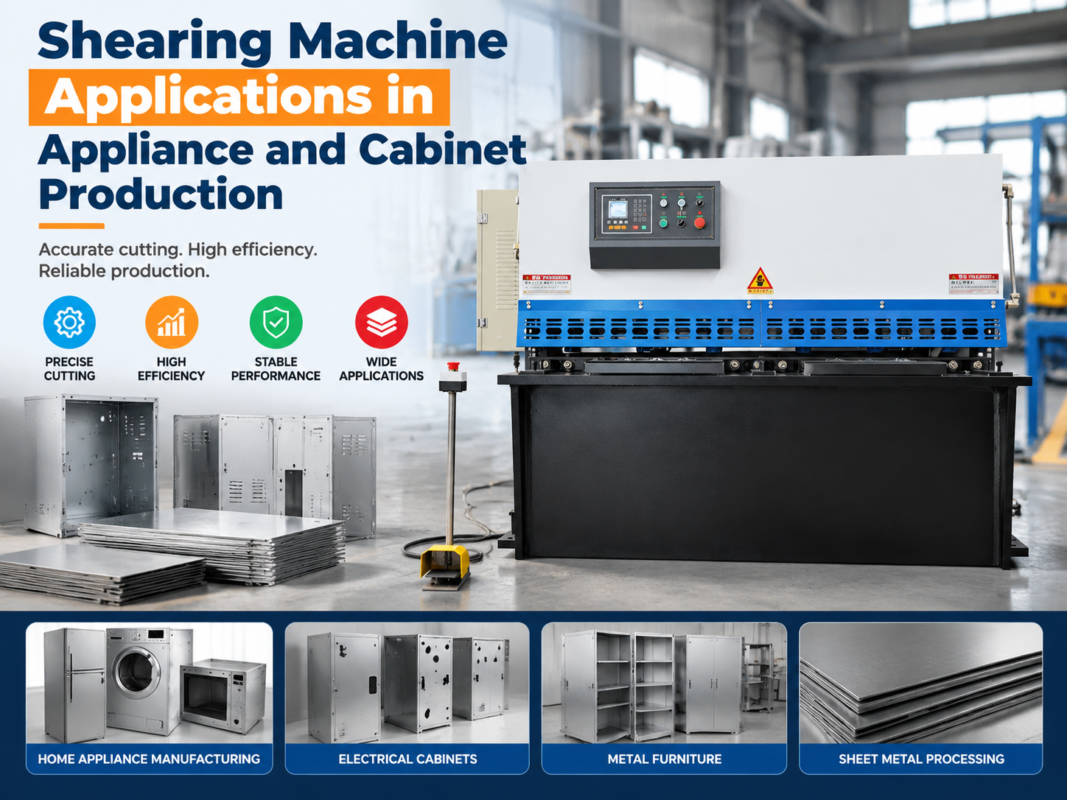
Choosing the right machine involves matching the safety features to your specific application. For instance, in a high-volume production facility where operators are working long shifts, the risk of fatigue-related accidents increases. In this scenario, the QC11K with a laser curtain and CNC-controlled blade gap is the best fit. The automation reduces the number of manual adjustments the operator needs to make, thereby reducing the opportunity for error. When you Compare Shearing Machine Safety Features Better Workshop Protection, automation is often the most effective safety feature of all.
In contrast, a maintenance shop or a custom fabrication garage might prefer the QC12K. The mechanical swing beam is easier to understand and maintain. The safety features are straightforward—physical guards and emergency stops. For shops that cut a wide variety of materials and thicknesses infrequently, the simplicity of the QC12K’s safety system ensures that it is always functional and easy to inspect before use.
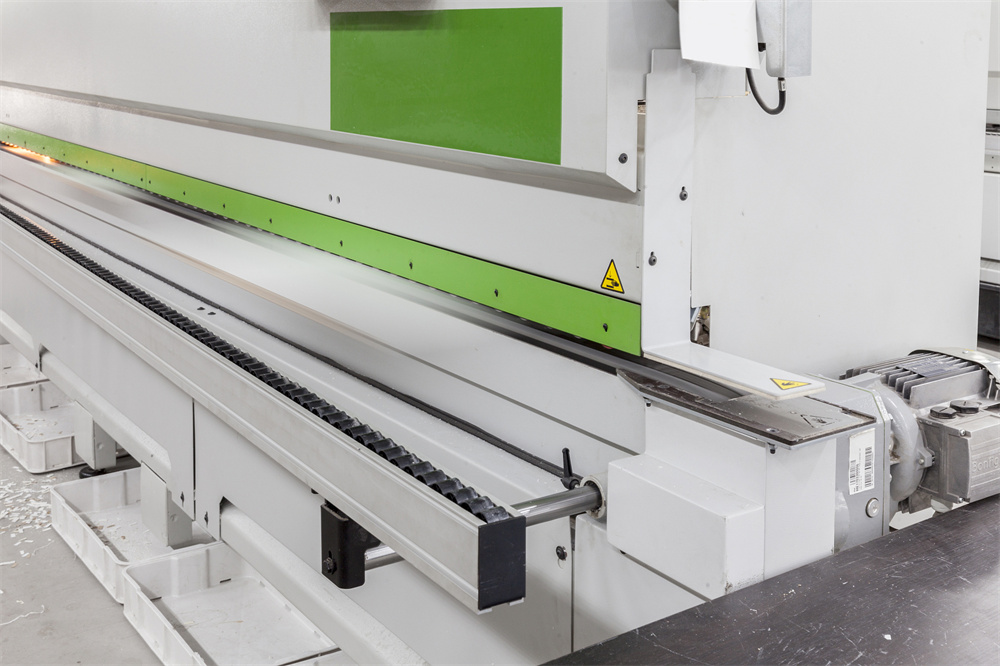
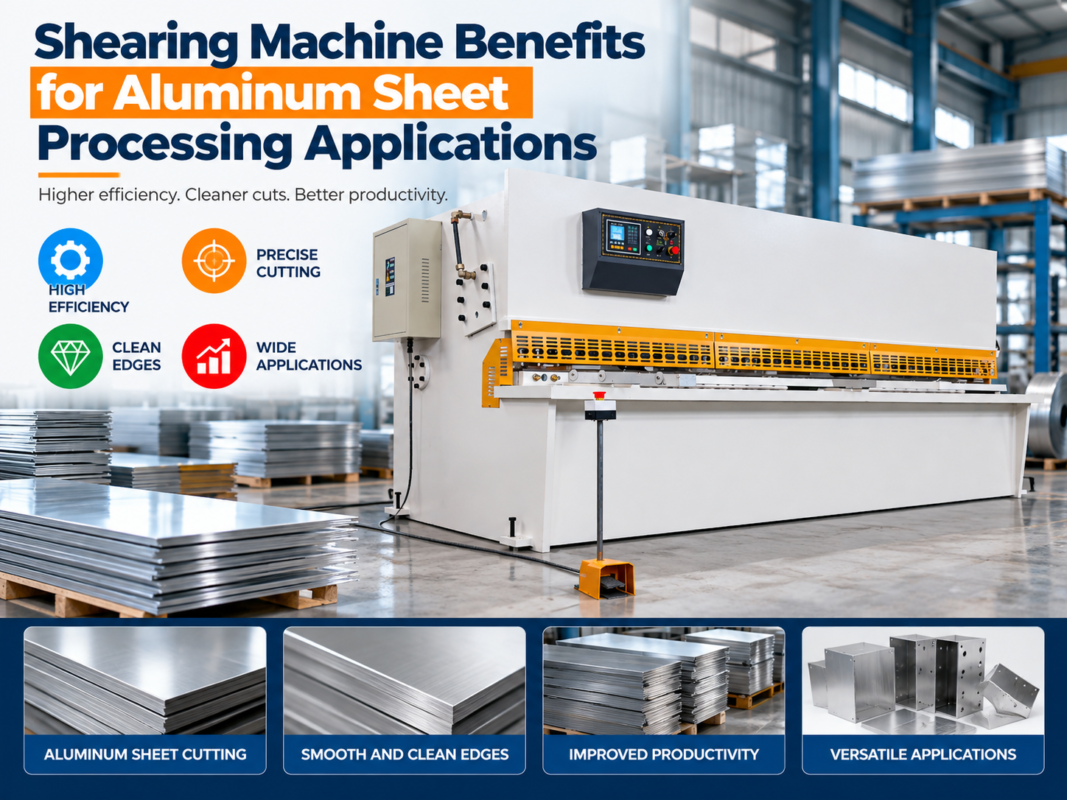
Another consideration is the material type. If you are shearing heavy plate (16mm and above), the hydraulic hold-down force is immense. The QC11K’s ability to distribute this force evenly across the plate prevents the material from bowing or snapping back, which is a significant safety hazard with thicker sections. For thinner, delicate materials like stainless steel or aluminum, the precision of the QC11K’s vertical cut prevents the material from getting wedged between the blades, which can cause the machine to jam and potentially eject debris.
Ultimately, the best-fit application is one where the machine’s safety features complement the workflow rather than hinder it. A safety feature that is bypassed because it makes the job too slow is not a safety feature at all. HARSLE designs their machines to ensure that safety and productivity go hand-in-hand, allowing for fast cycle times without compromising the operator’s well-being.
Cost and Maintenance Comparison: The Price of Protection
When evaluating the cost of safety, one must consider both the initial investment and the long-term operational costs. A machine equipped with a full laser curtain and CNC safety monitoring (like a high-spec QC11K) will have a higher upfront cost than a base-model QC12K. However, the cost of a single workplace accident—including medical bills, legal fees, lost productivity, and potential OSHA fines—can far exceed the price difference between these two machines. Therefore, the “cost” of safety should be viewed as an insurance policy for your business.
Maintenance is another critical factor. Safety features require regular inspection to remain effective. On a QC12K, maintenance involves checking the physical integrity of the guards and ensuring the emergency stop buttons are responsive. On the QC11K, you must also calibrate the laser curtains and check the sensors. HARSLE simplifies this by using high-quality components from brands like Schneider and Omron, which are known for their reliability and ease of replacement. When you Compare Shearing Machine Safety Features Better Workshop Protection, look for machines that use standardized, high-quality electrical components.
Furthermore, the hydraulic system’s maintenance directly impacts safety. Leaking valves or old hydraulic oil can cause the blade to drift or the hold-downs to lose pressure. HARSLE machines are designed with accessible hydraulic manifolds, making it easy for maintenance teams to perform routine checks. A well-maintained hydraulic system ensures that the safety valves and overload protections function exactly when they are needed most.
Finally, consider the cost of blade maintenance. A dull blade requires more force to cut, which puts unnecessary strain on the machine’s safety components and increases the risk of material slippage. The QC11K’s easy blade gap adjustment encourages operators to keep the machine perfectly tuned, which indirectly improves safety by ensuring the machine operates within its designed parameters.
Recommendation: How to Choose the Safest Shear for Your Shop
After a thorough analysis, the recommendation depends on your specific workshop needs, but the principle remains the same: never compromise on the core safety features. If your budget allows, the HARSLE QC11K Hydraulic Guillotine Shear is the superior choice for workshop protection. Its vertical cutting action, integrated shadow lighting, and compatibility with advanced laser guarding systems provide the most comprehensive safety envelope available in the market today.
However, for workshops that prioritize mechanical simplicity and are working with a more modest budget, the HARSLE QC12K Swing Beam Shear is an excellent and safe alternative. It provides all the essential physical guarding and electronic emergency stops required to meet international safety standards. The key is to ensure that whichever model you choose, you opt for the additional safety packages, such as the rear light curtains and the front finger guards.
When making your final decision, use the following checklist to Compare Shearing Machine Safety Features Better Workshop Protection:
- Does the machine meet CE or local safety certifications?
- Are the finger guards designed for high visibility?
- Is there a rear safety zone protected by sensors or fencing?
- Does the foot pedal have a protective cover and an integrated emergency stop?
- Is the hydraulic system protected against over-pressure?
- Are the electrical components sourced from reputable, global manufacturers?
By following these guidelines and choosing a reputable manufacturer like HARSLE, you can ensure that your workshop remains a productive, efficient, and—most importantly—safe environment for all employees.
Frequently Asked Questions (FAQ)
1. What is the most important safety feature on a shearing machine?
While all features are important, the emergency stop system and the front finger guards are the most critical. The emergency stop must be easily accessible from both the control panel and the foot pedal to allow for immediate cessation of movement in case of an error.
2. How often should I test the safety sensors on my HARSLE shear?
Safety sensors and light curtains should be tested at the start of every shift. A simple “block test” to ensure the machine stops when the beam is interrupted takes only a few seconds but can prevent a major accident.
3. Can I retro-fit older shearing machines with modern safety features?
Yes, many safety features like light curtains and improved emergency stops can be retrofitted. However, it is often more cost-effective and safer to purchase a modern machine like the HARSLE QC11K, where these features are integrated into the machine’s logic and hydraulic system from the factory.
4. Does a CNC controller improve safety?
Absolutely. A CNC controller like the DAC360T manages blade gap, stroke length, and backgauge positioning automatically. This reduces the need for manual intervention near the cutting zone, significantly lowering the risk of operator error.
5. What is the difference between a light curtain and a physical guard?
A physical guard is a metal barrier that prevents entry into a dangerous area. A light curtain is an electronic barrier made of infrared beams. Light curtains offer better visibility and faster access for material loading while providing equivalent or superior protection by stopping the machine instantly if the beams are broken.
6. Why is hydraulic overload protection necessary?
If an operator attempts to cut material that is too thick or too hard, the machine could suffer structural failure. Hydraulic overload protection vents the excess pressure, stopping the cut and preventing the machine from breaking, which could otherwise send metal fragments flying through the workshop.