Press Brake Tooling Alignment Troubleshooting for Better Bend Consistency

Introduction to Precision in Metal Bending
In the world of high-precision metal fabrication, the difference between a perfect component and a scrap piece often comes down to fractions of a millimeter. Achieving high-quality results consistently requires more than just a powerful machine; it demands a deep understanding of Press Brake Tooling Alignment Troubleshooting Better Bend Consistency. When the punch and die are not perfectly aligned, the resulting forces are distributed unevenly, leading to angular variations, premature tool wear, and even potential damage to the press brake itself.
HARSLE has long been at the forefront of providing industrial-grade machinery that balances power with precision. However, even the most advanced CNC press brake requires diligent setup and troubleshooting to maintain its peak performance. Alignment is the cornerstone of accuracy. If the centerline of the upper tool (punch) does not coincide perfectly with the centerline of the lower tool (die) throughout the entire stroke, the material will experience lateral shifting, resulting in inconsistent bend angles across the length of the workpiece.
This comprehensive guide is designed to help operators, maintenance technicians, and shop managers identify the root causes of alignment issues and implement effective troubleshooting strategies. By focusing on Press Brake Tooling Alignment Troubleshooting Better Bend Consistency, fabrication shops can reduce waste, increase throughput, and ensure that every part meets the stringent tolerances required by modern engineering standards. We will explore the mechanical, hydraulic, and operational factors that influence alignment and provide actionable steps to rectify common problems.
Key Considerations for Tooling Alignment
The Impact of Machine Leveling and Foundation
Before diving into the specifics of the tooling, one must consider the foundation upon which the press brake sits. A machine that is not perfectly level will experience structural twisting over time. This twisting, even if microscopic, can throw the ram out of parallel with the bed. When troubleshooting alignment, always start by verifying that the machine is leveled according to the manufacturer’s specifications. A stable, reinforced concrete floor is essential for maintaining the long-term alignment of heavy-duty HARSLE press brakes.
Tooling Quality and Condition
Not all tooling is created equal. Precision-ground tooling is manufactured to much tighter tolerances than standard planed tooling. If you are mixing and matching tools from different manufacturers or using worn-out dies, achieving consistent alignment becomes nearly impossible. Wear patterns on the shoulders of the V-die or the tip of the punch can cause the material to seat incorrectly, leading to an offset bend. Regular inspection of the tooling for chips, cracks, or uneven wear is a critical first step in Press Brake Tooling Alignment Troubleshooting Better Bend Consistency.
Clamping Systems and Their Role
The method used to secure the tooling plays a massive role in alignment. Manual clamping systems require the operator to manually seat and tighten each section of the punch. If one section is slightly tilted or not fully seated against the ram’s reference surface, the entire bend line will be compromised. Hydraulic or pneumatic clamping systems, often found on high-end HARSLE models, provide uniform pressure and automatic seating, which significantly reduces the risk of human error during setup. Ensuring these clamps are clean and functioning correctly is vital for maintaining alignment.
Thermal Expansion and Environmental Factors
Industrial environments are rarely temperature-controlled. As the shop floor heats up during the day, the metal components of the press brake—including the ram, bed, and tooling—will expand. If the machine is subjected to uneven heating (for example, if it is placed near a large bay door or a heat-treat furnace), the frame may expand unevenly, leading to alignment drift. Troubleshooting consistency issues often involves monitoring the machine’s performance at different times of the day to see if thermal factors are at play.
Technical Details of Alignment Troubleshooting
Step 1: Verifying Ram Parallelism (Y1 and Y2 Axes)
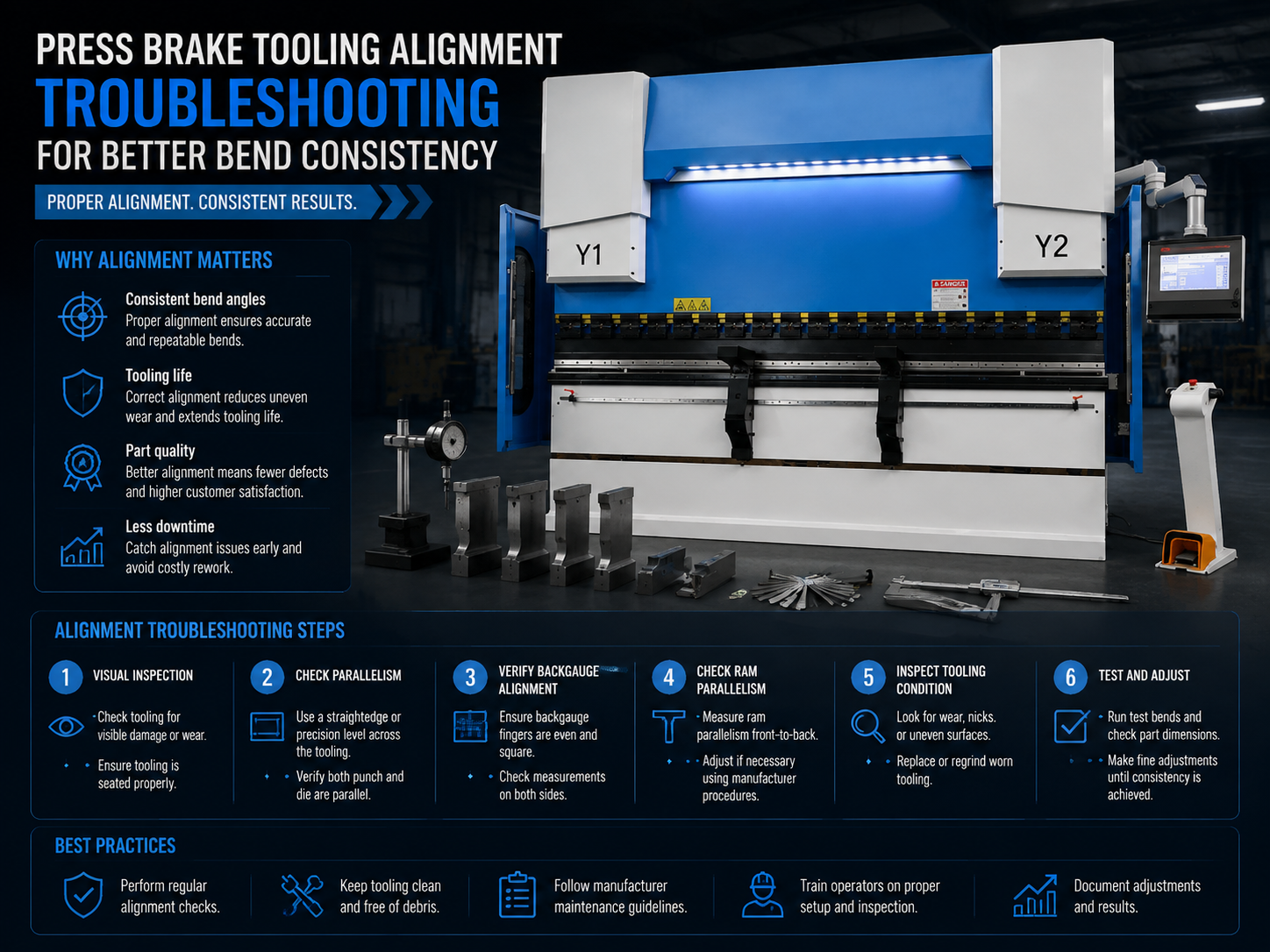
In modern CNC press brakes, the ram is controlled by two independent hydraulic cylinders, referred to as the Y1 and Y2 axes. If these two axes are not perfectly synchronized, the ram will tilt, causing the punch to enter the die at an angle. To troubleshoot this, operators should use precision dial indicators to measure the distance between the ram and the bed at both ends. If a discrepancy is found, the CNC controller’s parameters may need adjustment, or there may be an issue with the linear encoders that provide feedback to the system.
Step 2: Centering the Punch and Die
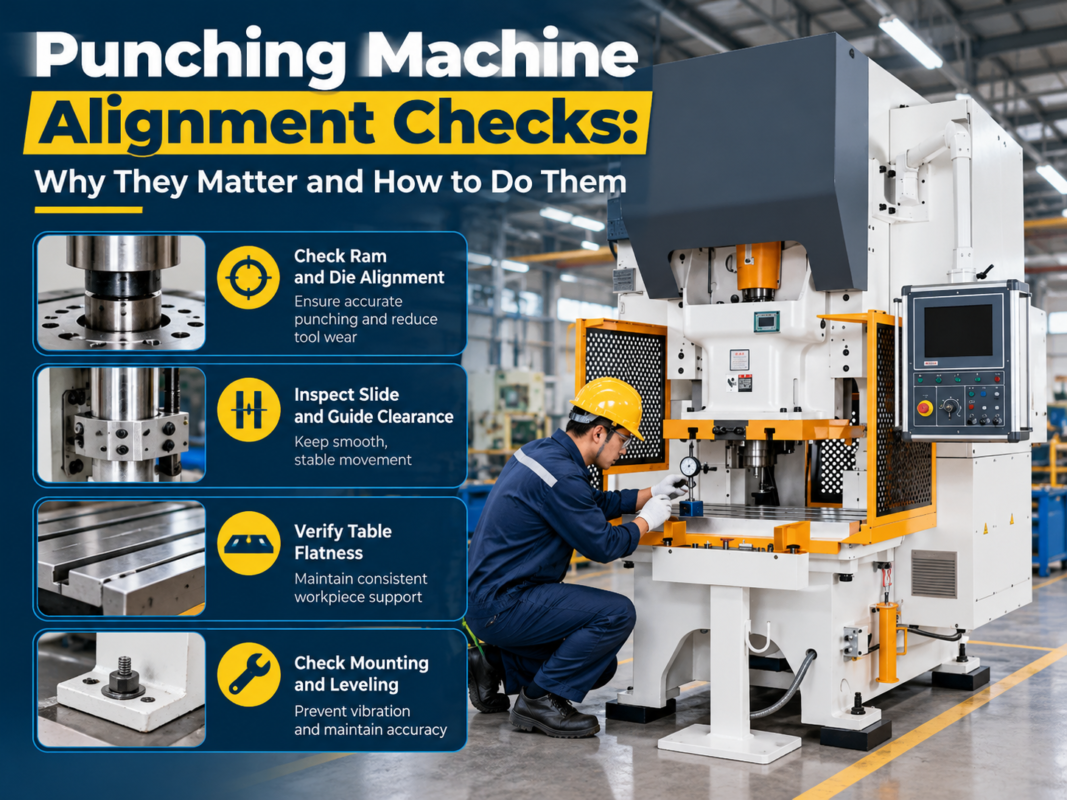
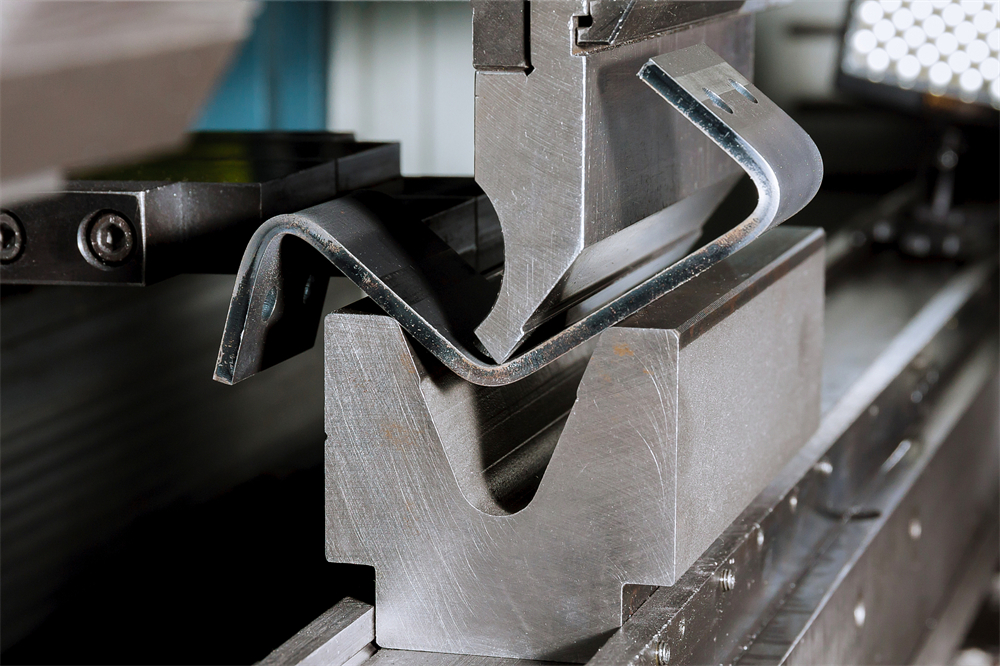
The most common alignment issue is a lateral offset between the punch and the die. To check this, bring the punch down into the die without any material. Use a piece of thin paper or a feeler gauge to check the clearance on both sides of the punch tip within the V-opening. For a perfectly aligned setup, the clearance should be identical on both sides. If the punch is closer to one side, the die holder or the bolster must be adjusted. Many HARSLE machines feature a fine-adjustment mechanism on the die rail to facilitate this process.
Step 3: Addressing the “Banana Effect” with Crowning
When a long piece of metal is bent, the center of the ram and the bed tend to deflect upward and downward, respectively, due to the immense pressure. This results in a “banana effect,” where the bend angle is correct at the ends but obtuse in the middle. While this isn’t a traditional “alignment” issue, it is a fundamental part of Press Brake Tooling Alignment Troubleshooting Better Bend Consistency. Troubleshooting this involves checking the crowning system—whether it is a manual wedge system or a CNC-controlled hydraulic compensation system. If the crowning is not calibrated correctly, the alignment of the bend angle will never be consistent across the full length of the part.
Step 4: Backgauge Calibration and Squaring
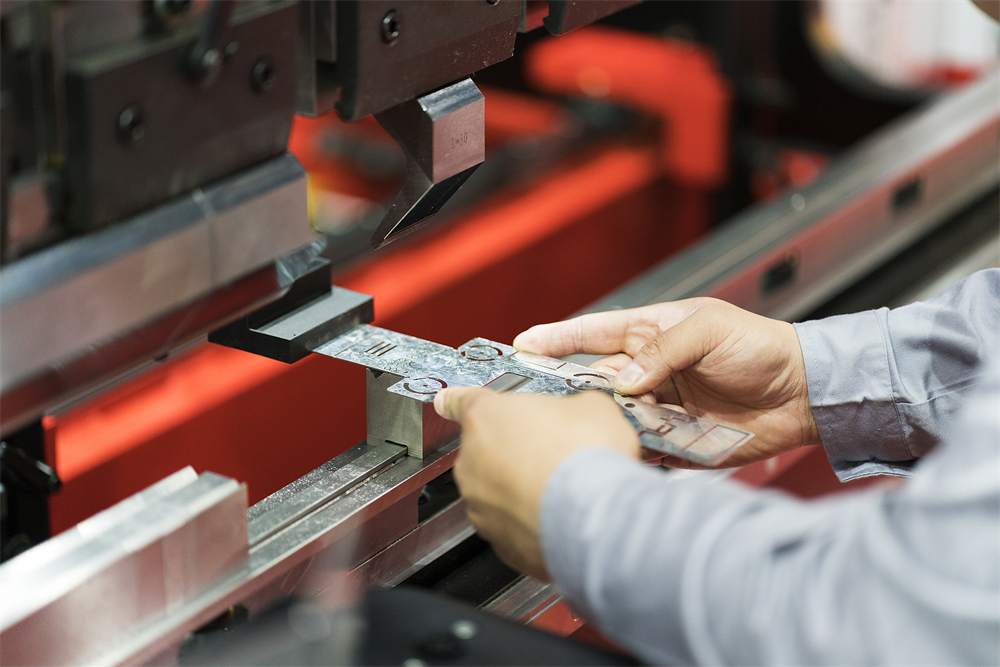
Alignment isn’t just about the punch and die; it’s also about how the material is positioned. If the backgauge fingers are not perfectly square to the tooling, the bend line will be crooked. Troubleshooting backgauge alignment involves using a precision square to ensure the X-axis is perpendicular to the die. Additionally, the R-axis (height) must be consistent across all fingers to prevent the material from tilting as it is pushed against the stops. Regular calibration of the backgauge sensors and mechanical components is essential for long-term consistency.
Selection Advice for Better Bend Consistency
Choosing the Right Tooling for the Job
When selecting tooling, always match the V-opening to the material thickness. A V-opening that is too small increases the tonnage required and puts excessive stress on the alignment components. Conversely, a V-opening that is too large can lead to inaccurate bends. For those seeking Press Brake Tooling Alignment Troubleshooting Better Bend Consistency, investing in sectionalized, precision-ground tooling is highly recommended. Sectionalized tools are easier to handle and allow for more flexible setups, while precision grinding ensures that every piece has the exact same height and center point.
The Benefits of Hydraulic Clamping
If your production involves frequent tool changes, upgrading to a hydraulic clamping system is one of the best investments you can make. These systems automatically center and seat the tools with the push of a button, eliminating the variability introduced by manual tightening. This ensures that every time a tool is loaded, it is in the exact same alignment as the previous setup, which is crucial for repeating high-precision jobs.
Integrating CNC Crowning Systems
For shops handling long workpieces or varying material types, a CNC-controlled crowning system is indispensable. Unlike manual systems that require the operator to guess the amount of compensation needed, CNC systems use sensors and algorithms to calculate the exact deflection of the machine frame and adjust the bed in real-time. This technology is a cornerstone of HARSLE’s high-performance models and is a primary solution for maintaining bend consistency across different materials and lengths.
Material Considerations: Consistency Starts with the Blank
Sometimes, alignment issues are actually material issues. Variations in sheet thickness, grain direction, and tensile strength can cause the material to react differently to the same tooling setup. When troubleshooting, ensure that your material is sourced from a reputable supplier with consistent quality. If you are working with high-strength steel or aluminum, you may need specialized tooling with larger radii to prevent cracking and ensure the material flows correctly into the die.
Frequently Asked Questions (FAQ)
Why does my bend angle change from one end of the machine to the other?
This is usually caused by a lack of ram parallelism or improper crowning. First, check if the Y1 and Y2 axes are synchronized. If they are, the issue is likely that the bed and ram are deflecting under load, and the crowning system needs to be adjusted to compensate for this deflection in the center of the machine.
How often should I check the alignment of my press brake tooling?
For high-precision shops, a quick alignment check should be part of every new job setup. A more thorough mechanical inspection, including leveling and backgauge calibration, should be performed monthly. If the machine has experienced a collision or an overload event, alignment must be checked immediately before resuming production.
Can worn tooling be repaired, or must it be replaced?
Minor wear on precision-ground tooling can sometimes be corrected by a professional tool regrinding service. However, if the tool has significant chips or if the base has been deformed, it is safer and more cost-effective in the long run to replace it. Using compromised tooling will always lead to poor bend consistency and can damage the machine’s clamping system.
What is the “paper test” for alignment?
The paper test is a traditional method where an operator places pieces of paper on both sides of the punch as it enters the die. By observing which piece of paper is pinched first or more tightly, the operator can determine if the punch is centered in the V-opening. While useful for a quick check, it should be followed by more precise measurements using dial indicators for critical jobs.
How does the backgauge affect bend consistency?
If the backgauge is not square to the tooling, the bend line will not be parallel to the edge of the sheet. This results in a tapered part. Furthermore, if the backgauge fingers are at different heights, the sheet may sit at an angle, causing the punch to strike the material unevenly, which affects both the angle and the position of the bend.
Does the type of material affect alignment troubleshooting?
Yes. Harder materials require more tonnage, which increases machine deflection and makes crowning calibration more critical. Materials with high springback, like certain stainless steels, will amplify any slight misalignment in the tooling, making Press Brake Tooling Alignment Troubleshooting Better Bend Consistency even more vital for these applications.
Conclusion: Mastering Alignment for Fabrication Excellence
Achieving superior results in metal fabrication is a continuous process of refinement. As we have explored, Press Brake Tooling Alignment Troubleshooting Better Bend Consistency is not a one-time task but a fundamental aspect of machine operation and maintenance. From the stability of the foundation to the precision of the CNC crowning system, every element of the press brake must work in harmony to produce accurate, repeatable bends.
By implementing the troubleshooting steps outlined in this guide—verifying ram parallelism, centering tooling, and calibrating backgauges—operators can significantly reduce the occurrence of errors and scrap. Furthermore, investing in high-quality HARSLE machinery and precision tooling provides the mechanical foundation necessary for high-tolerance work. Remember that consistency is the hallmark of a professional fabrication shop, and that consistency begins with perfect alignment.
Regular training for operators and a proactive maintenance schedule are the best defenses against alignment drift. As technology continues to evolve, staying informed about the latest advancements in clamping and compensation systems will ensure that your shop remains competitive in an increasingly demanding market. Trust in your equipment, but always verify its precision through diligent alignment practices.