
Top Press Brake Applications for HVAC Ductwork and Air Duct Production


Introduction to Press Brake Applications in HVAC Fabrication
The Heating, Ventilation, and Air Conditioning (HVAC) industry relies heavily on precision sheet metal fabrication to create efficient, leak-proof, and durable ductwork systems. Among the various tools used in a modern fabrication shop, the press brake stands out as a cornerstone of production. Understanding the Top Press Brake Applications Hvac Ductwork Air Duct Production is essential for manufacturers looking to optimize their workflow, reduce waste, and ensure high-quality output. HARSLE, a leader in industrial machinery, provides advanced CNC press brakes specifically designed to meet the rigorous demands of air distribution systems.
In the context of HVAC, ductwork is more than just a series of metal tubes; it is a complex network of rectangular, square, and specialized shapes that must fit perfectly within architectural constraints. The press brake allows fabricators to transform flat sheets of galvanized steel, aluminum, or stainless steel into these intricate components with high repeatability. As energy efficiency standards become stricter, the precision of these bends becomes even more critical to prevent air leakage and ensure optimal airflow dynamics.
Modern HVAC production has evolved from manual folding machines to high-speed CNC hydraulic press brakes. This shift has been driven by the need for faster turnaround times and the ability to handle complex geometries that manual machines simply cannot manage. Whether it is creating standard rectangular ducts or custom transition pieces, the versatility of the press brake makes it an indispensable asset in any HVAC shop. In this guide, we will delve deep into the specific applications, technical requirements, and selection criteria for using press brakes in the HVAC sector.
Key Considerations for HVAC Ductwork Bending
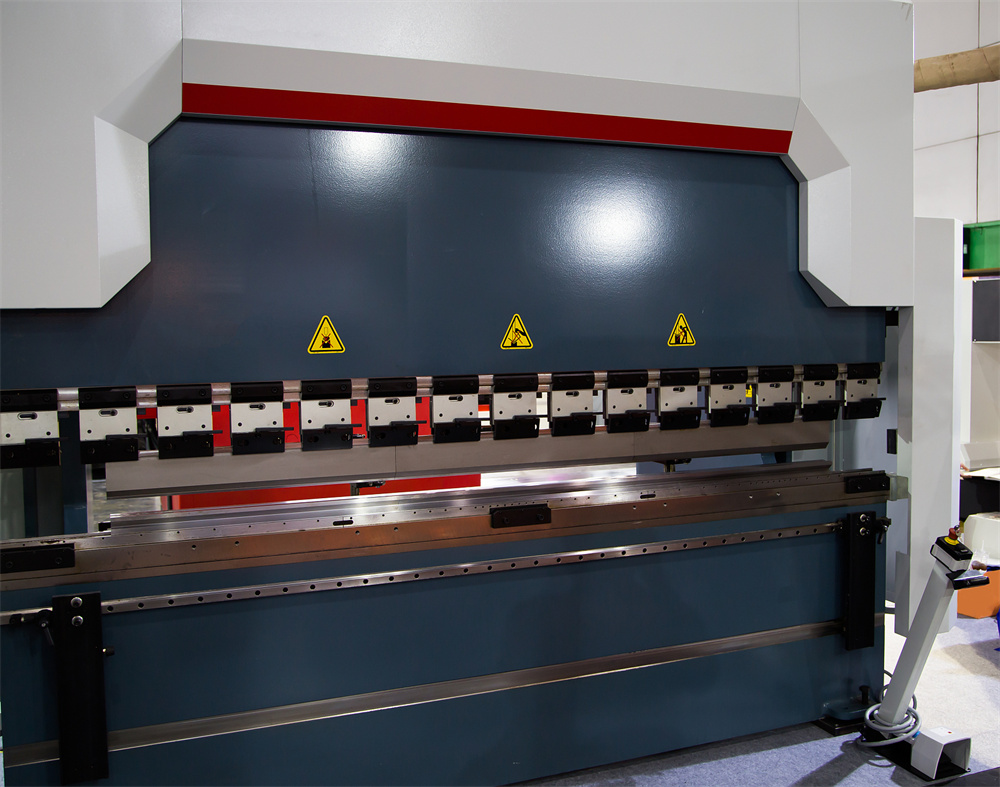
When focusing on Top Press Brake Applications Hvac Ductwork Air Duct Production, several key considerations must be addressed to ensure the final product meets industry standards. The first and most important factor is material selection. Most HVAC ducts are made from galvanized steel (typically G60 or G90 grade) due to its corrosion resistance and cost-effectiveness. However, the zinc coating on galvanized steel can behave differently under pressure compared to cold-rolled steel, requiring specific tooling and pressure settings to avoid cracking the coating or slipping during the bend.
Material thickness, or gauge, is another critical factor. HVAC ductwork typically ranges from 26 gauge (thin) to 18 gauge (thick), with some industrial applications requiring even heavier materials. A press brake used for HVAC must be sensitive enough to handle thin-gauge materials without over-bending or marking the surface, yet powerful enough to handle the occasional heavy-duty flange or support bracket. Precision in the backgauge system is paramount here, as even a millimeter of deviation can lead to a duct section that does not align properly during installation.
Furthermore, the length of the duct sections plays a significant role in machine selection. Many HVAC shops prefer 10-foot or 12-foot (3 to 4 meters) press brakes because standard sheet metal sizes often come in these lengths. Being able to bend a full-length duct section in a single setup significantly increases productivity and reduces the number of joints required, which in turn minimizes the risk of air leaks. HARSLE machines are often configured with wide tables and extended backgauge reaches to accommodate these large-format sheets.
Finally, the complexity of the bends must be considered. HVAC systems often require “Pittsburgh locks,” “Snap-locks,” or “TDF/TDC” flanges. While some of these are made on dedicated roll-forming machines, the press brake is frequently used to create the initial 90-degree bends or specialized offsets that the roll-formers cannot reach. The ability to quickly switch between different bending programs is a major advantage of CNC-controlled systems in a high-mix, low-volume HVAC environment.
Technical Details of Press Brakes for Air Duct Production
The technical specifications of a press brake determine its suitability for HVAC applications. One of the most important technical features is the CNC controller. Modern HVAC shops utilize software that can import CAD files and automatically calculate the bend sequence, flat pattern, and backgauge positions. This integration reduces the margin for human error and speeds up the transition from design to finished part. Controllers like those found on HARSLE machines offer 2D or 3D visualization, allowing operators to see the part before the first bend is made.
The hydraulic system also plays a vital role. Synchronized CNC press brakes use proportional valves and linear encoders to ensure that the ram remains perfectly level throughout the stroke. This is crucial for HVAC ductwork because any tilt in the ram will result in an inconsistent angle across the length of the duct, making it impossible to join sections together seamlessly. High-speed approach and return speeds are also desirable to maintain a high throughput in busy production environments.
| Feature | Requirement for HVAC | Benefit |
|---|---|---|
| Tonnage | 40 – 100 Tons | Sufficient for thin to medium gauge galvanized steel. |
| Bending Length | 2500mm – 4000mm | Accommodates standard sheet sizes for long duct runs. |
| Backgauge Axes | X, R (minimum) | Allows for precise depth and height adjustment for complex offsets. |
| Crowning System | Mechanical or Hydraulic | Compensates for machine deflection to ensure angle consistency. |
| Tooling Type | Gooseneck Punch / Multi-V Die | Enables deep box bending and quick changes for different thicknesses. |
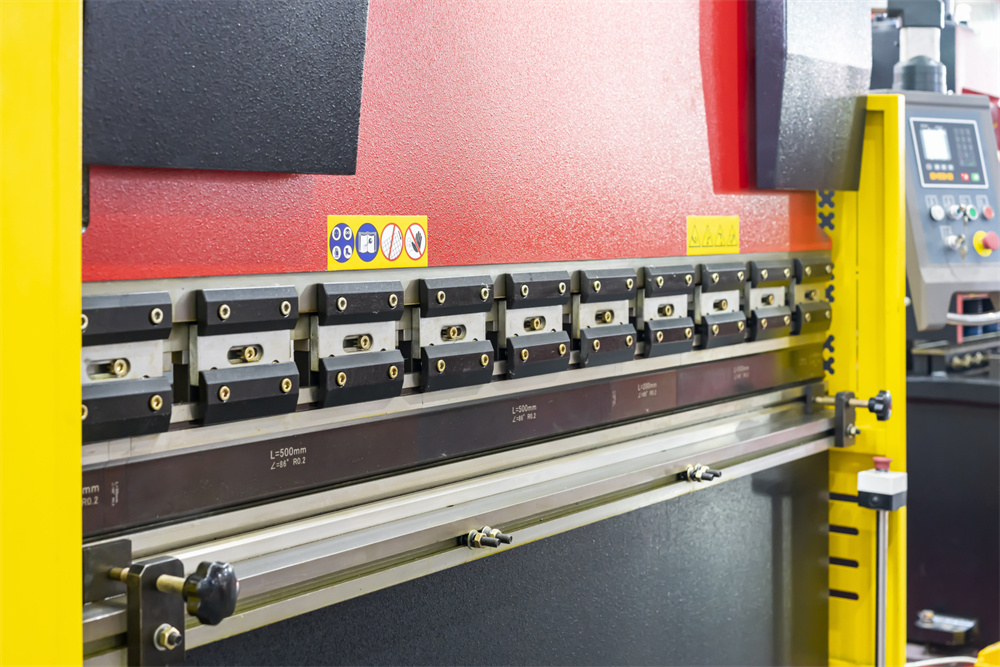
Tooling is another technical aspect that cannot be overlooked. For HVAC work, a “gooseneck” punch is often used because its recessed shape allows for the creation of deep channels and return bends without the workpiece hitting the upper beam. Multi-V dies are also common, as they allow the operator to switch between different V-openings for different material gauges without changing the entire die block. This versatility is key to maintaining a fast-paced production schedule where different duct sizes are produced back-to-back.
Top Press Brake Applications in the HVAC Industry
1. Rectangular and Square Duct Forming
The most common application for a press brake in HVAC is the formation of rectangular and square ducts. While some shops use automated duct lines for standard sizes, custom sizes and heavy-gauge industrial ducts are almost always formed on a press brake. The process involves taking a notched sheet and performing a series of 90-degree bends. The precision of the press brake ensures that the final corner meets perfectly for welding or mechanical fastening. For large ducts, the press brake’s ability to handle long sheets is a significant advantage over smaller folding machines.
2. Transition Pieces and Square-to-Round Fittings
HVAC systems often need to change shape or size to navigate around structural beams or to connect to different equipment. Transition pieces, such as square-to-round fittings, are among the most complex parts to fabricate. These require a series of small, incremental bends (often called “bump bending”) to create a curved surface from a flat sheet. A CNC press brake with a high-precision backgauge makes this process much easier by accurately positioning the sheet for each successive hit, resulting in a smooth, professional transition.
3. Plenum Boxes and Air Handler Casings
Plenum boxes are large chambers located at the outlet of a furnace or air handler that distribute air to various ducts. These boxes are typically larger and made of heavier gauge metal than standard ducts. The press brake is used to form the large panels and the integrated flanges used for assembly. Because plenums must be airtight and often house internal insulation, the bends must be sharp and consistent to allow for proper sealing and fitment of internal components.
4. Elbows, Offsets, and Boot Fittings
Changing the direction of airflow requires elbows and offsets. While some elbows are made of multiple “gores” or segments, others are formed by bending a single sheet into a specific geometry. Boot fittings, which connect round branch ducts to rectangular floor registers, also require precise bending. The press brake allows for the creation of these specialized fittings with minimal setup time, which is essential for custom residential or commercial installations where “off-the-shelf” parts won’t fit.
5. Louvers and Dampers
Control of airflow is managed by louvers and dampers. These components consist of multiple small blades that must be bent to specific angles to control or shut off air movement. A press brake equipped with specialized small-scale tooling can produce these blades with high accuracy. The repeatability of a CNC press brake ensures that every blade in a damper assembly is identical, which is critical for the smooth operation of the mechanical linkage and for achieving a tight seal when closed.
Selection Advice: Choosing the Right Press Brake for HVAC
Selecting the right machine for Top Press Brake Applications Hvac Ductwork Air Duct Production requires a balance between capacity, speed, and precision. For most HVAC applications, a 60-ton to 100-ton machine with a 3-meter or 4-meter bed is the “sweet spot.” This provides enough length for standard sheets and enough tonnage for the gauges typically used in the industry. However, if your shop specializes in heavy industrial ventilation or stainless steel kitchen exhaust systems, you may need to consider higher tonnage models.
Consider the control system carefully. In the HVAC world, time is money. A controller that supports offline programming allows your office staff to prepare the bending sequences while the machine is still running another job. This minimizes downtime and ensures that the operator always has clear instructions. Look for machines that offer “easy-to-use” interfaces, as this reduces the training time for new operators and helps mitigate the impact of the skilled labor shortage in the fabrication industry.
Another important factor is the backgauge configuration. For HVAC work, a 2-axis (X and R) backgauge is usually sufficient, but a 4-axis (X, R, Z1, Z2) system offers much more flexibility for tapered ducts and complex transitions. The ability of the backgauge fingers to move independently allows for the support of asymmetrical parts, which are common in custom HVAC fittings. Additionally, check the “throat depth” of the machine; a deeper throat allows you to bend larger flanges or return bends without the sheet hitting the side frames of the press brake.
Finally, don’t overlook the importance of after-sales support and machine durability. HVAC production is often seasonal and high-pressure. You need a machine that can run long shifts without overheating or losing accuracy. HARSLE’s reputation for robust construction and responsive service makes them a preferred choice for HVAC contractors worldwide. Investing in a high-quality machine might have a higher upfront cost, but the reduction in scrap and the increase in production speed will provide a much better return on investment (ROI) over the long term.
Maintenance Tips for HVAC Press Brakes
To keep your press brake performing at its peak for HVAC production, regular maintenance is essential. Because galvanized steel can leave zinc dust and flakes on the tooling and the machine bed, it is important to clean the work area daily. This debris can get into the hydraulic seals or interfere with the precision of the backgauge if left unchecked. Periodically wiping down the dies with a light oil can also prevent the buildup of galvanized material, which can cause “galling” and mar the surface of your workpieces.
Hydraulic oil health is another critical factor. Ensure that the oil is changed according to the manufacturer’s schedule and that filters are replaced regularly. Contaminated oil can lead to sluggish valve response, which affects the synchronization of the ram and the accuracy of your bends. Additionally, check the calibration of the backgauge and the ram encoders every few months. In an HVAC shop where the machine might be used for thousands of small bends a week, minor vibrations can eventually lead to small misalignments that affect the quality of the duct joints.
Frequently Asked Questions (FAQ)
What is the best tonnage for HVAC ductwork?
For standard residential and commercial HVAC ductwork (26 to 18 gauge), a 60-ton to 80-ton press brake is usually ideal. If you are working with heavier industrial gauges or long sections of stainless steel, a 100-ton or 125-ton machine may be necessary to ensure consistent bends without straining the machine.
Can I use a manual press brake for HVAC?
While manual press brakes (or hand folders) can be used for simple rectangular ducts, they lack the speed and precision required for modern high-volume production. CNC press brakes are significantly faster and can handle complex transitions and offsets that are nearly impossible to do accurately on a manual machine.
How does CNC software help in air duct production?
CNC software allows for the automatic calculation of bend allowances and flat patterns. This means you can take a 3D design of a duct fitting and instantly generate the exact dimensions needed for the flat sheet. It also programs the backgauge positions, reducing setup time from minutes to seconds.
Why is crowning important for HVAC ducts?
HVAC ducts are often long (up to 4 meters). When bending long sheets, the center of the machine can deflect slightly, leading to a “boat” effect where the angle in the middle is different from the ends. A crowning system compensates for this deflection, ensuring the bend angle is perfectly uniform across the entire length of the duct.
What tooling is recommended for HVAC?
A gooseneck top punch is highly recommended as it allows for deep return bends and U-channels common in ductwork. A multi-V bottom die is also useful for quickly switching between different material thicknesses without needing to swap out heavy tooling blocks.
Conclusion: The Future of HVAC Fabrication with HARSLE
The Top Press Brake Applications Hvac Ductwork Air Duct Production highlight the critical role that precision bending plays in the modern construction and climate control industries. As buildings become more complex and energy regulations more stringent, the demand for high-quality, custom-fabricated ductwork will only continue to grow. By investing in advanced CNC press brake technology, HVAC fabricators can stay ahead of the competition, offering faster lead times and superior product quality.
HARSLE continues to innovate in this space, providing machines that combine power, precision, and ease of use. Whether you are a small shop looking to upgrade from manual folding or a large industrial manufacturer needing high-speed automated solutions, understanding these applications is the first step toward optimizing your production line. With the right equipment and a focus on technical excellence, the challenges of modern HVAC fabrication become opportunities for growth and success.

