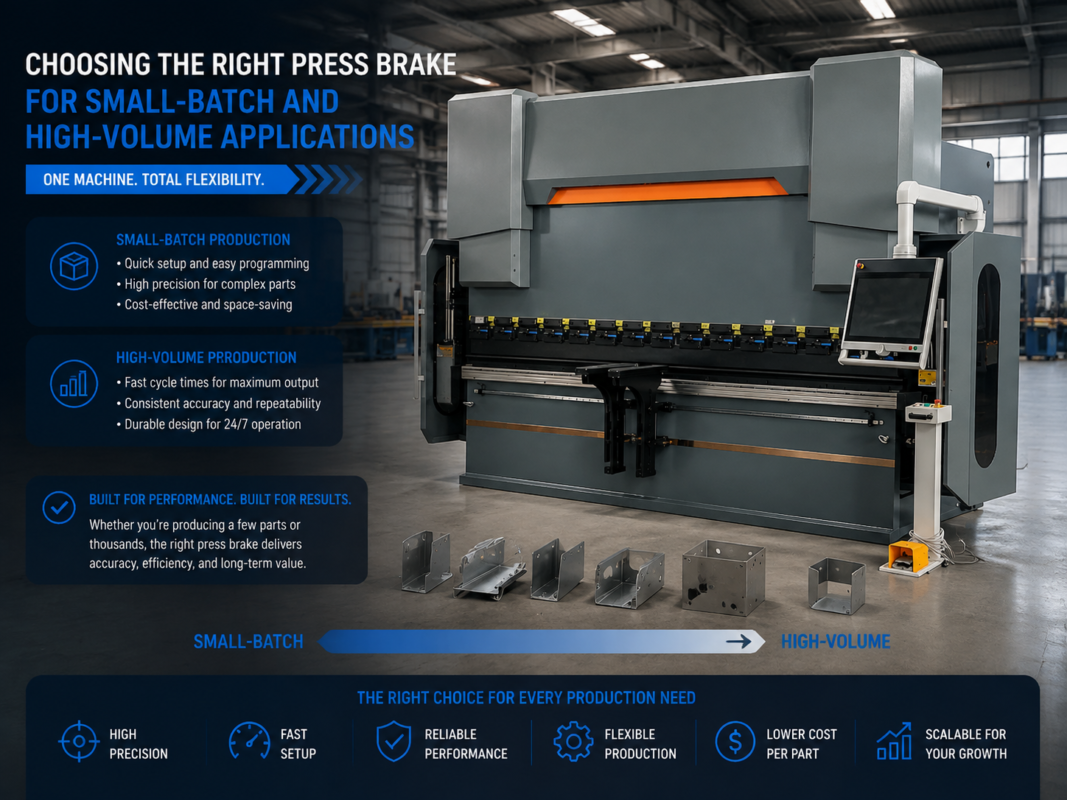
Press Brake Uses in Electrical Cabinet and Enclosure Manufacturing: A Comprehensive Guide


Introduction to Electrical Enclosure Fabrication
In the modern industrial landscape, the demand for high-quality electrical cabinets and enclosures has reached an all-time high. From massive data centers and renewable energy substations to small-scale control panels for automation, these structures serve as the protective shell for sensitive electronic components. The primary machine responsible for transforming flat sheets of metal into these complex, three-dimensional protective structures is the CNC press brake. Understanding the specific Press Brake Uses In Electrical Cabinet Enclosure Manufacturing is crucial for any fabricator looking to achieve precision, efficiency, and durability in their production line.
Electrical cabinets are not merely boxes; they are engineered solutions that must meet strict international standards, such as IP (Ingress Protection) and NEMA ratings. These standards dictate how well an enclosure can resist dust, water, and impact. Achieving the tight tolerances required for these ratings depends almost entirely on the accuracy of the bending process. A press brake allows manufacturers to create seamless corners, intricate mounting flanges, and robust door frames that ensure a perfect seal every time. As the industry moves toward Industry 4.0, the integration of advanced CNC systems in press brakes has further revolutionized how these enclosures are designed and built.
HARSLE, a leader in metal fabrication machinery, understands that the cabinet manufacturing sector requires a unique blend of speed and precision. Whether you are working with cold-rolled steel, stainless steel, or aluminum, the press brake is the heart of the workshop. This article will delve deep into the technicalities, considerations, and selection criteria for using press brakes in the specialized field of electrical enclosure production, providing a roadmap for optimizing your fabrication workflow.
Key Considerations for Bending Electrical Cabinets
When discussing Press Brake Uses In Electrical Cabinet Enclosure Manufacturing, material selection is the first critical factor. Most industrial cabinets are made from mild steel (for indoor use) or stainless steel (for corrosive or outdoor environments). Stainless steel, particularly 304 or 316 grades, presents unique challenges due to its high tensile strength and significant springback. A high-quality CNC press brake must be able to calculate and compensate for this springback automatically to ensure that a 90-degree bend is exactly 90 degrees, preventing gaps that could compromise the enclosure’s IP rating.
Precision is the second pillar of cabinet manufacturing. An electrical enclosure often consists of multiple parts—the main body, the door, the mounting plate, and various internal brackets—all of which must fit together perfectly. If the main body is out of square by even a fraction of a millimeter, the door will not hang correctly, and the gasket will fail to provide a watertight seal. This necessitates the use of advanced backgauge systems that can handle complex, multi-step bending sequences without manual repositioning, which reduces human error and increases throughput.
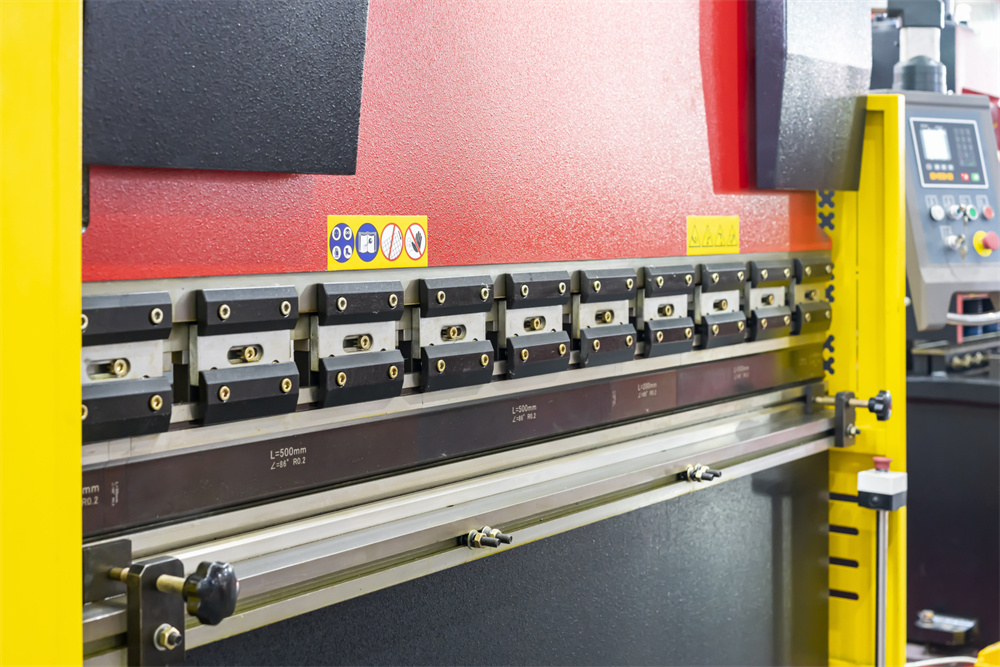
Aesthetics and surface finish also play a significant role, especially for high-end server racks or medical equipment enclosures. Traditional bending can leave “die marks” on the surface of the metal. In the context of Press Brake Uses In Electrical Cabinet Enclosure Manufacturing, fabricators often use specialized urethane tape or “no-mark” tooling to preserve the finish of pre-painted or polished sheets. This eliminates the need for secondary grinding or painting processes, significantly reducing the total cost of production and improving the final product’s visual appeal.
Finally, the complexity of the bends themselves must be considered. Modern enclosure designs often feature “hemming”—a process where the edge of the metal is folded back on itself. This is done to eliminate sharp edges for safety and to provide structural rigidity to the door panels. A press brake equipped with a specialized hemming table or a combination of acute and flattening dies is essential for this specific application. The ability to perform these complex bends in a single setup is a hallmark of an efficient cabinet manufacturing operation.
Technical Details of Press Brake Operations
The technical superiority of a press brake in cabinet manufacturing is often defined by its CNC (Computer Numerical Control) capabilities. Modern machines, such as those offered by HARSLE, feature multi-axis control. For enclosure work, a 4-axis (Y1, Y2, X, R) or 6-axis (Y1, Y2, X1, X2, R1, R2) backgauge is often the standard. The X-axis controls the depth of the bend, while the R-axis controls the height of the backgauge fingers. This is particularly useful when bending enclosures with internal flanges or varying heights, allowing the operator to transition between different bend types seamlessly.
Another critical technical feature is the crowning system. When a press brake applies pressure to a long sheet of metal (for example, a 2-meter tall electrical locker), the machine’s bed and ram can deflect slightly in the center. This results in a “canoe effect” where the angle in the middle of the sheet is wider than at the ends. To counter this, high-end press brakes use hydraulic or mechanical crowning systems that apply a counter-curve to the bed, ensuring a consistent angle across the entire length of the workpiece. This is vital for the long vertical seams of large industrial cabinets.
Tooling Specialization for Enclosures
The choice of tooling is perhaps the most overlooked aspect of Press Brake Uses In Electrical Cabinet Enclosure Manufacturing. To create a deep box or a five-sided enclosure, a “Gooseneck” punch is often required. The recessed shape of the gooseneck punch allows the previously bent sides of the cabinet to wrap around the tool without interference. Without this specialized tooling, it would be impossible to form deep enclosures without hitting the upper ram of the machine.
- Acute Dies: Used for creating sharp angles and as a precursor to hemming operations.
- Offset Tools: Ideal for creating the “Z” shaped offsets found in door frames where the gasket sits.
- Multi-V Dies: Allow for quick changes between different material thicknesses (e.g., switching from a 1.5mm body to a 3.0mm mounting plate).
- Radius Tools: Used for creating rounded corners on enclosures for aesthetic or safety purposes.
Furthermore, the integration of offline programming software allows engineers to simulate the bending process before a single piece of metal is cut. This software can identify potential collisions between the workpiece and the tooling, calculate the exact flat pattern length, and optimize the bending sequence. For complex electrical cabinets with dozens of bends, this pre-production step is essential for reducing scrap and ensuring that the first part produced is a good part.
Selection Advice for Manufacturers
Choosing the right machine for Press Brake Uses In Electrical Cabinet Enclosure Manufacturing requires a careful analysis of your product range. If your facility primarily produces small junction boxes, a high-speed, small-tonnage electric press brake might be the most efficient choice. These machines offer rapid cycle times and high precision for thin-gauge materials. However, if you are manufacturing large-scale power distribution centers or outdoor kiosks, a heavy-duty hydraulic CNC press brake with a bed length of 3 to 4 meters and at least 100 to 160 tons of pressure is necessary.
When evaluating a press brake, consider the “Open Height” and “Stroke.” Electrical cabinets often require deep bends, and a machine with a larger open height allows for the use of taller tools and easier removal of the finished box. Additionally, look for machines with a high-speed backgauge. In enclosure manufacturing, the backgauge moves between every single bend; a faster backgauge can shave seconds off every part, which adds up to significant productivity gains over a shift.

Another factor is the control system. Systems like Delem or Cybelec are industry standards for a reason—they offer intuitive graphical interfaces that allow operators to see a 3D representation of the part being bent. This reduces the learning curve for new operators and minimizes the risk of errors. HARSLE machines often feature these high-end controllers to ensure that even the most complex Press Brake Uses In Electrical Cabinet Enclosure Manufacturing are handled with ease.
Buyer’s Checklist for Cabinet Fabrication Press Brakes
| Feature | Requirement for Cabinets | Benefit |
|---|---|---|
| Tonnage | 60 – 150 Tons (Typical) | Handles 1.5mm to 3.0mm steel with ease. |
| Backgauge | 4-Axis or 6-Axis | Enables complex, multi-sided bending. |
| Crowning | Automatic Hydraulic/Mechanical | Ensures angle consistency over long panels. |
| Tooling Style | Euro or Wila Style | Quick changeover and high precision. |
| Software | 3D Offline Programming | Reduces setup time and material waste. |
Maintenance and Longevity in a High-Volume Environment
To maintain the precision required for Press Brake Uses In Electrical Cabinet Enclosure Manufacturing, a rigorous maintenance schedule is non-negotiable. Because cabinet manufacturing often involves high volumes of thin-gauge material, the machine undergoes thousands of cycles. Regular checks of the hydraulic oil levels, filter cleanliness, and lubrication of the backgauge guideways are essential. Any play or wear in the backgauge will immediately translate into inaccurate bends, leading to cabinets that do not square up correctly.
Calibration is also key. Over time, the Y1 and Y2 cylinders may become slightly out of sync, or the backgauge fingers may lose their zero-point accuracy. Annual or semi-annual professional calibration ensures that the machine continues to meet the tight tolerances required for IP-rated enclosures. Furthermore, keeping the tooling clean and inspecting it for chips or wear is vital. A damaged die can leave marks on the metal or, worse, cause inconsistent bend angles across the production run.
Frequently Asked Questions
What is the best material for electrical enclosures?
The choice depends on the environment. Mild steel with a powder-coated finish is standard for indoor industrial use. Stainless steel (304 or 316) is preferred for food processing, marine, or highly corrosive environments. Aluminum is used when weight is a concern or for specific electromagnetic shielding requirements. Each material requires different press brake settings for tonnage and springback compensation.
How do I achieve an IP65 rating with a press brake?
An IP65 rating requires a dust-tight and water-jet-resistant seal. The press brake contributes to this by providing perfectly square bends and precise flanges for the gasket to sit against. If the bends are inconsistent, the gasket will not compress evenly, leading to leaks. High-precision CNC control and crowning are essential for this level of accuracy.
Can I bend pre-painted metal for cabinets?
Yes, but it requires care. To avoid scratching the paint, use “no-mark” tooling or protective films. The press brake’s pressure must be finely tuned to avoid crushing the coating while still achieving the desired bend angle. This is a common Press Brake Use In Electrical Cabinet Enclosure Manufacturing for companies looking to reduce post-fabrication painting costs.
Why is the backgauge so important for enclosures?
Electrical cabinets usually involve a sequence of 6 to 12 bends per part. The backgauge must move to a different position for each bend. A multi-axis backgauge allows the machine to handle different flange lengths and heights automatically, ensuring that every bend is referenced correctly from the previous one, which is the only way to ensure the final box is square.
Conclusion
The role of the press brake in the production of electrical cabinets and enclosures cannot be overstated. From the initial structural bends of the main housing to the intricate safety hems on the doors, the Press Brake Uses In Electrical Cabinet Enclosure Manufacturing are diverse and technically demanding. By investing in high-quality CNC machinery, such as the solutions provided by HARSLE, manufacturers can ensure they meet the rigorous standards of the electrical industry while maintaining high levels of productivity and minimal waste.
As technology continues to evolve, the integration of smarter sensors, faster hydraulics, and more intuitive software will further refine the enclosure fabrication process. For the modern fabricator, staying ahead of the curve means understanding these technical nuances and choosing equipment that offers the precision, flexibility, and reliability needed to protect the world’s most sensitive electronic infrastructure. Whether you are a small shop or a large-scale OEM, the right press brake is the foundation upon which your manufacturing success is built.