
Common Press Brake Applications in Agricultural Machinery Fabrication


Introduction to Press Brakes in the Agricultural Sector
The agricultural industry has undergone a massive transformation over the last century, moving from manual labor and basic mechanical tools to highly sophisticated, large-scale machinery. At the heart of this industrial evolution is metal fabrication, specifically the use of advanced CNC press brakes. Common Press Brake Applications In Agricultural Machinery Fabrication are diverse, ranging from the structural frames of massive combine harvesters to the intricate components of precision seeding systems. As global food demand increases, the pressure on agricultural equipment manufacturers to produce durable, efficient, and cost-effective machinery has never been higher.
Press brakes are essential in this sector because they provide the versatility needed to handle a wide variety of materials and thicknesses. Whether it is bending high-strength steel for a tractor chassis or shaping stainless steel for food-grade storage bins, the press brake is the workhorse of the fabrication shop. HARSLE, a leader in metalworking solutions, understands that the agricultural sector requires machines that can withstand heavy-duty cycles while maintaining the precision necessary for modern automated farming technologies. In this guide, we will explore the specific applications, technical requirements, and selection criteria for press brakes in the agricultural machinery industry.
Modern farming equipment is no longer just about brute strength; it is about aerodynamics, weight distribution, and integration with electronic sensors. This shift requires fabricators to move away from simple welding and toward complex bending. By reducing the number of welds through precise bending, manufacturers can create stronger, lighter, and more aesthetically pleasing machines. This is where the role of the CNC synchronized hydraulic press brake becomes indispensable, offering the repeatability and accuracy required for high-volume production runs.
Key Considerations for Agricultural Metal Fabrication
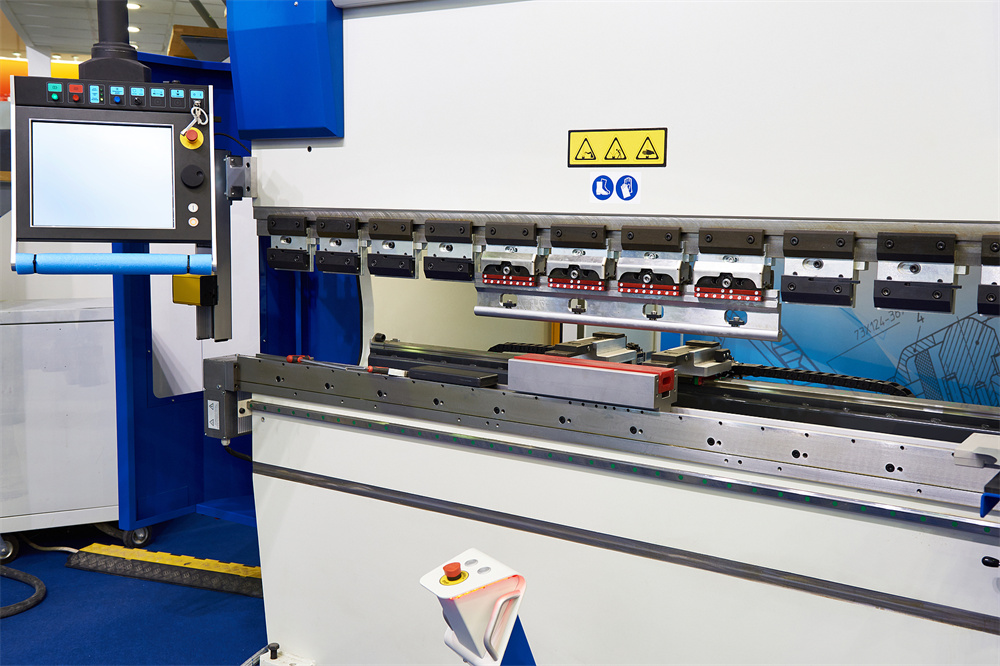
When discussing Common Press Brake Applications In Agricultural Machinery Fabrication, one must first consider the unique challenges of the agricultural environment. Farm equipment is subjected to extreme conditions, including corrosive fertilizers, abrasive soil, heavy vibrations, and fluctuating weather. Consequently, the materials used—and how they are formed—must be chosen with longevity in mind. High-Strength Low-Alloy (HSLA) steels are frequently used to reduce the overall weight of the machinery without sacrificing structural integrity, which in turn improves fuel efficiency for the end-user.
Precision is another critical factor. Modern planters and seeders use GPS-guided systems that require every mechanical component to be perfectly aligned. A slight deviation in a bent bracket could lead to a failure in the field, costing farmers valuable time during the planting season. Therefore, press brakes used in this industry must feature advanced crowning systems to compensate for bed deflection, ensuring that bends are consistent across the entire length of the workpiece, which can often exceed four or five meters in agricultural applications.
Furthermore, the scale of agricultural components often necessitates high-tonnage machines. It is not uncommon to see press brakes with 400 to 1000 tons of pressure being used to form thick plates for plow blades or heavy-duty trailer frames. The ability to handle large, heavy sheets safely and efficiently is a hallmark of a well-equipped agricultural fabrication facility. This often involves the use of heavy-duty backgauges and sheet follow-up systems to assist operators in managing oversized workpieces during the bending process.
Technical Details of Press Brake Operations in Farming
The technical execution of bending for agricultural machinery involves a deep understanding of material science and machine kinematics. One of the most common techniques used is air bending, which allows for a wide range of bend angles using a single set of tools. This is particularly useful in agricultural fabrication where a single machine might produce hundreds of different parts in a week. However, for parts requiring extreme precision or very tight radii, bottoming or coining may be employed, though these require significantly higher tonnage.
Tooling selection is equally vital. Agricultural parts often feature large radii to prevent stress fractures in the metal. Using specialized “radius tools” or large V-die openings is a standard practice. Additionally, because many agricultural components are made from abrasive materials like AR400 or AR500 wear-resistant steel, the tooling must be hardened and designed to withstand high friction. HARSLE provides specialized tooling solutions that cater to these rugged requirements, ensuring that the press brake remains productive even when working with the toughest materials.
Material Thickness and Tonnage Requirements
The following table illustrates typical tonnage requirements for common agricultural materials based on thickness and a standard V-opening (8 times the thickness):
| Material Thickness (mm) | Material Type | V-Opening (mm) | Tonnage per Meter (Approx.) |
|---|---|---|---|
| 3mm | Mild Steel | 24mm | 25 Tons |
| 6mm | HSLA Steel | 48mm | 60 Tons |
| 10mm | Mild Steel | 80mm | 100 Tons |
| 12mm | AR400 Wear Plate | 100mm | 180 Tons |
| 20mm | Heavy Structural Steel | 160mm | 350 Tons |
As seen in the table, as the material thickness and strength increase, the demand on the press brake grows exponentially. This is why many agricultural manufacturers opt for tandem press brake configurations, where two machines work in synchronization to bend exceptionally long parts, such as the main booms of a large sprayer or the side walls of a grain trailer.
Specific Applications in Agricultural Machinery
1. Harvester and Combine Components
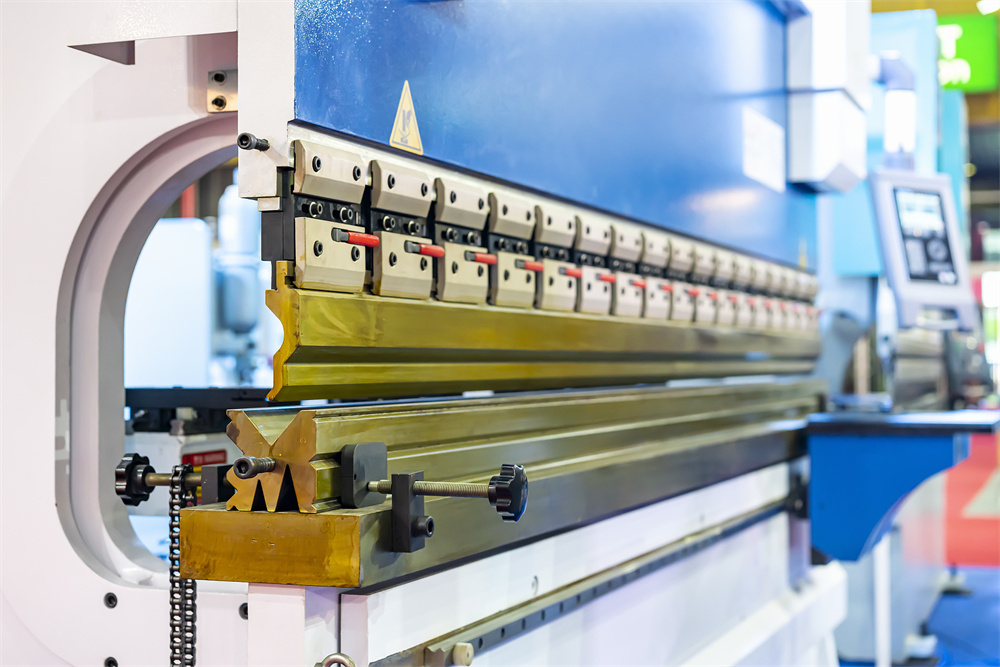
Combine harvesters are perhaps the most complex machines in the field. They require hundreds of bent sheet metal parts, including the grain tank, the discharge auger tubes, and the internal sieves. The grain tank, in particular, involves large panels with multiple bends to ensure smooth grain flow and structural rigidity. Press brakes are used to create the tapered shapes of the hoppers, which must be precise to prevent grain leakage and ensure easy cleaning.
2. Tractor Chassis and Cab Frames
The chassis is the backbone of the tractor, supporting the engine, transmission, and operator cab. These components are usually made from thick plate steel that requires high-tonnage press brakes. The cab frame itself is a safety-critical component (ROPS – Roll-Over Protective Structure). Bending these frames requires extreme precision to ensure that the structural integrity is maintained at every corner, protecting the operator in the event of an accident.
3. Seeding and Planting Equipment
Modern seeders use large hoppers to carry seeds and fertilizers. These hoppers are often made from stainless steel or galvanized steel to resist corrosion. Press brakes are used to form the conical shapes of the hoppers and the intricate brackets that hold the seed meters in place. Because these machines operate at high speeds, the components must be lightweight yet strong, often utilizing complex geometries that can only be achieved with multi-axis CNC backgauges.
4. Tillage and Soil Preparation Tools
Tillage equipment, such as plows and harrows, uses heavy-duty steel plates designed to cut through the earth. While some parts are cast, many of the structural supports and adjustment mechanisms are fabricated using press brakes. These parts must be incredibly tough to withstand the constant impact with rocks and hard soil. The use of high-strength wear plates in these applications makes the press brake’s crowning and pressure control systems essential for maintaining accuracy.
5. Livestock Handling and Feeding Systems
From automated feeding troughs to squeeze chutes for cattle, the livestock industry relies heavily on formed sheet metal. These products often feature long, continuous bends to eliminate sharp edges that could injure animals. Press brakes allow manufacturers to create smooth, rounded profiles in galvanized steel, ensuring both animal safety and long-term durability against the corrosive effects of animal waste and weather.
Selection Advice: Choosing the Right Press Brake
Selecting a press brake for agricultural fabrication requires a strategic approach. First, evaluate the maximum length and thickness of the parts you intend to produce. For agricultural trailers and large harvesters, a bed length of 4 to 6 meters is often the minimum requirement. If you are producing exceptionally long components, consider a tandem system which offers the flexibility of two independent machines or one large synchronized unit.
Second, prioritize the control system. A CNC controller with 3D visualization is highly beneficial for agricultural manufacturers. It allows operators to simulate the bending sequence before the first piece of metal is touched, reducing scrap and setup time. Given the complexity of many agricultural parts, a 4-axis or 6-axis backgauge is recommended to handle asymmetrical bends and complex flange dimensions efficiently.
Third, do not overlook the importance of the hydraulic system and energy efficiency. Agricultural fabrication often involves long shifts. A press brake with a servo-hybrid drive system can significantly reduce energy consumption and oil heating, leading to lower operational costs and higher reliability. HARSLE’s range of eco-friendly CNC press brakes is specifically designed to meet these high-demand industrial needs while maintaining a smaller environmental footprint.
Frequently Asked Questions (FAQ)
What is the most common material used in agricultural fabrication?
While mild steel is still widely used for general brackets and frames, there is a significant shift toward High-Strength Low-Alloy (HSLA) steel and wear-resistant plates like AR400. These materials allow for lighter machinery that can carry more payload while resisting the abrasive nature of soil and crops.
How does CNC crowning help in agricultural bending?
Agricultural parts are often very long. When a press brake applies pressure, the bed and the ram can deflect slightly in the center, leading to an inconsistent bend angle (the “canoe effect”). CNC crowning automatically adjusts the bed to compensate for this deflection, ensuring the bend is perfectly straight from one end to the other.
Can a press brake handle stainless steel for food-grade agricultural products?
Yes, press brakes are excellent for stainless steel fabrication. However, it is important to use clean tooling or protective films to prevent carbon contamination of the stainless steel, which could lead to rusting in food-processing or grain-handling applications.
What maintenance is required for a press brake in a dusty farm-machinery shop?
Dust and debris are common in agricultural shops. Regular maintenance should include cleaning and lubricating the backgauge rails, checking hydraulic oil filters, and ensuring the cooling system is free of dust. Keeping the optical scales clean is also vital for maintaining the precision of the Y1 and Y2 axes.
Is it better to weld or bend agricultural components?
Whenever possible, bending is preferred over welding. A bend is structurally stronger than a weld and eliminates the heat-affected zone (HAZ) that can weaken the metal. Bending also reduces labor costs and the need for post-weld grinding and inspection.
Conclusion: The Future of Agricultural Fabrication with HARSLE
The role of Common Press Brake Applications In Agricultural Machinery Fabrication will only continue to grow as farming becomes more mechanized and data-driven. The ability to produce complex, high-strength, and lightweight components is the key to staying competitive in the global market. Manufacturers must invest in machinery that offers not just power, but also the intelligence to handle modern materials and intricate designs.
HARSLE remains committed to providing the agricultural industry with the most advanced press brake technology available. From high-tonnage hydraulic machines to precision CNC systems, our equipment is built to handle the rigors of the farm equipment manufacturing floor. By choosing the right press brake, fabricators can ensure they are producing the highest quality machinery that will serve farmers for decades to come. As we look toward the future, the integration of robotics and further automation in the bending process will continue to redefine what is possible in agricultural metal fabrication.