How to Buy a Laser Cutting Machine: Essential Factors for Industrial Buyers


Introduction to Industrial Laser Cutting Procurement
In the modern manufacturing landscape, the decision to Buy A Laser Cutting Machine: Essential Factors Industrial Buyers must consider is more critical than ever. As industries move toward higher precision, faster turnaround times, and reduced waste, fiber laser technology has emerged as the gold standard for metal fabrication. Whether you are a small job shop looking to bring cutting in-house or a large-scale manufacturer upgrading an existing production line, the investment in a laser cutting machine represents a significant capital expenditure that requires careful analysis.
HARSLE has been at the forefront of providing high-quality metal fabrication solutions, and we understand that the purchasing process can be overwhelming. With a myriad of options ranging from laser power and bed size to software compatibility and after-sales support, industrial buyers must navigate a complex sea of technical specifications. This guide is designed to demystify the process, providing a comprehensive roadmap for selecting the right machine that aligns with your production goals and budget.
The shift from traditional CO2 lasers to fiber lasers has revolutionized the industry. Fiber lasers offer higher efficiency, lower maintenance costs, and superior cutting speeds for thin to medium-thickness materials. However, simply choosing ‘fiber’ is not enough. You must evaluate the machine’s structural integrity, the reputation of its core components, and the long-term operational costs that will ultimately determine your return on investment (ROI). In the following sections, we will break down every essential factor you need to know before signing a purchase agreement.
Price Range Overview: What to Expect
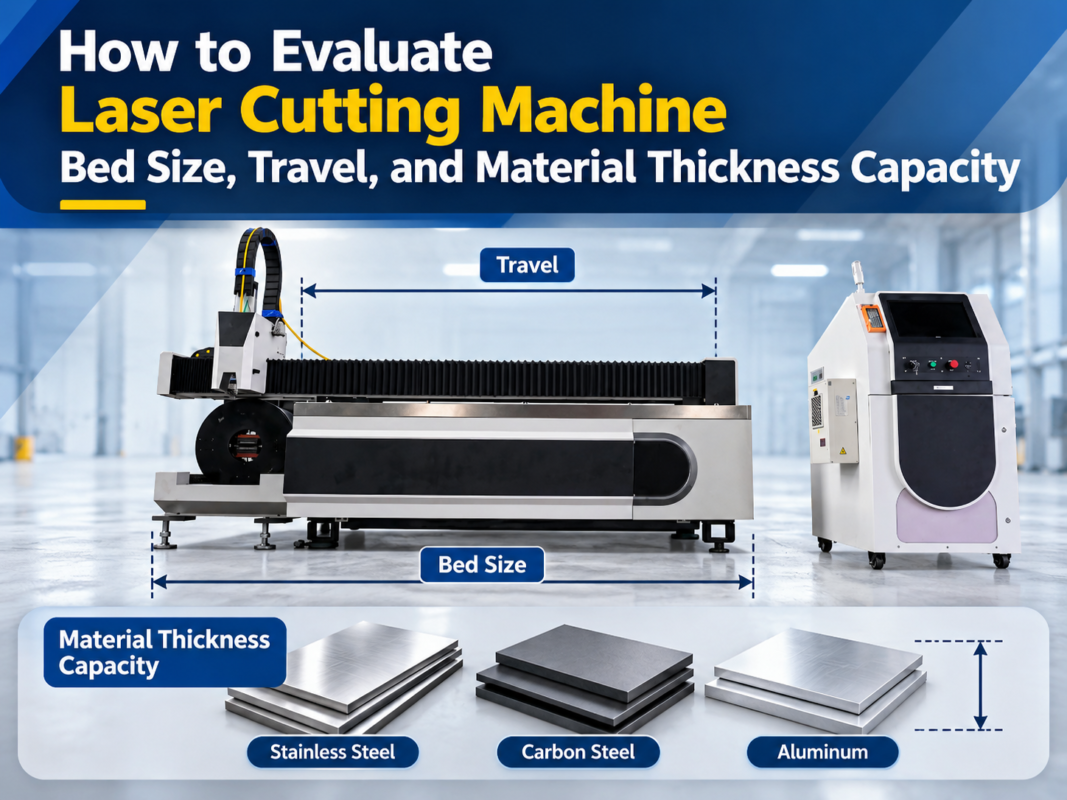
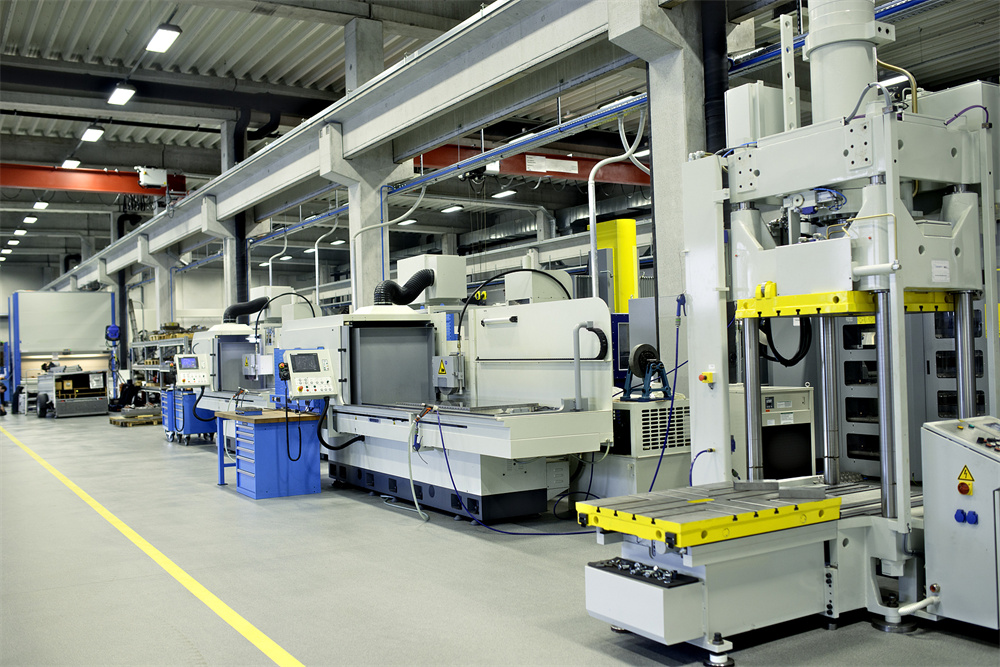
When you look to Buy A Laser Cutting Machine: Essential Factors Industrial Buyers often prioritize is the initial price tag. The market for laser cutting machines is vast, with prices ranging from as low as $20,000 for entry-level, small-format machines to over $500,000 for high-power, automated systems. Understanding where your needs fall on this spectrum is the first step in budgeting. Entry-level machines typically feature lower laser power (1kW to 2kW) and smaller working areas (e.g., 1300x2500mm). These are ideal for prototyping, signage, or light-duty fabrication.
Mid-range machines, which usually fall between $60,000 and $150,000, are the workhorses of the industry. These machines often feature 3kW to 6kW laser sources and standard 1500x3000mm or 2000x4000mm beds. They are capable of handling a wide variety of materials, including stainless steel and aluminum, at high speeds. For most industrial buyers, this category offers the best balance between performance and cost. HARSLE provides several models in this range that are engineered for 24/7 operation with high reliability.
High-end systems exceed $200,000 and are characterized by ultra-high power (12kW to 30kW+), large formats, and advanced automation features like automatic nozzle changers and shuttle tables. These machines are designed for heavy industry, such as shipbuilding, heavy machinery manufacturing, and high-volume automotive parts production. While the initial cost is high, the cost-per-part on these machines is significantly lower due to their incredible processing speeds and ability to cut through very thick plates (up to 50mm or more).
It is important to note that the “sticker price” is rarely the final price. Buyers should also account for shipping, customs duties (if importing), and the cost of auxiliary equipment like air compressors, voltage stabilizers, and dust collectors. When comparing quotes, ensure you are looking at a “landed cost” or a complete package price to avoid surprises during the installation phase. A cheaper machine from an unverified supplier may end up costing more in the long run due to frequent breakdowns and lack of technical support.
Main Cost Drivers in Laser Cutting Technology
The primary driver of cost in any laser cutting machine is the laser source. Brands like IPG Photonics, Raycus, and Maxphotonics dominate the market. IPG is often considered the premium choice with the highest stability and global support network, commanding a higher price. Raycus and Max offer excellent performance-to-price ratios and have become increasingly popular in the global market. The wattage of the source is the single biggest factor; every additional kilowatt of power adds a predictable increment to the machine’s price.
The second major cost driver is the machine frame and bed construction. A high-quality laser cutting machine requires a heavy, stress-relieved frame to maintain accuracy over years of high-speed movement. HARSLE utilizes high-strength steel plate welding or cast iron frames that undergo heat treatment to ensure they do not deform over time. A lightweight frame might save money initially, but it will lead to vibrations at high speeds, resulting in poor cut quality and shortened component life.
The motion system, including servo motors, gearboxes, and rack-and-pinion sets, also significantly impacts the price. High-end Japanese brands like Yaskawa or Panasonic for motors, and German brands like Alpha or Atlanta for racks and gears, ensure precision and longevity. These components must handle the high accelerations (often 1.0G to 2.0G) required for efficient fiber laser cutting. Cutting corners on the motion system leads to “backlash” and inaccuracies that can ruin expensive workpieces.
Finally, the cutting head and CNC controller play a vital role. The cutting head (such as those from Precitec or Raytools) must have sensitive autofocus capabilities to maintain the correct focal point on uneven sheets. The CNC controller (like CypCut or Beckhoff) is the brain of the machine. A user-friendly, feature-rich controller can reduce setup times and optimize nesting, saving both labor and material costs. Advanced features like “FlyCut” or automatic edge seeking are software-driven but require high-quality hardware to execute effectively.
Configuration Impact: Tailoring the Machine to Your Needs
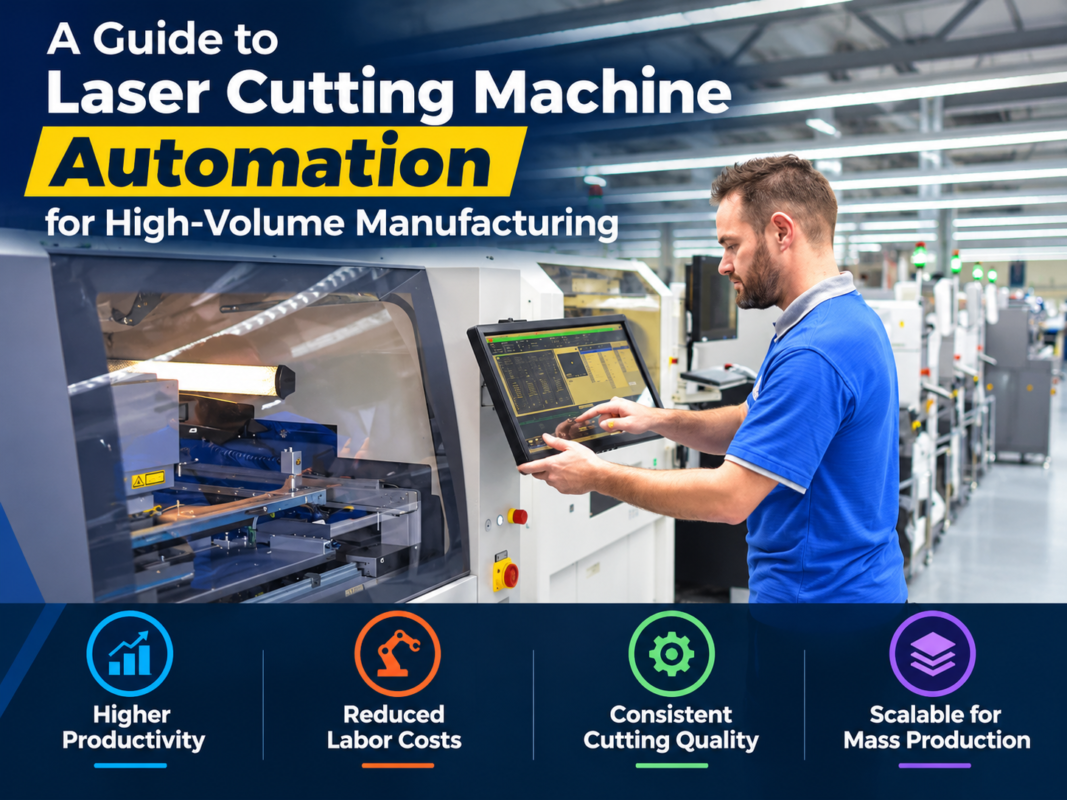
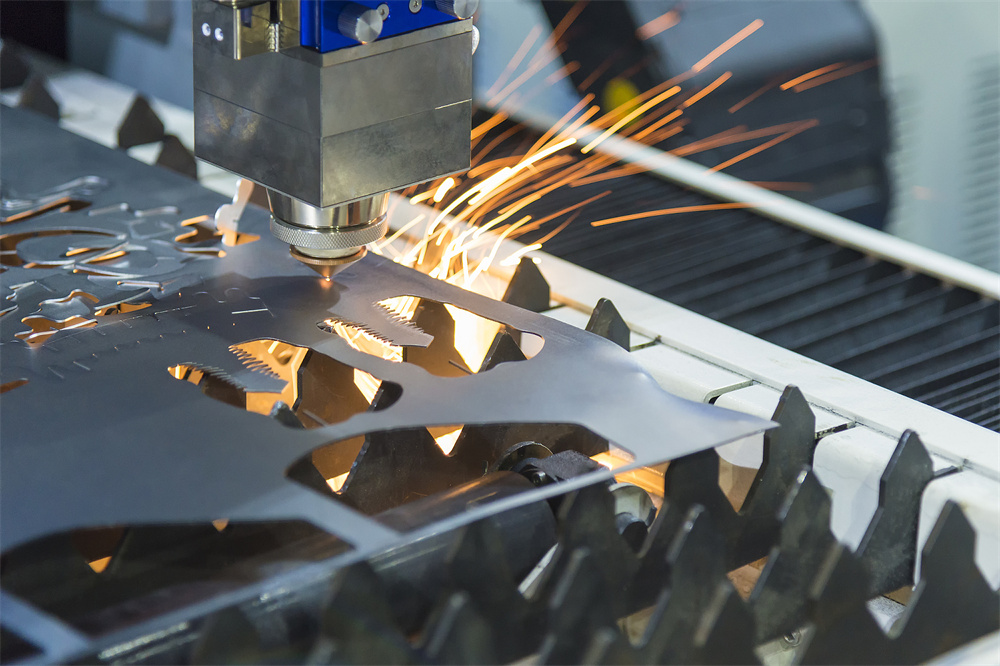
When you Buy A Laser Cutting Machine: Essential Factors Industrial Buyers must evaluate is the specific configuration required for their unique applications. One of the most significant configuration choices is the shuttle table (exchange table). A machine with a shuttle table allows the operator to load a new sheet and unload finished parts while the machine is still cutting on the other table. This can increase productivity by 30% to 50% in high-volume environments. For shops with limited space or lower volume, a single-table machine may be more appropriate and cost-effective.
Another critical configuration factor is the protective enclosure. In many regions, safety regulations require fiber lasers to be fully enclosed (Class 1 safety rating) because the 1064nm wavelength of fiber lasers is extremely dangerous to human eyes. An enclosed machine not only protects workers but also helps in efficient dust and fume extraction. However, for very large plates or specific industrial layouts, an open-bed machine with light curtains might be used, though this requires stricter PPE protocols and a dedicated safety zone.
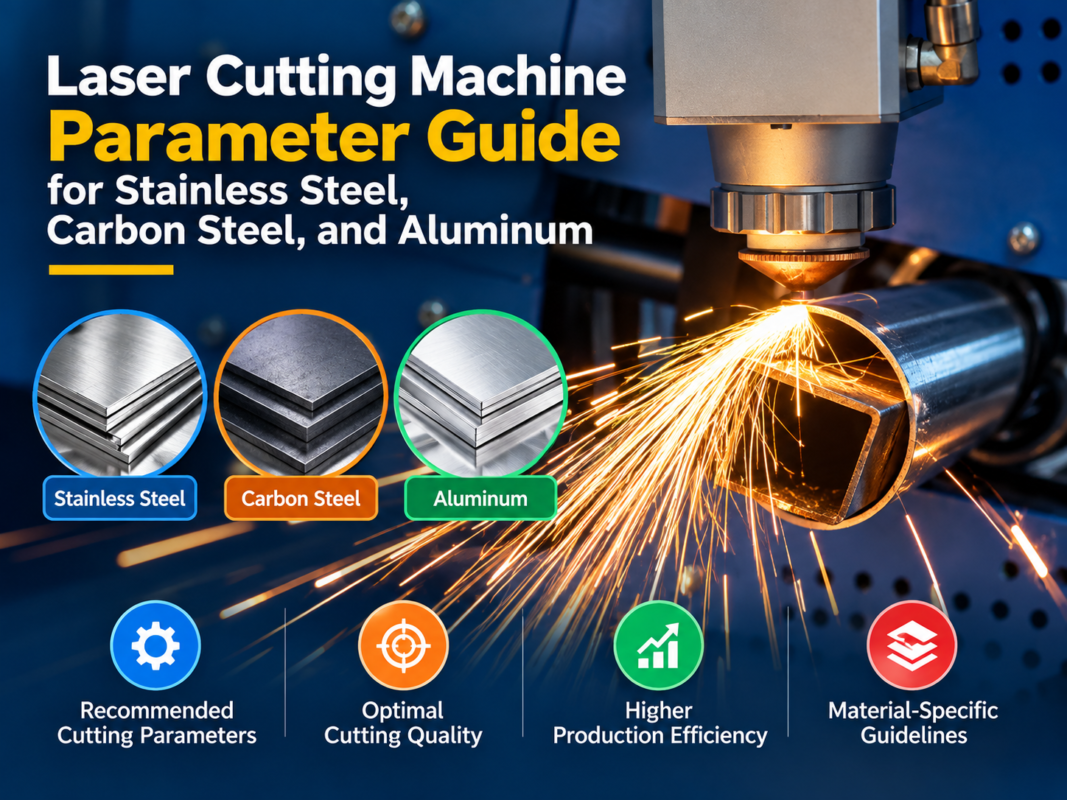
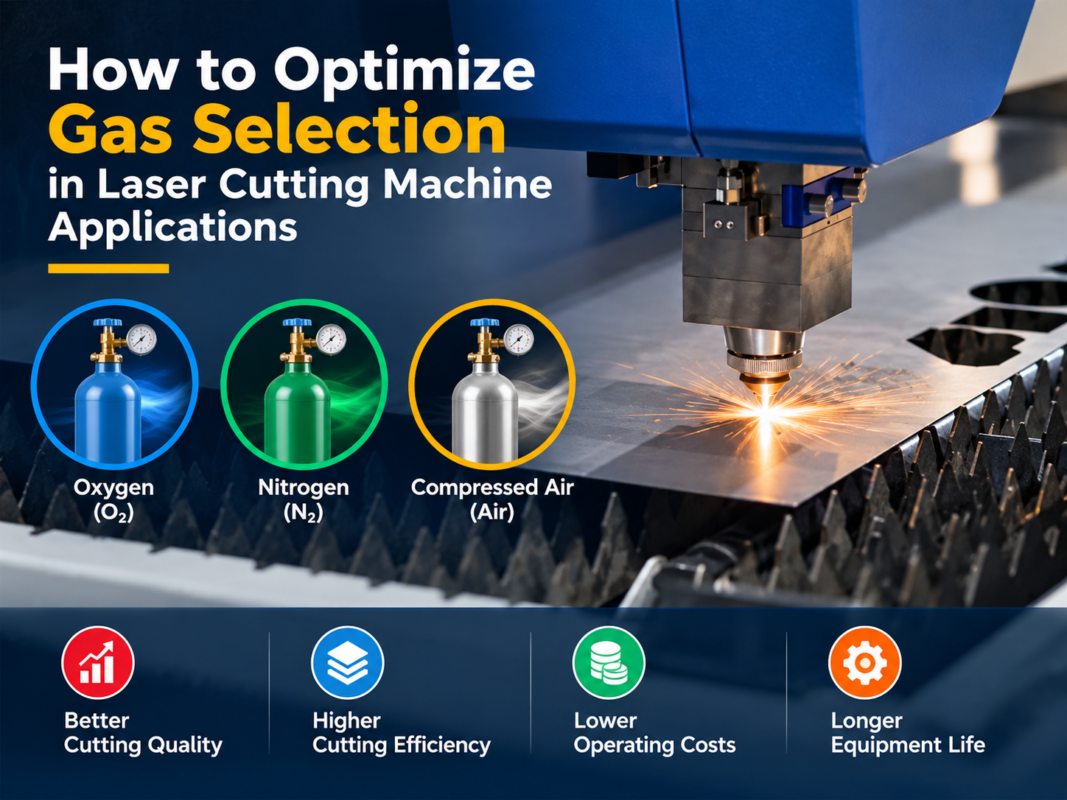
The choice of assist gas systems is also a configuration detail that impacts both performance and cost. Most machines are set up to use Oxygen (for carbon steel), Nitrogen (for stainless steel and aluminum), and High-Pressure Air. If you plan to cut primarily with air to save on gas costs, you will need a high-pressure air compressor and a specialized filtration system to ensure the air is dry and oil-free. Configuring your machine with a dedicated gas manifold and electronic proportional valves allows the CNC to automatically adjust gas pressure based on the material being cut, improving consistency.
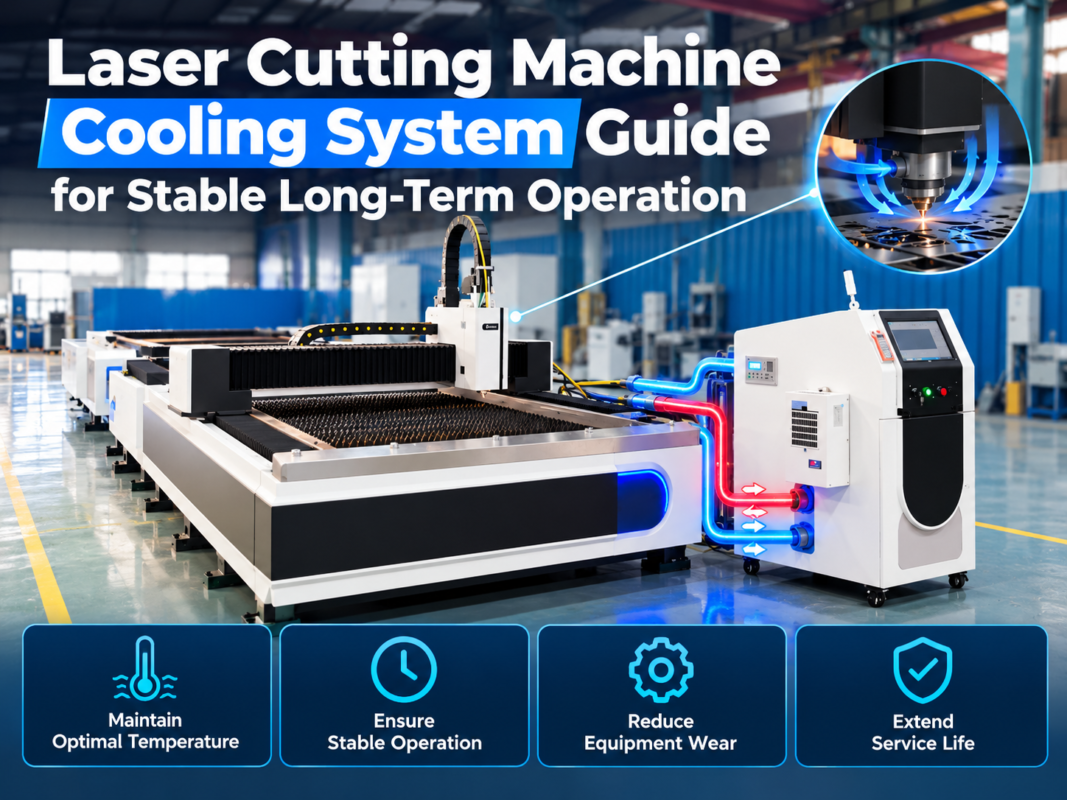
Furthermore, consider the cooling system. A high-power fiber laser generates significant heat in both the laser source and the cutting head. A dual-circuit industrial chiller is essential. The configuration should ensure that the chiller is sized correctly for the laser power and the ambient temperature of your facility. In hotter climates, an oversized chiller or an air-conditioned cabinet for the electronics may be necessary to prevent overheating and downtime. HARSLE ensures that all auxiliary components are perfectly matched to the machine’s power rating for maximum uptime.
Hidden Costs of Ownership
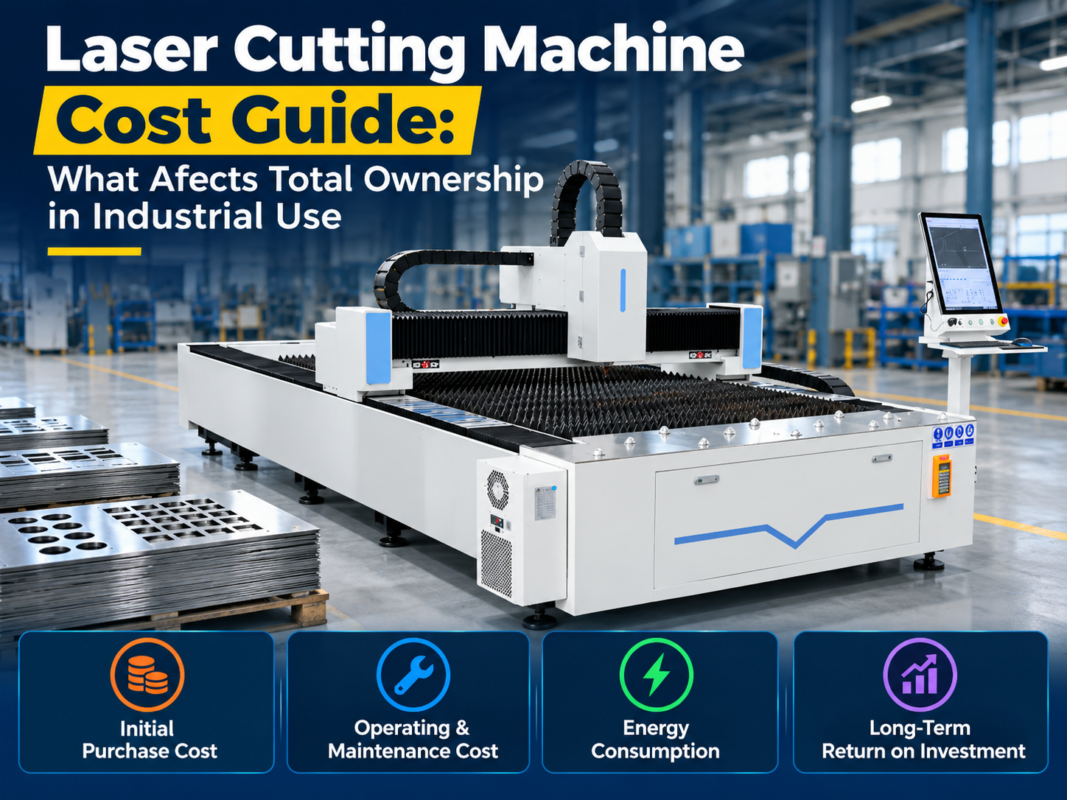
Beyond the purchase price, industrial buyers must account for the operating and maintenance costs. The most significant ongoing expense in laser cutting is assist gas. Nitrogen, used for clean cuts in stainless steel, can be expensive if consumed in high volumes. Many shops are now investing in Nitrogen generators to mitigate this cost. Oxygen is cheaper but leaves an oxide layer on the cut edge that may require secondary cleaning before painting or welding. Compressed air is the cheapest option but requires a significant investment in a high-quality compressor system.
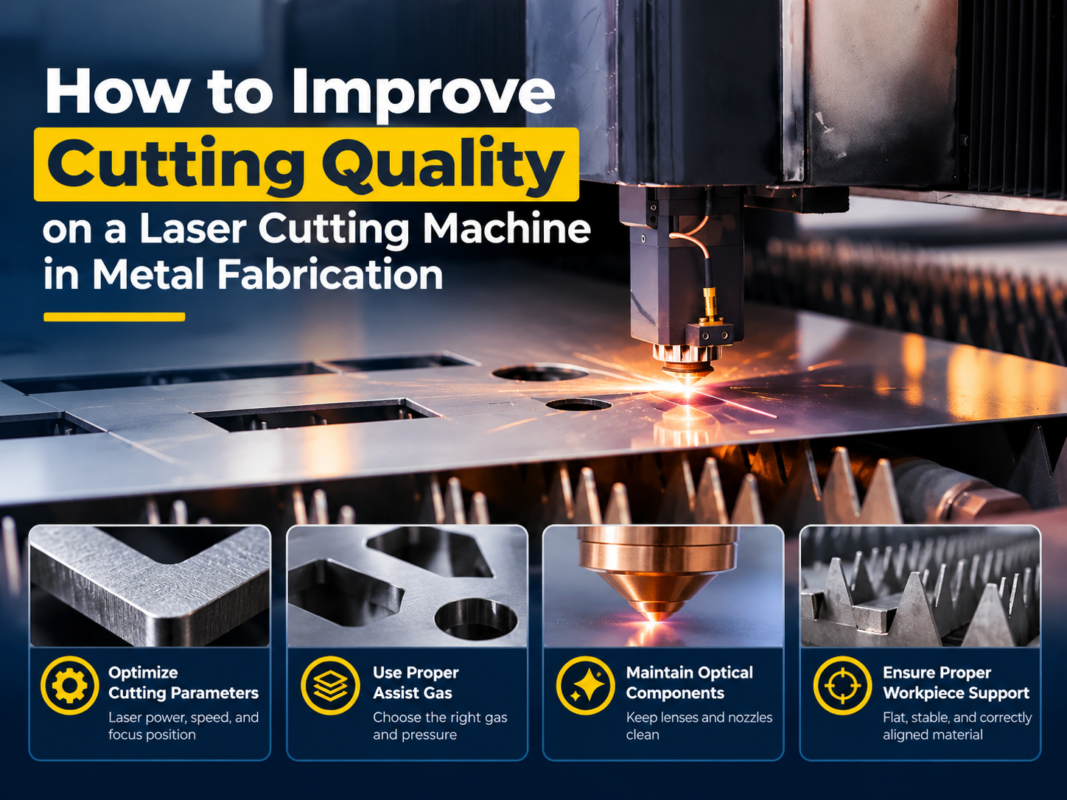
Consumables are another recurring cost. These include copper nozzles, protective windows (lenses), and ceramic rings. While individual parts are relatively inexpensive, they are wear items. A poorly maintained machine or an inexperienced operator can go through protective windows quickly. It is essential to keep a stock of these parts on hand to avoid production delays. Additionally, the fiber laser source itself has a long lifespan (typically 100,000 hours), but the internal modules can occasionally fail and are expensive to replace outside of the warranty period.
Electricity consumption is often overlooked. While fiber lasers are much more efficient than CO2 lasers (wall-plug efficiency of ~30% vs ~10%), a high-power machine still draws significant current. You must factor in the power for the laser source, the chiller, the dust extractor, and the air compressor. Depending on your local utility rates, this can add several thousand dollars to your monthly overhead. Proper machine scheduling and utilizing energy-saving modes can help manage these costs.
Finally, don’t forget training and software. Even the best machine is only as good as the person operating it. Budgeting for professional training ensures that your team can maximize the machine’s capabilities and perform basic maintenance. Furthermore, CAD/CAM nesting software often requires annual subscription fees or updates. High-end nesting software can save 5-10% in material waste, which often pays for the software subscription many times over in a single year. HARSLE provides comprehensive training packages to ensure our customers hit the ground running.
ROI Calculation: When Will the Machine Pay for Itself?
Calculating the Return on Investment (ROI) is the most important step for any industrial buyer. To do this, you must compare the cost per part of the new laser machine against your current method (whether that is outsourcing or using an older technology like plasma). The formula for ROI involves taking the total investment cost and dividing it by the annual profit generated by the machine. Most HARSLE customers find that their machines pay for themselves within 12 to 24 months, depending on workload.
Consider the productivity gains. A 6kW fiber laser can cut 3mm stainless steel at speeds exceeding 30 meters per minute. If you are currently using a slower method, the sheer volume of parts you can produce in a single shift increases dramatically. This allows you to take on more work without increasing your labor force. Additionally, the precision of laser cutting often eliminates the need for secondary processes like grinding or deburring, further reducing the labor cost per part.
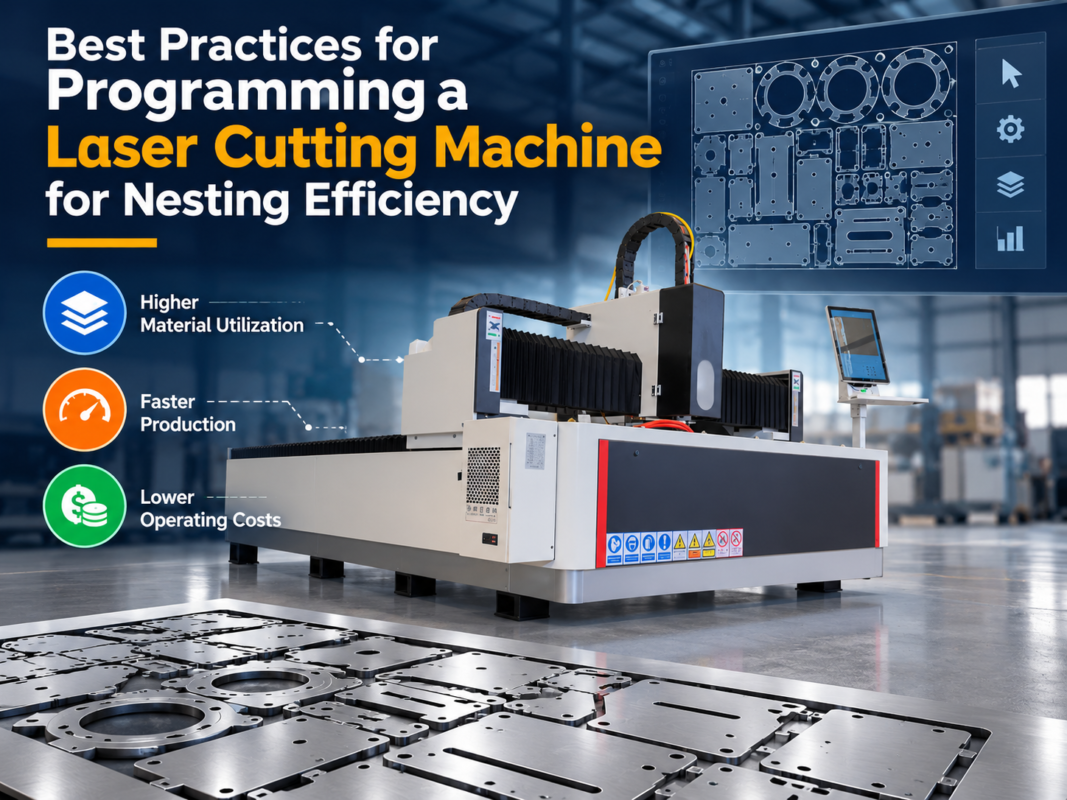
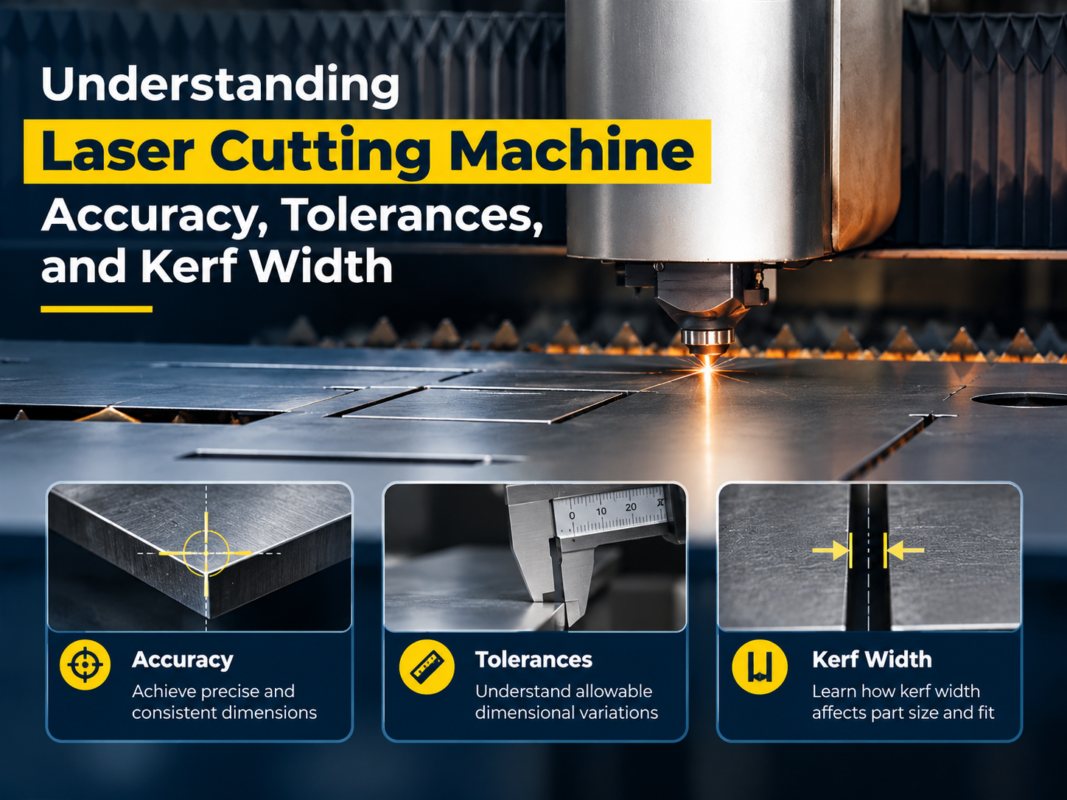
Material utilization is another key factor in ROI. Advanced nesting software allows you to fit more parts onto a single sheet of metal. With the thin kerf (cut width) of a laser, parts can be placed very close together. In industries where material costs are high, such as stainless steel or specialty alloys, a 5% improvement in material yield can result in tens of thousands of dollars in savings annually. This “found money” goes directly to your bottom line and accelerates the payback period of the equipment.
Lastly, consider the market advantage of having in-house laser cutting capabilities. Being able to offer 24-hour turnaround times on custom parts allows you to charge a premium and win contracts that your competitors cannot. The ability to cut complex geometries that are impossible with mechanical shearing or punching opens up new design possibilities for your products. When you Buy A Laser Cutting Machine: Essential Factors Industrial Buyers should look at is not just what the machine costs, but what it enables their business to become.
Buying Advice for Industrial Buyers
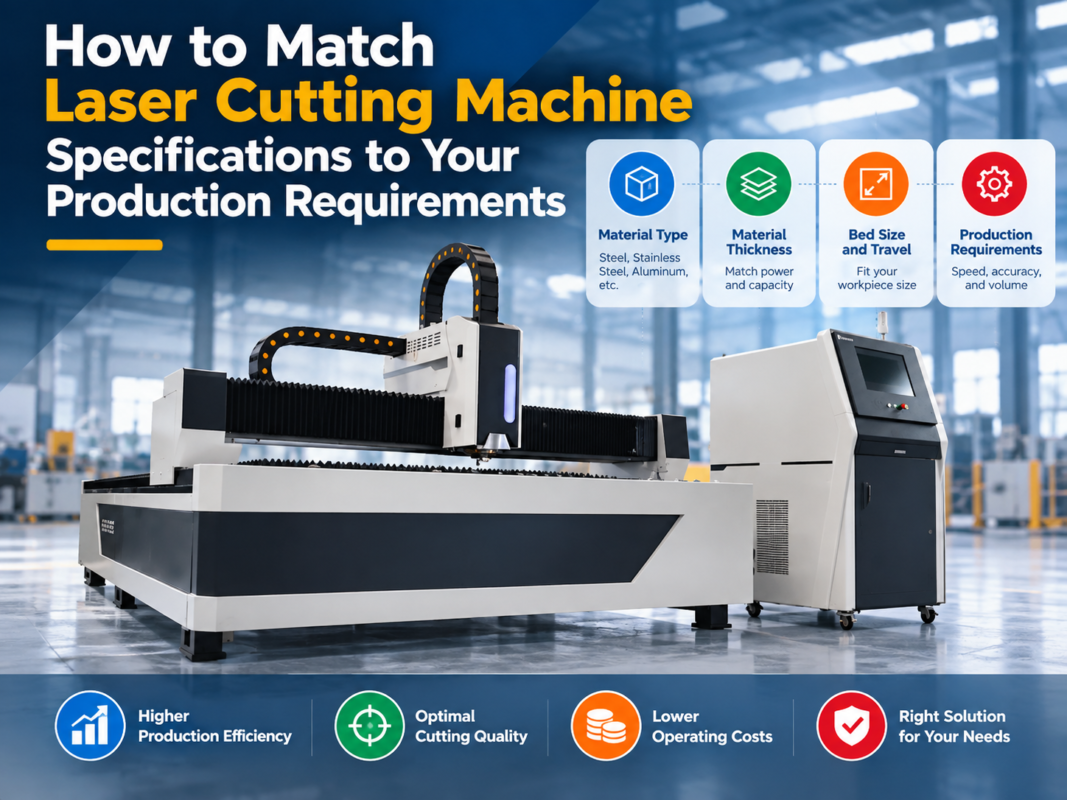
Before making a final decision, we recommend a thorough material audit. What materials do you cut most often? What is the maximum thickness? If 90% of your work is 6mm carbon steel, you don’t necessarily need a 20kW machine. A 3kW or 6kW machine will be more than sufficient and much more cost-effective. However, if you plan to expand into thicker plate processing, buying a bit more power than you currently need (headroom) is a wise long-term strategy.
Evaluate the manufacturer’s support network. A laser cutting machine is a complex piece of equipment, and eventually, you will need technical assistance. Does the manufacturer offer remote diagnostics? Do they have local technicians or a robust library of video tutorials? HARSLE prides itself on global support, ensuring that our customers receive timely help regardless of their location. Check reviews and ask for references from other industrial buyers who have purchased from the same brand.
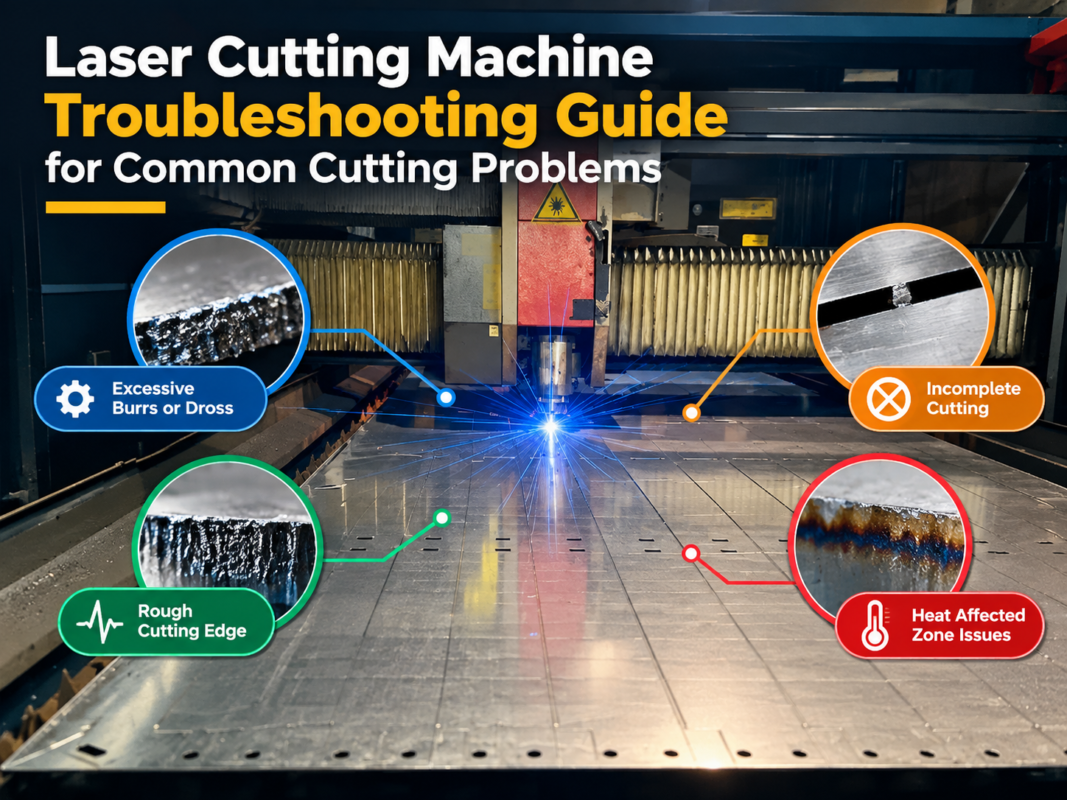
Request a live or video demonstration using your own CAD files and material samples. This is the only way to verify the machine’s real-world performance on the specific parts you produce. Pay attention to the edge quality, the dross (slag) levels, and the actual cycle time. A manufacturer that is confident in their equipment will have no problem performing these tests for you. Also, inspect the build quality of the machine in person if possible—look at the wiring, the bellows, and the overall finish of the frame.
Finally, review the warranty and service contract in detail. What is covered? How long is the laser source warranted? Is the chiller and compressor included in the service plan? A comprehensive warranty can save you from unexpected expenses in the first few years of ownership. At HARSLE, we provide clear warranty terms and transparent pricing on spare parts, so you can plan your business finances with confidence. Buying a laser is a partnership, and choosing the right partner is just as important as choosing the right machine.
Frequently Asked Questions (FAQ)
1. What is the difference between Fiber and CO2 lasers for industrial cutting?
Fiber lasers use solid-state diodes to create the beam, which is then delivered via a fiber optic cable. They are much more energy-efficient, have no moving parts in the light source, and cut thin to medium metals much faster than CO2 lasers. CO2 lasers use a gas mixture and mirrors; while they are better for non-metals like wood or acrylic, they are increasingly being replaced by fiber in the metal fabrication industry due to higher maintenance and operating costs.
2. How much laser power do I really need?
This depends entirely on your material thickness. For example, a 1kW laser can cut up to 3-4mm stainless steel, while a 6kW laser can handle up to 20-25mm. If you are cutting thin materials (under 3mm), higher power mainly increases your speed. If you are cutting thick materials, higher power is a necessity to achieve a clean cut. Most general fabrication shops find 3kW to 6kW to be the “sweet spot” for versatility.
3. Can I cut reflective materials like copper and brass with a fiber laser?
Yes. Unlike older CO2 lasers, which could be damaged by back-reflection from copper and brass, modern fiber lasers are designed to handle these materials safely. However, cutting reflective metals requires higher power and often uses Oxygen or Nitrogen as an assist gas to facilitate the process. If you plan to cut these materials frequently, ensure your machine is configured with a back-reflection protection system.
4. What maintenance is required for a fiber laser cutting machine?
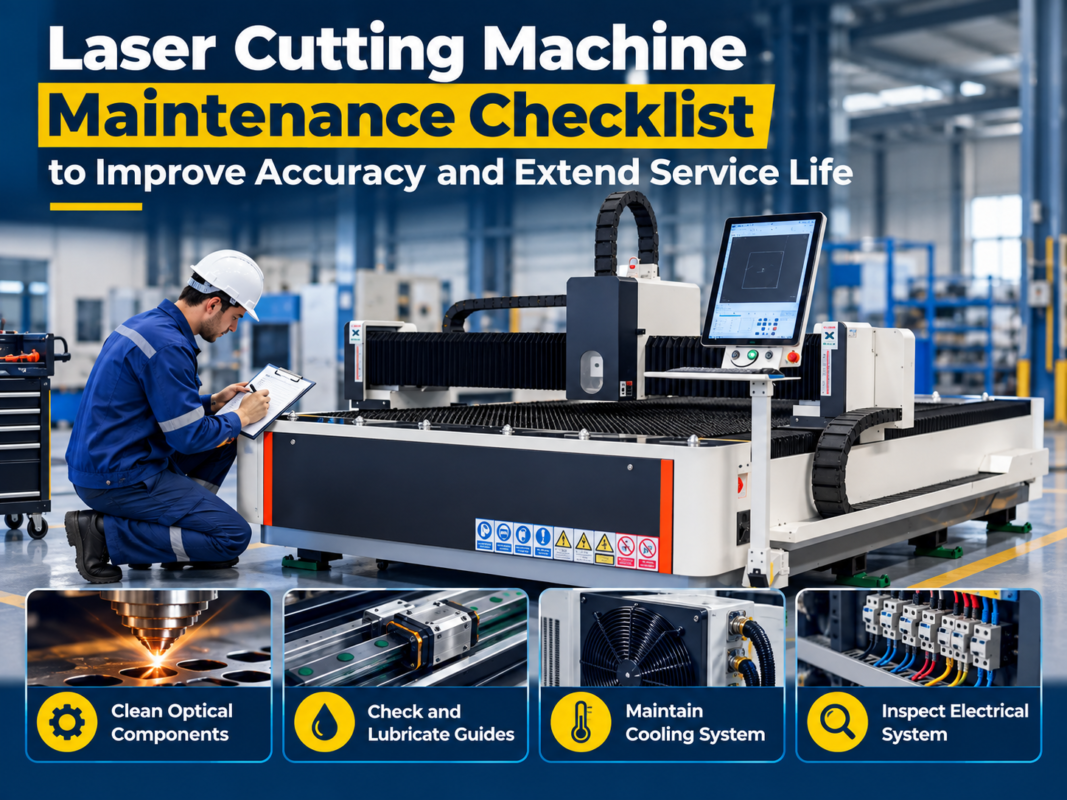
Daily maintenance includes cleaning the machine rails, checking the nozzle for damage, and ensuring the dust collector is functioning. Weekly tasks involve checking the chiller water levels and cleaning the protective windows. Monthly, you should inspect the lubrication system and the electrical components. Compared to CO2 lasers, fiber lasers require significantly less maintenance because they do not have mirrors that need alignment or a gas-filled resonator.
5. Is it better to use Nitrogen or Compressed Air for cutting?
Nitrogen provides the cleanest, oxide-free edge, which is essential for stainless steel that will be painted or welded. However, it is expensive. Compressed air (at high pressure, usually 15-20 bar) is a very cost-effective alternative for thin carbon steel and stainless steel where a slight discoloration of the edge is acceptable. Many modern shops use a mix of both to balance quality and cost.
6. How long does it take to learn how to operate the machine?
For someone familiar with basic CNC operations, the learning curve for a modern fiber laser is relatively short. Basic operation can be learned in 2-3 days of intensive training. Mastering the nesting software and optimizing cutting parameters for different materials may take a few weeks of hands-on experience. HARSLE offers comprehensive training to ensure your operators are proficient and safe.