The Ultimate Fiber Laser Cutting Machine Buying Guide for Sheet Metal Processing


Introduction to Fiber Laser Cutting in Modern Fabrication
In the rapidly evolving landscape of metal fabrication, the fiber laser cutting machine has emerged as the gold standard for precision, speed, and cost-efficiency. For businesses involved in sheet metal processing, transitioning from traditional methods like plasma cutting or CO2 lasers to fiber technology is no longer just an upgrade—it is a strategic necessity to remain competitive. However, the market is flooded with various brands, power levels, and configurations, making the procurement process daunting for many factory owners and procurement managers.
This comprehensive guide is designed to navigate the complexities of the fiber laser cutting machine buying process for sheet metal processing. We will delve into the technical nuances, financial considerations, and operational requirements that define a successful investment. Whether you are a small job shop looking for your first laser or a large-scale manufacturer expanding your production line, understanding the core components and market dynamics is essential for making an informed decision.
Price Range Overview: Understanding the Market Tiers
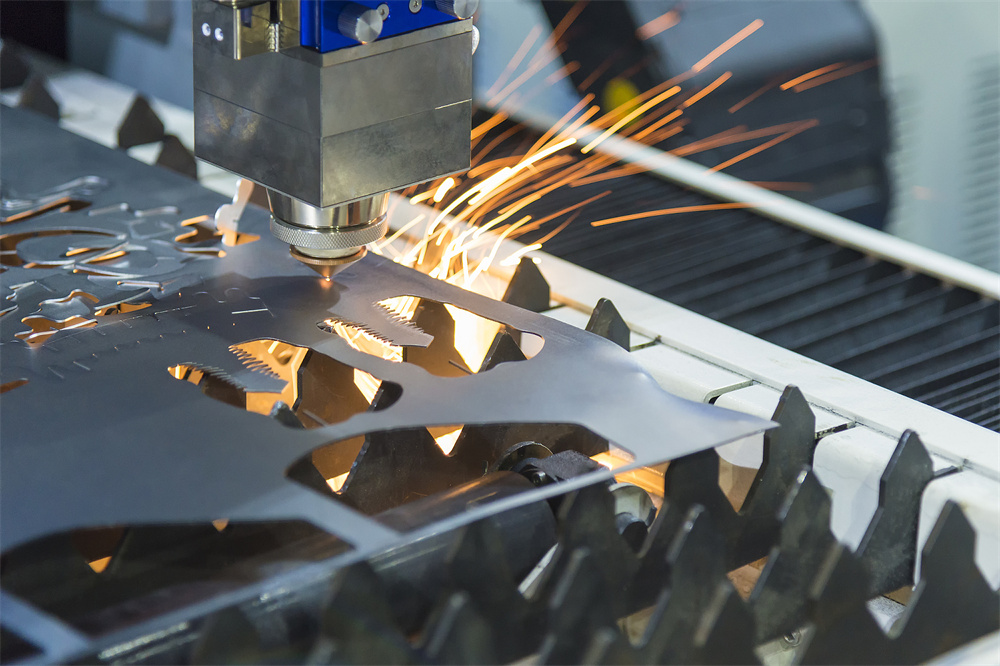
When embarking on the journey of fiber laser cutting machine buying for sheet metal processing, the first question is invariably about price. The cost of these machines varies significantly based on laser power, bed size, and brand reputation. Generally, the market can be divided into three primary tiers: entry-level, mid-range, and high-performance industrial systems.
Entry-level machines typically feature laser sources ranging from 1kW to 3kW. These are ideal for processing thin sheets of carbon steel (up to 12mm) and stainless steel (up to 5mm). Prices for these units often start around $20,000 and can go up to $45,000. They are perfect for small workshops or businesses that do not require 24/7 operation but need the precision that only a laser can provide. While affordable, these machines often lack the heavy-duty frames required for high-speed acceleration.
The mid-range segment, featuring 4kW to 8kW laser sources, is the “sweet spot” for most professional sheet metal processing facilities. These machines offer a balance of speed and thickness capability, handling up to 25mm carbon steel with ease. Prices in this category range from $50,000 to $120,000. At this level, you begin to see features like automatic nozzle changers, exchange tables, and more robust motion systems that allow for higher G-force acceleration, significantly reducing cycle times for complex parts.
High-performance industrial systems exceed 12kW, with some modern machines reaching 30kW or even 60kW. These are massive investments, often exceeding $200,000, designed for heavy industry and high-volume production. They can cut through extremely thick materials (over 50mm) at speeds that were previously unthinkable. For these machines, the price is driven not just by the laser source, but by the sophisticated cooling systems, reinforced machine beds, and advanced software integration required to manage such immense power safely and accurately.
Main Cost Drivers in Fiber Laser Technology
The total cost of a fiber laser cutting machine is dictated by several critical components. The most significant of these is the laser source itself. Leading brands like IPG Photonics, nLight, and Raycus represent different price points and performance profiles. IPG is often considered the premium choice for its stability and global service network, while Raycus and Maxphotonics offer excellent value for money, making them popular choices for budget-conscious buyers in the sheet metal processing industry.
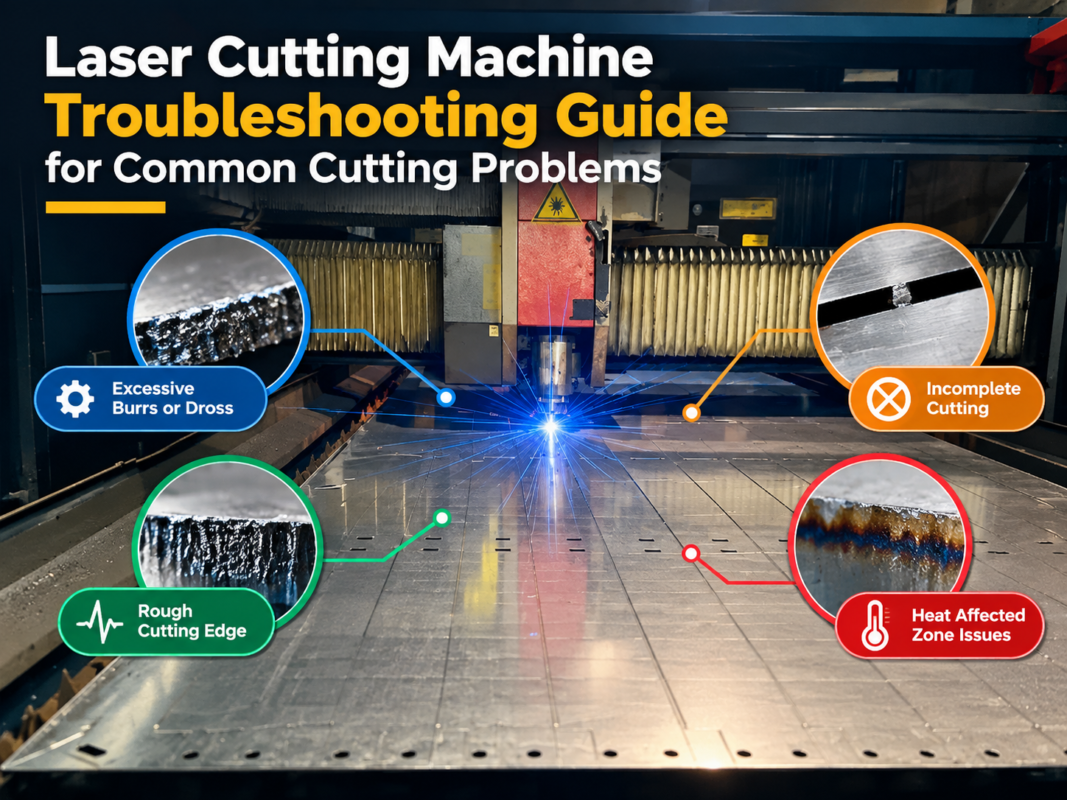
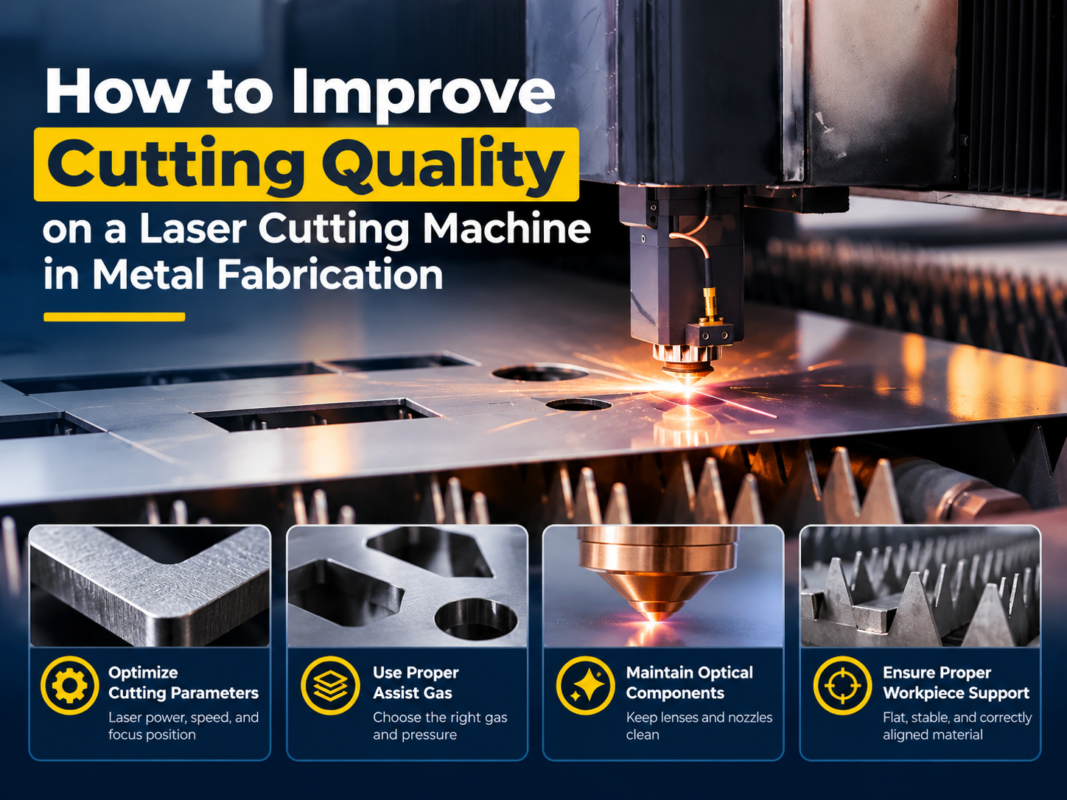
Another major cost driver is the cutting head. Precision heads from manufacturers like Precitec or Raytools are essential for maintaining beam quality. Advanced heads feature autofocus capabilities, which automatically adjust the focal point based on the material thickness and type. This reduces setup time and minimizes human error, but it adds a premium to the machine’s initial purchase price. Without a high-quality cutting head, even the most powerful laser source will fail to deliver clean, dross-free cuts.
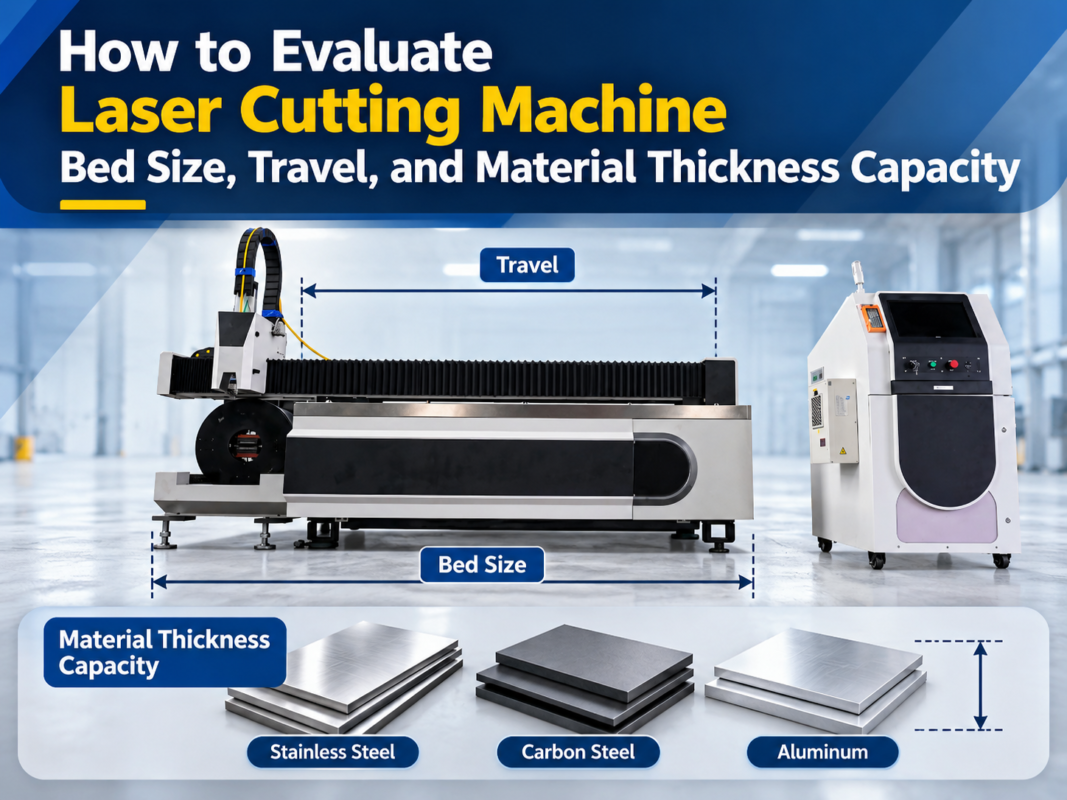
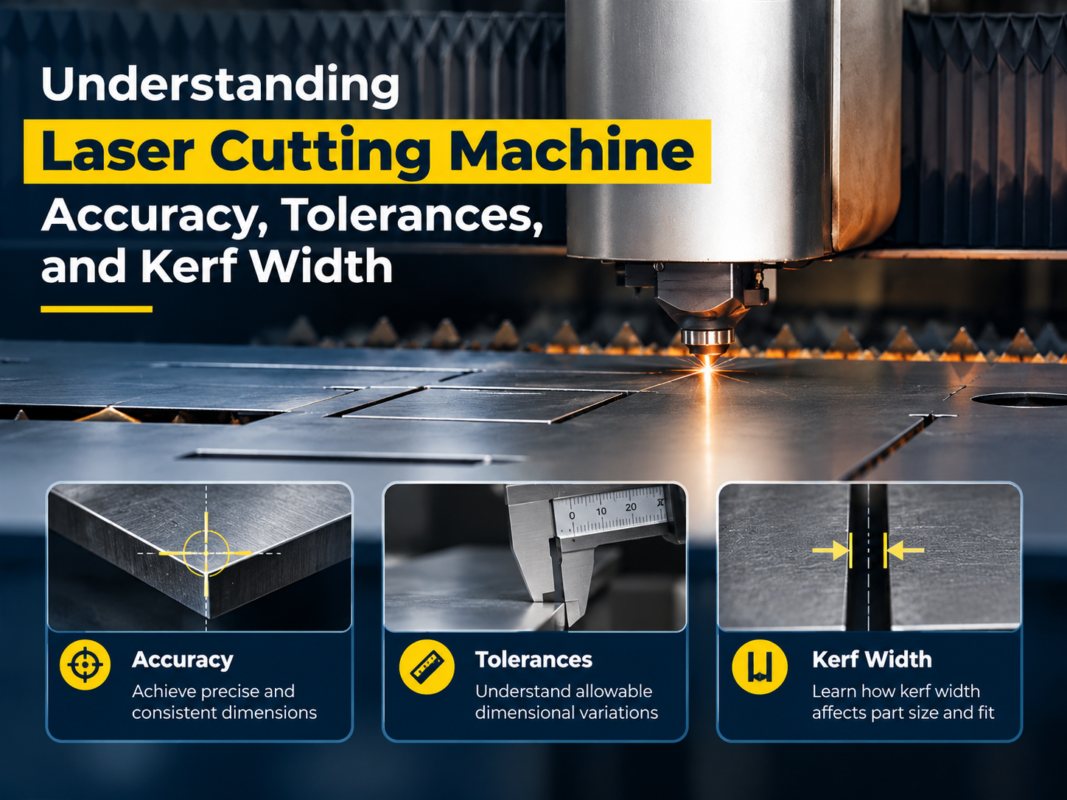
The machine bed and gantry structure also play a vital role in pricing. A high-quality fiber laser cutting machine requires a stress-relieved, welded steel frame or a cast iron bed to withstand the vibrations of high-speed movement. Cheaper machines may use lighter frames that warp over time, leading to a loss of precision. Furthermore, the motion system—comprising servo motors (such as Yaskawa or Panasonic), gear racks, and linear guides—determines the machine’s accuracy and longevity. High-end components ensure that the machine maintains its 0.02mm positioning accuracy even after years of heavy use.
Configuration Impact on Production Efficiency
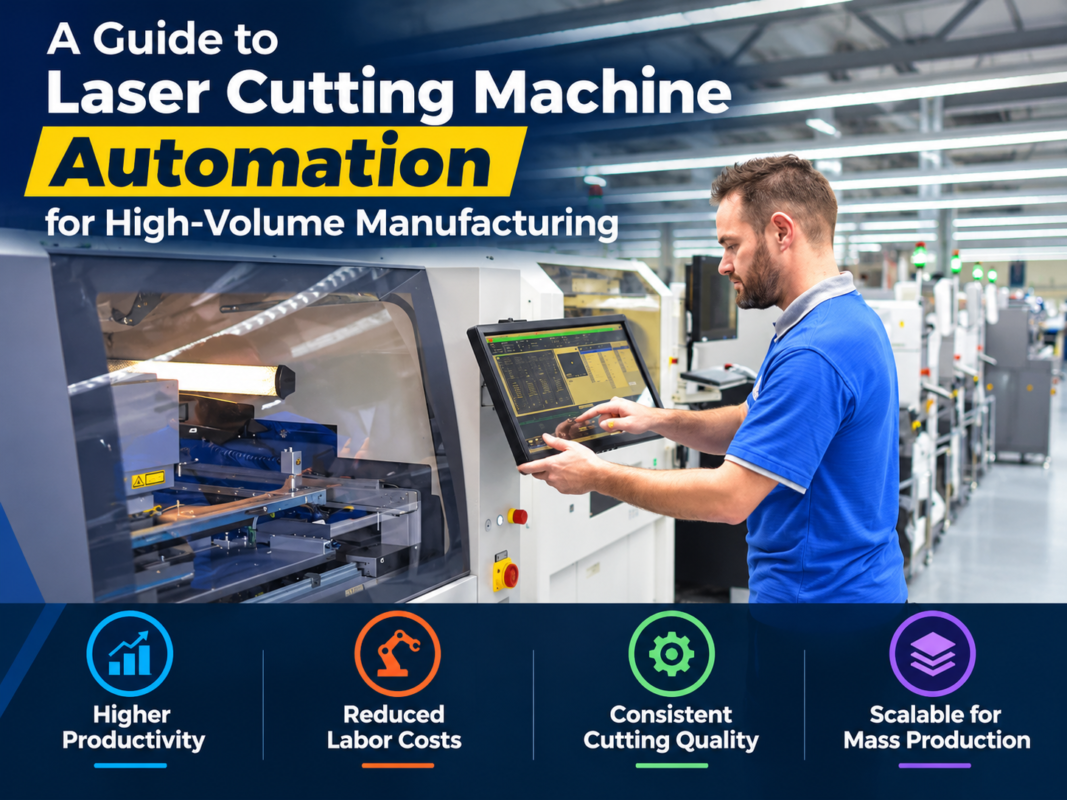
Choosing the right configuration is critical when buying a fiber laser cutting machine for sheet metal processing. One of the most important decisions is whether to opt for a single table or an exchange table (shuttle table) system. An exchange table allows the operator to load a new sheet and unload finished parts while the machine is still cutting on the other table. This can increase productivity by 30% to 50% in high-volume environments, as it eliminates the downtime associated with manual loading.
Safety and environmental configurations also impact the price and utility. Open-type machines are easier to access and generally cheaper, but they require the operator to wear safety goggles and do not contain dust and fumes as effectively. Fully enclosed machines, on the other hand, provide a safer working environment, reduce noise, and allow for more efficient dust extraction. In many regions, safety regulations make enclosed machines a requirement for high-power fiber lasers.
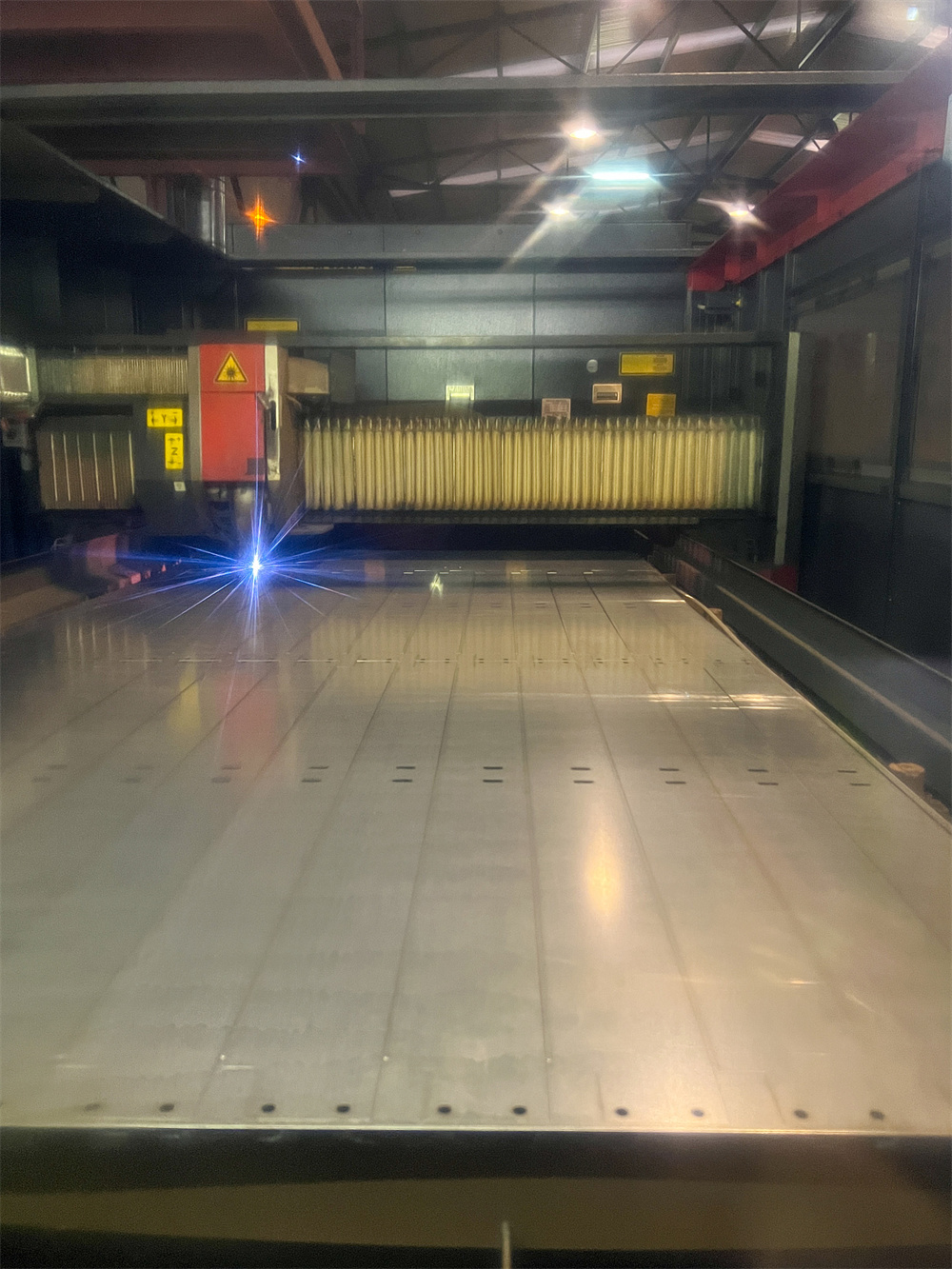
Additionally, consider the inclusion of a tube-cutting attachment. Many sheet metal shops find that they also need to process square or round pipes. A “plate and tube” integrated machine allows for both functions on a single footprint, saving space and capital expenditure compared to buying two separate machines. However, if your tube volume is high, a dedicated tube laser might be more efficient due to specialized chucking and loading systems.
Hidden Costs: Beyond the Initial Purchase Price
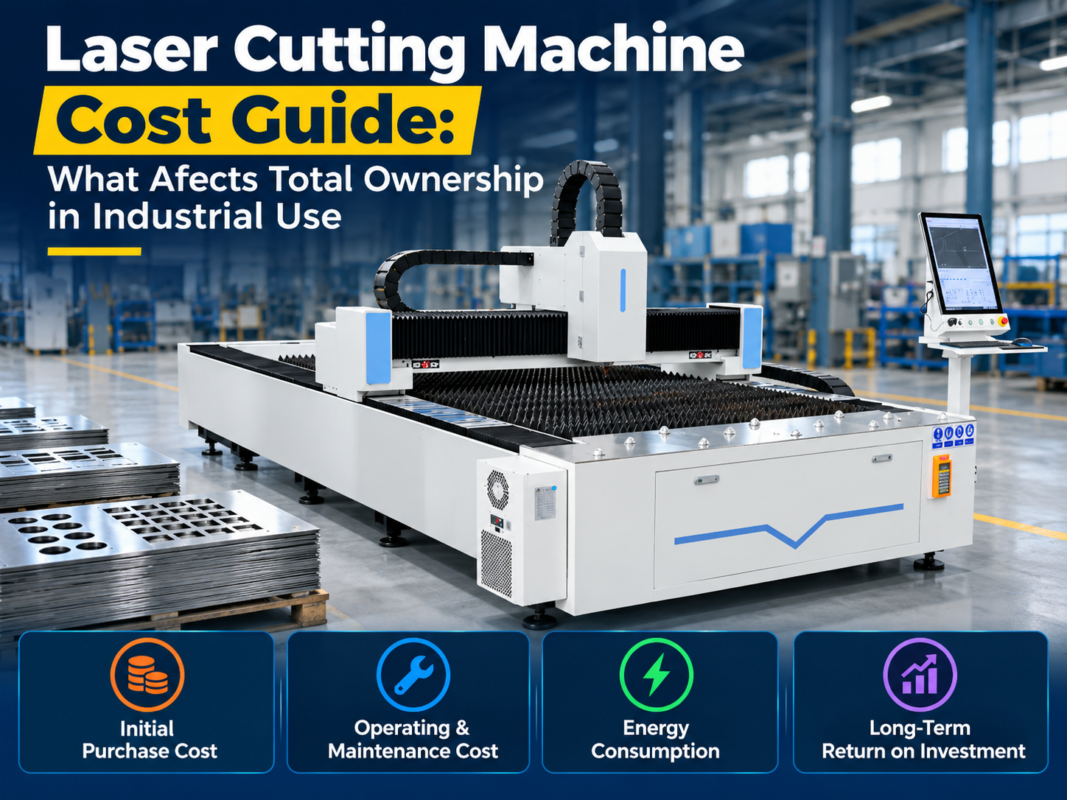
When calculating the budget for a fiber laser cutting machine, many buyers overlook the secondary costs that arise during installation and operation. The first of these is site preparation. A fiber laser requires a stable, level concrete floor, often with specific thickness requirements to prevent vibration. Additionally, you must ensure your facility has adequate electrical capacity; a 12kW laser system, including the chiller and dust extractor, can draw significant amperage, potentially requiring a transformer upgrade.
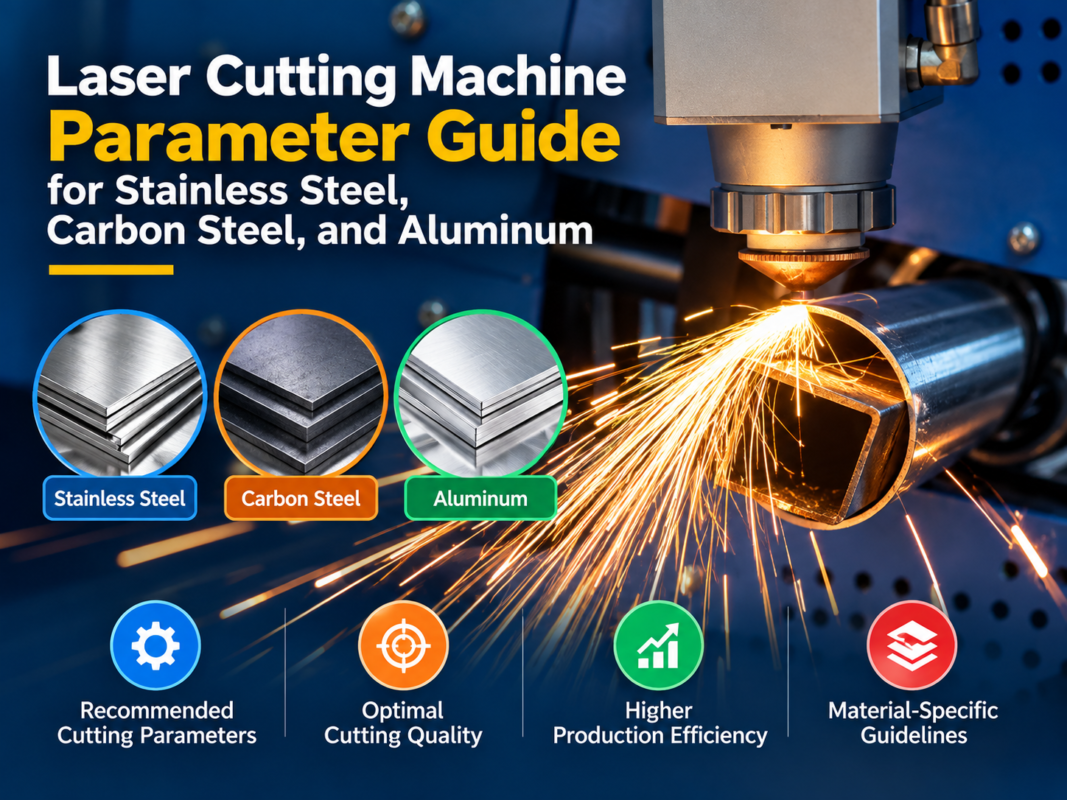
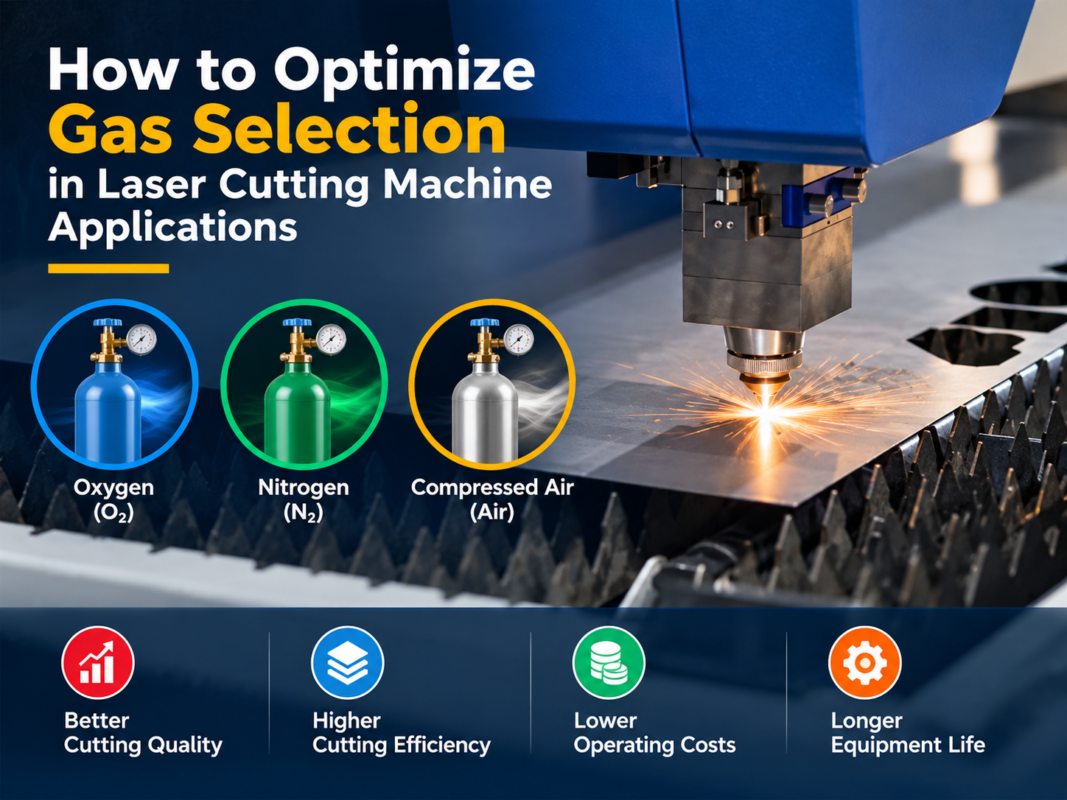
Gas consumption is the largest ongoing operational expense. Fiber lasers use assist gases—typically Oxygen, Nitrogen, or Compressed Air—to blow away molten metal during the cutting process. Nitrogen is used for clean, oxide-free cuts in stainless steel and aluminum but is expensive. Oxygen is used for carbon steel but results in an oxidized edge. Many modern shops are investing in high-pressure air compressors to use filtered shop air as an assist gas, which can drastically reduce operating costs for materials up to 10mm thick.
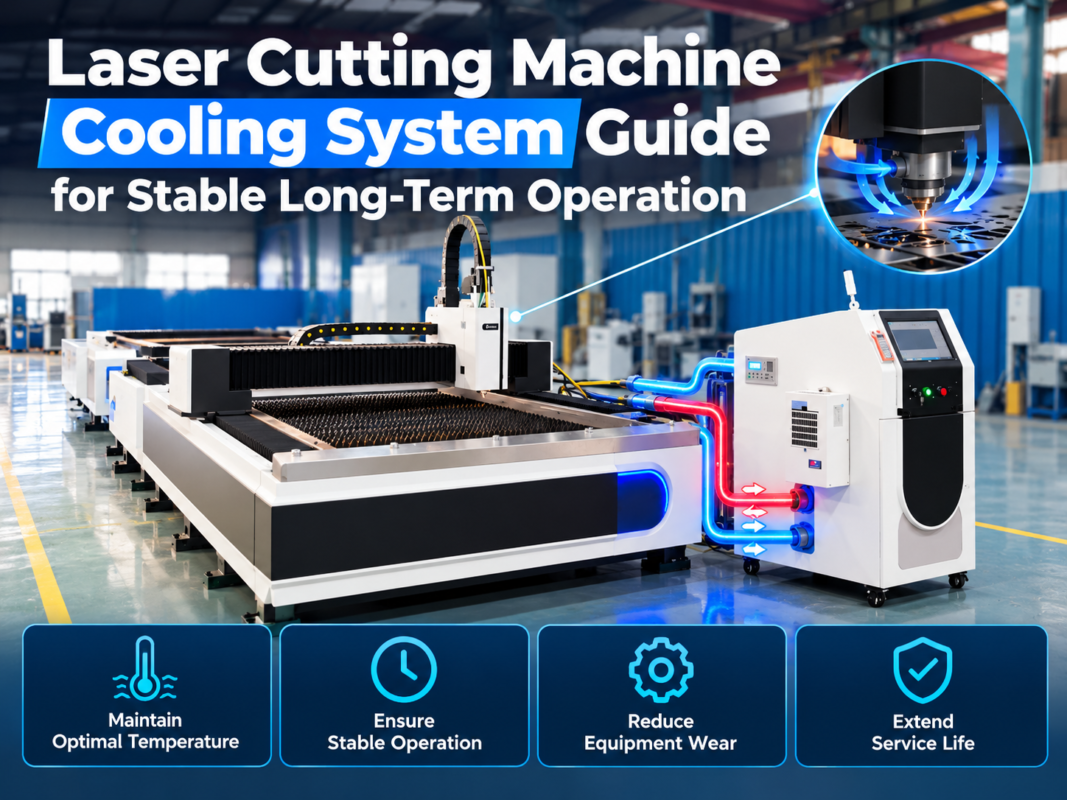
Consumables and maintenance should also be factored into the ROI. While fiber lasers are much lower maintenance than CO2 lasers (which require gas refills and mirror alignments), they still require regular replacement of protective windows, nozzles, and ceramic rings. Furthermore, a specialized water chiller is required to keep the laser source and cutting head at a constant temperature. This chiller requires distilled water and periodic filter changes to prevent internal scaling and overheating.
ROI Calculation: Is the Investment Worth It?
The Return on Investment (ROI) for a fiber laser cutting machine in sheet metal processing is usually very favorable, provided the machine is utilized effectively. To calculate ROI, you must compare the “cost per part” of the laser against your current method. For example, a 6kW fiber laser can cut 3mm stainless steel five times faster than a CO2 laser of equivalent power. This speed translates directly into more parts per shift and lower labor costs per unit.
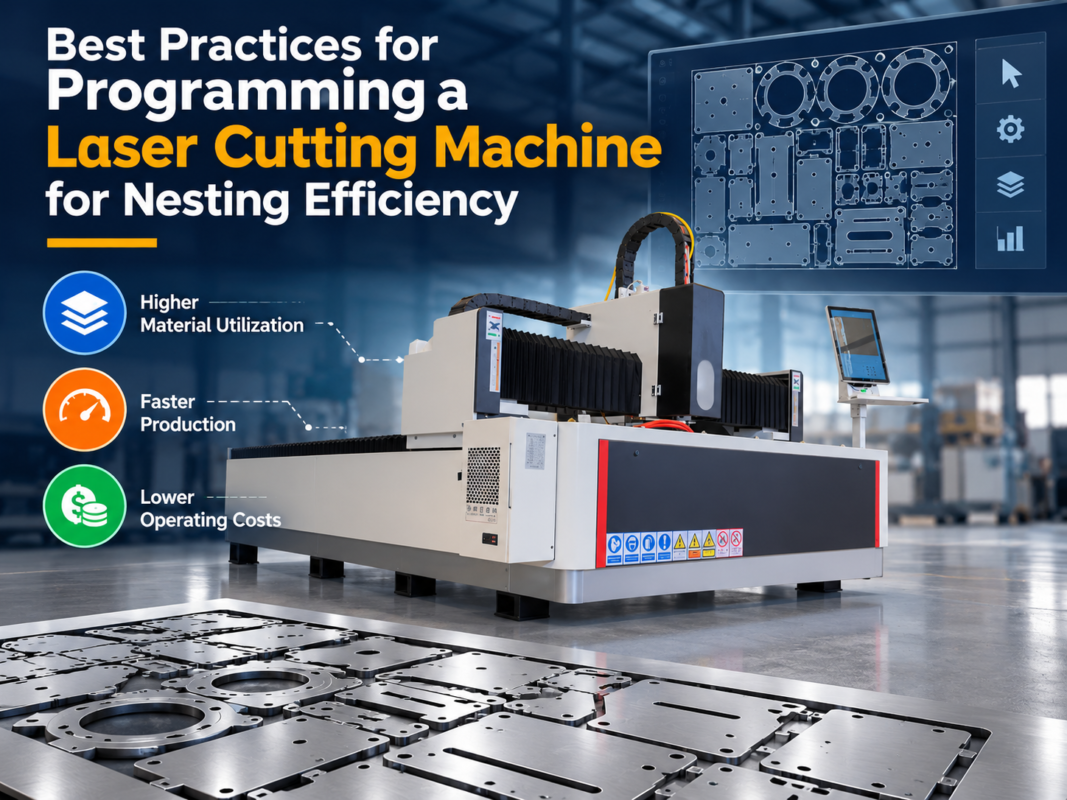
Material utilization is another factor. Advanced nesting software, often bundled with the machine (like CypCut or Lantek), allows for incredibly tight spacing between parts, reducing scrap metal waste. In a high-volume shop, a 5% improvement in material yield can save thousands of dollars annually. Furthermore, the precision of fiber laser cutting often eliminates the need for secondary processes like grinding or deburring, further reducing the total manufacturing time.
Most businesses find that a well-chosen fiber laser pays for itself within 12 to 24 months. This calculation includes the savings from bringing outsourced laser work in-house, the ability to take on more complex projects, and the reduction in lead times that allows for higher pricing. When performing your ROI analysis, be sure to account for the machine’s depreciation and the potential for 24/7 operation if you opt for an automated loading system.
Buying Advice: Choosing the Right Partner
When you are ready to finalize your fiber laser cutting machine buying for sheet metal processing, the choice of manufacturer is as important as the machine’s specs. Look for a company like HARSLE that offers comprehensive after-sales support. A laser cutter is a complex piece of equipment; when it goes down, your entire production line may stop. Ensure the manufacturer provides remote diagnostics, a robust spare parts inventory, and on-site training for your operators.
Before purchasing, always request a cutting sample of your specific material. Different laser sources and heads perform differently on various alloys. A reputable supplier will be happy to demonstrate the edge quality and speed on the thicknesses you process most frequently. Additionally, check the software compatibility. The CNC controller should be user-friendly and support the file formats your design team uses (typically DXF or DWG).
Finally, consider the future of your business. It is often better to buy a machine with slightly more power than you currently need. As your capabilities grow, you will likely find customers asking for thicker materials or faster turnaround times. A 3kW machine might suffice today, but a 6kW machine provides the headroom to scale your business without needing to trade in your equipment in two years.
Frequently Asked Questions (FAQ)
1. What is the difference between Fiber and CO2 lasers for sheet metal?
Fiber lasers use a solid-state laser source and deliver the beam through a fiber optic cable, making them more energy-efficient and faster at cutting thin to medium-thickness metals. CO2 lasers use a gas mixture and mirrors; while they were once better for thick non-metals and very thick steel, modern high-power fiber lasers have largely surpassed them in almost all metal processing applications.
2. How much power do I really need for my sheet metal processing?
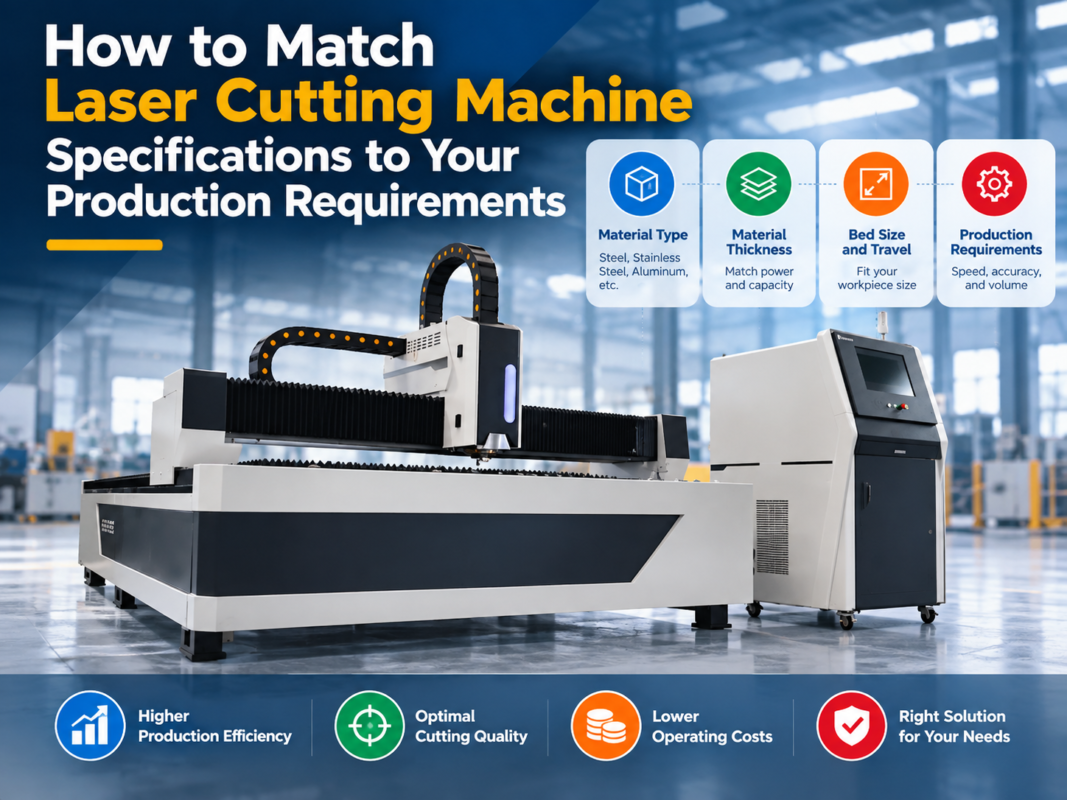
This depends on your primary material thickness. For 1-3mm steel, 1kW-2kW is sufficient. For 6-12mm, 3kW-4kW is the standard. If you regularly process 20mm+ plate, you should look at 12kW or higher. Higher power also allows for faster cutting speeds on thinner materials, which improves overall throughput.
3. Can a fiber laser cut reflective materials like copper and brass?
Yes, fiber lasers are excellent for reflective materials. Unlike CO2 lasers, where back-reflection can damage the resonators, fiber lasers are designed to handle the reflection. However, it is still recommended to use a laser source with back-reflection protection (like nLight or certain IPG models) if you process these materials frequently.
4. What are the main maintenance requirements?
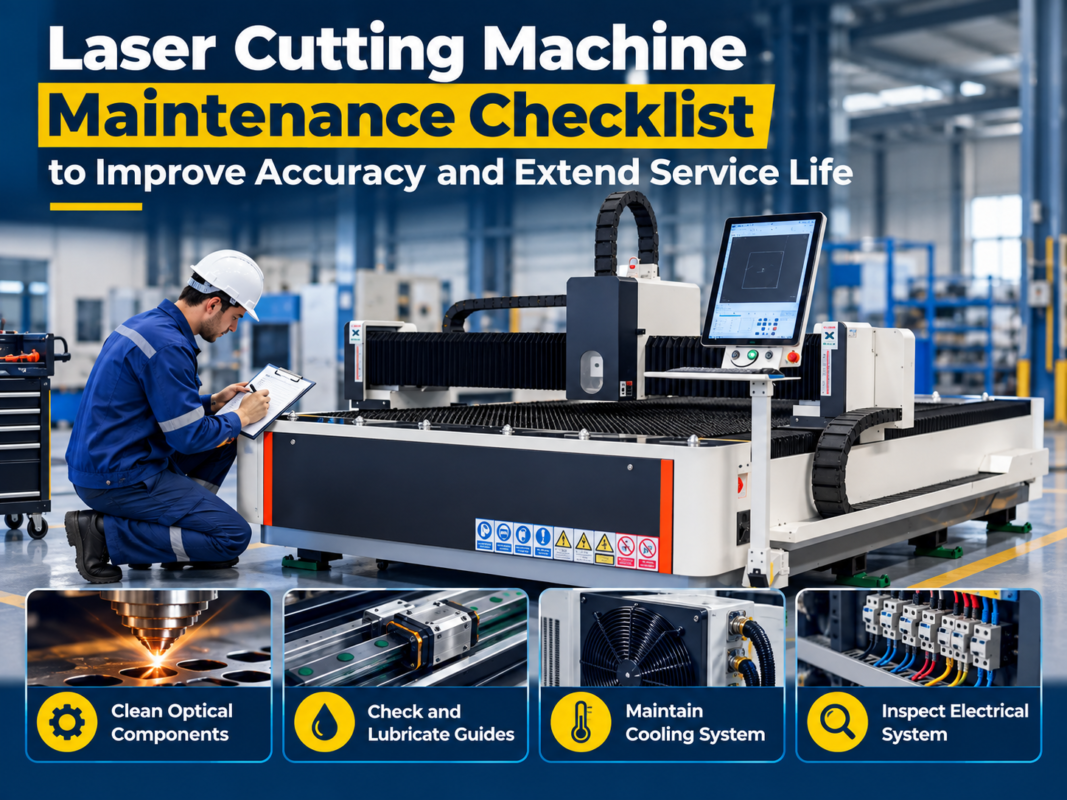
Maintenance for fiber lasers is relatively low. Key tasks include cleaning the external optics (protective windows), checking the chiller water levels and quality, lubricating the linear guides and racks, and ensuring the dust collector filters are clean. The laser source itself is typically maintenance-free for up to 100,000 hours.
5. Is it difficult to learn how to operate a CNC fiber laser?
Most modern machines use intuitive software like CypCut, which is relatively easy to learn for anyone with basic computer skills. Most operators can become proficient in basic cutting and nesting within 2-3 days of training. However, mastering the fine-tuning of cutting parameters for different materials takes more experience.
6. What is the expected lifespan of a fiber laser cutting machine?
A high-quality fiber laser cutting machine can last 10 to 15 years or more if properly maintained. The laser source itself has a very long lifespan, but components like the cutting head, bellows, and cables may need replacement after several years of heavy use. Choosing a machine with a robust frame ensures the mechanical accuracy remains intact over the long term.