Industrial Laser Cutting Machine Buying Guide for Small and Medium Fabrication Shops


Introduction to Industrial Laser Cutting for SMEs
For small and medium-sized fabrication shops (SMEs), the transition from traditional mechanical cutting or plasma cutting to fiber laser technology represents a pivotal moment in business growth. The precision, speed, and versatility of an industrial laser cutting machine can transform a workshop’s throughput, allowing for tighter tolerances and more complex designs that were previously outsourced. However, the investment is significant, and the market is flooded with options ranging from budget-friendly entry-level models to high-performance automated systems. This guide is designed to help shop owners navigate the complexities of Industrial Laser Cutting Machine Buying Small Medium Fabrication Shops, ensuring that the chosen equipment aligns with both current production needs and future scaling goals.
In the modern manufacturing landscape, fiber laser technology has largely superseded CO2 lasers for metal fabrication due to its higher energy efficiency, lower maintenance requirements, and superior cutting speeds on thin to medium-thickness materials. For an SME, the goal is not just to buy a machine, but to integrate a solution that reduces the cost per part while increasing the quality of the finished product. This requires a deep understanding of the technical specifications, the total cost of ownership, and the specific applications the shop intends to serve.

Price Range Overview: What to Expect
The price of an industrial laser cutting machine varies drastically based on power, bed size, and brand reputation. For SMEs, the market can be categorized into three primary tiers. Understanding these tiers helps in setting a realistic budget and managing expectations regarding performance and longevity.
Entry-Level Systems ($20,000 – $50,000)
Entry-level machines typically feature laser powers between 1kW and 2kW. These are often “open-type” machines without an exchange table or a full protective enclosure. They are ideal for shops that primarily work with thin gauge sheets (under 6mm carbon steel) and do not require 24/7 operation. While affordable, these machines may use lower-tier components for the motion system and laser source, which can impact long-term reliability and precision.
Mid-Range Workhorses ($50,000 – $120,000)
This is the “sweet spot” for most growing fabrication shops. In this price range, you will find machines with 3kW to 6kW of power, often equipped with an exchange table (shuttle table) to minimize downtime. These machines usually feature higher-quality components, such as Raycus or IPG laser sources, and more robust frames that can handle higher acceleration speeds. They are capable of cutting thicker materials (up to 20mm carbon steel) with high precision and are built for multi-shift operations.
High-End Performance Systems ($120,000 – $250,000+)
High-end systems offer 12kW to 30kW+ of power and are designed for maximum productivity. These machines include full enclosures for safety, advanced CNC controllers with automated nesting, and high-speed motion systems (linear motors). For an SME, this investment is usually justified if the shop handles high volumes of thick plate cutting or requires extreme precision at very high speeds. These systems often include features like automatic nozzle changers and integrated material handling systems.
Main Cost Drivers in Laser Cutting Technology
When evaluating an Industrial Laser Cutting Machine Buying Small Medium Fabrication Shops, it is essential to identify what exactly you are paying for. Several core components dictate the price and the performance of the machine.
The Laser Source
The laser source is the most expensive component of the machine. Fiber laser sources from brands like IPG Photonics are considered the gold standard for reliability and beam quality but come at a premium. Brands like Raycus and MaxPhotonics offer excellent performance at a more competitive price point, making them popular choices for SMEs. The wattage of the source directly determines the maximum cutting thickness and the speed at which the machine can operate.
The Motion System and Frame
A laser machine is only as good as its ability to move the cutting head accurately. High-quality machines use a heavy-duty, heat-treated steel plate welded frame to ensure stability and prevent deformation over time. The drive system—consisting of the rack and pinion, servo motors, and gearboxes—must be high-precision. Brands like Shimpo (Japan) or Alpha (Germany) for gearboxes and Yaskawa or Panasonic for servo motors are indicators of a well-built machine.
The Cutting Head
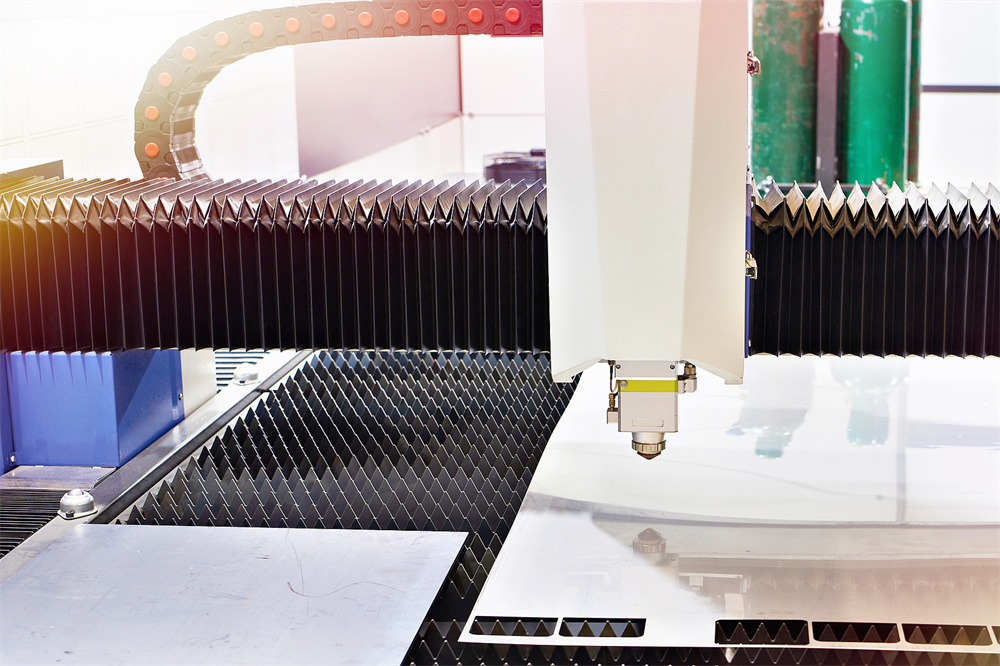
The cutting head houses the optics and the nozzle. Advanced heads feature autofocus capabilities, which automatically adjust the focal point based on the material thickness and type. This is a critical feature for SMEs that switch between different jobs frequently, as it reduces setup time and minimizes human error. Precitec and Raytools are the leading manufacturers in this space.
Configuration Impact: Customizing for Your Shop
The configuration of the machine should be dictated by your shop’s workflow and the types of materials you process. Choosing the wrong configuration can lead to bottlenecks or safety hazards.
- Single Table vs. Exchange Table: A single table machine requires the operator to stop the machine to load and unload sheets. An exchange table allows the operator to load a new sheet while the machine is cutting another, potentially increasing productivity by 30-50%.
- Open vs. Enclosed: An enclosed machine (Full Cover) provides better safety by protecting workers from laser reflections and containing fumes. In many regions, safety regulations make enclosed machines mandatory for high-power lasers.
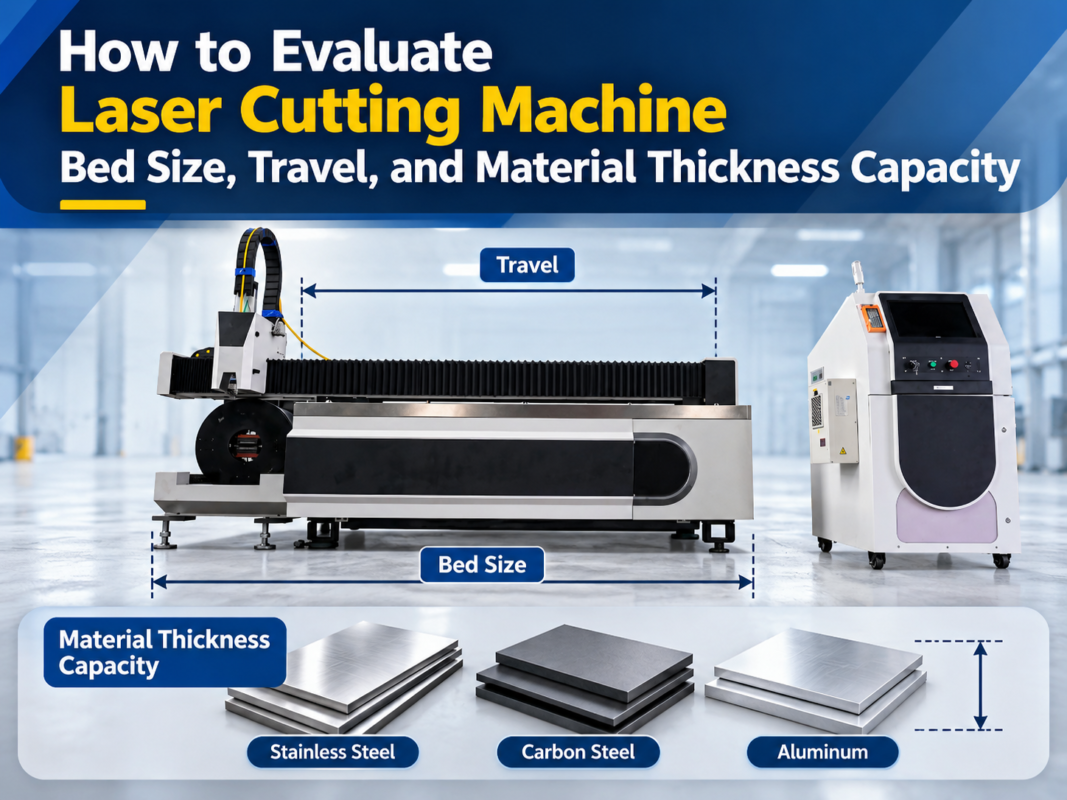
- Bed Size: The standard bed size is 3000mm x 1500mm (5′ x 10′), but larger beds (up to 6000mm x 2500mm) are available. SMEs should choose a bed size that accommodates their most common sheet sizes to minimize material waste.
- Tube Cutting Attachment: Some sheet metal lasers come with a rotary axis for cutting pipes and tubes. This is a cost-effective way for an SME to add tube processing capabilities without buying a dedicated tube laser.
Hidden Costs of Ownership
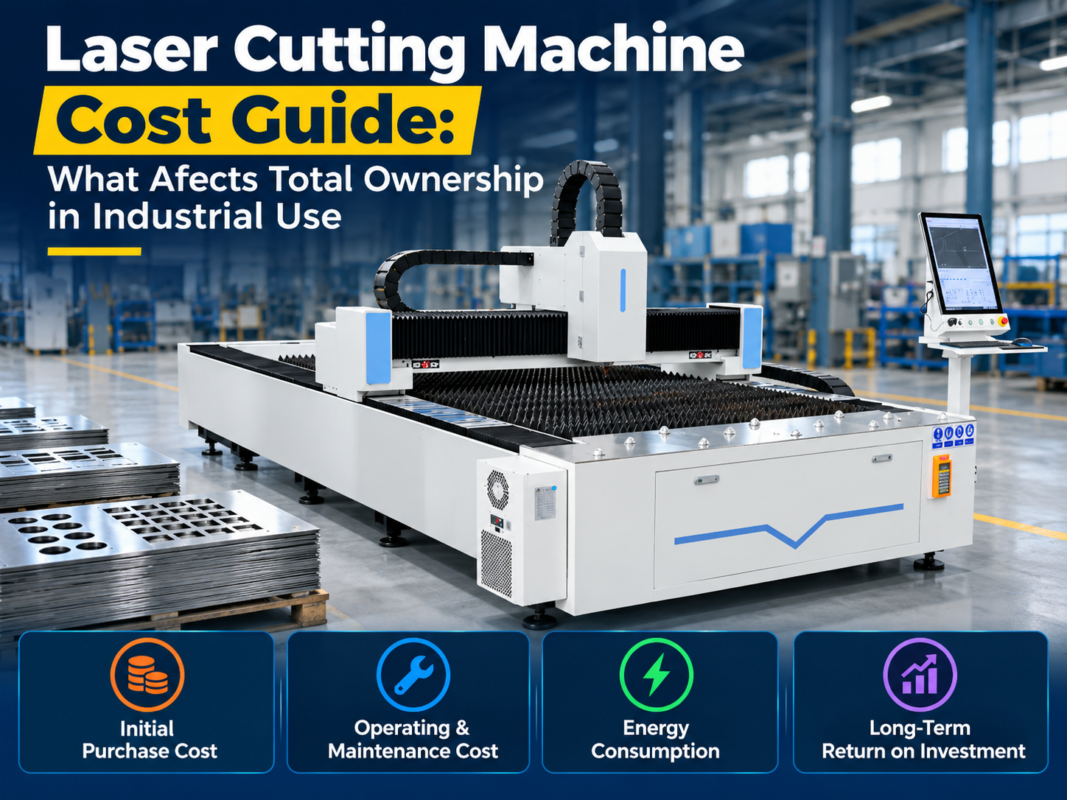
The purchase price is only the beginning. To accurately assess the impact on your shop’s finances, you must account for the ongoing operational and hidden costs associated with an industrial laser cutting machine.
Gas Consumption
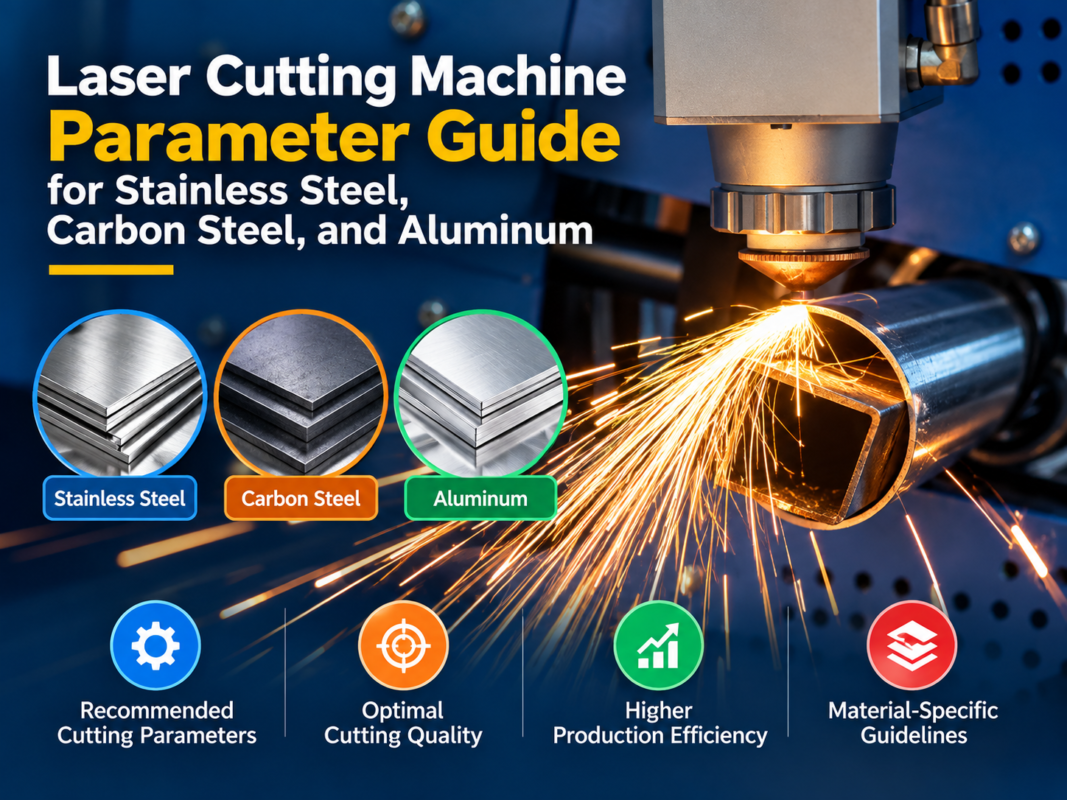
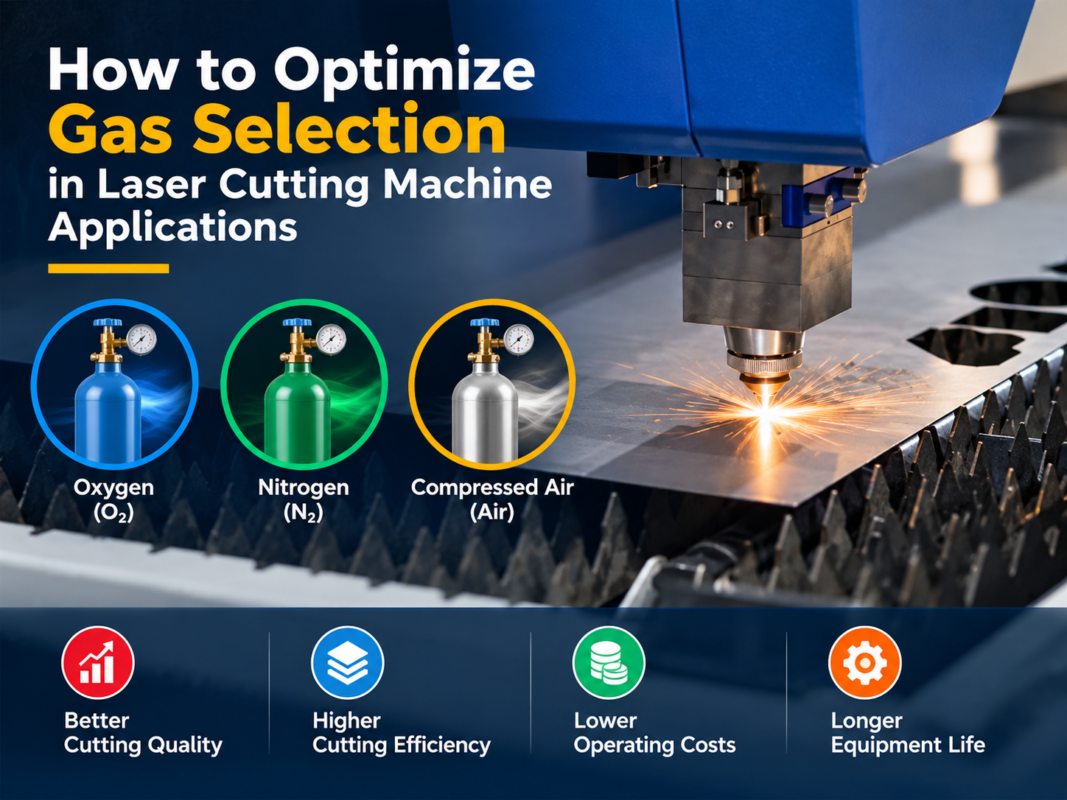
Laser cutting requires assist gases: Oxygen (O2), Nitrogen (N2), or Compressed Air. Nitrogen is used for clean, oxidation-free cuts in stainless steel and aluminum but is expensive. Oxygen is used for carbon steel. Many SMEs are now moving toward high-pressure air cutting, which requires a high-spec air compressor but significantly reduces the cost per part by eliminating the need for bottled gas.
Electricity and Cooling
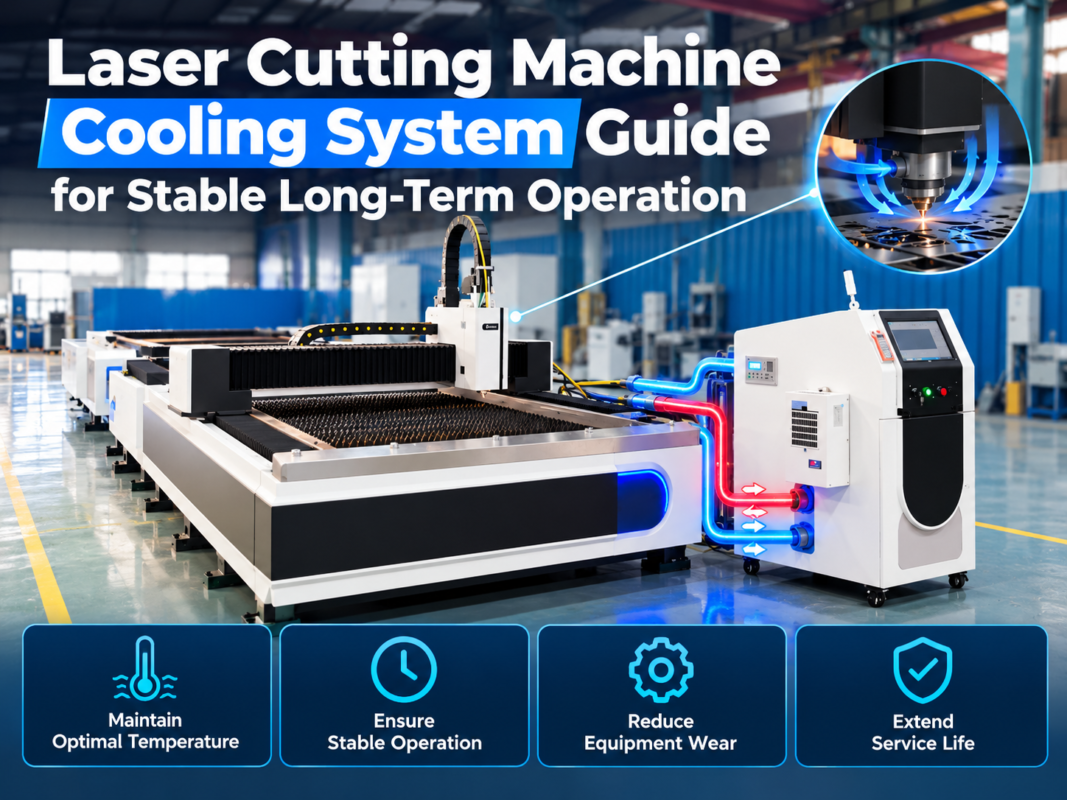
While fiber lasers are efficient, they still consume significant power, especially when the chiller (used to cool the laser source and head) is factored in. A 3kW laser system might have a total power draw of 15-20kW. Ensure your shop’s electrical infrastructure can handle the load and consider the monthly utility bill in your ROI calculations.
Consumables and Maintenance
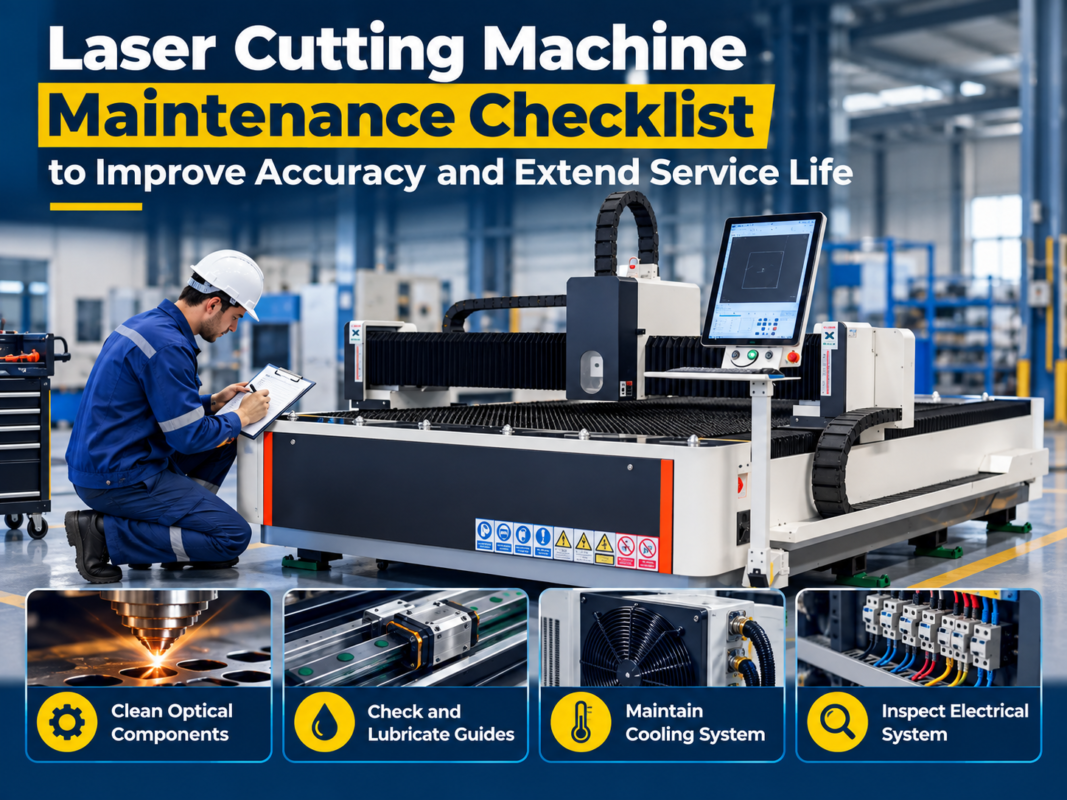
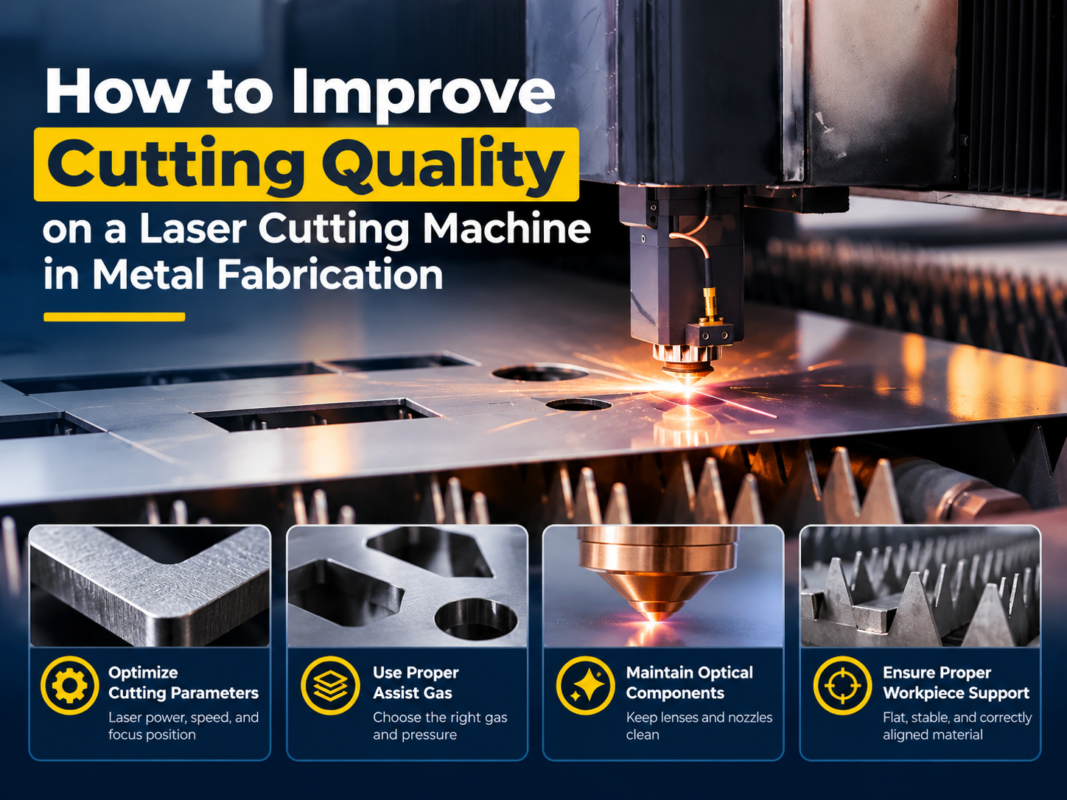
You will need a steady supply of nozzles, protective windows, and ceramic rings. While these are relatively inexpensive individually, they add up. Additionally, regular maintenance—such as lubricating the guide rails and cleaning the optics—is essential to prevent costly downtime. A service contract with the manufacturer or a local technician should also be budgeted.
ROI Calculation: Is the Investment Worth It?
For an SME, the decision to buy an industrial laser cutting machine must be backed by a clear Return on Investment (ROI). To calculate this, compare the cost of owning the machine against the cost of your current methods (e.g., outsourcing or using slower machinery).
Example Scenario:
If you currently spend $5,000 per month outsourcing laser-cut parts, and the monthly financing for a $100,000 machine is $2,000, you have $3,000 left to cover labor, gas, and electricity. If your internal production costs are $1,500, you are saving $1,500 per month while gaining control over lead times and quality. Furthermore, the ability to take on more work due to increased speed can lead to a much faster payback period, often within 18 to 24 months for a well-utilized machine.
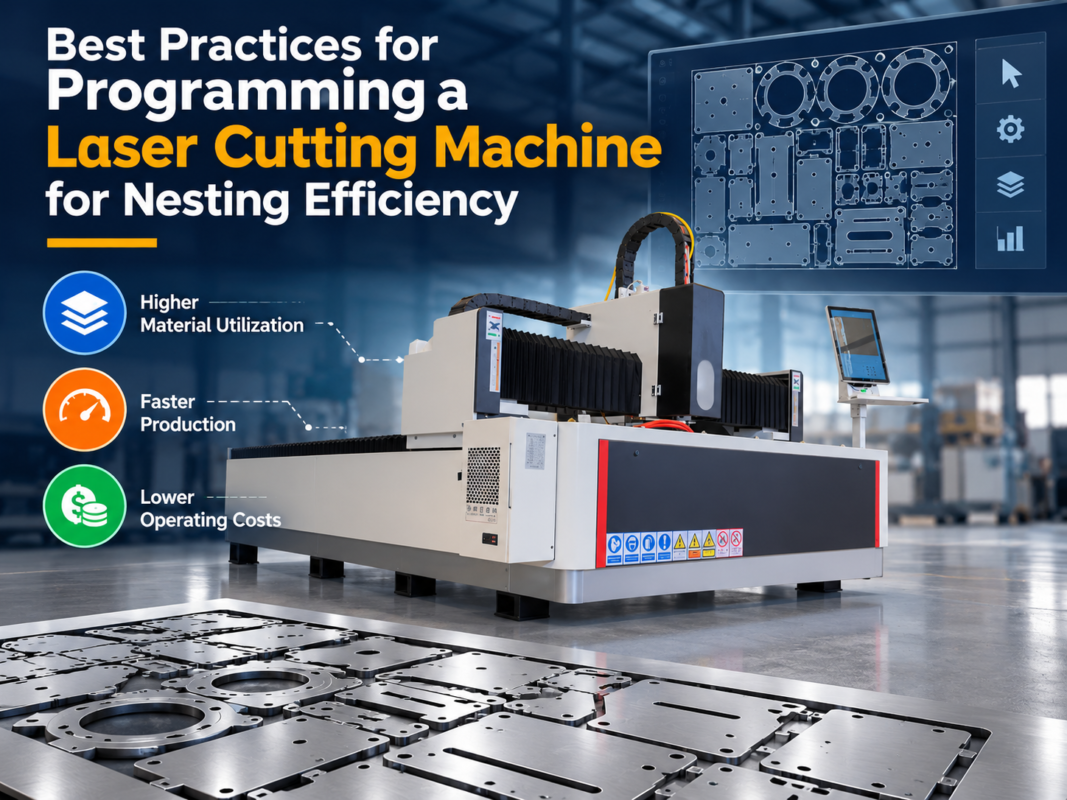
Consider also the “material utilization” factor. Modern nesting software (like CypNest) can optimize the layout of parts on a sheet, reducing scrap by 10-20% compared to manual methods. This material saving alone can contribute thousands of dollars to the bottom line annually.
Buying Advice for Small and Medium Shops
When you are ready to make a purchase, follow these steps to ensure you get the best value for your investment:
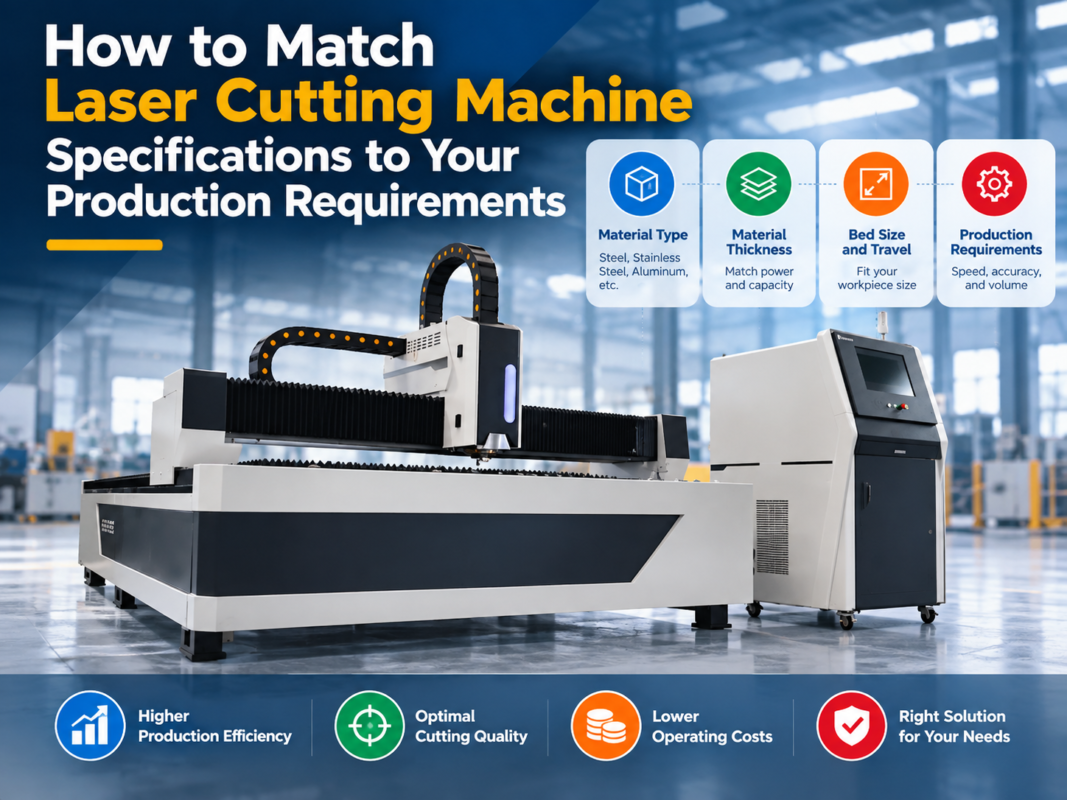
- Define Your Material Mix: Don’t buy more power than you need. If 90% of your work is 3mm stainless steel, a 3kW laser is more than sufficient. Buying a 12kW machine for thin material is an inefficient use of capital.
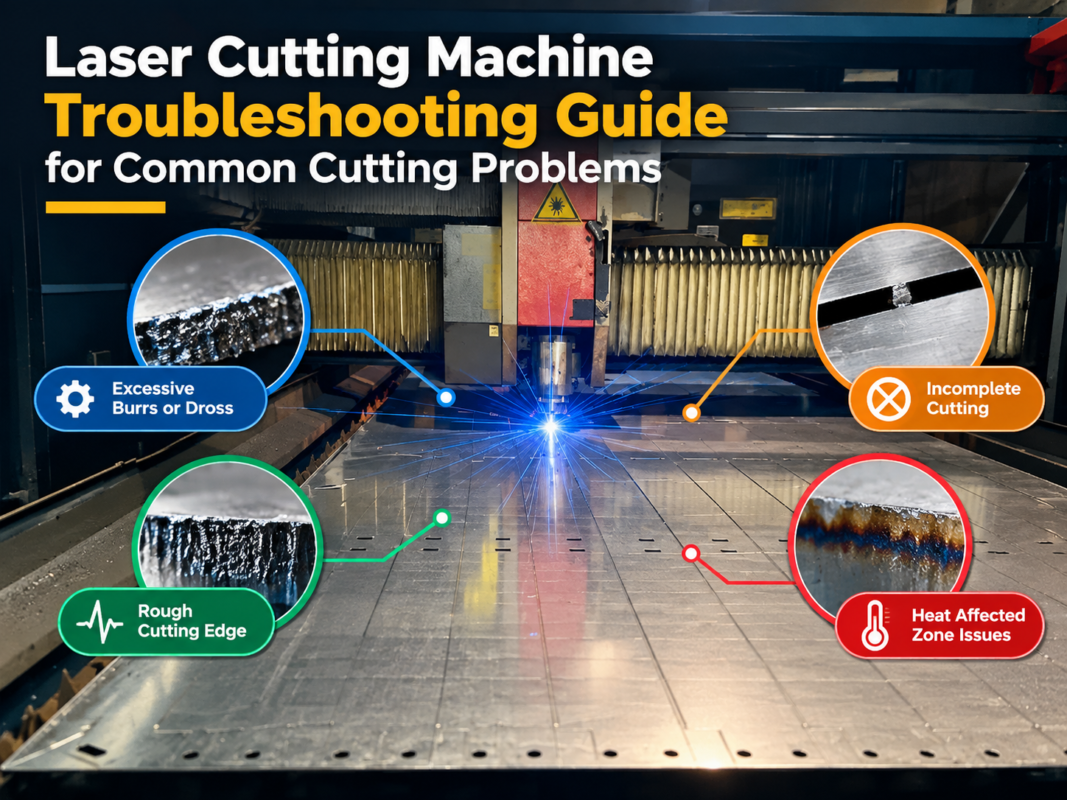
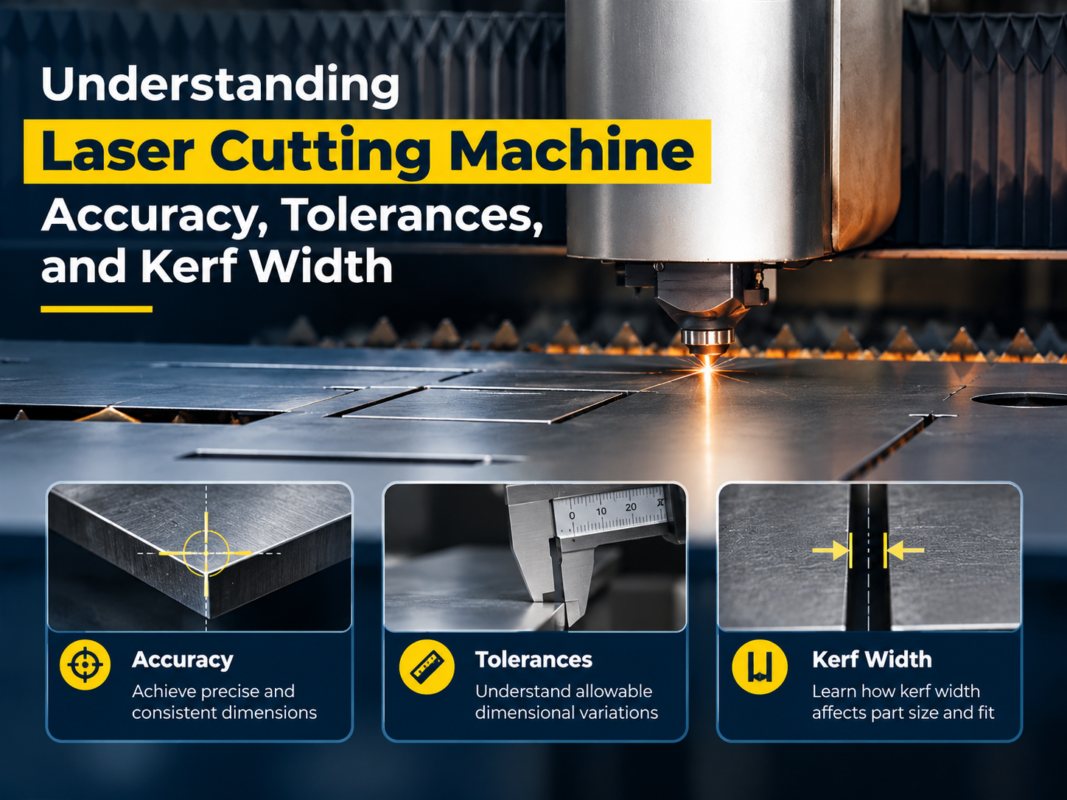
- Test Cut Your Parts: Never buy a machine without seeing it cut your specific parts. Send your CAD files to the manufacturer and ask for a video of the cut and the finished samples. Check for dross, edge squareness, and dimensional accuracy.
- Evaluate the Controller: The CNC controller is the interface between the operator and the machine. For SMEs, a user-friendly controller like CypCut is highly recommended because it is easy to learn and has a large community of users.
- Check Local Support: Downtime is the enemy of an SME. Ensure the manufacturer has a reliable service network in your region or offers robust remote technical support and fast parts shipping.
- Future-Proofing: Consider a machine that can be upgraded. Some frames are built to handle higher power levels, allowing you to swap out the laser source in the future if your needs grow.
Frequently Asked Questions (FAQ)
1. What is the difference between Fiber and CO2 lasers for an SME?
Fiber lasers are generally better for SMEs because they are 3x more energy-efficient, have no moving parts or mirrors in the light-generating source (reducing maintenance), and cut thin to medium metals much faster. CO2 lasers are now mostly reserved for specialized applications like cutting thick non-metals or specific plastics.
2. Can I cut aluminum and copper with a fiber laser?
Yes. Unlike CO2 lasers, which struggle with reflective materials, fiber lasers are excellent for cutting aluminum, brass, and copper. However, you must ensure the machine is equipped with back-reflection protection to prevent damage to the laser source.
3. How much space does an industrial laser cutting machine require?
A standard 3000x1500mm machine with an exchange table typically requires a footprint of about 10m x 5m, including space for the chiller, controller cabinet, and material handling. Always leave at least 1 meter of clearance around the machine for maintenance access.
4. Do I need a specialized operator for a CNC laser?
While modern controllers are very intuitive, a successful operation requires an operator who understands material properties, gas settings, and basic maintenance. Most manufacturers provide 3-5 days of training, which is usually enough for a mechanically inclined person to become proficient.
5. Is air cutting really viable for industrial production?
Absolutely. With a high-pressure air compressor (15-20 bar) and proper filtration, you can cut carbon steel and stainless steel with very high efficiency. The edge may have a slight discoloration compared to nitrogen, but for many industrial applications, the cost savings far outweigh the aesthetic difference.
6. What is the expected lifespan of a fiber laser source?
Most high-quality fiber laser sources are rated for 100,000 hours of operation. In a typical SME environment, this equates to over 10-15 years of service, making it one of the most durable components in the shop.
7. How do I handle the fumes generated by laser cutting?
An industrial dust collector is essential. It pulls the fumes and dust from under the cutting bed and filters them before exhausting the air. This is critical for maintaining a healthy work environment and complying with environmental regulations.
Conclusion
Investing in an Industrial Laser Cutting Machine Buying Small Medium Fabrication Shops is a transformative step that requires careful balancing of technical specs, budget, and long-term goals. By focusing on the core cost drivers—the laser source, motion system, and configuration—and accounting for the total cost of ownership, SMEs can select a machine that not only pays for itself but also provides a significant competitive advantage in the marketplace. Whether you are looking at an entry-level 1.5kW system or a high-speed 6kW workhorse, the key is to choose a partner like HARSLE that offers the right blend of technology, reliability, and support to fuel your shop’s growth.