Laser Cutting Machine Price Guide: What Impacts Cost and How to Budget Wisely


Introduction to Laser Cutting Machine Investment
In the modern era of metal fabrication, the laser cutting machine has transitioned from a luxury item to an essential cornerstone of the production floor. Whether you are a small job shop or a large-scale industrial manufacturer, understanding the Laser Cutting Machine Price : Impacts Cost Budget Wisely is critical for long-term financial health. The investment in a fiber laser system is significant, often ranging from tens of thousands to hundreds of thousands of dollars. Therefore, a surface-level understanding of the price tag is insufficient; one must delve into the technical nuances that drive these costs.
HARSLE has been at the forefront of providing high-quality metalworking solutions, and we recognize that the purchasing process can be daunting. A laser cutting machine is not just a piece of hardware; it is a complex ecosystem of optics, motion control, software, and gas dynamics. This guide is designed to demystify the pricing structure of laser cutting machines, helping you identify where to invest for performance and where you can save without compromising quality. By the end of this article, you will have a comprehensive framework to evaluate quotes and build a budget that aligns with your production goals.
Price Range Overview: Categorizing the Market
The market for laser cutting machines is vast, and prices vary wildly based on capability. To budget wisely, you must first identify which category of machine fits your operational needs. Generally, the market can be divided into three primary tiers: entry-level, mid-range, and high-performance industrial systems.
Entry-Level Fiber Lasers (1kW – 3kW)
Entry-level machines are typically priced between $20,000 and $50,000. These systems are ideal for thin sheet metal fabrication (up to 10mm carbon steel or 5mm stainless steel). They often feature a single table design without an automatic exchange system and may use more economical components for the frame and motion system. While they lack the speed of higher-wattage machines, they offer an excellent entry point for shops transitioning from plasma cutting or outsourcing.
Mid-Range Production Machines (4kW – 8kW)
This is the most popular segment for established fabrication shops, with prices ranging from $60,000 to $150,000. These machines are the workhorses of the industry, capable of cutting thicker materials with high precision and speed. At this price point, you typically see features like automatic shuttle tables (exchange tables), full enclosures for safety, and higher-end CNC controllers. These machines provide a balance between capital expenditure and high-volume output.
High-Performance Industrial Systems (12kW – 30kW+)
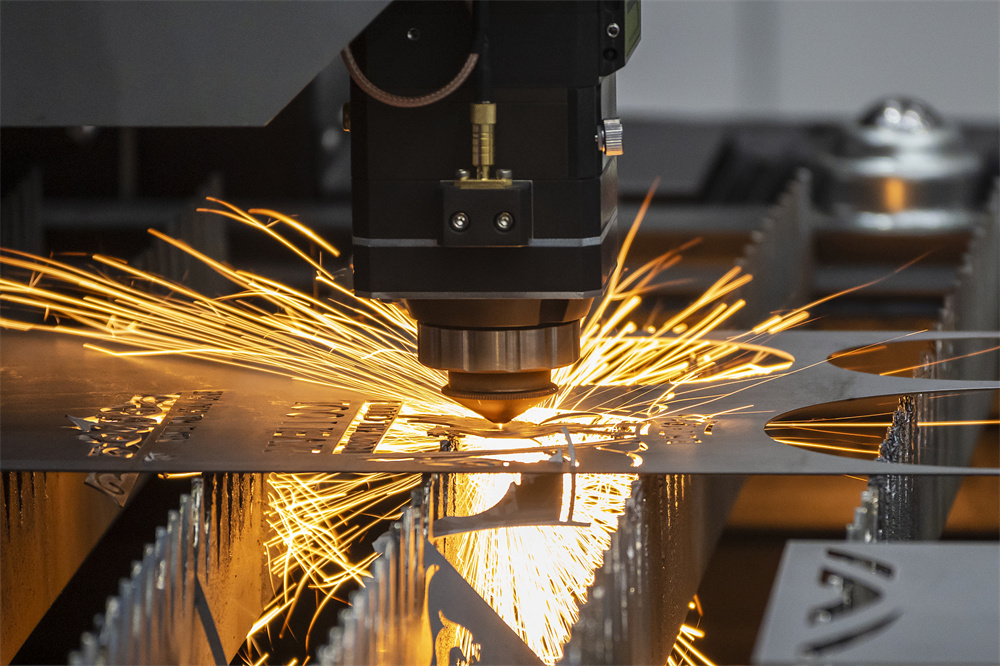
For heavy industrial applications requiring the cutting of 30mm+ plates or extreme production speeds, high-wattage lasers are necessary. These systems can cost anywhere from $200,000 to over $500,000. The price reflects not only the massive power of the laser source but also the reinforced machine beds and ultra-fast linear motors required to handle the dynamic forces of high-speed cutting. These machines are designed for 24/7 operation in demanding environments.
Main Cost Drivers: What Are You Paying For?
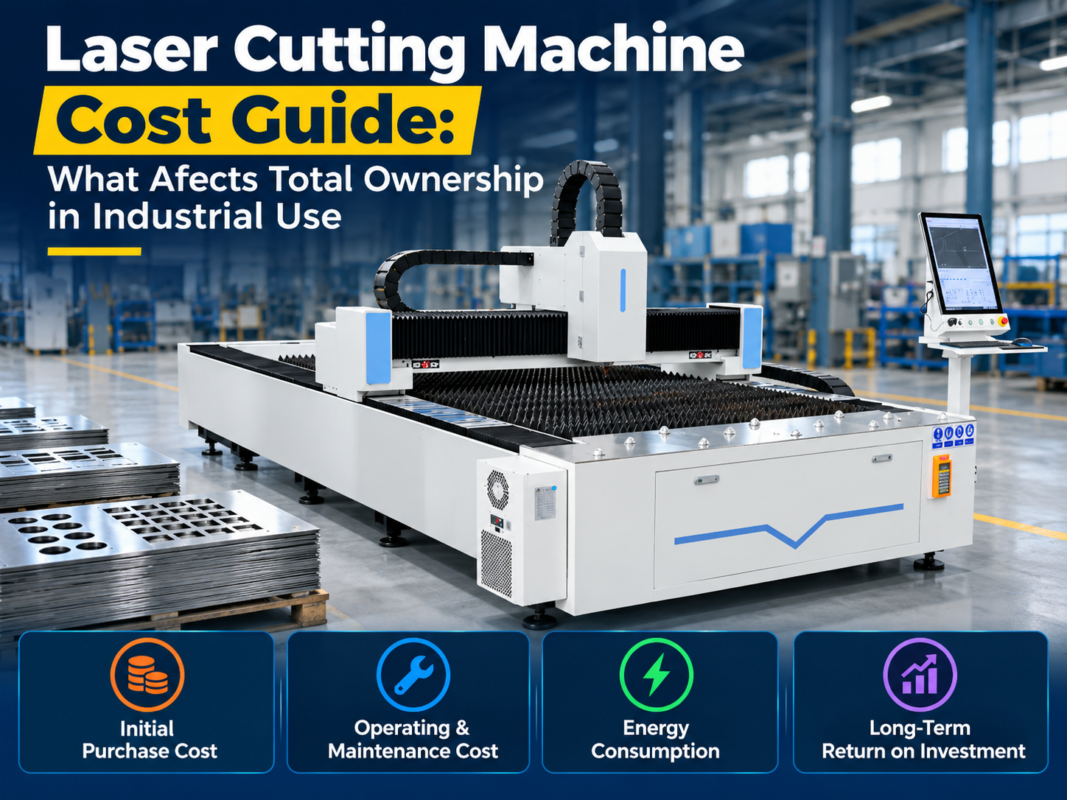
When evaluating a quote, it is essential to break down the components. The Laser Cutting Machine Price : Impacts Cost Budget Wisely is primarily driven by four major components: the laser source, the cutting head, the CNC system, and the mechanical structure.
The Laser Source: The Heart of the Machine
The laser source is the single most expensive component, often accounting for 30% to 50% of the total machine cost. Fiber laser sources from brands like IPG Photonics, nLIGHT, or Raycus vary in price based on their stability, beam quality, and global service network. IPG is often considered the gold standard with a premium price, while Raycus offers a highly competitive price-to-performance ratio that has become a favorite for many international buyers. The wattage is the primary multiplier here; doubling the wattage does not just double the price—it often increases it exponentially due to the cooling and power delivery requirements.
The Cutting Head and Optics
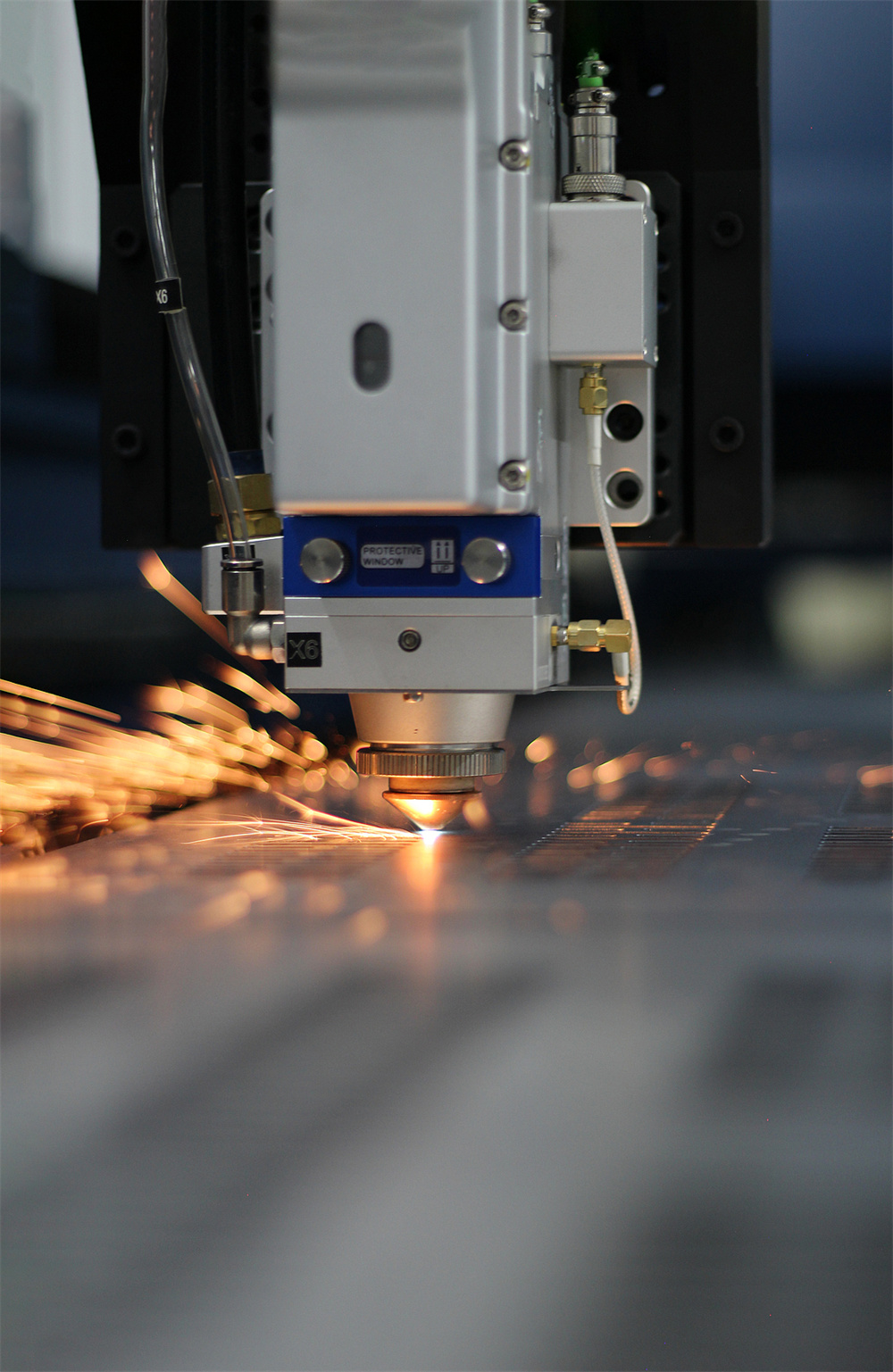
The cutting head (such as those from Precitec or Raytools) is responsible for focusing the laser beam and managing the assist gas. High-end heads feature auto-focusing capabilities, which significantly reduce setup time and improve cut quality across varying material thicknesses. An intelligent cutting head with integrated sensors for pierce detection and back-reflection protection will add several thousand dollars to the price but can save much more in prevented downtime and nozzle life.
CNC Controller and Software
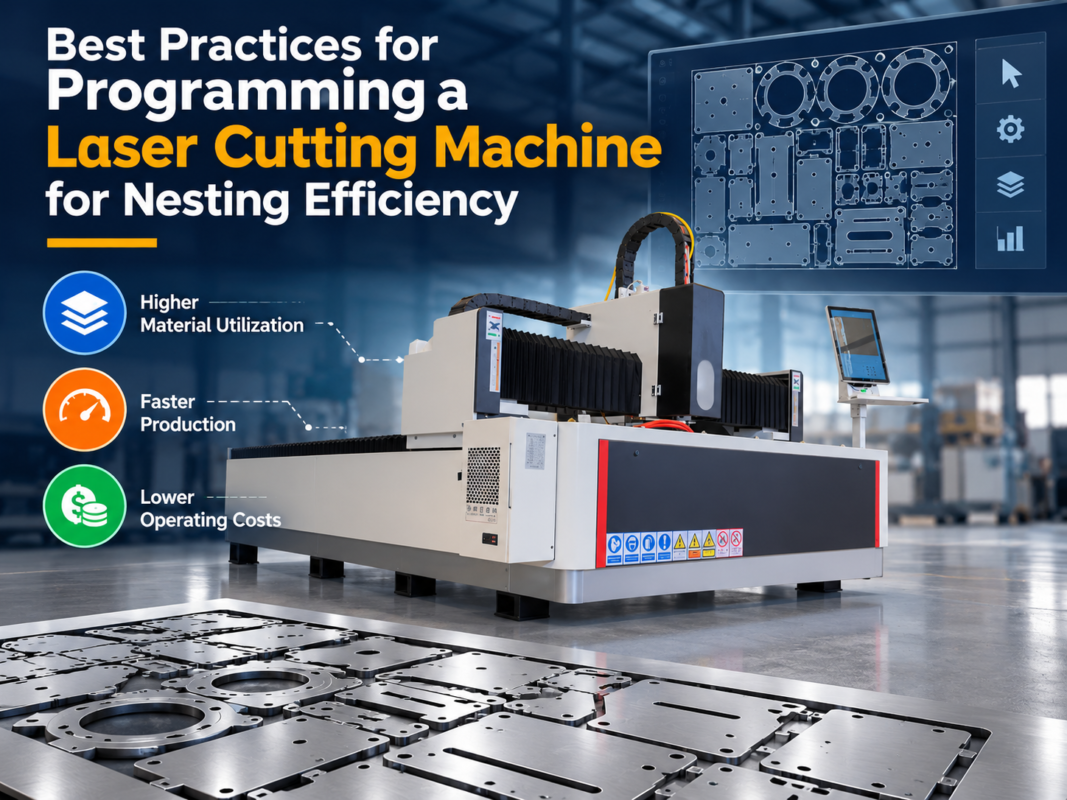
The “brain” of the machine, the CNC controller (like CypCut, Beckhoff, or FSCUT), dictates how effectively the machine translates a CAD file into a finished part. Advanced software suites include nesting algorithms that minimize material waste, which can save a shop thousands of dollars in raw material costs annually. While basic controllers are cheaper, investing in a robust, user-friendly system like the ones found on HARSLE machines ensures that operators can maximize the machine’s potential with minimal training.
Configuration Impact: Customizing for Your Needs
Beyond the core components, the physical configuration of the machine plays a massive role in the final price. To budget wisely, you must decide which “extras” are actually necessities for your specific workflow.
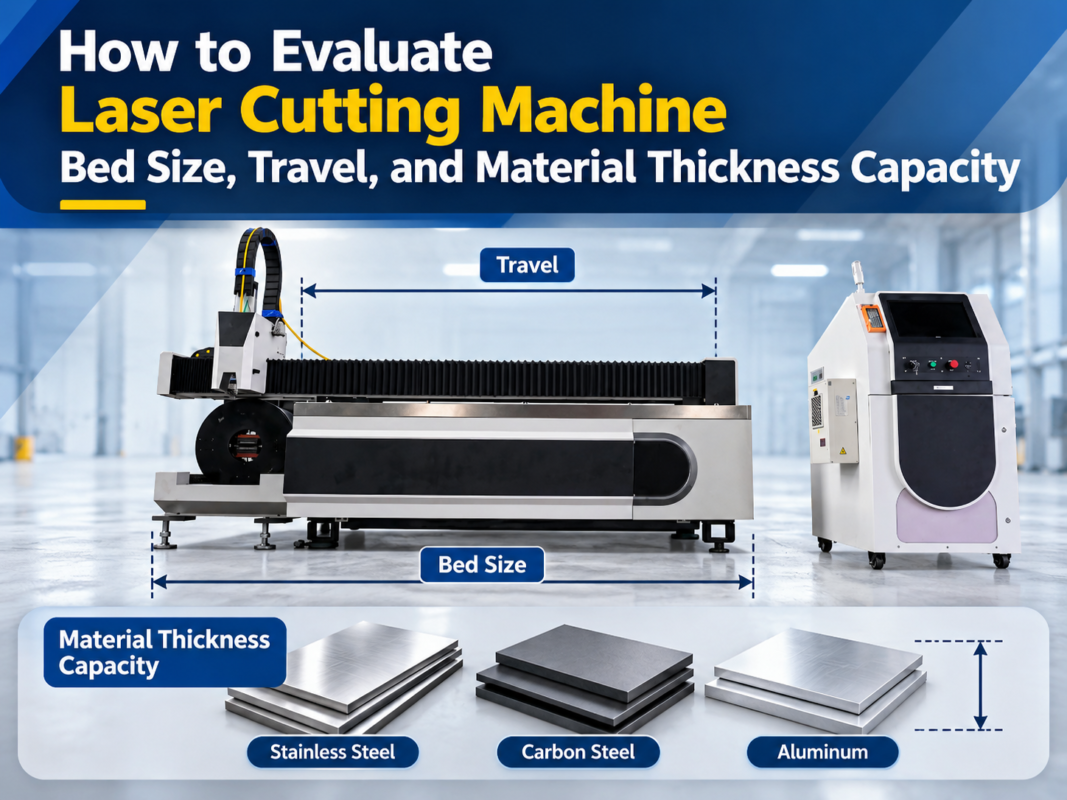
Bed Size and Working Area
Standard bed sizes like 3015 (3000mm x 1500mm) are the most cost-effective because they are mass-produced. Moving to larger formats like 4020 or 6025 increases the cost not just because of the extra steel, but because the gantry must be more rigid to maintain accuracy over a longer span. If you rarely cut large sheets, sticking to a standard size is a smart way to keep the Laser Cutting Machine Price under control.
Exchange Tables and Automation
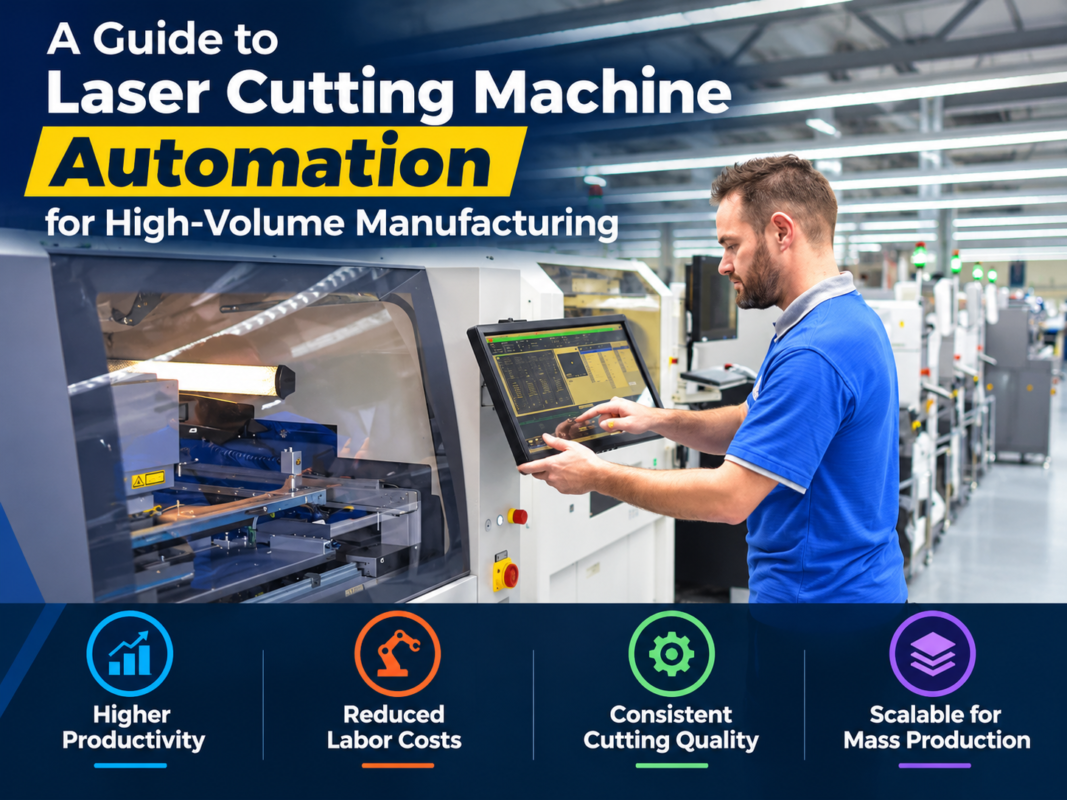
An automatic exchange table allows the operator to load a new sheet while the machine is cutting another. This can increase productivity by 30-50%. However, it adds significant cost and requires more floor space. For high-volume shops, this is a non-negotiable feature. For prototype shops, a single-table machine might be a more prudent financial choice.
Tube Cutting Attachments
Many modern fiber lasers offer a “dual-use” configuration with a rotary axis for cutting pipes and tubes. This is a cost-effective way to add capability without buying a dedicated tube laser. While it increases the initial investment, the ROI is often very high because it opens up new market opportunities for the business.
Hidden Costs: Beyond the Purchase Price
One of the biggest mistakes buyers make is budgeting only for the machine itself. To Budget Wisely, you must account for the total cost of ownership (TCO).
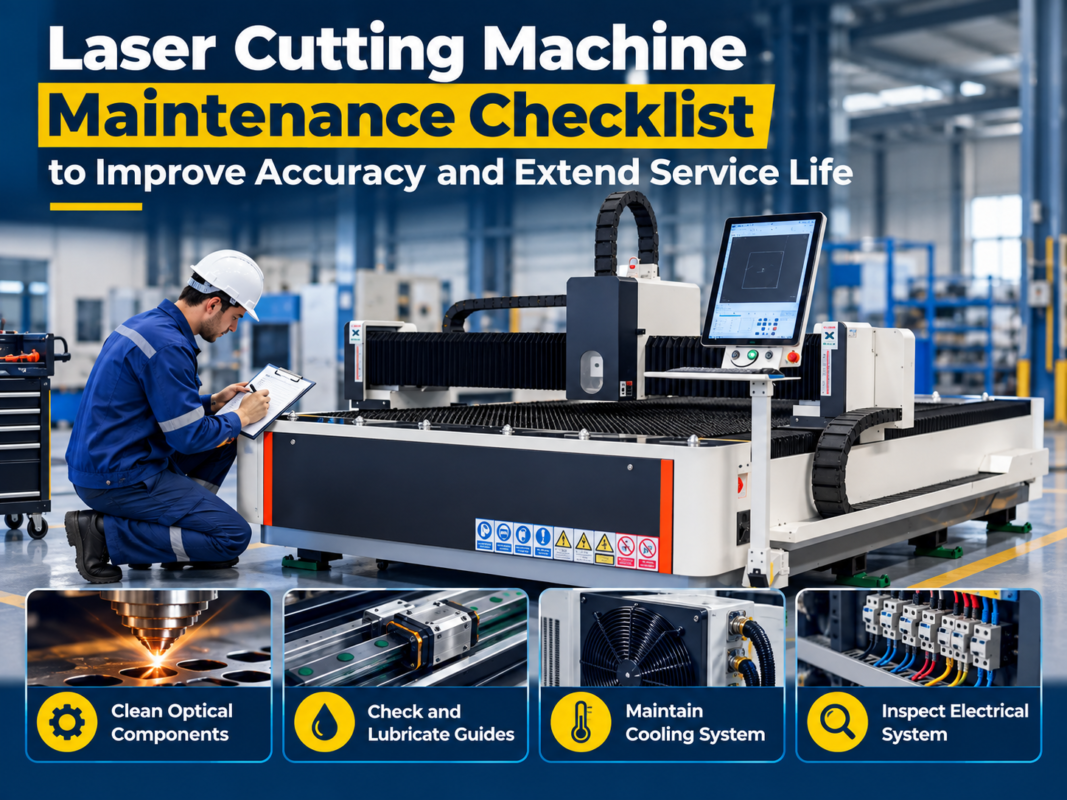
- Installation and Commissioning: Shipping a multi-ton machine across the globe involves freight, insurance, and local rigging costs. Once it arrives, a technician must level the machine, calibrate the optics, and integrate it with your power supply.
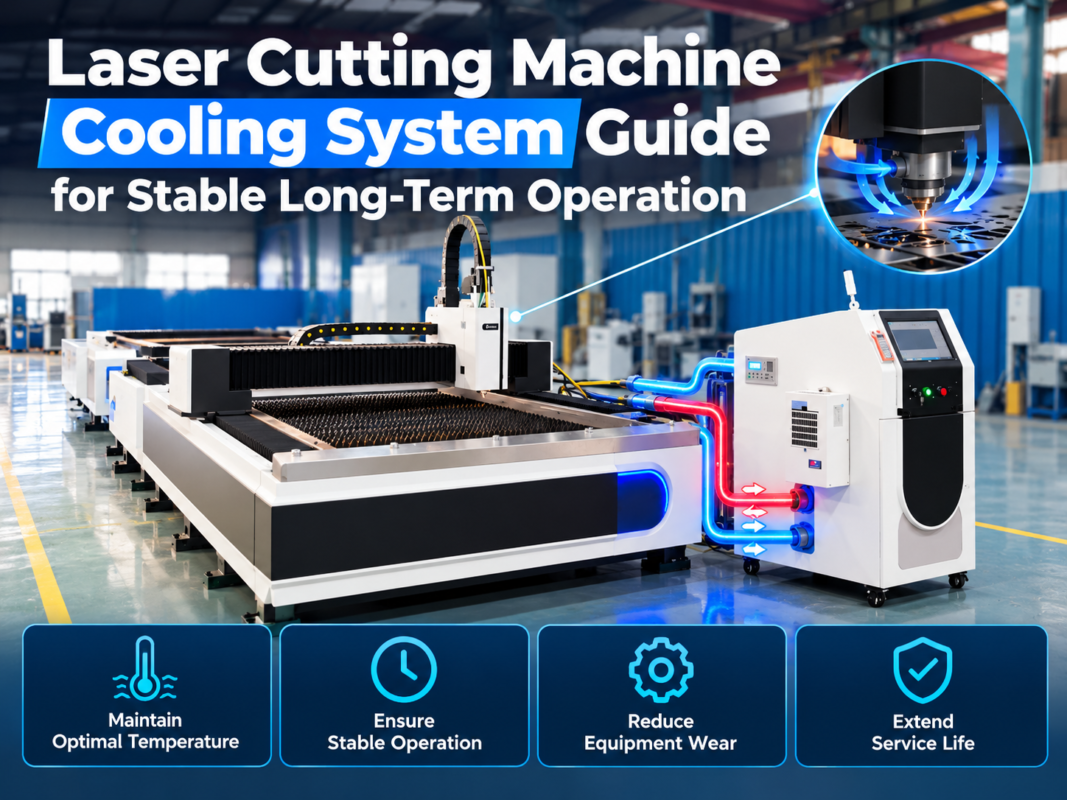
- Auxiliary Equipment: A fiber laser requires a high-quality water chiller, a stabilized power supply (voltage regulator), and an air compressor or gas manifold system. These can add $5,000 to $15,000 to your initial outlay.
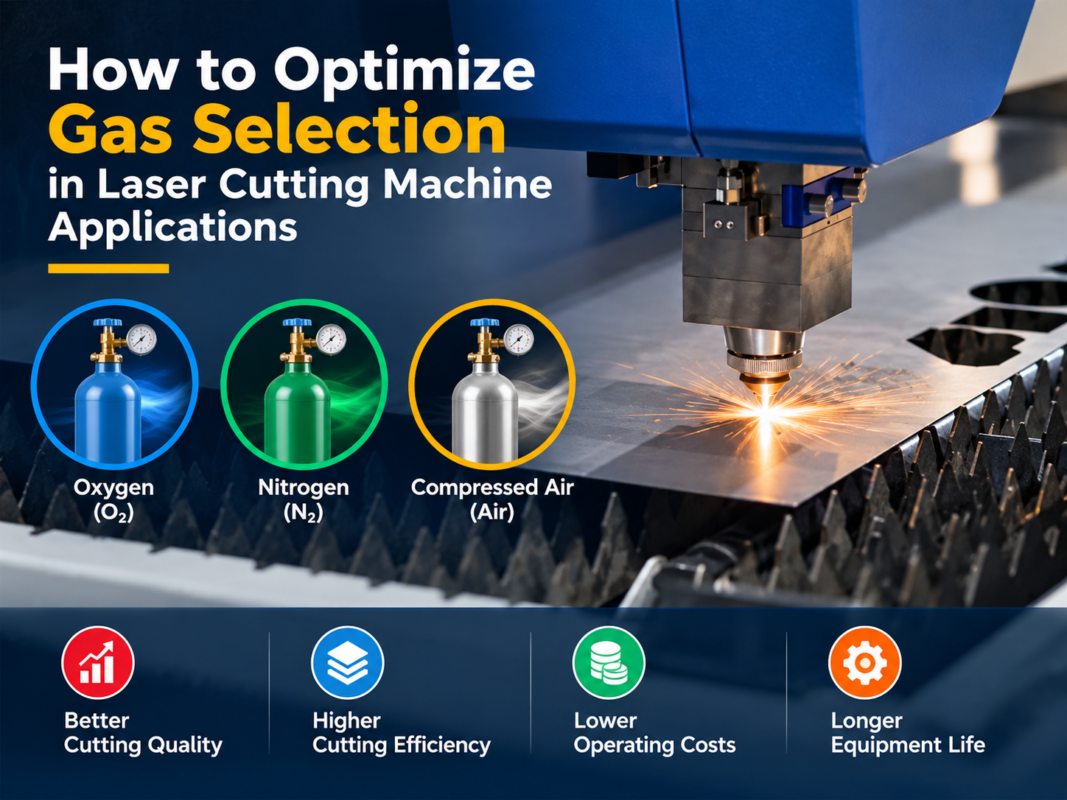
- Assist Gases: The cost of Nitrogen or Oxygen can be substantial. Many shops are now investing in high-pressure air cutting systems to eliminate gas costs, but this requires a more expensive, high-spec air compressor.
- Consumables: Nozzles, protective windows, and ceramic rings are wear items. While individually cheap, they add up over a year of heavy production.
- Training: A machine is only as good as its operator. Budgeting for professional training ensures that your team doesn’t damage the expensive cutting head through simple errors.
ROI Calculation: Justifying the Investment
Calculating the Return on Investment (ROI) is the most important step in the budgeting process. To do this, compare the cost of owning the machine against your current costs (either outsourcing or using older technology). Consider the following factors:
| Factor | Impact on ROI |
|---|---|
| Labor Savings | High-speed lasers reduce the man-hours required per part. |
| Material Utilization | Advanced nesting software reduces scrap metal waste. |
| Secondary Operations | Laser cutting often eliminates the need for deburring or grinding. |
| Lead Times | In-house cutting allows for faster turnaround and better inventory control. |
Most HARSLE customers find that their machines pay for themselves within 12 to 24 months when utilized at 60% capacity or higher. By understanding the Laser Cutting Machine Price : Impacts Cost Budget Wisely, you can project these savings more accurately and secure financing with confidence.
Buying Advice: How to Choose the Right Machine
When you are ready to move forward, follow these steps to ensure you get the best value for your money:
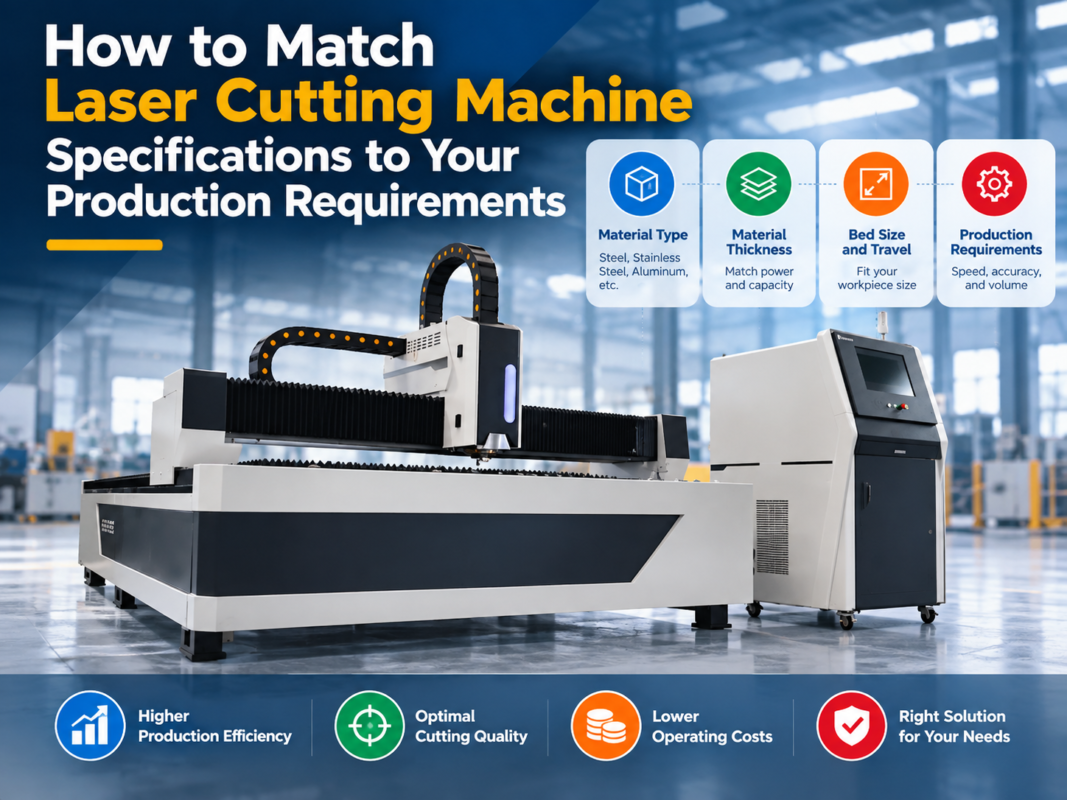
- Define Your Material Mix: Don’t buy a 12kW machine if 90% of your work is 3mm stainless steel. A 3kW machine will be more efficient and have lower operating costs for that specific range.
- Request Cut Samples: Send your most challenging CAD files to the manufacturer. The quality of the edge and the speed of the cut will tell you more than any spec sheet.
- Check the After-Sales Support: A cheap machine becomes the most expensive machine in the world if it sits idle for three weeks waiting for a spare part. Ensure the manufacturer has a reliable service protocol.
- Consider the Frame Construction: Look for a machine with a heat-treated, stress-relieved bed. This prevents the frame from deforming over years of thermal cycles, ensuring the machine stays accurate for a decade or more.
Frequently Asked Questions (FAQ)
What is the average lifespan of a fiber laser source?
Most modern fiber laser sources, such as those from Raycus or IPG, are rated for approximately 100,000 hours of operation. In a typical single-shift environment, this equates to over 20 years of use. However, the actual lifespan depends heavily on the cleanliness of the environment and the consistency of the cooling system.
Can I cut reflective materials like copper and brass?
Yes, but you need a fiber laser. Older CO2 lasers struggled with back-reflection, which could damage the machine. Fiber lasers are much better suited for reflective metals, though it is still recommended to use a source with back-reflection protection if you plan to cut these materials frequently.
Is air cutting really cheaper than nitrogen?
In terms of gas cost, yes. However, air cutting requires a high-pressure compressor and a sophisticated filtration system to ensure the air is dry and oil-free. While the initial investment in the compressor is higher, the long-term savings on gas cylinders or bulk liquid nitrogen are massive, often paying for the compressor in less than a year.
How much space do I need for a laser cutting machine?
A standard 3015 machine with an exchange table typically requires a footprint of about 10 meters by 5 meters, including space for the chiller, electrical cabinet, and material handling. Always leave at least 1.5 meters of clearance around the machine for maintenance access.
Does HARSLE provide training for new operators?
Yes, HARSLE provides comprehensive training and support. We understand that the Laser Cutting Machine Price : Impacts Cost Budget Wisely includes the human element. Our technicians guide your team through software operation, machine maintenance, and safety protocols to ensure you get the most out of your investment from day one.
Conclusion
Investing in a laser cutting machine is a transformative step for any metal fabrication business. While the Laser Cutting Machine Price : Impacts Cost Budget Wisely can seem complex, breaking it down into its core components—power, configuration, and operating costs—allows for a clear-eyed financial decision. By focusing on your specific production needs and accounting for the total cost of ownership, you can select a machine that not only fits your budget today but also drives profitability for years to come. HARSLE remains committed to providing the technical expertise and robust machinery needed to help your business thrive in a competitive global market.