A Practical Buying Guide to High-Power Laser Cutting Machines for Heavy-Duty Production


Introduction to High-Power Laser Cutting in Modern Industry
In the rapidly evolving landscape of metal fabrication, the demand for efficiency, precision, and the ability to handle thicker materials has led to a significant technological shift. High-power laser cutting machines, typically defined as those with power outputs exceeding 12kW, have become the cornerstone of heavy-duty production environments. Whether you are involved in shipbuilding, heavy machinery manufacturing, or large-scale structural steel projects, understanding the nuances of A Practical Buying High-Power Laser Cutting Machines Heavy-Duty Production is essential for making a sustainable investment.
The transition from traditional plasma cutting or lower-wattage fiber lasers to high-power systems is not merely about speed; it is about redefining the capabilities of a fabrication shop. High-power lasers offer the ability to cut through thick carbon steel, stainless steel, and aluminum with a level of edge quality that significantly reduces or eliminates the need for secondary finishing processes. This guide aims to provide a comprehensive roadmap for procurement officers and business owners looking to navigate the complex market of high-power laser technology.
Price Range Overview: What to Expect
When discussing high-power laser cutting machines, the price spectrum is broad, reflecting the vast differences in technology, build quality, and brand reputation. Generally, for heavy-duty production, you are looking at machines starting from 12kW and reaching upwards of 60kW or even 100kW in specialized applications. A 12kW machine might start in the range of $150,000 to $250,000, depending on the bed size and additional features. As you move into the 20kW to 30kW range, prices often climb between $300,000 and $500,000.
For ultra-high-power systems (40kW and above), the investment can easily exceed $700,000. These prices are not arbitrary; they reflect the sophisticated engineering required to manage the intense heat and precision necessary for thick-plate processing. It is important to note that the initial purchase price is only one part of the equation. Buyers must also consider the regional variations in pricing, import duties, and the level of local support provided by the manufacturer. A lower-priced machine from an unverified source may end up costing more in downtime and repairs than a premium system from a reputable brand like HARSLE.
Main Cost Drivers in High-Power Systems
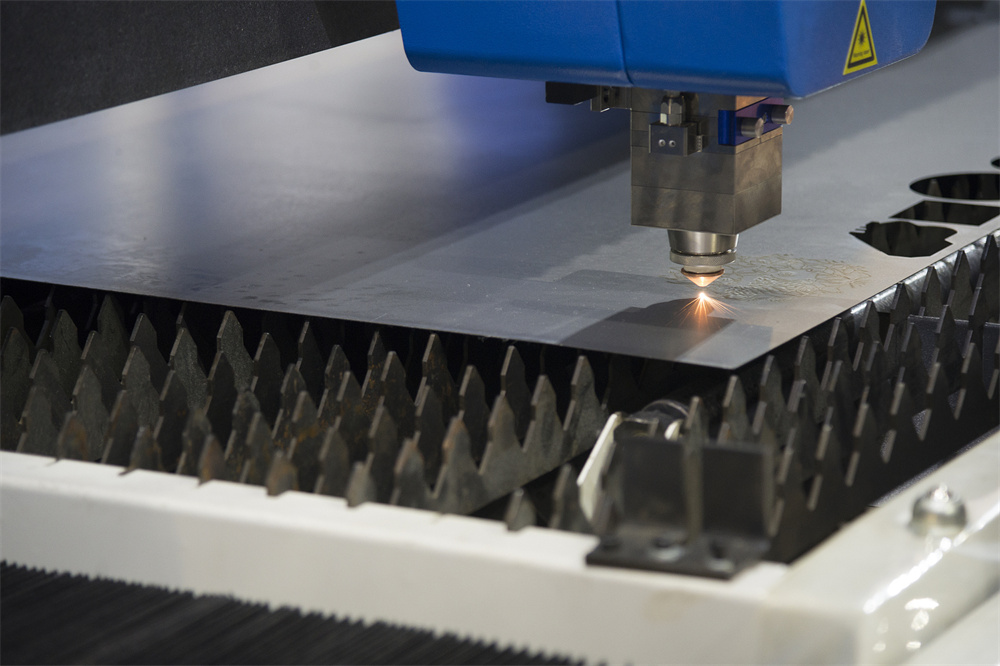
The most significant cost driver in any fiber laser machine is the laser source itself. Brands like IPG Photonics, nLIGHT, and Raycus dominate the market. IPG is often considered the gold standard for stability and global support, which commands a premium price. nLIGHT offers excellent back-reflection protection, which is vital for cutting reflective materials like brass and copper. Raycus provides a highly competitive price-to-performance ratio, making high-power technology more accessible to a wider range of fabricators.
Beyond the laser source, the machine bed’s construction is a critical cost factor. For heavy-duty production, a standard sheet metal frame is insufficient. High-power machines require heavy, heat-treated, and stress-relieved welded beds or cast-iron beds to withstand the dynamic forces of high-speed movement and the thermal load of the laser. The gantry material—often high-strength aviation aluminum or carbon fiber—also impacts the cost, as it dictates the machine’s acceleration and overall throughput.
Configuration Impact: Tailoring the Machine to Your Needs
Configuration is where a machine is optimized for specific production goals. For heavy-duty applications, an automatic exchange table (shuttle table) is almost mandatory. This allows the operator to load new sheets and unload finished parts while the machine is cutting, maximizing the beam-on time. Without an exchange table, the productivity gains of a 20kW laser are largely wasted during the loading cycle.
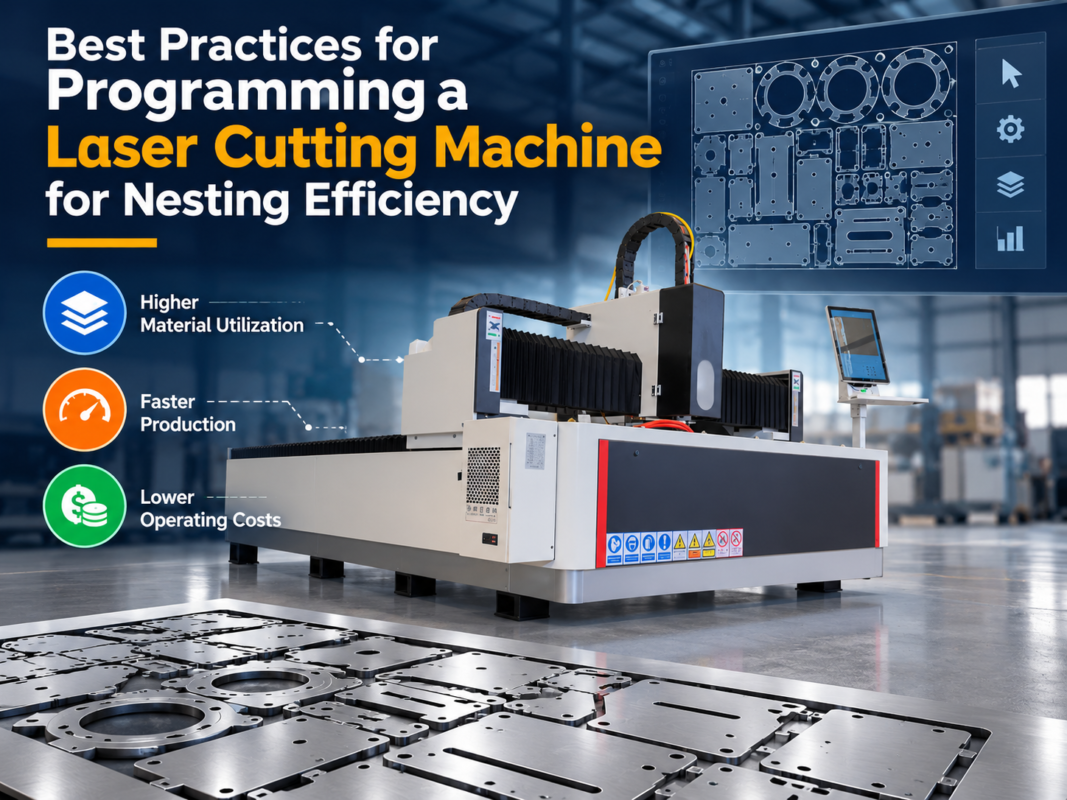
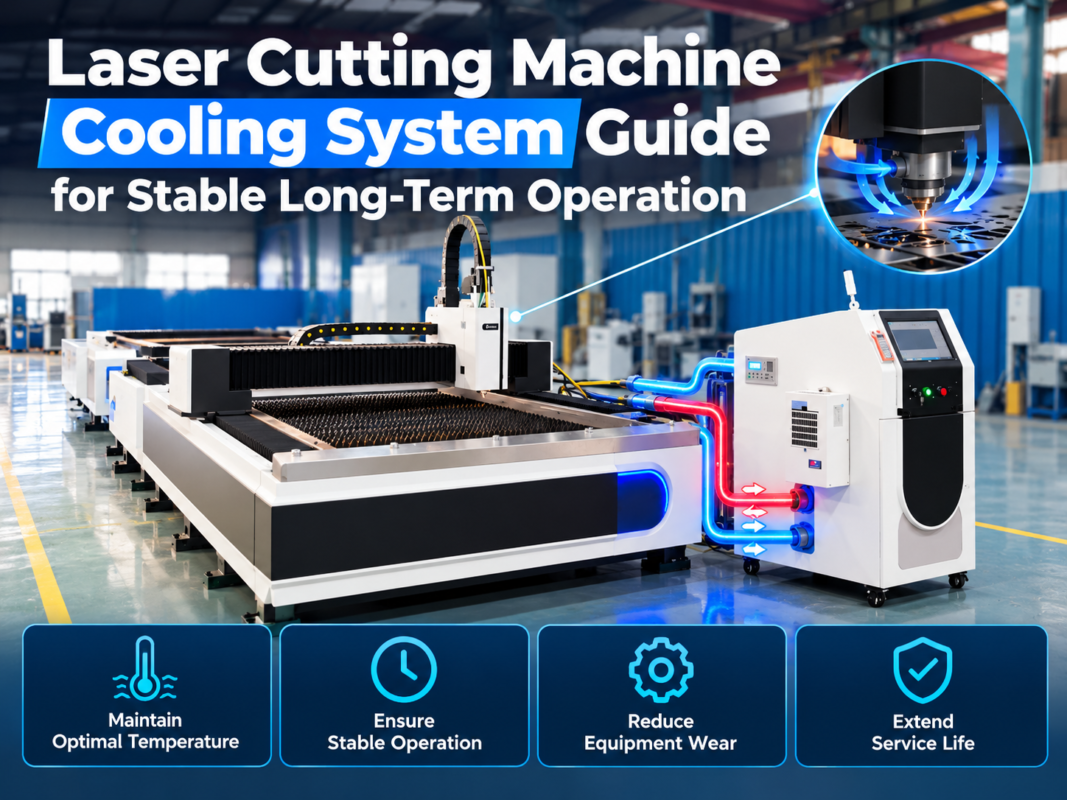
The cutting head is another vital component. High-power machines require specialized heads, such as those from Precitec or specialized proprietary designs, that feature advanced cooling systems and autofocus capabilities. These heads must handle the high gas pressures and thermal energy without degrading the lens. Furthermore, the choice of CNC system (e.g., Beckhoff or FSCUT) and nesting software can significantly impact the ease of use and material utilization rates. A sophisticated system can optimize the cutting path to prevent heat buildup in thick plates, ensuring consistent quality across the entire nest.
Hidden Costs of High-Power Laser Ownership
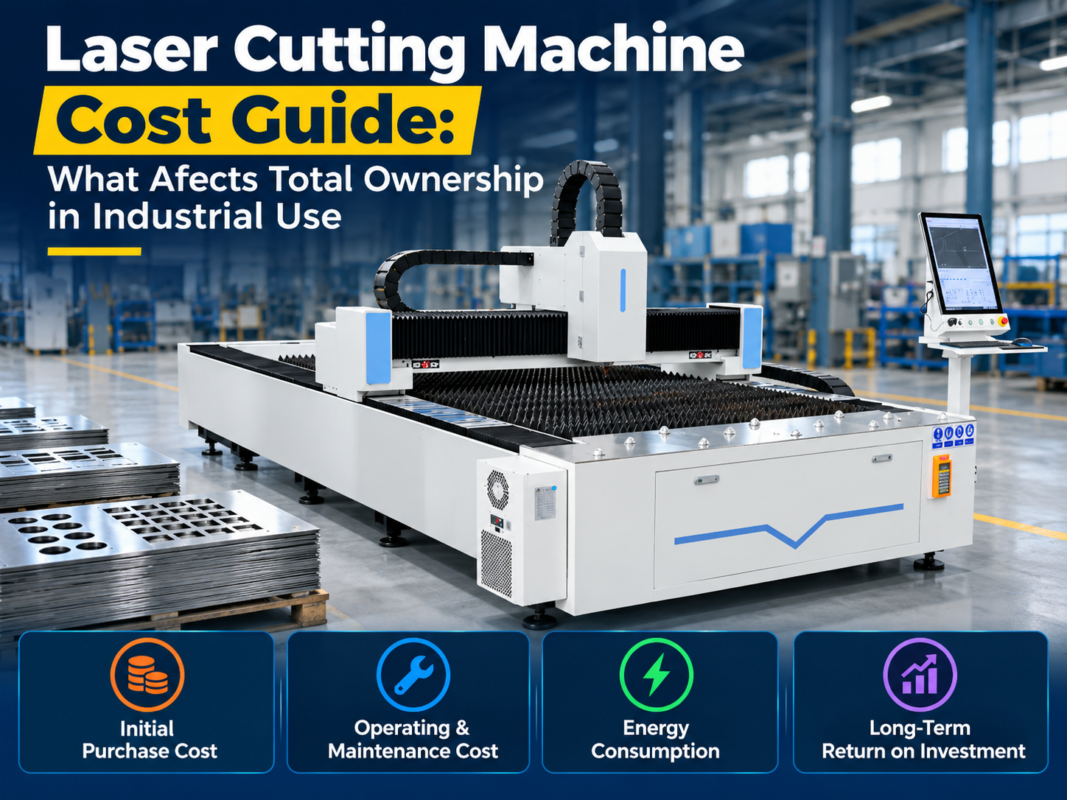
While the sticker price is the most visible expense, several hidden costs can affect the total cost of ownership (TCO). Power consumption is a major factor; a 30kW laser system, including the chiller and dust extractor, requires a substantial electrical infrastructure. You may need to upgrade your facility’s power supply or install dedicated transformers, which can cost tens of thousands of dollars.
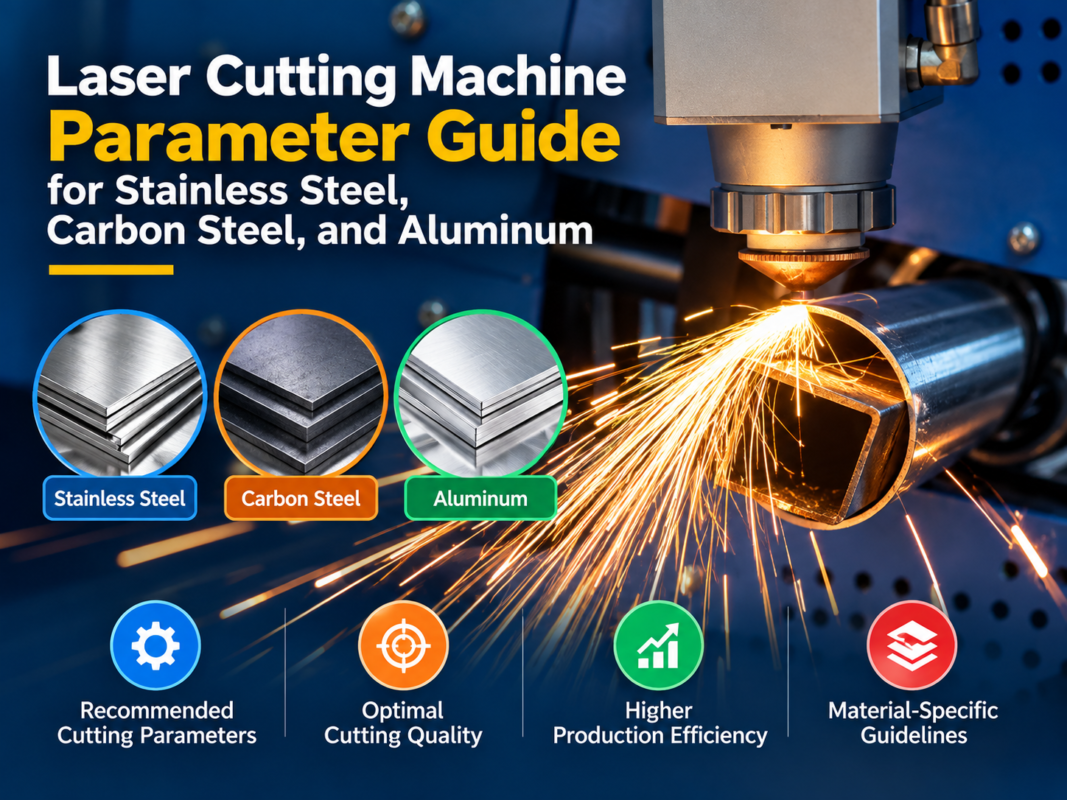
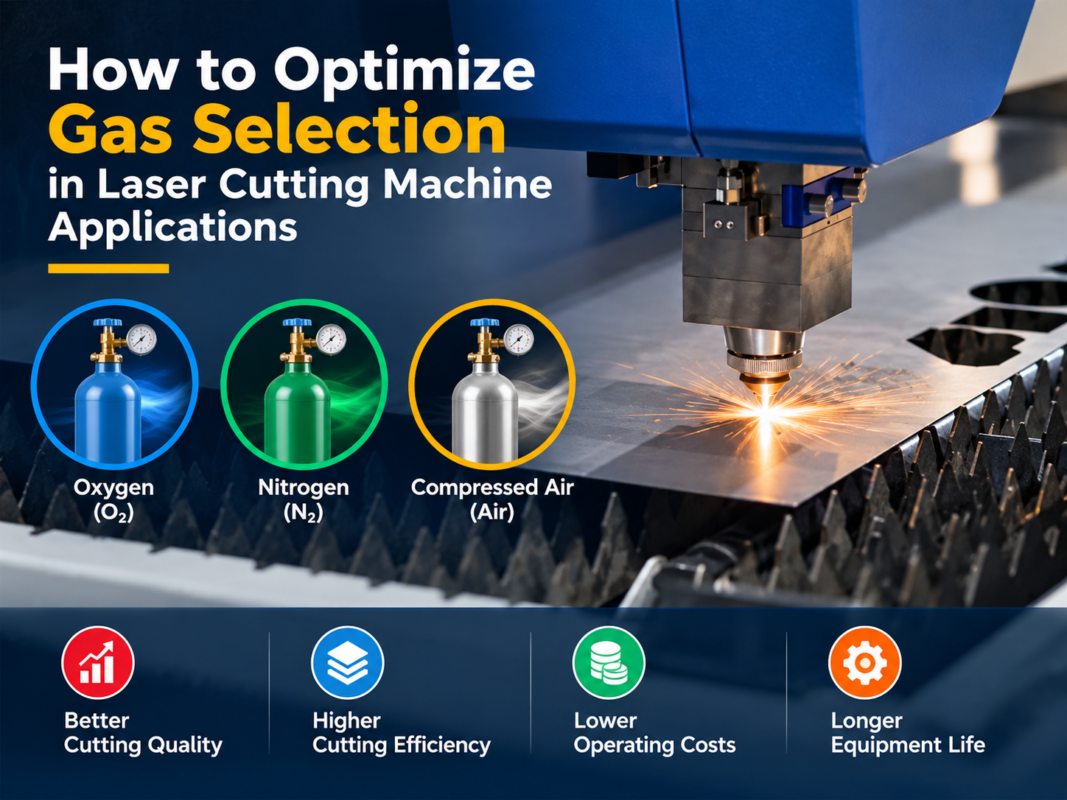
Consumables are another ongoing expense. While fiber lasers have fewer consumables than CO2 lasers, high-power cutting still requires nozzles, protective windows, and ceramic rings. In heavy-duty production, these parts are subjected to extreme conditions and may need frequent replacement. Additionally, the cost of assist gases—Oxygen for carbon steel and Nitrogen or High-Pressure Air for stainless and aluminum—can be significant. Many shops investing in high-power lasers also invest in Nitrogen generators to mitigate long-term gas costs.
ROI Calculation: When Does High Power Pay Off?
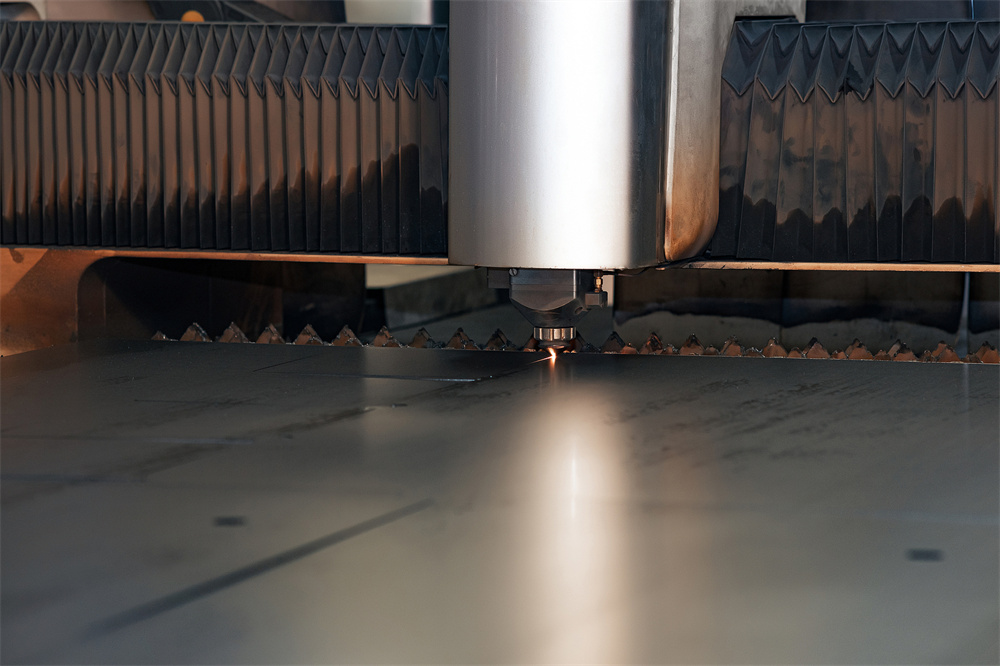
Calculating the Return on Investment (ROI) for a high-power laser involves more than just looking at cutting speed. The real value lies in the “cost per part.” For example, a 20kW laser can cut 20mm carbon steel significantly faster than a 6kW laser, but it also uses more electricity. However, because the 20kW machine can produce three to four times as many parts in the same shift, the labor cost per part drops dramatically.
Furthermore, high-power lasers often produce a superior edge finish on thick materials. If your current process involves plasma cutting followed by grinding or milling, a high-power fiber laser can eliminate those secondary steps entirely. The savings in labor and the reduction in lead times often mean that a $400,000 investment in a high-power machine can pay for itself faster than a $150,000 investment in a lower-power machine that creates a production bottleneck.
Buying Advice: A Practical Checklist
When you are ready to move forward with A Practical Buying Guide To High-Power Laser Cutting Machines For Heavy-Duty Production, follow this checklist to ensure a successful acquisition:
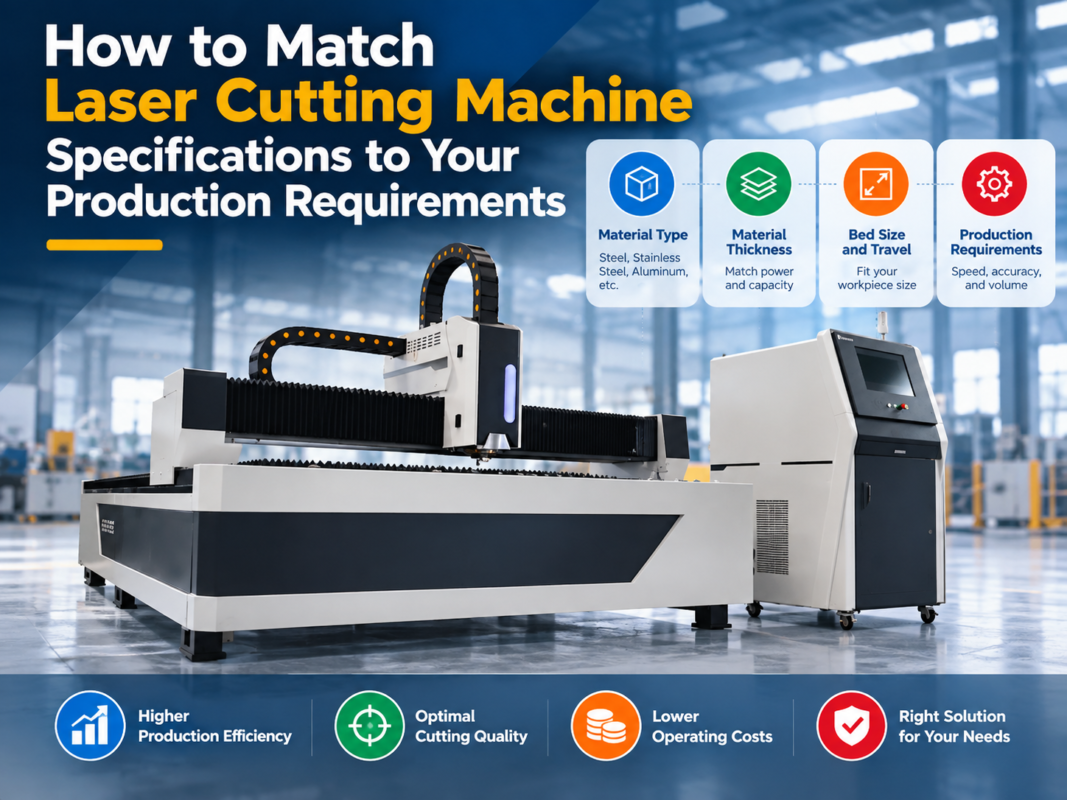
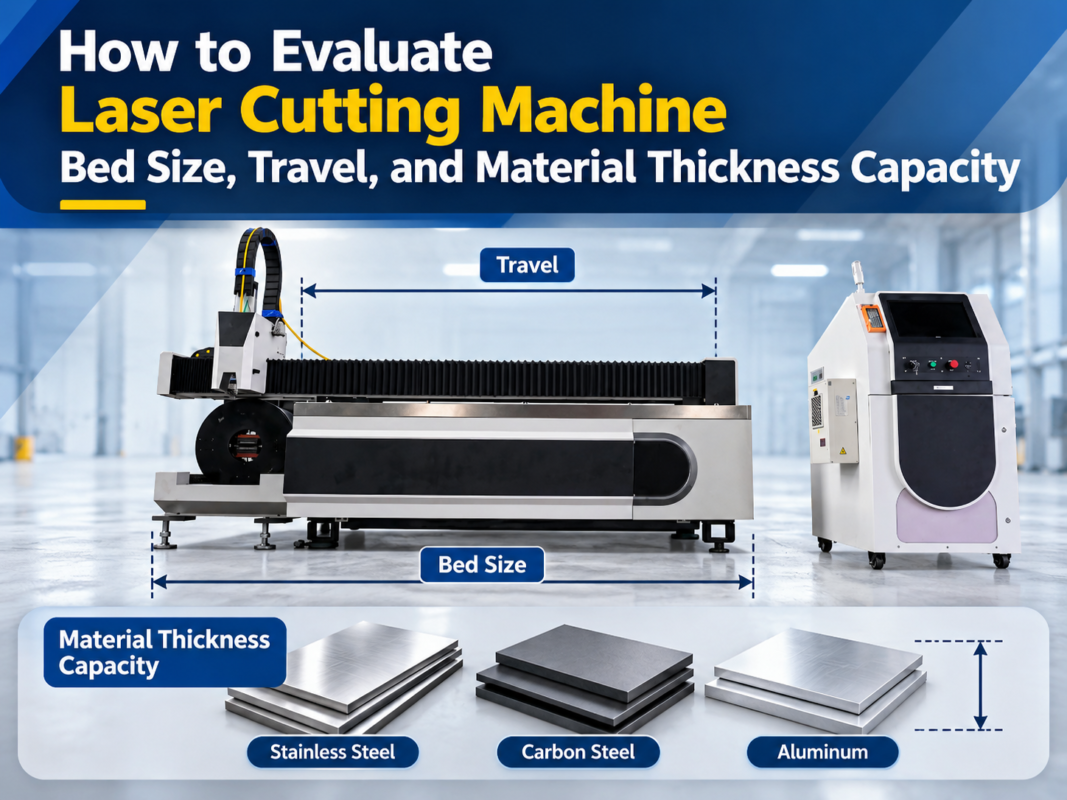
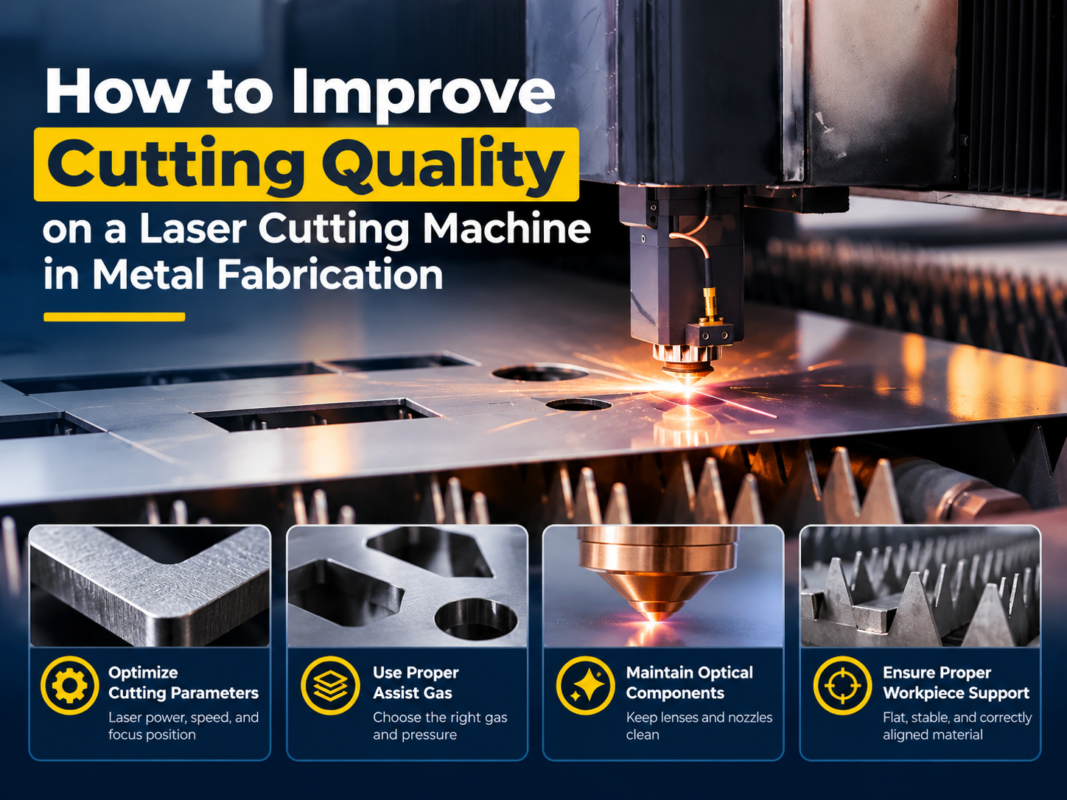
- Define Your Material Mix: Don’t just buy the highest power available. Analyze your typical material thickness. If 90% of your work is under 12mm, a 30kW machine might be overkill. If you regularly cut 25mm+, high power is essential.
- Verify the Bed Structure: Ask for details on the bed’s weight and the heat treatment process. A light bed will vibrate at high speeds, ruining the precision and shortening the machine’s lifespan.
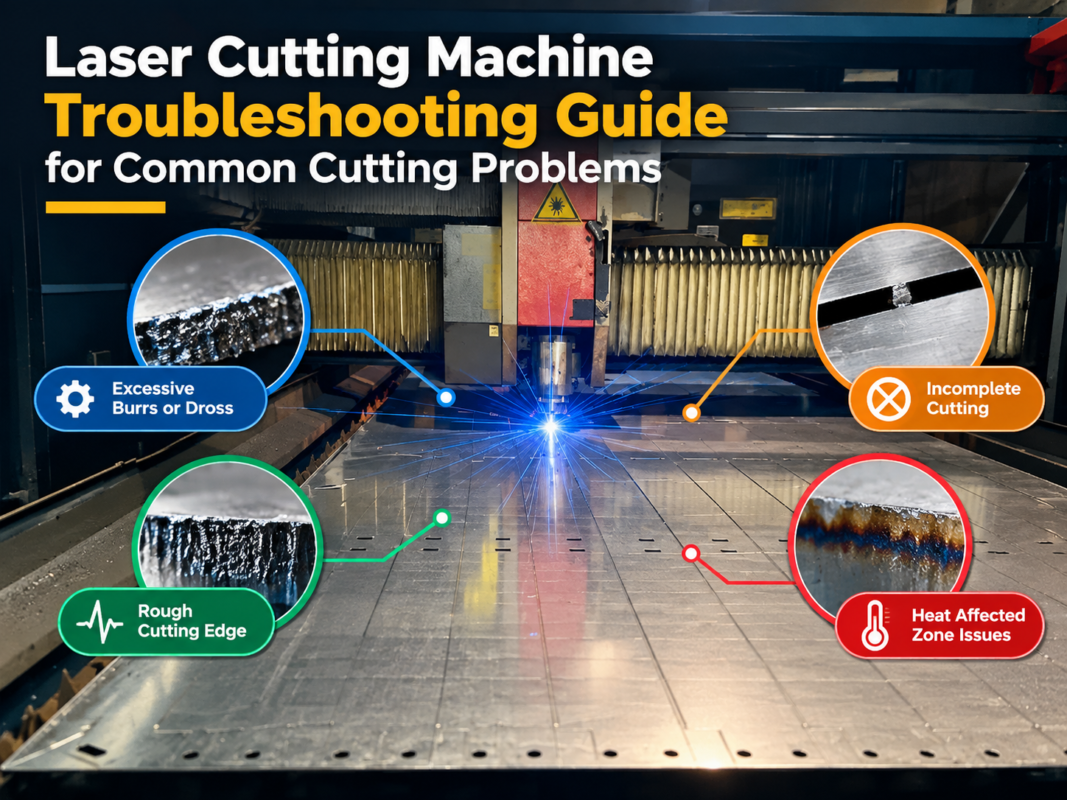
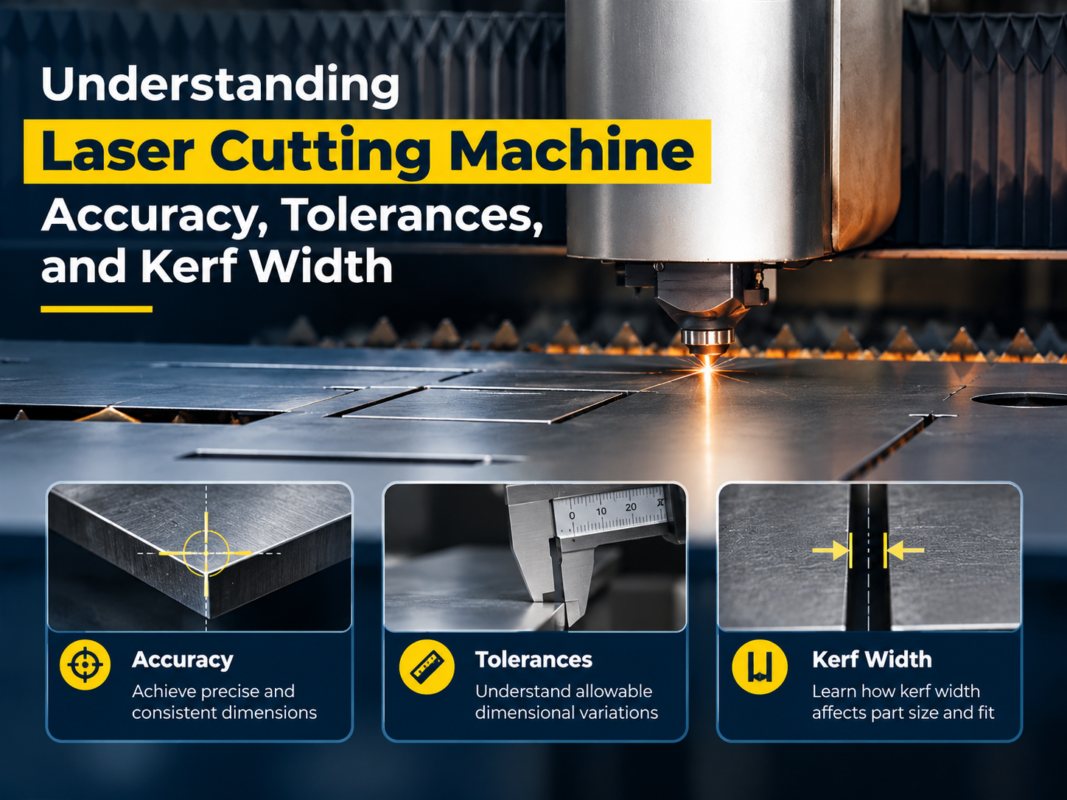
- Test Cut Your Parts: Never buy a machine based on a brochure. Send your most challenging CAD files to the manufacturer and request a live demo or video of the actual parts being cut, including measurements of the edge taper and roughness.
- Evaluate After-Sales Support: High-power machines are complex. Ensure the manufacturer has a local service team or a robust remote diagnostics system. Check the availability and pricing of spare parts.
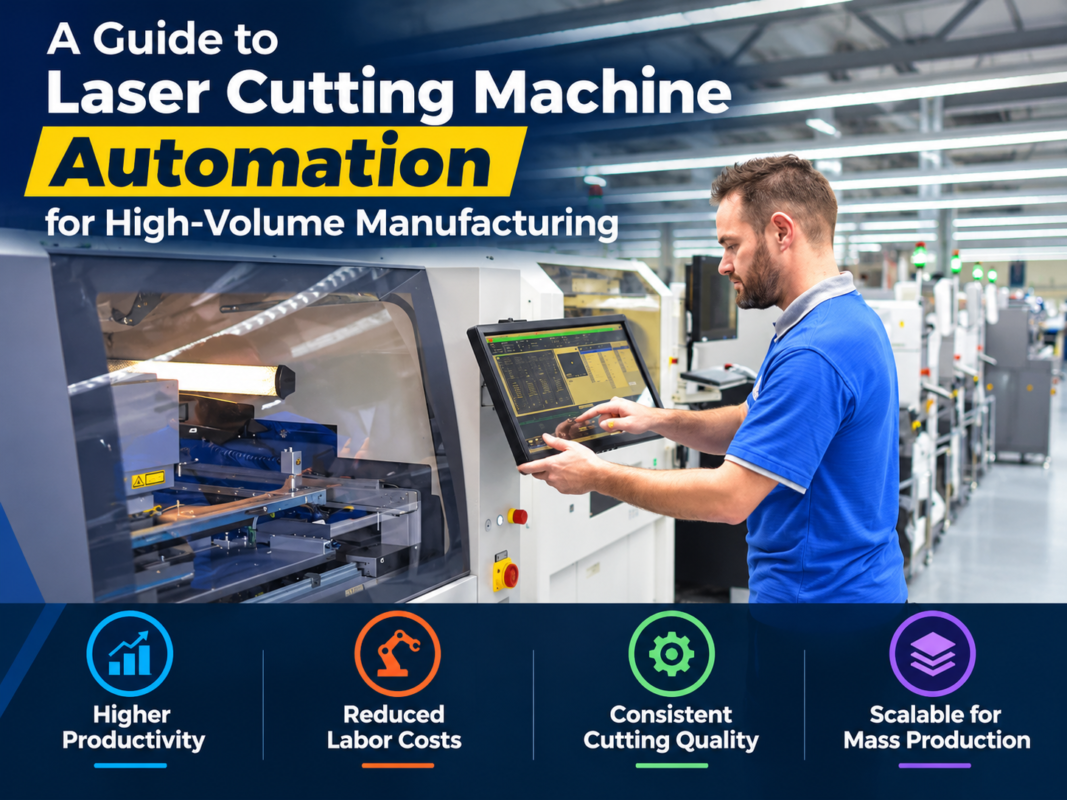
- Consider Automation: For heavy-duty production, look into large-format beds (e.g., 6m or 12m) and automated loading/unloading systems to truly leverage the speed of the laser.
Frequently Asked Questions (FAQ)
What is the maximum thickness a 20kW laser can cut?
A 20kW fiber laser can typically cut carbon steel up to 50mm-70mm and stainless steel up to 50mm. However, the “production” thickness—where the cut is fast and the quality is high—is usually up to 25mm-30mm for carbon steel.
Is air cutting viable for heavy-duty production?
Yes, with high-power lasers (12kW+), high-pressure air cutting is becoming very popular for stainless steel and even carbon steel up to 20mm. It significantly reduces gas costs compared to Nitrogen, though it requires a high-quality compressor and filtration system to ensure the air is dry and oil-free.
How long does a fiber laser source last?
Most reputable fiber laser sources are rated for 100,000 hours of operation. In a typical two-shift production environment, this equates to over 15-20 years of service, provided the machine is maintained correctly and the environment is kept clean.
Do I need a special foundation for a high-power laser?
Yes, most heavy-duty laser machines require a reinforced concrete floor, often 200mm to 300mm thick, to ensure stability and prevent the machine from sinking or shifting over time, which would ruin the alignment of the gantry and the laser beam.
What is the difference between a single-platform and an exchange-platform machine?
A single-platform machine has one cutting area, meaning the machine must stop while you load and unload. An exchange-platform machine has two tables that swap places in about 15-20 seconds, allowing the laser to keep cutting almost continuously, which is vital for heavy-duty ROI.
Conclusion
Investing in a high-power laser cutting machine is a transformative step for any metal fabrication business. By focusing on the right configuration, understanding the true cost drivers, and calculating the ROI based on throughput rather than just initial price, you can secure a competitive advantage in the heavy-duty production market. Brands like HARSLE continue to push the boundaries of what is possible, offering robust solutions that balance power, precision, and value. As you embark on this journey, remember that the best machine is not just the most powerful one, but the one that most accurately fits your production workflow and long-term business goals.