How to Choose a Laser Cutting Machine for Automotive Parts Manufacturing: A Comprehensive Guide


Introduction to Laser Cutting in the Automotive Industry
The automotive manufacturing sector is undergoing a massive transformation, driven by the need for lightweight materials, complex geometries, and rapid prototyping. To stay competitive, manufacturers must understand how to choose a laser cutting machine for automotive parts manufacturing that balances precision, speed, and cost-effectiveness. From chassis components to intricate interior trim, laser technology has become the backbone of modern vehicle production.
Automotive parts often require high-strength steels (HSS), aluminum alloys, and even specialized composites. Traditional stamping dies are expensive and inflexible for low-to-medium volume production or frequent design changes. This is where fiber laser cutting machines shine, offering the ability to switch between designs with minimal downtime. However, selecting the right machine involves more than just picking the highest wattage; it requires a deep dive into technical specifications and long-term operational costs.
Price Range Overview: What to Expect
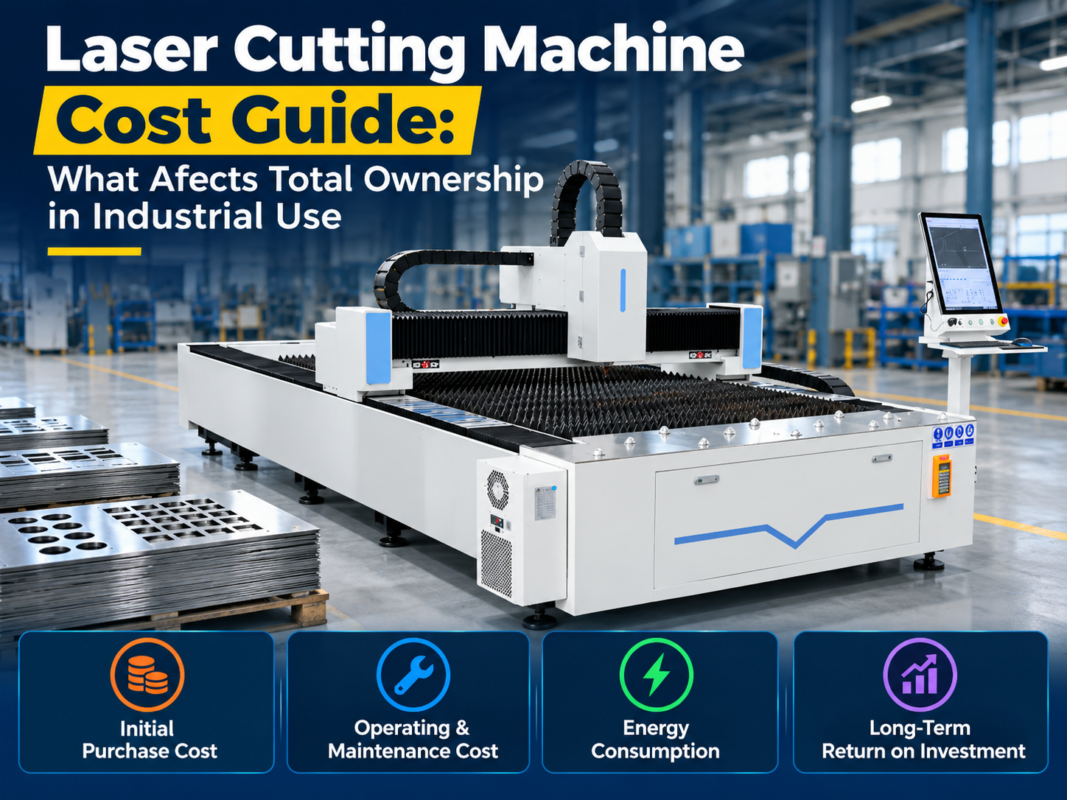
When you begin to choose a laser cutting machine for automotive parts manufacturing, the first hurdle is often the budget. The price of industrial laser cutters varies significantly based on power, bed size, and automation features. Generally, the market is divided into three main tiers: entry-level, mid-range, and high-end industrial systems.
Entry-level machines, typically featuring 1kW to 3kW fiber laser sources, range from $30,000 to $60,000. These are suitable for smaller automotive shops focusing on thin-gauge brackets or decorative components. However, they may lack the speed and heavy-duty construction required for 24/7 production environments common in Tier 1 and Tier 2 automotive supply chains.
Mid-range systems, which are the workhorses of the industry, usually offer 6kW to 12kW of power and cost between $80,000 and $200,000. These machines provide the necessary balance of speed for thick materials and high precision for safety-critical parts like seat frames or suspension mounts. High-end systems, exceeding $250,000, often include 20kW+ power sources, automated loading/unloading systems, and 5-axis cutting heads for complex 3D parts.
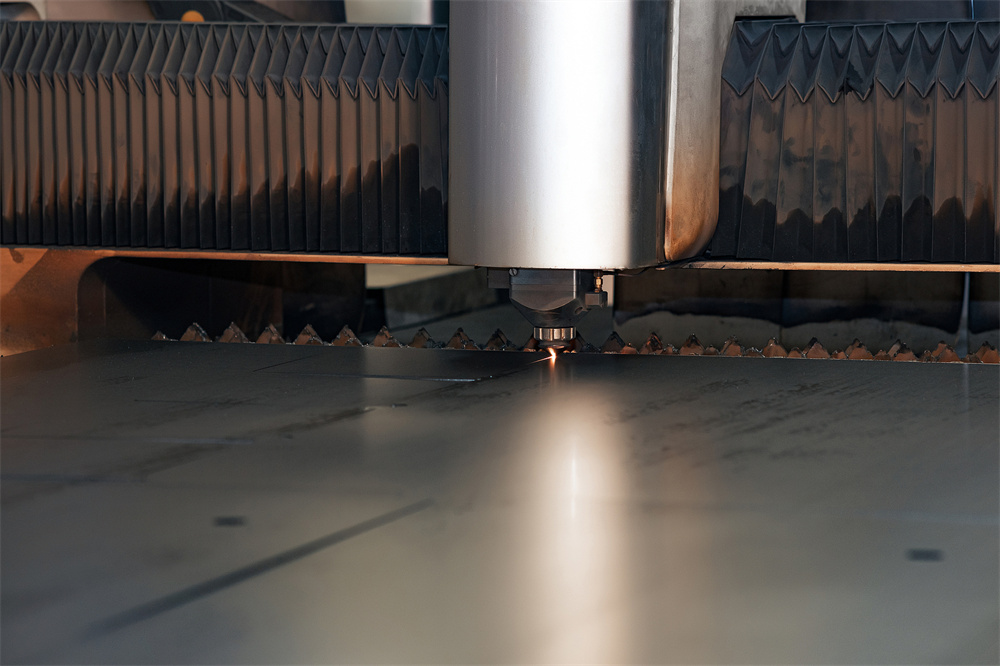
Main Cost Drivers in Laser Cutting Equipment
Understanding the cost drivers is essential when you choose a laser cutting machine for automotive parts manufacturing. The most significant cost component is the laser source itself. Brands like IPG, Raycus, and nLight dominate the market. An IPG source typically commands a premium due to its global service network and proven reliability, whereas Raycus offers a highly competitive price-to-performance ratio for many manufacturers.
The motion system is another critical driver. Automotive parts require high repeatability. Machines equipped with linear motors offer higher acceleration and precision compared to traditional rack-and-pinion systems, but they come at a higher price point. The choice of the cutting head—such as those from Precitec or Raytools—also impacts the price, especially if features like autofocus and collision protection are included.
Furthermore, the structural integrity of the machine bed (the frame) influences the cost. A heavy-duty, heat-treated plate-welded frame or a cast-iron bed ensures that the machine maintains accuracy over years of high-speed operation. In automotive manufacturing, where tolerances are tight, investing in a stable frame is non-negotiable to prevent vibration-induced errors during high-speed cutting.
Configuration Impact: Tailoring the Machine to Your Parts
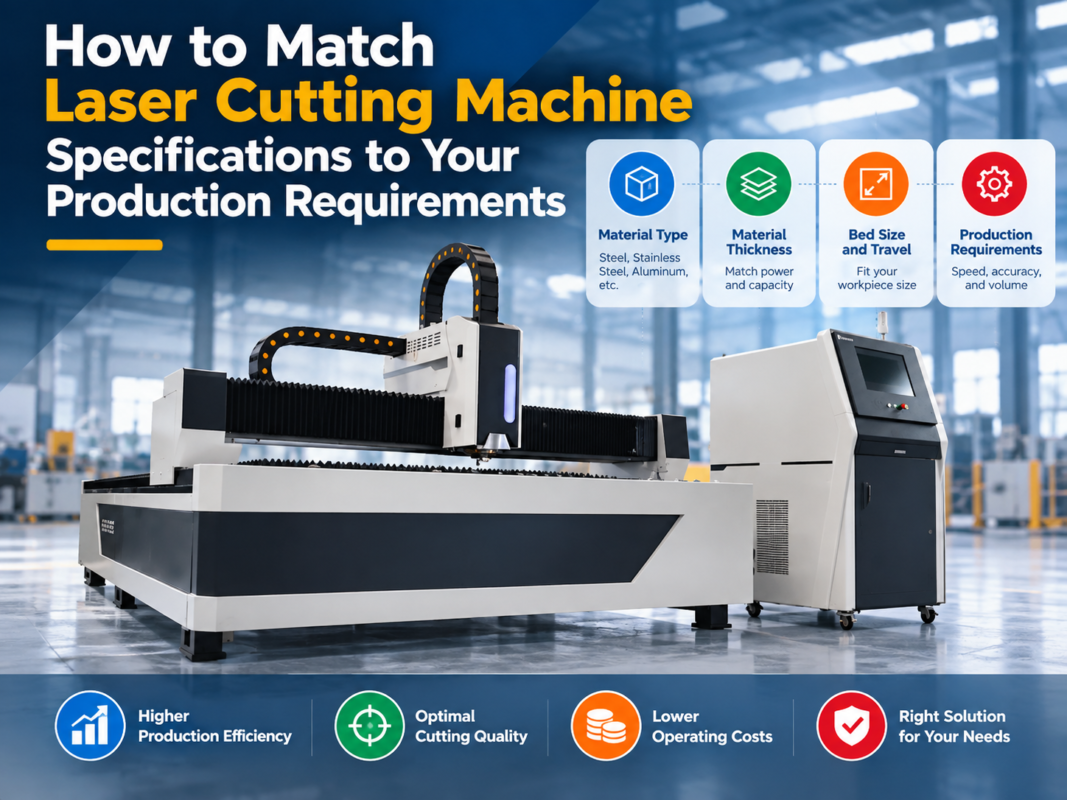
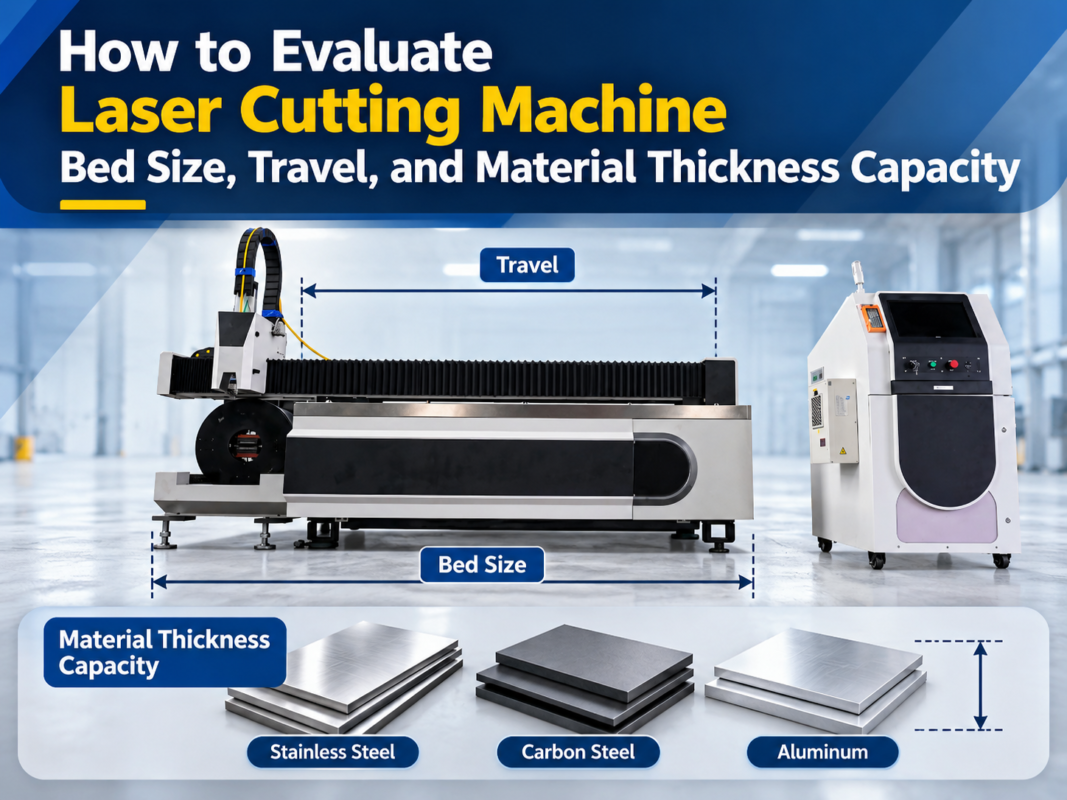
The configuration of the machine must match the specific types of automotive parts you intend to produce. For example, if your production involves exhaust pipes or roll cages, a machine with a rotary axis for tube cutting is essential. If you are focused on body panels, a large-format flatbed (e.g., 3015 or 4020 size) is the standard choice.
In the automotive sector, the shift toward 3D laser cutting is prominent. 5-axis laser cutting machines are used for trimming thermoformed parts, such as B-pillars and roof rails. These machines allow the laser head to move around a stationary 3D part, providing unmatched flexibility compared to 2D cutting. However, for most flat-sheet components, a high-speed 2D fiber laser with a shuttle table is the most efficient configuration.
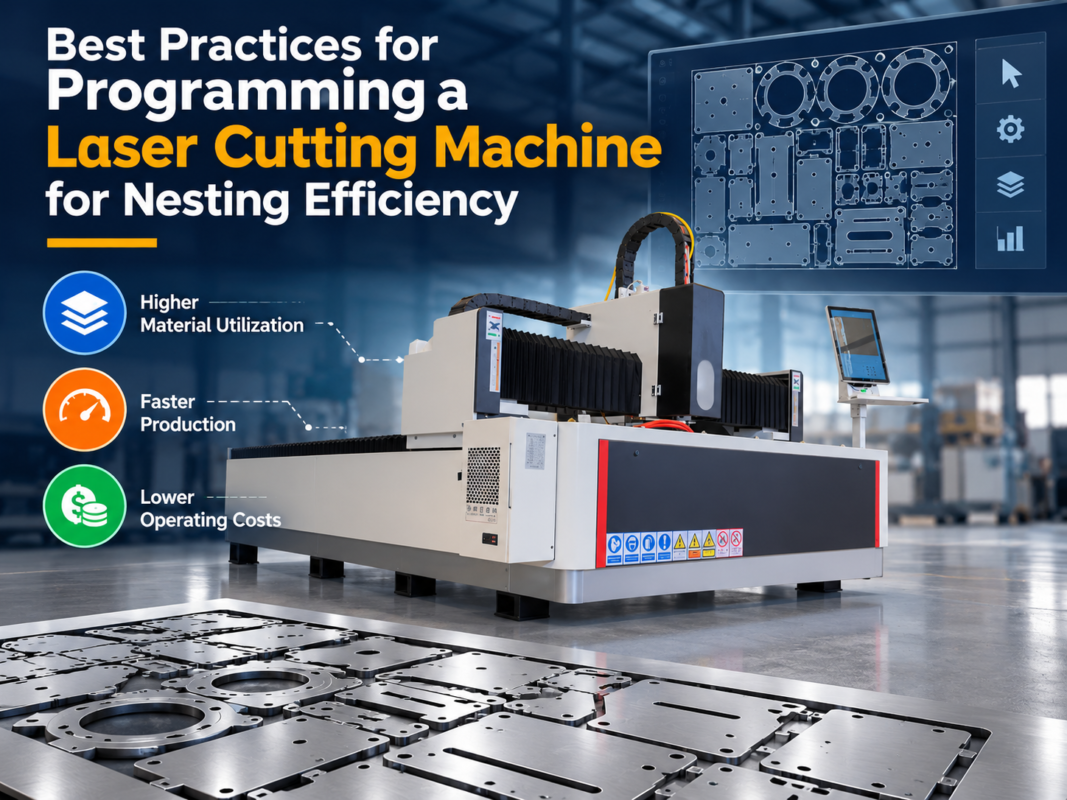
Software integration also plays a vital role. Automotive manufacturing relies on CAD/CAM compatibility and nesting software to minimize material waste. High-end configurations include “Intelligent Nesting” and “Auto-Collision Avoidance,” which significantly reduce the risk of machine downtime and maximize the yield from expensive high-strength steel sheets.
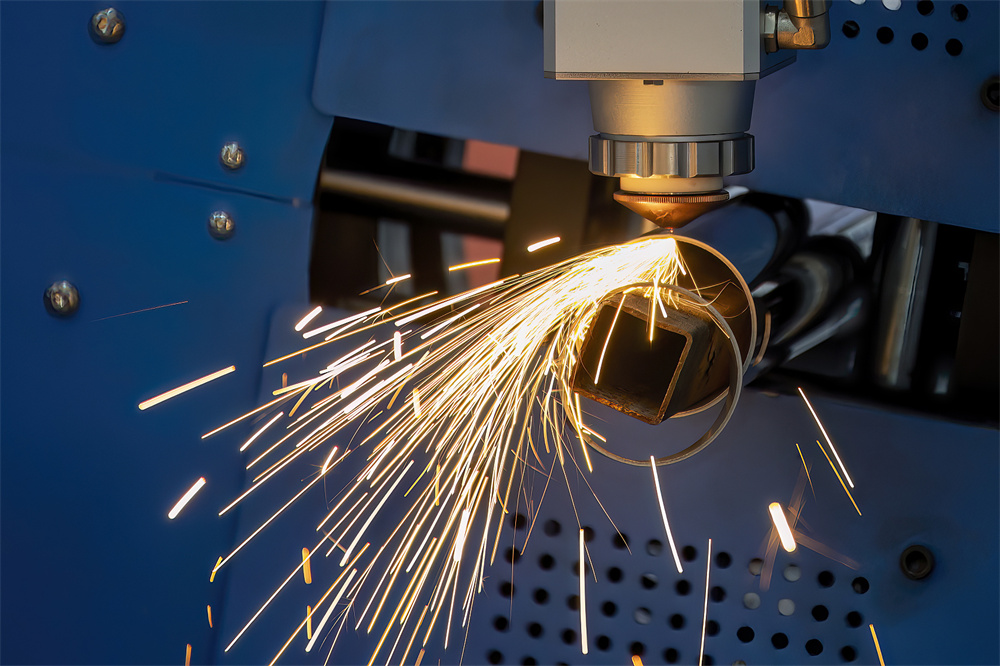
Hidden Costs of Ownership
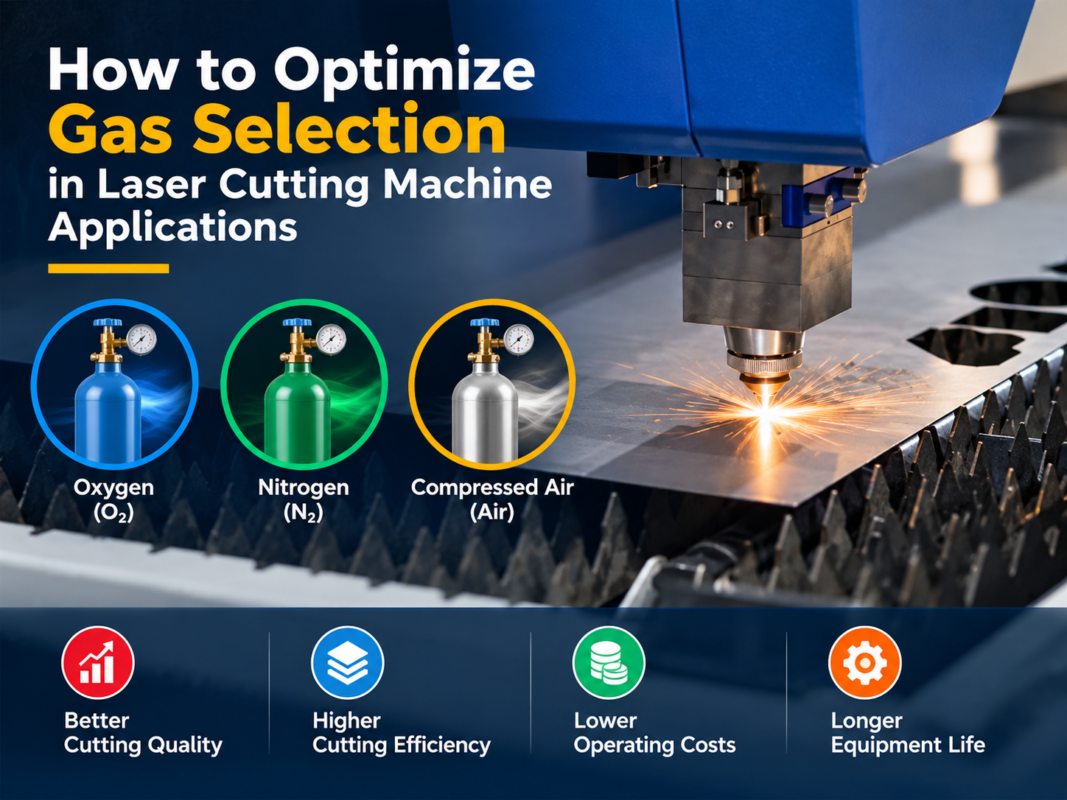
When you choose a laser cutting machine for automotive parts manufacturing, the sticker price is only the beginning. Hidden costs can significantly impact your bottom line if not accounted for during the procurement phase. The most prominent hidden cost is auxiliary gas consumption. Cutting stainless steel or aluminum often requires high-pressure Nitrogen, which can be expensive. Many modern shops are now investing in high-pressure air compressors to cut thin-to-medium gauge parts, drastically reducing gas costs.
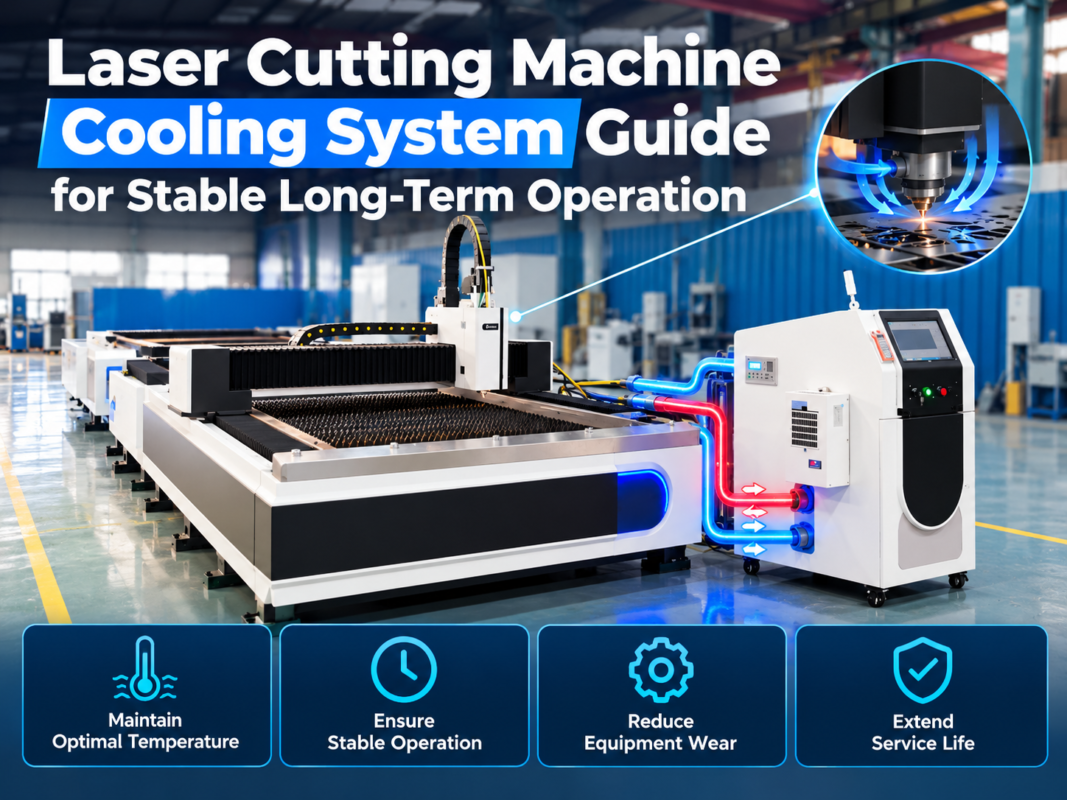
Electricity consumption is another factor. While fiber lasers are much more efficient than older CO2 lasers, a 12kW machine still draws significant power. Additionally, consumables such as protective windows, nozzles, and ceramic rings need regular replacement. In a high-volume automotive environment, these small costs add up quickly.
Maintenance and downtime are perhaps the most critical hidden costs. A machine that is down for a week due to lack of spare parts can halt an entire assembly line. Therefore, the availability of local technical support and a robust warranty should be factored into the initial purchase decision. Choosing a brand like HARSLE ensures that you have access to reliable components and expert guidance to minimize these risks.
ROI Calculation: When Does the Investment Pay Off?
Calculating the Return on Investment (ROI) is crucial for any capital expenditure in the automotive industry. To determine the ROI when you choose a laser cutting machine for automotive parts manufacturing, you must compare the cost per part against traditional methods like waterjet cutting, plasma cutting, or mechanical stamping.
Laser cutting typically offers a lower cost per part for complex geometries due to its high speed and lack of tool wear. For instance, a fiber laser can cut through 3mm steel at speeds exceeding 30 meters per minute. When you factor in the reduction in secondary finishing processes (since laser cuts are often clean enough to weld immediately), the ROI becomes even more attractive.
Consider the following table for a simplified ROI comparison:
| Factor | Traditional Stamping | Fiber Laser Cutting |
|---|---|---|
| Tooling Cost | High (Dies required) | Zero (Software based) |
| Setup Time | Hours/Days | Minutes |
| Material Waste | Moderate | Low (Optimized Nesting) |
| Flexibility | Low | Very High |
| Lead Time | Weeks | Days/Hours |
For automotive suppliers handling multiple SKUs or frequent design iterations, the fiber laser usually pays for itself within 12 to 24 months through labor savings and increased throughput.
Buying Advice: A Step-by-Step Checklist
To successfully choose a laser cutting machine for automotive parts manufacturing, follow this strategic checklist:
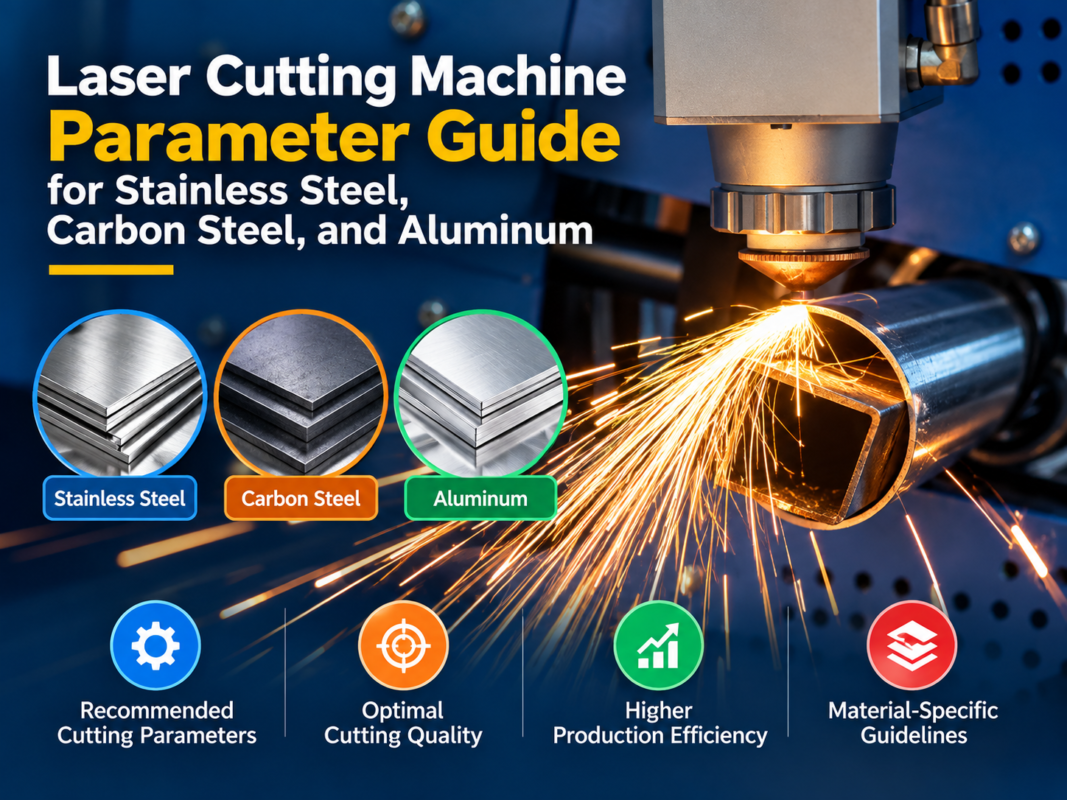
- Define Your Material Mix: Are you cutting mostly 1mm aluminum or 10mm high-strength steel? This dictates the required laser power.
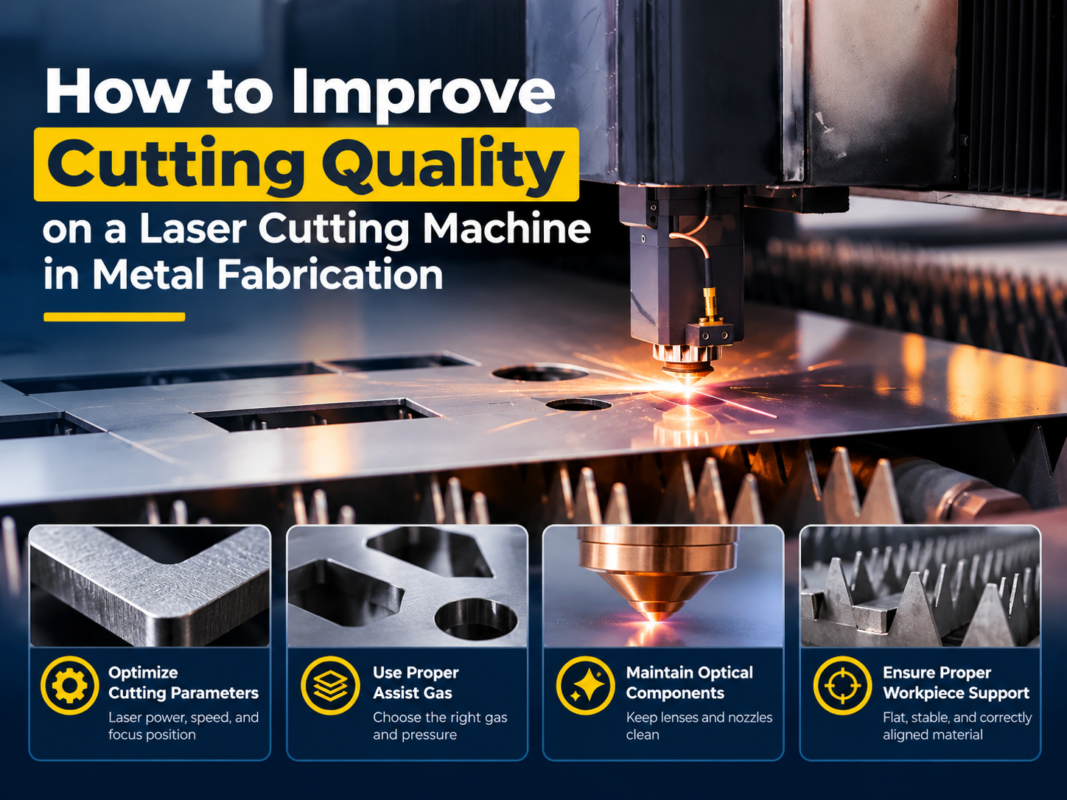
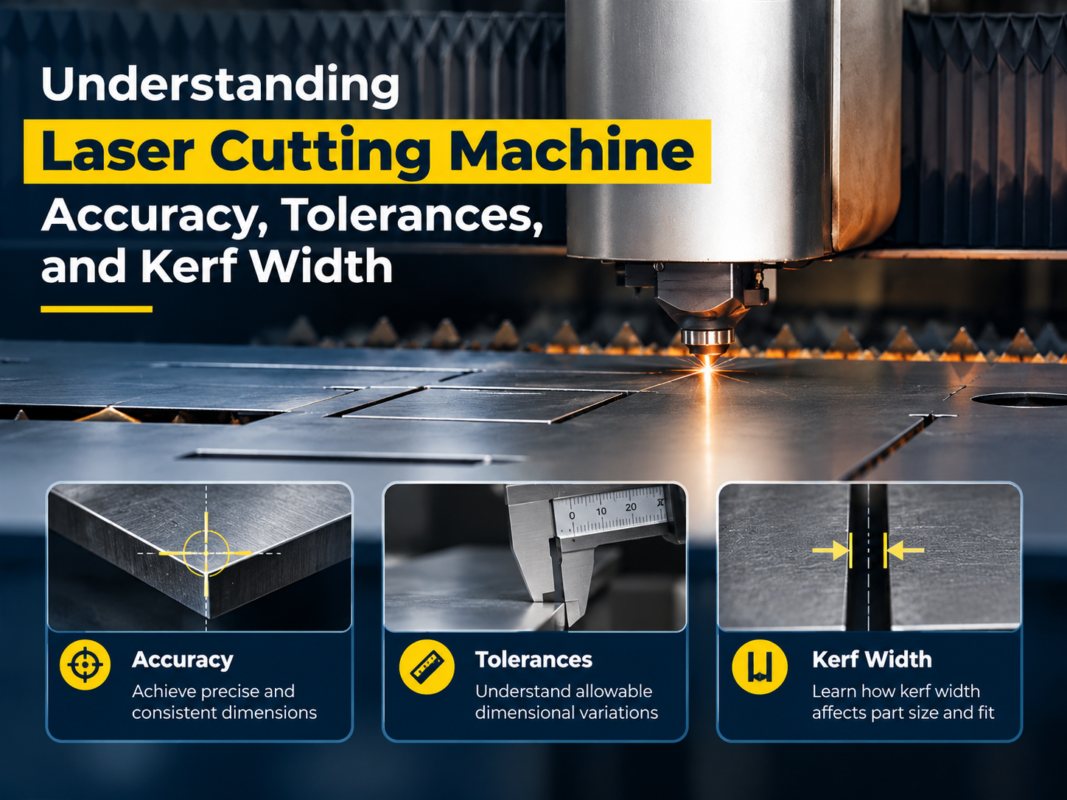
- Evaluate Accuracy Requirements: Automotive tolerances are often +/- 0.1mm. Ensure the machine’s positioning accuracy and repeatability meet these standards.
- Test the Software: Ensure the machine’s controller is user-friendly and compatible with your existing ERP and CAD systems.
- Check the Bed Size: Choose a bed size that accommodates your largest parts plus a margin for nesting efficiency.
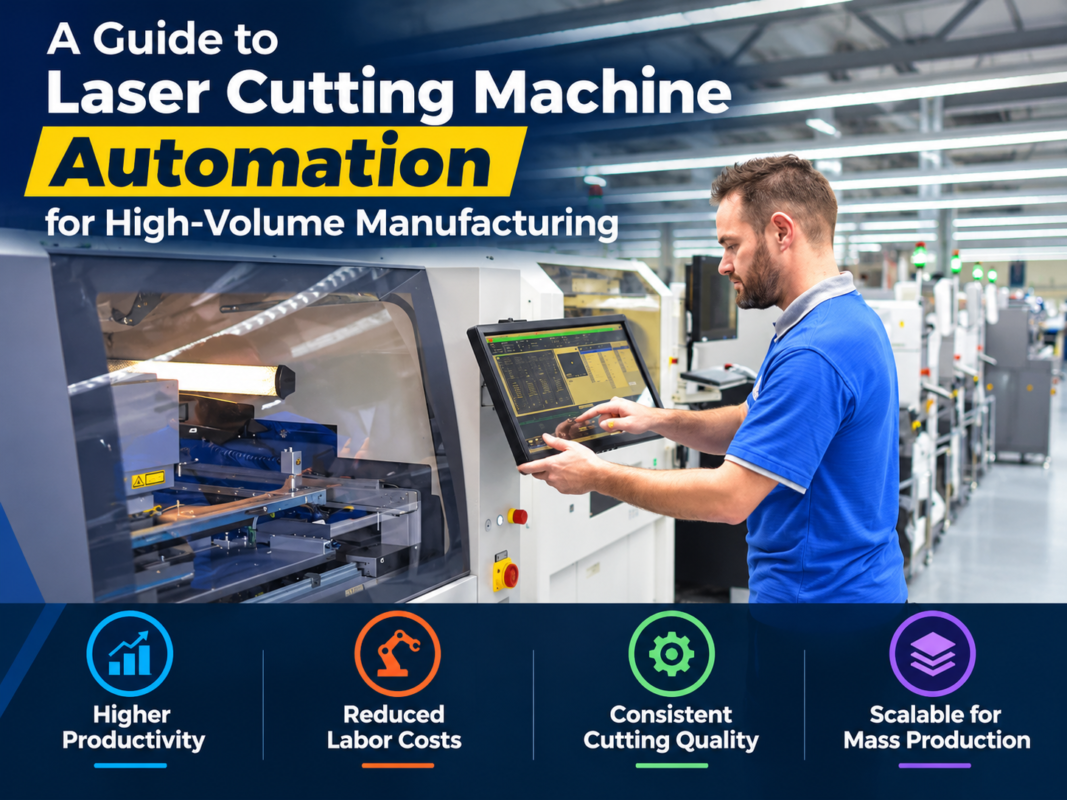
- Assess Automation Needs: If you plan to run lights-out production, look for machines with automatic nozzle changers and pallet swappers.
- Verify After-Sales Support: Ask about the manufacturer’s service response time and the availability of local spare parts.
By focusing on these criteria, you can ensure that the machine you select will not only meet today’s production needs but also scale with your business as automotive technology continues to evolve.
Frequently Asked Questions (FAQ)
1. What laser power is best for automotive parts?
For most automotive applications involving body panels and structural brackets, a 6kW to 12kW fiber laser is ideal. It provides the best balance of speed for thin materials and the capability to cut thicker structural components when necessary.
2. Can fiber lasers cut high-strength steel (HSS)?
Yes, fiber lasers are excellent for cutting HSS, which is increasingly common in automotive safety cells. The concentrated heat zone minimizes the risk of altering the material’s mechanical properties near the cut edge.
3. How long does a fiber laser source last?
Most high-quality fiber laser sources are rated for 100,000 hours of operation. With proper maintenance and a clean environment, this translates to over 10 years of heavy industrial use.
4. Is 3D laser cutting necessary for automotive manufacturing?
It depends on your product line. If you are a Tier 1 supplier trimming pre-formed 3D parts like pillars or bumpers, a 5-axis 3D laser is necessary. For flat components and brackets, a standard 2D machine is more cost-effective.
5. How does HARSLE support automotive manufacturers?
HARSLE provides high-precision fiber laser cutting machines specifically designed for the rigors of automotive production. We offer comprehensive training, robust warranties, and technical support to ensure your production line remains efficient and profitable.