
Laser Cutting Machine ROI Guide: How to Make a Smart Investment for Your Factory


Introduction to Laser Cutting Machine ROI
In the modern era of metal fabrication, the transition from traditional mechanical cutting to fiber laser technology is no longer a luxury—it is a competitive necessity. However, for many factory owners, the primary hurdle remains the initial capital expenditure. Understanding the Laser Cutting Machine ROI : Make A Smart Investment Factory owners can rely on requires a deep dive into more than just the sticker price. It involves a comprehensive analysis of throughput, operating costs, and long-term value retention.
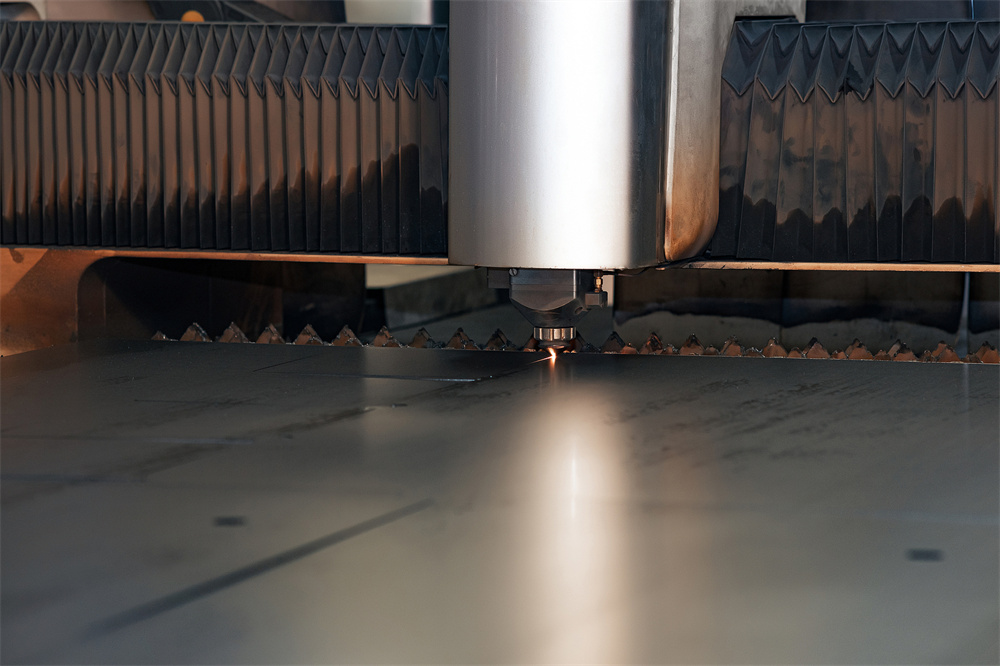
A fiber laser cutting machine is a high-precision tool that uses a concentrated beam of light to melt or vaporize material. Unlike CO2 lasers or plasma cutters, fiber lasers offer unparalleled speed on thin to medium-thickness materials and significantly lower maintenance requirements. But how do you determine if a $50,000 or $250,000 investment will pay for itself in eighteen months or five years? This guide provides the framework for that calculation, ensuring your factory makes a data-driven decision.
Price Range Overview: Categorizing the Investment
The market for laser cutting machines is vast, with prices ranging from entry-level units to multi-million dollar automated cells. To make a smart investment, you must first identify which category fits your production volume and material requirements.
Entry-Level Machines (1kW – 3kW)
Typically priced between $20,000 and $50,000, these machines are ideal for small job shops or factories focusing on thin sheet metal (up to 10mm carbon steel). While they lack the speed of high-power units, their ROI is often realized through the elimination of outsourcing costs. If your factory currently spends $3,000 a month on third-party laser cutting services, an entry-level machine can pay for itself in less than two years.
Mid-Range Production Machines (6kW – 12kW)
This is the “sweet spot” for most medium-sized fabrication facilities. Priced between $60,000 and $150,000, these machines offer the versatility to cut thick plates (up to 30mm) while maintaining blistering speeds on thin materials. The ROI here is driven by high throughput and the ability to take on a wider variety of contracts.
High-Power Industrial Systems (20kW – 30kW+)
For heavy industry and high-volume manufacturing, high-power lasers (up to 30kW or more) are the standard. These machines can exceed $200,000 but offer the lowest cost-per-part in the industry. They are designed for 24/7 operation and often include automation features that significantly reduce labor costs.
Main Cost Drivers: Where Your Money Goes
When evaluating a quote for a laser cutting machine, it is essential to understand the components that dictate the price. Not all machines are created equal, and cutting corners on key components can destroy your long-term ROI.
The Laser Source (The Resonator)
The laser source is the most expensive component. Brands like IPG Photonics are considered the gold standard for reliability and beam quality, often commanding a premium. Brands like Raycus and Max Photonics offer excellent value and have become highly reliable alternatives. The choice of source affects not only the initial price but also the cutting speed and the machine’s ability to handle reflective materials like aluminum and copper.
The Cutting Head
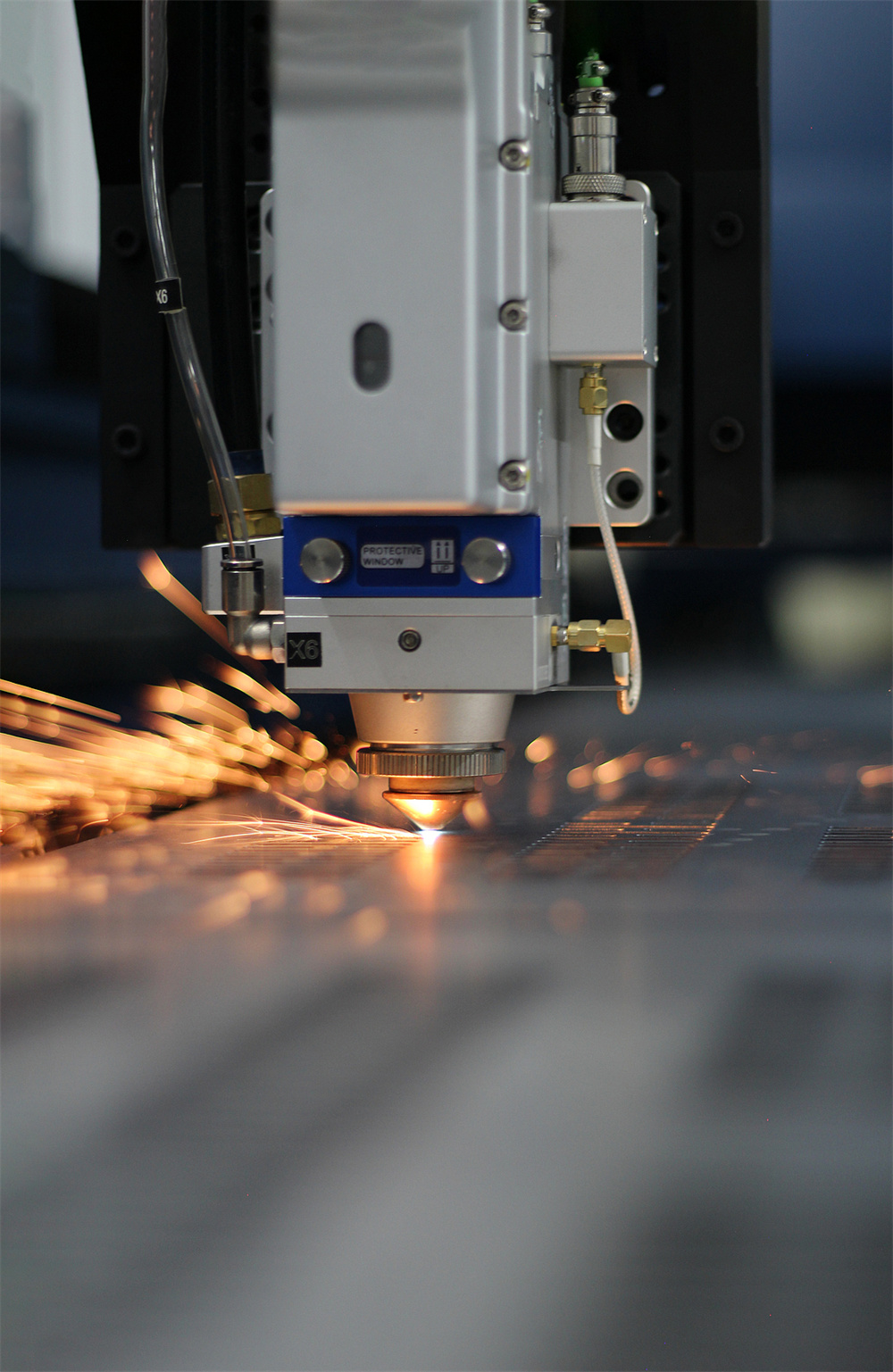
The cutting head houses the optics and the autofocus mechanism. High-end heads, such as those from Precitec, offer advanced sensors that prevent collisions and maintain consistent focal points even on uneven sheets. A cheaper cutting head may save money upfront but can lead to more frequent nozzle replacements and scrapped parts due to focus drift.
Machine Bed and Gantry Construction
A laser machine is only as accurate as its frame. High-quality machines use heavy-duty, heat-treated welded frames or cast-iron beds to ensure thermal stability and vibration dampening. A lightweight frame will flex during high-speed acceleration, leading to poor edge quality and mechanical wear over time. Investing in a robust bed ensures the machine remains accurate for a decade or more.
Configuration Impact: Performance vs. Price
The configuration of your machine should align with your factory’s workflow. Adding the right features can exponentially increase your Laser Cutting Machine ROI : Make A Smart Investment Factory performance.
- Exchange Tables: An exchange table allows the operator to load a new sheet while the machine is cutting another. This can increase productivity by 30-50% by eliminating the downtime between cycles.
- Tube Cutting Attachments: If your factory processes both sheet and tube, a combo machine can save floor space and the cost of a second dedicated machine.
- Automation Systems: Automatic loading and unloading arms allow for “lights-out” manufacturing. While expensive, they drastically reduce the labor cost per part, which is often the highest recurring expense in fabrication.
- CNC Controller and Software: Advanced controllers like CypCut or Beckhoff provide better nesting algorithms, reducing material waste. Saving just 5% on material costs annually can equate to thousands of dollars in profit.
Hidden Costs: Beyond the Initial Invoice
To calculate a true ROI, you must look beyond the purchase price. Many first-time buyers overlook the operational expenses that eat into profit margins.
Gas Consumption
Laser cutting requires assist gases—typically Oxygen (O2), Nitrogen (N2), or Compressed Air. Nitrogen is used for clean, oxide-free cuts in stainless steel and aluminum but is expensive. Oxygen is used for carbon steel but leaves an oxide layer that may require secondary cleaning. Many modern factories are switching to high-pressure air cutting, which requires a specialized compressor but can reduce gas costs to nearly zero.
Electricity and Cooling
Fiber lasers are much more efficient than CO2 lasers, but they still require significant power. You must account for the consumption of the laser source, the chiller (which keeps the source and head cool), and the dust extractor. A 12kW machine might have a total power draw of 60-80kW during peak operation.
Consumables and Maintenance
Nozzles, protective windows, and ceramic rings are consumables that must be replaced regularly. Additionally, while fiber lasers require less maintenance than CO2 lasers, the chiller filters, rack lubrication, and dust collector filters still need scheduled attention to prevent costly breakdowns.
ROI Calculation: Measuring Your Success
To determine your Laser Cutting Machine ROI : Make A Smart Investment Factory timeline, use the following formula:
ROI (Months) = Total Investment / (Monthly Profit Increase + Monthly Cost Savings)
Let’s look at a hypothetical example:
| Expense/Saving Category | Estimated Value (Monthly) |
|---|---|
| Outsourcing Costs Saved | $5,000 |
| New Revenue from Increased Capacity | $8,000 |
| Labor Costs (Operator + Maintenance) | -$3,500 |
| Gas and Electricity Costs | -$1,500 |
| Consumables | -$500 |
| Net Monthly Gain | $7,500 |
If the machine costs $150,000, the payback period is 20 months. After 20 months, the machine generates $7,500 in pure profit every month, excluding material costs. This calculation demonstrates why high-speed fiber lasers are such attractive investments for growing factories.
Buying Advice: Making the Final Decision
Before signing a contract, follow these steps to ensure your investment is sound:
- Material Audit: Analyze your last 12 months of production. What materials and thicknesses did you cut most? Don’t buy a 20kW machine if 90% of your work is 3mm stainless steel.
- Request a Cut Sample: Send your most difficult files to the manufacturer. Inspect the edge quality, dross levels, and dimensional accuracy.
- Check After-Sales Support: A machine that is down for a week due to a lack of spare parts is a massive liability. Ensure the manufacturer has a local service team or a robust remote support system.
- Consider Future-Proofing: If you expect to grow, consider a machine with a larger bed size or a higher power ceiling than you currently need. It is much cheaper to buy more power now than to replace the entire machine in two years.
HARSLE provides a range of fiber laser solutions tailored to different ROI goals, from the high-speed Smart series to heavy-duty industrial models. By focusing on component quality and structural integrity, HARSLE machines are designed to provide a shorter payback period and a longer operational lifespan.
Frequently Asked Questions (FAQ)
1. How long does a fiber laser source last?
Most high-quality fiber laser sources (like IPG or Raycus) are rated for 100,000 hours of operation. In a typical single-shift factory, this equates to over 20 years of use. This longevity is a key factor in the high ROI of fiber technology compared to CO2 lasers.
2. Can I cut reflective materials like copper and brass?
Yes, modern fiber lasers are designed to handle back-reflections. However, it is recommended to use a laser source with back-reflection protection and to use Nitrogen or Air as an assist gas to ensure a clean cut and protect the optics.
3. Is air cutting really cheaper than Nitrogen?
Yes, significantly. While the initial investment in a high-pressure air compressor is higher, the ongoing cost is just the electricity to run the compressor. For many thicknesses of carbon steel and stainless steel, air cutting provides a sufficient finish at a fraction of the cost of bottled Nitrogen.
4. What is the difference between a single table and an exchange table?
A single table machine requires you to stop the laser, unload the finished parts, and load a new sheet before starting again. An exchange table has two pallets; one is inside the cutting area while the other is outside being loaded/unloaded. This maximizes the “beam-on” time, which is critical for high-volume ROI.
5. How much training is required to operate a CNC laser?
Modern CNC software like CypCut is very user-friendly. A technician with basic computer skills can usually learn the fundamentals of operation and nesting in 2-3 days. However, mastering the cutting parameters for different materials may take a few weeks of hands-on experience.
6. Does the machine require a special foundation?
For high-power machines (12kW+) with high acceleration, a reinforced concrete floor is necessary to prevent vibrations from affecting cut quality. Smaller machines can often be placed on a standard industrial concrete floor, provided it is level and capable of supporting the machine’s weight.












