
Press Brake Maintenance Checklist to Reduce Downtime and Improve Accuracy


The Critical Importance of Press Brake Maintenance
In the high-precision world of metal fabrication, the press brake stands as a cornerstone of production. Whether you are operating a manual hydraulic machine or a sophisticated multi-axis CNC system, the consistency of your output is directly tied to the health of your equipment. Implementing a rigorous Press Brake Maintenance Checklist to Reduce Downtime and Improve Accuracy is not merely a recommendation; it is a financial necessity. When a machine fails, the costs extend far beyond the repair bill—they include lost labor hours, missed delivery deadlines, and potential damage to your reputation.
Accuracy in bending is measured in fractions of a millimeter. Even a slight misalignment in the backgauge or a minor fluctuation in hydraulic pressure can lead to scrapped parts and wasted material. Regular maintenance ensures that every component, from the smallest seal to the massive main frame, functions within its designed tolerances. By prioritizing preventative care, fabricators can transition from a reactive ‘break-fix’ mindset to a proactive operational strategy that maximizes Return on Investment (ROI).
Furthermore, safety is a paramount concern. A well-maintained press brake is a safer machine. Worn components or failing safety sensors pose significant risks to operators. A comprehensive maintenance routine identifies these hazards before they lead to accidents. In this guide, we will explore the essential steps required to keep your HARSLE press brake—or any industrial bending machine—running at peak performance for decades.
Daily Inspection: The First Line of Defense
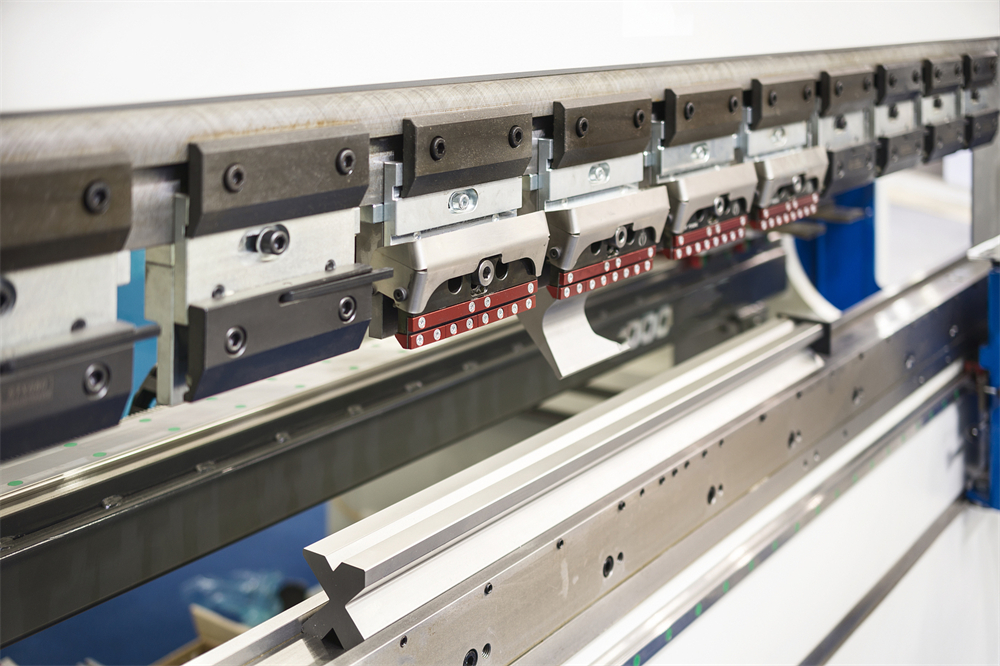
The daily inspection is the most effective way to catch minor issues before they escalate into catastrophic failures. This routine should be performed at the start of every shift. Begin with a visual sweep of the machine. Look for any signs of oil leaks around the cylinders, valves, and hoses. Hydraulic fluid on the floor is a clear indicator of a seal failure or a loose fitting that requires immediate attention.
Next, focus on the cleanliness of the work area. Dust, metal shavings, and scale from laser-cut parts can accumulate on the bed and the tooling. If debris gets trapped between the die and the workpiece, it will cause inaccuracies in the bend angle and potentially damage the tool surfaces. Use a clean cloth or compressed air (carefully) to wipe down the ram and the bed. Ensure that the tooling is seated correctly and that there are no visible cracks or chips in the punches and dies.
Safety systems must be tested daily without exception. This includes checking the emergency stop buttons, the foot pedal shroud, and the light curtains or laser guarding systems. If the machine does not stop instantly when a safety barrier is breached, it must be locked out until the issue is resolved. Finally, listen to the machine as it starts up. Unusual whining, grinding, or clicking sounds often precede mechanical or hydraulic failure.
Hydraulic System Maintenance and Monitoring
The hydraulic system is the heart of the press brake, providing the force necessary to deform heavy-gauge metal. Maintaining the quality and pressure of the hydraulic oil is critical for achieving consistent results. Over time, hydraulic oil can become contaminated with microscopic particles or moisture, leading to internal wear on the pump and valves. This contamination is a primary cause of ‘drifting’ in the ram, where the machine fails to hold a consistent depth.
Check the oil level daily using the sight glass on the reservoir. The oil should be clear and amber-colored. If the oil appears milky, it indicates water contamination; if it looks dark or smells burnt, it has likely overheated and lost its lubricating properties. It is recommended to change the hydraulic oil every 2,000 to 4,000 hours of operation, depending on the intensity of use and the environment. Always use the specific grade of oil recommended by the manufacturer, such as ISO 46 or ISO 32.
Filters play a vital role in protecting the system. Most modern press brakes feature a pressure filter and a return-line filter. These should be replaced according to the manufacturer’s schedule or whenever the ‘clogged filter’ indicator on the CNC controller activates. Additionally, inspect the hydraulic hoses for bulging, cracking, or abrasion. A high-pressure hose failure can be extremely dangerous and cause significant environmental cleanup costs.
Electrical and CNC Control System Checks
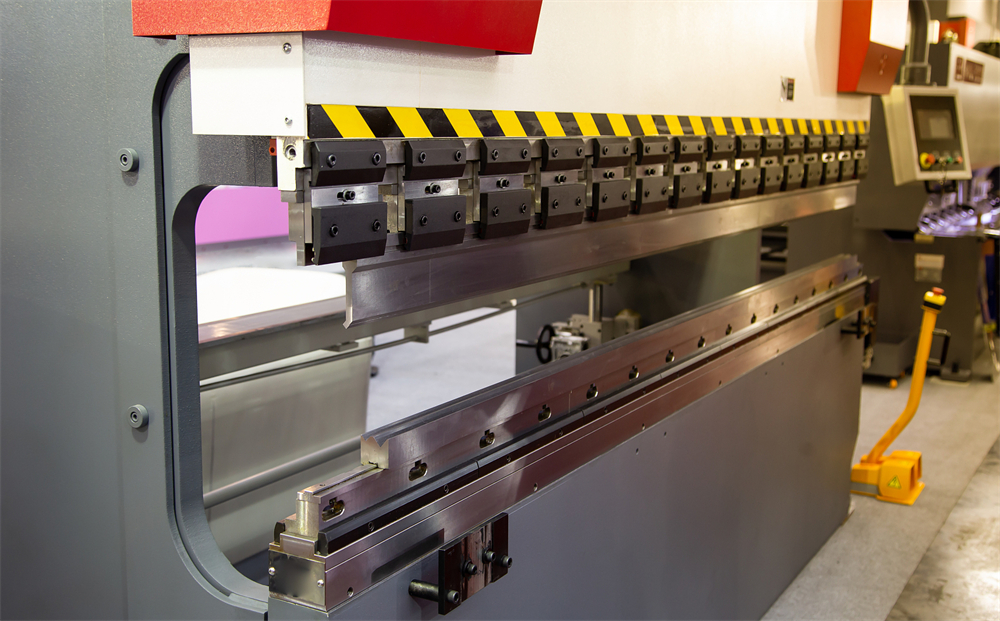
Modern press brakes rely heavily on sophisticated electronics to coordinate the movement of multiple axes. The electrical cabinet is often overlooked during routine maintenance, yet it is a common source of intermittent faults. Heat and dust are the primary enemies of electrical components. Ensure that the cooling fans on the electrical cabinet are functioning and that the air filters are clean. If the cabinet overheats, the CNC controller may experience ‘glitches’ or unexpected shutdowns.
Periodically inspect the wiring for loose connections. Vibrations from the machine’s operation can cause terminal screws to back out over time, leading to poor electrical contact and potential arcing. Check the cables leading to the backgauge motors and encoders. These cables are constantly moving and can suffer from fatigue or mechanical damage if they are not properly routed through the cable tracks.
The CNC controller itself requires software hygiene. Ensure that you are running the latest stable version of the control software provided by HARSLE. Regularly back up your tooling libraries and part programs to an external drive. If the internal battery of the controller fails, you could lose years of programmed data. Also, check the calibration of the touchscreen; a responsive interface reduces operator frustration and input errors.
Mechanical Components and Backgauge Precision
The mechanical integrity of the press brake determines its ability to repeat a bend with high precision. The backgauge system, which typically includes X, R, Z1, and Z2 axes, relies on precision ball screws and linear guides. These components must be kept clean and properly lubricated. Any buildup of grime on the ball screws will increase friction, leading to positioning errors and premature wear of the drive motors.
Check the parallelism of the ram to the bed. Over time, the mechanical stops or the hydraulic synchronization can drift. Use a dial indicator to verify that the ram moves perfectly vertical and that both ends of the beam reach the bottom of the stroke simultaneously. If the ram is not parallel, you will notice a ‘taper’ in your bends, where one end of the part has a different angle than the other.
Inspect the gibs—the adjustable guides that control the ram’s movement. If the gibs are too loose, the ram will ‘float,’ causing inconsistent bends. If they are too tight, they will cause excessive heat and wear. Adjusting the gibs is a precision task that should be performed by a trained technician. Additionally, check the mounting bolts of the machine to ensure it remains level and securely anchored to the floor. A machine that ‘rocks’ during a heavy bend will never produce accurate parts.
Comprehensive Lubrication Plan
Lubrication is the simplest yet most frequently neglected aspect of press brake maintenance. A proper lubrication plan reduces friction, prevents rust, and flushes out contaminants. Most industrial press brakes have specific points that require different types of lubricants. For example, the linear guides may require a light grease, while the main pivot points might need a heavy-duty extreme-pressure (EP) lubricant.
If your machine is equipped with an automatic lubrication system, verify that the reservoir is full and that the pump is cycling correctly. Check the distribution blocks to ensure that grease is actually reaching every point. It is common for a single line to become blocked, leaving one bearing dry while the rest of the machine appears well-oiled. If you notice a ‘dry’ spot on a guide rail, investigate the blockage immediately.
For machines requiring manual lubrication, establish a strict schedule. The backgauge ball screws should typically be lubricated weekly, while the main ram guides might require daily attention in high-production environments. Never over-grease, as excess lubricant can attract metal dust and create an abrasive paste that accelerates wear. Always wipe away old, dirty grease before applying fresh lubricant.
Troubleshooting Signals: When to Stop the Machine
Operators should be trained to recognize the early warning signs of mechanical distress. Ignoring these signals is the fastest way to incur expensive repair costs. One of the most common signals is an increase in operating temperature. If the hydraulic tank feels excessively hot to the touch (above 60°C or 140°F), the cooling system may be failing, or the pump may be working too hard due to an internal leak.
Vibration is another key indicator. A press brake should operate smoothly. If you feel a new vibration through the floor or the foot pedal, it could indicate a failing motor bearing, a loose pulley, or an issue with the hydraulic pump’s internal vanes. Similarly, if the machine starts to ‘groan’ under load, it may be a sign that the hydraulic pressure is bypassing a seal or that the mechanical structure is being overstressed by an oversized workpiece.
Inaccuracy is the ultimate troubleshooting signal. If the first part of the day is perfect but subsequent parts drift out of tolerance, you likely have a thermal expansion issue or a failing encoder. If the backgauge ‘hunts’ for its position (moving back and forth slightly before stopping), the servo tuning may be off or the ball screw may have excessive backlash. When these signals appear, stop production and perform a thorough diagnostic check.
Press Brake Maintenance Schedule Table
Use the following table as a baseline for your facility’s maintenance program. Adjust the frequency based on your specific shift patterns and material types.
| Frequency | Component | Action Required |
|---|---|---|
| Daily | Safety Systems | Test light curtains, E-stops, and foot pedal. |
| Daily | Tooling & Bed | Clean debris and check for chips/cracks. |
| Daily | Hydraulic Level | Check sight glass; look for leaks. |
| Weekly | Backgauge Guides | Clean and apply light lubricant to X and R axes. |
| Weekly | Air Filters | Clean or replace electrical cabinet filters. |
| Monthly | Ram Gibs | Inspect for play and check lubrication film. |
| Monthly | Bolts & Fasteners | Check tightness of tooling clamps and frame bolts. |
| 6 Months | Hydraulic Oil | Perform oil analysis or replace if contaminated. |
| 6 Months | Leveling | Verify the machine is level using a precision spirit level. |
| Yearly | Full Calibration | Professional check of Y1/Y2 and backgauge accuracy. |
Frequently Asked Questions (FAQ)
1. How often should I change the hydraulic oil in my press brake?
Generally, hydraulic oil should be changed every 2,000 to 4,000 hours of operation. However, if the machine operates in a dusty or high-heat environment, you should perform an oil analysis every six months to check for oxidation and particulate count. Changing the oil before it breaks down protects expensive pumps and valves.
2. Why is my press brake losing bending accuracy over the course of a shift?
This is often due to thermal expansion. As the hydraulic oil heats up, its viscosity changes, which can affect valve response times. Ensure your oil cooler is working. Alternatively, check for mechanical ‘play’ in the backgauge that might worsen as components warm up.
3. Can I use any type of grease for the backgauge ball screws?
No. You should use the specific lubricant recommended by the manufacturer, usually a high-quality lithium-based grease. Using the wrong grease can cause the ball bearings to skid rather than roll, leading to flat spots and permanent damage to the screw.
4. What is the most common cause of press brake downtime?
The most common causes are hydraulic leaks and electrical component failure due to overheating. Both of these issues are easily preventable through the daily and weekly checks outlined in this maintenance checklist.
5. How do I know if my ram gibs need adjustment?
If you notice the ram ‘shuddering’ during the stroke or if your bend angles are inconsistent despite perfect tooling, the gibs may be loose. You can check this by placing a dial indicator on the ram and checking for lateral movement while the machine is under a light load.
6. Is it necessary to clean the tooling after every job?
Yes. Small fragments of mill scale or metal dust can become embedded in the die. If not removed, these particles will scratch the next workpiece and can eventually ‘gall’ the tool surface, requiring expensive regrinding or replacement.
7. How does a maintenance checklist improve ROI?
A maintenance checklist reduces the frequency of unplanned repairs, extends the total lifespan of the machine, and ensures high-quality parts are produced the first time. This reduces scrap costs and keeps the machine available for revenue-generating work.












