How to Maintain a Press Brake for Longer Machine Life and Stable Bending Results


Introduction to Press Brake Longevity and Precision
In the competitive world of metal fabrication, the press brake stands as a cornerstone of production. Whether you are operating a high-end HARSLE CNC model or a traditional hydraulic system, the goal remains the same: achieving consistent, high-quality bends while maximizing the return on investment. To Maintain A Press Brake Longer Machine Life Stable Bending Results, a shop must move beyond reactive repairs and embrace a culture of proactive, preventative maintenance. A well-maintained machine does not just last longer; it performs with the surgical precision required for modern aerospace, automotive, and industrial applications.
Neglecting maintenance often leads to a cascading series of failures. What begins as a minor hydraulic leak can evolve into pump failure, and a small amount of dust in the electrical cabinet can lead to a complete controller breakdown. Furthermore, the accuracy of the machine is directly tied to its physical condition. Wear and tear on the guides, ram, and tooling will inevitably lead to angular deviations, forcing operators to spend more time on adjustments and increasing scrap rates. This guide provides a comprehensive roadmap to ensuring your equipment remains a reliable asset for decades.
The Critical Importance of Regular Maintenance
The primary reason to Maintain A Press Brake Longer Machine Life Stable Bending Results is economic. The cost of downtime in a modern fabrication facility can reach thousands of dollars per hour. When a press brake goes offline unexpectedly, it halts the entire production chain, delaying shipments and damaging customer relationships. Regular maintenance acts as an insurance policy against these unforeseen disruptions. By identifying worn components before they fail, parts can be ordered and replaced during scheduled downtime, ensuring the shop floor remains productive.
Beyond the financial aspect, safety is a paramount concern. Press brakes exert hundreds of tons of force. Any mechanical or hydraulic failure during operation poses a significant risk to the operator. Properly maintained safety light curtains, emergency stops, and hydraulic valves ensure that the machine responds correctly to safety protocols. Additionally, a machine that is kept in peak condition requires less physical exertion from the operator to achieve the desired results, reducing fatigue and the likelihood of human error.
Finally, the stability of bending results is the hallmark of a professional operation. In precision sheet metal work, tolerances are often measured in fractions of a millimeter. If the machine’s frame is stressed, the oil is contaminated, or the backgauge is out of alignment, achieving these tolerances becomes impossible. Consistent maintenance ensures that the machine’s geometry remains true, allowing for repeatable results across different batches of material and varying environmental conditions.
Daily Inspection: The First Line of Defense
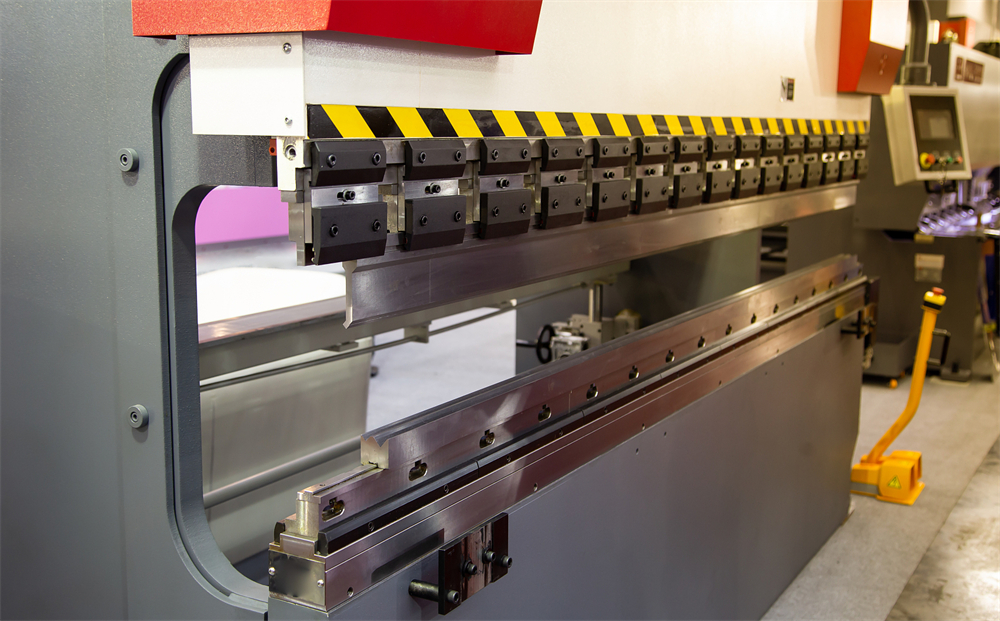
The daily inspection is perhaps the most important habit an operator can develop. It should be performed at the start of every shift and takes no more than 15 to 20 minutes. The first step is a visual sweep of the machine. Look for any signs of oil leakage around the cylinders, hoses, and valves. Even a small damp spot can indicate a seal that is beginning to fail. Addressing these leaks early prevents oil loss and potential environmental hazards on the shop floor.
Next, the operator should clean the working area. Dust, metal shavings, and scale from laser-cut parts can accumulate on the bed and the tooling. If this debris is trapped between the workpiece and the die, it will cause indentations and affect the bend angle. Use a soft cloth or compressed air (carefully) to clear the die rail and the punch. While cleaning, inspect the tooling for any cracks or significant wear. Damaged tooling is not only a quality risk but can also damage the machine’s ram or bed under high pressure.
Safety systems must be verified daily. This includes testing the emergency stop buttons and ensuring the light curtains or laser guards are functioning correctly. If the machine has a foot pedal, check that the protective cover is intact and the cable is not frayed. Finally, listen to the machine as it starts up. Any unusual grinding, whining, or clicking sounds should be reported immediately. Early detection of abnormal noise is often the only warning sign before a major mechanical failure.
Hydraulic System Maintenance and Oil Health
The hydraulic system is the heart of the press brake. To Maintain A Press Brake Longer Machine Life Stable Bending Results, one must prioritize the health of the hydraulic fluid. Over time, hydraulic oil breaks down due to heat, pressure, and contamination. Contaminated oil acts like sandpaper, wearing down the internal components of the pump and valves. It is recommended to check the oil level daily and perform a full oil analysis annually. If the oil appears cloudy or dark, it likely contains water or has oxidized and needs replacement.
Filters play a crucial role in keeping the oil clean. Most modern press brakes utilize high-precision valves that can be jammed by particles as small as a few microns. Replacing hydraulic filters according to the manufacturer’s schedule—or sooner if the machine operates in a dusty environment—is non-negotiable. When changing the oil, it is also vital to clean the oil tank itself. Sludge often settles at the bottom of the reservoir and can quickly contaminate new oil if not removed.
Temperature management is another key factor. Hydraulic oil performs best within a specific temperature range, usually between 35°C and 50°C. If the oil becomes too hot, its viscosity drops, leading to internal leakage and inconsistent bending speeds. Ensure that the oil cooling system, whether it is an air-cooled heat exchanger or a water-cooled system, is clean and functioning. Check the cooling fans for dust buildup and ensure that the airflow around the hydraulic power unit is unobstructed.
Electrical System and CNC Controller Care
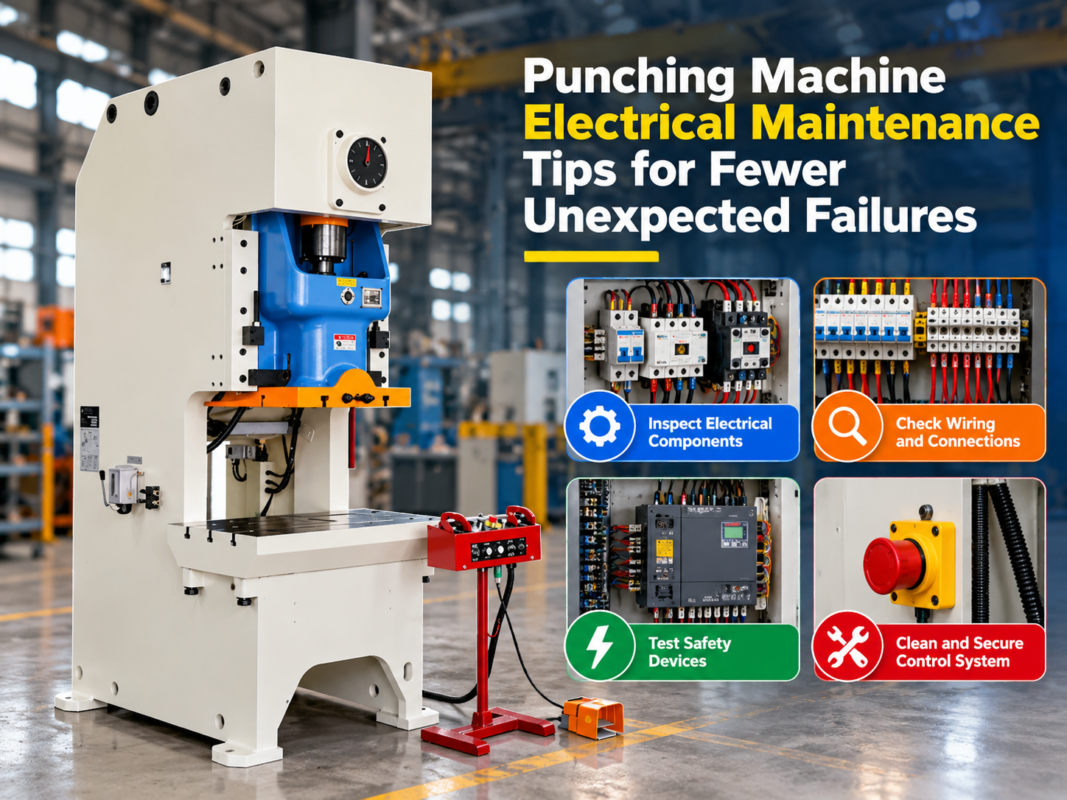
The electrical system of a CNC press brake is its brain. Modern machines rely on complex circuitry, servo drives, and sensitive controllers to manage the bending process. The greatest enemy of these components is heat and dust. The electrical cabinet should remain closed at all times during operation. Once a month, the cabinet should be opened (after powering down) and vacuumed to remove any accumulated dust. Avoid using high-pressure compressed air, as this can push conductive dust into sensitive components, causing short circuits.
Check all electrical connections for tightness. Vibrations from the machine’s operation can loosen terminal screws over time, leading to intermittent faults or even electrical fires. Inspect the cables that run to the backgauge and the foot pedal. These cables are constantly moving and are susceptible to wear and fatigue. If the insulation is cracked or the cable is kinked, it should be replaced immediately to prevent a loss of signal or a safety hazard.
The CNC controller itself requires software care. Regularly back up your programs and machine parameters to an external drive. In the event of a controller failure or a power surge, having a backup can save days of reprogramming. Ensure that the cooling fans on the back of the controller are spinning freely. If the controller begins to lag or show unusual error codes, it may be a sign of overheating or a failing power supply. Keeping the software updated to the latest version provided by the manufacturer can also resolve bugs and improve the machine’s efficiency.
Mechanical Components and Backgauge Precision
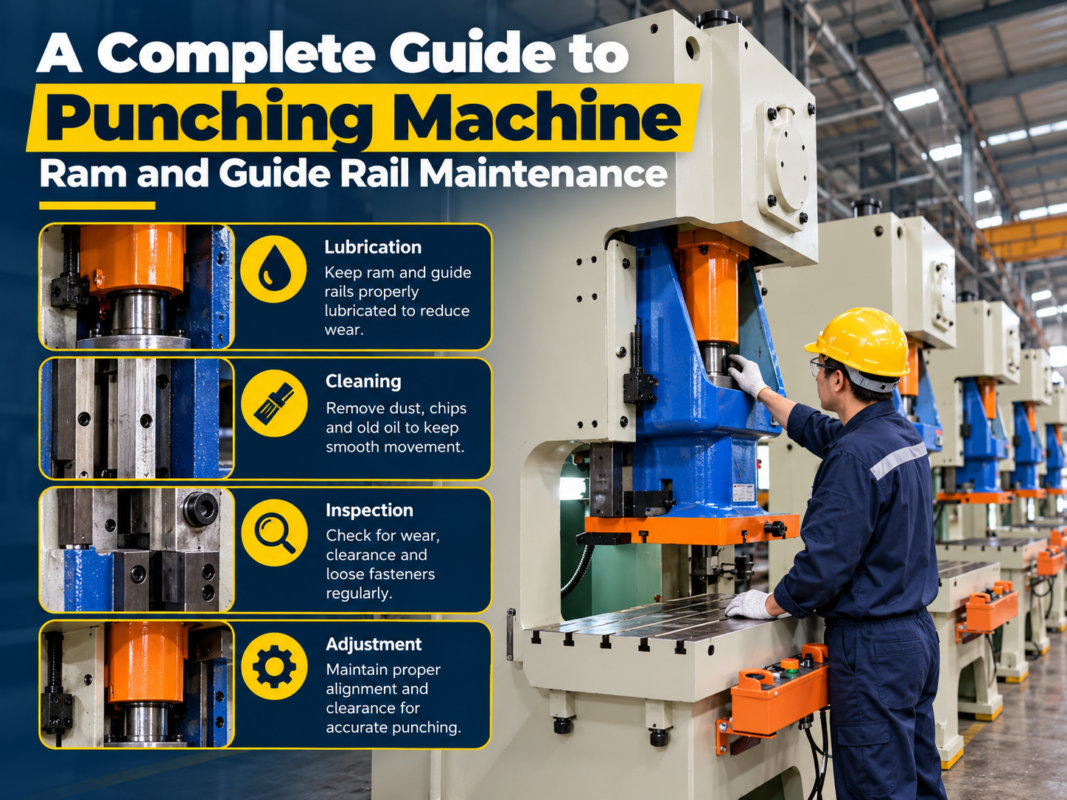
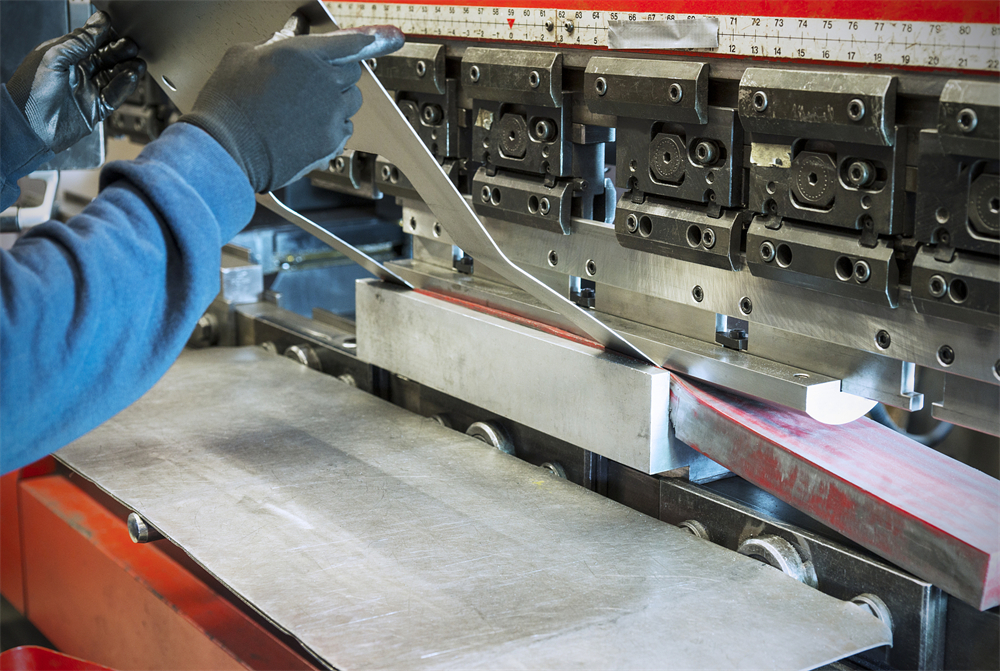
The mechanical integrity of the press brake determines its ability to deliver stable bending results. The backgauge system, which positions the metal for each bend, is a high-precision assembly of ball screws, linear guides, and servo motors. These components must be kept clean and properly lubricated. Any buildup of grease and dust on the ball screws will increase friction, leading to positioning errors and premature wear. Wipe down the guides and screws regularly and apply the lubricant recommended by the manufacturer.
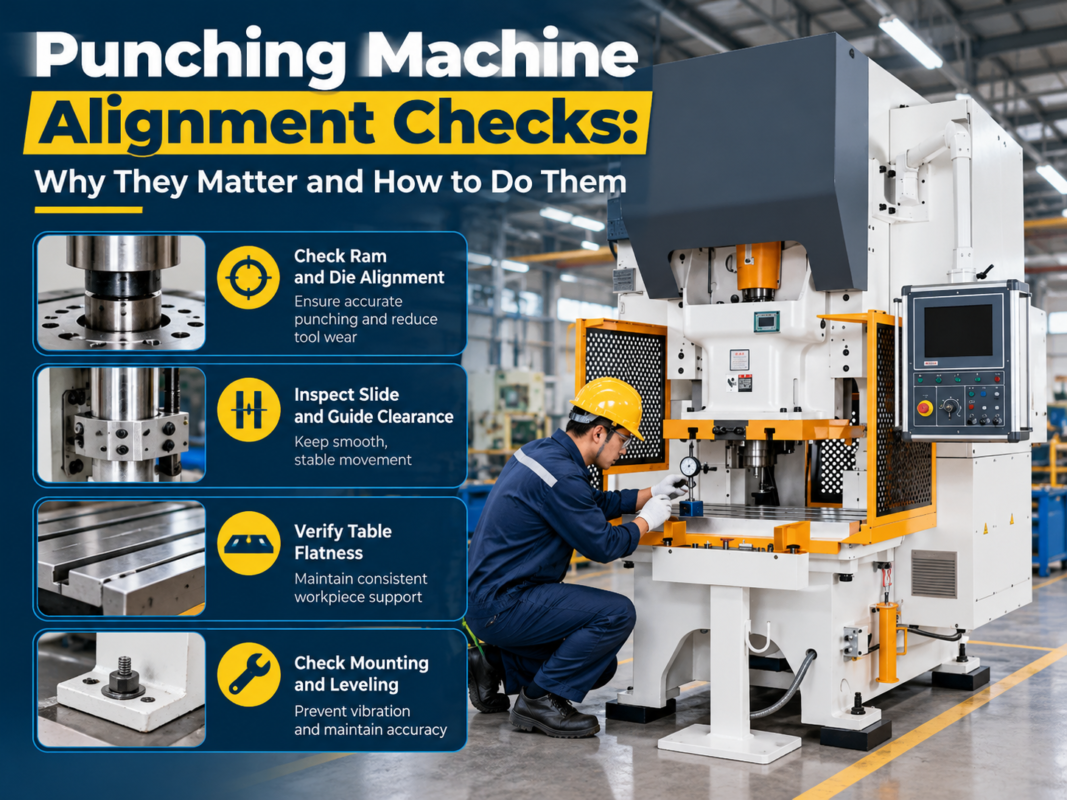
The ram and the bed must remain parallel to ensure a consistent bend angle across the entire length of the workpiece. Over time, the gibs (the guides that hold the ram in place) may wear, leading to “ram drift.” Periodically check the tightness of the gibs and adjust them according to the technical manual. If the machine is equipped with a crowning system (either hydraulic or mechanical), verify that it is functioning correctly. Crowning compensates for the natural deflection of the machine frame under load; if it fails, the bends will be deeper at the ends than in the middle.
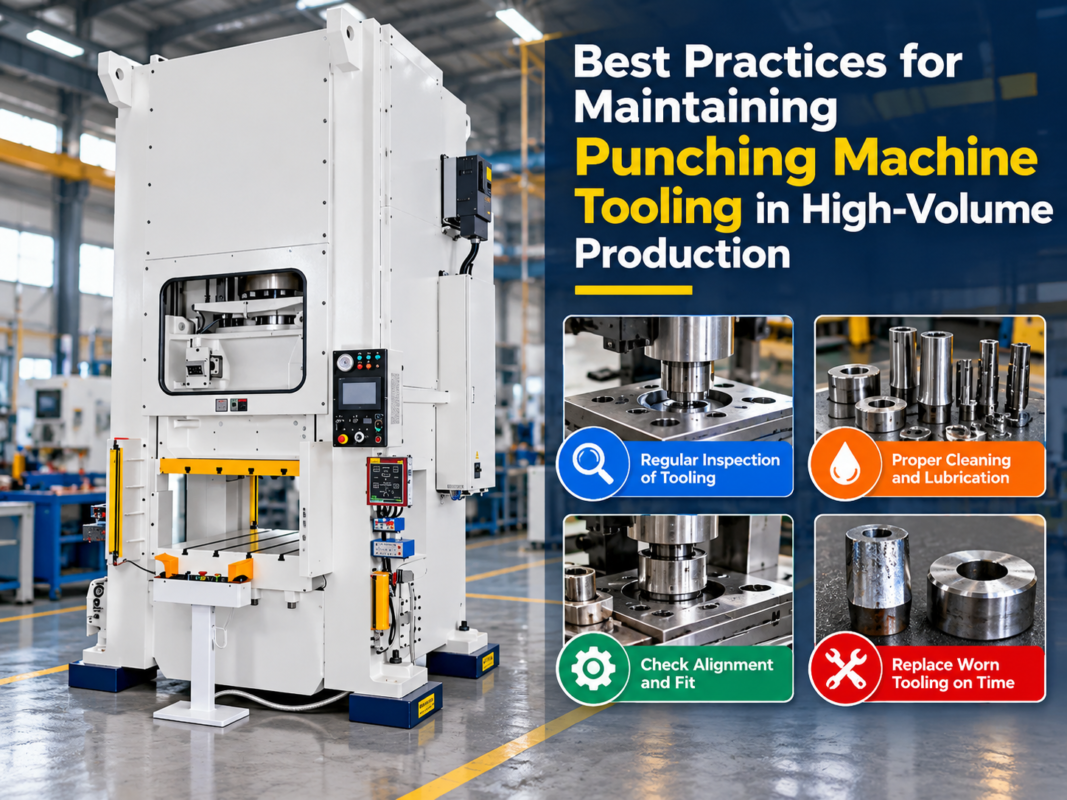
Tooling maintenance is often overlooked but is essential to Maintain A Press Brake Longer Machine Life Stable Bending Results. Punches and dies should be stored properly when not in use to prevent rust and physical damage. Using worn-out tooling forces the machine to use more pressure than necessary to achieve a bend, which puts undue stress on the hydraulic system and the frame. Regularly inspect the “V” opening of the dies for signs of widening or deformation. If the tooling is no longer within tolerance, it must be reground or replaced.
Comprehensive Lubrication Plan
Lubrication is the simplest yet most effective way to prevent mechanical wear. A press brake has numerous moving parts that are subject to high loads. Without a proper film of lubricant, metal-on-metal contact will quickly destroy expensive components. Most modern HARSLE machines feature an automatic lubrication system that delivers grease to the main pivot points and guides. However, the operator must still ensure the grease reservoir is full and that the delivery lines are not blocked or broken.
For machines with manual lubrication points, a strict schedule must be followed. Use only the specific type of grease or oil recommended by the manufacturer. Some greases are designed for high pressure, while others are meant for high-speed movement; using the wrong type can be as damaging as using no lubricant at all. Key areas requiring regular lubrication include the backgauge ball screws, the linear ways, the ram guides, and the pivot pins of the cylinders.
It is also important not to over-lubricate. Excess grease can attract dust and metal particles, creating an abrasive paste that actually accelerates wear. After greasing, wipe away any excess that has squeezed out of the joints. A clean machine is much easier to inspect, and it prevents grease from contaminating the workpieces. Documenting every lubrication cycle in a maintenance log helps ensure that no points are missed and provides a history of care for the machine.
Troubleshooting Signals: What to Watch For
Even with the best maintenance, components will eventually wear out. The key is to recognize the signals of impending failure before they cause a breakdown. One of the most common signals is a change in the machine’s sound. A high-pitched whine from the pump often indicates cavitation (air in the oil) or a clogged suction filter. A deep growling sound may suggest that the pump bearings are failing. Any new vibration felt through the floor or the machine frame should be investigated immediately, as it could indicate a loose mounting bolt or an unbalanced motor.
Changes in bending accuracy are another major signal. If you find that you are constantly having to adjust the CNC offsets to maintain the correct angle, the machine is telling you something is wrong. This could be due to oil temperature fluctuations, worn tooling, or a mechanical shift in the backgauge. Similarly, if the ram does not move smoothly or hesitates during its stroke, there may be an issue with the proportional valves or the encoder feedback system.
Keep an eye on the hydraulic pressure gauge. If the machine struggles to reach its programmed tonnage, or if the pressure spikes erratically, there is likely a problem within the hydraulic circuit. Finally, pay attention to error codes on the CNC screen. While it is tempting to simply clear the code and keep working, repeated errors are a clear sign of an underlying issue. Consult the manual or contact HARSLE technical support to diagnose the root cause of any persistent alarms.
Standard Maintenance Schedule Table
To effectively Maintain A Press Brake Longer Machine Life Stable Bending Results, follow this structured schedule. Adjust the frequency based on your shift patterns and the intensity of your production.
| Frequency | Component | Action Required |
|---|---|---|
| Daily | Tooling & Bed | Clean debris, inspect for cracks or wear. |
| Daily | Hydraulic System | Check oil level and look for leaks. |
| Daily | Safety Systems | Test E-stops and light curtains. |
| Weekly | Backgauge | Clean and lightly lubricate ball screws/guides. |
| Weekly | Electrical Cabinet | Check that cooling fans are operational. |
| Monthly | Ram Gibs | Inspect for wear and check lubrication. |
| Monthly | Electrical System | Vacuum dust from cabinet and check connections. |
| Quarterly | Hydraulic Oil | Inspect oil color and clarity; check filters. |
| Annually | Full Calibration | Verify backgauge accuracy and ram parallelism. |
| Annually | Oil Change | Replace hydraulic oil and clean the reservoir. |
Frequently Asked Questions (FAQ)
1. How often should I change the hydraulic oil in my press brake?
Generally, hydraulic oil should be changed every 2,000 to 4,000 hours of operation, or at least once a year. However, this depends on the environment. If the shop is very hot or dusty, the oil may degrade faster. Always perform an oil analysis if you are unsure of its condition.
2. Why is my press brake losing its bending accuracy?
Accuracy loss can be caused by several factors: worn tooling, inconsistent oil temperature, loose backgauge components, or the machine being out of level. Start by checking the simplest causes, such as cleaning the tooling and checking the oil temperature, before moving to mechanical calibrations.
3. Can I use any type of grease for the backgauge?
No. You should always use the lubricant specified in your machine’s manual. Using a grease that is too thick can put a strain on the servo motors, while a grease that is too thin may not provide enough protection for the ball screws under load.
4. What should I do if I find a hydraulic leak?
Small leaks should be tightened or the seals replaced as soon as possible. Even a small leak can introduce air into the system, which causes foaming and reduces the efficiency of the hydraulics. If a high-pressure line is leaking, shut the machine down immediately to avoid injury.
5. How do I clean the CNC controller screen?
Use a soft, dry microfiber cloth. If necessary, use a cleaner specifically designed for electronic displays. Never use harsh chemicals or abrasive materials, as these can scratch the screen or damage the touch-sensitive layer.
6. Is it necessary to warm up the machine in the morning?
Yes, especially in colder climates. Running the machine for 10-15 minutes at low pressure allows the hydraulic oil to reach its optimal operating temperature, which ensures consistent bending results from the very first part of the day.
7. How can I extend the life of my press brake tooling?
Keep the tooling clean and lightly oiled to prevent rust. Avoid using the machine at its maximum tonnage whenever possible, and ensure that the material being bent is free of heavy scale or debris that could abrade the die surface.