
How Regular Press Brake Maintenance Improves Safety and Production Efficiency


The Strategic Value of Press Brake Maintenance
In the competitive landscape of modern metal fabrication, the press brake stands as a cornerstone of production. Whether you are operating a high-speed CNC model or a heavy-duty hydraulic system, the reliability of this machine dictates your shop’s output quality and safety record. Understanding how regular press brake maintenance improves safety and production efficiency is not merely a technical requirement; it is a fundamental business strategy. When a machine is neglected, the risks extend far beyond simple downtime; they encompass operator injury, ruined workpieces, and expensive emergency repairs that could have been avoided with a proactive approach.
HARSLE, a leader in industrial machinery, emphasizes that a well-maintained press brake operates with the precision intended by its engineers. Over time, mechanical components wear, hydraulic fluids degrade, and electrical connections can loosen due to vibration. By implementing a rigorous maintenance protocol, fabricators ensure that every bend is accurate to the millimeter, reducing scrap rates and maximizing the return on investment. This guide explores the multifaceted benefits of regular upkeep and provides a roadmap for maintaining peak performance.
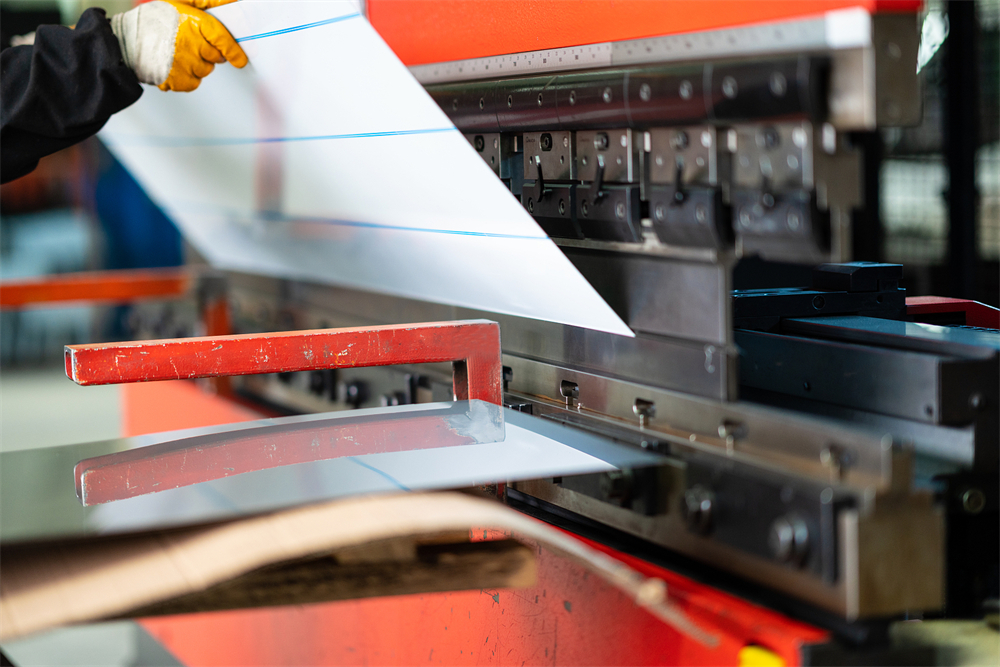
Safety is perhaps the most critical aspect of maintenance. A press brake exerts hundreds of tons of force; any failure in the safety curtains, emergency stops, or hydraulic seals can lead to catastrophic accidents. Regular inspections ensure that these safety features are fully functional, providing peace of mind to the workforce and compliance with international safety standards. Furthermore, a machine that runs smoothly is a machine that runs predictably, which is the first line of defense against workplace hazards.
The Importance of Daily Inspections
The foundation of any successful maintenance program is the daily inspection. This routine should be performed at the start of every shift to identify potential issues before they escalate into major failures. Operators should begin with a visual sweep of the machine, looking for signs of oil leaks, loose bolts, or debris in the working area. A clean machine is easier to inspect, as leaks and cracks become immediately visible against a clean surface.
During the daily check, the operator must verify the functionality of all safety devices. This includes testing the light curtains to ensure they trigger a stop when interrupted and checking the emergency stop buttons. The ram should be cycled a few times without a workpiece to ensure smooth movement and to check for any unusual noises or vibrations. These few minutes of daily diligence can save hours of troubleshooting later in the week.
Another critical daily task is checking the tooling. The punch and die should be inspected for chips, cracks, or excessive wear. Damaged tooling not only compromises the accuracy of the bend but can also cause uneven loading on the ram, leading to premature wear of the machine’s structural components. Ensuring that the tooling is clean and properly seated is a simple yet effective way to maintain production quality.
Hydraulic System Maintenance: The Lifeblood of the Press Brake
The hydraulic system is the heart of the press brake, providing the force necessary to bend thick metal plates. Maintaining the health of this system is paramount. The primary concern is the hydraulic oil itself. Over time, oil can become contaminated with microscopic metal particles, dust, and moisture. This contamination acts as an abrasive, wearing down valves, seals, and pump components. Regular oil analysis and timely filter changes are essential to prevent this internal erosion.
Monitoring oil temperature is equally important. If the oil runs too hot, its viscosity drops, leading to poor lubrication and potential damage to the pump. Conversely, if the oil is too cold, the machine may respond sluggishly. Most modern HARSLE press brakes include temperature sensors, but operators should still be mindful of the ambient environment and the machine’s cooling system. Ensuring that the oil cooler is free of dust and that the cooling fans are operational will prevent overheating during long production runs.
Leaks are another common issue in hydraulic systems. Even a small drip can indicate a failing seal or a loose fitting. Beyond the obvious mess and slip hazard, a leak introduces air into the system, which can cause “spongy” ram movement and inconsistent bending results. Regularly tightening fittings and replacing worn seals will keep the system pressurized and responsive, directly contributing to how regular press brake maintenance improves safety and production efficiency.
Electrical and Control System Checks
Modern press brakes are highly sophisticated, relying on complex electrical circuits and CNC controllers to manage precision movements. The electrical cabinet should be inspected monthly to ensure that all connections are tight. Vibration from the machine’s operation can gradually loosen terminal screws, leading to intermittent faults or even electrical fires. Using an infrared thermometer to check for “hot spots” on breakers and contactors can help identify failing components before they fail completely.
The CNC controller is the brain of the operation. It requires regular software updates and data backups. Dust is the enemy of electronics; therefore, the cooling fans for the control cabinet must be cleaned, and filters should be replaced regularly. If the cabinet overheats, the controller may crash or provide erratic commands to the servo motors, leading to ruined parts or dangerous machine behavior.
Sensors and encoders also require attention. These components provide feedback on the position of the ram and the backgauge. If a sensor becomes misaligned or coated in grime, the machine’s accuracy will suffer. Wiping down scales and ensuring that cables are not frayed or pinched will maintain the high-precision feedback loop necessary for complex bending operations.
Mechanical Integrity and Alignment
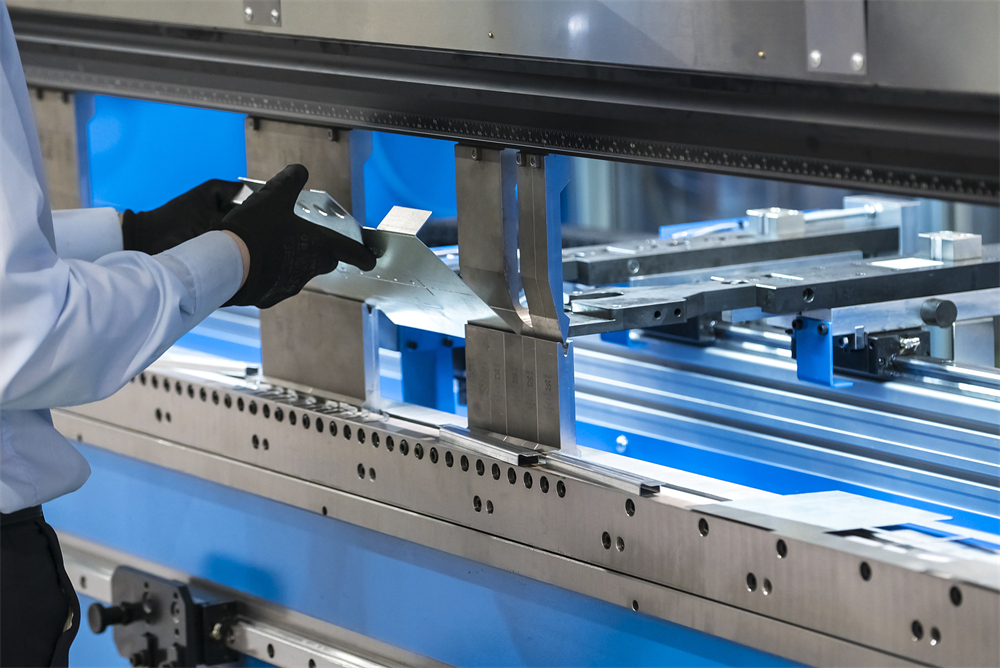
The mechanical structure of the press brake, including the frame, ram, and backgauge, must remain perfectly aligned to produce accurate parts. Over time, the constant stress of bending can cause slight shifts in the machine’s geometry. Periodically checking the parallelism of the ram to the bed is vital. If the ram is out of alignment, the bend angle will vary across the length of the workpiece, leading to high rejection rates.
The backgauge system is another area where mechanical wear is common. The X, R, and Z axes rely on precision ball screws and linear guides. These components must be kept clean and properly lubricated. Any play or “backlash” in the backgauge will result in inconsistent flange lengths. Regularly checking the tightness of the backgauge fingers and ensuring the guide rails are free of nicks or debris will keep the positioning system accurate to within microns.
Furthermore, the gibs—the adjustable guides that control the ram’s vertical travel—must be checked for proper clearance. If the gibs are too tight, the ram will bind and consume excessive power; if they are too loose, the ram will tilt during the bend, causing inaccuracies. Proper adjustment of the gibs ensures smooth, vertical travel and extends the life of the wear plates.
Developing a Comprehensive Lubrication Plan
Lubrication is the simplest yet most frequently overlooked aspect of maintenance. Without proper lubrication, metal-on-metal contact leads to rapid wear and eventual seizure of moving parts. A comprehensive lubrication plan should specify the type of lubricant (grease or oil), the location of the lubrication points, and the frequency of application. Many HARSLE machines feature automatic lubrication systems, but these still require regular monitoring to ensure the reservoir is full and the lines are not blocked.
Key areas requiring lubrication include the ram guides, backgauge ball screws, and any pivot points in the linkage. It is important to use the specific lubricants recommended by the manufacturer. Using the wrong grade of grease can be as damaging as using no grease at all, as it may not provide the necessary film strength under high pressure or may clog fine lubrication channels.
In addition to applying new lubricant, it is important to remove old, contaminated grease. Over time, grease can trap metal shavings and shop dust, turning it into an abrasive paste. Wiping down guide rails before applying fresh lubricant ensures that the machine stays clean and the moving parts are protected from unnecessary friction.
Troubleshooting Signals: Listening to Your Machine
Experienced operators often develop a “sixth sense” for their machines, noticing subtle changes in sound or feel. These signals are often the first indicators that maintenance is required. For example, a high-pitched squeal from the hydraulic pump might indicate cavitation or a clogged suction filter. A rhythmic clicking during backgauge movement could suggest a damaged ball in the screw assembly. Ignoring these sounds is a recipe for expensive repairs.
Vibration is another key indicator. While some vibration is normal during a bend, excessive or new vibrations can point to loose mounting bolts, an unbalanced motor, or failing bearings. By addressing these issues early, you prevent the vibration from damaging more sensitive components like the CNC controller or the optical scales. Monitoring the heat generated by motors and gearboxes is also useful; a component that is too hot to touch is likely failing or being overworked.
Inconsistent bending results are perhaps the most frustrating signal. If the machine suddenly starts producing different angles with the same settings, it is a clear sign that something is wrong. This could be due to hydraulic pressure fluctuations, mechanical misalignment, or even software errors. Systematic troubleshooting, starting with the simplest possibilities (like dirty tooling) and moving to the complex (like proportional valve calibration), is the best approach.
Comprehensive Maintenance Schedule Table
To ensure nothing is missed, every shop should follow a structured maintenance schedule. The following table provides a general guideline for press brake upkeep.
| Frequency | Component | Action Required |
|---|---|---|
| Daily | Safety Systems | Test light curtains and emergency stops. |
| Daily | Tooling | Clean and inspect for chips or cracks. |
| Daily | Hydraulics | Check oil level and look for leaks. |
| Weekly | Mechanical Guides | Clean and lubricate ram gibs and backgauge rails. |
| Weekly | Electrical | Clean controller fans and cabinet filters. |
| Monthly | Hydraulic Oil | Check oil temperature and filter condition. |
| Monthly | Fasteners | Check and tighten all structural bolts. |
| Quarterly | Alignment | Verify ram parallelism and backgauge calibration. |
| Annually | Full Service | Change hydraulic oil, replace all filters, and perform professional calibration. |
Conclusion: The Long-Term Benefits of Maintenance
Investing time and resources into a maintenance program pays dividends in the long run. When you understand how regular press brake maintenance improves safety and production efficiency, you move from a reactive “fix-it-when-it-breaks” mindset to a proactive “keep-it-running” philosophy. This transition reduces the total cost of ownership, as small, inexpensive parts are replaced before they cause the failure of large, expensive ones. Furthermore, a machine that is consistently accurate allows for tighter production schedules and higher customer satisfaction.
Safety remains the ultimate priority. A well-maintained HARSLE press brake is a safe environment for your most valuable asset: your employees. By following the guidelines outlined in this article, you can ensure that your metal fabrication operations remain productive, profitable, and, most importantly, safe for years to come. Remember, maintenance is not a cost; it is an investment in the future of your workshop.
Frequently Asked Questions
How often should I change the hydraulic oil in my press brake?
Generally, hydraulic oil should be changed every 2,000 to 4,000 hours of operation, or at least once a year. However, this can vary based on the environment and the intensity of use. Regular oil analysis can provide a more accurate picture of when a change is necessary by measuring contamination levels and additive depletion.
What are the signs that my press brake tooling needs replacement?
Signs of worn tooling include visible nicks, rounded edges on the punch, or widening of the die V-opening. If you notice that your bend angles are becoming inconsistent or that there are unusual marks on the finished parts, it is time to inspect and potentially replace your tooling.
Can I perform maintenance myself, or do I need a professional?
Daily and weekly tasks like cleaning, lubrication, and visual inspections can and should be performed by the operator. However, complex tasks such as hydraulic valve calibration, CNC software troubleshooting, or major structural alignments are best left to factory-trained technicians to ensure the machine remains within original specifications.
How does maintenance affect the resale value of a press brake?
A machine with a documented maintenance history commands a significantly higher resale price. Potential buyers look for evidence that the machine was cared for, as this reduces their risk of inheriting hidden mechanical or hydraulic problems. Keeping a detailed logbook of all maintenance activities is highly recommended.












