High-Volume Punching Machine Uses in Job Shops and OEM Factories: A Comprehensive Guide


Introduction to High-Volume Punching in Modern Manufacturing
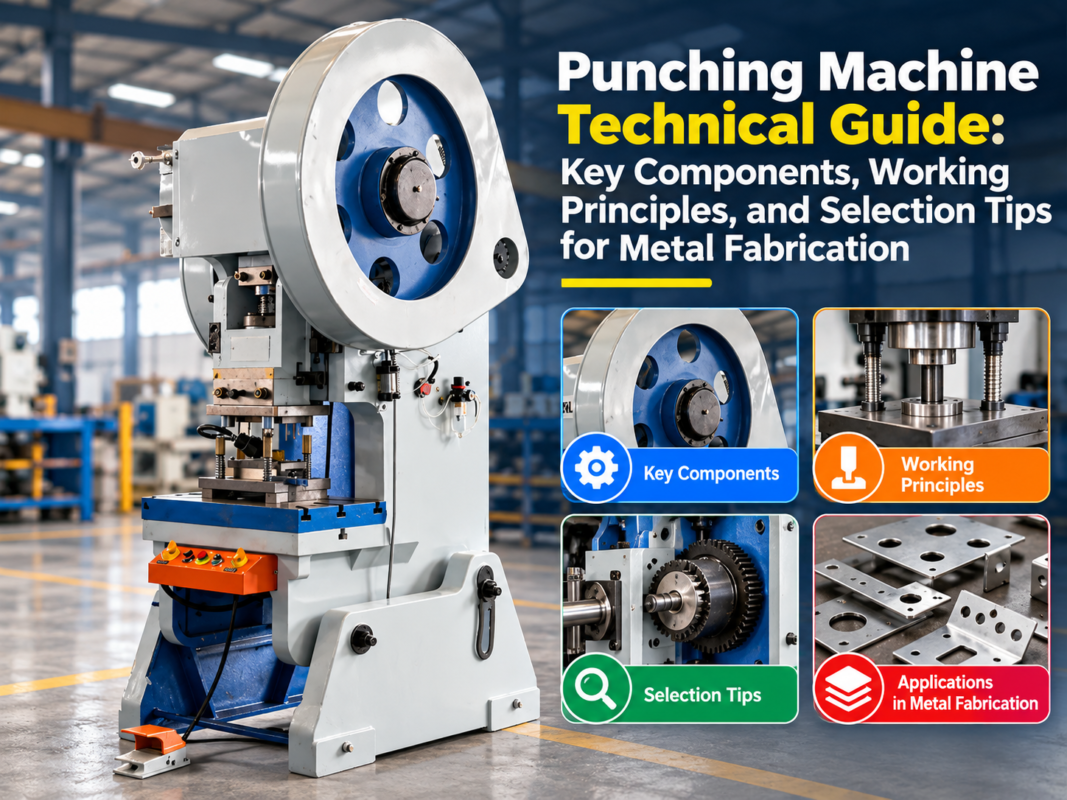
In the rapidly evolving landscape of metal fabrication, the demand for precision, speed, and cost-efficiency has never been higher. High-volume punching machines have emerged as the backbone of both versatile job shops and dedicated Original Equipment Manufacturer (OEM) factories. These machines, ranging from mechanical power presses to sophisticated CNC turret punch presses, are designed to handle repetitive tasks with extreme accuracy. Understanding the high-volume punching machine uses in job shops and OEM factories is essential for any business looking to optimize its production line and maintain a competitive edge in the global market.
For job shops, the primary challenge lies in versatility. They must be able to switch between different projects, materials, and designs with minimal downtime. Conversely, OEM factories focus on the mass production of specific components, where the priority is maximizing throughput and ensuring part-to-part consistency over thousands of cycles. High-volume punching machines cater to both these environments by offering programmable controls, rapid tool changes, and robust construction that can withstand 24/7 operations. HARSLE, a leader in metal fabrication machinery, provides solutions that bridge the gap between these two distinct manufacturing models.
The transition from manual punching to high-volume automated systems has revolutionized how sheet metal is processed. Modern machines are no longer just about making holes; they are multi-functional centers capable of forming, ribbing, louvering, and even tapping. This versatility is what makes the high-volume punching machine uses in job shops and OEM factories so diverse. Whether it is creating intricate ventilation grilles for electronics or heavy-duty brackets for the automotive industry, these machines provide the force and precision necessary to meet stringent industrial standards.
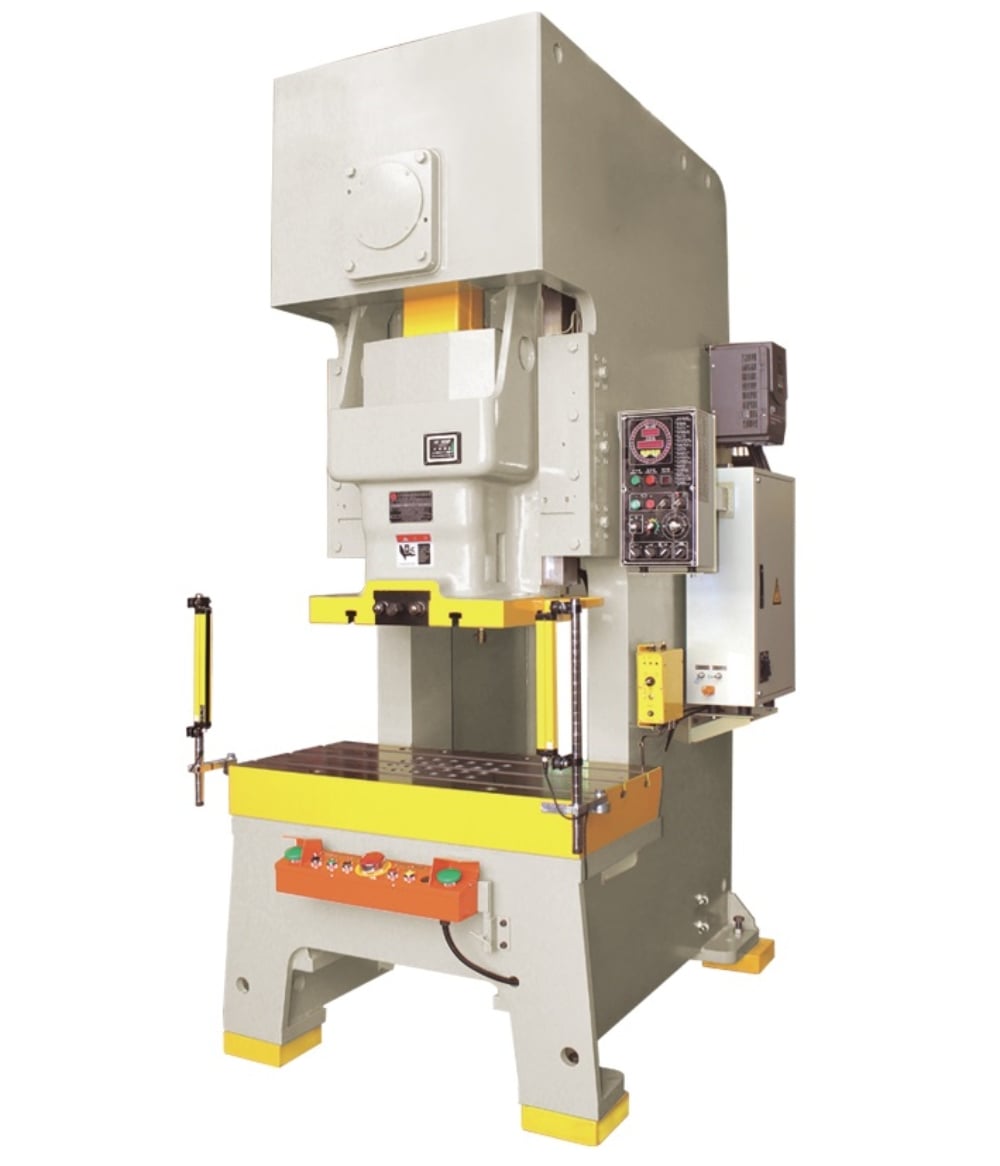
Key Considerations for High-Volume Punching Machine Uses in Job Shops and OEM Factories
Versatility vs. Dedicated Throughput
When analyzing high-volume punching machine uses in job shops and OEM factories, the first consideration is the nature of the production run. Job shops often deal with “high volume” in terms of the total number of hits per day across various small-to-medium batches. For them, a machine with a large turret capacity—allowing for 30 to 50 tools to be loaded simultaneously—is vital. This reduces the need for frequent manual tool changes, allowing the shop to pivot from a cabinet door project to a bracket order in minutes.
OEM factories, however, define high volume as the continuous production of a single part or a family of parts. In this context, the machine’s integration with automated loading and unloading systems (such as sheet loaders or robotic arms) becomes the priority. The goal is to minimize human intervention and maximize the “green light” time of the machine. High-speed servo-electric punching heads are often preferred in OEM settings because they offer faster cycle times and lower energy consumption compared to traditional hydraulic systems.
Material Compatibility and Tonnage
The type of material being processed significantly influences the choice of a punching machine. High-volume punching machine uses in job shops and OEM factories span a wide range of materials, including cold-rolled steel, stainless steel, aluminum, and even copper for electrical components. Each material requires a specific tonnage and punching speed to prevent deformation and ensure clean edges. For instance, punching thick stainless steel requires a high-tonnage machine (typically 30 tons or more) with specialized tool coatings to resist wear.
In job shops, where the material thickness might change from 0.5mm to 6mm throughout the day, a machine with an adjustable stroke and programmable ram speed is essential. This flexibility allows the operator to fine-tune the punching process for each material type, ensuring that the machine is not over-stressed while maintaining high output. OEM factories, dealing with consistent material specs, can optimize their machines for a specific thickness, often achieving incredible speeds that would be difficult to maintain in a high-mix environment.
Technical Details of High-Volume Punching Systems
Drive Systems: Hydraulic vs. Servo-Electric
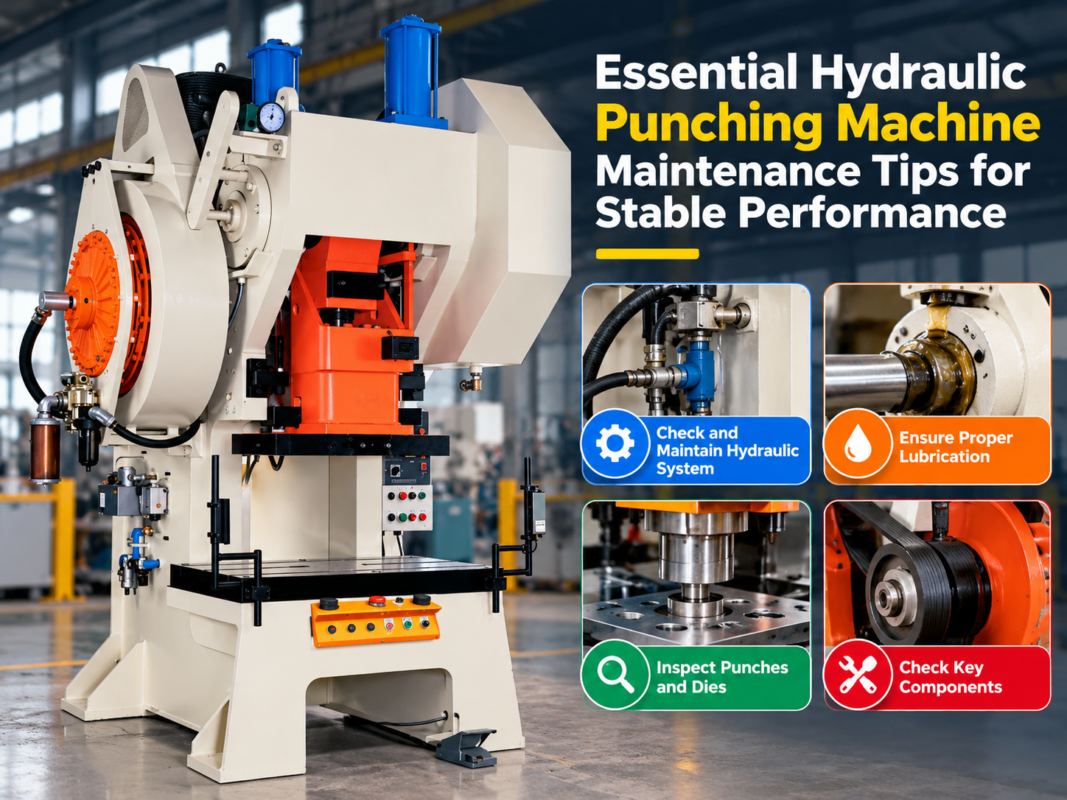
The heart of any high-volume punching machine is its drive system. Traditionally, hydraulic systems have been the standard due to their high force and reliability. Hydraulic punching machines are excellent for heavy-duty applications where consistent pressure is required throughout the stroke. However, they can be noisier and require more maintenance due to oil seals and cooling requirements. In many job shops, the robustness of a hydraulic system is preferred for its ability to handle “tough” jobs without complaint.
Modern OEM factories are increasingly turning to servo-electric drive systems. These systems use high-torque servo motors to drive the punching ram directly. The advantages are numerous: they are significantly quieter, more energy-efficient, and offer unparalleled control over the ram’s position. This precision allows for advanced forming operations, such as high-speed embossing or rolling offsets, which are common in high-volume consumer electronics and appliance manufacturing. The ability to control the exact entry and exit speed of the punch also extends tool life, a critical factor in high-volume environments.
CNC Control and Nesting Software
The intelligence behind high-volume punching machine uses in job shops and OEM factories lies in the CNC controller and the associated nesting software. Advanced controllers, such as those from Fanuc or Siemens, allow for complex geometries to be programmed with ease. In a high-volume setting, the efficiency of the “nest” (how parts are arranged on a sheet) can mean the difference between profit and loss. Nesting software optimizes material usage, reducing scrap and ensuring that the punching path is as short as possible to save time.
For job shops, the software must be intuitive and capable of importing various CAD file formats. Speed of programming is key. In OEM environments, the software is often integrated with the factory’s ERP (Enterprise Resource Planning) system, allowing for automated job scheduling and real-time monitoring of production metrics. This level of integration ensures that the high-volume punching machine is always operating at peak efficiency, with data-driven insights guiding maintenance and operation strategies.
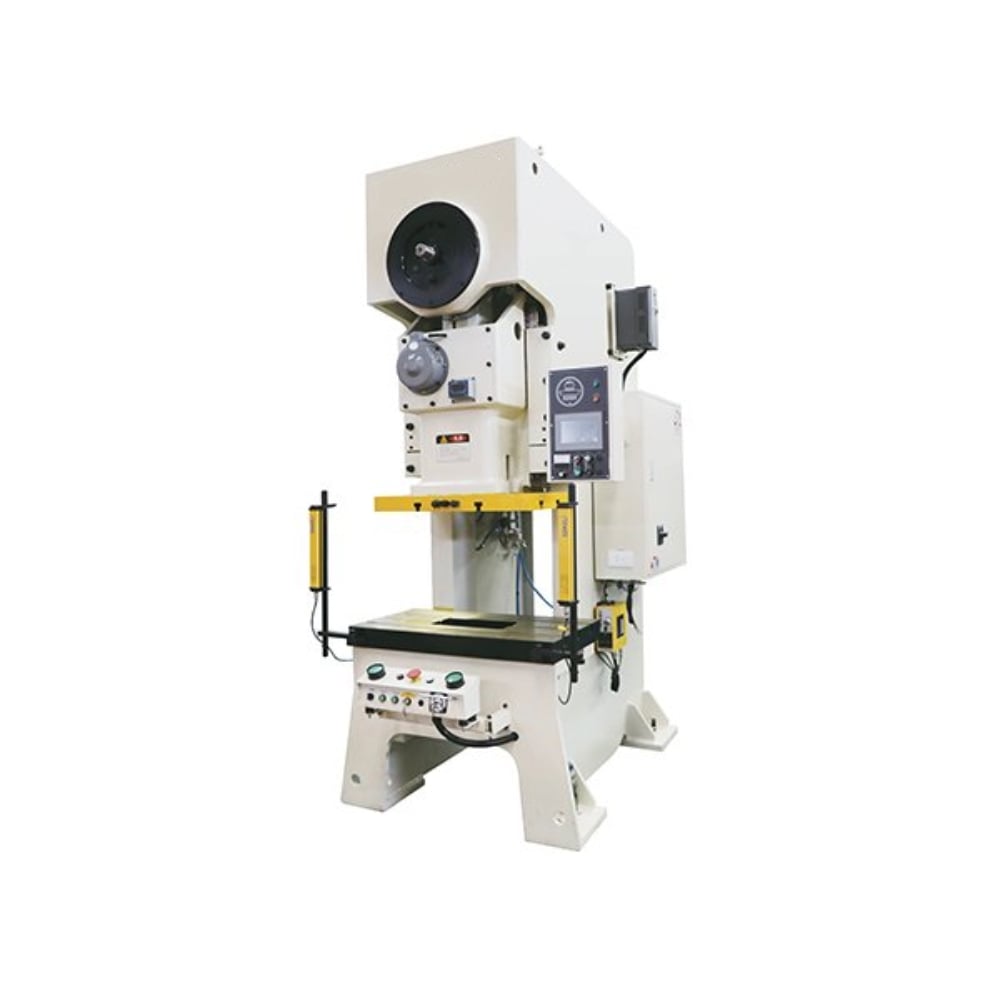
Selection Advice: Choosing the Right Machine for Your Needs
Assessing Production Volume and Variety
When selecting a machine, the first step is to conduct a thorough audit of your current and projected production needs. If your business is a job shop that takes on a wide variety of small orders, look for a machine with a large turret and quick-change tooling features. Features like “Auto-Index” stations, which allow tools to rotate to any angle, are invaluable for reducing the number of tools needed and simplifying complex part geometries. This flexibility is a hallmark of high-volume punching machine uses in job shops and OEM factories where variety is the norm.
If you are an OEM or a contract manufacturer with long-term, high-volume contracts, focus on automation and speed. A machine that can be equipped with a large-scale sheet storage system (a “tower”) and an automated part sorter will significantly increase your capacity. In these scenarios, the initial investment in automation pays for itself through reduced labor costs and the ability to run “lights-out” shifts during the night or weekends.
Evaluating Build Quality and Support
High-volume punching puts immense stress on the machine’s frame and components. Look for machines with a heavy-duty O-frame or bridge-frame design, which offers superior rigidity compared to C-frame designs. A rigid frame minimizes deflection during the punching stroke, which is critical for maintaining tool alignment and part accuracy over millions of cycles. Furthermore, consider the availability of local technical support and spare parts. A high-volume machine sitting idle due to a lack of parts can cost a factory thousands of dollars in lost revenue every hour.
| Feature | Job Shop Priority | OEM Factory Priority |
|---|---|---|
| Turret Capacity | High (30+ stations) | Moderate (Optimized for specific parts) |
| Automation | Optional (Manual loading common) | Critical (Full load/unload systems) |
| Changeover Speed | Very High | Moderate |
| Drive Type | Hydraulic or Servo | Primarily Servo-Electric |
Maintenance and Tooling Longevity
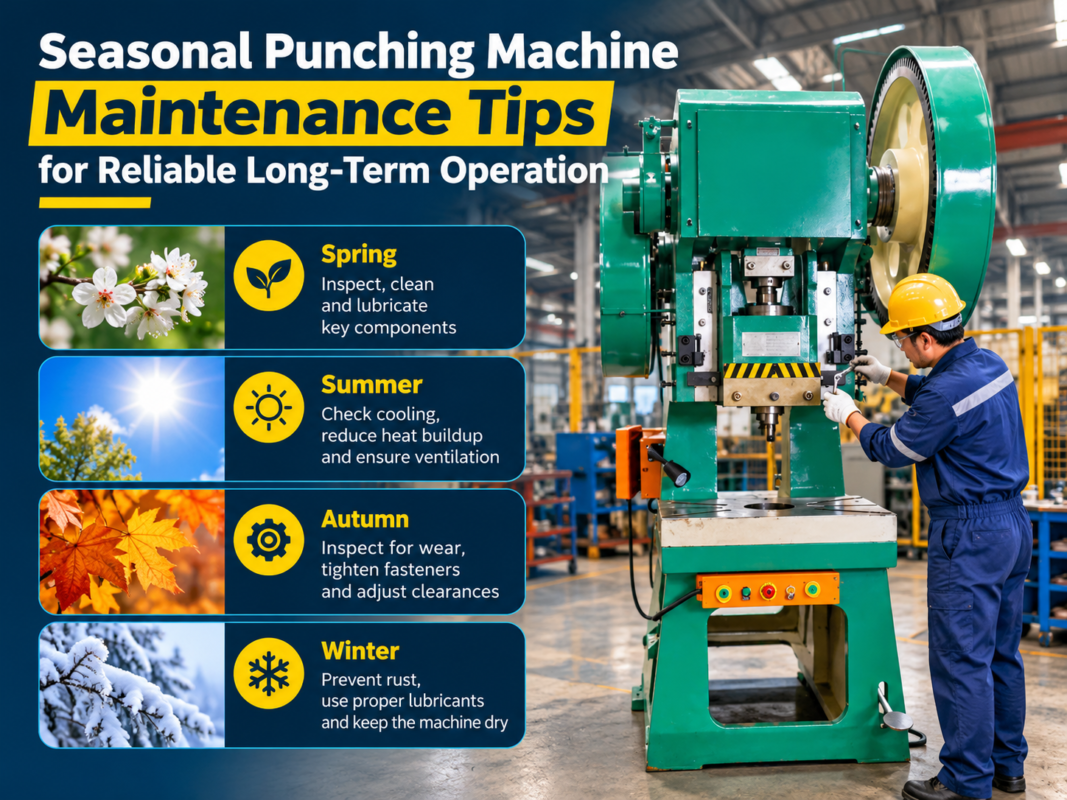
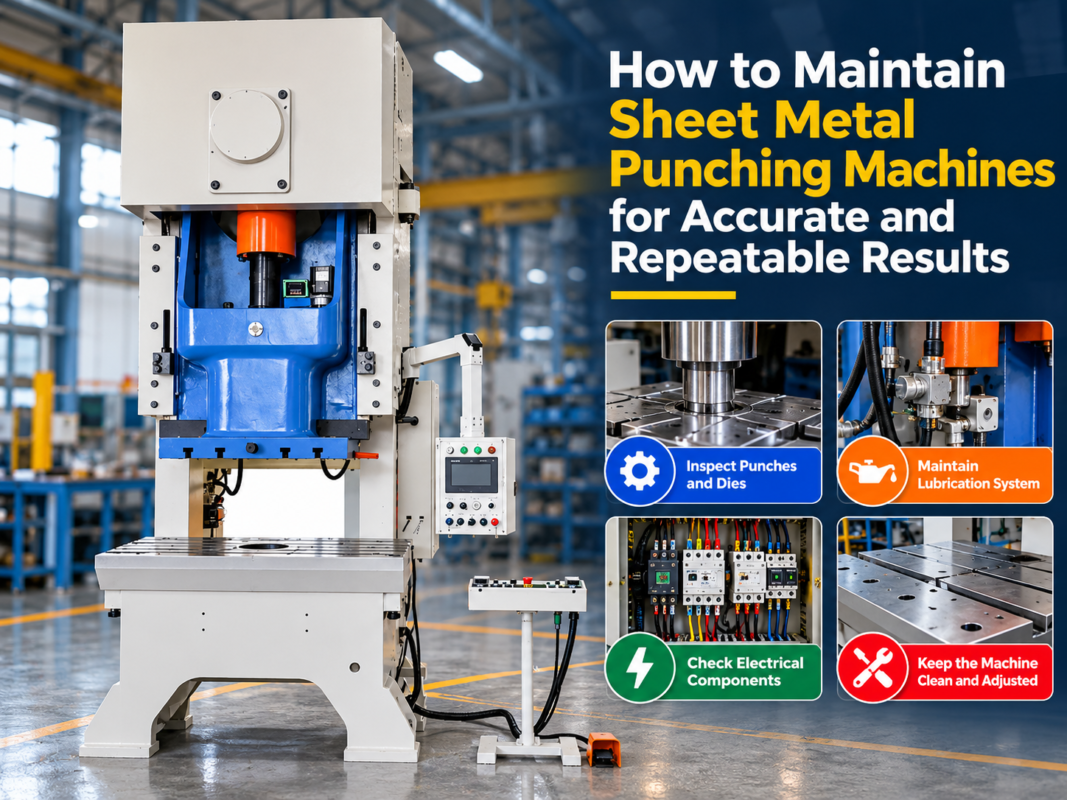
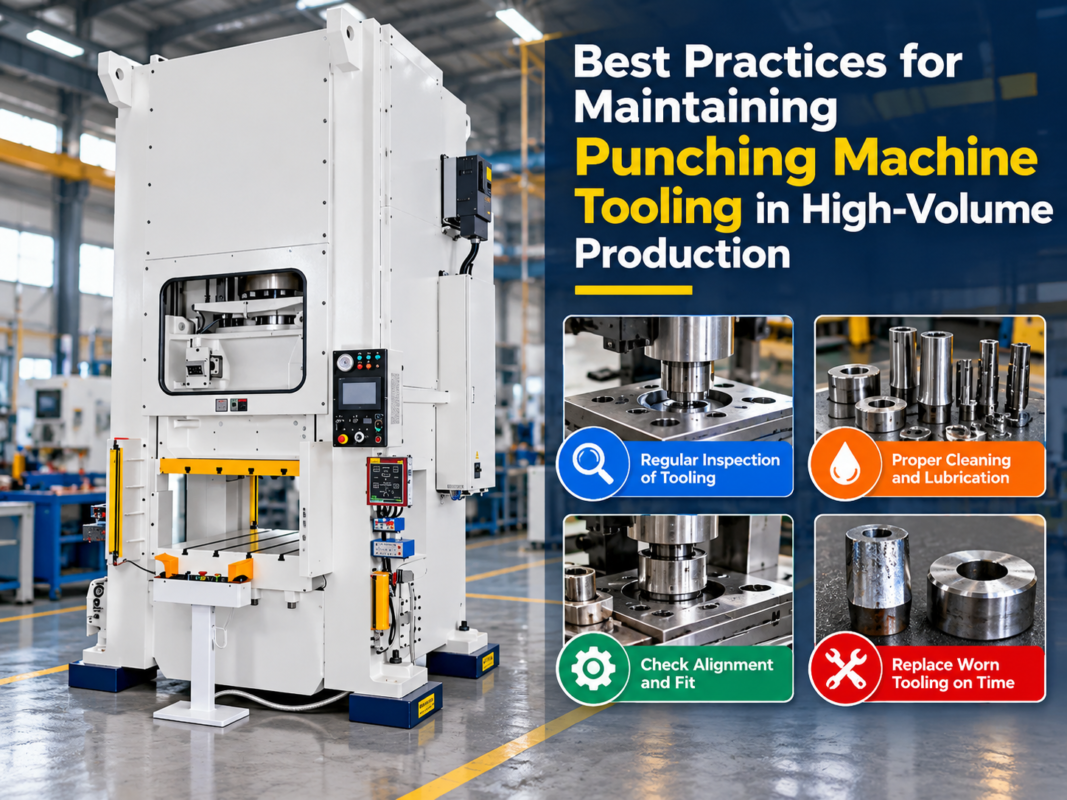
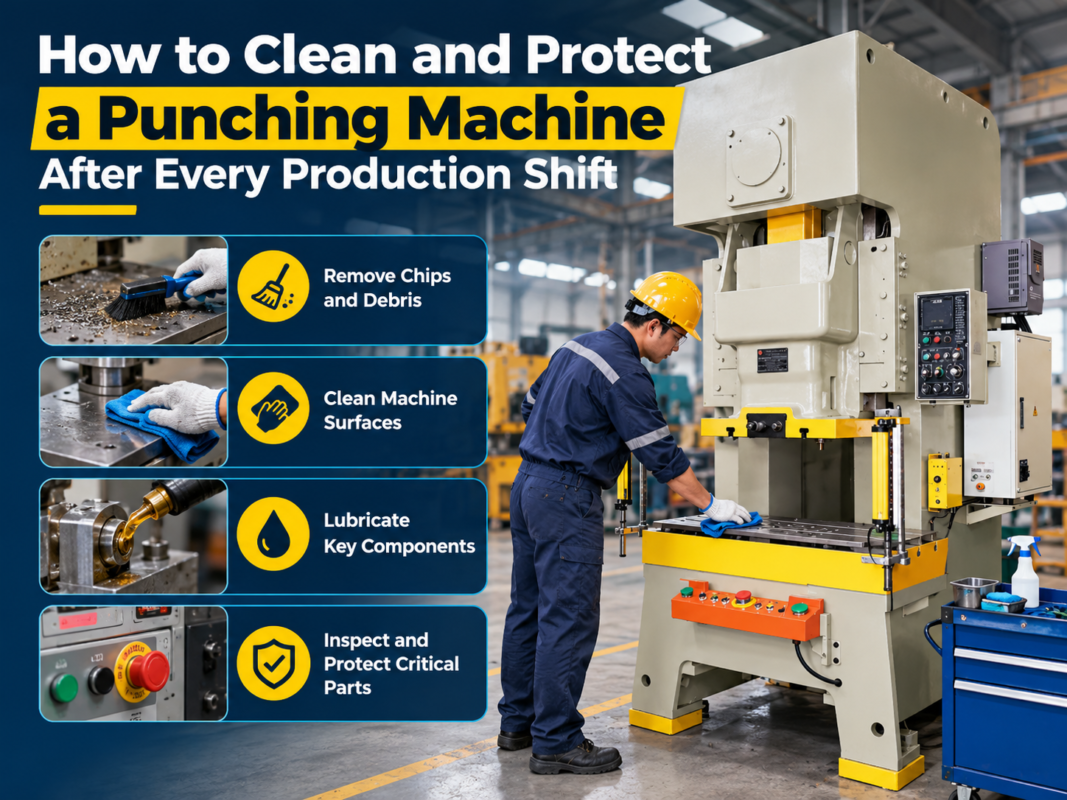
To maximize the high-volume punching machine uses in job shops and OEM factories, a rigorous maintenance schedule is non-negotiable. Tooling is the most significant recurring cost in punching operations. In high-volume environments, tools can perform hundreds of thousands of hits per week. Using high-quality tool steels and applying coatings like TiCN (Titanium Carbonitride) can significantly extend the life of the punches and dies. Additionally, implementing a regular sharpening schedule ensures that the parts produced have clean edges and that the machine is not subjected to unnecessary shock loads from dull tools.
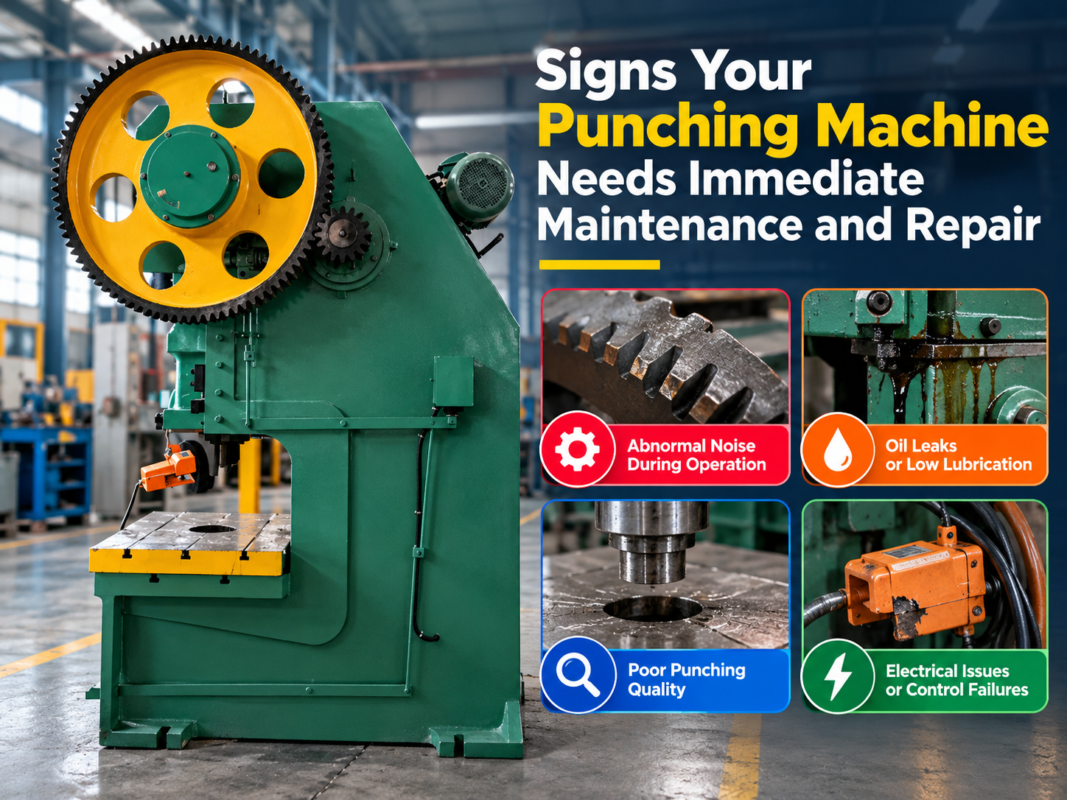
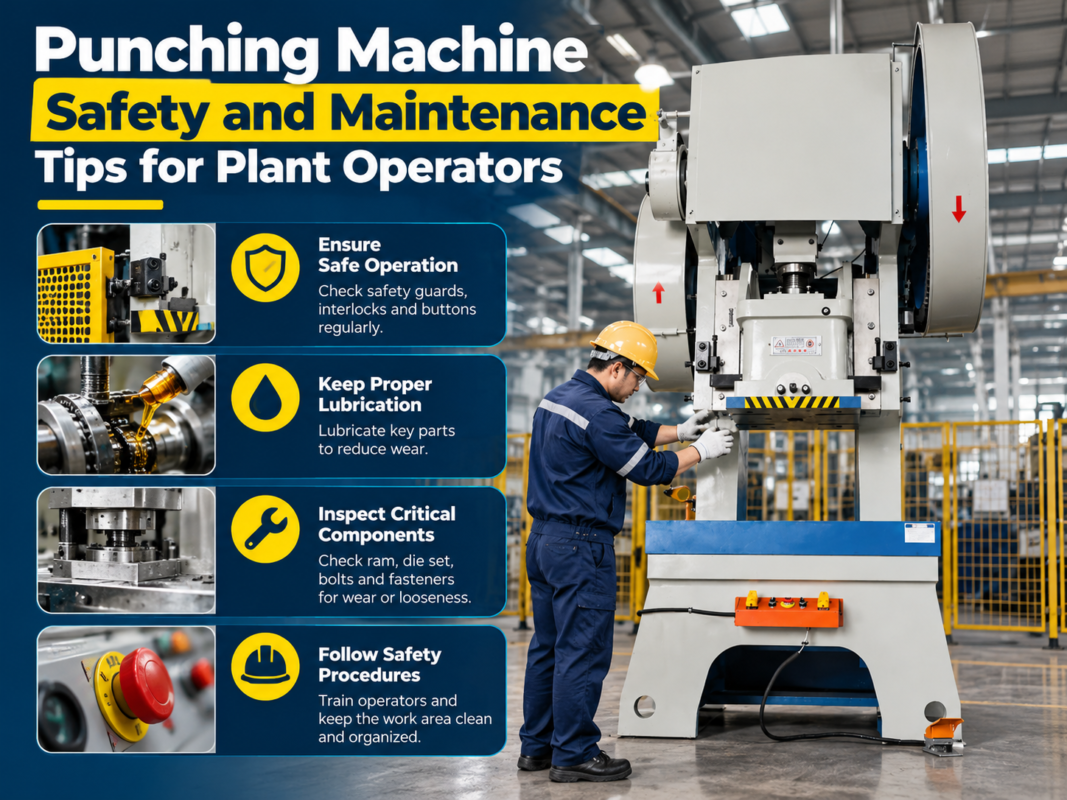
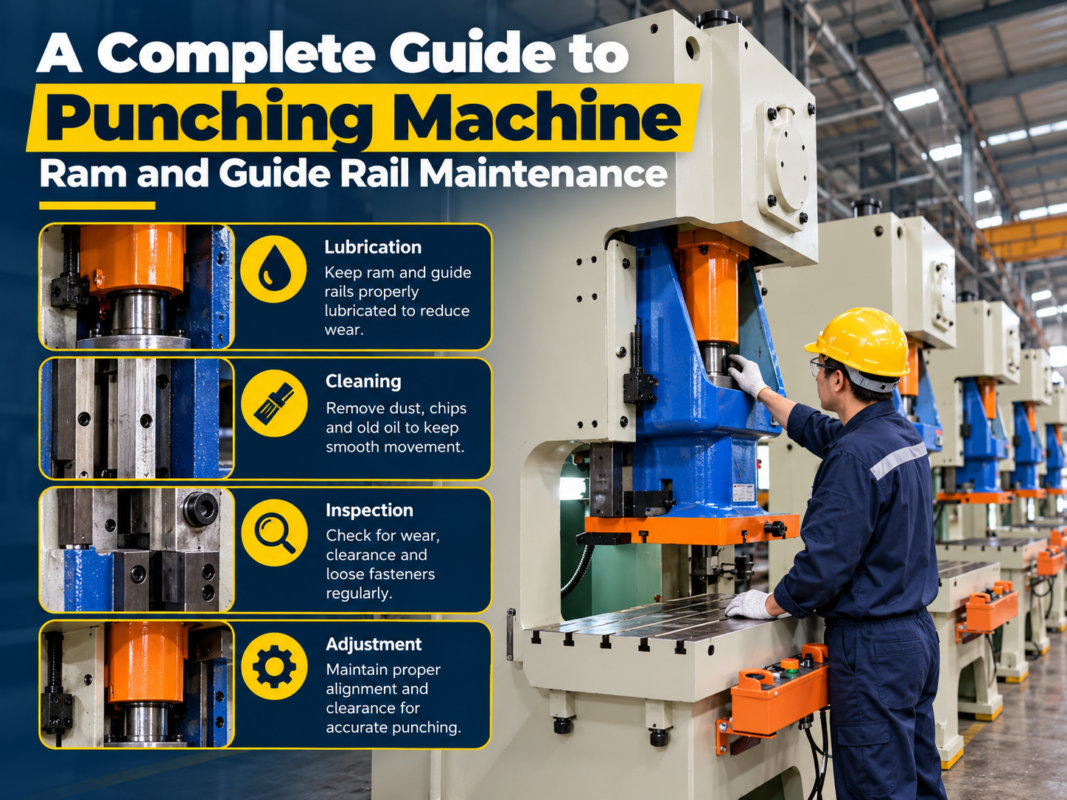
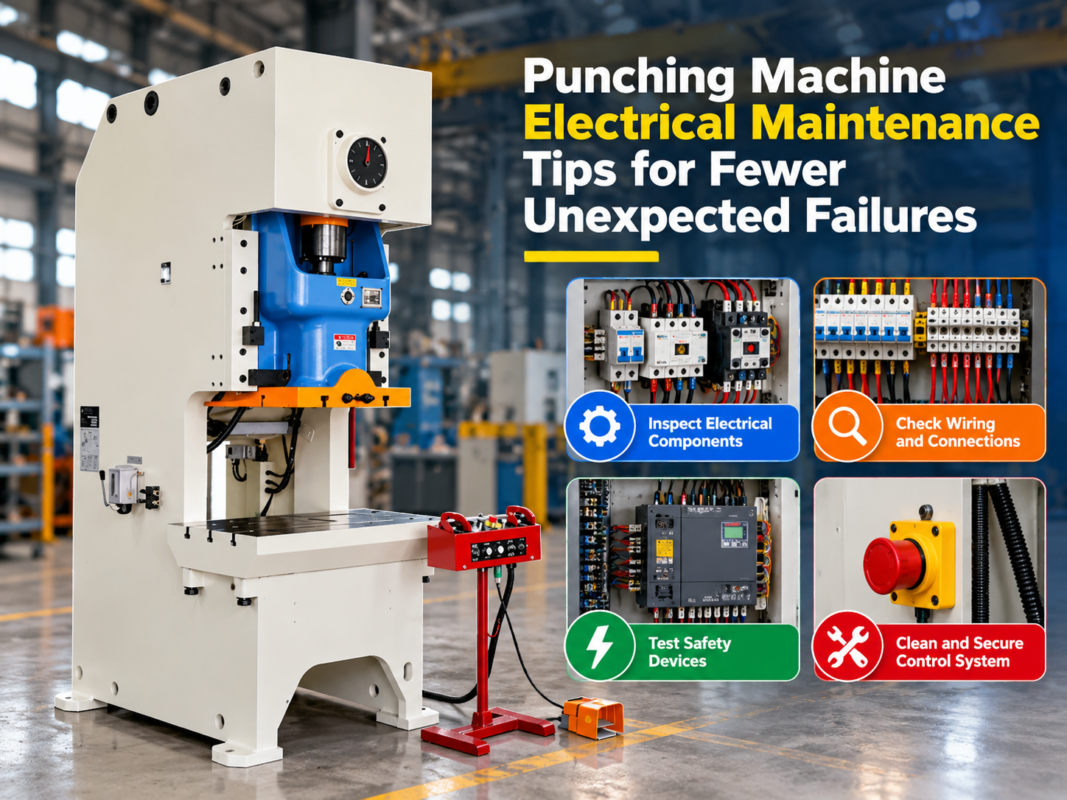
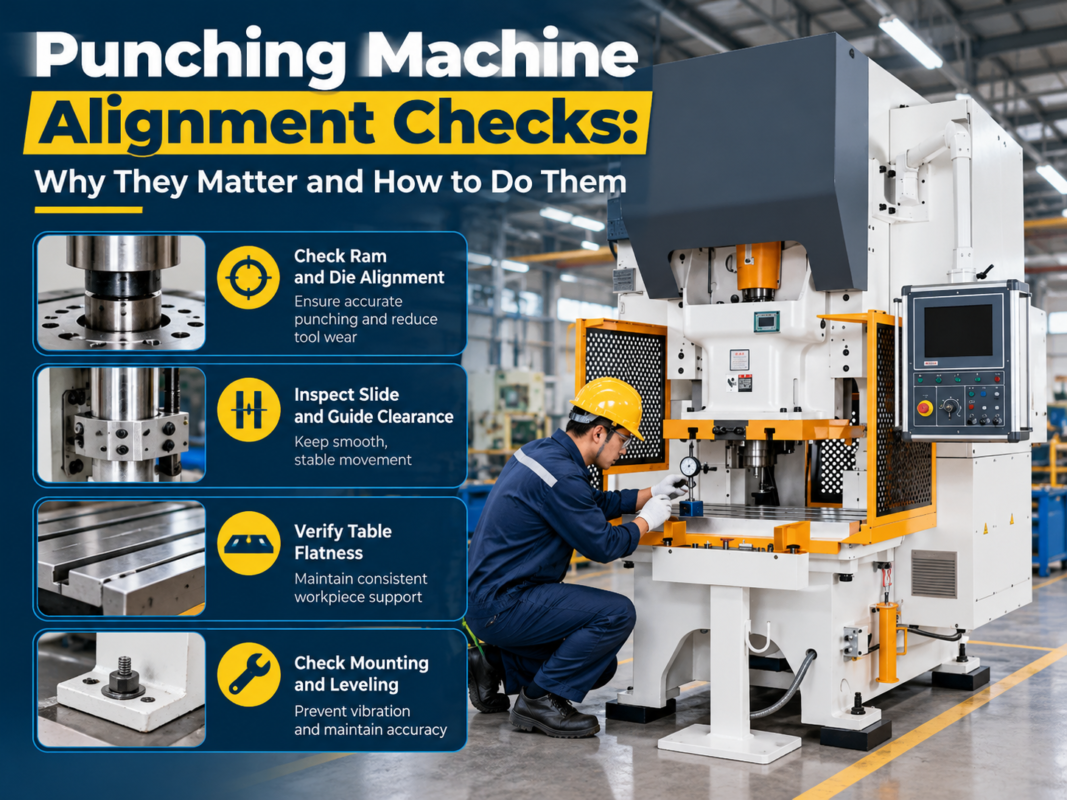
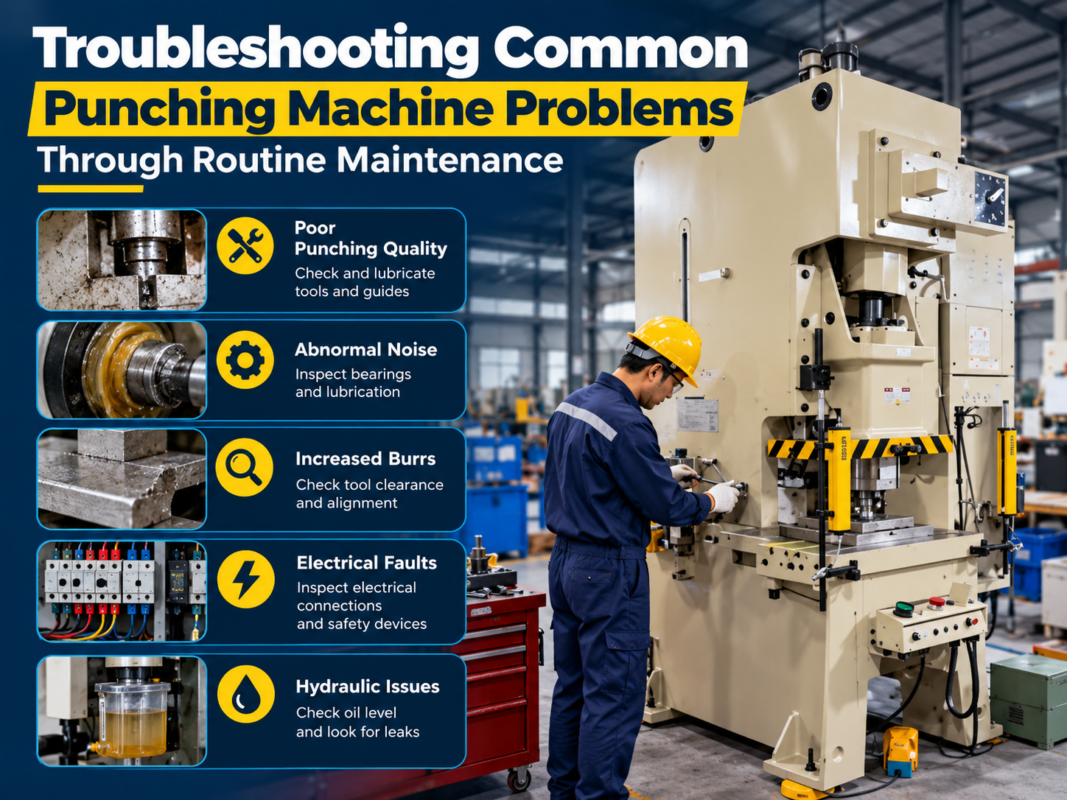
Machine maintenance should focus on lubrication systems, alignment checks, and hydraulic fluid health (if applicable). For CNC systems, keeping the cooling fans and electrical cabinets clean is vital to prevent overheating of the sensitive electronics. Many modern HARSLE machines come equipped with self-diagnostic tools that alert operators to potential issues before they lead to catastrophic failure. By treating the machine as a precision instrument rather than just a piece of heavy iron, manufacturers can ensure a long and productive service life.
Frequently Asked Questions (FAQ)
What are the primary high-volume punching machine uses in job shops and OEM factories?
In job shops, these machines are used for a wide variety of custom parts, including enclosures, brackets, and decorative panels. In OEM factories, they are typically used for mass-producing components for appliances, automotive parts, HVAC systems, and telecommunications equipment where high repeatability is required.
How does a CNC turret punch press differ from a standard power press?
A CNC turret punch press holds multiple tools in a rotating turret and can move the sheet metal in the X and Y axes to punch various shapes and holes based on a programmed design. A standard power press usually uses a fixed die set to stamp out a single part design repeatedly. The turret press offers much higher flexibility for complex parts.
Is servo-electric punching better than hydraulic punching?
It depends on the application. Servo-electric machines are faster, more energy-efficient, and quieter, making them ideal for high-speed, high-volume production of thinner materials. Hydraulic machines are often more cost-effective for heavy-duty, high-tonnage applications where raw power is the primary requirement.
What is the typical ROI for a high-volume punching machine?
ROI varies based on utilization, but many shops see a return on investment within 18 to 36 months. The savings come from reduced labor costs (due to automation), lower scrap rates (due to precision nesting), and the ability to take on higher-volume contracts that were previously impossible to fulfill profitably.
Can high-volume punching machines handle forming operations?
Yes, modern CNC punching machines can perform a variety of forming operations, such as creating louvers, countersinks, ribs, and even small bends. This eliminates the need for secondary operations on other machines, further increasing efficiency in both job shops and OEM environments.
Conclusion: The Future of High-Volume Punching
The high-volume punching machine uses in job shops and OEM factories continue to expand as technology advances. We are seeing a move toward even greater integration, with machines becoming part of a fully connected “Smart Factory” ecosystem. The use of AI-driven nesting, predictive maintenance sensors, and even faster servo drives will continue to push the boundaries of what is possible in sheet metal fabrication. For manufacturers, the key to success lies in choosing a machine that not only meets today’s production demands but also offers the scalability to adapt to tomorrow’s challenges.
Whether you are a small job shop looking to increase your throughput or a large-scale OEM aiming for maximum efficiency, HARSLE provides the expertise and equipment necessary to achieve your goals. By investing in high-quality punching technology, businesses can ensure they remain at the forefront of the industrial manufacturing sector, delivering high-quality products at competitive prices. The versatility and power of the modern punching machine remain unmatched, securing its place as a vital tool in the global industrial landscape for years to come.