
Punching Machine Buying Guide for Small to Medium Metal Fabrication Businesses

Introduction to Punching Machine Procurement for SMEs
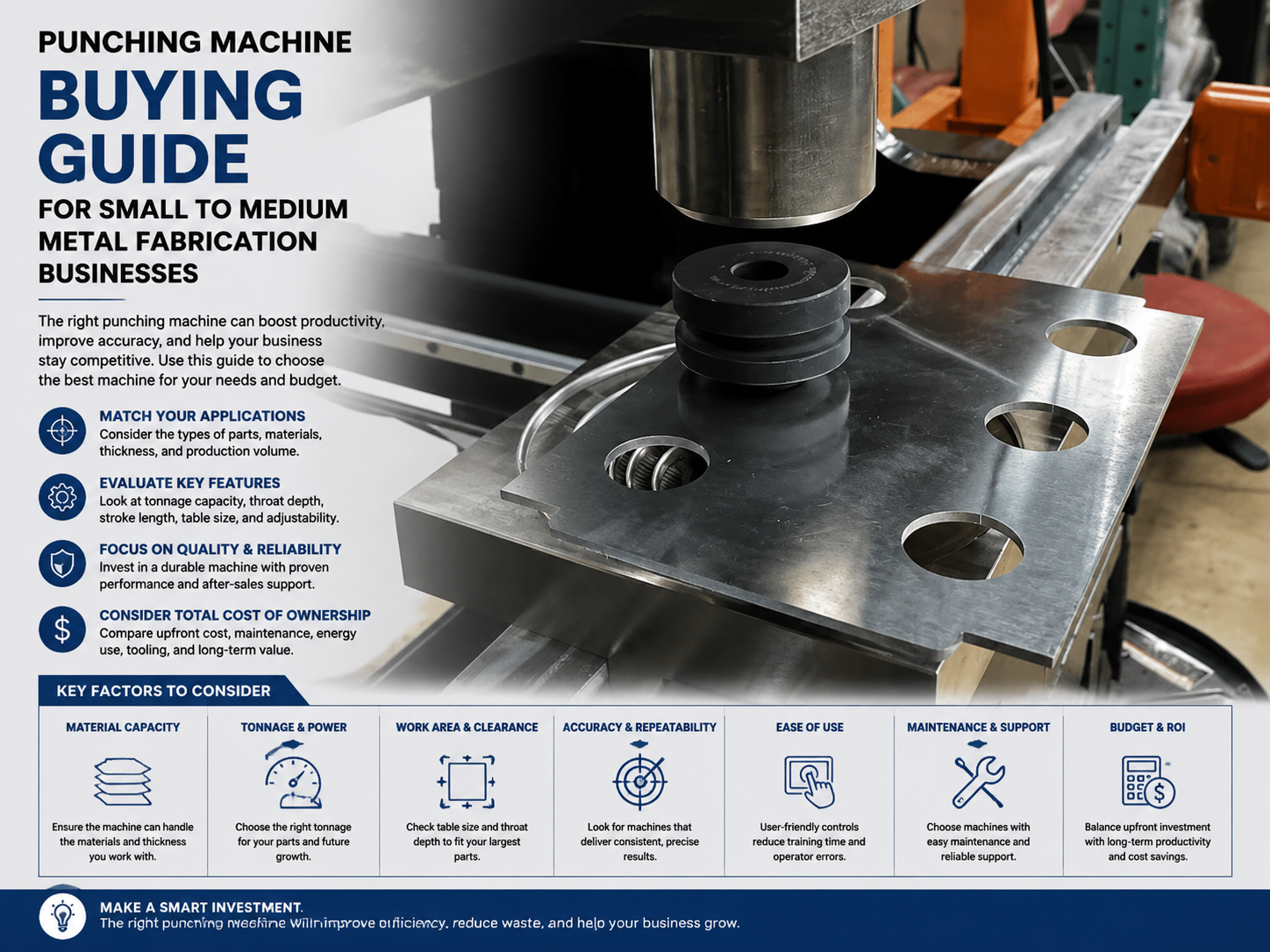
For small to medium-sized enterprises (SMEs) in the metal fabrication sector, the transition from manual processes to automated punching can be the single most significant factor in scaling production. A punching machine is not merely a tool; it is the heartbeat of a fabrication shop, responsible for creating holes, notches, and complex forms in sheet metal with high precision and speed. However, the market is saturated with various technologies, from simple mechanical presses to high-end servo-electric CNC turret punch presses. Choosing the right equipment requires a deep understanding of your current production volume, material types, and long-term growth objectives.
HARSLE understands that for an SME, every capital investment must be justified by a clear return on investment (ROI). This guide is designed to navigate the complexities of the punching machine market, providing a roadmap for business owners to identify the machine that balances cost-efficiency with technical capability. Whether you are looking to upgrade from a manual ironworker or investing in your first CNC turret punch, understanding the nuances of tonnage, tooling, and software is essential.
Price Range Overview: What to Expect
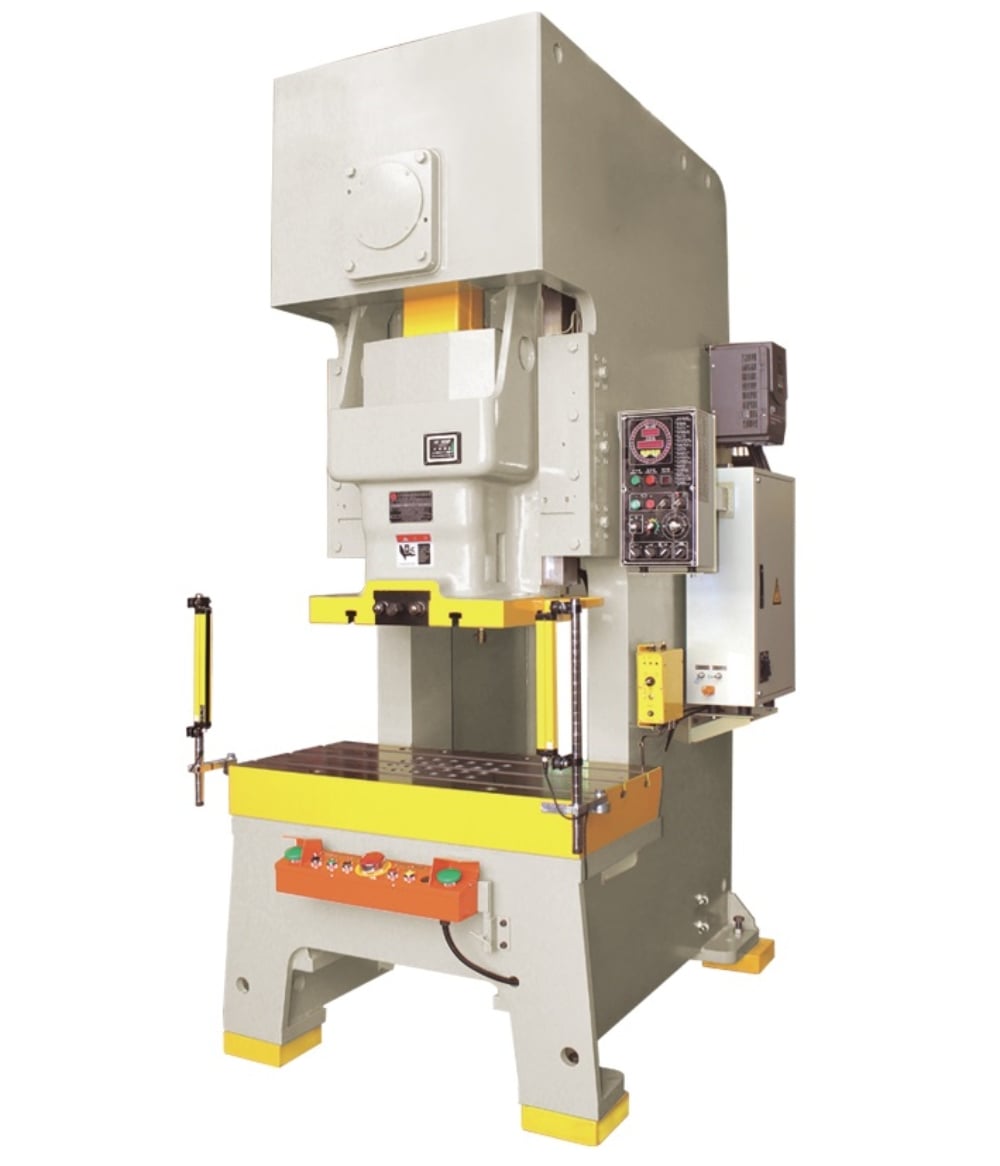
The price of a punching machine varies significantly based on its level of automation, tonnage, and the complexity of its control system. For small businesses, the entry point is often a manual or semi-automatic hydraulic punching machine. These units typically range from $5,000 to $15,000. They are ideal for low-volume work, prototype development, or shops that primarily handle heavy plate punching where high-speed repetition isn’t the primary concern.
Mid-range solutions, which are the most popular among growing SMEs, include single-station CNC punching machines or entry-level turret punch presses. These machines generally fall between $25,000 and $60,000. They offer a significant jump in productivity by allowing for programmed hole patterns and basic nesting, reducing the manual labor involved in positioning the workpiece. These machines are the workhorses of the medium-sized fabrication shop, providing a balance between versatility and capital expenditure.
At the higher end of the spectrum for SMEs are the fully automated CNC Turret Punch Presses (NCT). These machines can cost anywhere from $70,000 to over $200,000. While the initial investment is high, these machines feature multi-tool turrets (often 16 to 32 stations), auto-index stations, and high-speed hit rates (up to 600-1000 hits per minute). For a business moving into high-volume production or complex part manufacturing, the efficiency gains of these machines often justify the six-figure price tag within a few years of operation.
Main Cost Drivers in Punching Machine Acquisition
Understanding what drives the price of a punching machine helps buyers prioritize features that actually add value to their specific workflow. The first major driver is Tonnage. Tonnage refers to the pressing force the machine can exert. A 30-ton machine is standard for most sheet metal work up to 6mm thick, but if your shop frequently works with thicker stainless steel or large-diameter holes, you may need a 50-ton or even 80-ton machine. Higher tonnage requires more robust frames and larger hydraulic or servo systems, directly increasing the cost.
The second driver is Throat Depth and Table Size. The throat depth determines the maximum width of the sheet the machine can handle without flipping it. A larger throat depth (e.g., 1250mm or 1500mm) allows for larger workpieces but requires a much larger and more rigid machine frame to prevent deflection. Similarly, the size of the worktable and the type of movement (ball transfer vs. brush table) impact the price. Brush tables are preferred for sensitive materials like polished stainless steel or aluminum to prevent scratching, though they are more expensive to maintain than ball transfer tables.
The Number of Tool Stations is the third critical factor. In a turret punch press, more stations mean less downtime for tool changes. A machine with 32 stations, including several “Auto-Index” stations (which can rotate the tool to any angle), provides immense flexibility but comes at a premium. For SMEs, a 16 or 24-station turret is often the “sweet spot,” providing enough variety for most jobs without the extreme cost of a high-capacity turret.
Configuration Impact: Mechanical, Hydraulic, and Servo-Electric
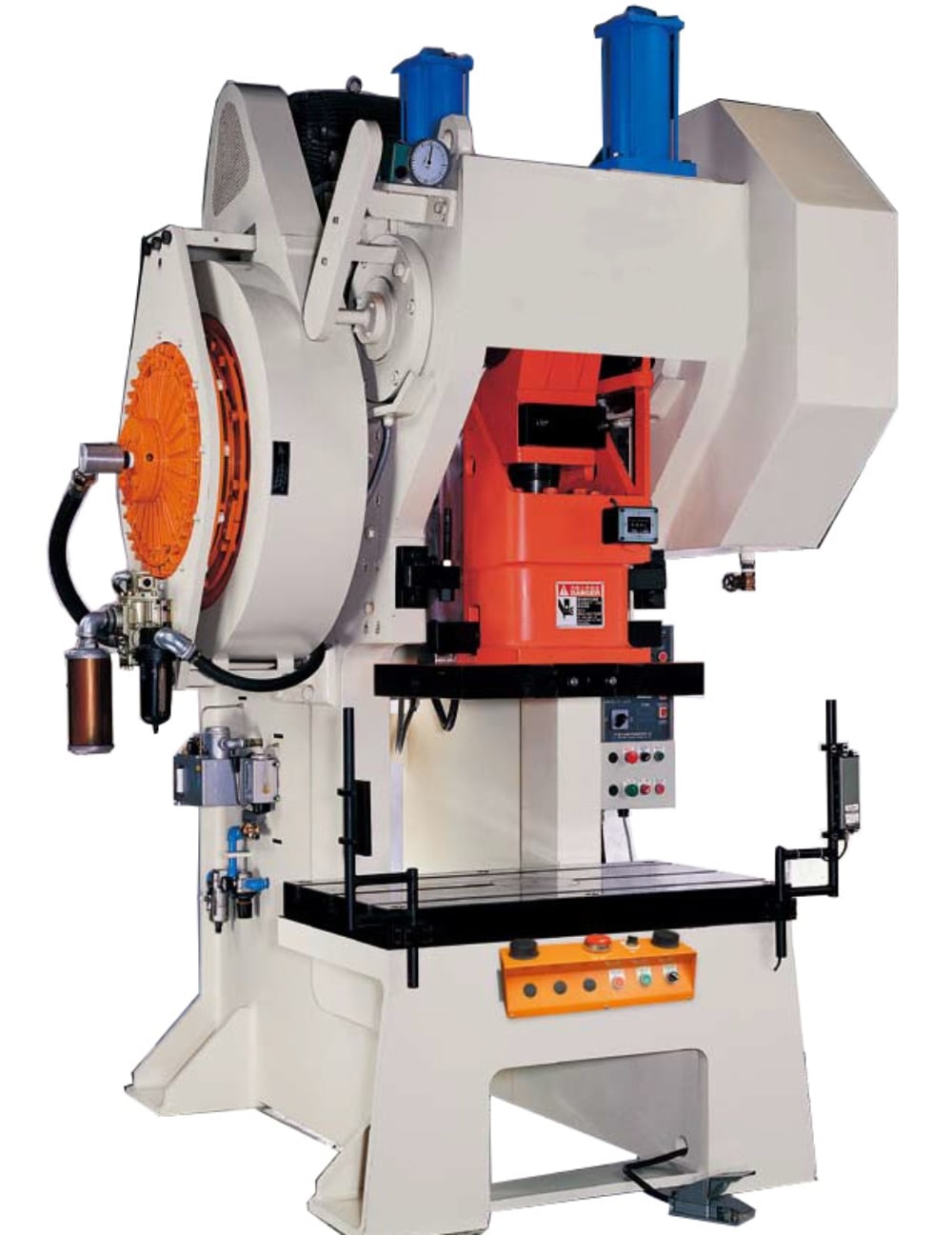
The internal drive mechanism of the punching machine significantly impacts its performance, maintenance requirements, and energy consumption. Traditionally, Mechanical Flywheel machines were the standard. They are powerful and relatively simple but lack the control needed for delicate forming operations and are quite noisy. They are rarely the first choice for modern SMEs due to their lack of flexibility.
Hydraulic Punching Machines are currently the most common choice for SMEs. They offer excellent control over the stroke, allowing for operations like louvering, embossing, and forming. Hydraulic systems are reliable and provide consistent tonnage throughout the stroke. However, they require regular oil changes, cooling systems, and are less energy-efficient than newer technologies because the hydraulic pump often runs continuously.
Servo-Electric Punching Machines represent the cutting edge of the industry. Instead of hydraulics, they use high-torque servo motors to drive the ram. This allows for extreme precision, significantly higher hit rates, and much lower energy consumption (often 50-70% less than hydraulic machines). While the upfront cost is higher, the reduced maintenance (no oil, no leaks) and energy savings make them an attractive long-term investment for businesses with high utility costs or those aiming for “green” manufacturing certifications.
Hidden Costs: Beyond the Sticker Price
When budgeting for a punching machine, SMEs often overlook the “soft costs” that can add 20% or more to the initial investment. Tooling is the most significant recurring expense. A single high-quality punch and die set can cost several hundred dollars. To fully equip a 24-station turret, you might spend $10,000 to $20,000 just on the initial tooling library. Furthermore, tools require regular sharpening; therefore, a tool grinder is a necessary peripheral investment.
Software and Integration are also critical. A CNC punching machine is only as good as the code that runs it. Professional CAD/CAM nesting software (like Lantek or Metalix) is essential for optimizing material usage and reducing scrap. These licenses often involve annual maintenance fees. Additionally, consider the cost of Installation and Training. While some manufacturers include this, others charge for the technician’s travel and daily rate. For an SME, ensuring your operators are properly trained is vital to prevent expensive crashes and machine downtime.
Finally, consider Facility Requirements. A large CNC turret punch press can weigh 10 to 20 tons. Does your shop floor have a reinforced concrete foundation thick enough to support this weight without vibrating? If not, you may need to excavate and pour a dedicated machine pad. You must also account for the electrical infrastructure; these machines often require high-amperage 3-phase power, which might necessitate an expensive electrical panel upgrade.
ROI Calculation: Justifying the Investment
To calculate the ROI of a punching machine, an SME must look at three primary factors: labor reduction, material savings, and increased throughput. If a manual process takes 30 minutes to layout and punch a part, and a CNC machine can do it in 2 minutes, the labor saving is 93%. Multiply this by your hourly labor rate and the number of parts produced annually to find your direct savings.
Material savings come from Nesting Optimization. Manual punching often results in significant scrap because it’s difficult to manually calculate the tightest fit for parts on a sheet. CNC software can achieve 85-90% material utilization. For a shop spending $100,000 a year on raw sheet metal, a 10% improvement in utilization saves $10,000 annually. When you combine these factors with the ability to take on more complex jobs that were previously impossible, most SMEs find that a well-chosen punching machine pays for itself within 18 to 36 months.
Buying Advice for Small to Medium Businesses
When you are ready to purchase, follow these strategic steps to ensure you get the best value:
- Assess Your Material Mix: Don’t buy a machine based on what you might do in five years; buy for what you do 80% of the time now, with a 20% buffer for growth. If you mostly punch 2mm aluminum, a 50-ton machine is overkill.
- Evaluate the Controller: Ensure the CNC interface is user-friendly. Systems like FANUC or Siemens are industry standards, making it easier to find experienced operators and get technical support.
- Check the After-Sales Support: For an SME, machine downtime is a disaster. Ask the manufacturer about their spare parts inventory in your region and the availability of remote diagnostic support.
- Request a Sample Part: Send your most complex part drawing to the manufacturer and ask them to punch it. This proves the machine’s capability and gives you an accurate cycle time for your ROI calculations.
- Consider the “O-Frame” vs. “C-Frame”: O-frame (bridge) designs are generally more rigid and offer better accuracy over time, whereas C-frame machines offer better access for oversized sheets but can suffer from “yawing” or deflection under high tonnage.
Frequently Asked Questions (FAQ)
1. What is the difference between a turret punch and a single-station punch?
A single-station punch requires the operator to manually change the tool for every different hole size or shape. A turret punch holds multiple tools in a rotating carousel, allowing the machine to switch tools automatically in seconds. Turret punches are significantly faster for complex parts with multiple hole types.
2. Can a punching machine replace a laser cutter?
Not entirely, but they complement each other. Punching machines are much faster and cheaper for creating standard holes, louvers, and forms. However, laser cutters are better for complex, organic shapes and very thick materials where a punch would struggle. Many SMEs find that a punching machine is more cost-effective for 70% of their work.
3. How often does a punching machine need maintenance?
Daily maintenance involves checking lubrication levels and cleaning the worktable. Monthly tasks include checking hydraulic filters and inspecting electrical connections. Tooling should be inspected daily and sharpened as soon as the punch edges show wear to ensure clean cuts and protect the machine’s ram.
4. Is it better to buy a new or used punching machine?
For SMEs, a new machine from a reputable brand like HARSLE often provides better value due to the warranty, modern software compatibility, and lower energy consumption. Used machines can have hidden hydraulic issues or obsolete control systems that are expensive to repair.
5. What safety features should I look for?
Modern machines should have light curtains or physical barriers to prevent operator access to the moving ram. Emergency stop buttons should be easily accessible, and the software should have built-in collision detection to prevent the tools from hitting the work clamps.
6. How much floor space does a CNC turret punch press require?
Beyond the machine’s physical footprint (typically around 5m x 5m), you need to account for the “sheet travel” area. The sheet moves rapidly in the X and Y directions, so you need a safety perimeter of at least 1.5 to 2 meters around the entire movement range of the machine.












