Punching Machine Vs Laser Cutting: Which Is Better Metal Workshop – A Comprehensive Guide


Technical Overview: Understanding the Fundamentals of Metal Processing
In the modern metal fabrication landscape, the debate of Punching Machine Vs Laser Cutting: Which Is Better Metal Workshop is a central concern for business owners looking to optimize their production lines. Both technologies have evolved significantly over the last decade, with HARSLE leading the way in providing high-performance solutions for both categories. To make an informed decision, one must first understand the underlying physics and mechanical principles of each method.
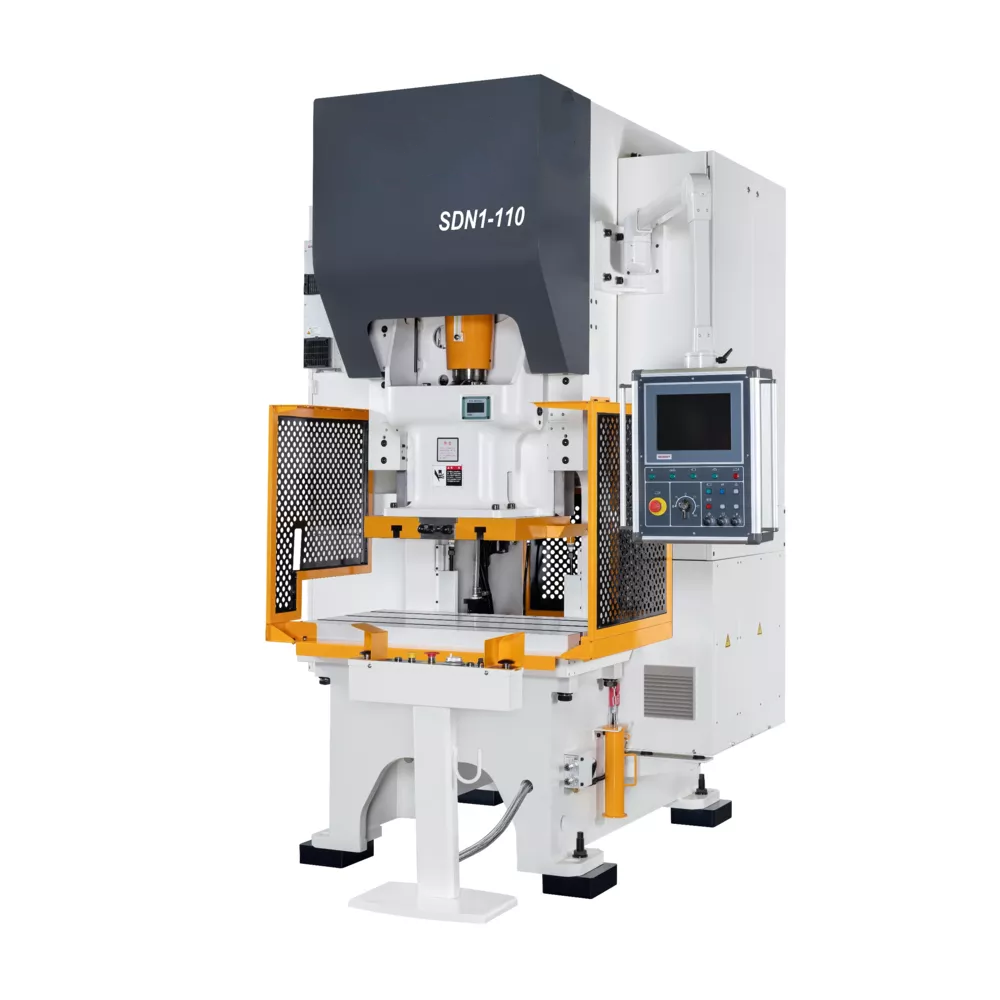
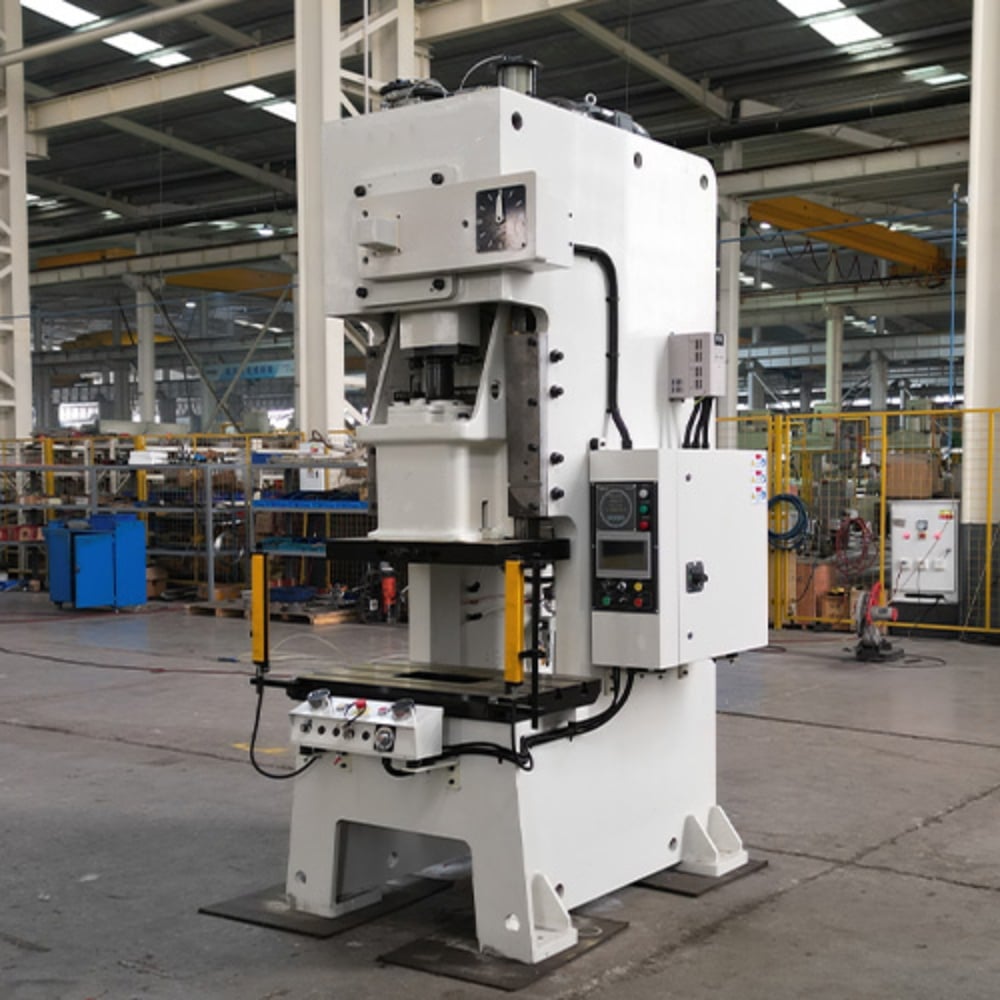
A CNC Punching Machine operates on the principle of mechanical or hydraulic force. It uses a set of tools—a punch and a die—to shear through metal sheets. This process is incredibly efficient for repetitive tasks, such as creating standard holes, slots, and even complex forming operations like louvers, ribs, and offsets. The mechanical nature of punching allows for high-speed processing of thin to medium-gauge materials, where the cycle time is measured in milliseconds per hit. HARSLE’s CNC punching machines are designed with high-rigidity frames to ensure that the alignment between the punch and die remains perfect, even under high-tonnage operations.
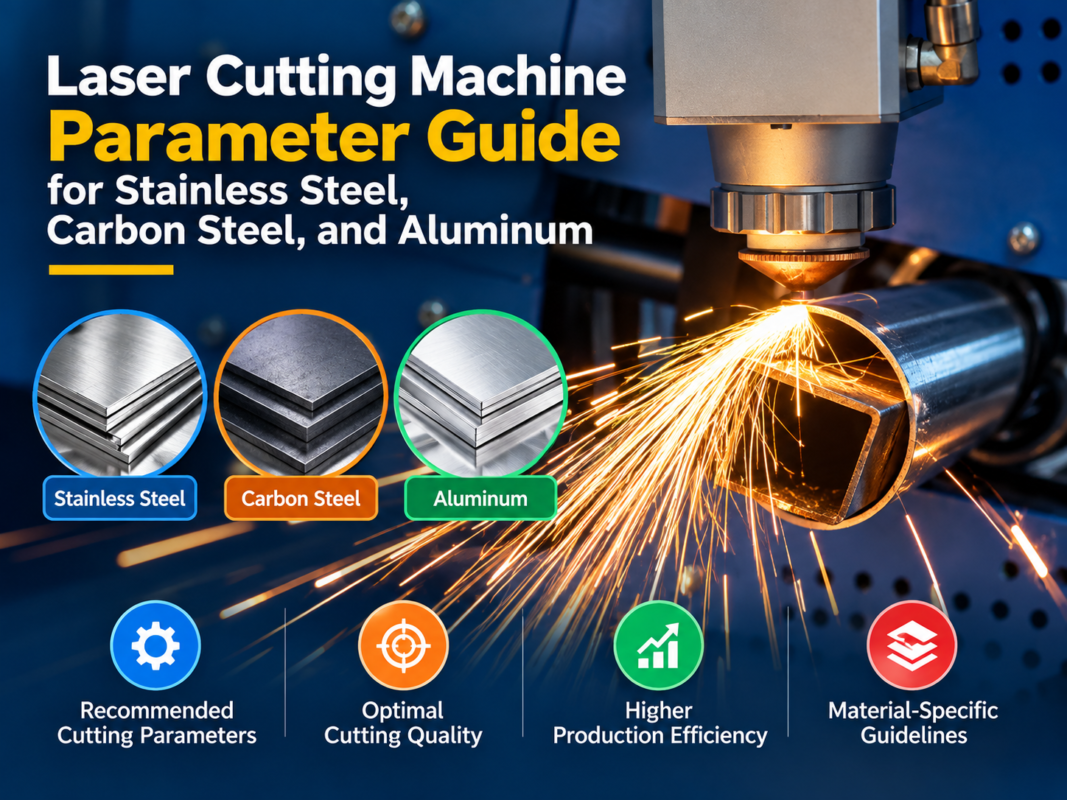
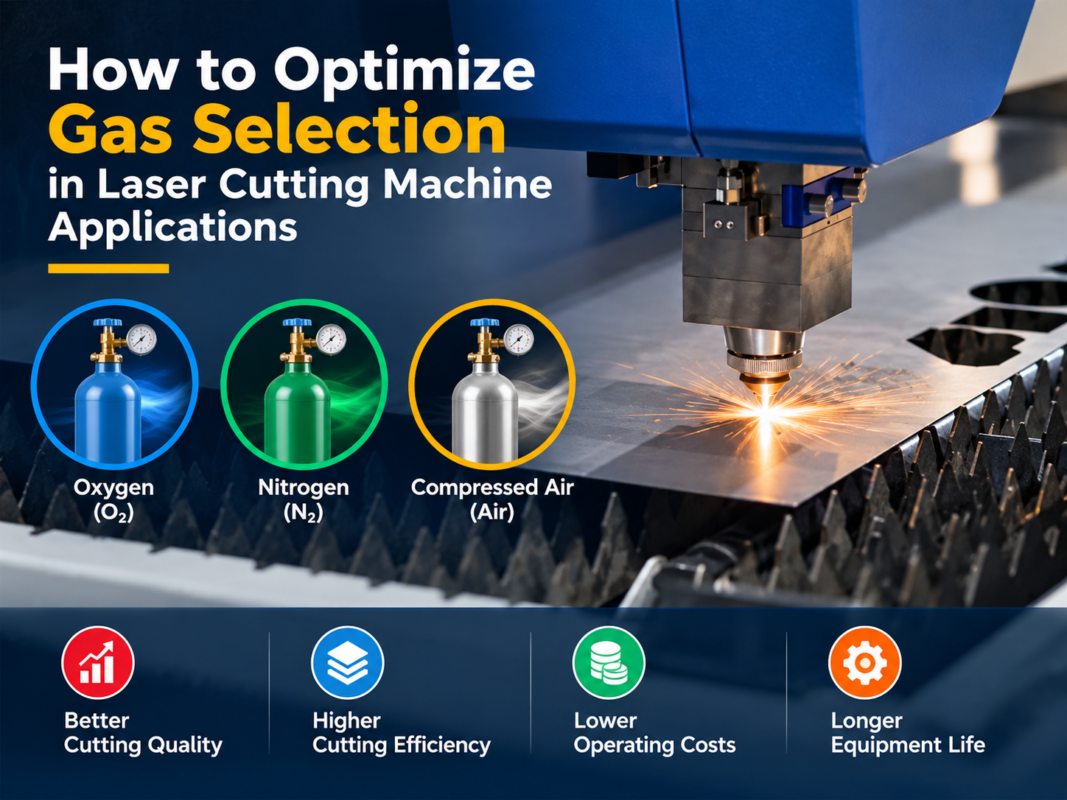
On the other hand, Fiber Laser Cutting is a thermal process. It utilizes a high-power laser beam, focused through a nozzle, to melt or vaporize the material. An assist gas (usually Oxygen, Nitrogen, or Compressed Air) then blows the molten metal away, creating a clean cut. Laser technology offers unparalleled flexibility; it can cut any shape imaginable without the need for physical tooling. This makes it the go-to choice for prototyping and low-to-medium volume production of complex geometries. The precision of a fiber laser is often superior for intricate designs where mechanical shearing might cause slight distortions.
When considering Punching Machine Vs Laser Cutting: Which Is Better Metal Workshop, the choice often boils down to the specific nature of your projects. If your workshop focuses on electrical cabinets, ventilation systems, or products requiring many standard holes and small forms, the punching machine is often the champion. However, if your work involves artistic designs, thick plates, or frequent design changes, the fiber laser provides the agility required to stay competitive in a fast-paced market.
Core Parameters: Comparing Performance and Capability
To truly answer the question of Punching Machine Vs Laser Cutting: Which Is Better Metal Workshop, we must dive into the core technical parameters that define their operation. These parameters include material thickness, processing speed, edge quality, and secondary operation requirements. Each of these factors directly impacts the bottom line of a metal fabrication business.
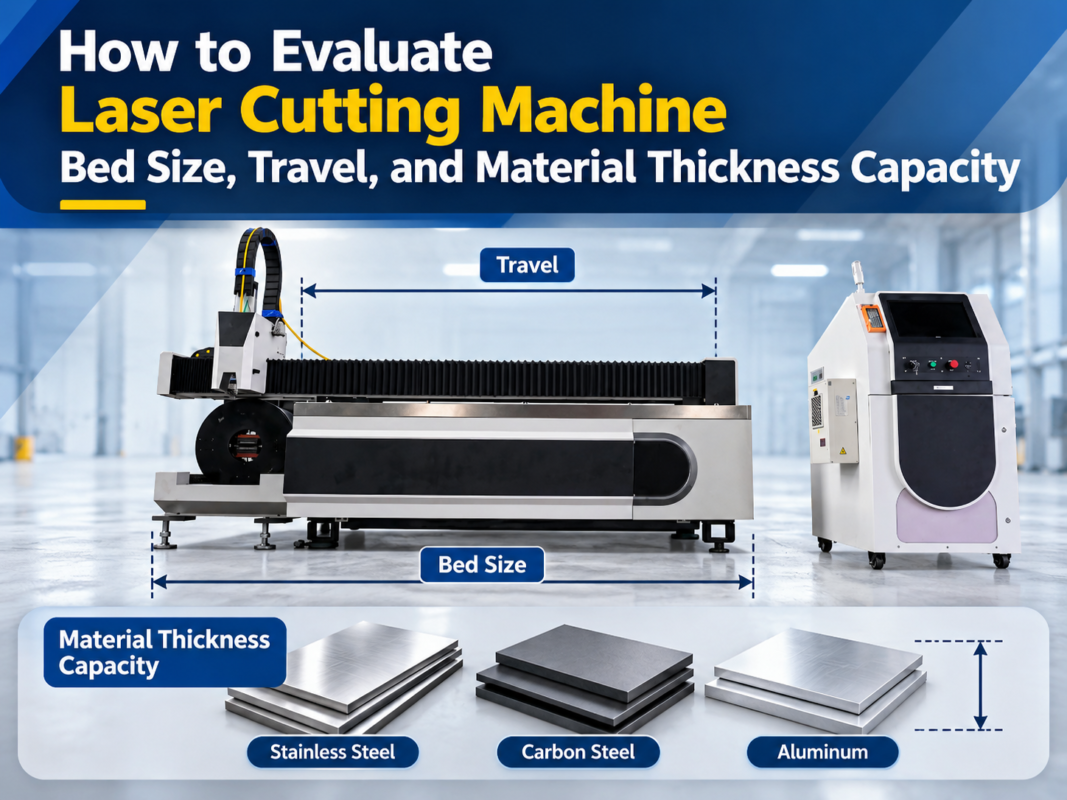
Material Thickness and Type: Fiber lasers have a significant advantage when it comes to thickness. While a standard CNC punch might struggle with materials over 6mm (depending on the tonnage), modern fiber lasers can easily slice through 20mm or even 30mm carbon steel. Furthermore, lasers are better suited for harder alloys that might cause excessive wear on mechanical punches. However, for highly reflective materials like aluminum and copper, older CO2 lasers struggled, but modern fiber lasers from HARSLE handle them with ease, much like a punching machine would.
Processing Speed: This is a nuanced category. For long, straight cuts or large complex curves, the laser is significantly faster. However, for a sheet filled with hundreds of small holes, the “hit rate” of a CNC punch (which can exceed 1,000 hits per minute) is nearly impossible for a laser to beat. The laser must accelerate and decelerate for every small circle, whereas the punch maintains a consistent rhythm. Therefore, the “better” machine depends on the density of features on your parts.
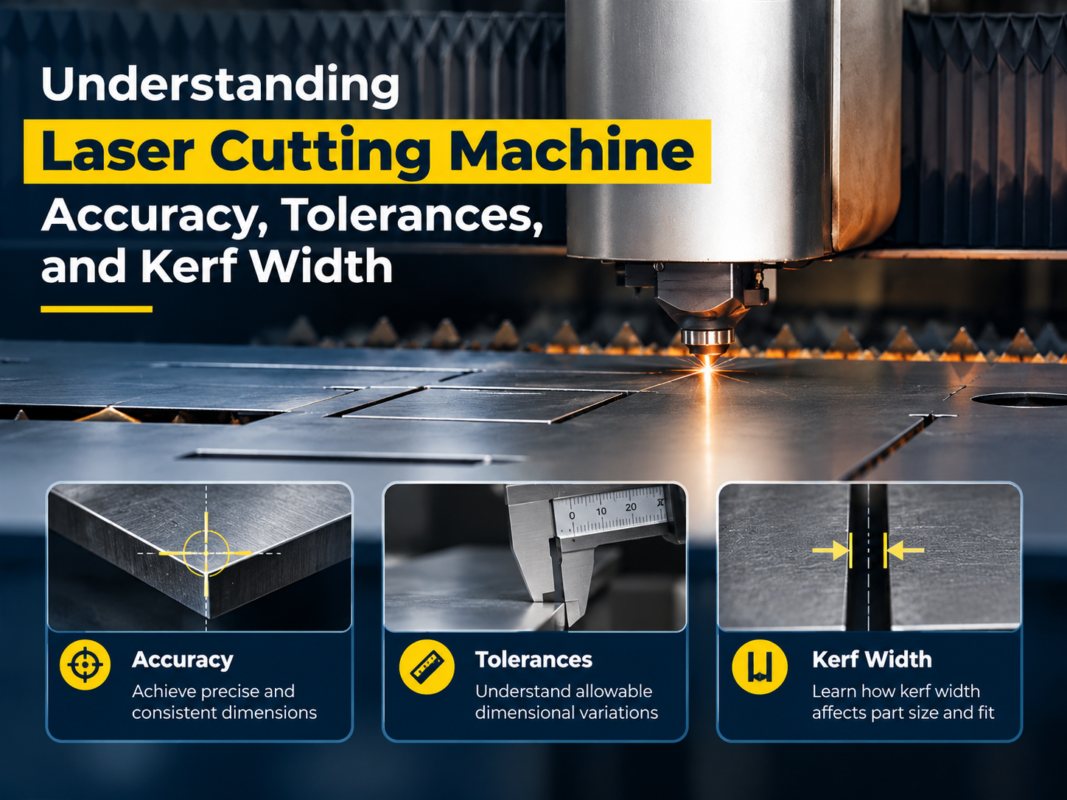
Edge Quality and Precision: Laser cutting produces a very narrow kerf and a high-quality edge that often requires no further finishing. Punching, while precise, leaves a slight “shear and break” edge profile. In some high-end aesthetic applications, the laser edge is preferred. However, punching machines offer the unique advantage of “forming.” A laser cannot create a countersink, a thread, or a louver; these must be done as secondary operations if you use a laser. A punching machine does them in a single setup, which can drastically reduce the total production time.
Operational Costs: The cost structure of these machines differs greatly. Punching machines require an investment in tooling (punches and dies), which can add up if you have many different hole sizes. Laser cutting eliminates tooling costs but consumes significant electricity and assist gases (especially Nitrogen for stainless steel). HARSLE engineers often recommend calculating the “Cost Per Part” by factoring in electricity, gas, tool wear, and operator labor to get a true comparison for your specific workshop needs.
Calculation Method: Determining Tonnage and Cutting Speed
In the engineering phase of deciding Punching Machine Vs Laser Cutting: Which Is Better Metal Workshop, precise calculations are necessary to ensure the equipment can handle the intended workload. For punching, the primary calculation is the required tonnage. For laser cutting, it is the cutting speed relative to power and material thickness.
Punching Tonnage Calculation
To determine if a punching machine can handle a specific hole, use the following formula:
Tonnage (P) = L × t × τ / 1000
Where:
- L = Perimeter of the hole (mm)
- t = Material thickness (mm)
- τ = Shear strength of the material (N/mm², typically 350-450 for mild steel)
For example, punching a 50mm diameter hole in 3mm mild steel:
L = 50 × π ≈ 157mm
P = 157 × 3 × 400 / 1000 = 188.4 kN (approx. 19 tons).
If your machine is a 30-ton press, this operation is well within its safety margin. Overloading a punch leads to premature tool failure and machine fatigue.
Laser Cutting Speed Estimation
Laser cutting speed is generally provided by the manufacturer in a “cutting chart,” but it follows a logarithmic relationship with power and thickness. A general rule of thumb for Fiber Lasers is:
V ≈ (P × K) / t
Where:
- V = Cutting speed (m/min)
- P = Laser power (kW)
- t = Thickness (mm)
- K = Material constant (varies by gas and material type)
Increasing the power from 3kW to 6kW doesn’t just double the speed; it often allows for the processing of much thicker materials that were previously impossible to cut cleanly. When evaluating Punching Machine Vs Laser Cutting: Which Is Better Metal Workshop, use these calculations to see which machine finishes your average daily nest faster.
Parameter Table: Side-by-Side Comparison
The following table provides a quick reference for the technical capabilities of HARSLE’s standard CNC Punching Machines versus Fiber Laser Cutting Machines.
| Feature | CNC Punching Machine | Fiber Laser Cutting Machine |
|---|---|---|
| Primary Material Range | 0.5mm – 6.35mm | 0.5mm – 25mm+ |
| Complexity of Shape | Limited by Tooling | Virtually Unlimited |
| Forming Capability | Yes (Louvers, Ribs, etc.) | No |
| Hole Accuracy | +/- 0.1mm | +/- 0.05mm |
| Operating Cost | Medium (Tooling + Power) | High (Gas + Power) |
| Setup Time | High (Tool Loading) | Low (Software Based) |
| Maintenance | Mechanical/Hydraulic Focus | Optical/Chiller Focus |
| Best For | High Volume, Standard Parts | Prototyping, Complex Shapes |
Common Engineering Mistakes in Machine Selection
When workshop managers ask Punching Machine Vs Laser Cutting: Which Is Better Metal Workshop, they often fall into common traps that lead to sub-optimal investments. Avoiding these mistakes is crucial for long-term profitability.
1. Ignoring the “Hidden” Secondary Operations: One of the biggest mistakes is choosing a laser because of its speed, only to realize that the parts now require a separate station for countersinking or tapping. A CNC punching machine with a multi-tool station can perform these tasks during the primary cycle. If your parts require forming, the “faster” laser might actually slow down your total factory throughput.
2. Underestimating Tooling Management: For punching machines, the cost isn’t just the machine; it’s the library of tools. Many workshops fail to account for the time spent sharpening tools or the cost of replacing broken dies. Conversely, for lasers, many fail to account for the massive cost of Nitrogen gas when cutting stainless steel, which can sometimes exceed the cost of the machine’s electricity consumption.
3. Over-specifying Power: In the laser world, there is a trend to buy the highest wattage possible. However, if your workshop primarily processes 2mm aluminum, a 12kW laser is an unnecessary expense. The sweet spot for many workshops is 3kW to 6kW, providing a balance of speed and capital investment. Similarly, buying a 50-ton punch for 2mm sheet metal is inefficient and wastes energy.
4. Neglecting Material Nesting Efficiency: Laser cutting allows for “common line cutting,” where two parts share a single cut line, saving material. Punching requires a “web” of material between parts to maintain sheet integrity. If you are working with expensive materials like titanium or high-grade stainless, the material savings from a laser’s tighter nesting can pay for the machine over time.
Selection Checklist: Which One Should You Buy?
Before finalizing your purchase from HARSLE, go through this checklist to determine Punching Machine Vs Laser Cutting: Which Is Better Metal Workshop for your specific needs:
- Part Complexity: Do your parts have irregular, organic curves? (Choose Laser)
- Forming Requirements: Do you need louvers, bridges, or offsets? (Choose Punch)
- Volume: Are you running 10,000 identical brackets? (Choose Punch)
- Material Thickness: Is the majority of your work over 6mm? (Choose Laser)
- Accuracy: Do you require tolerances tighter than 0.1mm? (Choose Laser)
- Secondary Operations: Do you want to avoid a separate tapping/countersinking station? (Choose Punch)
- Material Variety: Do you switch between steel, copper, and plastic frequently? (Choose Laser)
- Floor Space: Do you have room for a large laser cooling system and gas tanks?
- Operator Skill: Do you have staff trained in CAD/CAM for laser nesting or mechanical tool setups?
- Budget: Have you factored in the 5-year cost of consumables (gas vs. tools)?
Frequently Asked Questions (FAQ)
1. Can a punching machine cut as fast as a laser?
In terms of linear cutting (like a long perimeter), no. However, for a pattern of holes, a punching machine is significantly faster because it completes each hole in a single hit, whereas a laser must travel the entire circumference of every hole.
2. Is laser cutting more expensive to maintain?
Laser cutting maintenance focuses on the optical path, protective windows, and the chiller system. While the components can be expensive, there are fewer moving parts than a mechanical punch. Punching machines require regular lubrication, hydraulic oil changes, and constant tool sharpening.
3. Which machine is better for aluminum?
Both are capable. However, thin aluminum is often better punched to avoid the dross (melted residue) that can form on the bottom of laser-cut aluminum. For thick aluminum, a fiber laser with high power is the only viable option.
4. Can I use a laser to make louvers?
No. A laser is a 2D cutting tool. It can only remove material. Any 3D forming, like louvers, ribs, or dimples, requires the mechanical deformation provided by a punching machine or a press brake.
5. What is a hybrid machine?
A hybrid machine combines both technologies—a laser head and a punching turret on the same frame. This is the ultimate solution to the Punching Machine Vs Laser Cutting: Which Is Better Metal Workshop dilemma, as it offers the forming capabilities of a punch and the geometric flexibility of a laser. HARSLE offers consultation on whether a hybrid system fits your ROI goals.
6. Does laser cutting affect the temper of the metal?
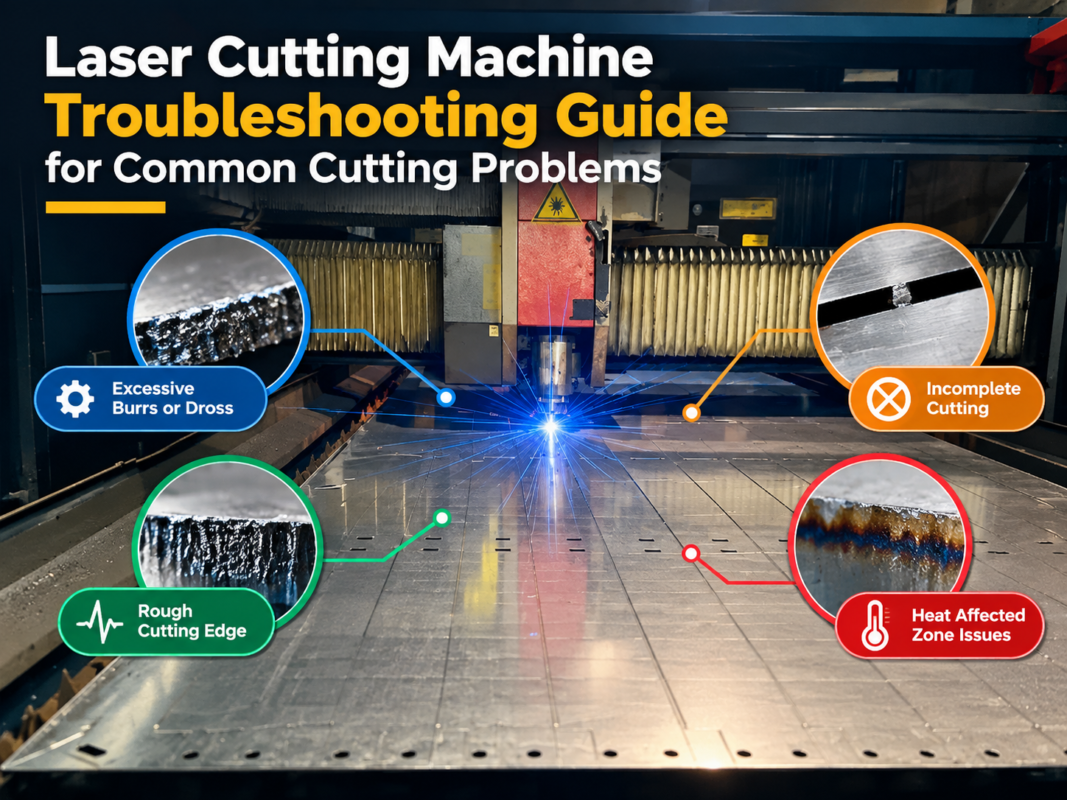
Yes, laser cutting creates a Heat Affected Zone (HAZ) along the edge. This can slightly harden the edge of carbon steels, which might affect subsequent tapping or bending. Punching is a cold process and does not change the material properties, though it does cause some localized work hardening due to the shearing action.
7. How long do punching tools last?
With proper maintenance and sharpening, a high-quality punch and die set can last for hundreds of thousands of hits. The lifespan depends heavily on the material being punched; stainless steel will wear tools much faster than mild steel or aluminum.