
How to Maximize Productivity with a High-Speed Punching Machine: A Technical Guide


Technical Overview of High-Speed Punching Technology
In the competitive landscape of modern metal fabrication, the ability to produce high volumes of precision components in minimal time is the primary differentiator between market leaders and their competitors. To maximize productivity a high-speed punching machine is not merely a matter of increasing the strokes per minute (SPM); it requires a holistic understanding of the machine’s mechanical architecture, the dynamics of material flow, and the integration of advanced control systems. High-speed punching machines, often referred to as high-speed presses, are engineered to operate at speeds significantly higher than conventional mechanical presses, often ranging from 200 to over 1,000 SPM depending on the application and stroke length.
HARSLE high-speed punching machines utilize a robust H-frame or Gantry-style construction to ensure maximum rigidity. Unlike traditional C-frame presses, which may experience ‘angular deflection’ under high loads, the closed-loop design of an H-frame minimizes frame stretching and vibration. This structural integrity is critical when operating at high frequencies, as even microscopic misalignments can lead to accelerated tool wear or catastrophic die failure. The technical core of these machines involves a precision-balanced crankshaft, high-performance bearings, and a sophisticated lubrication system that manages the thermal energy generated during rapid cycling.
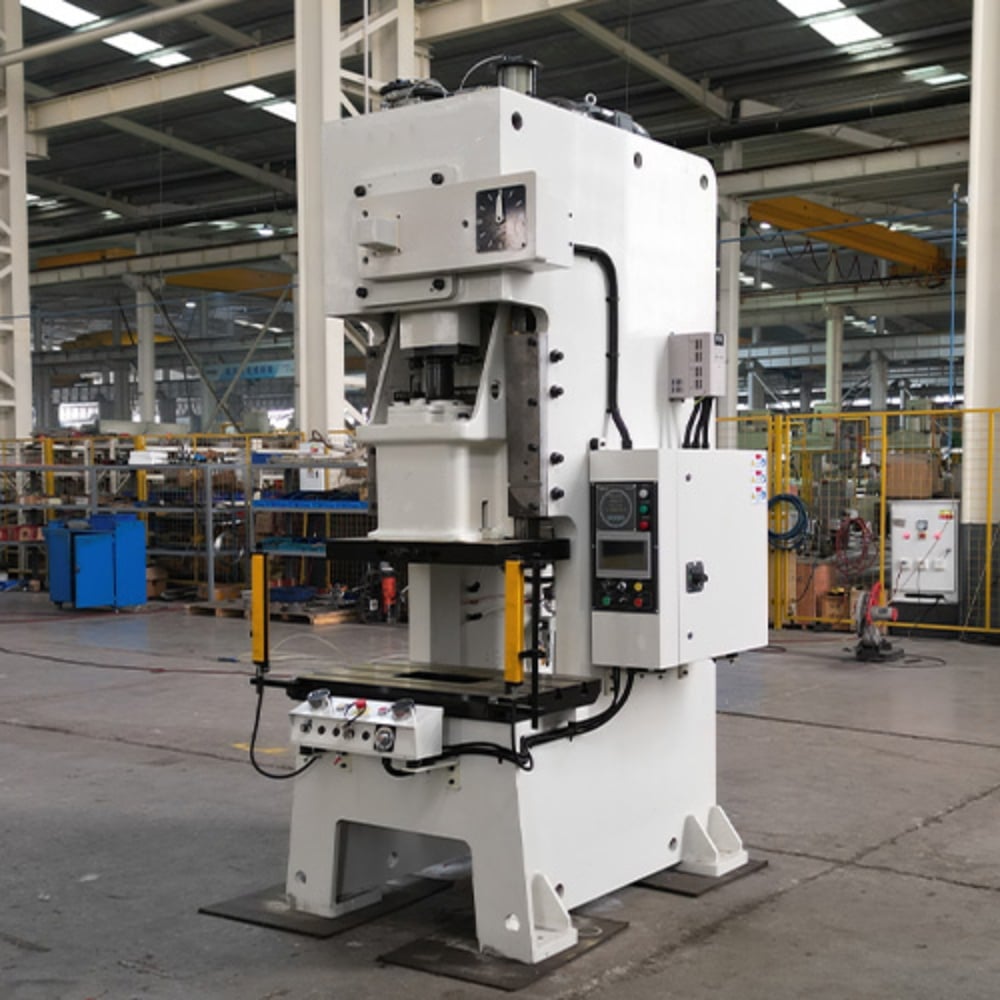
Furthermore, the transition to servo-driven high-speed punching has revolutionized the industry. While mechanical high-speed presses rely on flywheels to store energy, servo presses allow for programmable slide motion. This means an operator can slow the punch down just before it contacts the material to reduce impact noise and vibration, then accelerate through the rest of the cycle to maintain high productivity. Understanding these mechanical nuances is the first step for any engineer or facility manager looking to optimize their stamping floor.
Core Parameters for High-Speed Operation
To effectively maximize productivity a high-speed punching machine, one must master the core parameters that govern its performance. These parameters are interconnected; changing one often necessitates adjustments in others to maintain equilibrium and prevent machine downtime. The most critical parameters include:
- Strokes Per Minute (SPM): This is the primary measure of speed. However, the maximum SPM is often limited by the feed pitch and the material’s ability to settle between strokes.
- Stroke Length: In high-speed applications, shorter stroke lengths are preferred to minimize the linear velocity of the slide, which reduces heat and vibration.
- Die Height (Shut Height): The distance between the slide and the bolster plate at the bottom of the stroke. Precise adjustment is necessary to ensure the punch penetrates the material correctly without bottoming out the die.
- Feed Accuracy: High-speed punching requires synchronized feeding systems. If the feeder cannot keep up with the press speed, the material will be misaligned, leading to scrap or tool damage.
- Tonnage Capacity: The total force the press can exert. Operating a machine at its maximum tonnage capacity at high speeds can lead to premature fatigue of the frame and drive components.
Another vital parameter is the ‘Dynamic Die Clearance.’ As the machine heats up during a long production run, thermal expansion can alter the clearance between the punch and the die. High-speed machines must be equipped with thermal compensation systems or be operated within a controlled environment to ensure that the clearance remains within the specified tolerance for the material being processed.
Calculation Method for Punching Force and Speed
Engineering precision is required to ensure that the machine is not overloaded while attempting to maximize output. The most fundamental calculation is determining the required punching force (Tonnage). The formula is as follows:
P = L × t × τ
Where:
P = Punching force (kN)
L = Total length of the sheared edge (perimeter of the hole or shape) (mm)
t = Material thickness (mm)
τ = Shear strength of the material (N/mm²)
Once the required force is calculated, it is recommended to add a safety factor of 20-30% to account for tool dulling and material variations. To maximize productivity a high-speed punching machine, you must also calculate the ‘Maximum Feed Speed.’ This is determined by the formula:
Vf = (SPM × P) / 1000
Where Vf is the feed velocity in meters per minute and P is the feed pitch in millimeters. If the calculated Vf exceeds the capabilities of your servo feeder, you must either reduce the SPM or optimize the die layout to reduce the pitch. Balancing these variables ensures that the machine operates at its ‘sweet spot,’ where output is maximized without compromising the longevity of the equipment.
Technical Parameter Table for HARSLE High-Speed Models
The following table provides a comparison of typical specifications for HARSLE high-speed punching machines, designed to help buyers and engineers select the right equipment for their specific production needs.
| Model Series | Capacity (Tons) | Max SPM | Stroke Length (mm) | Bolster Area (mm) | Motor Power (kW) |
|---|---|---|---|---|---|
| HARSLE HS-30 | 30 | 600 – 1000 | 20 – 30 | 600 x 400 | 7.5 |
| HARSLE HS-60 | 60 | 400 – 800 | 25 – 40 | 800 x 500 | 11.0 |
| HARSLE HS-100 | 100 | 200 – 600 | 30 – 50 | 1000 x 700 | 18.5 |
| HARSLE HS-200 | 200 | 150 – 400 | 40 – 80 | 1200 x 900 | 30.0 |
Note: Specifications may vary based on custom configurations and material requirements. Always consult with a HARSLE technical representative for precise application matching.
Common Engineering Mistakes in High-Speed Punching
Even with the best equipment, productivity can be throttled by common engineering and operational errors. One of the most frequent mistakes is inadequate vibration damping. At high speeds, the kinetic energy generated by the reciprocating slide can create harmonic vibrations that resonate through the factory floor. If the machine is not properly anchored using specialized anti-vibration mounts, these vibrations can cause the control electronics to fail or lead to inconsistent part quality.
Another common error is ignoring the lubrication cycle. High-speed punching generates significant heat due to friction between the punch and the material, as well as within the machine’s internal bearings. Using the wrong type of lubricant or failing to maintain the automatic lubrication system will lead to thermal expansion of the slide, which changes the shut height and can cause ‘slug pulling’ or die galling. Slug pulling occurs when the scrap piece sticks to the punch and is pulled back up into the die, causing a double-hit on the next stroke.
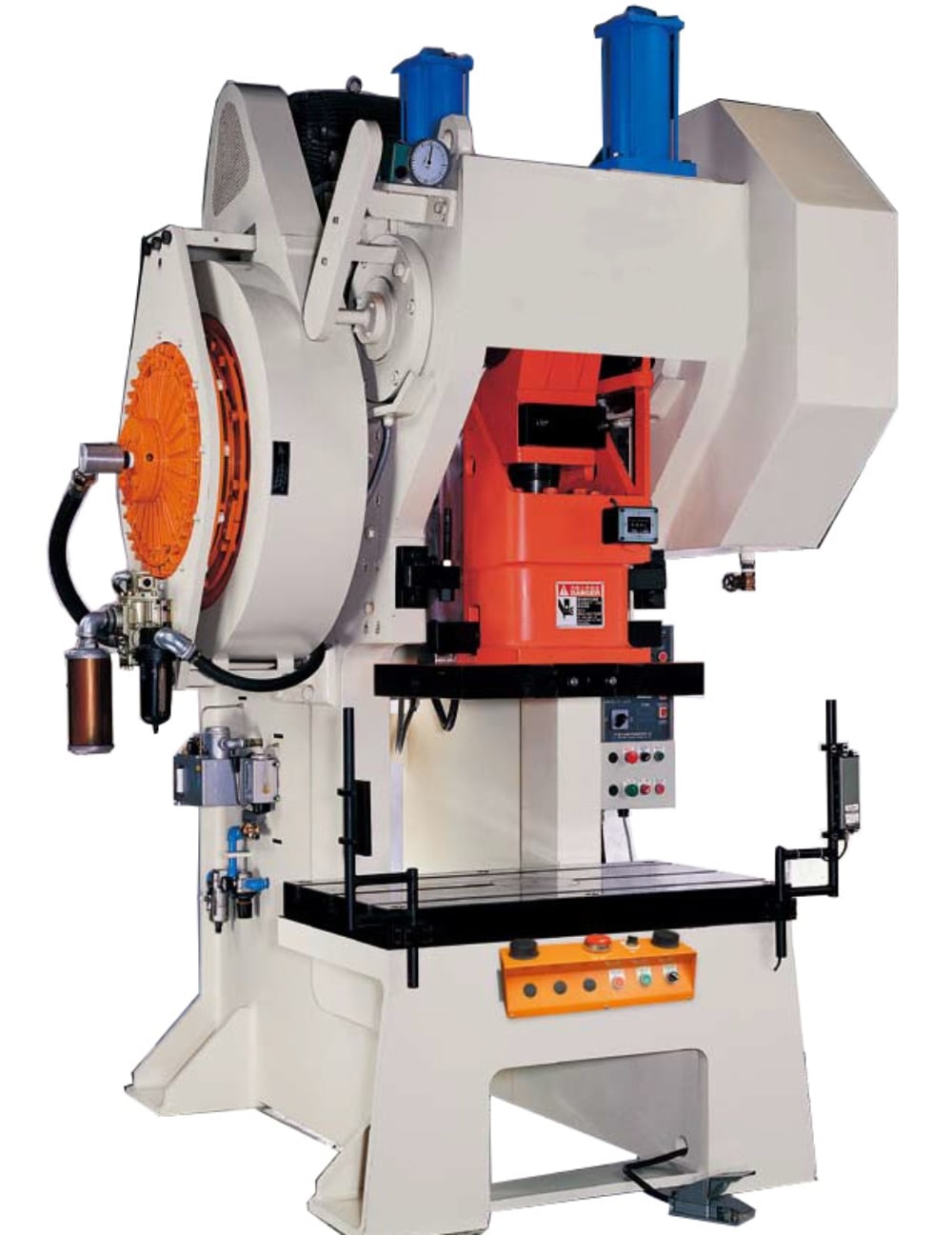
Furthermore, many operators fail to optimize the feed timing. In a high-speed cycle, the window of time available for the feeder to move the material is extremely small. If the feeder starts too late or ends too early, the pilot pins in the die will hit the material, causing a jam. Modern HARSLE machines utilize integrated cam-driven or electronic synchronization to prevent this, but manual overrides or incorrect programming can still lead to issues. Finally, neglecting tool maintenance is a productivity killer. A dull punch requires more force, generates more heat, and produces burrs. Implementing a strict regrinding schedule based on hit counts is essential for maintaining high-speed efficiency.
Selection Checklist for High-Speed Punching Machines
When looking to maximize productivity a high-speed punching machine, the selection process is critical. Use this checklist to evaluate potential machinery:
- Frame Rigidity: Does the machine feature a cast-iron H-frame or a welded steel frame with stress relief? Cast iron is generally better for dampening vibrations.
- Dynamic Balancing: Does the crankshaft have a counter-balancing system to offset the weight of the slide and tooling? This is vital for speeds over 400 SPM.
- Control System: Is the PLC capable of high-speed processing? Look for systems that offer real-time monitoring of tonnage and die protection.
- Cooling Systems: Does the machine include an oil cooler for the lubrication system? This prevents thermal drift during multi-shift operations.
- Feeder Compatibility: Ensure the machine can interface seamlessly with high-speed servo feeders or decoilers.
- Quick Die Change (QDC): To maximize uptime, the machine should support QDC systems to reduce changeover times from hours to minutes.
- Safety Features: High-speed operation requires light curtains, rapid-response braking systems, and robust enclosure guarding.
Frequently Asked Questions (FAQ)
How does material thickness affect high-speed punching?
Material thickness directly impacts the maximum speed at which a machine can operate. Thicker materials require more force and generate more heat, which usually necessitates a lower SPM to allow for heat dissipation and to prevent excessive tool wear. For high-speed applications, materials are typically under 3mm thick.
What is the role of die clearance in productivity?
Correct die clearance (the gap between the punch and the die) ensures a clean shear with minimal burrs. If the clearance is too tight, the force required increases, and tool wear accelerates. If it is too loose, the material will deform rather than shear. Proper clearance reduces the load on the machine, allowing for higher sustainable speeds.
Can I use standard dies in a high-speed punching machine?
While standard dies may fit, they are often not designed for the thermal and mechanical stresses of high-speed operation. High-speed dies usually require specialized tool steels (like M2 or D2), advanced coatings (TiN or TiCN), and enhanced cooling channels or air-blast systems to clear slugs effectively.
How often should I perform maintenance on a high-speed press?
Maintenance should be divided into daily, weekly, and monthly tasks. Daily checks include lubrication levels and air pressure. Weekly checks should focus on belt tension and bolt tightness. Monthly inspections should involve a deep dive into the electrical systems and a check for any signs of frame fatigue or bearing wear.
Why is HARSLE considered a leader in high-speed punching?
HARSLE integrates European engineering standards with cost-effective manufacturing, providing machines that offer high precision, durability, and advanced features like touch-screen CNC interfaces and automated tonnage monitoring, which are essential for maximizing productivity in modern shops.












