Press Brake Safety Guide: Essential Operating Practices for Metal Fabrication Shops


Technical Overview: The Critical Importance of Press Brake Safety
In the modern metal fabrication landscape, the press brake remains one of the most versatile yet potentially hazardous pieces of equipment. As a cornerstone of sheet metal forming, the press brake utilizes immense hydraulic or electric force to shape metal between a punch and a die. However, the very power that makes it efficient also necessitates a rigorous approach to safety. For metal fabrication shops, implementing a comprehensive safety strategy is not merely about regulatory compliance; it is about protecting the most valuable asset—the workforce—while ensuring the longevity of the machinery and the quality of the output.
Press brake safety encompasses a wide range of practices, from mechanical safeguarding and electronic monitoring to operator training and administrative controls. The primary hazard in press brake operation is the ‘point of operation,’ where the tooling meets the workpiece. Without proper safety measures, this area poses a significant risk of crushing or amputation. Modern machines, such as those manufactured by HARSLE, integrate advanced safety technologies like laser guards and light curtains to mitigate these risks. However, technology alone is insufficient; it must be paired with a culture of safety and a deep understanding of the machine’s technical limits.
Furthermore, safety in metal fabrication shops extends beyond the immediate point of operation. It includes the handling of heavy materials, the maintenance of high-pressure hydraulic systems, and the management of electrical components. A failure in any of these areas can lead to catastrophic accidents. Therefore, a technical overview of press brake safety must address the machine as a holistic system. This includes understanding the physics of bending, the structural integrity of the frame, and the precision of the CNC control system, all of which play a role in maintaining a safe working environment.
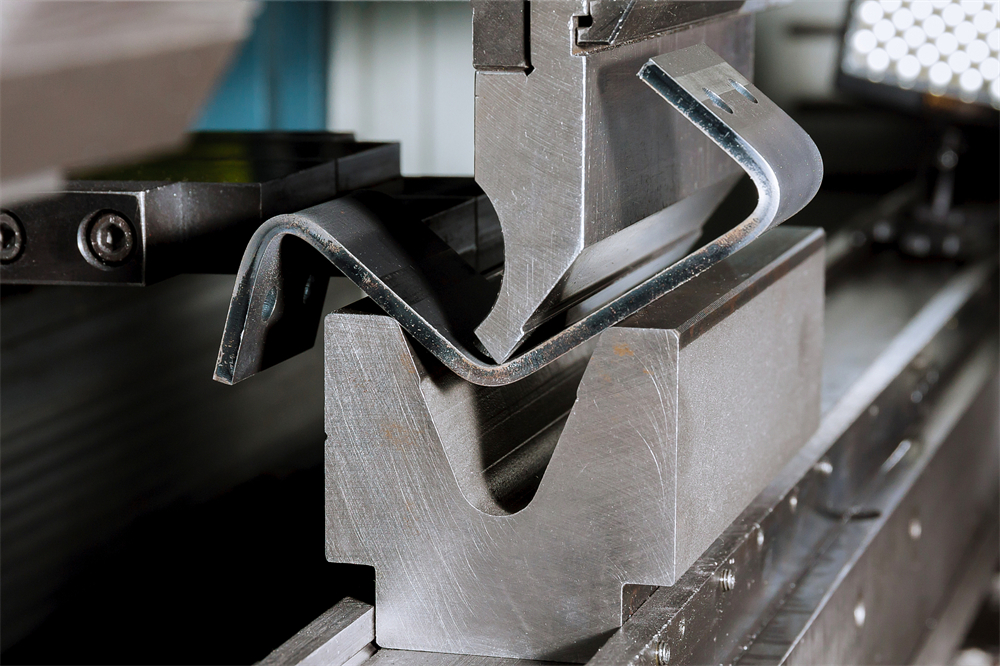
As we delve deeper into this guide, we will explore the core parameters that define safe operation, the mathematical foundations of tonnage calculation, and the common pitfalls that lead to engineering failures. By adhering to the essential operating practices outlined here, metal fabrication shops can achieve a balance between high productivity and uncompromising safety. Whether you are operating a manual hydraulic press or a high-speed CNC system, the principles of safety remain the same: respect the machine, understand the material, and never bypass established safety protocols.
Core Parameters for Safe Press Brake Operation
To operate a press brake safely, one must first understand the core parameters that govern its performance. These parameters are not just performance metrics; they are the boundaries within which the machine can safely function. The first and most critical parameter is Tonnage. Tonnage refers to the amount of pressure the press brake can exert. Exceeding the rated tonnage of the machine or the tooling can lead to structural failure, which may result in flying debris or machine collapse. Operators must always ensure that the required bending force for a specific job is well within the machine’s capacity.
The second parameter is Stroke Length and Speed. The stroke is the total distance the ram can move. Controlling the speed of the stroke, particularly the ‘mute point’ where the ram slows down before contacting the material, is vital for preventing ‘whip-up.’ Whip-up occurs when the metal sheet bends rapidly upward, potentially striking the operator. Modern CNC press brakes allow for precise adjustment of these speeds, ensuring that the material is formed at a controlled rate that minimizes operator risk.
Throat Depth and Open Height are also essential safety considerations. Throat depth determines the maximum width of the material that can be bent, while open height dictates the space available for tooling and material manipulation. If these parameters are ignored, operators may find themselves in awkward ergonomic positions or attempting to force material into spaces that are too small, increasing the likelihood of accidents. Proper machine selection based on these parameters ensures that the operator has sufficient room to work safely and efficiently.
Finally, Backgauge Precision and Positioning play a subtle but significant role in safety. A backgauge that is improperly calibrated or unstable can cause the workpiece to slip during the bending process. This sudden movement can startle the operator or cause their hands to move toward the point of operation. Ensuring that the backgauge is robust and accurately programmed is a key step in stabilizing the workpiece and maintaining a safe distance between the operator’s hands and the die.
Calculation Method: Determining Safe Bending Force
Calculating the required bending force is a fundamental skill for any press brake operator or shop engineer. Using the wrong tonnage is a leading cause of tool breakage and machine damage. The standard formula for calculating the bending force (P) in V-bending is based on the material’s tensile strength, thickness, and the V-opening of the die. The formula is generally expressed as:
P = (650 x S² x L) / V
Where:
P = Bending force in kilonewtons (kN) or tons.
S = Material thickness in millimeters (mm).
L = Length of the bend in meters (m).
V = Width of the V-die opening in millimeters (mm).
650 = A constant for standard mild steel (this constant changes for stainless steel or aluminum).
For example, if you are bending a 2-meter long sheet of 3mm thick mild steel using a 24mm V-die, the calculation would be: P = (650 x 3² x 2) / 24. This results in approximately 487.5 kN, or roughly 50 tons. It is crucial to remember that this is the force required for air bending. If you are bottoming or coining, the force required can be three to five times higher, which could easily exceed the machine’s safety limits. Always consult the manufacturer’s tonnage chart before proceeding.
In addition to the basic formula, operators must account for the Safety Factor. It is a best practice to never operate a press brake at more than 80% of its rated capacity for extended periods. This buffer accounts for variations in material thickness and tensile strength, which can vary between batches. Overloading the machine not only risks immediate mechanical failure but also causes long-term fatigue in the hydraulic cylinders and the frame, eventually leading to unsafe operating conditions.
Parameter Table: Safety and Operational Limits
| Parameter | Standard Range | Safety Consideration | Maintenance Frequency |
|---|---|---|---|
| Tonnage Capacity | 30 – 1000+ Tons | Never exceed 80% for continuous use. | Check hydraulic pressure monthly. |
| V-Die Opening | 6x to 12x Thickness | Small V-openings increase tonnage exponentially. | Inspect for wear/cracks daily. |
| Approach Speed | 100 – 200 mm/s | Must slow to bending speed before contact. | Verify sensor calibration weekly. |
| Bending Speed | 1 – 10 mm/s | Slow speeds prevent material whip-up. | Monitor valve response daily. |
| Backgauge Speed | 100 – 500 mm/s | Ensure area is clear of hands during movement. | Lubricate guide rails weekly. |
| Safety Distance | Calculated per ISO 13855 | Minimum distance from light curtain to die. | Test light curtain daily. |
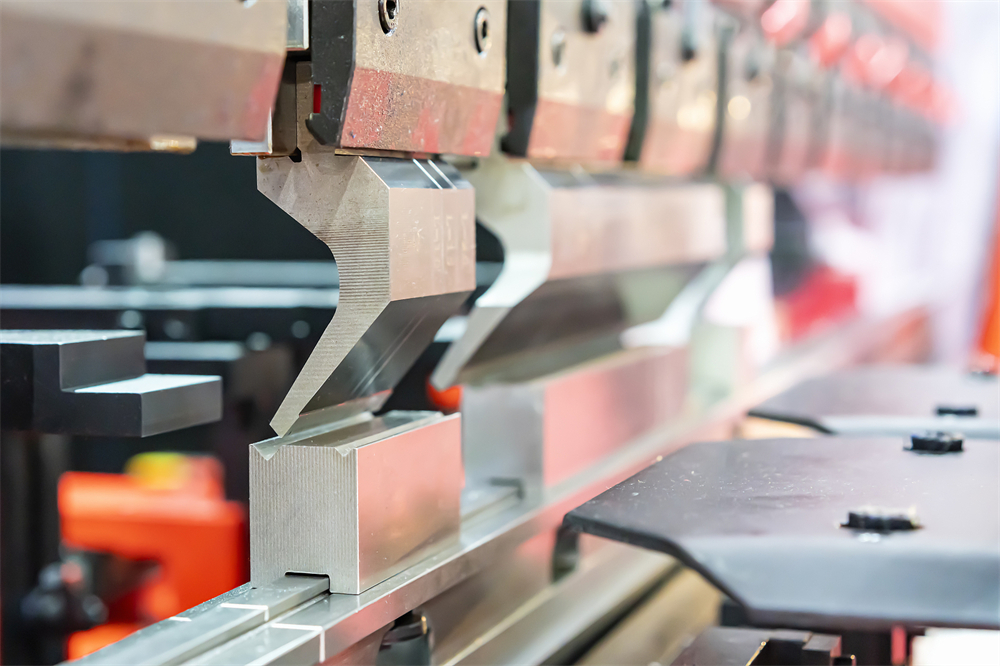
Common Engineering Mistakes in Press Brake Safety
One of the most frequent mistakes in metal fabrication shops is the improper selection of tooling. Using a punch or die that is not rated for the required tonnage can lead to ‘tooling explosion,’ where the hardened steel shatters under pressure. This is particularly dangerous as the fragments can travel at high velocities. Engineers must ensure that the tooling’s load limit is clearly marked and that operators are trained to verify these limits against the calculated bending force for every job.
Another common error is the bypassing or misalignment of safety devices. Light curtains and laser guards are often seen as hindrances to productivity. Operators might attempt to ‘mute’ these systems or align them in a way that creates ‘blind spots.’ This is a critical safety violation. Modern systems are designed to be integrated with the CNC, allowing for ‘intelligent muting’ that protects the operator while maintaining high cycle speeds. Bypassing these systems not only invites injury but also voids insurance and manufacturer warranties.
Neglecting material properties is a third major mistake. Not all ‘mild steel’ is created equal. Variations in carbon content or work-hardening from previous processes can significantly increase the tensile strength. If an engineer calculates tonnage based on nominal values but the actual material is harder, the machine may overload. Always perform a test bend on a small scrap piece and monitor the machine’s pressure gauge to ensure it aligns with the theoretical calculations.
Finally, lack of ergonomic consideration can lead to long-term safety issues. Operators often have to support large, heavy sheets during the bending process. Without proper sheet supports or ‘front-arm’ helpers, the operator is at risk of musculoskeletal injuries or losing control of the workpiece. A lost workpiece can fall on the operator’s feet or cause them to reach into the machine instinctively, leading to a point-of-operation accident. Engineering the workflow to include proper material handling is as important as the machine’s safety guards.
Selection Checklist: Buying a Safe Press Brake
- Certified Safety Systems: Does the machine come with integrated laser guards (like DSP or Fiessler) or light curtains that meet CE or OSHA standards?
- CNC Safety Integration: Can the controller manage safety parameters, such as automatic speed reduction and mute point calibration?
- Overload Protection: Does the hydraulic system include a pressure relief valve or an electronic overload sensor to prevent frame damage?
- Interlocked Guarding: Are the side and rear gates interlocked with the machine’s control system to prevent operation when open?
- Ergonomic Design: Does the machine offer adjustable foot pedals, movable control consoles, and adequate sheet support options?
- Tooling Compatibility: Is the clamping system designed for quick and safe tool changes, such as hydraulic or pneumatic clamping?
- Emergency Stop Accessibility: Are there multiple E-stop buttons located within easy reach of the operator and any assistants?
- Manufacturer Reputation: Does the manufacturer, like HARSLE, provide comprehensive safety manuals, training, and after-sales support?
- Maintenance Accessibility: Are the hydraulic and electrical components easy to access for safe maintenance without compromising structural integrity?
- Noise and Vibration Control: Is the machine designed to operate within safe decibel levels to prevent operator fatigue and hearing loss?
Frequently Asked Questions (FAQ)
What are the most important safety standards for press brakes?
The most widely recognized standards are ANSI B11.3 in the United States and EN 12622 in Europe (CE marking). These standards dictate the requirements for safeguarding, control systems, and machine construction. Compliance with these standards ensures that the machine meets a baseline of safety for industrial use. Metal fabrication shops should ensure their equipment and operating procedures align with the latest versions of these documents.
How often should press brake safety guards be tested?
Safety guards, especially light curtains and laser systems, should be tested at the start of every shift. This is often referred to as a ‘trip test.’ The operator should verify that the machine stops immediately when the safety field is interrupted. Additionally, a more thorough inspection by a qualified technician should be performed quarterly to ensure that the stopping distance of the ram has not increased due to brake wear.
Can I use a press brake without a light curtain if I use ‘safe distance’ guarding?
While ‘safe distance’ (where the operator’s hands are kept a specific distance from the die) is a recognized method under some older standards, it is generally considered the least effective form of protection. It relies entirely on human behavior, which is prone to error. Modern best practices and many local regulations require active safeguarding like light curtains or laser guards, especially for small parts where the operator’s hands must be near the tooling.
What is ‘whip-up’ and how can it be prevented?
‘Whip-up’ is the rapid upward movement of the metal sheet as it is being bent. It can strike the operator in the face or chest. To prevent this, operators should use a slower bending speed, utilize sheet supports, or use a ‘follow-on’ support system that moves with the material. Proper programming of the CNC to slow the ram speed during the actual bend is the most effective technical solution.
Why is tonnage calculation so important for safety?
Tonnage calculation is vital because overloading can cause catastrophic failure of the machine’s frame or tooling. If a die cracks under pressure, it can eject metal shards at high speed. Furthermore, consistent overloading weakens the machine over time, leading to unpredictable behavior. Accurate calculation ensures the machine operates within its ‘elastic limit,’ maintaining both safety and precision.
What should I do if the press brake’s hydraulic system leaks?
A hydraulic leak is a major safety hazard. It can cause the ram to ‘drift’ or fall unexpectedly, and hydraulic fluid under high pressure can penetrate the skin (injection injury). If a leak is detected, the machine should be locked out and tagged out (LOTO) immediately. Repairs should only be performed by trained technicians using the correct replacement parts and following all pressure-relief protocols.