
Essential Press Brake Maintenance Practices for Fabrication Shops: A Comprehensive Guide


Introduction to Press Brake Longevity and Precision
In the competitive world of metal fabrication, the press brake stands as the cornerstone of production. Whether you are operating a high-speed CNC hydraulic press brake or a specialized electric model, the consistency of your output depends entirely on the health of your machinery. Implementing essential press brake maintenance practices for fabrication shops is not merely a suggestion; it is a fundamental requirement for ensuring operational safety, maintaining tight tolerances, and maximizing the return on investment (ROI) for your equipment.
Modern fabrication shops face increasing pressure to deliver high-precision parts with shorter lead times. A sudden machine failure can disrupt the entire supply chain, leading to missed deadlines and increased costs. By prioritizing a proactive maintenance strategy, shop managers can transition from a reactive “fix-it-when-it-breaks” mentality to a predictive model that identifies potential issues before they escalate into catastrophic failures. This guide provides an in-depth look at the technical requirements for keeping your HARSLE press brake and other industrial bending machines in peak condition.
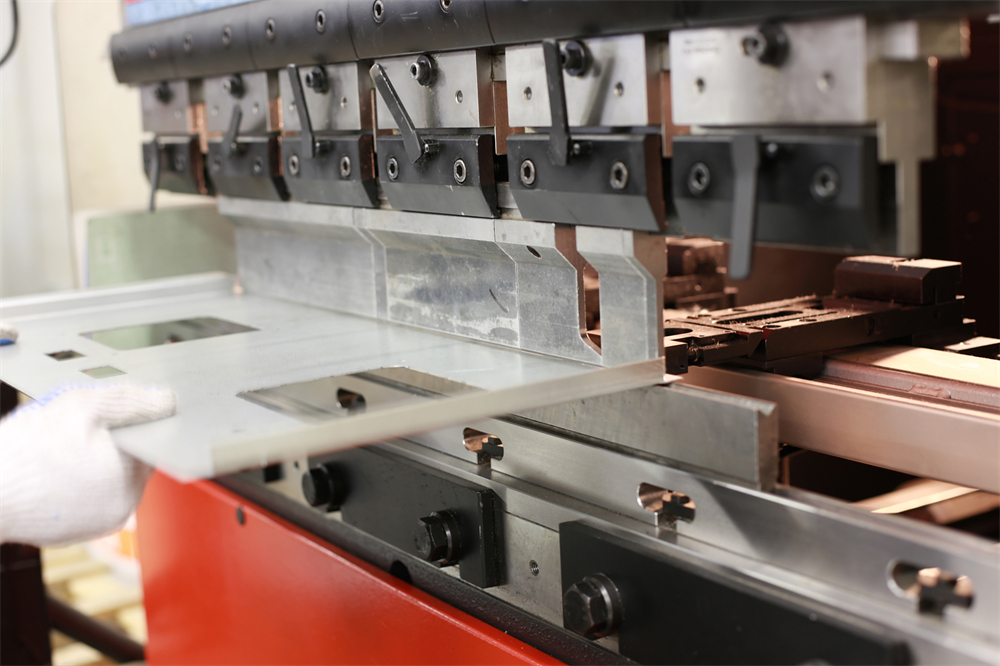
The Critical Importance of Maintenance in Fabrication
The importance of maintenance extends far beyond simple cleaning. In a press brake, precision is measured in microns. Even a slight misalignment in the backgauge or a minor drop in hydraulic pressure can result in angular inaccuracies that lead to scrapped parts. For fabrication shops, the cost of scrap material often outweighs the cost of a comprehensive maintenance program. Furthermore, the mechanical forces involved in bending heavy-gauge steel are immense. A failure in the structural integrity or hydraulic seals of the machine poses a significant safety risk to operators.
Regular maintenance also preserves the machine’s resale value. In the industrial machinery market, a well-documented service history is a primary factor in determining the value of used equipment. By following these essential press brake maintenance practices for fabrication shops, you are protecting a significant capital asset. Moreover, consistent maintenance ensures that the machine operates within its designed energy efficiency parameters, reducing utility costs and minimizing the environmental footprint of your shop operations.
Daily Inspection: The First Line of Defense
The daily inspection is perhaps the most critical component of any maintenance plan. It should be performed at the start of every shift by the operator. This routine ensures that the machine is safe to operate and that no obvious damage has occurred during previous shifts. The daily check should begin with a visual sweep of the entire machine, looking for oil leaks, loose bolts, or debris that may have accumulated around the tooling or the backgauge area.
Operators must also verify the functionality of all safety devices. This includes testing the light curtains, laser guards, and emergency stop buttons. If a safety feature is bypassed or malfunctioning, the machine must be locked out immediately. Additionally, the bed and the ram should be wiped down to remove any metal dust or scale. This prevents abrasive particles from entering the hydraulic seals or scratching the precision-ground surfaces of the tooling. A clean machine is not just about aesthetics; it is about preventing premature wear on critical components.
Hydraulic System Maintenance and Oil Management
The hydraulic system is the heart of a press brake, providing the force necessary to deform metal. Maintaining the purity and temperature of the hydraulic oil is paramount. Over time, hydraulic oil can become contaminated with moisture and microscopic metal particles. This contamination acts as an abrasive, wearing down the internal components of the valves and pumps. Fabrication shops should implement a regular oil analysis program to monitor the health of the fluid.
Checking the oil level daily is essential, but shops must also pay attention to the oil temperature. Most press brakes are designed to operate within a specific temperature range, typically between 20°C and 50°C (68°F to 122°F). If the oil becomes too hot, its viscosity decreases, leading to poor lubrication and potential seal damage. Conversely, if the oil is too cold, the machine may respond sluggishly. Ensure that the cooling system—whether air-cooled or water-cooled—is functioning correctly and that the heat exchanger fins are free of dust and debris.
Filter Replacement and Air Bleeding
Hydraulic filters must be replaced according to the manufacturer’s schedule, or sooner if the machine operates in a particularly dusty environment. A clogged filter can cause a drop in pressure and lead to cavitation in the pump, which is a costly repair. Furthermore, if the hydraulic system has been opened for repair, it is vital to bleed any trapped air. Air in the system causes “spongy” operation and inconsistent bending depths, directly impacting the quality of the finished product.

Electrical System and Control Panel Checks
Modern press brakes rely heavily on sophisticated electronics and CNC controllers. The electrical cabinet is often overlooked during routine maintenance, yet it is a common source of intermittent failures. Dust accumulation inside the cabinet can lead to overheating and short circuits. Every month, the electrical cabinet should be opened (after following proper lockout/tagout procedures) and cleaned using low-pressure compressed air or a specialized vacuum.
Check all wiring connections for tightness. Vibration from the machine’s operation can loosen terminal screws over time, leading to arcing or signal loss. Inspect the contactors and relays for signs of pitting or burning. For CNC systems, ensure that the software is updated and that the hard drive is backed up regularly. A failure in the control system can result in the loss of years of programmed bending sequences, causing a massive headache for the production team.
Mechanical Components and Tooling Integrity
The mechanical accuracy of a press brake depends on the condition of the ram, the bed, and the backgauge system. The backgauge is a high-precision component that moves constantly throughout the day. The ball screws and linear guides of the backgauge must be inspected for wear and properly lubricated. Any “play” or backlash in the backgauge will result in inconsistent flange lengths, which is a major quality issue in sheet metal fabrication.
Tooling maintenance is equally important. The punches and dies should be inspected for chips, cracks, or excessive wear. Using worn tooling requires higher tonnages to achieve the same bend, which puts unnecessary strain on the machine’s hydraulic system. When not in use, tooling should be cleaned, oiled to prevent rust, and stored in a dedicated rack. Never leave tooling on the floor where it can be damaged or become a tripping hazard.
Comprehensive Lubrication Plan
A robust lubrication plan is one of the most effective essential press brake maintenance practices for fabrication shops. Different parts of the machine require different types of lubricants. For example, the main guides (gibs) of the ram require a heavy-duty grease capable of withstanding high pressure, while the backgauge ball screws might require a lighter oil to ensure smooth, high-speed movement.
Many modern HARSLE press brakes feature automatic lubrication systems. While these systems reduce the manual labor involved, they still require monitoring. Ensure the reservoir is full and check that the distribution lines are not pinched or leaking. If your machine requires manual lubrication, establish a strict schedule. Over-lubrication can be just as damaging as under-lubrication, as excess grease can attract abrasive dust and create a grinding paste that accelerates wear.
Troubleshooting Signals: What to Listen and Look For
Experienced operators can often “hear” when a machine is not performing correctly. Unusual noises are often the first sign of mechanical or hydraulic distress. A high-pitched whine from the pump may indicate cavitation or air in the lines. A clunking sound during the stroke could suggest loose gibs or a problem with the ram’s guidance system. Squealing during backgauge movement often points to a lack of lubrication on the linear rails.
Beyond sound, watch for visual cues. If the ram is not descending evenly (tilting), there may be an issue with the synchronization valves or the linear encoders. If the machine is struggling to reach full tonnage, there could be a leak in the main cylinders or a failing pressure relief valve. Addressing these signals immediately can prevent a minor adjustment from turning into a multi-day repair job.
Maintenance Schedule Table
| Frequency | Task Description | Component |
|---|---|---|
| Daily | Visual inspection for leaks and loose hardware | General Machine |
| Daily | Test safety curtains and emergency stops | Safety Systems |
| Daily | Clean bed, ram, and tooling surfaces | Mechanical |
| Weekly | Check hydraulic oil level and temperature | Hydraulic System |
| Weekly | Lubricate backgauge ball screws and rails | Backgauge |
| Monthly | Clean electrical cabinet and check connections | Electrical |
| Monthly | Inspect and adjust ram gibs (guides) | Mechanical |
| 6 Months | Replace hydraulic filters and analyze oil quality | Hydraulic System |
| Annually | Complete system calibration and oil change | Full Machine |
Advanced Maintenance: Calibration and Alignment
Over time, even the most robust press brake can drift out of alignment due to the constant stress of bending operations. Annual or semi-annual calibration is necessary to ensure the CNC controller’s data matches the physical reality of the machine. This involves checking the parallelism of the ram to the bed and the perpendicularity of the backgauge to the bending beam. Precision levels and laser alignment tools are typically used for this process.
For shops running multi-shift operations, the frequency of these deep-dive inspections should be increased. It is also a good practice to have a certified technician from the manufacturer, such as HARSLE, perform a comprehensive audit once a year. These technicians have specialized diagnostic tools that can identify internal wear in pumps or valves that might not be apparent during standard shop checks.
Training Operators for Maintenance Success
The success of any maintenance program relies on the people operating the machines. Operators should be trained not only on how to run parts but also on the basic mechanical principles of the press brake. When an operator understands how the machine works, they are more likely to notice when something is wrong. Encourage a culture where reporting a minor leak or a strange noise is rewarded rather than ignored.
Provide operators with a clear checklist for their daily and weekly tasks. This removes ambiguity and ensures that no steps are skipped. Furthermore, ensure that the maintenance team has access to the machine’s manual and a stock of common wear parts, such as seals, filters, and fuses. Having these parts on hand can reduce downtime from days to hours.
Conclusion
Implementing essential press brake maintenance practices for fabrication shops is a strategic investment in the future of your business. By focusing on the hydraulic, electrical, and mechanical systems through a structured schedule, you ensure that your press brake remains a reliable, precise, and safe tool for years to come. Remember that maintenance is not a cost center; it is a profit-protection strategy. A well-maintained HARSLE press brake will consistently produce high-quality parts, keeping your customers satisfied and your shop running at peak efficiency.
Frequently Asked Questions (FAQ)
How often should I change the hydraulic oil in my press brake?
Generally, hydraulic oil should be changed every 2,000 to 4,000 hours of operation, or at least once every two years. However, this depends on the environment and oil quality. Regular oil analysis is the best way to determine the exact timing for your specific machine.
What type of grease should I use for the ram guides?
Most manufacturers recommend a high-pressure lithium-based grease. Always refer to your machine’s manual for specific grade requirements, as using the wrong lubricant can lead to excessive friction or clogging of the lubrication lines.
Why is my press brake losing its bending accuracy?
Inaccuracy can be caused by several factors: worn tooling, loose backgauge components, air in the hydraulic system, or the machine being out of level. Start by checking the tooling and then proceed to a full system calibration if the issue persists.
Can I use compressed air to clean the machine?
While compressed air is useful for cleaning the electrical cabinet (at low pressure), it should be used cautiously around the hydraulic seals and linear guides. High-pressure air can force dust and metal chips into sensitive areas, causing more harm than good. Wiping with a clean cloth is often safer.
What are the signs of a failing hydraulic pump?
Common signs include increased noise (whining or grinding), excessive heat generation in the hydraulic tank, slower cycle times, and an inability to reach the programmed tonnage. If you notice these symptoms, contact a technician immediately.












